- Year
- 2016
Specifications
Airframe
- Seats ·
- 4
Performance (across variants)
- Range ·
- 1,100 nm
- Cruise ·
- 300 kt
- Service ceiling ·
- 25,000 ft
- MTOW ·
- 2,700 kg
- Passengers ·
- 4 as configured (up to 6 across variants)
Description
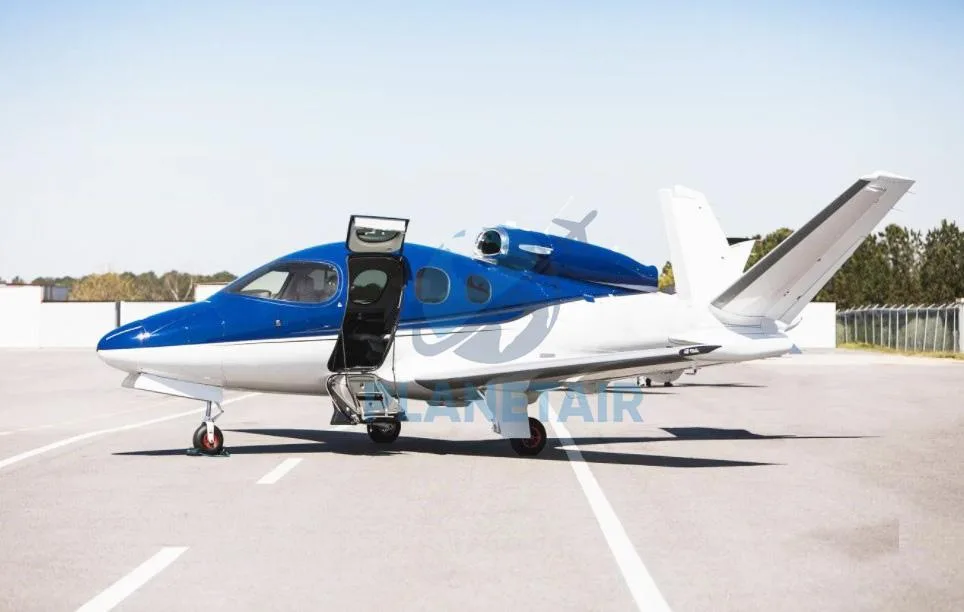
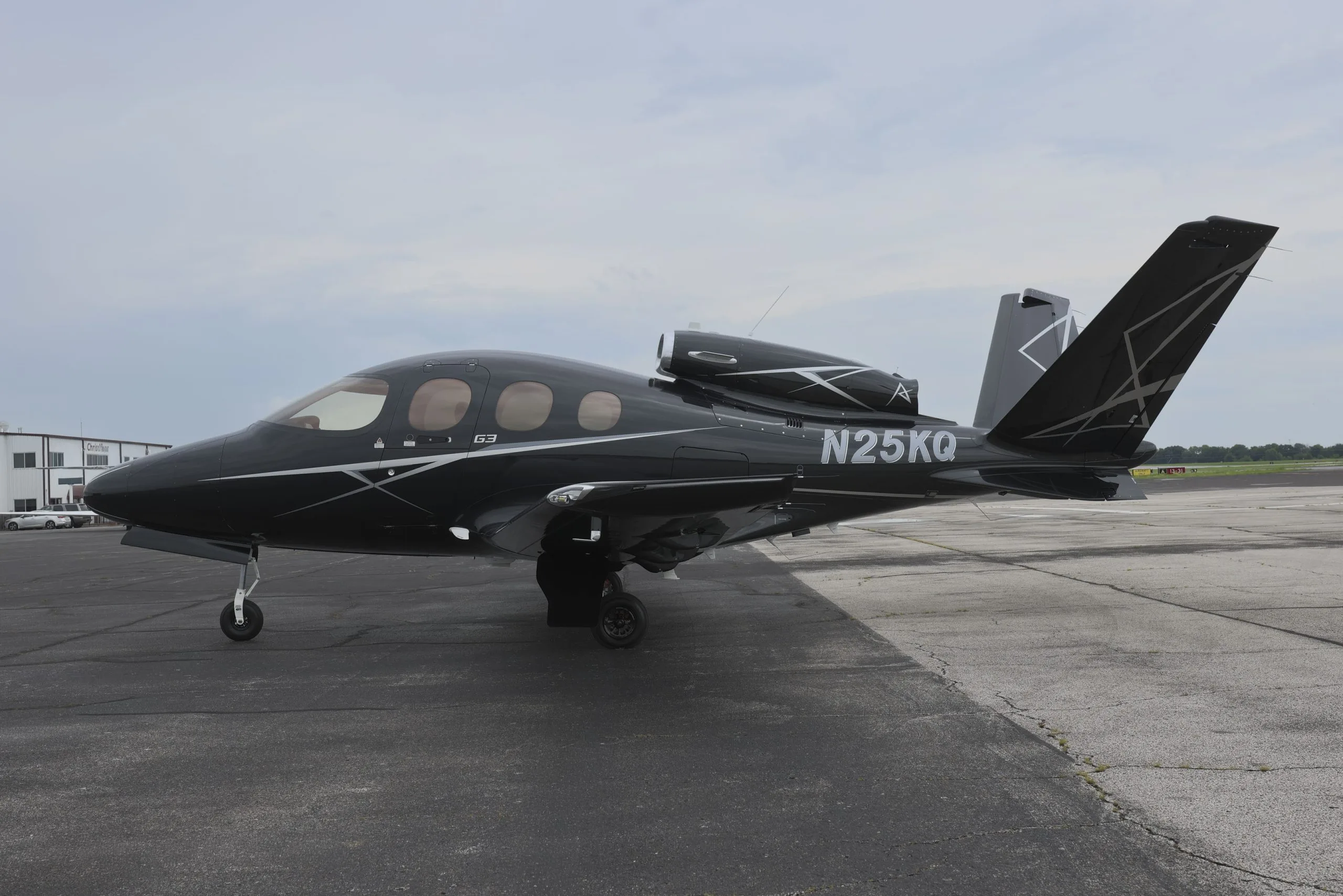
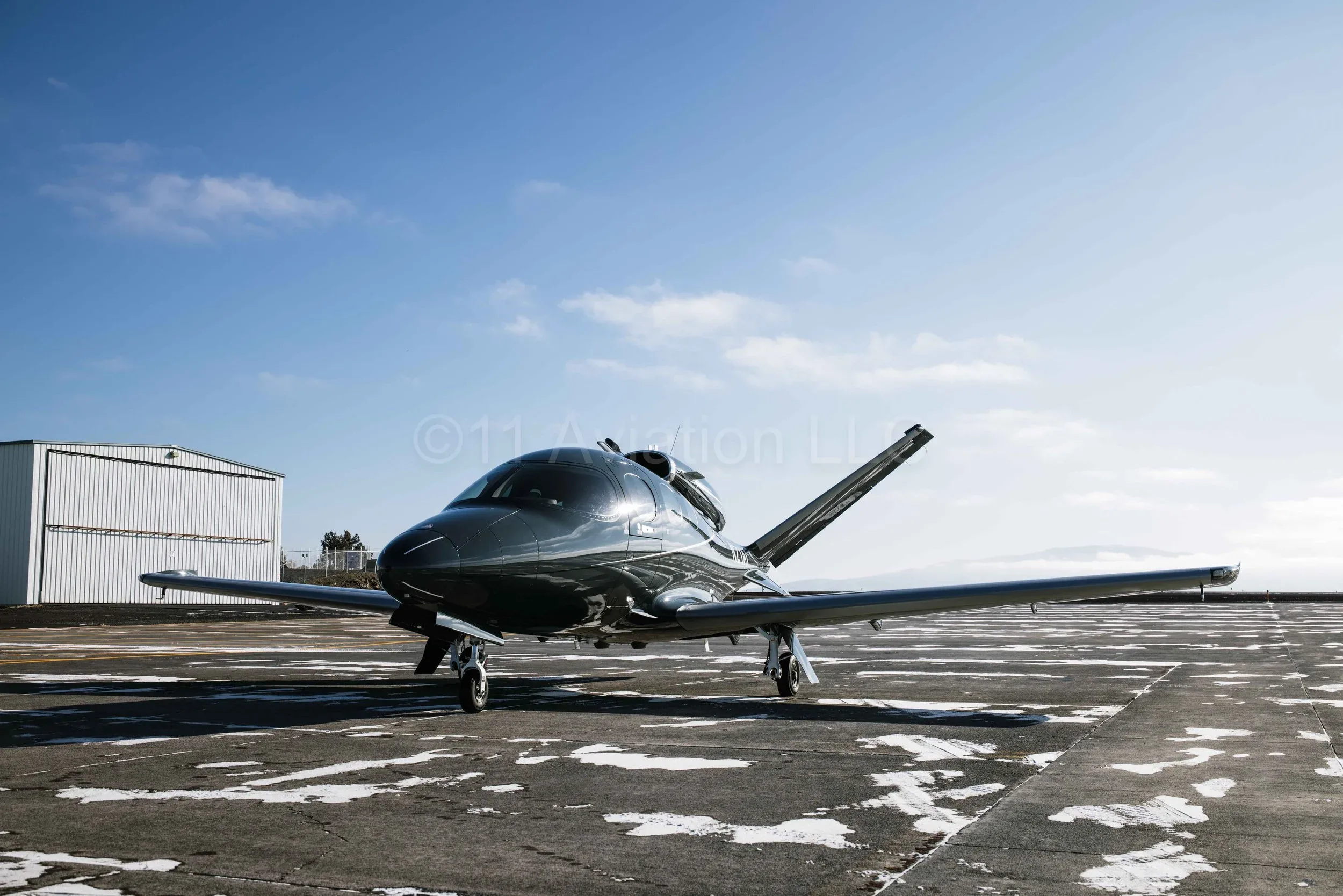
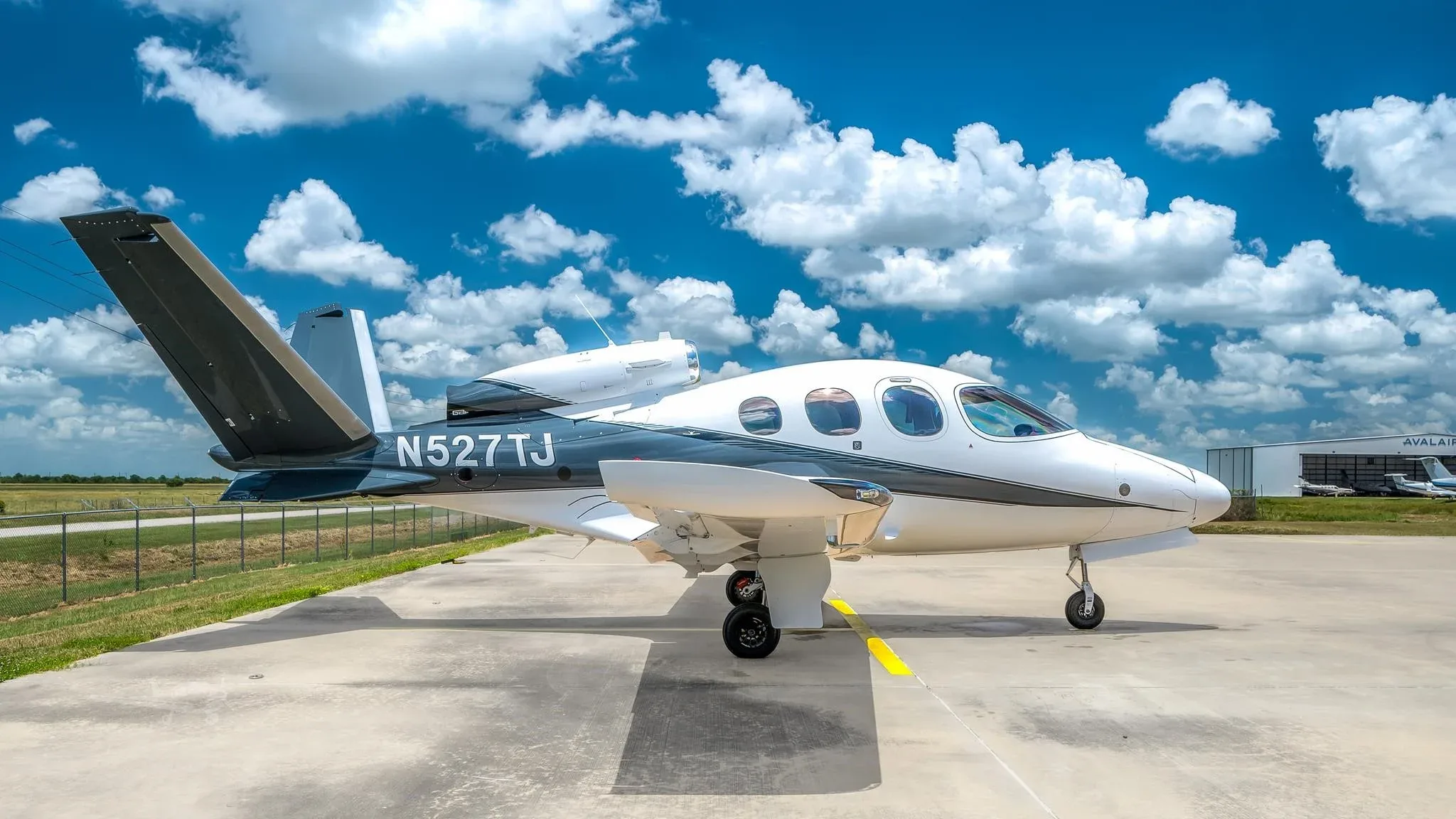
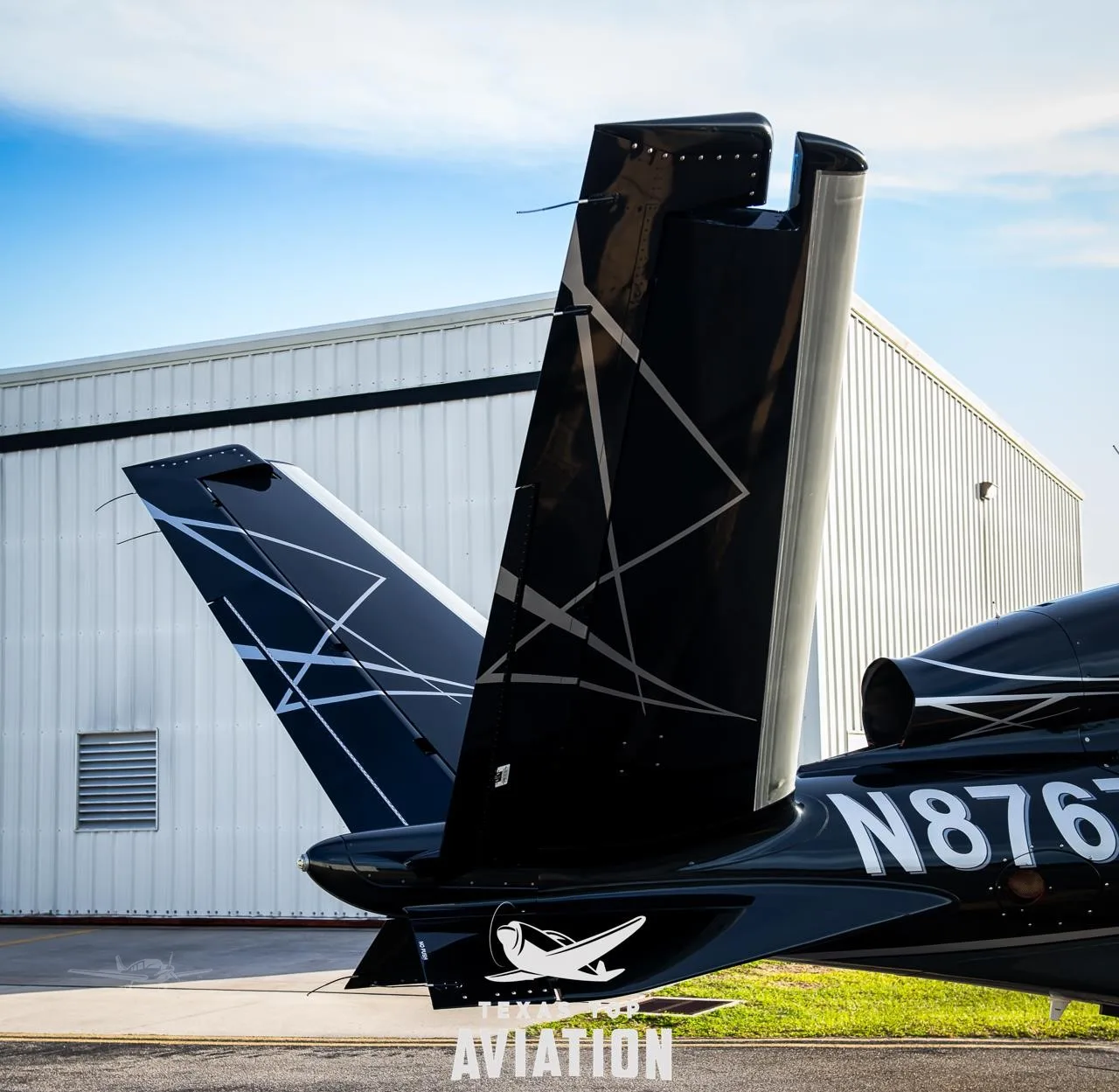
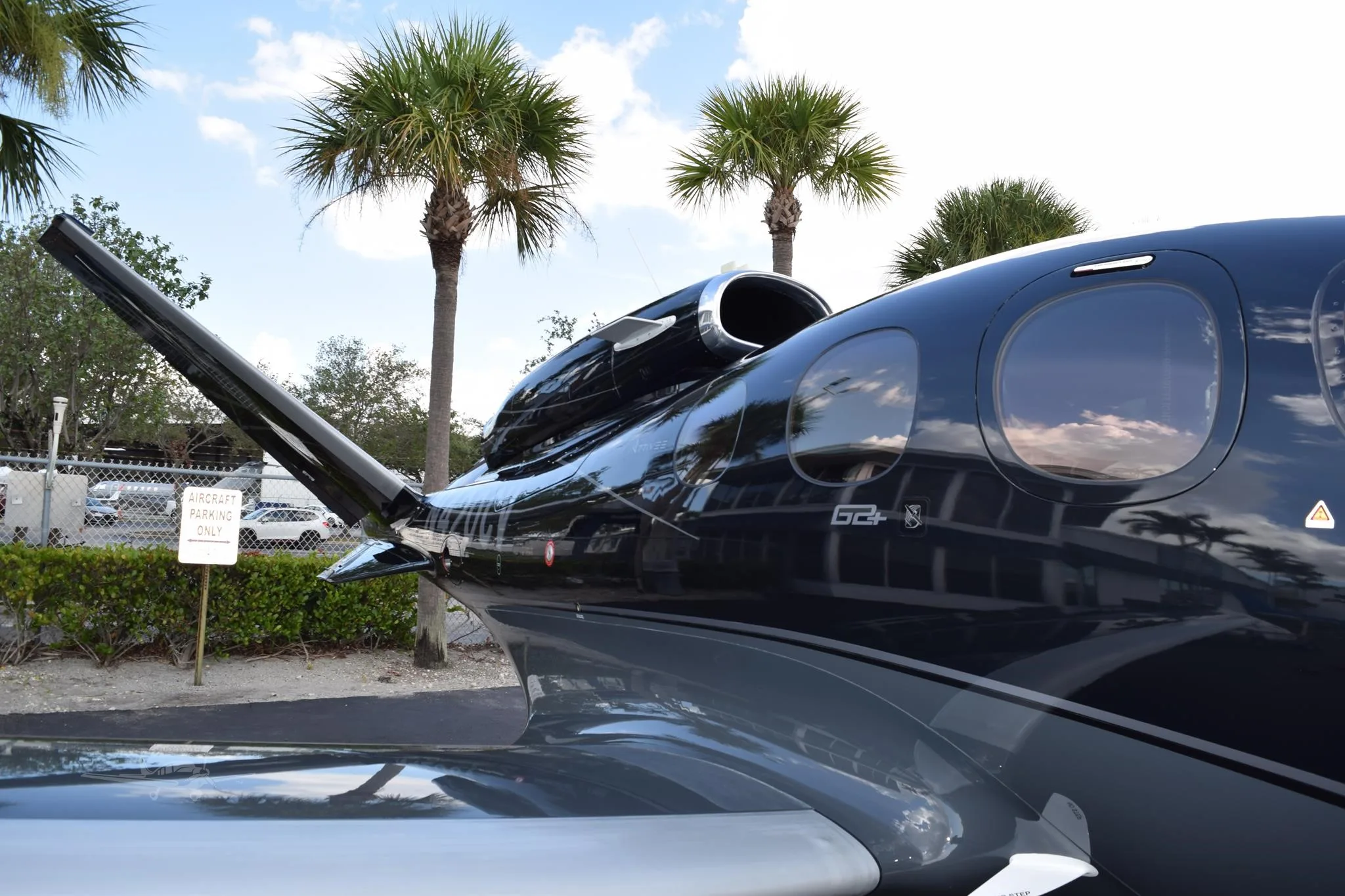
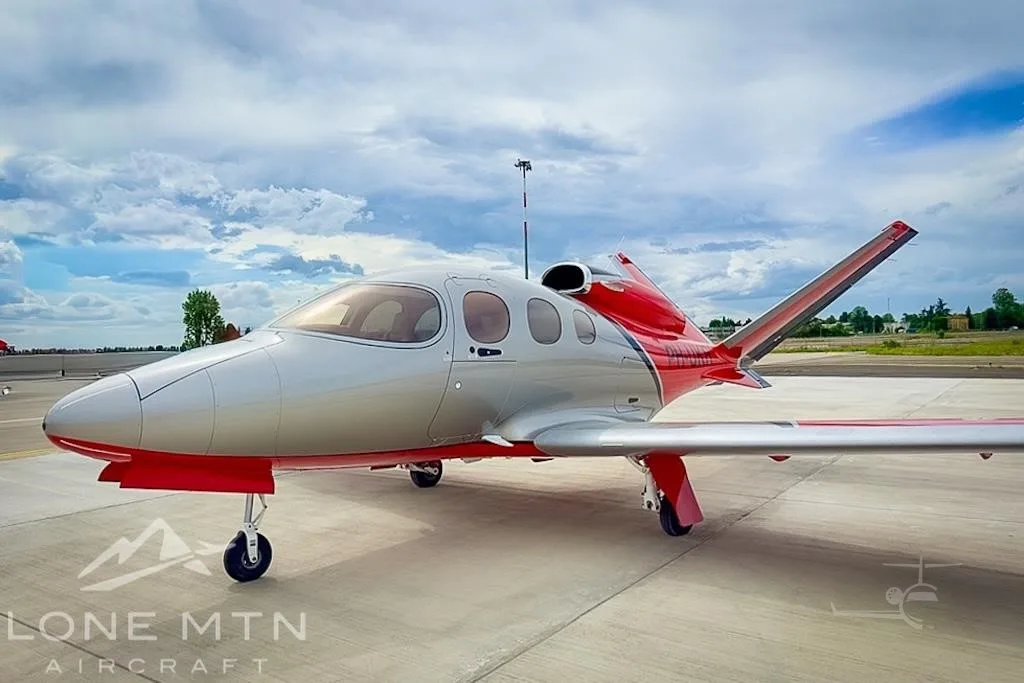
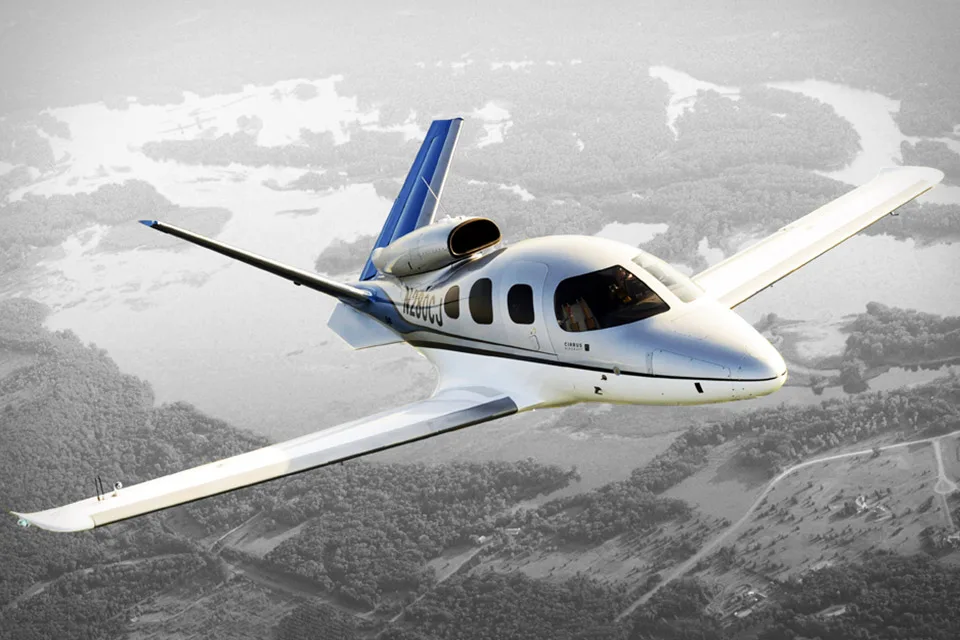
Cirrus Vision Overview AIRCRAFT CLASS Very Light Jets MAKER Cirrus Design ACQUISITION COST $1,764,000 - $2,156,000 YEAR OF MANUFACTURE 2016 - Present The Cirrus Vision is a unique aircraft in the very light jet market, and people notice the second they lay eyes on it. Operated on a single engine and a V-tail, this aircraft is designed unlike any other. Buyers drawn to the idea of operating a jet that's a first of its class will centralize their focus when they find a Cirrus Vision for sale. Cirrus Vision Cabin Experience The Cirrus Vision is capable of transporting 4 people and 1 crew member, as since it's a very light jet, it can be operated by a sole pilot. The fuselage is about 30ft long and the cabin is 12ft. The wingspan reaches further than that of the fuselage to nearly 40ft. This aircraft offers a typical amount of passengers an upgraded, comfortable, and extended-range ride compared to that of its competition. Total cabin space is 170 cubic feet, allowing for a width of 5ft and a height of 4ft. The entry door is 4ft high and baggage is allotted 25 cubic feet of space through an external compartment. Cirrus Vision Mission Profile Customers who buy a Cirrus Vision are focused on shorter hops between destinations, carrying a smaller amount of passengers, and often flown by the owner themselves. This aircraft took a long time to produce and through that, Cirrus was able to spend ample time improving and fine-tuning the jet towards the customers awaiting the arrival, nearly 600 once deliveries actually began. This jet is popular among buyers as it's extremely cheap when compared to competitors, thus opening an outlet to many as it's dubbed an "affordable" private jet. An added aspect the Cirrus Vision brings to the table is it's parachute capability, a system called CAPS, that Cirrus is known so well for. Buyers looking for an enhanced safety system will find just that with the Cirrus Vision. Cirrus Vision Interior SEATS 4-5 CABIN VOLUME 223 cu. ft. CABIN DIMENSIONS 10'9" x 5'1" x 4'1" MAX PAYLOAD 1200 lbs Buy or Sell a Cirrus Vision with evoJets Are you interested in Cirrus Vision ownership? evoJets can help. Don't waste hours on public listing engines with outdated photos, vague information, and placeholders for prices. Our experienced reps can wade through the fragmented Very Light Jets Sales market and help you buy, sell, trade, or lease your Cirrus Vision with efficiency. With over a decade of experience in business aviation charter and ownership, we have the off-market aircraft sales connections and industry knowledge to put you on a path to success. Call evoJets today and speak to an aviation expert: (877) 970-5387. Cirrus Vision Cost to Own Acquisition cost for the Cirrus Vision typically ranges from $1.9-$2.0 million, more than $1 million more than competitor Eclipse 500. When factoring in market depreciation to total annual cost, the Cirrus Vision will cost a buyer roughly $770,000 per year compared to the Eclipse 500 which will cost a buyer $828,000-$830,000. Cirrus Vision Operating Cost Cirrus Vision direct operating cost is around $700 per flight hour, about $300 less than that of its competitor. Annual fixed cost for the Cirrus Vision falls between $177,000-$179,000, roughly $30,000 less than the Eclipse. Cirrus Vision Performance CRUISE SPEED 300 MPH FUEL BURN 70 gal/hr TYPICAL CHARTER RATE $1,700 - $2,200 per hour The Cirrus Vision is a bestseller for a reason- its unique design and low price point draws in many, and causes them to stay once they witness the class Cirrus brings to the table. Buyers looking into aircraft for sale will be wowed by this very light jet which they can operate themselves. Cirrus Vision Engine The Cirrus Vision houses a single Williams FJ33-5A engine, a feature which decreases the operating cost. The Cirrus Vision has a max cruise speed of 300kts, significantly slower than the Eclipse 500 which has a max cruise of typically 370kts. The aircraft can land and takeoff in the followin