AIRBUS AS350 B3 Model Guide
AIRBUS AS350 B3 · Model Guide
Overview
The AIRBUS AS350 B3 is a helicopter in the Airbus Helicopters 350 family, which the registry lists as turboshaft with up to 5 passengers. The only document supplied covers the tail-boom battery relocation modification, so this guide focuses on that. No variant-specific weights or speeds were provided.
- Family-level figures only: up to 550 nm range, 135 kt cruise and 17000 ft ceiling across the 350 family, not the B3 alone.
- The battery relocation moves the battery from the RH cargo compartment to the tail boom, freeing cargo volume.
- Battery inspections run at 150 FH or 12 months. B3-only operators can use 750 FH or 24 months for the longer check.
- Records conflict on engine type (library says piston, registry says turboshaft). Confirm against the aircraft documents.
Summary written by AI from the source document. Check the original before relying on it. See which parts of Sprinkle are written by AI.
Reference only, not for flight. Use the current approved manual for your aircraft. See terms, section 5.
Document
Source
Copy found at sprinkle.com. Sprinkle hosts a reference copy with an added summary, specifications and searchable full text.
Document details
- Type ·
- Model Guide
- Year ·
- 2026
- File size ·
- 45 KB
- Copy found at ·
- sprinkle.com
Specifications & performance
Extracted from this document.
Specifications
- Battery access cutout width (in) ·
- 11.8
- Battery access cutout length (in) ·
- 16.5
Performance
- Family max range (nm) ·
- 550
- Family max cruise speed (kt) ·
- 135
- Family max service ceiling (ft) ·
- 17,000
What battery options does the AIRBUS AS350 B3 relocation use?
On an AIRBUS AS350 B3 with the battery relocation, the original 15 Ah nickel-cadmium battery is replaced by a 22 Ah nickel-cadmium or a 28 Ah lead-acid battery, mounted in the tail boom.
How often is the relocated battery installation inspected on the AIRBUS AS350 B3?
For the AIRBUS AS350 B3, the document calls for a check every 150 FH or 12 months, whichever comes first. The longer check is 750 FH or 24 months for B3-only operators. A connector check is due before the first flight each day.
Do the family performance figures apply to the AIRBUS AS350 B3?
Not exactly. The 550 nm range, 135 kt cruise and 17000 ft ceiling are maxima across the whole 350 family, including the B3 variant. Check the AIRBUS AS350 B3 flight manual for its own figures.
What is the AIRBUS AS350 B3 Model Guide?
The AIRBUS AS350 B3 Model Guide is a model guide for the AIRBUS AS350 B3, dated 2026.
What year was the AIRBUS AS350 B3 Model Guide published?
The AIRBUS AS350 B3 Model Guide — the AIRBUS AS350 B3 model guide on file — is dated 2026.
Common. More common than 99% of the aircraft models we track.
Most owners only have the POH. Here's the essential set for the AIRBUS AS350 B3.
- Pilot's Operating Handbook / AFM
- Checklist
- Maintenance Manual
- Parts Catalog (IPC)
- Systems & Wiring
- Service Bulletins on file
- Type Certificate (TCDS)
AIRBUS AS350 B3 for sale now
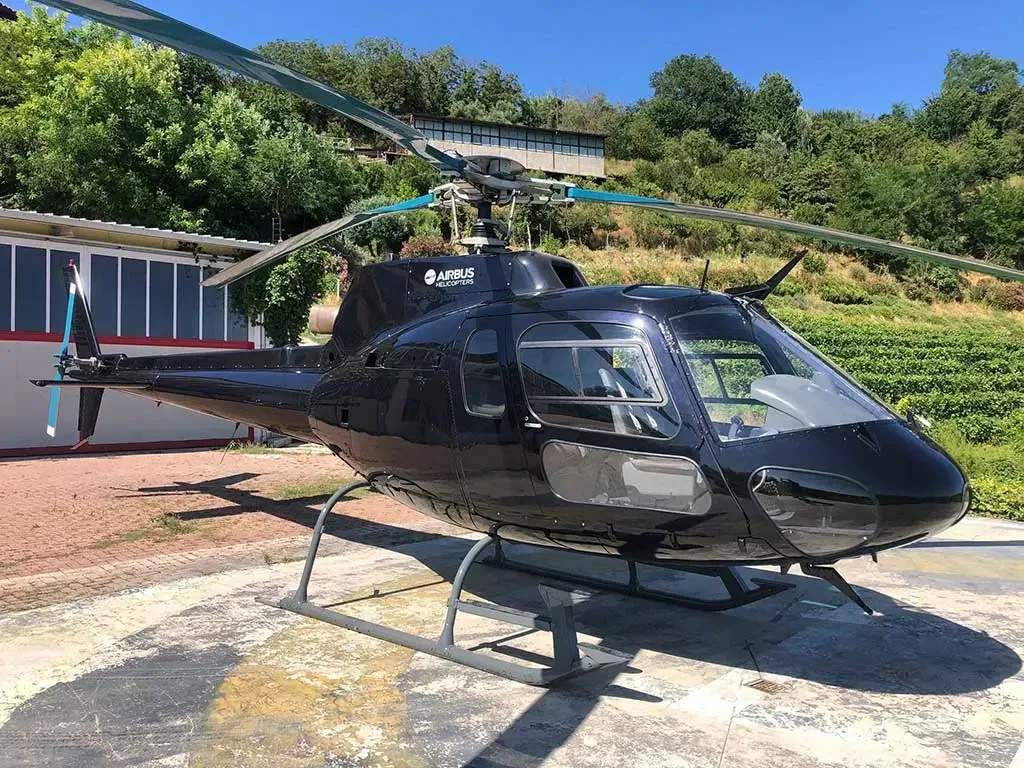
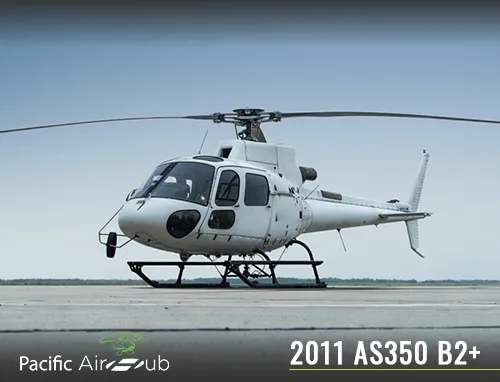
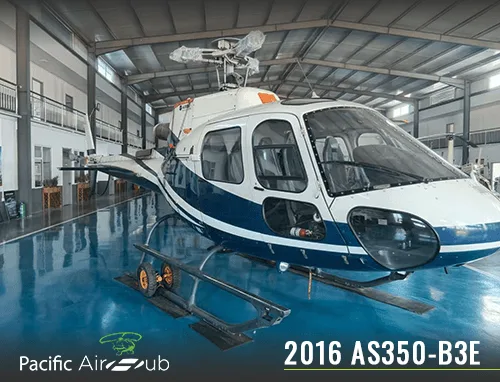
Free — save the 350 to your watchlist and track it in one place.
More AIRBUS AS350 B3manuals & documents
Related documents
- EUROCOPTER AS350B-2 Model GuideEUROCOPTER AS350B-2 · Model Guide
- AS 350 B2-B3-H125(B3e) ASTAR REVISION STATUSAIRBUS AS350 B3 · Maintenance Manual
- AS 350 B2-B3-H125(B3e) ASTAR REVISION STATUSAIRBUS AS350 B3 · Maintenance Manual
- AS350BA-B-B1-D MANUAL CODE REVISION DATEAIRBUS AS350 B3 · Maintenance Manual
- Instructions for Continued Airworthiness - Battery RelocationAIRBUS AS350 B3 · Service Bulletins
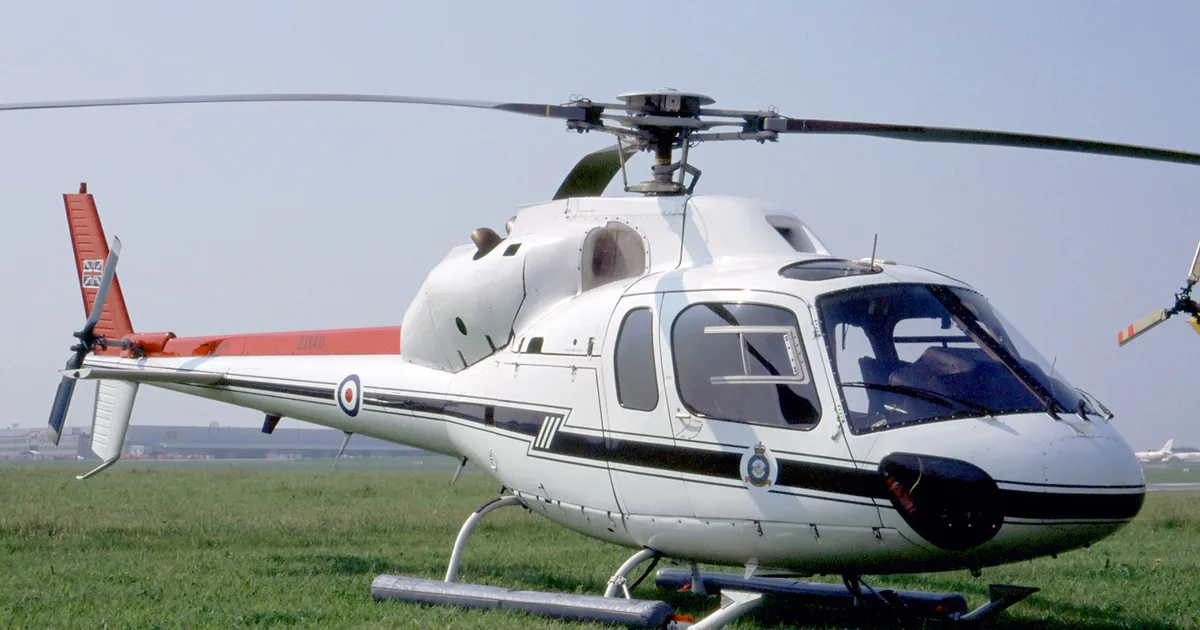
If you fly the AIRBUS AS350 B3, you may also be researching these.


In this document
What the battery relocation does
The existing 15 Ah nickel-cadmium battery is removed from the RH cargo compartment. A 22 Ah nickel-cadmium or 28 Ah lead-acid battery goes in the tail boom. This eliminates or reduces the need for tail boom ballast and increases usable RH cargo volume. The battery is reached through a hinged carbon fiber door.
Inspection intervals
Before the first flight each day, check the battery connector for security. Every 150 FH or 12 months, check the battery tray, vent hoses, harness, door seal and placards. At 600 FH or 24 months, or 750 FH or 24 months for the AS 350 B3 only, check the battery ground wire. Nickel-cadmium aircraft also get a temperature sensor check.
Battery type matters
With the lead-acid battery, the BATT TEMP warning light is inoperative. With the nickel-cadmium Saft battery, it works. The Concorde lead-acid battery maker recommends replacing it after four years of service. Do not repair or overhaul either battery. Contact the battery maker.
Summary written by AI from the source document. Check the original before relying on it. See which parts of Sprinkle are written by AI.
Safety notes
- With a lead-acid battery fitted, the BATT TEMP warning light is inoperative. Check which battery type is installed.
- Make sure the aircraft electrical system is not energized before working on the battery or battery circuit.
- In the 150 FH / 12 month inspection, any corrosion, cracks, deformation or scoring on the battery tray is not allowed. Contact the supplier for replacement parts.
Summary written by AI from the source document. Check the original before relying on it. See which parts of Sprinkle are written by AI.
Full document text
AIRBUS AS350 B3 Model Guide The AIRBUS AS350 B3 is a helicopter in the Airbus Helicopters 350 family, which the registry lists as turboshaft with up to 5 passengers. The only document supplied covers the tail-boom battery relocation modification, so this guide focuses on that. No variant-specific weights or speeds were provided. • Family-level figures only: up to 550 nm range, 135 kt cruise and 17000 ft ceiling across the 350 family, not the B3 alone. • The battery relocation moves the battery from the RH cargo compartment to the tail boom, freeing cargo volume. • Battery inspections run at 150 FH or 12 months. B3-only operators can use 750 FH or 24 months for the longer check. • Records conflict on engine type (library says piston, registry says turboshaft). Confirm against the aircraft documents. What the battery relocation does The existing 15 Ah nickel-cadmium battery is removed from the RH cargo compartment. A 22 Ah nickel-cadmium or 28 Ah lead-acid battery goes in the tail boom. This eliminates or reduces the need for tail boom ballast and increases usable RH cargo volume. The battery is reached through a hinged carbon fiber door. Inspection intervals Before the first flight each day, check the battery connector for security. Every 150 FH or 12 months, check the battery tray, vent hoses, harness, door seal and placards. At 600 FH or 24 months, or 750 FH or 24 months for the AS 350 B3 only, check the battery ground wire. Nickel-cadmium aircraft also get a temperature sensor check. Battery type matters With the lead-acid battery, the BATT TEMP warning light is inoperative. With the nickel-cadmium Saft battery, it works. The Concorde lead-acid battery maker recommends replacing it after four years of service. Do not repair or overhaul either battery. Contact the battery maker. Safety notes: • With a lead-acid battery fitted, the BATT TEMP warning light is inoperative. Check which battery type is installed. • Make sure the aircraft electrical system is not energized before working on the battery or battery circuit. • In the 150 FH / 12 month inspection, any corrosion, cracks, deformation or scoring on the battery tray is not allowed. Contact the supplier for replacement parts.