BELL 407 Model Guide
BELL 407 · Model Guide
Overview
BELL 407 is a Bell helicopter that the registry lists as turboshaft-powered. The registry figures cover the whole 407 family, so treat them as upper bounds: up to 7 passengers, 2500 kg MTOW, 115 kt cruise, 310 nm range and an 18500 ft ceiling. The supplied documents cover a cyclic stick alert bulletin and the Garmin G500H avionics upgrade.
- Confirm compliance with ASB 407-23-130RA (cracked pilot cyclic stick) on any listed serial number before you buy.
- Registry figures are family maxima: up to 7 passengers and 310 nm range. Verify your aircraft's own limits in its flight manual.
- A BELL 407 with the Garmin G500H is restricted to VFR only and carries a MAX RATE OF CLIMB 2000 FPM placard.
- Check the logbook for the bulletin Part I to IV entries and the G500H inspection records.
Summary written by AI from the source document. Check the original before relying on it. See which parts of Sprinkle are written by AI.
Reference only, not for flight. Use the current approved manual for your aircraft. See terms, section 5.
Document
Source
Copy found at sprinkle.com. Sprinkle hosts a reference copy with an added summary, specifications and searchable full text.
Document details
- Type ·
- Model Guide
- Year ·
- 2026
- File size ·
- 47 KB
- Copy found at ·
- sprinkle.com
Specifications & performance
Extracted from this document.
Performance
- Family max range (nm) ·
- 310
- Family max cruise speed (kt) ·
- 115
- Family max service ceiling (ft) ·
- 18,500
Which BELL 407 helicopters does the cyclic stick bulletin affect?
ASB 407-23-130RA lists serial number ranges for the BELL 407, from 53000 through 56315 with gaps. Serial numbers 56316 and later are not affected. Check your serial number against the bulletin.
Can a BELL 407 with the G500H fly IFR?
No. The G500H STC ICA says rotorcraft modified under it are restricted to VFR only. A placard reading APPROVED FOR DAY/NIGHT VFR must be in the pilot's view on the BELL 407.
How many people can a BELL 407 carry?
The registry shows up to 7 passengers across the BELL 407 family. This is a family maximum, not a figure for a specific aircraft, so confirm it against the aircraft's flight manual.
What is the BELL 407 Model Guide?
The BELL 407 Model Guide is a model guide for the BELL 407, dated 2026.
What year was the BELL 407 Model Guide published?
The BELL 407 Model Guide — the BELL 407 model guide on file — is dated 2026.
Common. More common than 97% of the aircraft models we track.
Most owners only have the POH. Here's the essential set for the BELL 407.
- Pilot's Operating Handbook / AFM
- Checklist
- Maintenance Manual
- Parts Catalog (IPC)
- Systems & Wiring
- Service Bulletins on file
- Type Certificate (TCDS)
BELL 407 for sale now

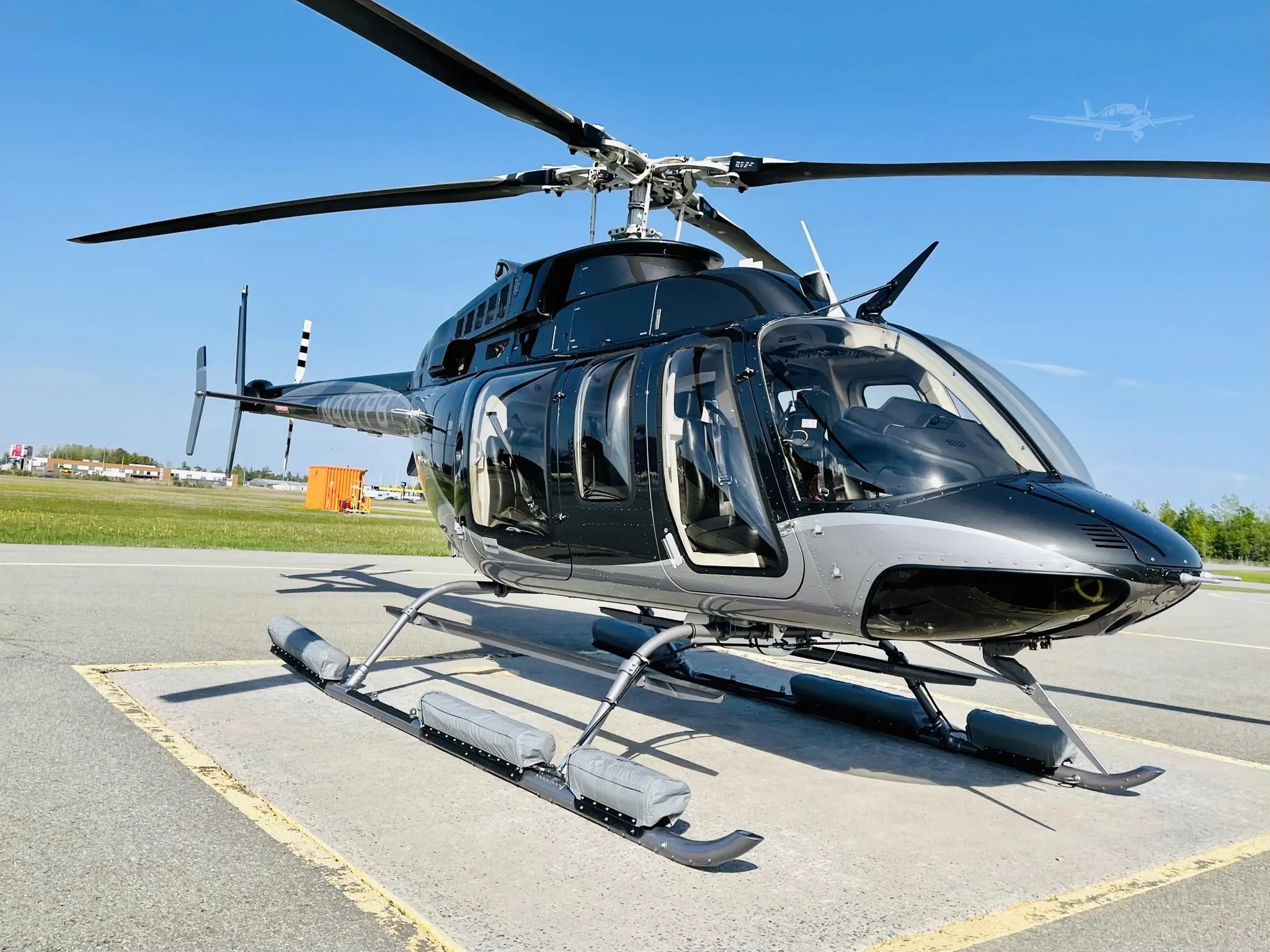
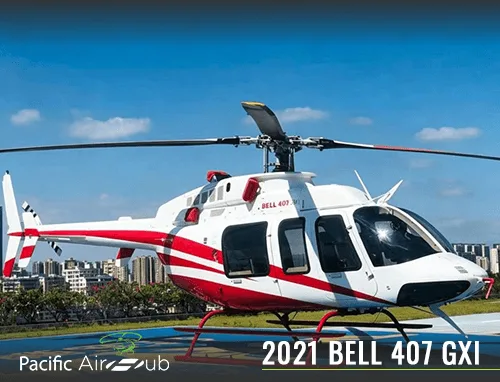
Free — save the 407 to your watchlist and track it in one place.
More BELL 407manuals & documents
If you fly the BELL 407, you may also be researching these.


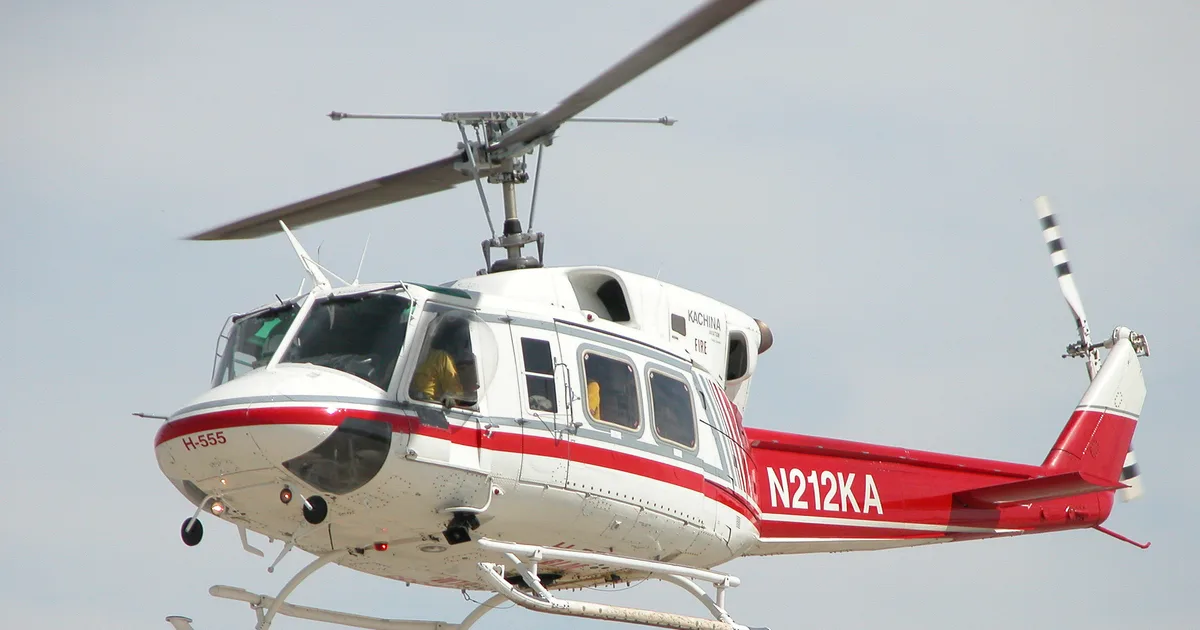
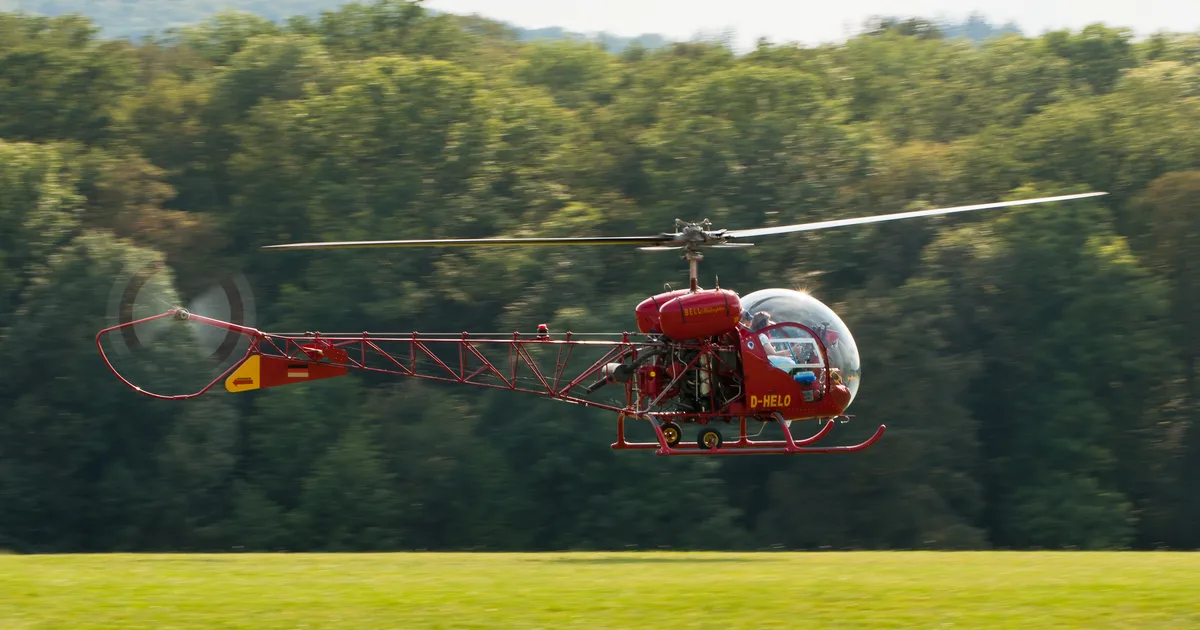
In this document
Cyclic stick bulletin (ASB 407-23-130RA)
A pilot cyclic stick was found fractured near the lower base. Part I is a 10X magnifying glass inspection of the lower four inches of the stick tube, due within 100 flight hours or 90 days of release. A cracked tube may be stop-drilled only within set limits, then re-inspected every 300 flight hours or 6 months. The repaired tube must be replaced within 24 months.
Garmin G500H avionics upgrade
The STC adds a GDU 620 display with AHRS, air data computer and magnetometer units. Aircraft with it are VFR only (day/night). A new weight and balance is required after installation. The units get a visual inspection every 12 calendar months and a bonding test every 2000 flight hours or ten years, whichever is first.
Summary written by AI from the source document. Check the original before relying on it. See which parts of Sprinkle are written by AI.
Safety notes
- Cyclic cracking may come from excessive force when checking the CYCLIC CENTERING light. The revised prestart check limits stick movement to about 1 inch.
- A cracked cyclic tube must be reported to Bell Product Support. A tube whose crack is longer than 0.791 inch is unserviceable and must be replaced before the next flight.
Summary written by AI from the source document. Check the original before relying on it. See which parts of Sprinkle are written by AI.
Full document text
BELL 407 Model Guide BELL 407 is a Bell helicopter that the registry lists as turboshaft-powered. The registry figures cover the whole 407 family, so treat them as upper bounds: up to 7 passengers, 2500 kg MTOW, 115 kt cruise, 310 nm range and an 18500 ft ceiling. The supplied documents cover a cyclic stick alert bulletin and the Garmin G500H avionics upgrade. • Confirm compliance with ASB 407-23-130RA (cracked pilot cyclic stick) on any listed serial number before you buy. • Registry figures are family maxima: up to 7 passengers and 310 nm range. Verify your aircraft's own limits in its flight manual. • A BELL 407 with the Garmin G500H is restricted to VFR only and carries a MAX RATE OF CLIMB 2000 FPM placard. • Check the logbook for the bulletin Part I to IV entries and the G500H inspection records. Cyclic stick bulletin (ASB 407-23-130RA) A pilot cyclic stick was found fractured near the lower base. Part I is a 10X magnifying glass inspection of the lower four inches of the stick tube, due within 100 flight hours or 90 days of release. A cracked tube may be stop-drilled only within set limits, then re-inspected every 300 flight hours or 6 months. The repaired tube must be replaced within 24 months. Garmin G500H avionics upgrade The STC adds a GDU 620 display with AHRS, air data computer and magnetometer units. Aircraft with it are VFR only (day/night). A new weight and balance is required after installation. The units get a visual inspection every 12 calendar months and a bonding test every 2000 flight hours or ten years, whichever is first. Safety notes: • Cyclic cracking may come from excessive force when checking the CYCLIC CENTERING light. The revised prestart check limits stick movement to about 1 inch. • A cracked cyclic tube must be reported to Bell Product Support. A tube whose crack is longer than 0.791 inch is unserviceable and must be replaced before the next flight.