BULLETIN OF YALE UNIVERSITY Series 108 Number 6 July 20, 2012
Cessna 120 · Service Bulletins
Overview
The document is a bulletin from Yale University, specifically from the School of Medicine for the academic year 2012-2013. It serves as an informational resource detailing various aspects of the School of Medicine, including its administration, faculty, degree programs, financial aid, and facilities. The bulletin is intended for students, faculty, and staff associated with the School of Medicine, providing them with essential information regarding academic programs, administrative procedures, and resources available at the university. It includes a comprehensive overview of the school's history, mission, and facilities, along with a calendar of events and important dates for the academic year.
- The bulletin is for the academic year 2012-2013.
- It includes detailed information about the administration and faculty of the School of Medicine.
- Financial aid options and tuition details are provided for prospective and current students.
- The document outlines various degree programs offered by the School of Medicine.
- Facilities associated with the School of Medicine are described, highlighting resources available for education and research.
Document
Source
Originally published by bulletin.yale.edu. Sprinkle hosts a reference copy with an added summary, specifications and searchable full text.
Document details
- Type
- Service Bulletins
- Year
- 2012
- Pages
- 234
- File size
- 1.2 MB
- Publisher
- bulletin.yale.edu
Common. One of the most common aircraft types we track.
Most owners only have the POH. Here's the essential set for the Cessna 120.
- Pilot's Operating Handbook / AFM
- Checklist
- Maintenance Manual
- Parts Catalog (IPC)
- Systems & Wiring
- Service Bulletins
- Type Certificate (TCDS)
Cessna 120 for sale now

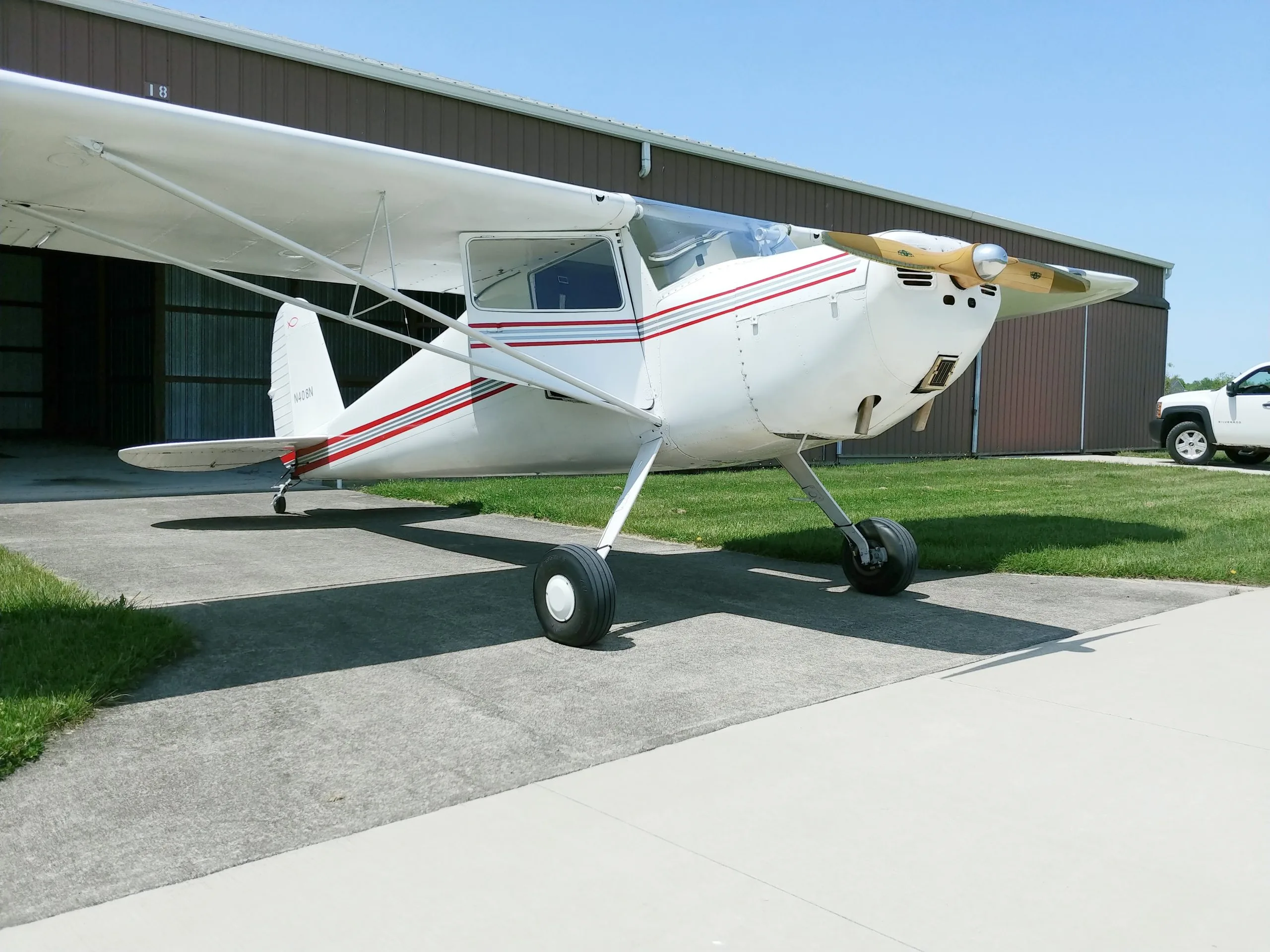
Free — save the 120 to your watchlist and track it in one place.
More Cessna 120manuals & documents
See all 22 →- Advisory Circular AC21-1 Appendix 2Type Certificate
- HARTZELL PROPELLER SERVICE LETTER INDEX - August 13, 2025Airworthiness Directives
- IFS DOCUMENTATION – Cy48r1Normal Procedures
- Airworthiness Directive Schedule Aeroplanes Cessna 120Service Bulletins
- Business Jet Traveler Buyers’ Guide 2022Training Manual
- AAIB Bulletin: 8/2022Service Bulletins
- Model 1500 Ski Installation Procedure: Cessna 120, 140 & 140AFlight Manual
- AVIATION CATALOG AV-14Service Bulletins
- An Aircraft Owner’s Guide to Operating and Maintaining your AircraftType Certificate
- AAIB Bulletin No: 4/2004Maintenance Manual
- AIRWORTHINESS DIRECTIVEAirworthiness Directives
- AIRWORTHINESS DIRECTIVEAirworthiness Directives
If you fly the Cessna 120, you may also be researching these.



In this document
Contents
The bulletin outlines the structure of the document, which includes sections on the calendar, administration and faculty, degree programs, financial aid, and various resources available to students. It serves as a guide to the information contained within the bulletin.
Administration and Faculty
This section details the governance of the School of Medicine, including the roles of the President, Provost, and various deans. It highlights the faculty's involvement in the administration and the importance of their roles in guiding the educational mission of the school.
Degree Programs
The bulletin provides information on the Doctor of Medicine program and other joint academic programs offered by the School of Medicine. It outlines the structure of these programs and the educational objectives associated with them.
Expenses and Financial Aid
This section discusses tuition and special fees, financial aid options, scholarships, and loan funds available to students. It aims to inform students about the financial aspects of their education and the support systems in place.
Facilities
The bulletin describes the various facilities associated with the School of Medicine, including the Yale-New Haven Medical Center, libraries, and research buildings. It emphasizes the resources available for students and faculty to support their educational and research activities.
Full document text
School of Medicine 2012–2013 BULLETIN OF YALE UNIVERSITY Series 108 Number 6 July 20, 2012 BULLETIN OF YALE UNIVERSITY Series 108 Number 6 July 20, 2012 (USPS 078-500) is published seventeen times a year (one time in May and October; three times in June and September; four times in July; five times in August) by Yale University, 2 Whitney Avenue, New Haven CT 0651o. Periodicals postage paid at New Haven, Connecticut. Postmaster: Send address changes to Bulletin of Yale University, PO Box 208227, New Haven CT 06520-8227 Managing Editor: Linda Koch Lorimer Editor: Lesley K. Baier PO Box 208230, New Haven CT 06520-8230 The closing date for material in this bulletin was June 30, 2012. The University reserves the right to withdraw or modify the courses of instruction or to change the instructors at any time. ©2012 by Yale University. All rights reserved. The material in this bulletin may not be reproduced, in whole or in part, in any form, whether in print or electronic media, without written permission from Yale University. The School of Medicine Bulletin Bulletin is primarily a digital publication, available in both html and pdf versions at www.yale.edu/bulletin. A limited number of copies were printed on 50% postconsumer recycled paper for the School of Medicine and the permanent archive of the Bulletin of Yale University. Individual copies may also be pur- chased on a print-on-demand basis; please contact Yale Printing and Publishing Services, 203.432.6560. bulletin of yale university Series 108 Number 6 July 20, 2012 School of Medicine 2012–2013 Contents Calendar 5 The President and Fellows of Yale University 6 The O∞cers of Yale University 7 Administration and Faculty 8 History, Mission, and Facilities 10 Harvey Cushing/John Hay Whitney Medical Library 14 Associates of the Yale Medical Library 16 Degree Programs 17 Doctor of Medicine 17 Joint Academic Programs 30 School of Public Health 35 The Yale Physician Associate Program 35 Expenses and Financial Aid 39 Tuition and Special Fees 39 Student Accounts and Bills 40 Financial Aid 42 Tuition Rebate and Refund Policy 44 Scholarships 45 Loan Funds 54 Fellowships 56 Honors and Prizes 60 Commencement Awards 60 Thesis Prizes 62 Student Research Day Oral Presentations 63 Awards to Faculty and House Sta≠ 63 General Information 65 Human Relations Code of Conduct 65 Grievance Procedures 65 Advising at Yale School of Medicine 69 Leaves of Absence 69 Residence and Dining Facilities 72 Disability Insurance 73 Medical Center Security 74 The Yale Journal of Biology and Medicine 74 Special Support Services 75 Yale University Resources and Services 79 A Global University 79 Cultural and Social Resources 80 Athletic Facilities 81 Health Services 82 Required Immunizations 4 School of Medicine 2012–2013 O∞ce of International Students and Scholars 86 Resource O∞ce on Disabilities 87 Resources on Sexual Misconduct 87 Departments and Sections 90 Anesthesiology 91 Cell Biology 93 Cellular and Molecular Physiology 96 Child Study Center 100 Comparative Medicine 104 Dermatology 105 Diagnostic Radiology 107 Section of Education 109 Emergency Medicine 115 Genetics 118 History of Medicine 121 Immunobiology 125 Internal Medicine 127 Investigative Medicine 139 Laboratory Medicine 141 Microbial Pathogenesis 144 Molecular Biophysics and Biochemistry 146 Neurobiology 152 Neurology 156 Neurosurgery 159 Obstetrics, Gynecology, and Reproductive Sciences 161 Ophthalmology and Visual Science 165 Orthopaedics and Rehabilitation 167 Pathology 169 Pediatrics 172 Pharmacology 177 Psychiatry 180 Public Health 187 Surgery 189 Therapeutic Radiology 195 Yale Cancer Center 197 School of Nursing 200 Postgraduate Study 201 Continuing Education 202 Doctors of Medicine, Class of 2012 203 Enrollment for 2011–2012 213 The Work of Yale University 223 Central Campus Map 226 Medical Center Map 228 Travel Directions 229 Calendar two Hundred and first Session Fall 2012 June 18 M Clerkship year for third-year students begins, 8 a.m. July 30–Aug. 10 M–F Registration for third- through fifth-year students, 9 a.m.–4:30 p.m. Aug. 16 TH Matriculation for first-year students, 8–11 a.m. Aug. 28 T First term begins for second-year students Aug. 29 W First term begins for first-year students Aug. 29–Sept. 12 W–W Registration for second-year students, 9 a.m.–4:30 p.m. Sept. 3 M Labor Day. No classes Sept. 17 M Rosh Hashanah. No classes Sept. 26 W Yom Kippur. No classes Nov. 19–25 M–SU Fall recess for first- and second-year students Dec. 1 SA Winter recess begins for third- through fifth-year students Dec. 8 SA Winter recess begins for second-year students Dec. 11 T Winter recess begins for first-year students Spring 2013 Jan. 2 W Clerkships begin for third- and fourth-year students Winter recess ends, 8 a.m. Second term begins for first- and second-year students, 8:30 a.m. Jan. 2–11 W–F Registration for all students, 9 a.m.–4:30 p.m. Jan. 21 M Martin Luther King, Jr. Day. No classes Mar. 4 M Spring recess begins for first-year students, 5 p.m. Mar. 8 F Spring recess begins for second-year students, 5 p.m. (No recess for students on clinical rotations) Mar. 18 M Spring recess ends, 8 a.m. Mar. 29 F Good Friday. No classes Apr. 10 W Classes end for second-year students, 5 p.m. May 14 T Student Research Day. No afternoon classes for first-year students May 17 F Classes end for first- and fourth-year students, 5 p.m. May 20 M University Commencement June 14 F Clerkship year for third-year students ends, 5 p.m. The President and Fellows of Yale University President Richard Charles Levin, B.A., B.Litt., Ph.D. Fellows His Excellency the Governor of Connecticut, ex o∞cio Her Honor the Lieutenant Governor of Connecticut, ex o∞cio Byron Gerald Auguste, B.A., Ph.D., Washington, D.C. Edward Perry Bass, B.S., Fort Worth, Texas
Show full textShow less
Je≠rey Lawrence Bewkes, B.A., M.B.A., Old Greenwich, Connecticut Maureen Cathy Chiquet, B.A., Purchase, New York Francisco Gonzalez Cigarroa, B.S., M.D., San Antonio, Texas ( June 2016) Peter Brendan Dervan, B.S., Ph.D., San Marino, California ( June 2014) Donna Lee Dubinsky, B.A., M.B.A., Portola Valley, California Mimi Gardner Gates, B.A., M.A., Ph.D., Seattle, Washington ( June 2013) Charles Waterhouse Goodyear IV, B.S., M.B.A., London, England Paul Lewis Joskow, B.A., Ph.D., New York, New York Neal Leonard Keny-Guyer, B.A., M.P.P.M., Portland, Oregon ( June 2015) Indra Nooyi, B.S., M.B.A., M.P.P.M., Greenwich, Connecticut Emmett John Rice, Jr., B.A., M.B.A., Bethesda, Maryland ( June 2017) Kevin Patrick Ryan, B.A., M.B.A., New York, New York ( June 2018) Douglas Alexander Warner III, B.A., Locust Valley, New York Fareed Zakaria, B.A., Ph.D., New York, New York The O∞cers of Yale University President Richard Charles Levin, B.A., B.Litt., Ph.D. Provost Peter Salovey, A.B., M.A., Ph.D. Vice President and Secretary Linda Koch Lorimer, B.A., J.D. Vice President and General Counsel Dorothy Kathryn Robinson, B.A., J.D. Vice President for New Haven and State A≠airs and Campus Development Bruce Donald Alexander, B.A., J.D. Vice President for Finance and Business Operations Shauna Ryan King, B.S., M.B.A. Vice President for Human Resources and Administration Michael Allan Peel, B.S., M.B.A. Vice President for Development Joan Elizabeth O’Neill, B.A. Administration and Faculty General Administration As one of the coordinate schools of the University, the general administration of the School of Medicine is conducted in accordance with the bylaws of the Yale Corporation. The a≠airs of the School are under the direction of the dean and the faculty, subject to the approval of the Corporation. Administration Richard C. Levin, B.A., B.Litt., Ph.D., President of the University Peter Salovey, Ph.D., Provost of the University Robert J. Alpern, M.D., Dean of the School of Medicine Paul D. Cleary, Ph.D., Dean of the School of Public Health Richard Belitsky, M.D., Deputy Dean for Education David J. Le≠ell, M.D., Deputy Dean for Clinical A≠airs Carolyn W. Slayman, Ph.D., Deputy Dean for Academic and Scientific A≠airs Cynthia L. Walker, M.B.A., CPA, Deputy Dean for Finance and Administration Linda C. Mayes, M.D., Special Adviser to the Dean Nancy R. Ango≠, M.D., M.P.H., M.Ed., Associate Dean for Student A≠airs Linda K. Bockenstedt, M.D., Director, Faculty Development and Equity Linda M. Brady, B.A., Associate Dean for Finance and Administration, School of Public Health David Brissette, M.M.Sc., P.A.-C., Interim Director, Physician Associate Program Carrie P. Capezzone, M.B.A., Associate Dean for Finance James P. Comer, M.D., M.P.H., Associate Dean for Student Progress Lynn Cooley, Ph.D., Director, Combined Program in the Biological and Biomedical Sciences Michael H. Ebert, M.D., Associate Dean for Veterans’ A≠airs Kerry L. Falvey, Chief of Sta≠, O∞ce of the Dean Rosemarie L. Fisher, M.D., Associate Dean for Graduate Medical Education John N. Forrest, M.D., Director, O∞ce of Student Research Susan H. Gerber, M.B.A., Director of Financial Aid Janet Hafler, Ed.D., Assistant Dean for Educational Scholarship Jancy L. Houck, M.A., Associate Vice President for University Development and Director of Medical Development and Alumni A≠airs Mary J. Hu, M.B.A., Director of Institutional Planning and Communications Anna Maria L. Hummerstone, M.H.A., Director of Human Resources James D. Jamieson, M.D., Ph.D., Director, M.D./Ph.D. Program Martin Klein, Ph.D., M.P.H., Associate Dean for Development and External A≠airs, School of Public Health Brian P. Leaderer, Ph.D., M.P.H., Deputy Dean of Public Health Jack LeConche, M.S.M., Director of Student A≠airs and Senior Registrar Forrester A. Lee, M.D., Associate Dean for Multicultural A≠airs Regina K. Marone, M.L.S., Director, Medical Library Administration and Faculty 9 Carolyn M. Mazure, Ph.D., Associate Dean for Faculty A≠airs Laura R. Ment, M.D., Associate Dean for Admissions and Financial Aid Melinda M. Pettigrew, Ph.D., Associate Dean for Academic A≠airs, School of Public Health Anne F. Pistell, M.B.A., Associate Dean for Student A≠airs, School of Public Health Sara C. Rockwell, Ph.D., Associate Dean for Scientific A≠airs Michael L. Schwartz, Ph.D., Associate Dean for Curriculum Richard A. Silverman, Director, O∞ce of Admissions Terri L. Tolson, Registrar for Student A≠airs Jacqueline L. Tucker, M.B.A., Director, Business Management Solutions Ronald J. Vender, M.D., Associate Dean for Clinical A≠airs Merle Waxman, M.A., Associate Dean and Ombudsperson George Zdru, B.Arch., Director, Capital Program Faculty Faculty listings for the School of Medicine can be found within each department’s write- up in this bulletin. See individual departments, under Departments and Sections. The closing date for departmental faculty lists was April 5, 2012. History, Mission, and Facilities History The School of Medicine was established following passage of a bill in the Connecticut General Assembly in 1810 granting a charter for “The Medical Institution of Yale Col- lege,” to be conducted under the joint supervision of the college and the Connecticut State Medical Society. The institution was formally opened in 1813, and the first degrees were conferred the following year. In 1884, with the approval of the Medical Society, the original charter was amended to place the School definitely in the control of the Col- lege as the Medical School of Yale College. The name Yale College was changed to Yale University in 1887, and the name of the Medical School was automatically changed. The present name was adopted in 1918. Shortly after the establishment of the School, members of its faculty and physicians in the state joined with other citizens in raising funds for a hospital in New Haven to provide, among other services, clinical facilities for the instruction of medical students. The outcome of these e≠orts was the incorporation of the General Hospital Society of Connecticut in 1826, and the opening of the New Haven Hospital in 1832. The New Haven Dispensary was founded in 1872 and later became a division of the New Haven Hospital. Instruction in clinical medicine has been conducted in the hospital continuously since its establishment. A merger was e≠ected in 1945 between the New Haven Hospital and Grace Hospital to form the Grace-New Haven Community Hospital. The a∞liation agreement between the hospital and University was revised in 1965 and the name of the institution changed to Yale-New Haven Hospital (YNHH). In 1999, a separate a∞liation agreement was adopted by the University and the Yale New Haven Health System. Members of the professional sta≠s of the VA Connecticut Healthcare System, West Haven, and the Connecticut Mental Health Center, 34 Park Street, hold appointments in Yale University. Mission As a preeminent academic medical center that supports the highest-quality education, research, and patient care, the Yale School of Medicine will (1) educate and inspire schol- ars and future leaders who will advance the practice of medicine and the biomedical sciences; (2) advance medical knowledge to sustain and improve health and to alleviate su≠ering caused by illness and disease; and (3) provide outstanding care and service for patients in a compassionate and respectful manner. Facilities Located southwest of the New Haven Green and Yale’s Old Campus, Yale-New Haven Medical Center includes the School of Medicine, School of Nursing, School of Pub- lic Health, Yale-New Haven Hospital (YNHH), Smilow Cancer Hospital, Connecticut Mental Health Center, and the John B. Pierce Laboratory. History, Mission, and Facilities 11 The School of Medicine’s Sterling Hall of Medicine, 333 Cedar Street, is the central building. This handsome limestone structure with domed roof includes administrative o∞ces, the 450-seat Mary S. Harkness Auditorium, the Child Study Center, the depart- ments of Cellular and Molecular Physiology, Pharmacology, Molecular Biophysics and Biochemistry, Genetics, Cell Biology, Neurobiology, and History of Medicine. The Harvey Cushing/John Hay Whitney Medical Library, also located in Sterling Hall of Medicine, houses more than 485,000 volumes and subscribes to more than 10,000 electronic journals and 19,000 electronic books. Connected to the south end of Sterling Hall is the Jane Ellen Hope Building, a teach- ing facility of conference rooms and lecture halls. At Sterling’s north end is the Nathan Smith Building, which spans Cedar Street, joining the School of Medicine and YNHH patient-care facilities, including the Hunter Building, which houses research laborato- ries for Therapeutic Radiology and Dermatology. The Nathan Smith Building contains o∞ces and laboratories of Yale Cancer Center and the department of Genetics. Entrances to the Hope and Nathan Smith buildings are at 315 Cedar Street and 333 Cedar Street, respectively. Yale-New Haven Hospital, 20 York Street, is a 944-bed facility with 92 bassinets. The Yale-New Haven Psychiatric Hospital is located nearby at 184 Liberty Street. School of Medicine faculty are attending physicians at YNHH, the School’s primary teaching hos- pital. All medical and surgical specialties are represented at the hospital, which discharged 54,507 inpatients in 2009. During that period, ambulatory services treated 610,936 out- patients and emergency services had 132,565 visits. The hospital also houses the clinical component of Yale Cancer Center, a joint program of YNHH and the School of Medicine. The fourteen-story Smilow Cancer Hospital at Yale-New Haven opened in the fall of 2009. The Children’s Hospital provides inpatient and outpatient pediatric services, and also includes a rooftop helipad, high-risk maternity and newborn units, and labor, delivery, and postpartum services. The Yale-New Haven Children’s Hospital is connected to two other hospital pavilions by a three-story atrium. YNHH is the flagship hospital of the Yale New Haven Health System, an integrated delivery system that includes Bridgeport Hospital, Greenwich Hospital, and their a∞liated organizations. Yale New Haven Health, Connecticut’s largest health system, also extends into Rhode Island through its relationship with the Westerly Hospital. The Laboratory of Epidemiology and Public Health is the School’s other major teach- ing facility and is home to the nationally accredited Yale School of Public Health. The nine-story building at 60 College Street contains classrooms, laboratories, an audito- rium, and the o∞ce of the dean of Public Health. (Additional administrative o∞ces are housed on the second floor of 135 College Street.) It also is the site of a World Health Organization Collaborating Center, focusing on health promotion policy and research. Laboratories and o∞ces for the School’s clinical departments are located in contiguous buildings across Cedar Street from Sterling Hall. The Anthony N. Brady Memorial Labo- ratory and Lauder Hall provide o∞ces and laboratories for the departments of Surgery, Pathology, Urology, and Anesthesiology. The Boardman Building houses o∞ces for the departments of Surgery and Internal Medicine. Farnam Memorial Building (FMB) and 12 School of Medicine 2012–2013 the Laboratory of Surgery, Obstetrics and Gynecology (LSOG) provide facilities for the departments of Surgery; Orthopaedics and Rehabilitation; Obstetrics, Gynecology, and Reproductive Sciences; Neurosurgery; and Comparative Medicine. The YNHH Clinic Building connects Farnam with the Laboratory for Medicine and Pediatrics (LMP). Adjacent to the Clinic Building are Tompkins Memorial Pavilion (TMP) and Fitkin Memorial Pavilion (FMP), facilities shared by the hospital and the School. They contain the departments of Anesthesiology, Neurosurgery, and Ortho- paedics and Rehabilitation; the Cardiology section; o∞ces for the Cancer Center; and laboratories and o∞ces for the Department of Pediatrics. On the other side of the Clinic Building are Fitkin Amphitheater, the LMP, and the Lippard Laboratory for Clinical Investigation (LLCI), where research is conducted in the departments of Dermatology, Neurology, Pediatrics, and Therapeutic Radiology. Laboratories of the departments of Ophthalmology and Visual Science and Neurol- ogy; the Cardiology section; the Keck Foundation Biotechnolgy Resource Laboratories, and the Human and Translational Immunology Program; o∞ces for the Geriatric section; and laboratories and o∞ces of the Department of Psychiatry are located at 300 George Street. Many of the Psychiatry department’s teaching, research, and patient-care activi- ties are conducted at the Connecticut Mental Health Center and the Yale-New Haven Psychiatric Hospital. The Yale Physicians Building (YPB), a four-story structure on the southwest corner of Howard and Davenport avenues, contains outpatient specialty and consultative services, X-ray, laboratories, and a pharmacy. It also houses academic o∞ces for Orthopaedics and Rehabilitation, Urology, and Otorhinolaryngology. Ophthalmology clinical services and o∞ces moved in 2007 to 40 Temple Street. The Magnetic Resonance (MR) Center, on the corner of Davenport and Howard avenues, operated by the Department of Diagnostic Radiology, maintains three MR imaging systems for clinical examination. A new Positron Emission Tomography (PET) Center, also operated by the Department of Diagnostic Radiology, maintains a cyclotron radioisotope system for imaging research. The Boyer Center for Molecular Medicine, at the intersection of Congress Avenue and College Street, houses multidisciplinary programs in Molecular Genetics, Cell Biology, Microbial Pathenogenesis, and the interdepartmental Program in Cellular Neuroscience, Neurodegeneration, and Repair. College Place, a series of buildings at 37–55 College Street, houses a number of admin- istrative o∞ces for the School of Public Health and the O∞ce of Research Administration. The medical school’s newest research building, at 10 Amistad Street, is home to three interdisciplinary groups: the Interdepartmental Program in Vascular Biology and Thera- peutics, the Human and Translational Immunology Program, and the Yale Stem Cell Center. The Anlyan Center for Medical Research and Education is the medical school’s larg- est state-of-the-art research and educational facility. Completed in November 2002, this outstanding facility is located on the corner of Cedar Street and Congress Avenue and encompasses a full city block. The building includes six floors of laboratories for dis- ease-based research, core facilities for genomics and magnetic resonance imaging, and History, Mission, and Facilities 13 state-of-the-art teaching space for anatomy and histology. This facility provides labora- tories and o∞ces for the departments of Internal Medicine, Genetics, Immunobiology, Laboratory Medicine, and Diagnostic Radiology. Edward S. Harkness Memorial Hall, 367 Cedar Street, is a student dormitory with the Nicholas P. R. Spinelli student lounge, the Class of 1958 Fitness Center, dining facilities, and the Phyllis Bodel Childcare Center. The School of Medicine o∞ces of admissions, student a≠airs, financial aid, and international health and student programs are located on the second floor. The o∞ces of education, student research, M.D./Ph.D. Program, and multicultural a≠airs are located on the third floor. A number of other spaces in the vicinity of the School are leased rather than owned by Yale University. The VA Connecticut Healthcare System, West Haven, a major teaching a∞liate of the School of Medicine, is the site of the Paralyzed Veterans of America/EPVA Center for Neuroscience and Regeneration Research of Yale University. Harvey Cushing /John Hay Whitney Medical Library http://library.medicine.yale.edu Regina Kenny Marone, M.L.S., Director and Associate Yale University Librarian SHM L110 Janene Batten, M.L.S., Nursing Reference Librarian SHM L107 John Gallagher, M.L.S., Associate Director SHM L105 Mark Gentry, M.L.S., Clinical Support Librarian and Coordinator, Library Technology Services and Support SHM L113B Jan Glover, M.L.S., Education Services and Reference Librarian SHM L107 Melissa Grafe, M.L.S., Ph.D., Librarian for Medical History SHM L118 Charles Greenberg, M.L.S., M.Ed., Special Projects Librarian SHM L15 Holly Grossetta Nardini, M.L.S., Coordinator of Liaison Activities SHM L107 Denise Hersey, M.L.S., Coordinator of Liaison Activities SHM L107 Bob Hughes, Business Manager SHM L110 Hongbin Liu, M.L.S., Web Services Librarian SHM L15 Melanie Norton, M.L.S., Access and Delivery Services Librarian SHM L111 Nathan Rupp, M.L.S., Head, Collection Development and Management SHM L15 Lynn Sette, M.L.S., Reference and Communications Librarian SHM L107 Judy Spak, M.L.S., Curriculum Support Librarian SHM L107 Lei Wang, M.L.S., Instructional Design Librarian SHM L107 Susan Wheeler, Curator, Prints and Drawings SHM L118 Matthew Wilcox, M.L.S., Epidemiology and Public Health Librarian 47 College The Cushing/Whitney Medical Library, a leading research library, serves the Yale-New Haven Medical Center and the health information needs of Yale University. The library is a comprehensive resource for research, patient care, and education materials. The Medical Library is a dynamic and busy place committed to providing students with a supportive place for study and learning, and faculty and sta≠ with seamless access to information resources in the library and at their o∞ce workstations. The library’s Web site is the gateway to an online library of clinical reference tools, databases, evidence-based practice resources, and electronic books and journals in sup- port of programs in medicine, nursing, public health, and the basic sciences. Our rich collection ensures access to digital collections, electronic resources, images, educational software, and a large unique collection of rare medical books, medical prints, photo- graphs, and memorabilia. All Yale University students have access to electronic resources including electronic books, journals, and databases from any remote computer. The Medical Library’s Web site is available formatted for mobile devices; we also provide free Yale-licensed mobile device applications such as ePocrates and UCentral. Medical Center students can also borrow laptops at the Circulation Desk. Medical Library 15 Computers are available in the Information Room and the Computer Resource Laboratory (CRL). In addition, the CRL contains a digital imaging center equipped with a flatbed scanner and software such as Adobe Creative Suite. The CRL is open 24/7. Medical librarians provide individualized support for all of a student’s information needs, from searching the literature to managing references. Yale Links allows students to go from database to the full article with just a click of a button. Online tutorials are available 24/7 for quick access to instruction on using library resources. To provide the highest level of service to library users, sta≠ provides an outreach service to each medi- cal school department. The Library Liaison Program promotes communication between the library and the departments to ensure that the library is meeting the educational and research needs of busy clinicians and researchers. Library liaisons support collaborative activities with students and faculty to foster communication and assist in the research process. The Medical Library o≠ers a specially designed program to build competency in infor- mation management skills: skills that are increasingly important as a foundation for e≠ective research and practice in health sciences. Our goal for this program is to foster lifelong information management skills by providing medical students a solid foundation throughout their four years of medical school. During their orientation week, first-year students are introduced to the library, the Personal Librarian Program, and their “personal librarian.” Librarians become personal librarians for approximately twenty students each year and maintain contact with the same students throughout their four years in medical school. A personal librarian is able to recommend resources best suited for individual research needs, provide instruction in new technologies and resources, and guide students to specific resources as their research and learning needs change. As the second-year students begin research for their thesis project, the library o≠ers seminars on information management, including the use of bibliographic database man- agement programs. At the end of the second year and just before the clinical years begin students attend a “Find it Fast” session. This session is designed to prepare students to find the answer to a clinical question e∞ciently and e≠ectively. Third- and fourth-year students participate in a variety of seminars, mostly focus- ing on evidence-based practice and advanced database searching techniques. Emerging trends and rapidly changing technology in academic medical curricula provide oppor- tunities for faculty and librarians to work together using the Web and other electronic resources as teaching tools to enhance students’ educational experience at Yale. The Library provides space for group study and meetings. Group study rooms include the Gordon Conference Room equipped with a twenty-six-inch computer monitor for small groups and a large conference room with a whiteboard and an overhead projector, both on the main floor. The Betsey Cushing Whitney Group Study Center includes three study rooms located on the lower level: a lounge area plus two smaller rooms, all with wall-mounted monitors. A conference room located in the Cushing Center is equipped with a large monitor, Internet access, and teleconferencing capabilities. The Historical Library contains one of the world’s finest collections of rare medical books, journals, prints, posters, and photographs, as well as current works in the history 16 School of Medicine 2012–2013 of medicine. There are 325 medical incunabula, more than 75 manuscript volumes from the twelfth through sixteenth century, and one of the best study collections of weights and measures in the world. Its holdings also include Yale medical theses to 1900, cata- logues, yearbooks, photographs, and other publications and ephemera related to the Yale School of Medicine. In addition, a fine selection of photographs, posters, and other images is available in the Cushing/Whitney Medical Library Digital Library. The Cushing Center houses a unique resource of materials collected by Dr. Harvey Cushing. A neurosurgeon and pioneer of brain surgery, Dr. Cushing was also an enthu- siastic collector. The center is the home of the Harvey Cushing Brain Tumor Registry, which contains approximately 400 brain specimens, glass-plate negatives, and accompa- nying patient files. The space also displays his rich collection of anatomical and surgical books. The Ira V. Hiscock Virtual Public Health Library supports the public health informa- tion needs of the School of Public Health and Yale University. It connects to extensive electronic collections in public health, epidemiology, biostatistics, health policy, environ- mental health, international health, chronic disease epidemiology, emerging infectious diseases, and microbiology. The Public Health Librarian is based in the Yale School of Public Health, and the print collection is housed in the Medical Library. Nursing library services are provided to Yale University School of Nursing (YSN) fac- ulty, students, and sta≠ through the Medical Library. The Medical Library provides YSN with a rich collection of both print and electronic materials. The print collection for the School of Nursing Library is housed in the Medical Library. The Nursing Library Web site gives the YSN community quick electronic access to important biomedical online resources, as well as other library electronic resources. Sterling Memorial Library, Yale’s main library and the largest library on campus, houses more than four million volumes and serves as the center of the library system. Eighteen libraries comprise the Yale University Library system, including the new Center for Science and Social Science Information, the Law Library, and the Divinity Library. EliExpress (Yale Library’s book delivery service) couriers transport library books daily among these and the other library units on campus. Associates of the Yale Medical Library Gerard Burrow, M.D., Chair Janene Batten, Secretary Telephone: 203.785.4354 The associates were formed in 1948 to assist in augmenting the library’s services and collections. Membership information is available online at http://associates.medicine. yale.edu. Degree Programs Students at the School of Medicine are candidates for the degree of Doctor of Medicine (M.D.). Students receiving competitive fifth-year research fellowships are eligible for the combined degree M.D./M.H.S. (Master of Health Science). Jointly with the School of Public Health, the School of Medicine administers a program leading to the degrees of Doctor of Medicine (M.D.) and Master of Public Health (M.P.H.). Jointly with the Graduate School, the School of Medicine also administers the combined degrees of Doc- tor of Medicine (M.D.) and Doctor of Philosophy (Ph.D.). In addition, special arrange- ments may be made with the appropriate associate deans to receive the combined Doctor of Medicine (M.D.) and Doctor of Jurisprudence (J.D.) degrees, the combined Doctor of Medicine (M.D.) and Master of Divinity (M.Div.) degrees, and the combined Doctor of Medicine (M.D.) and Master of Business Administration (M.B.A.) degrees. The School of Medicine also o≠ers a Physician Associate program leading to a Master of Medical Sci- ence (M.M.Sc.) degree. Jointly with the School of Public Health, the School of Medicine also administers the PA/M.P.H. program leading to the combined Master of Medical Science (M.M.Sc.) and Master of Public Health (M.P.H.) degrees. Doctor of Medicine The degree of Doctor of Medicine is conferred upon students who have satisfactorily completed the requirements stated below. 1. Pass all of the required basic science courses. 2. Pass all of the required clinical clerkships. 3. Pass the examinations of the United States Medical Licensing Examination (USMLE), Steps I and II. 4. Submit an approved dissertation by mid-March of the year of graduation. 5. Pass the clinical skills assessment, performed at the University of Connecticut (UConn 4) at the end of Year 3. 6. Meet all of the requirements of the Progress Committee and Board of Permanent O∞cers concerning academic standing, moral and ethical character, emotional stability, and professional conduct. Because of the heavy demands in terms of time and energy required for the study of medi- cine, the Yale School of Medicine discourages students from assuming extracurricular activities that may prove burdensome. Such extracurricular work and/or professional activity will not justify inadequate academic performance. Any student wishing to work or pursue a professional activity other than medicine that would consume a significant amount of time must have the permission of the associate dean for student a≠airs. Admissions The Yale School of Medicine seeks to provide an education in the scholarly and humane aspects of medicine and to foster the development of leaders who will advance medi- cal practice and knowledge. The Committee on Admissions, in general, seeks to admit students who seem best suited for the educational programs and aims of the School. In 18 School of Medicine 2012–2013 particular, the committee looks for intelligent, mature, and highly motivated students who show the greatest promise for becoming leaders and contributors in medicine. The Committee on Admissions also considers very carefully personal qualities necessary for the successful study and practice of medicine. These include maturity, integrity, common sense, personal stability, dedication to the ideal of service, and the ability to inspire and maintain confidence. School of Medicine graduates must have the knowledge and skills to function in a broad variety of clinical situations and to render a wide spectrum of patient care. In addition to scholastic accomplishments and potential, applicants must have the physical capacities and personal characteristics to meet the full requirements of the School’s cur- riculum and to graduate as skilled and e≠ective practitioners of medicine. The policy of the School of Medicine regarding nonacademic considerations in the admissions process is available upon request from the O∞ce of Admissions. The School also attempts to ensure adequate representation of women and all minor- ity groups and a diversity of interests and backgrounds. All applications to the Yale Uni- versity School of Medicine are given careful consideration without regard to sex, race, age, religion, national origin, sexual orientation, or financial status. For a complete state- ment of the Yale University policy on nondiscrimination, refer to www.yale.edu/bulletin. In evaluating candidates, the committee takes into consideration many factors includ- ing academic record, MCAT scores, medical experience, research experience, extracur- ricular activities and accomplishments, leadership potential, recommendations from premedical committees and individual science teachers, and personal interviews. It is recommended that students enter medical school after four years of study in a college of arts and sciences. Students holding advanced degrees in science or other fields are also considered. International students (other than Canadians) must have completed at least one year of study in an American college prior to application. Students who have been refused admission on three prior occasions are ineligible to apply for admission to the first-year class. The minimum requirements for admission to the first-year class are: 1. Attendance for three academic years, or the equivalent, at an accredited college of arts and sciences or institute of technology. 2. Satisfactory completion of the following courses including laboratory work: General Biology or Zoology General Chemistry Organic Chemistry General Physics (Acceptable courses in these subjects usually extend over one year and are given six to eight term hours credit.) These courses should be completed in a U.S. or Canadian college or university. Advanced courses may be substituted for introductory-level courses in each of these subjects. The Committee on Admissions has no preference as to a major field for undergraduate study and leaves this decision to students, with the advice that they advance beyond the elementary level in the field of their choice rather than pursue an undirected program. A liberal education is the supporting structure for graduate study and must encompass understanding of the humanities, arts, and society as well as the scientific foundations Degree Programs 19 of technology and civilization. The student of medicine enters a profession closely allied to the natural sciences and must be prepared to cope with chemistry and biology at the graduate level. Students entering college with a strong background in the sciences, as demonstrated by Advanced Placement courses, are encouraged to substitute advanced science courses for the basic requirements listed above. Application Process The Yale School of Medicine participates in the “common” application process of the American Medical College Application Service (AMCAS). Applicants must first submit their AMCAS application, on which they indicate that they wish to apply to the Yale School of Medicine. After submitting the AMCAS application, applicants must com- plete the Yale Supplemental Application, which must be submitted online (see below for details). Inquiries regarding AMCAS should be addressed to the American Medical College Application Service, 2501 M Street NW, Lobby 26, Washington DC 20037-1300. AMCAS can also be reached by telephone at 202.828.0600 or by e-mail at amcas@aamc.org. Extensive information can also be obtained at the AMCAS Web site: www.aamc.org. Inquiries to the Yale School of Medicine regarding the degree of Doctor of Medicine should be addressed to the O∞ce of Admissions, Yale University School of Medicine, Edward S. Harkness Memorial Hall D, 367 Cedar Street, New Haven CT 06510. The e-mail address of the admissions o∞ce is medical.admissions@yale.edu. Information and a link to the Yale Supplemental Application can also be obtained online at http:// medicine.yale.edu/admissions. Inquiries are welcome at any time. AMCAS applications must be submitted no later than October 15 of the year prior to the fall in which enrollment is sought. Yale Supplemental Applications must be submitted online no later than November 15. Applicants seeking admission under the Early Deci- sion Plan must submit the AMCAS application by August 1 and the Yale Supplemental Application by August 31. The number of students admitted each year for studies leading to the M.D. degree is approximately 100. A complete application consists of the following components: 1. AMCAS application and all required components of the application (see 2 and 5 below). 2. Complete o∞cial transcripts from all colleges attended. Transcripts should be sent from the colleges directly to AMCAS. 3. Yale Supplemental Application submitted online no later than November 15. The Supplemental Application may be found at http://medicine.yale.edu/admissions. 4. An evaluation from the applicant’s Premedical Advisory Committee or individual letters from three of the applicant’s instructors, two of whom should be in science fields. These evaluations must be sent to the O∞ce of Admissions, either directly or (preferably) via AMCAS Letter Service. Detailed instructions regarding electronic transmission of evaluation letters will be found in the General Information section of the Supplemental Application. 5. Scores from the Medical College Admission Test (MCAT) must be submitted in conjunction with the AMCAS application. For information on the MCAT, applicants should communicate directly with the MCAT Program O∞ce, PO Box 4056, Iowa 20 School of Medicine 2012–2013 City IA 52243. Information on the MCAT can also be obtained online at www.aamc. org. Scores of tests taken earlier than three years prior to submitting an application will not be accepted. 6. A fee of $85 or an AMCAS fee waiver must accompany the Yale supplemental application. The fee is not refundable. During the course of the admissions process, selected applicants will be invited for personal interviews with members of the Committee on Admissions at Yale. Regional interviews can be arranged when necessary. Early Decision Program The Yale School of Medicine participates in the AMCAS Early Decision Program (EDP). Under EDP, a student may make a single early application to the school of his or her choice and is guaranteed a prompt decision by the school. AMCAS applications for the EDP program must be submitted by August 1. Yale Supplemental Applications must be submitted by August 31. EDP applicants will be notified of the decision of the Committee on Admissions no later than October 1. Admission to Advanced Standing (Transfer Admissions) Because of a limited number of available positions, the Yale School of Medicine does not routinely consider requests for transfer with advanced standing. The only exception to this policy is that the School will consider applications into the second-year or third-year class from students who are enrolled in LCME-accredited medical schools in the United States or Canada and who have a compelling personal need to be at Yale. The following three circumstances constitute “compelling personal need” under this policy: 1. The applicant’s spouse, or partner in a same-sex marriage or civil union, holds, or has been accepted for, a position in the Yale-New Haven Medical Center community as a student, a member of the house sta≠ at Yale-New Haven Hospital, a postdoctoral fellow, or a faculty member. 2. There is a serious illness in the immediate family of the applicant, requiring the ill person to be in New Haven for treatment and the applicant to be in New Haven as the primary supportive member of the family during the time of the illness. 3. In collaboration with a faculty member of the Yale School of Medicine, the applicant has completed exceptional biomedical research, which both the applicant and the faculty member wish to continue. Completing medical studies at Yale would enable the applicant to pursue this collaborative research and achieve important and unique educational and scientific objectives that would not be possible at the original medical school. The distance of the applicant from New Haven will also be taken into consideration. Regardless of other factors, students attending medical school in New York City, Con- necticut, or Rhode Island will not normally be eligible to apply for advanced standing. Transfer into the second-year class is possible only from medical schools with a basic science curriculum compatible with that at Yale. Transfer into the third-year class is contingent upon passing Step I of the United States Medical Licensing Examination Degree Programs 21 (USMLE). An applicant who fails USMLE Step I will not be considered for admission under any circumstances. Transfer into either the second- or third-year class is also con- tingent upon successful completion of courses being taken at the current medical school and upon the availability of space at Yale. Eligible applicants will be evaluated competitively by the School’s Committee on Admissions, with decisions based on academic credentials, supporting material, inter- views, and the urgency of the personal need to transfer. Overall qualifications are expected to be comparable to those of Yale students admitted through the regular admissions process. All accepted applicants must matriculate in the year accepted. Applicants whose eli- gibility is established by marriage must be married at the time of matriculation, and the applicant’s spouse must be in residence in New Haven and holding a position in the Yale- New Haven Medical Center community. Transfer students must complete all required clinical clerkships (including the fourth-year Primary Care Clerkship and the Integrative Clinical Medicine Clerkship) and the thesis requirement at the Yale University School of Medicine. If a transfer student wishes to spend an extra (fifth) year at Yale, the tuition for that year will be waived. Completed transfer applications consist of Yale School of Medicine application forms, letters of recommendation, MCAT scores, college transcripts, a transcript from the cur- rent medical school, and a letter from the dean of students (or comparable o∞cial) at the current medical school. Inquiries regarding transfer applications should be addressed to the O∞ce of Admissions, Yale University School of Medicine, 367 Cedar Street, New Haven CT 06510 or medical.admissions@yale.edu. Transfer applications, including all supporting credentials, must be submitted by April 1 of the year the student wishes to enter Yale. Educational Objective The mission of Yale School of Medicine is to educate and inspire scholars and future leaders who will advance the practice of medicine and the biomedical sciences. The edu- cational program is designed to develop physicians who are highly competent and com- passionate practitioners of the medical arts, schooled in the current state of knowledge of both medical biology and patient care. It is expected that Yale-trained physicians will establish a lifelong process of learning the medical, behavioral, and social sciences by independent study. The aim is also to produce physicians who will be among the leaders in their chosen field, whether it be in the basic medical sciences, academic clinical medi- cine, or medical practice in the community. Belief in the maturity and responsibility of students is emphasized by creating a flexible program through anonymous examinations and the elimination of grades in pre-clinical courses, and by encouraging independent study and research. Educational Philosophy: The Yale System The Yale System of Medical Education remains unique among medical schools. It has been an important part of life at the Yale School of Medicine since 1931. Although it has undergone modifications in the intervening years, its essential spirit has remained intact, and it is a major reason why many students choose to come to Yale for their medical education. 22 School of Medicine 2012–2013 The fundamental element of the system is the concept that Yale medical students are mature individuals, strongly motivated to learn, requiring guidance and stimulation rather than compulsion or competition for relative standing in a group. The corollary of this concept is that students must assume more than usual responsibility for their education. Students should be considered adults in a graduate school and be permitted to enjoy as much freedom as is consistent with the fulfillment of requirements for the degree of Doctor of Medicine. Memorization of facts should be far less important than a well-rounded education in fundamental principles, training in methods of investigation, and the acquisition of the scientific habit of mind. During the pre-clinical years, the students acquire knowledge and develop clinical skills. In basic science courses, lectures are held to a minimum, and much instruction occurs in small-group seminars or conferences. Students evaluate themselves through anonymous examinations. Their performance is assessed by the faculty through partici- pation in seminars, by an anonymous qualifying examination at the end of each course, and by passing of the United States Medical Licensing Examinations. Student attendance is expected in all skill-building sessions, and competency in performing a complete his- tory and physical examination is assessed at the end of the second year, utilizing standard- ized patients. In the first two years there are no grades, and there is no class ranking throughout medical school. While grades are not given and rank order not established, evaluation of students is an important part of the educational process. The faculty considers small- group teaching with interchange between faculty and students to be the most e≠ective means of teaching and evaluation. Students should expect direct questioning at seminars and labs as an important adjunct to the evaluation process. The final decision of accept- able performance for a given course or clerkship will remain with the course/clerkship director of each course or clerkship. Freed from the usual anxieties provoked by examina- tions, students tend to learn for their future rather than for tests. Competition for grades is eliminated and students are eager to help one another. Class spirit is remarkably high year after year. Upon completing a course, all students are expected to submit an evalua- tion so that course directors can make changes based on student feedback, which is taken very seriously. Finally, the Yale System requires each student to engage in a form of research activ- ity, designed to foster development of a lifelong commitment to learning (see Required Thesis, in the chapter on Degree Programs). Curriculum Management Educational Policy Committee (EPC) The EPC advises the deputy dean for education on policy issues of school-wide impor- tance, including matters related to admissions, graduation requirements, progress of stu- dents, joint-degree programs, student research and thesis, and multicultural a≠airs. The deliberations and recommendations of the EPC are guided by the school’s Educational Mission and School-Wide Objectives as well as the principles embodied in the Yale Sys- tem of Education. For example, the EPC might examine and advise the deputy dean for education about the impact of curriculum proposals and other medical school issues that: Degree Programs 23 • a≠ect, modify, or change school policy regarding education • fundamentally change or potentially disrupt the current curriculum’s structure, schedule, content, or allocation of time • potentially impact, challenge, or change the School’s fundamental principles and core values as embodied in the Yale System of Education, the School-Wide Educational Objectives, or the Educational Mission Statement Curriculum Committee (CC) The CC is currently chaired by the assistant dean for curriculum and provides careful and thorough oversight of the curriculum review process. The CC considers recommenda- tions for curriculum change made by its review committees as well as suggestions from students, faculty, and departments. The CC might also form ad hoc working groups to study and promote integration within related areas of learning and across various disci- plines and time periods in the curriculum. The CC improves the curriculum by consider- ing new ideas, developing specific proposals, and implementing changes that promote: • integration and coordination across and throughout the curriculum • a curriculum designed to achieve the school-wide educational objectives • assessment of the curriculum based on analysis of reliable outcome measures • improvement in the quality of education based on new teaching approaches and modern methods of pedagogy • adherence to existing and new accreditation standards Curriculum Review Committees Courses Review Committee Modules Review Committee Clerkships Review Committee Electives Review Committee The Curriculum Review Committees work collaboratively with department-based course, module, clerkship, and elective directors to review and improve individual courses, modules, clerkships, and electives. This includes gathering information, review- ing and analyzing data, and making recommendations that promote: • course, module, clerkship, and elective content based on specific learning objectives • congruence of course, module, clerkship, and elective objectives with overall Schoolwide Objectives • use of the most e≠ective teaching methods to achieve the learning objectives • e≠ective use of formative, summative, and self-assessment methods • use of student evaluations and performance outcome data to improve the curriculum • use of reliable outcome measures to evaluate student achievement of the learning objectives The Review Committees, through their chairs, report on their activities to the CC on a regular basis. Recommendations of the Curriculum Review Committees for changes in the content or teaching methodology within a course, module, clerkship, or elective based on these reviews can be directly implemented by the course, module, clerkship, or elective director. However, changes that have broader impact across the curriculum must be brought to the CC for consideration and implementation. 24 School of Medicine 2012–2013 Thesis Committee The Thesis Committee provides oversight of and recommends policy for all aspects of the medical student thesis program. This includes: • setting rules and regulations for the thesis requirement • establishing thesis deadlines • determining the guidelines and processes for the awarding of thesis honors and graduation prizes, and choosing the recipients • determining the selection of oral presentations given on Student Research Day The Thesis Committee regularly reviews the curriculum to assure that there is ade- quate time available for thesis research, evaluates the participation and e≠ectiveness of faculty mentors, assesses the quality of the student’s research experience, and makes stipend-supported research fellowships available. A more detailed description of these committees including the membership is avail- able on the O∞ce of Education Web site. Pre-Clinical Curriculum The first two years of the curriculum at Yale School of Medicine focus on providing stu- dents with a foundation in the science and art of medical practice. In the first year, the science of normal human biology is explored. The structure of the human body is taught in Human Anatomy and Development, via dissections, and in Diagnostic Imaging. The normal function of the human body is taught in the Molecules to Systems Integrated Cur- riculum, which includes three departmental courses: Molecular Biochemistry and Bio- physics, Cell Biology and Histology, and Medical Physiology. The structure and function of the brain and nervous system are taught in the Neurobiology and Biological Basis of Behavior courses. Teaching the art of medicine begins with the first day of school, which is devoted to discussion of the importance of understanding the patient’s and physician’s culture in practicing medicine. The Pre-Clinical Clerkship (PC) introduces students to the principles and skills of medical interviewing and physical examination. PC course sessions and tutorials meet weekly and provide an opportunity for students to observe and develop clinical skills. In addition to didactic sessions, this course provides weekly opportunities throughout the first two years for students to see patients and practice skills under the observation of a clinical tutor. During clinical tutorials, groups of four students work closely with a clinician to practice performing clinical histories and physical exams. Understanding of the patient is achieved in Child and Adolescent Development, which presents a developmental approach to human behavior. The Professional Responsibility course is an opportunity to discuss the attitudes and behaviors of caring and ethical physi- cians who practice in this complex era of managed care. Integrating the art and science in medical practice requires problem-solving skills, which are developed in the Responsible Conduct of Research and the Student Research, Study Design, and Thesis Information courses. A major focus of this e≠ort is discussing how to assess the value of information in the medical literature by understanding and applying the basic principles of biosta- tistics. Throughout the year, students receive various talks on the History of Medicine, which add depth and texture to the curriculum as well as provide some insight into the Degree Programs 25 time continuum within which the practice of medicine exists. The first year ends with a focus on the mechanisms of disease: Pathology, Human Genetics, and Immunobiology. The second year emphasizes abnormal human biology. During the fall term the major courses are Epidemiology and Public Health, Medical Microbiology, and Pharmacol- ogy. Pathology continues with the Pathology Tutorials, which are spread out over the second year. Throughout the year, students participate in The Modules, a large inter- disciplinary course. In the modules, content traditionally taught in the disciplines of pathology, pathophysiology, pharmacology, clinical examination, laboratory medicine, and diagnostic radiology is organized according to organs or systems. The individual modules are Blood/Hematology, Cardiovascular, Clinical Neurosciences, Clinical Sci- ences of Psychiatry, Digestive, Endocrine, Musculo-Skeletal, Oncology, Ophthalmology, Renal and Urinary Tract, Reproductive Medicine, Respiratory, and Skin/Dermatology. Teaching the art of medicine continues throughout the second year in the Pre-Clinical Clerkship, which emphasizes developing advanced skills in history taking and physical examination. Students continue to meet in small groups with their clinical tutors. In the second year, students are given the opportunity to assess their acquired clinical skills in the Standardized Patient Program at the University of Connecticut School of Medicine. Pre-Third Year Requirements In order to proceed to the third year, a student must satisfy the following requisites: 1. Pass the mandatory qualifying examinations for all first- and second-year courses. 2. Pass the Pre-Clinical Clerkship course. 3. Achieve clinical competence (as ascertained by the clinical tutors). 4. Comply with all immunization requirements. 5. Evaluate all of the basic science required courses and modules. The Third Year Clinical Clerkships The third year is devoted almost entirely to clinical clerkships. They include: Internal Medicine 8 weeks Ambulatory Medicine 4 weeks Surgery 8 weeks Emergency Medicine 2 weeks Anesthesiology 2 weeks Pediatrics 8 weeks Clinical Neuroscience 4 weeks Obstetrics and Gynecology 6 weeks Psychiatry 6 weeks Clerkship scheduling will be arranged through the registrar in the O∞ce of Student A≠airs. There is no required order for taking clerkships, and there is no advantage to any particular order. It is to the student’s advantage to complete as many required clerk- ships as possible during the third year. In order to change a clerkship schedule after it is assigned, students must (1) fill out a clerkship/elective change form giving reasons for 26 School of Medicine 2012–2013 the change and (2) meet with the registrar. Changes are not guaranteed, and no change except in the case of a legitimate emergency will be considered less than four weeks before the start of the scheduled clerkship. Students may receive a lower priority for reschedul- ing these postponed clerkships in their fourth year than new third-year students. All changes must be approved by the relevant academic adviser and the associate dean for student a≠airs. USMLE Step I All students are required to sit for Step I of the United States Medical Licensing Examina- tion for the first time by the end of December of the third year in medical school (even if the third year is an extended study year), but students are strongly encouraged to take it before starting clinical clerkships. The United States Medical Licensing Examination (USMLE) Steps I, II Clinical Knowledge, and III are computer-administered at Promet- ric Testing Centers. This system has given students considerable flexibility over choice of test time and place. Students should consult the USMLE Web site for more information (www.usmle.org). The O∞ce of Student A≠airs holds an informational session in January. An online application must be filled out on the NBME (National Board of Medical Examiners) Web site at www.nbme.org. Within the application, the student must also indicate one of the three-month eligibility periods during which he or she wishes to sit for the exam. Once the application is finished, the student must print out the certification of identification and authorization form and bring it into the O∞ce of Student A≠airs, to have the form signed, certified, and mailed directly to the NBME for processing. The application form must be accompanied by one passport photo and payment, by check made out to the NBME in the amount of $535 [2012 fee] or $560 [2013 fee] (unless the fee was paid online by credit card during the application process). Students will be notified via e-mail by the NBME within three to five days confirming the completion of the Step I registration, and then a second e-mail will be sent within a week notifying the student that his or her Electronic Scheduling Permit is available to view and print at the NBME Web site. The student can then call any Prometric test site in the world to schedule a specific test day. Failure of USMLE Step I If a student fails Step I, he or she may reschedule it at any time before May of the third year. Three failures of Step I will require consultation with the Progress Committee, and only in extraordinary circumstances will the student receive permission to take it a fourth time. In the absence of that permission, the student will be dismissed from the School of Medicine. In some cases where a student may be having other academic problems, failing Step I once or twice will be enough to require consultation with the Progress Committee. In some unusual cases, students will not be allowed multiple retakes, for example, if the student is unable to progress satisfactorily in the clerkships or behaves in repeatedly or egregiously unprofessional ways. (See Progress Committee, in the chapter on General Information.) If Step I is failed more than once, the student may be asked to discontinue clinical rotations until he or she takes and passes the exam. Degree Programs 27 The Fourth Year The fourth-year curriculum includes a required clerkship and capstone course as follows: Primary Care 4 weeks Integrative Clinical Medicine Course 3 weeks The O∞ce of Student A≠airs holds a meeting in the spring of the third year to discuss the fourth year. The meeting is focused on the National Residency Matching Program, residency applications, and the Medical Student Performance Evaluation (MSPE), also known as the dean’s letter, but issues of scheduling subinternships, electives, and the thesis requirement are also addressed. Graduating students are required to submit a thesis plan to the O∞ce of Student Research prior to fall registration of the final year. Students must provide a tentative thesis title as well as identify their thesis adviser. A required Primary Care Clerkship is generally completed during the fourth year. This four-week clerkship provides students with an opportunity to experience primary care in an outpatient or o∞ce setting. Many students also take a number of clinical electives, including a subinternship in some clinical discipline. The residency application process and completion of the thesis are also major activities of the fourth year. In the spring, students attend one final required course, entitled Integrative Clinical Medicine. This three-week course provides an opportunity for graduating students to come together one last time before leaving for internships and residencies. It o≠ers a review of some of the knowledge and skills needed for internship and beyond, a forum for a comprehensive and critical evaluation of clinical cases, a chance to review some of the historical and economic factors that inform the practice of medicine, and an oppor- tunity to reflect on the social, ethical, psychological, and even spiritual challenges of a life in medicine. Throughout the three weeks there is an emphasis on the interplay among biological, social, and psychological factors in determining the health and illness of our patients as well as ourselves. Also included are sessions on mistakes in medicine, dealing with di∞cult patients, end-of-life care, doctor-patient communication, race and gender issues in the hospital, and issues in professionalism and medical ethics. USMLE Step II Passing USMLE Step I and both parts of Step II (Step II Clinical Knowledge [Step II CK] and Step II Clinical Skills [Step II CS] is required for graduation from Yale School of Medicine. Step II CK must be taken by December 31 of the final year, and it is strongly recom- mended that students take it early in the fourth year immediately after completing the clinical clerkships, when the information is fresh. A clinical skills exam became part of the USMLE in mid-2004, starting with students who graduated in 2005. This exam, Step II CS, is a separate, required component of Step II and must be taken by December 31 of the final year as well; but again, it is to the student’s advantage to take it as soon as possible after completing the clinical clerkships. Utilizing standardized patients, this exam is administered at regionally located centers operating year-round. Test sites include Philadelphia, Atlanta, Los Angeles, Chicago, and Houston. 28 School of Medicine 2012–2013 The cost of Step II CK is $535 [2012 fee] or $560 [2013 fee]. The cost of Step II CS is $1,140 [2012 fee] or $1,200 [2013 fee]. For the Step II CS exam, students who may have to travel a distance and stay in a hotel the night before the exam may incur increased expenses. Students who feel that lack of money is preventing them from taking the exam should speak with the associate dean for student a≠airs as early as possible. Students will go to the University of Connecticut early in their fourth year to complete a standardized patient exercise similar to USMLE Step II CS. They will receive feedback on their per- formance, and remediation will be o≠ered if necessary. This exercise may be completed prior to Step II CS as a way of ensuring readiness to take the exam. Failure of USMLE Step II The reason that USMLE Step II must be taken before December 31 of the fourth year is to give anyone who fails the opportunity to retake the exam and get a passing score in time to graduate. In order to be certain that students have taken it or have plans to take it before that date, the registrar tracks their examinee status on the NBME Web site; if a student has not taken or scheduled both exam dates on or before September 30, the dean’s letter will not be sent out on October 1. Disregarding this requirement is consid- ered an unprofessional response. Should a student schedule these exams but later cancel or postpone them after the December 31 deadline, his or her name will be reported to the Progress Committee, the student’s residency program will be notified that he or she is in jeopardy of not graduating on time, and the student may also not be allowed to enter a match list into the NRMP. Students may have three attempts to pass Step II before being dismissed from the School of Medicine. Course Schedules First Year Anatomy: Human Anatomy and Development Biochemistry: Molecular Biochemistry and Biophysics* Biological Basis of Behavior Cell Biology: Cell Biology and Histology* Child and Adolescent Development Genetics: Human Genetics History of Medicine Immunobiology Neurobiology: Structural and Functional Organization of the Human Nervous System Physiology: Medical Physiology* Pathology: Pathological Basis of Human Disease Pre-Clinical Clerkship Professional Responsibility Responsible Conduct of Research Student Research, Study Design, and Thesis Information Basic Life Support *Molecules to Systems Integrated Curriculum Degree Programs 29 Second Year Epidemiology and Public Health Medical Microbiology Pathology: Pathological Basis of Human Disease (Tutorials) Pre-Clinical Clerkship Pharmacology: Mechanisms of Drug Action Advanced Cardiac Life Support Universal Precautions The Modules (including Clinical Examination, Diagnostic Radiology, Laboratory Medicine, Pathology, Pathophysiology, and Pharmacology): Blood/Hematology Cardiovascular System Clinical Neurosciences Clinical Science of Psychiatry Digestive Diseases Endocrine Systems Musculo-Skeletal System Oncology Ophthalmology Renal/Urinary Tract (including Male Reproductive System) Reproductive Medicine Respiratory Skin/Dermatology Third Year Internal Medicine Inpatient 8 weeks Ambulatory 4 weeks Surgery 8 weeks Emergency Medicine 2 weeks Anesthesiology 2 weeks Pediatrics Inpatient 4 weeks Ambulatory 4 weeks Clinical Neuroscience 4 weeks Obstetrics, Gynecology, and Reproductive Sciences 6 weeks Psychiatry 6 weeks Fourth Year Primary Care 4 weeks Integrative Clinical Medicine 3 weeks Electives and Subinternships Research Thesis 30 School of Medicine 2012–2013 Required Thesis Yale is the only medical school with a long tradition requiring a dissertation based on original research. The M.D. thesis, a requirement since 1839, is an essential part of the curriculum, designed to develop critical judgment, habits of self-education, and appli- cation of the scientific method to medicine. The thesis requirement gives students the opportunity to work closely with faculty who are distinguished scientists, clinicians, and scholars. The investigation may have its origins in basic science or in clinical, laboratory, epidemiology and public health, or medicine and the humanities (medical ethics, history of medicine, etc.). A hypothesis must be defined, experimental methods developed, and data gathered to prove or disprove the hypothesis. Students are expected to use state-of- the-art methods appropriate for research and scholarship in each discipline. Stipends are provided for summer and all other short-term research periods (four deadlines through- out the year). In addition there are many national (Howard Hughes Medical Institute, National Institutes of Health, Doris Duke Charitable Foundation, Sarno≠ Foundation, American Heart Association, American Society of Nephrology) and Yale-sponsored one- year research fellowships available. Conduct of the research is begun in the summer following the first year and is continued during free periods in the third and fourth years, often over vacations. A significant percentage of students (currently 55 percent of Yale medical students) elect to take an additional year of medical school to pursue their research projects in greater depth, but this is not a requirement. These students are eligible for a joint M.D./Master of Health Science (M.H.S.) if all requirements for the joint degree are fulfilled. A doctoral dissertation in the biological sciences previously accepted as a part of the requirements for the Ph.D. degree may be submitted in lieu of a School of Medicine dis- sertation at the discretion of the director of the O∞ce of Student Research and the Thesis Committee. Information about the thesis and research opportunities and funding may be obtained from the O∞ce of Student Research, at 203.785.6633 or on its Web site, http:// medicine.yale.edu/education/osr/mhs. Joint Academic Programs Students from the Yale School of Medicine accepted into another Yale degree program will be considered to be participating in a “Joint-Degree Program” and will receive the benefit of sharing tuition between the medical school and the other program’s school so that each program gives up a half-year of tuition. For example, a student accepted to the M.D./J.D. Program will pay three and one-half years’ tuition to the School of Medicine and two and one-half years’ tuition to the Law School, completing seven years of school in six. This arrangement holds for Yale schools only. A student wishing to create such an arrangement at a school outside of Yale must receive permission from the associate dean for student a≠airs at the School of Medicine and, of course, must have the consent of the other school. School of Medicine students enrolled in a joint-degree program or in a program to obtain a degree at another school must complete three years in the School of Medicine and pass Steps I and II of the USMLE before beginning in the other program. Degree Programs 31 M.D./Ph.D. Program A limited number of highly qualified students will be admitted into the M.D./Ph.D. Pro- gram each year. Students accepted into this program have an excellent academic record and a strong motivation toward a career in academic medicine and the biomedical sci- ences, and will have had previous research experiences of a high caliber. The goal of the M.D./Ph.D. Program at Yale School of Medicine is to train physician- scientists and provide them with a broad exposure to human biology and medicine and to an in-depth and rigorous training in one of the scholarly disciplines relevant to medi- cine. It is expected that these individuals will develop into academic physicians capable of assuming faculty positions in either basic science or clinical departments of schools of medicine, and in these positions will provide leadership in academic medicine and in research related to medicine and human welfare. The joint-degree program is intended for students who wish to obtain a research degree in an established Ph.D. program. Participating in the M.D./Ph.D. Program are the School of Public Health and the departments of Biomedical Engineering; Cell Biol- ogy; Cellular and Molecular Physiology; Chemistry; Experimental Pathology; Genet- ics; Immunobiology; Microbiology; Molecular Biophysics and Biochemistry; Molecular, Cellular, and Developmental Biology; Neurobiology; Neuroscience; and Pharmacology. Students interested in taking the joint degree in another department may do so, provided they can work out, in advance, a program that is approved by the department concerned, the director of the M.D./Ph.D. Program, the dean of the School of Medicine, and the dean of the Graduate School. Applicants to the M.D./Ph.D. Program should be U.S. citizens or permanent resi- dents. Applications by foreign nationals will be considered on a case-by-case basis. All applicants selected for admission currently receive support from the program for stipend, tuition, and health fees for a maximum of five years. Funding is provided largely by the Medical Scientist Training Program (MSTP), a grant provided from the National Insti- tute of General Medical Sciences. Continuing in the program is contingent on satisfactory progress in both the School of Medicine and the Graduate School. The average length of time students spend completing the requirements for the M.D./Ph.D. Program is seven and one-half to eight years. Requirements of the M.D./Ph.D. Program Students who have matriculated at Yale School of Medicine and are interested in applying to the M.D./Ph.D. Program should meet with Dr. James Jamieson to discuss the internal application process. An important consideration for admission to the M.D./Ph.D. Pro- gram is an adequate research experience. This will be assessed on a case-by-case basis. It may be necessary to complete a summer (or the equivalent in time) of research in a lab at Yale for an application to be considered. Applications for admission are reviewed by a special committee composed of faculty members from both schools. Candidates for M.D./Ph.D. degrees will normally begin their thesis research after completing the first four and one-half terms of the School of Medicine curriculum. For example, students usually complete a series of clinical rotations at the end of the sec- ond year of medical school that will enable them to participate in longitudinal clinical 32 School of Medicine 2012–2013 experiences during their Ph.D. years; students following this schedule are expected to a∞liate with a graduate program by the beginning of the third year of the program. During the first and second years of medical school, the majority of M.D./Ph.D. stu- dents take, for credit, graduate-level courses primarily designed for them. These courses supplement the core medical school curriculum and can be applied toward the course requirements of the student’s chosen Ph.D. program. The summer between the first and second years is spent in lab rotation(s), the purpose of which is to orient students in the selection of a thesis mentor and research area. However, students must request a∞liation with a particular department in the Graduate School by the middle of their third year of study in the joint-degree program. Any exceptions must be approved by the director of the M.D./Ph.D. Program and the dean of the Graduate School. A student admitted to the combined-degree program must satisfy the Graduate School Honors requirement by the end of the second year of study and must complete all remaining predissertation requirements within four terms of a∞liation with the Ph.D. department. These include course requirements, teaching requirements if applicable, a departmental qualifying examination, and the submission of an approved prospec- tus. At that point, the student is then admitted to candidacy. Students in the M.D./ Ph.D. Program must be admitted to candidacy one full year before they expect to be awarded the Ph.D. degree. An average of three to four years is spent completing the Ph.D. requirements. The remainder of the program encompasses clinical clerkships and electives. This advanced clinical work is best incorporated in the first six months of the student’s third year and the last year of the program, after the doctoral dissertation has been submitted. Only under unusual circumstances will students be allowed to take more than six months of clerkships prior to the beginning of their Ph.D. work. Students are encouraged to take at least the eight-week Internal Medicine Clerkship and one other clerkship prior to beginning their research, which will enable them to participate in outpatient clinical activities during their dissertation work. The Ph.D. dissertation will be accepted as the thesis requirement for the School of Medicine, providing the Ph.D. degree is received before or at the same time as the M.D. degree. If the M.D. degree is to be awarded before the Ph.D., an approved thesis must be submitted to the O∞ce of Student Research at the School of Medicine by May 1 in order to meet the School of Medicine thesis requirement for graduation. Students will be eligible for the M.D. and Ph.D. degrees, provided the degree requirements for both the School of Medicine and the Graduate School have been fulfilled, usually at the end of seven years. If requirements have not been completed, additional time will be required. Joint M.D./Master of Health Science (M.D./M.H.S.) Yale School of Medicine has established a joint degree, the M.D./Master of Health Sci- ence (M.D./M.H.S.), for students completing a competitively funded full fifth year of research and other requirements. This program was approved by the Yale Corporation in January 2006. There are two pathways to the M.D./M.H.S. degree for medical students: a clinical research pathway and a laboratory/translational research pathway. The M.D./M.H.S. Degree Programs 33 degree is centered around a fifth-year pull-out supported by a fully funded one-year medical student research fellowship at Yale (currently funded by the Doris Duke Chari- table Foundation, the Howard Hughes Medical Institute-Yale Program, Yale NIH TL1 grant, NIH-NIDDK fellowships, and Yale Endowment Fellowships). The independent research project in the fifth year is the centerpiece of the M.D./ M.H.S. degree program. In addition the following requirements apply: 1. The project mentor and a three-person thesis committee must be approved by the O∞ce of Student Research and the M.D.-Master of Health Science Advisory Committee. 2. Additional course work is required: a. Clinical research pathway—Courses: Principles of Clinical Research; Introduction to Biostatistics; Organization and Leadership; Responsible Conduct of Research (during master’s year) b. Laboratory/translational research pathway—Courses: Intensive Pedagogical Experience in Techniques and Strategies for Laboratory Research or Selected Seminars in Clinical and Translational Informatics; Introduction to Biostatistics; Organization and Leadership; Responsible Conduct of Research (during master’s year) These courses can be taken prior to the research year or during the research year except the Ethical and Practical Issues in Clinical Investigation course and monthly seminars, which must be taken during the master’s year. Additional electives are also required. 3. Participation in monthly research-in-progress seminars, journal clubs, Leadership in Biomedicine Lecture Series and dinners, and other announced activities throughout the master’s research year is required. Further information is available in the O∞ce of Student Research or online at http://medicine.yale.edu/education/osr/mhs. M.D./M.P.H. Program Students enrolled for the M.D. degree at the School of Medicine may apply to the Yale School of Public Health for admission to a combined program leading to the degrees of Doctor of Medicine and Master of Public Health. This program (Advanced Professional Program) is designed for students with special interest in aspects of medicine dealing with biostatistics, epidemiology of acute or chronic disease, organization and manage- ment of health services, or aspects of preventive medicine and public health. Normally the combined program requires five years of study. One thesis satisfies both degree requirements provided it is approved and carried out under the supervision of a faculty member of the School of Public Health and is in an appropriate subject area. Applications for the M.P.H. portion of this combined degree program must be sub- mitted through www.sophas.org. The SOPHAS application opens in the fall of each year, and medical students are encouraged to apply during their third year of study. The M.P.H. program is on rolling admissions, and the final application deadline is January 15. Medical students may contact the YSPH director of admissions at ysph.admissions@ yale.edu or the director of the AP M.P.H. Program, Dr. Mayur Desai, for more detailed information regarding the curriculum and areas of study. 34 School of Medicine 2012–2013 M.D./M.Div. Program Students who have been admitted to the Yale School of Medicine and are enrolled for the M.D. degree may apply to the Divinity School for admission to a combined program lead- ing to the award of the degrees of Doctor of Medicine and Master of Divinity. Students who apply to the joint M.D./M.Div. Program are expected to do so at the same time that they apply to the School of Medicine or by the end of their second year at the School of Medicine in order to qualify for the special tuition arrangement. Students enrolled in the program pay three and one-half years’ tuition to the School of Medicine and two and one-half years’ tuition to the Divinity School. The joint program is tailored to the individual interests and needs of those students seeking professional education and training in a theological understanding of the self, society, and work; in bioethics; in international health and missions; in relating a minis- try of healing to hospice or similar patient-care facilities; in a biblical understanding of person; or in academic work in teaching, counseling, and chaplaincy. Six years are required for the combined M.D./M.Div. Program. M.D./J.D. Program The Yale School of Medicine has a formal relationship with the Law School to allow stu- dents to seek degrees from both schools. This can be done in six years instead of seven, as would be the case if these disciplines were studied separately. Students pay three and one-half years’ tuition to the School of Medicine and two and one-half years’ tuition to the Law School. Students interested in this program must confer early with the associ- ate deans at both schools to plan curriculum and find out if they qualify for the special tuition arrangement. Students who apply to the joint M.D./J.D. Program are expected to do so at the same time that they apply to the School of Medicine or by the end of their second year at the School of Medicine in order to qualify for the special tuition arrangement. Students must be found acceptable by both admissions committees. It is suggested that the student state on each application that he or she is applying to both schools in order to pursue the combined degree program. M.D./M.B.A. Program The purpose of the joint-degree program in medicine and management is to develop clinician-managers capable of pursuing careers that balance delivery of patient care with sound management in a changing health care environment. The joint-degree program normally requires five years of study and simultaneous award of the degrees of Doctor of Medicine and Master of Business Administration at the conclusion of the five-year period. A joint-degree student pays three and one-half years’ tuition to the School of Medicine and one and one-half years’ tuition to the School of Management, in a pattern determined in advance by the two schools. Students interested in this program must discuss their intentions with the associate deans of student a≠airs at both schools and with Howard P. Forman, M.D., M.B.A., director of this joint-degree program. Degree Programs 35 School of Public Health The School of Public Health (YSPH) is an accredited school of public health where stu- dents may earn the Master of Public Health (M.P.H.) degree. The Doctor of Philosophy (Ph.D.) and Master of Science (M.S.) degrees in public health are awarded through the Graduate School of Arts and Sciences. The M.P.H. degree program is available either as a two-year program or an eleven- month program for individuals with a doctoral-level degree or to medical school students who have completed their third year in an accredited medical school in the United States. See the YSPH Bulletin for details on each degree program. The Yale Physician Associate Program The concept of a physician assistant (or Physician Associate) was first developed in 1965. Today the Physician Associate is a highly valued member of the health care team. Physi- cian Associates are distinguished from other advanced health care practitioners by the extent to which they are given decision-making authority regarding patient care, diag- nosis, and treatment. The twenty-eight-month Yale program, established in 1970, is committed to educating students for generalist medical practice. As of December 2011, the Yale Physician Associate Program has graduated 1,007 Physician Associates who are employed in a variety of settings throughout the nation. Graduates practice in rural as well as urban areas, in emergency rooms, health maintenance organizations, clinics, and solo and private practices. They possess a variety of skills, which enable them to take a medical history; perform a physical examination; diagnose illness and formulate patient treatment plans; counsel patients; perform medical procedures; and assist in surgery. Mission of the Yale Physician Associate Program The mission of the Yale School of Medicine Physician Associate Program is to educate individuals to become outstanding clinicians and to foster leaders who will serve their communities and advance the PA profession. Curriculum Structure and Goals of the Yale Physician Associate Program The program is divided into a didactic phase of twelve months and a clinical phase of fourteen months. In addition, a research component is included in the clinical phase of the curriculum, with two one-month periods for research-related activities. The rigor of the studies often precludes student employment. As a result, students are encouraged to find alternate financial resources during their course of study. Tuition for the 2012–2013 academic year is $32,570 for first- and second-year students, and $10,840 for third-year students; fees and other expenses are similar to those estimated for medical students. A Master of Medical Science degree is awarded upon completion of the program. 36 School of Medicine 2012–2013 The Didactic Phase The first calendar year is devoted to course work in basic and clinical sciences. Courses include: Anatomy (lecture and laboratory) Medicine and Surgery Clinical Genetics Microbiology Clinical Practicum Pathology Diagnostic Imaging Pharmacology History Taking and Physical Examination Physiology Introduction to Research Preventive Medicine Medical Ethics and Law The Clinical Phase Each student completes fourteen four-week rotations, in a variety of medical specialties, in order to acquire broad experiences in primary, emergency, and surgical care. Two additional four-week blocks during the clinical phase are reserved as research/thesis months. Ten rotations are mandatory: Internal Medicine I, Internal Medicine II, General Surgery, Primary Care I, Primary Care II, Psychiatry, Pediatrics, Obstetrics and Gynecol- ogy, Geriatrics, and Emergency Medicine. The remaining four rotations are reserved for subspecialty electives. Although many rotations are in the New Haven area, the experience of the student is expanded by exposure to rotations in other geographic settings. Consequently, students entering the program should expect to spend at least four weeks in areas such as New York, Kentucky, Maine, or Massachusetts. Students should be prepared to provide their own transportation and housing for all rotations away from New Haven. Students may also choose to broaden their experience by selecting rotations abroad. In the past, stu- dents have chosen clerkships in Thailand, Spain, Uganda, Costa Rica, Peru, Tanzania, and England. In order to graduate from the program, a student must successfully complete all rotations, summative evaluation using standardized patients, and a thesis proposal. The thesis proposal must present a rationale for the topic of study, a comprehensive litera- ture review, and a detailed description of the methodology to be used. A Yale School of Medicine faculty adviser serves as a thesis mentor to each student. Mandatory Rotations Emergency Medicine General Surgery Geriatrics Internal Medicine I Internal Medicine II Obstetrics and Gynecology Primary Care I Primary Care II Pediatrics Psychiatry Elective Rotations Ambulatory Medicine Anesthesiology Cardiology Cardiothoracic Surgery Dermatology Diagnostic Imaging/Radiology Gastroenterology Gynecologic Oncology Degree Programs 37 Hematology Hospitalist Medicine Infectious Disease International Medicine Interventional Radiology Medical Intensive Care Neonatology Nephrology Neurology Neurosurgery Occupational and Travel Medicine Oncology Ophthalmology Orthopaedics Otolaryngology Pediatric Cardiology Plastic Surgery Surgical Intensive Care Thoracic Surgery Transplant Surgery Trauma Surgery Urology Admission to the Yale Physician Associate Program The admissions process is highly selective and the competition each year is keen. Selec- tion is based on three fundamental criteria: academic history, patient care experience, and interpersonal e≠ectiveness. For additional information regarding admissions, please visit the PA Program Web site at http://medicine.yale.edu/pa. Academic Students must have a baccalaureate degree prior to commencing the program. The Admissions Committee closely examines applicant records for evidence that individuals are capable of successfully completing graduate-level science work. An undergraduate science major is not required, but applicants must have completed, prior to application, the following prerequisites: one semester of general biology or zoology with lab, and three upper-division biology courses: one of these must be animal or human physiology at the 200-level or higher, and the others must be at the 300- or 400-level (e.g., immunol- ogy, microbiology, neuroscience, etc.). A cumulative science grade point average of 3.0 is required. The program considers Graduate Record Exam (GRE) scores (required) and performance in science courses as indicators of academic ability in light of applicants’ past records. Experience Applicants must have some awareness of the intricacies of medical care delivery as it exists today and demonstrate their commitment to a profession that helps the sick and injured. The majority of the PA Program’s students have had one year of direct patient contact experience in a variety of health care roles such as orderly, nurses’ aide, military corpsman, nurse, surgical technician, or emergency medical technician. Experience need not be in a hospital setting. Interpersonal The program values ability to work skillfully, thoughtfully, responsibly, and construc- tively with people. The Admissions Committee screens applicants to determine their career commitment, interpersonal skills, and willingness to work with the supervision of a physician. 38 School of Medicine 2012–2013 In addition to scholastic potential and interpersonal skills, applicants must have the physical capacities and personal characteristics necessary to meet the full requirements of the program’s curriculum and to graduate as skilled and e≠ective physician assistants. Policy on nonacademic considerations is outlined in our Technical Standards, which are available on the Web site. The application deadline for the class entering in 2013 is September 1, 2012. Pro- gram information, in lieu of a printed catalogue, may be accessed on the PA Program Web site, http://medicine.yale.edu/pa. Online applications for admission are processed through the Centralized Application Service for Physician Assistants (CASPA) at www. caspaonline.org. The program currently does not require a supplemental application. P.A./M.P.H. Joint-Degree Program The P.A./M.P.H. joint-degree program at Yale University School of Medicine a≠ords individuals interested in pursuing clinical and public health training a unique opportu- nity to complete both degree programs in thirty-nine months. The goal of this program is to expose students to the core competencies requisite for shaping both local and global health systems as physician assistants and policy makers. Students must choose the area of academic concentration for the public health portion of their training from among the following: Epidemiology of Microbial Diseases, Chronic Disease Epidemiology, Social and Behavioral Sciences, and Health Policy. Applicants must apply for admission and be accepted to both the P.A. Program and the Yale School of Public Health during the programs’ admissions cycles. Although the dead- line for application to the School of Public Health is January 15, individuals interested in the joint-degree program should apply to the P.A. Program and the School of Public Health as early as possible. For individuals granted an interview with the P.A. Program, the School of Public Health will expedite the review of the application so that applicants can be informed about acceptance to both programs by the end of January. Tuition and fees are billed to the student by the corresponding school during matricu- lation. Satisfactory academic progress is required for continued matriculation in both schools. Only students who have begun their studies at Yale are eligible for the joint degree. Transfer students are not accepted to the joint-degree program. Expenses and Financial Aid Tuition and Special Fees Tuition for candidates for the M.D. degree (per academic year) $49,500 Yale Health Hospitalization coverage (includes prescription coverage) $1,980 Examination fees for candidates for the M.D. degree, United States Medical Licensing Examination: 2012 2013 Step I $535 $560 Step II—Clinical Knowledge $535 $560 Step II—Clinical Skills $1,140 $1,200 Student accounts, billing, and related services are administered through the O∞ce of Student Financial Services; see Student Accounts and Bills, below. Students must pay four full years of tuition. Students who spend five years in medical school at Yale either take a fifth year to do extended study or may request to take a leave of absence. Both require the approval of the associate dean for student a≠airs. Tuition payment options for fifth-year students (Extended Study) (1) pay full tuition for four consecutive years and a registration fee for the chronological fifth year; (2) pay split tuition and the registration fee over a two-year period. Students will pay one-half of the current rate of tuition and one-half of the registration fee each year. The total amount will be charged in two installments, for each term; (3) students enrolled in a joint-degree program at another Yale professional school will pay the required tuition of the other degree program to that school and no tuition or registration fee to the School of Medi- cine. Students will pay the required amount of tuition to the School of Medicine in the next academic year. Students will apply for financial aid at the other school; (4) students enrolled in a dual-degree program at an away institution will pay the required tuition of the other degree program to the away school and pay the registration fee to the School of Medicine. Students will pay full tuition to the School of Medicine in the next academic year. Students will apply for financial aid at the away institution. Tuition payment options for students who take a leave of absence Students who take a leave of absence pay a registration fee for the year(s) on leave. They pay full tuition for the four years they are in residence. If a student decides to begin his or her leave of absence in the middle of any year, he or she pays full tuition for that year and a registra- tion fee for the following year. The following tuition arrangements for joint-degree programs apply only if the student is enrolled at Yale University for both degrees. It is strongly suggested that students interested in any joint program make an appointment to speak with the registrar at each school to discuss the tuition payment schedule. Students who spend five years in the School of Medicine in order to receive an M.D./ M.P.H. joint degree pay four years of full tuition to the School of Medicine. In addition, they pay half of the School of Medicine tuition to the School of Public Health during the year in which they are enrolled in YSPH. 40 School of Medicine 2012–2013 M.D./Ph.D. students pay three and one-half years’ tuition to the School of Medicine and two and one-half years’ tuition to the Graduate School of Arts and Sciences. If a student is in the program after six years, he or she pays a minimal registration fee to the school he or she is attending. (The student is responsible for his or her own health insurance.) Students who apply to one of the joint M.D./J.D., M.D./M.B.A., or M.D./M.Div. programs at Yale are expected to
What's in the Cessna 120 TCDS
A Type Certificate Data Sheet (TCDS) is the FAA's record of what an aircraft type was approved as. It is the source of truth for weights, seating, fuel and the rules the design was certified against. Expand any line to see what it means.
414 Cessna 120 parts for sale
See all →

Parts listed for sale by vetted eBay sellers — confirmed on eBay at checkout.