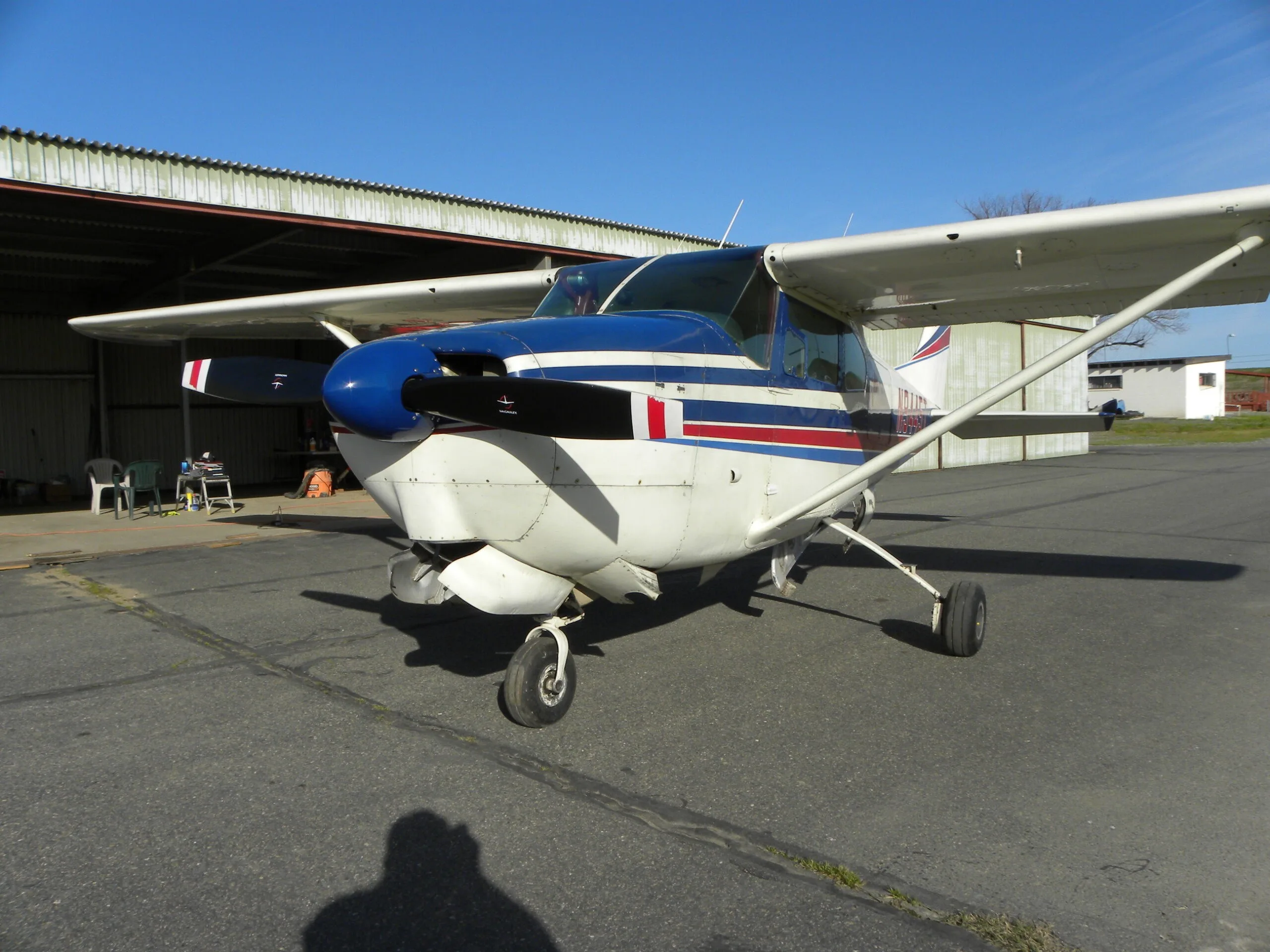
CESSNA 210 — Training Manual
1 training manual reference for the CESSNA 210.
Overview
Airplane Upset Recovery Training Aid Revision 2 · 2008
This document is the "Airplane Upset Recovery Training Aid Revision 2", developed in response to FAA requests for guidance on operations and recovery from unintentional slowdowns in high altitude environments. It is designed for flight crews operating jet airplanes, particularly those with 100 seats or more. The training aid aims to enhance pilot knowledge and skills to prevent and recover from upsets, emphasizing the importance of understanding airplane performance capabilities and limitations at high altitudes. The document includes insights from an industry working group and is intended to be integrated into training programs to improve aviation safety.
- High altitude is defined as above 25,000 feet (FL250).
- Flying slower than L/D max can lead to instability and potential stalls.
- Weight and balance must be strictly adhered to for safe handling characteristics.
- An airplane can stall at any altitude and recovery requires reducing angle of attack.
- Altitude may need to be exchanged for airspeed during stall recovery.
1 document