Diamond DA20-C1 Eclipse Model Guide
Diamond DA20-C1 Eclipse · Model Guide
Overview
The Diamond DA20-C1 Eclipse is a two-seat, all-composite, single-engine piston trainer and sport aircraft, built since 1998. It has a fuel-injected 125 hp Continental IO-240, a fixed-pitch propeller, a center stick and a bubble canopy. Documents give 1,764 lbs max takeoff weight and 584 lbs standard useful load. The DA20 family is listed with up to 520 nm range.
- Two seats, 125 hp IO-240 and a 24 US gal tank. Full-fuel payload is only 440 lbs, so check weight and balance.
- Brochure figures: 138 kts cruise at 5.5 gph, 1,000 fpm climb, 1,600 ft takeoff over a 50 ft obstacle.
- Composite airframe with no defined structural life limit. Modular parts can be replaced individually.
- Current C1s have a Garmin G500 TXi glass panel. Check which avionics your airplane actually has.
Summary written by AI from the source document. Check the original before relying on it. See which parts of Sprinkle are written by AI.
Reference only, not for flight. Use the current approved manual for your aircraft. See terms, section 5.
Document
Source
Copy found at sprinkle.com. Sprinkle hosts a reference copy with an added summary, specifications and searchable full text.
Document details
- Type ·
- Model Guide
- Year ·
- 2026
- File size ·
- 50 KB
- Copy found at ·
- sprinkle.com
Specifications & performance
Extracted from this document.
Specifications
- Oil minimum qt ·
- 5
- Engine power (hp) ·
- 125
- Fuel capacity (gal) ·
- 24
- Max fuel weight (lb) ·
- 144
- Max ramp weight (lb) ·
- 1,770
- Oil capacity max qt ·
- 6
Performance
- Fuel burn (gph) ·
- 5.5
- Climb rate (fpm) ·
- 1,000
- Landing roll (ft) ·
- 661
- Stall speed (kt) ·
- 44
- Cruise speed (kt) ·
- 138
- Max crosswind (kt) ·
- 20
- Landing distance 50ft (ft) ·
- 1,360
- Takeoff distance 50ft (ft) ·
- 1,600
V-speeds
- VA_KTS ·
- 106
- VNO_KTS ·
- 118
- VFE_TO_KTS ·
- 100
- VFE_LDG_KTS ·
- 78
- VX_FLAPS_TO_KTS ·
- 57
- VY_FLAPS_TO_KTS ·
- 68
- VX_FLAPS_CRUISE_KTS ·
- 60
- VY_FLAPS_CRUISE_KTS ·
- 75
Weight & balance
- Cg aft limit (in) ·
- 12.48
- Max baggage (lb) ·
- 44
- Useful load (lb) ·
- 584
- Cg forward limit (in) ·
- 7.95
- Full fuel payload (lb) ·
- 440
- Max landing weight (lb) ·
- 1,764
- Max takeoff weight (lb) ·
- 1,764
- Standard empty weight (lb) ·
- 1,180
What engine does the Diamond DA20-C1 Eclipse use?
The Diamond DA20-C1 Eclipse has a fuel-injected 125 hp Continental IO-240 with a 2-blade fixed-pitch propeller. It runs on AVGAS and is fed from a 24 US gal tank.
How much can the Diamond DA20-C1 Eclipse carry?
The Diamond DA20-C1 Eclipse has a 584 lbs standard useful load and a 440 lbs full-fuel payload. Baggage is limited to 44 lbs. Max takeoff weight is 1,764 lbs.
What is the approach speed for the Diamond DA20-C1 Eclipse?
The recommended approach speed for the Diamond DA20-C1 Eclipse is 55 KIAS with landing flaps. Balked-landing climb speed is 57 KIAS, and max landing-flap speed is 78 KIAS.
What is the Diamond DA20-C1 Eclipse Model Guide?
The Diamond DA20-C1 Eclipse Model Guide is a model guide for the Diamond DA20-C1 Eclipse, dated 2026.
What year was the Diamond DA20-C1 Eclipse Model Guide published?
The Diamond DA20-C1 Eclipse Model Guide — the Diamond DA20-C1 Eclipse model guide on file — is dated 2026.
Common. More common than 96% of the aircraft models we track.
Most owners only have the POH. Here's the essential set for the Diamond DA20-C1 Eclipse.
- Pilot's Operating Handbook / AFM
- Checklist
- Maintenance Manual
- Parts Catalog (IPC)
- Systems & Wiring
- Service Bulletins on file
- Type Certificate (TCDS)
Diamond DA20-C1 Eclipse for sale now
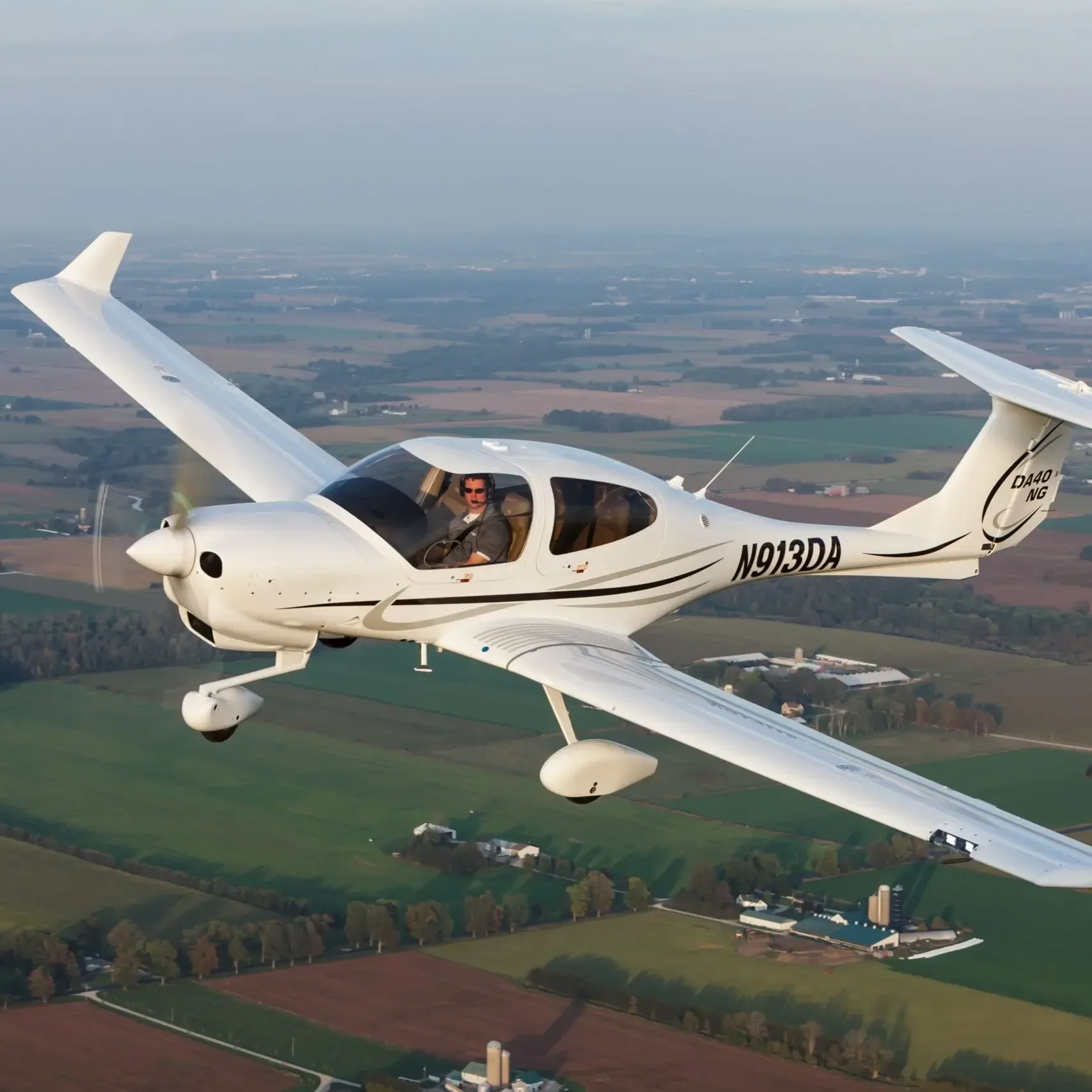
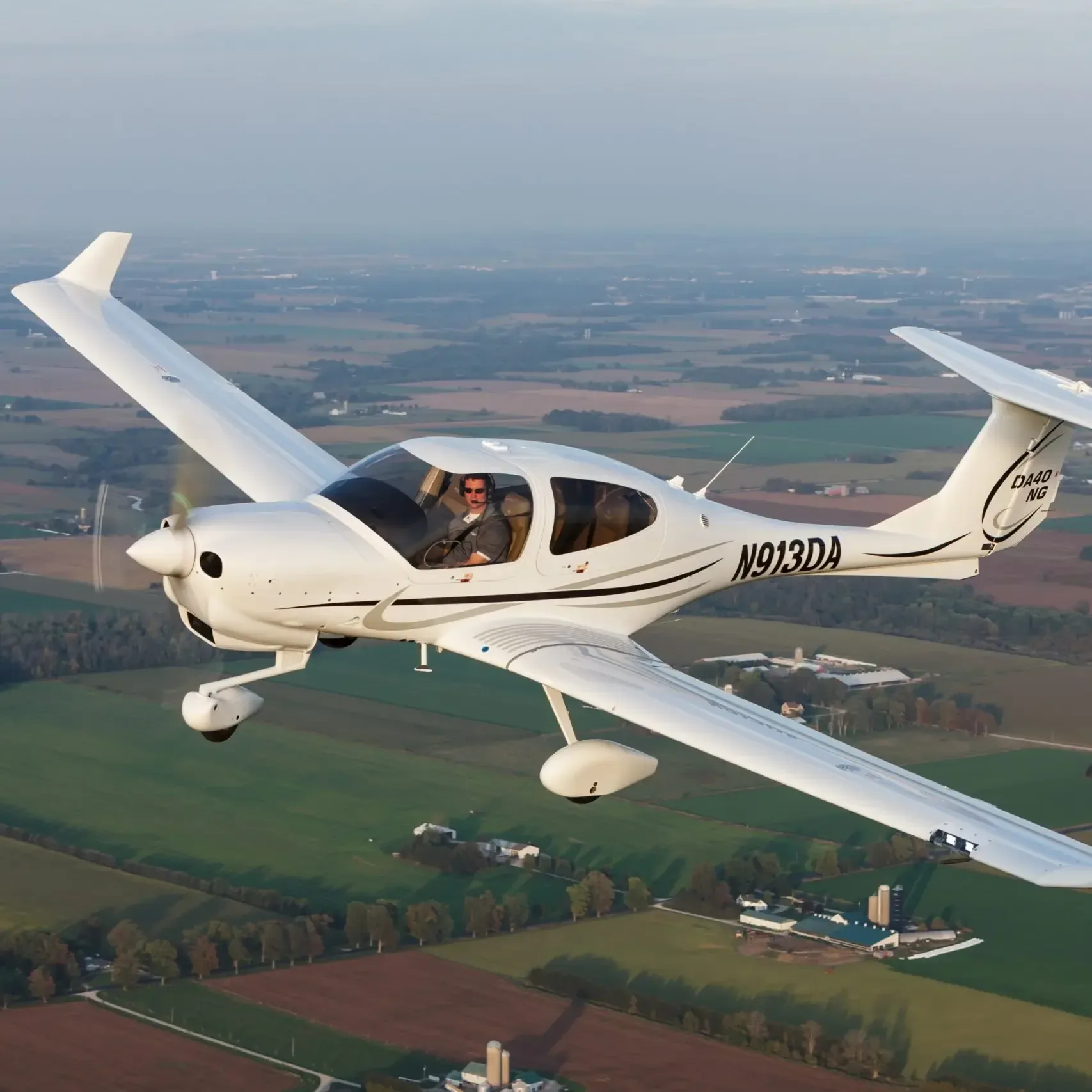

Free — save the DA20 to your watchlist and track it in one place.
More Diamond DA20-C1 Eclipsemanuals & documents
See all 19 →- Parts Catalog for the Diamond DA20-C1 EclipseParts Catalog
- Accuracy Examination of the SDCM Augmentation System in Aerial NavigationOther Documents
- Airplane Flight ManualFlight Manual
- DA-20-C1 Eclipse Private Pilot Flight Training TipsService Manual
- DA20-C1 AIRPLANE FLIGHT MANUALTraining Manual
- Request for Proposals: Supply of a Flight Simulation Training DeviceAvionics Manual
- DA20Weight & Balance
- DA-20-C1 Eclipse Private Pilot Flight Training TipsPilot's Operating Handbook
- AOPA PILOT • 86 • OCTOBER 2008Normal Procedures
- FEDERAL AVIATION ADMINISTRATION (FAA) APPROVED MODEL LIST (AML) SA01800SE FOR INSTALLATION OF SEATON ENGINEERING CORP. ELECTRONIC DIMMER CONTROLLERService Bulletins
- 2006 Diamond DA20-C1 Eclipse Aircraft SpecificationsSpecifications
- INSTRUKCJA UŻYTKOWANIA W LOCIE samolotu DA 20-C1Maintenance Manual
Related documents
If you fly the Diamond DA20-C1 Eclipse, you may also be researching these.

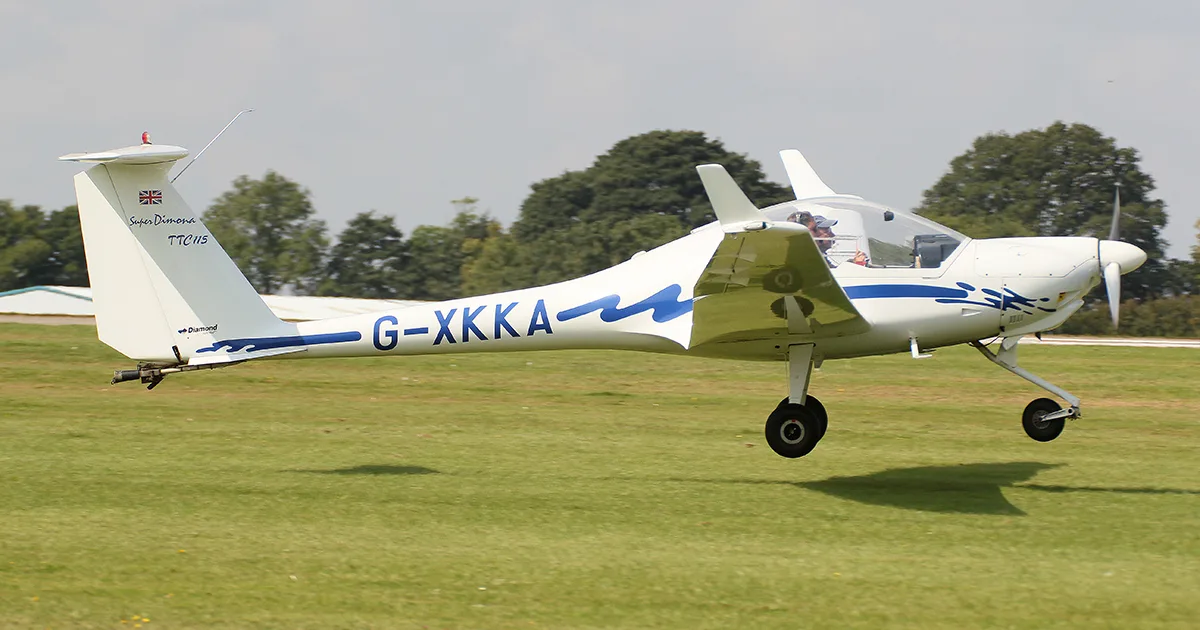


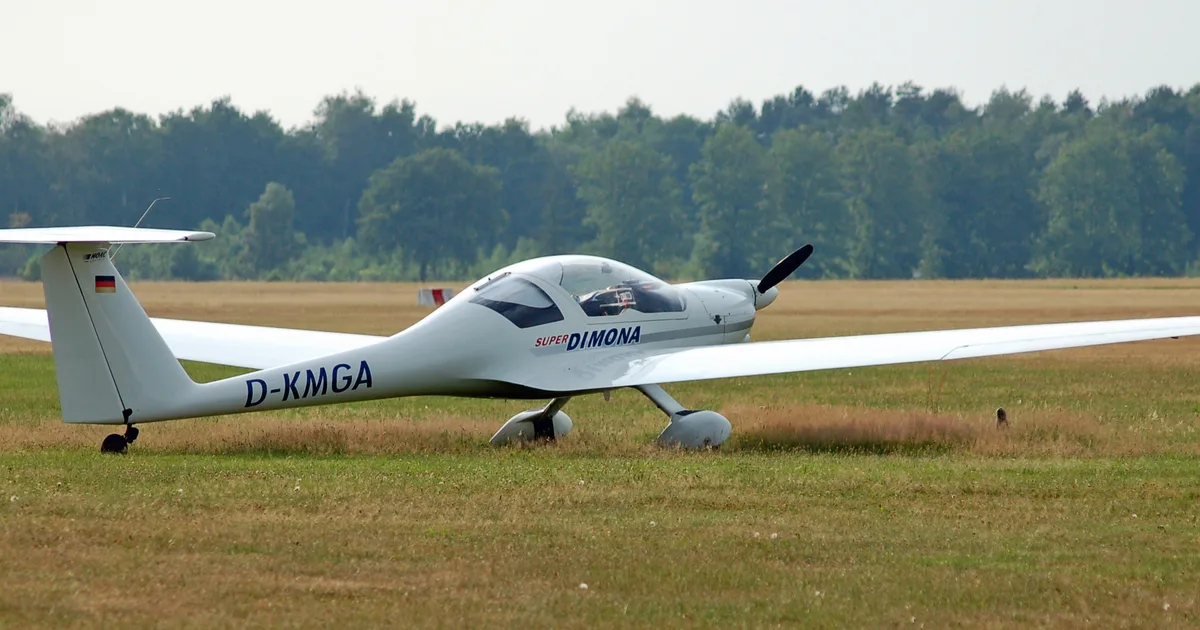

In this document
What it carries
Max takeoff and landing weight is 1,764 lbs (max ramp 1,770 lbs). Standard empty weight is 1,180 lbs, useful load 584 lbs, and full-fuel payload 440 lbs. Baggage is limited to 44 lbs. One example airplane's empty weight was 1,202 lbs, so always use the actual airplane's figures.
How it performs
Sources quote a 1,000 fpm sea-level climb, 138 kts cruise at 5.5 gph, and about 4.7 gph typical in training. Landing over a 50 ft obstacle at max weight is about 1,360 ft, with a roll of about 661 ft. Demonstrated crosswind is 20 kts. It is spin certified.
What to check when buying
Walk around the wings, ailerons, flaps and fuel drains. Check tires, brakes, alternator belt, propeller nicks and oil (5 qt minimum, 6 maximum). Confirm winter inlet baffles are on hand. Review the AFM revision and the weight and balance record.
Summary written by AI from the source document. Check the original before relying on it. See which parts of Sprinkle are written by AI.
Safety notes
- Use the airplane's own AFM and weight and balance: sources differ on Vx (57-60 kts) and stall speed (44-45 kts).
- Maximum demonstrated crosswind is 20 kts for takeoff and landing; brake steering lengthens the takeoff roll.
- Cylinder head temperature green range is 300-420 F. Know the cold-weather inlet baffle procedure.
Summary written by AI from the source document. Check the original before relying on it. See which parts of Sprinkle are written by AI.
Full document text
Diamond DA20-C1 Eclipse Model Guide The Diamond DA20-C1 Eclipse is a two-seat, all-composite, single-engine piston trainer and sport aircraft, built since 1998. It has a fuel-injected 125 hp Continental IO-240, a fixed-pitch propeller, a center stick and a bubble canopy. Documents give 1,764 lbs max takeoff weight and 584 lbs standard useful load. The DA20 family is listed with up to 520 nm range. • Two seats, 125 hp IO-240 and a 24 US gal tank. Full-fuel payload is only 440 lbs, so check weight and balance. • Brochure figures: 138 kts cruise at 5.5 gph, 1,000 fpm climb, 1,600 ft takeoff over a 50 ft obstacle. • Composite airframe with no defined structural life limit. Modular parts can be replaced individually. • Current C1s have a Garmin G500 TXi glass panel. Check which avionics your airplane actually has. What it carries Max takeoff and landing weight is 1,764 lbs (max ramp 1,770 lbs). Standard empty weight is 1,180 lbs, useful load 584 lbs, and full-fuel payload 440 lbs. Baggage is limited to 44 lbs. One example airplane's empty weight was 1,202 lbs, so always use the actual airplane's figures. How it performs Sources quote a 1,000 fpm sea-level climb, 138 kts cruise at 5.5 gph, and about 4.7 gph typical in training. Landing over a 50 ft obstacle at max weight is about 1,360 ft, with a roll of about 661 ft. Demonstrated crosswind is 20 kts. It is spin certified. What to check when buying Walk around the wings, ailerons, flaps and fuel drains. Check tires, brakes, alternator belt, propeller nicks and oil (5 qt minimum, 6 maximum). Confirm winter inlet baffles are on hand. Review the AFM revision and the weight and balance record. Safety notes: • Use the airplane's own AFM and weight and balance: sources differ on Vx (57-60 kts) and stall speed (44-45 kts). • Maximum demonstrated crosswind is 20 kts for takeoff and landing; brake steering lengthens the takeoff roll. • Cylinder head temperature green range is 300-420 F. Know the cold-weather inlet baffle procedure.