PIPER PA-25-235 Pawnee Model Guide
PIPER PA-25-235 Pawnee · Model Guide
Overview
The PIPER PA-25-235 Pawnee is a single-engine piston aircraft in the PA-25 family (PA-25, PA-25-235, PA-25-260). The supplied bulletins name aerial application and towing as its operations. The documents give no variant-specific specs. Family-level figures reach up to 235 nm range, 91 kt cruise and 13000 ft ceiling. Buyers should focus on airframe age, wing spar condition and stabilizer supports.
- Wing front spar fatigue cracks have caused wing detachments on PA-25 aircraft. The Rev 2 bulletin makes inspection mandatory for Piper-built aircraft.
- Aircraft 50 years old or older must treat the spar bulletin as mandatory, whatever their operation. Most PA-25s are about 55 years old or more.
- Horizontal stabilizer supports can corrode and crack. Bulletin 25/53/03 covers all PA-25-235 serial numbers with 1500 or more flight hours.
- Ask for leading edge replacement history. Non-original edges and extra drilled holes are linked to spar cracks.
Summary written by AI from the source document. Check the original before relying on it. See which parts of Sprinkle are written by AI.
Reference only, not for flight. Use the current approved manual for your aircraft. See terms, section 5.
Document
Source
Copy found at sprinkle.com. Sprinkle hosts a reference copy with an added summary, specifications and searchable full text.
Document details
- Type ·
- Model Guide
- Year ·
- 2026
- File size ·
- 46 KB
- Copy found at ·
- sprinkle.com
Are inspections mandatory on the PIPER PA-25-235 Pawnee?
For the PIPER PA-25-235 Pawnee, the spar bulletin lists compliance as mandatory for all Piper-built serial numbers. It repeats annually in aerial application and every 2 years in towing. The Rev 2 copy supplied is marked DRAFT.
What performance figures are available?
The documents give no variant-specific figures for the PIPER PA-25-235 Pawnee. The PA-25 family reaches up to 235 nm range, 91 kt cruise and 13000 ft service ceiling, with maximum weight up to 1300 kg.
What is the main stabilizer concern on the PIPER PA-25-235 Pawnee?
On the PIPER PA-25-235 Pawnee, the front and rear horizontal stabilizer support tubes can suffer corrosion and cracks. Bulletin 25/53/03 requires a visual check every 100 F.H. until the supports are replaced.
What is the PIPER PA-25-235 Pawnee Model Guide?
The PIPER PA-25-235 Pawnee Model Guide is a model guide for the PIPER PA-25-235 Pawnee, dated 2026.
What year was the PIPER PA-25-235 Pawnee Model Guide published?
The PIPER PA-25-235 Pawnee Model Guide — the PIPER PA-25-235 Pawnee model guide on file — is dated 2026.
Common. More common than 96% of the aircraft models we track.
Most owners only have the POH. Here's the essential set for the PIPER PA-25-235 Pawnee.
- Pilot's Operating Handbook / AFM
- Checklist
- Maintenance Manual
- Parts Catalog (IPC)
- Systems & Wiring
- Service Bulletins on file
- Type Certificate (TCDS)
PIPER PA-25-235 Pawnee for sale now
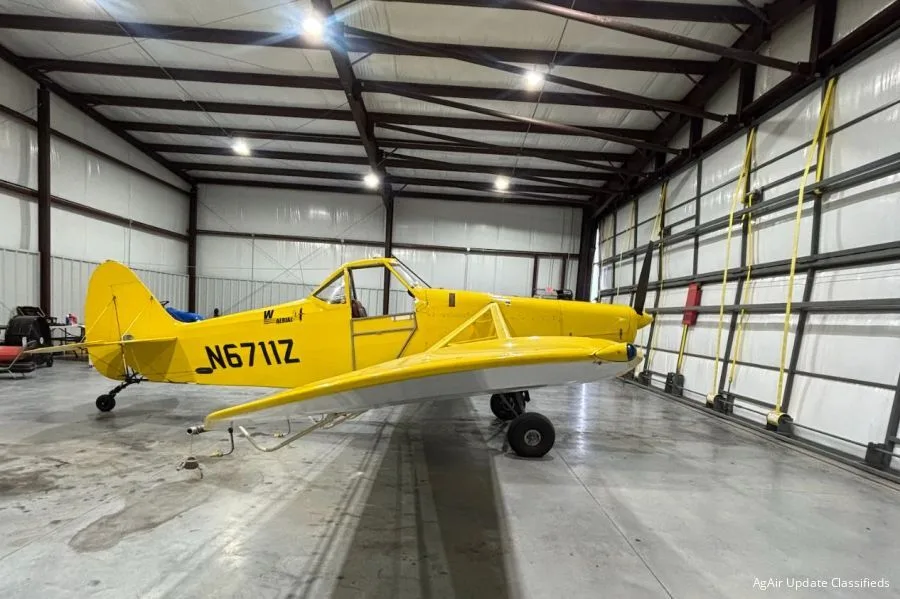
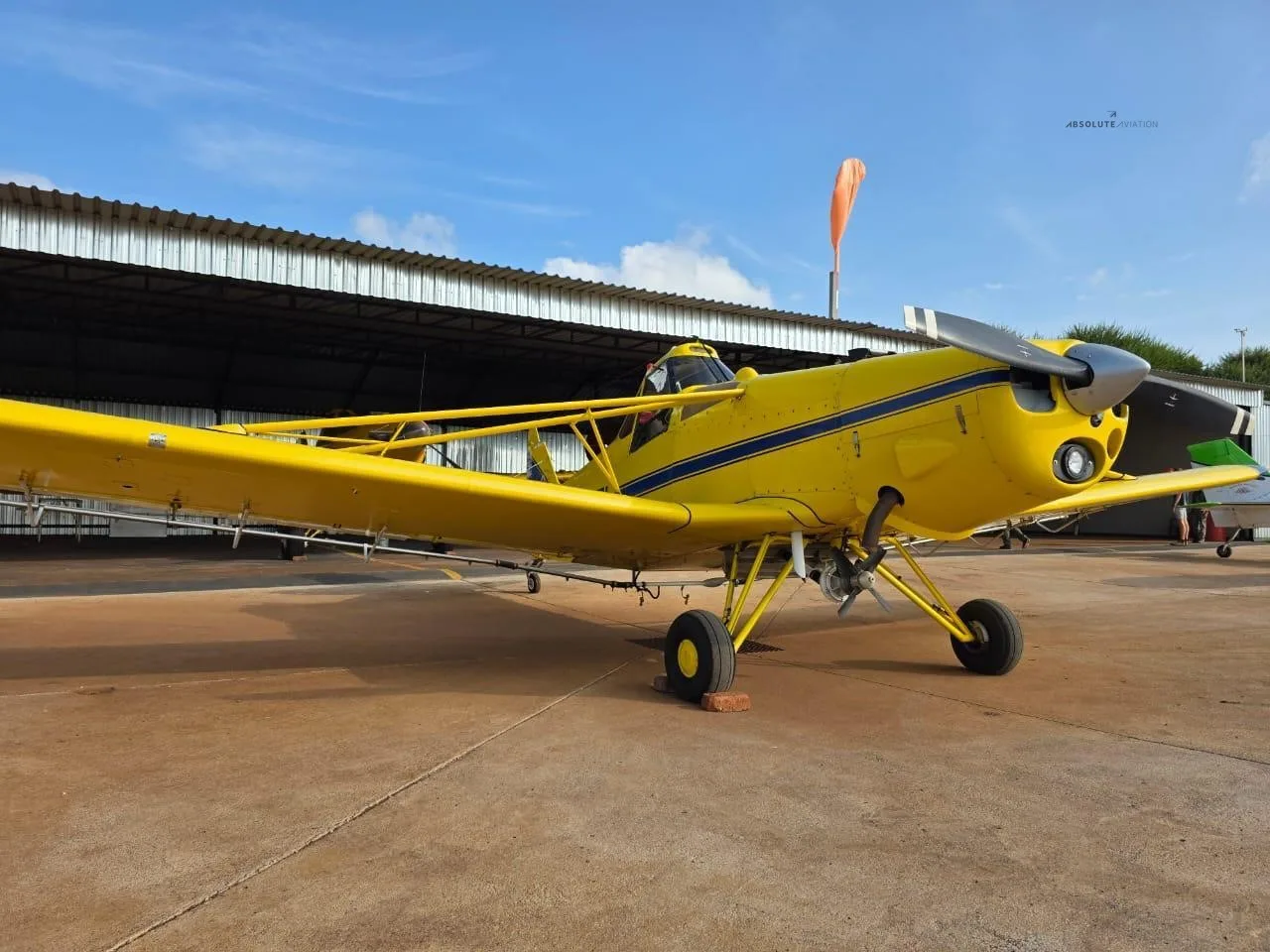
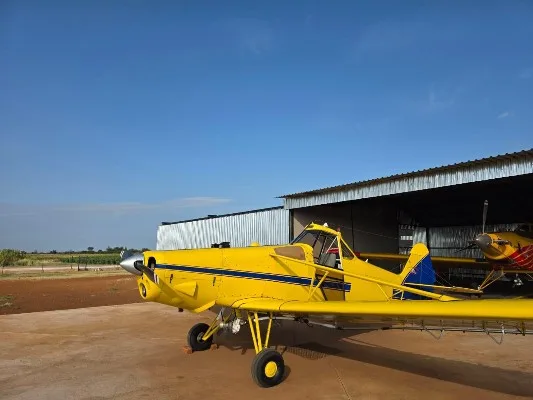
Free — save the PA-25 to your watchlist and track it in one place.
More PIPER PA-25-235 Pawneemanuals & documents
Related documents
- Piper PA-25 Pawnee Model GuidePiper PA-25 Pawnee · Model Guide
- Pilot's Operating HandbookPiper PA-25 Pawnee · Pilot's Operating Handbook
- Piper PA-36 Pawnee Brave Model GuidePiper PA-36 Pawnee Brave · Model Guide
- PIPER PA-28-235 Model GuidePIPER PA-28-235 · Model Guide
- PIPER PA-25-235/260 PawneePiper PA-25 Pawnee · Checklist
If you fly the PIPER PA-25-235 Pawnee, you may also be researching these.


In this document
Wing front spar
Bulletin 25-57-11 Rev 2 (marked DRAFT) cites spar fatigue cracks that start at holes or screw threads, tied to poor leading edge changes. It calls for a borescope inspection through six covers per half-wing, then a one-time eddy-current test. Repeat annually for aerial application, every 2 years for towing. More holes than the original design, or any crack, means spar replacement.
Horizontal stabilizer supports
Bulletin 25/53/03 (May 10/06, mandatory) found severe corrosion and cracks in the front and rear stabilizer supports, on aircraft with about 2000 flight hours on average. Add a detailed visual check at the next 50 F.H. inspection and repeat every 100 F.H. Shake each stabilizer up and down to check for play. The definitive fix replaces both supports with a kit, about 10 working hours.
Pre-purchase checks
Check the logbooks for the entries these bulletins require, including borescope results and any recorded drill marks. Confirm whether the leading edges were ever changed and who built the aircraft: Piper, Chincul, Laviasa or FADEA. Unknown leading edge history is treated as mandatory compliance.
Summary written by AI from the source document. Check the original before relying on it. See which parts of Sprinkle are written by AI.
Safety notes
- If spar cracks or extra holes are found, ground the aircraft. Do not continue flight operations.
- Making new holes in the spar flanges is not acceptable. Use new screws of the original type and size.
- Excess play or unusual noise when shaking the stabilizers can indicate support failure.
Summary written by AI from the source document. Check the original before relying on it. See which parts of Sprinkle are written by AI.
Full document text
PIPER PA-25-235 Pawnee Model Guide The PIPER PA-25-235 Pawnee is a single-engine piston aircraft in the PA-25 family (PA-25, PA-25-235, PA-25-260). The supplied bulletins name aerial application and towing as its operations. The documents give no variant-specific specs. Family-level figures reach up to 235 nm range, 91 kt cruise and 13000 ft ceiling. Buyers should focus on airframe age, wing spar condition and stabilizer supports. • Wing front spar fatigue cracks have caused wing detachments on PA-25 aircraft. The Rev 2 bulletin makes inspection mandatory for Piper-built aircraft. • Aircraft 50 years old or older must treat the spar bulletin as mandatory, whatever their operation. Most PA-25s are about 55 years old or more. • Horizontal stabilizer supports can corrode and crack. Bulletin 25/53/03 covers all PA-25-235 serial numbers with 1500 or more flight hours. • Ask for leading edge replacement history. Non-original edges and extra drilled holes are linked to spar cracks. Wing front spar Bulletin 25-57-11 Rev 2 (marked DRAFT) cites spar fatigue cracks that start at holes or screw threads, tied to poor leading edge changes. It calls for a borescope inspection through six covers per half-wing, then a one-time eddy-current test. Repeat annually for aerial application, every 2 years for towing. More holes than the original design, or any crack, means spar replacement. Horizontal stabilizer supports Bulletin 25/53/03 (May 10/06, mandatory) found severe corrosion and cracks in the front and rear stabilizer supports, on aircraft with about 2000 flight hours on average. Add a detailed visual check at the next 50 F.H. inspection and repeat every 100 F.H. Shake each stabilizer up and down to check for play. The definitive fix replaces both supports with a kit, about 10 working hours. Pre-purchase checks Check the logbooks for the entries these bulletins require, including borescope results and any recorded drill marks. Confirm whether the leading edges were ever changed and who built the aircraft: Piper, Chincul, Laviasa or FADEA. Unknown leading edge history is treated as mandatory compliance. Safety notes: • If spar cracks or extra holes are found, ground the aircraft. Do not continue flight operations. • Making new holes in the spar flanges is not acceptable. Use new screws of the original type and size. • Excess play or unusual noise when shaking the stabilizers can indicate support failure.