Robinson R22 Series Section 9 FATA Supplement
Robinson R22 Beta · Flight Manual Supplement
Overview
The Robinson R22 Beta FATA Supplement provides additional information and changes specific to the R22 Beta II helicopter certified by the Federal Air Transport Agency. It includes limitations, procedures, and performance data that supplement the basic Pilot's Operating Handbook.
- This supplement is for the R22 Beta II model with O-360-J2A engine.
- FATA-certified R22s include an artificial horizon and a 121.5/406 MHz ELT.
- Maximum operating density altitude is 4270 meters (14,000 feet).
- Never-exceed airspeed (VNE) is 189 km/h (102 KIAS) up to 3000 feet density altitude.
- Flight in ambient temperatures below -30°C and above +38°C is prohibited.
- Use only Robinson part number A257-2 gear oil in gearboxes.
- Maximum hover taxi speed is 46 km/h (25 knots).
- Flight in the vicinity of thunderstorms is prohibited.
Summary written by AI from the source document. Check the original before relying on it. See which parts of Sprinkle are written by AI.
Reference only, not for flight. Use the current approved manual for your aircraft. See terms, section 5.
Document
Source
Copy found at windows.net. Sprinkle hosts a reference copy with an added summary, specifications and searchable full text.
Document details
- Type ·
- Flight Manual Supplement
- Year ·
- 2019
- File size ·
- 726 KB
- Copy found at ·
- windows.net
- Language ·
- en
Specifications & performance
Extracted from this document.
Specifications
- Max pitch angle deg ·
- 20
- Max hover yaw rate deg per s ·
- 120
- Max lateral ground slope deg ·
- 7
- Max fore aft ground slope deg ·
- 5
- Max operating density altitude m ·
- 4270
- Max operating pressure altitude m ·
- 2400
- Max bank angle with passengers deg ·
- 45
- Max bank angle without passengers deg ·
- 60
Performance
- Vne kmh ·
- 189
- Max range kmh ·
- 154
- Max rate of climb kmh ·
- 98
- Max glide distance kmh ·
- 139
- Recommended takeoff climb kmh ·
- 111
V-speeds
- VY_KIAS ·
- 53
- VNE_KIAS ·
- 102
- VMAX_RANGE_KIAS ·
- 83
- VAUTOROTATION_KIAS ·
- 70
- VLANDING_APPROACH_KIAS ·
- 60
Weight & balance
- Max baggage weight kg ·
- 23
- Max seat plus baggage weight kg ·
- 109
What is the Robinson R22 Series Section 9 FATA Supplement?
The Robinson R22 Series Section 9 FATA Supplement is a flight manual supplement for the Robinson R22 Beta, dated 2019.
What year was the Robinson R22 Series Section 9 FATA Supplement published?
The Robinson R22 Series Section 9 FATA Supplement — the Robinson R22 Beta flight manual supplement on file — is dated 2019.
Common. More common than 99% of the aircraft models we track.
Most owners only have the POH. Here's the essential set for the Robinson R22 Beta.
- Pilot's Operating Handbook / AFM
- Checklist
- Maintenance Manual
- Parts Catalog (IPC)
- Systems & Wiring
- Service Bulletins on file
- Type Certificate (TCDS)
Robinson R22 Beta for sale now
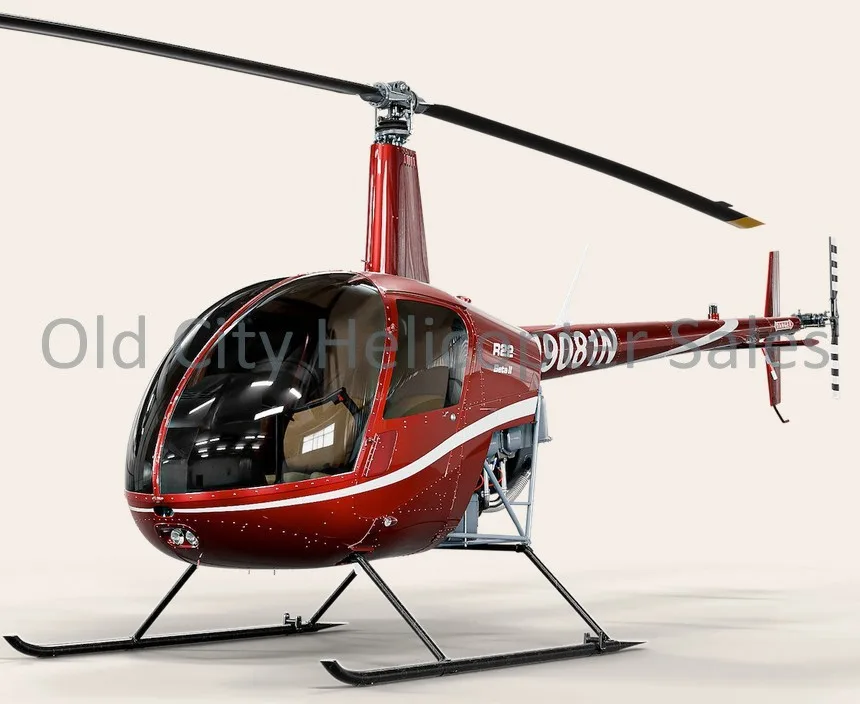
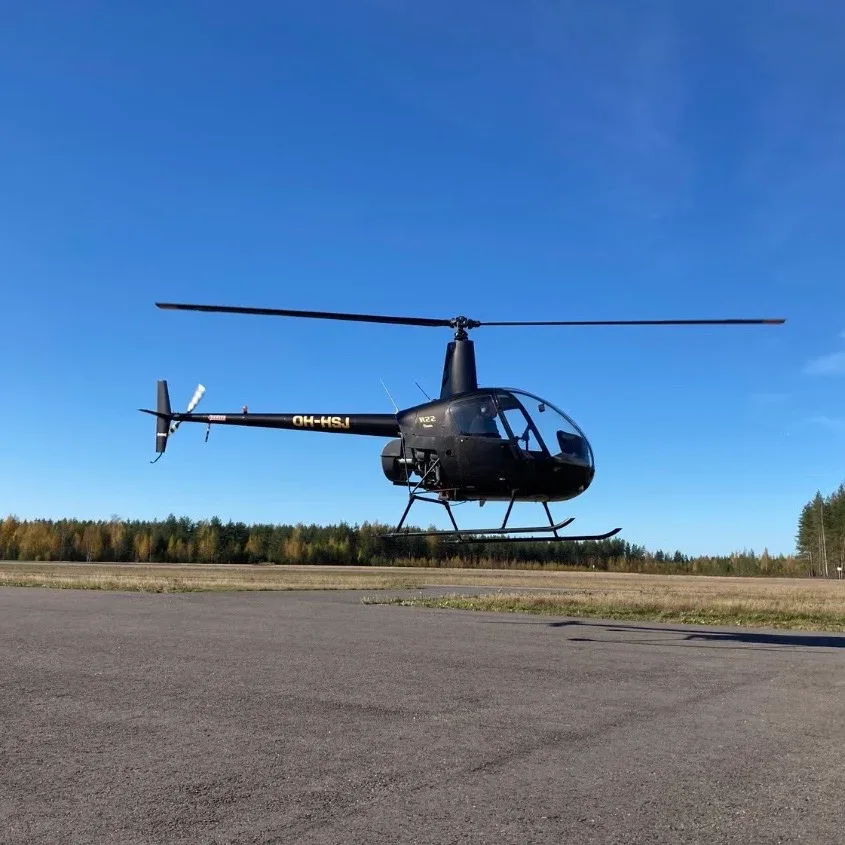
Free — save the R22 to your watchlist and track it in one place.
More Robinson R22 Betamanuals & documents
See all 15 →- Robinson R22 Beta Model GuideModel Guide
- Robinson Maintenance ManualMaintenance Manual
- AAIB Bulletin: 10/2019Other Documents
- AAIB Bulletin: 4/2018Other Documents
- R22 Spare Parts Price ListChecklist
- ROBINSON R22 SERIES SECTION 6 WEIGHT AND BALANCEWeight & Balance
- R22 Spare Parts Price ListParts Catalog
- ATSB Transport Safety ReportOther Documents
- ROBINSON MODEL R22Specifications
- AAIB Bulletin: 3/2007Other Documents
- AAIB Bulletin No: 10/99Service Bulletins
- AAIB Bulletin No: 3/99 Ref: EW/G98/11/16Other Documents
Related documents
- Robinson Model R66 Section 9 FATA SupplementRobinson R66 Turbine · Pilot's Operating Handbook
- Robinson R44 Cadet Section 9 IAC AR SUPPLEMENTRobinson R44 Cadet · Pilot's Operating Handbook
- R66 Pilot’s Operating HandbookRobinson R66 Turbine · Checklist
- Pilot’s Operating Handbook for Robinson R44Robinson R44 · Pilot's Operating Handbook
- EMERGENCY PROCEDURESRobinson R44 Clipper · Emergency Procedures
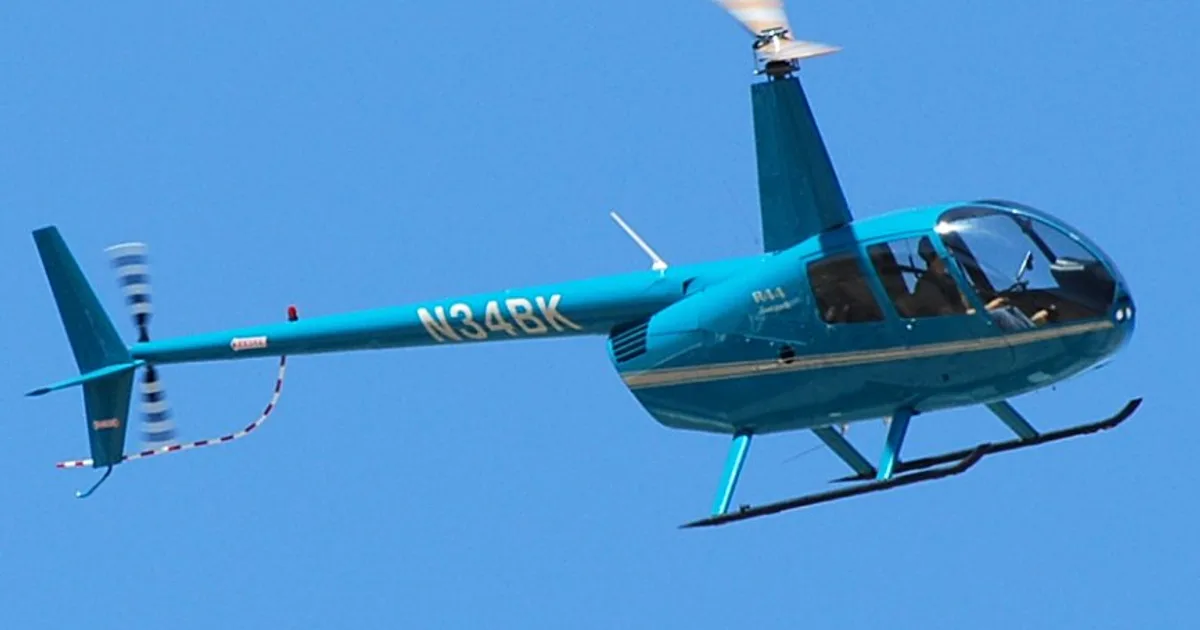
If you fly the Robinson R22 Beta, you may also be researching these.


In this document
General Introduction
This section outlines the purpose of the supplement and its applicability to FATA-certified R22 helicopters, detailing standard equipment and instrument calibration configurations.
Limitations
This section lists various limitations including airspeed limits, powerplant limitations, and flight maneuver limitations, as well as specific placard requirements.
Emergency Procedures
This section describes procedures for power failures at various altitudes, including steps for maintaining rotor RPM and landing safely.
Normal Procedures
This section provides recommended airspeeds for various flight phases and outlines cold weather operation procedures.
Instrument Markings
This section details the airspeed indicator markings for the metric version of the aircraft.
Log of Pages
This section provides a log of the pages included in the supplement, indicating the dates of approval.
Summary written by AI from the source document. Check the original before relying on it. See which parts of Sprinkle are written by AI.
Safety notes
- Flight above 60 degrees north latitude is prohibited without an approved GPS.
- Ensure spark plugs are operating properly to avoid fouling.
- Increase rotor RPM to 97% minimum when autorotating below 150 meters (500 feet) AGL.
- Failure to preheat engine before starting may result in internal engine damage.
- In turbulence, reduce power and use a slower than normal cruise speed.
Summary written by AI from the source document. Check the original before relying on it. See which parts of Sprinkle are written by AI.
Full document text
ROBINSON R22 SERIES SECTION 9 FATA SUPPLEMENT Page 9-F7.1 FAA APPROVED R22 PILOT’S OPERATING HANDBOOK FEDERAL AIR TRANSPORT AGENCY (FATA) SUPPLEMENT This supplement must be included in the FAA-approved Robinson R22 Pilot’s Operating Handbook for FATA- certified aircraft. The information contained herein supplements or supersedes the basic manual only in those areas listed in this supplement. For limitations, procedures, and performance information not contained in this supplement, consult the basic R22 Pilot’s Operating Handbook. FATA approval is limited to the model R22 Beta with O-360-J2A engine (R22 Beta II). Information in this supplement is specific to the R22 Beta II. This supplement is approved by the United States Federal Aviation Administration on behalf of the FATA. This supplement corresponds with the basic manual dated October 26, 2016. Approved By: Manager, West Flight Test Section AIR-716 Federal Aviation Administration Los Angeles, CA Date: 19 SEP 2019 ROBINSON R22 SERIES SECTION 9 FATA SUPPLEMENT Page 9-F7.2 LOG OF PAGES Page No. Date Page No. Date Page No. Date 9-F7.1 9-F7.2 9-F7.3 9-F7.4 9-F7.5 9-F7.6 9-F7.7 9-F7.8 9-F7.9 9-F7.10 19 SEP 19 19 SEP 19 19 SEP 19 19 SEP 19 19 SEP 19 19 SEP 19 19 SEP 19 19 SEP 19 19 SEP 19 19 SEP 19 9-F7.11 9-F7.12 9-F7.13 9-F7.14 9-F7.15 9-F7.16 9-F7.17 9-F7.18 9-F7.19 9-F7.20 19 SEP 19 19 SEP 19 19 SEP 19 19 SEP 19 19 SEP 19 19 SEP 19 19 SEP 19 19 SEP 19 19 SEP 19 19 SEP 19 9-F7.21 9-F7.22 9-F7.23 9-F7.24 9-F7.25 9-F7.26 9-F7.27 9-F7.28 9-F7.29 9-F7.30 19 SEP 19 19 SEP 19 19 SEP 19 19 SEP 19 19 SEP 19 19 SEP 19 19 SEP 19 19 SEP 19 19 SEP 19 19 SEP 19 ROBINSON R22 SERIES SECTION 9 FATA SUPPLEMENT FAA APPROVED: 19 SEP 2019 Page 9-F7.3 SECTION 1: GENERAL INTRODUCTION This supplement contains the changes and additional data applicable to the R22 helicopter certified by the Federal Air Transport Agency. FATA-certified R22s are equipped with an artificial horizon with inclinometer and a 121.5/406 MHz ELT as standard equipment. Three instrument calibration configurations are possible for FATA-certified R22s: Instrument Configuration Units Obsolete English Metric Altimeter meters feet meters Airspeed knots knots km/h Vertical Speed fpm fpm m/s The obsolete configuration is only valid for helicopters exported to Russia prior to 1 August 2014. Refer to Section 7 for operator-provided required equipment. ROBINSON R22 SERIES SECTION 9 FATA SUPPLEMENT SECTION 2: LIMITATIONS NOTE All airspeeds given in km/h are indicated airspeed. AIRSPEED LIMITS NEVER-EXCEED AIRSPEED (VNE) Up to 900 meters (3000 feet) density altitude: 189 km/h (102 KIAS) Above 900 meters (3000 feet) density altitude, see placards on page 9-F7.6 and 9-F7.7. POWERPLANT LIMITATIONS Manifold Pressure: See placard on page 9-F7.6 for MAP schedule. FLIGHT AND MANEUVER LIMITATIONS Maximum operating density altitude 4270 meters (14,000 feet). Maximum operating pressure altitude without supplemental oxygen is 2400 meters (8000 feet) with passengers on board or 3000 meters (10,000 feet) without passengers. Maximum hover yaw rate is 120 degrees per second. Maximum pitch angle except during flare in autorotation is 20 degrees. Maximum bank angle with passengers on board is 45 degrees. Maximum bank angle without passengers on board is 60 degrees up to 1000 meters (3300 feet) density altitude, reducing to 45 degrees at 3000 meters (10,000 feet) density altitude. Maximum hover taxi maneuver speeds: Left or Right: 46 km/h (25 knots) Backwards: 46 km/h (25 knots) FAA APPROVED: 19 SEP 2019 Page 9-F7.4 ROBINSON R22 SERIES SECTION 9 FATA SUPPLEMENT SECTION 2: LIMITATIONS (cont’d) FLIGHT AND MANEUVER LIMITATIONS (cont'd) Maximum lateral ground slope angle is 7 degrees. Maximum fore/aft ground slope angle is 5 degrees. Flight above 60 degrees north latitude is prohibited without an approved GPS installed. Flight in vicinity of thunderstorm activity is prohibited. Flight in ambient temperatures below -30°C and above +38°C is prohibited. NOTE In ambient temperatures below -5°C, refer to cold weather operation procedures in Section 4 of this supplement. FUEL LIMITATIONS Approved Fuel Grades: Б91/115 grade aviation fuel Б95/130 grade aviation fuel CAUTION Make sure spark plugs are operating properly. If fouling of spark plugs is suspected, perform maintenance as prescribed in Lycoming Operator’s Manual No. 60297-12 (Section 4) and in Lycoming Service Instruction 1070. OIL LIMITATIONS Use only Robinson Helicopter part number A257-2 gear oil in main rotor and tail rotor gearboxes. FAA APPROVED: 19 SEP 2019 Page 9-F7.5 ROBINSON R22 SERIES SECTION 9 FATA SUPPLEMENT SECTION 2: LIMITATIONS (cont’d) INSTRUMENT MARKINGS AIRSPEED INDICATOR (METRIC VERSION ONLY) Green arc 93 to 189 km/h (50 to 102 KIAS) Red line 189 km/h (102 KIAS) AVIONICS LIMITATIONS Terrain Proximity function of GTN 6XX/7XX is not approved. PLACARDS In clear view and readable by pilot in flight on helicopters equipped with a metric altimeter (metric and obsolete configurations): On helicopters equipped with a metric altimeter and air- speed indicator (metric configuration): FAA APPROVED: 19 SEP 2019 Page 9-F7.6 ROBINSON R22 SERIES SECTION 9 FATA SUPPLEMENT FAA APPROVED: 19 SEP 2019 Page 9-F7.7 SECTION 2: LIMITATIONS (cont’d) PLACARDS (cont'd) On helicopters equipped with a metric altimeter only (ob- solete configuration): Near both fuel tank filler caps: CIS FUEL GRADES: Б91/115 Б95/130 Adjacent to altimeter (on R22 helicopters equipped with an altimeter calibrated in feet only): ROBINSON R22 SERIES SECTION 9 FATA SUPPLEMENT FAA APPROVED: 19 SEP 2019 Page 9-F7.8 SECTION 2: LIMITATIONS (cont’d) PLACARDS (cont’d) On both doors, inside and out: ОТКРЬІТО (Open) Outside both doors: ОПУСТИТЬ ВНИЗ РУЧКУ СДВИНУТЬ ВПЕРЕД ОТКРЬІТЬ ДВЕРЬ НАРУЖУ (Lower handle downwards Move handle forwards Open door outwards) Inside both doors: ПОДНЯТЬ РУЧКУ ЗАМКА ПЕРЕДВИНУТЬ ЕЕ ВПЕРЕД
Show full textShow less
ТОЛКНУТЬ ДВЕРЬ НАРУЖУ (Lift handle Slide handle forward Push door outwards.) Inside both baggage compartments: МАКСИМАЛЬНЬІЙ ВЕС БАГАЖА 23 КГ МАКСИМАЛЬНАЯ НАГРУЗКА НА КРЕСЛО С УЧЕТОМ ВЕСА БАГАЖА 109 КГ (Maximum compartment load 23 kg Maximum seat plus compartment load 109 kg) ROBINSON R22 SERIES SECTION 9 FATA SUPPLEMENT SECTION 2: LIMITATIONS (cont’d) PLACARDS (cont’d) Located near main fuel tank filler cap: ОСНОВНОЙ БАК АВИАЦИОННЬІЙ БЕНЗИН (Main fuel tank Aviation Gasoline) Located near aux fuel tank filler cap: ДОПОЛНИТЕЛЬНЬІЙ БАК АВИАЦИОННЬІЙ БЕНЗИН ДЛЯ ПОЛНОЙ ЗАПРАВКИ СНАЧАЛА ЗАПРАВЬТЕ ОСНОВНОЙ БАК И ДОЗАПРАВЬТЕ ЕГО ПОСЛЕ ЗАПРАВКИ ДОПОЛНИТЕЛЬНОГО БАКА (Aux fuel tank Aviation gasoline To insure full fuel top off main tank again after filling aux) Near each collective stick: НЕ ЗАГРОМОЖДАТЬ СВОБОДНАЯ ЗОНА (No stowage Keep area clear) In clear view of both occupants: НЕ КУРИТЬ (No smoking) FAA APPROVED: 19 SEP 2019 Page 9-F7.9 ROBINSON R22 SERIES SECTION 9 FATA SUPPLEMENT FAA APPROVED: 19 SEP 2019 Page 9-F7.10 SECTION 3: EMERGENCY PROCEDURES NOTE The following procedures are unchanged from those of the basic manual. Altitudes are converted to meters and airspeeds are converted to km/h only. POWER FAILURE ABOVE 150 METERS (500 FEET) AGL 1. Lower collective immediately to maintain rotor RPM. 2. Establish a steady glide at approximately 111 km/h (65 KIAS). (For maximum glide distance, see page 9-F7.11.) 3. Adjust collective to keep RPM between 97 and 110% or apply full down collective if light weight prevents attaining above 97%. 4. Select landing spot and, if altitude permits, maneuver so landing will be into wind. 5. A restart may be attempted at pilot’s discretion if sufficient time is available (See “Air Restart Procedure”, page 3-3 of basic manual). 6. If unable to restart, turn unnecessary switches and fuel valve off. 7. At about 12 meters (40 feet) AGL, begin cyclic flare to reduce rate of descent and forward speed. 8. At about 2.4 meters (8 feet) AGL, apply forward cyclic to level ship and raise collective just before touchdown to cushion landing. Touch down in level attitude with nose straight ahead. ROBINSON R22 SERIES SECTION 9 FATA SUPPLEMENT FAA APPROVED: 19 SEP 2019 Page 9-F7.11 SECTION 3: EMERGENCY PROCEDURES (cont’d) POWER FAILURE BETWEEN 2.4 METERS (8 FEET) AND 150 METERS (500 FEET) AGL 1. Lower collective immediately to maintain rotor RPM. 2. Adjust collective to keep RPM between 97 and 110% or apply full down collective if light weight prevents attaining above 97%. 3. Maintain airspeed until ground is approached, then begin cyclic flare to reduce rate of descent and forward speed. 4. At about 2.4 meters (8 feet) AGL, apply forward cyclic to level ship and raise collective just before touchdown to cushion landing. Touch down in level attitude and nose straight ahead. POWER FAILURE BELOW 2.4 METERS (8 FEET) AGL 1. Apply right pedal as required to prevent yawing. 2. Allow aircraft to settle. 3. Raise collective just before touchdown to cushion landing. MAXIMUM GLIDE DISTANCE CONFIGURATION 1. Airspeed approximately 139 km/h (75 KIAS). 2. Rotor RPM approximately 90%. 3. Best glide ratio is about 4:1 or one kilometer per 250 meters (one nautical mile per 1500 feet) AGL. CAUTION Increase rotor RPM to 97% minimum when autorotating below 150 meters (500 feet) AGL. ROBINSON R22 SERIES SECTION 9 FATA SUPPLEMENT FAA APPROVED: 19 SEP 2019 Page 9-F7.12 SECTION 3: EMERGENCY PROCEDURES (cont’d) LOSS OF TAIL ROTOR THRUST IN FORWARD FLIGHT Failure is usually indicated by nose right yaw which cannot be corrected by applying left pedal. 1. Immediately enter autorotation. 2. Maintain at least 130 km/h (70 KIAS) airspeed if practical. 3. Select landing site, roll throttle off into overtravel spring and perform autorotation landing. NOTE When a suitable landing site is not available, the vertical stabilizers may permit limited controlled flight at very low power settings and airspeeds above 130 km/h (70 KIAS); however, prior to reducing airspeed, enter full autorotation. ROBINSON R22 SERIES SECTION 9 FATA SUPPLEMENT FAA APPROVED: 19 SEP 2019 Page 9-F7.13 SECTION 4: NORMAL PROCEDURES RECOMMENDED AIRSPEEDS Takeoff and Climb 111 km/h (60 KIAS) Maximum Rate of Climb (VY ) 98 km/h (53 KIAS) Maximum Range 154 km/h (83 KIAS)* Significant Turbulence 111 to 130 km/h (60 to 70 KIAS) * Landing Approach 111 km/h (60 KIAS) Autorotation 111 to 130 km/h (60 to 70 KIAS) * * Certain conditions may require lower airspeeds. See placards on page 9-F7.6 and 9-F7.7. CRUISE CAUTION In turbulence, reduce power and use a slower than normal cruise speed. If turbulence is significant or becomes uncomfortable for the pilot, use 111 to 130 km/h (60 to 70 KIAS). ROBINSON R22 SERIES SECTION 9 FATA SUPPLEMENT SECTION 4: NORMAL PROCEDURES (cont’d) COLD WEATHER OPERATION Special precautions should be taken if the helicopter is to be started after a cold soak in ambient temperatures below -5°C. Ensure that the correct engine oil grade is used (Refer to Section 8 in the main body of this manual). Preheat engine oil, engine compartment and main rotor gearbox compartment to a minimum temperature of -5°C (Pilot judgment may be used to estimate this temperature). Preheating may be achieved by using a combination of an approved electric engine preheat system, portable heaters, and insulating covers. Use caution not to damage any equipment/wiring with excessive direct heat. CAUTION Failure to preheat engine before starting may result in internal engine damage. When landing at ambient temperatures below -5°C in areas without preheating equipment, start the helicopter hourly and run-up to normal operating temperatures. More frequent starts may be required at colder temperatures. Be sure to run the helicopter long enough to recharge the battery after each start. Avionics equipment may not function, or function improperly, after a rotorcraft cold soak. Warm up the cabin to pass avionics self-test successfully. Using carburetor heat is recommended to assist in engine warming. FAA APPROVED: 19 SEP 2019 Page 9-F7.14 ROBINSON R22 SERIES SECTION 9 FATA SUPPLEMENT SECTION 4: NORMAL PROCEDURES (cont’d) NOTE The following procedures are unchanged from those of the basic manual. Altitudes are converted to meters and airspeeds are converted to km/h only. PRACTICE AUTOROTATION – POWER RECOVERY 1. Adjust carb heat if required. (See page 4-11 of basic manual.) 2. Lower collective to down stop and adjust throttle as required for small tachometer needle separation. CAUTION To avoid inadvertent engine stoppage, do not chop throttle to simulate a power failure. Always roll throttle off smoothly for small visible needle split. NOTE Governor is inactive below 80% engine RPM regardless of governor switch position. NOTE When entering autorotation from above 1200 meters (4000 feet), reduce throttle slightly before lowering collective to prevent engine overspeed. 3. Adjust collective to keep rotor RPM in green arc and adjust throttle for small needle separation. 4. Keep airspeed 111 to 130 km/h (60 to 70 KIAS). 5. At about 12 meters (40 feet) AGL, begin cyclic flare to reduce rate of descent and forward speed. 6. At about 2.4 meters (8 feet) AGL, apply forward cyclic to level aircraft and raise collective to control descent. Add throttle if required to keep RPM in green arc. FAA APPROVED: 19 SEP 2019 Page 9-F7.15 ROBINSON R22 SERIES SECTION 9 FATA SUPPLEMENT SECTION 4: NORMAL PROCEDURES (cont’d) PRACTICE AUTOROTATION – POWER RECOVERY (cont'd) CAUTION Simulated engine failures require prompt lowering of collective to avoid dangerously low rotor RPM. Catastrophic rotor stall could occur if rotor RPM ever drops below 80% plus 1% per 300 meters (1000 feet) of altitude. DESCENT, APPROACH, AND LANDING 1. Reduce power with collective as desired. Adjust carb heat as required. Observe airspeed limits. CAUTION Do not initiate a descent with forward cyclic. This can produce a low-G condition. Always initiate a descent by lowering collective. 2. Make final approach into wind at lowest practical rate of descent with initial airspeed of 111 km/h (60 KIAS). 3. Reduce airspeed and altitude smoothly to hover. (Be sure rate of descent is less than 1.5 m/s (300 FPM) before airspeed is reduced below 56 km/h (30 KIAS). 4. From hover, lower collective gradually until ground contact. 5. After initial ground contact, lower collective to full down position. CAUTION When landing on a slope, return cyclic control to neutral before reducing rotor RPM. CAUTION Never leave helicopter flight controls unattended while engine is running. FAA APPROVED: 19 SEP 2019 Page 9-F7.16 ROBINSON R22 SERIES SECTION 9 FATA SUPPLEMENT FAA APPROVED: 19 SEP 2019 Page 9-F7.17 SECTION 4: NORMAL PROCEDURES (cont’d) DESCENT, APPROACH, AND LANDING (cont'd) CAUTION Hold throttle closed if passenger is entering or exiting with engine running and left seat collective installed. NOISE ABATEMENT To improve the quality of our environment and to dissuade overly restrictive ordinances against helicopters, it is imperative that every pilot minimize noise irritation to the public. Following are several techniques which should be employed when possible. 1. Avoid flying over outdoor assemblies of people. When this cannot be avoided, fly as high as practical, preferably over 600 meters (2000 feet) AGL. 2. Avoid blade slap. Blade slap usually occurs during shallow high-speed descents, especially during turns. It can be avoided by using slower, steeper descents. With the right door removed, the pilot can easily determine those flight conditions which produce blade slap and develop piloting techniques to eliminate or reduce it. 3. When departing from or approaching a landing site, avoid prolonged flight over noise-sensitive areas. Always fly above 150 meters (500 feet) AGL and preferably above 300 meters (1000 feet) AGL. 4. Repetitive noise is far more irritating than a single occurrence. If you must fly over the same area more than once, vary your flight path to not overfly the same buildings each time. 5. When overflying populated areas, look ahead and select the least noise-sensitive route. ROBINSON R22 SERIES SECTION 9 FATA SUPPLEMENT SECTION 4: NORMAL PROCEDURES (cont’d) NOISE ABATEMENT (cont'd) NOTE Above procedures do not apply where they would conflict with Air Traffic Control clearances or instructions or when, in the pilot’s judgment, they would result in an unsafe flight path. INFORMATION PER FAA AD 95-26-04 Until the FAA completes its research into the conditions and aircraft characteristics that lead to main rotor blade/fuselage contact accidents, and corrective type design changes and operating limitations are identified, Model R22 pilots are strongly urged to become familiar with the following information and comply with these recommended procedures: Main Rotor Stall: Many factors may contribute to main rotor stall and pilots should be familiar with them. Any flight condition that creates excessive angle of attack on the main rotor blades can produce a stall. Low main rotor RPM, aggressive maneuvering, high collective angle (often the result of high-density altitude, over- pitching [exceeding power available] during climb, or high forward airspeed) and slow response to the low main rotor RPM warning horn and light may result in main rotor stall. The effect of these conditions can be amplified in turbulence. Main rotor stall can ultimately result in contact between the main rotor and airframe. Additional information on main rotor stall is provided in the Robinson Helicopter Company Safety Notices SN- 10, SN-15, SN-20, SN-24, SN-27, and SN-29. Mast Bumping: Mast bumping may occur with a teetering rotor system when excessive main rotor flapping results from low "G" (load factor below 1.0) or abrupt control input. A low "G" flight condition can result from an abrupt cyclic pushover in forward flight. FAA APPROVED: 19 SEP 2019 Page 9-F7.18 ROBINSON R22 SERIES SECTION 9 FATA SUPPLEMENT FAA APPROVED: 19 SEP 2019 Page 9-F7.19 SECTION 4: NORMAL PROCEDURES (cont’d) INFORMATION PER FAA AD 95-26-04 (cont'd) High forward airspeed, turbulence, and excessive sideslip can accentuate the adverse effects of these control movements. The excessive flapping results in the main rotor hub assembly striking the main rotor mast with subsequent main rotor system separation from the helicopter. To avoid these conditions, pilots are strongly urged to follow these recommendations: 1. Maintain cruise airspeeds between 111 km/h (60 KIAS) and less than 0.9 VNE, but no lower than 106 km/h (57 KIAS). 2. Use maximum "power-on" RPM at all times during powered flight. 3. Avoid sideslip during flight. Maintain in-trim flight at all times. 4. Avoid large, rapid forward cyclic inputs in forward flight, and abrupt control inputs in turbulence. ROBINSON R22 SERIES SECTION 9 FATA SUPPLEMENT SECTION 5: PERFORMANCE GENERAL Hover controllability has been substantiated in 31 km/h (17 knot) wind from any direction up to 2990 meters (9800 feet) density altitude. Refer to IGE hover performance data for allowable gross weight. NOTE Hover performance data given is with carburetor heat off. Full carburetor heat reduces hover ceilings by up to 610 meters (2000 feet). AIRSPEED CALIBRATION CURVE FAA APPROVED: 19 SEP 2019 Page 9-F7.20 ROBINSON R22 SERIES SECTION 9 FATA SUPPLEMENT FAA APPROVED: 19 SEP 2019 Page 9-F7.21 SECTION 5: PERFORMANCE (cont’d) DENSITY ALTITUDE CHART ROBINSON R22 SERIES SECTION 9 FATA SUPPLEMENT SECTION 5: PERFORMANCE (cont’d) IN GROUND EFFECT AT 0.6 METER SKID CLEARANCE FULL THROTTLE 103 – 104% RPM ZERO WIND R22 BETA II O-360-J2A ENGINE IGE HOVER CEILING VS. GROSS WEIGHT *Hover controllability with 31 km/h (17 knot) wind sub- stantiated up to 2990 meters (9800 feet) density altitude. FAA APPROVED: 19 SEP 2019 Page 9-F7.22 ROBINSON R22 SERIES SECTION 9 FATA SUPPLEMENT R22 BETA II O-360-J2A ENGINE OGE HOVER CEILING VS. GROSS WEIGHT SECTION 5: PERFORMANCE (cont’d) OUT OF GROUND EFFECT, ZERO WIND TAKEOFF POWER OR FULL THROTTLE 104% RPM FAA APPROVED: 19 SEP 2019 Page 9-F7.23 ROBINSON R22 SERIES SECTION 9 FATA SUPPLEMENT HEIGHT – VELOCITY DIAGRAM (METRIC) SECTION 5: PERFORMANCE (cont’d) DEMONSTRATED CONDITIONS: SMOOTH HARD SURFACE WIND CALM GOVERNOR ON AVOID OPERATION IN SHADED AREAS ISA CONDITIONS FAA APPROVED: 19 SEP 2019 Page 9-F7.24 ROBINSON R22 SERIES SECTION 9 FATA SUPPLEMENT HEIGHT – VELOCITY DIAGRAM (OBSOLETE) SECTION 5: PERFORMANCE (cont’d) DEMONSTRATED CONDITIONS: SMOOTH HARD SURFACE WIND CALM GOVERNOR ON AVOID OPERATION IN SHADED AREAS ISA CONDITIONS FAA APPROVED: 19 SEP 2019 Page 9-F7.25 ROBINSON R22 SERIES SECTION 9 FATA SUPPLEMENT FAA APPROVED: 19 SEP 2019 Page 9-F7.26 SECTION 5: PERFORMANCE (cont’d) NOISE CHARACTERISTICS For operating conditions specified in ICAO Annex 16, Chapter 11 the sound exposure level for the R22 Beta II is 78.0 db(A). NOTE No determination has been made by the Certifying Authority that the noise levels of this aircraft are or should be acceptable or unacceptable for operation at, into, or out of any airport. ROBINSON R22 SERIES SECTION 9 FATA SUPPLEMENT FAA APPROVED: 19 SEP 2019 Page 9-F7.27 SECTION 6: WEIGHT AND BALANCE No change. ROBINSON R22 SERIES SECTION 9 FATA SUPPLEMENT FAA APPROVED: 19 SEP 2019 Page 9-F7.28 SECTION 7: SYSTEMS DESCRIPTION EMERGENCY LOCATOR TRANSMITTER Aircraft operated in difficult to reach and sparsely populated areas must be equipped with a VHF-band emergency radio or a portable COSPAS-SARSAT VHF/ UHF-band emergency locator transmitter stowed under the pilot's seat. The operator is responsible for providing this equipment. FIRST-AID KIT A first-aid kit provided by the operator is required equipment for FATA-certified aircraft and should be stowed under the pilot's seat. FLIGHT CONTROLS Collective operation is conventional. The engine throttle is correlated to collective inputs through a mechanical linkage. When the collective is raised, the throttle is opened and when the collective is lowered, the throttle is closed. The collective stick also incorporates a twist grip throttle control which is described in the Engine Controls section. CAUTION Above 1200 meters (4000 feet), throttle- collective correlation and governor are less effective. Therefore, power changes should be slow and smooth. CAUTION At high power settings above 1200 meters (4000 feet), the throttle is frequently wide open and RPM must be controlled with the collective. ROBINSON R22 SERIES SECTION 9 FATA SUPPLEMENT FAA APPROVED: 19 SEP 2019 Page 9-F7.29 SECTION 8: HANDLING AND MAINTENANCE No change. ROBINSON R22 SERIES SECTION 9 FATA SUPPLEMENT SECTION 9: SUPPLEMENTS No change. FAA APPROVED: 19 SEP 2019 Page 9-F7.30