Robinson R22 Beta II Model Guide
Robinson R22 Beta II · Model Guide
Overview
The Robinson R22 Beta II is a two-seat, single-engine piston helicopter in the library from 1996, with no end year listed. Its handbook is FAA approved in the Normal category under FAR 27 and FAR 21, under Type Certificate H10WE. Registry performance maxima and spec figures were not supplied. The numbers below come only from the handbook-derived checklists and the incident and airworthiness documents provided. Treat them as a starting point for a pre-purchase check, and confirm everything against the current handbook for the specific aircraft.
- The Robinson R22 Beta II seats two. Weight and balance and hover performance (in ground effect and out of ground effect) are the limiting factors, so check both before every flight.
- One ATSB report found a Beta overloaded to the point it could not fly out of ground effect. Do not assume you can lift away from a roof or confined spot with a full load.
- One ATSB report on a Beta II in-flight break-up traced the cause to a missing cyclic bellcrank fastener after a 2,200-hour overhaul. Overhaul records and maintenance quality matter a great deal.
- A New Zealand CAA Airworthiness Directive schedule dated 31 October 2024 covers the R22 series. It includes main rotor blade inspection and retirement items. Ask for proof of compliance with all of them.
- One AAIB report on a Beta in-flight break-up attributes it to mast bumping, which the handbook says abrupt control inputs can cause. Pilot proficiency and smooth handling are part of the ownership risk.
Summary written by AI from the source document. Check the original before relying on it. See which parts of Sprinkle are written by AI.
Reference only, not for flight. Use the current approved manual for your aircraft. See terms, section 5.
Document
Source
Copy found at sprinkle.com. Sprinkle hosts a reference copy with an added summary, specifications and searchable full text.
Document details
- Type ·
- Model Guide
- Year ·
- 2026
- File size ·
- 52 KB
- Copy found at ·
- sprinkle.com
Specifications & performance
Extracted from this document.
V-speeds
- MAX_GLIDE_SPEED_KTS ·
- 75
- RECOMMENDED_GLIDE_SPEED_KTS ·
- 65
- MIN_RATE_OF_DESCENT_SPEED_KTS ·
- 53
How many people does the Robinson R22 Beta II carry?
The Robinson R22 Beta II is a two-seat helicopter, with a minimum and maximum of 2 seats in the library data. Weight and balance must be calculated for every flight.
What are the power-off glide speeds for the Robinson R22 Beta II?
The emergency checklist for the Robinson R22 Beta II gives a recommended glide speed of 65 KIAS with rotor RPM of 97-110%. The minimum rate of descent speed is 53 KIAS, and the maximum glide speed is 75 KIAS at 90% RPM. Always confirm against the POH.
What should I check in the maintenance records of a Robinson R22 Beta II?
Check compliance with the Airworthiness Directive schedule (the NZ CAA schedule was issued 31 October 2024). Check overhaul work records closely, since the ATSB found a missing cyclic fastener after an overhaul on a Robinson R22 Beta II. Also check the life-limited component status and the Robinson service bulletins listed in the maintenance manual.
Is performance data available for the Robinson R22 Beta II in this guide?
Registry performance maxima and spec values were not supplied for the Robinson R22 Beta II. Use the current POH Section 5 performance charts and the weight and balance sheet for the specific aircraft.
What is the Robinson R22 Beta II Model Guide?
The Robinson R22 Beta II Model Guide is a model guide for the Robinson R22 Beta II, dated 2026.
What year was the Robinson R22 Beta II Model Guide published?
The Robinson R22 Beta II Model Guide — the Robinson R22 Beta II model guide on file — is dated 2026.
Common. More common than 99% of the aircraft models we track.
Full essential library on file for the Robinson R22 Beta II.
Robinson R22 Beta II for sale now
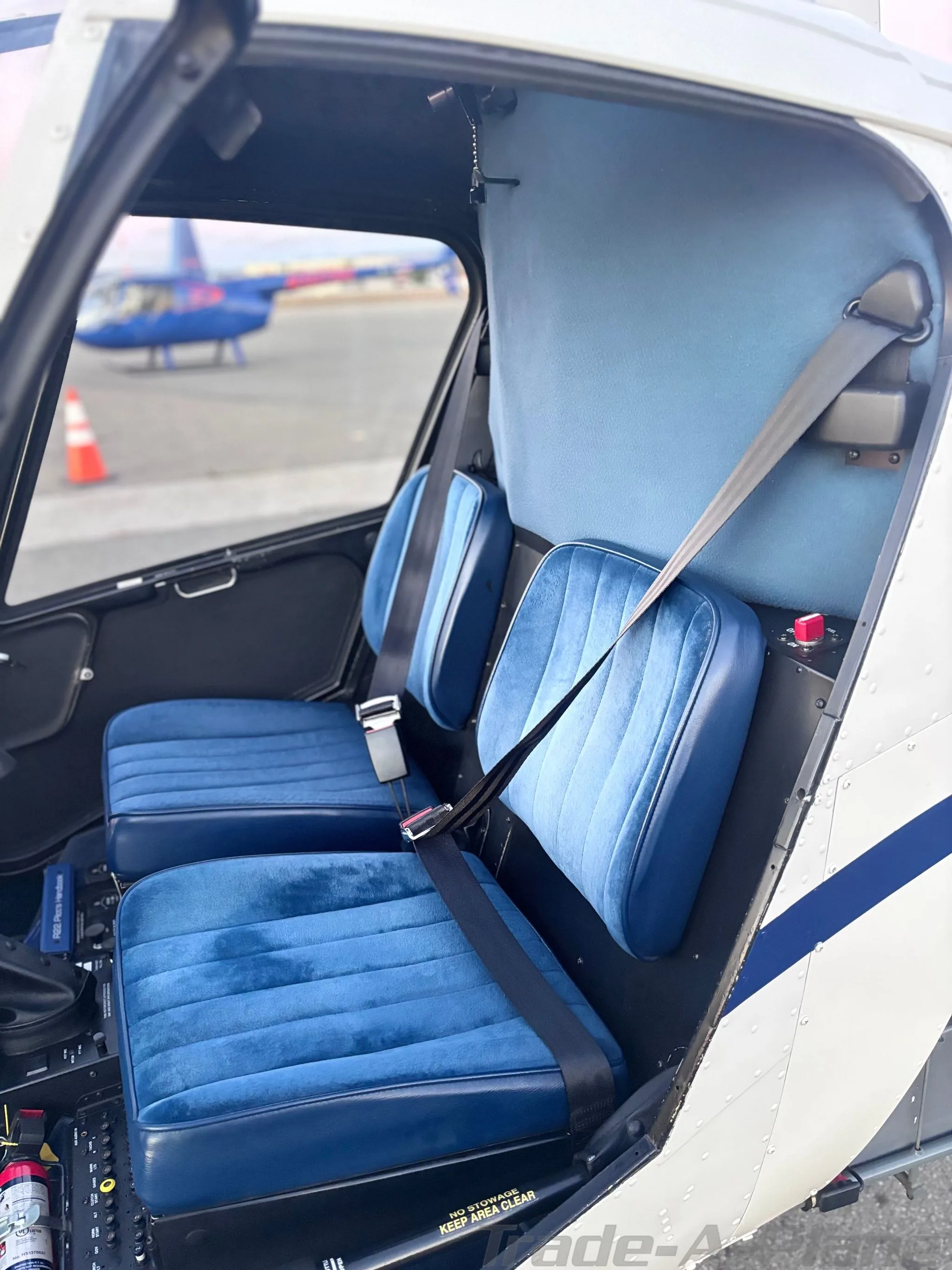
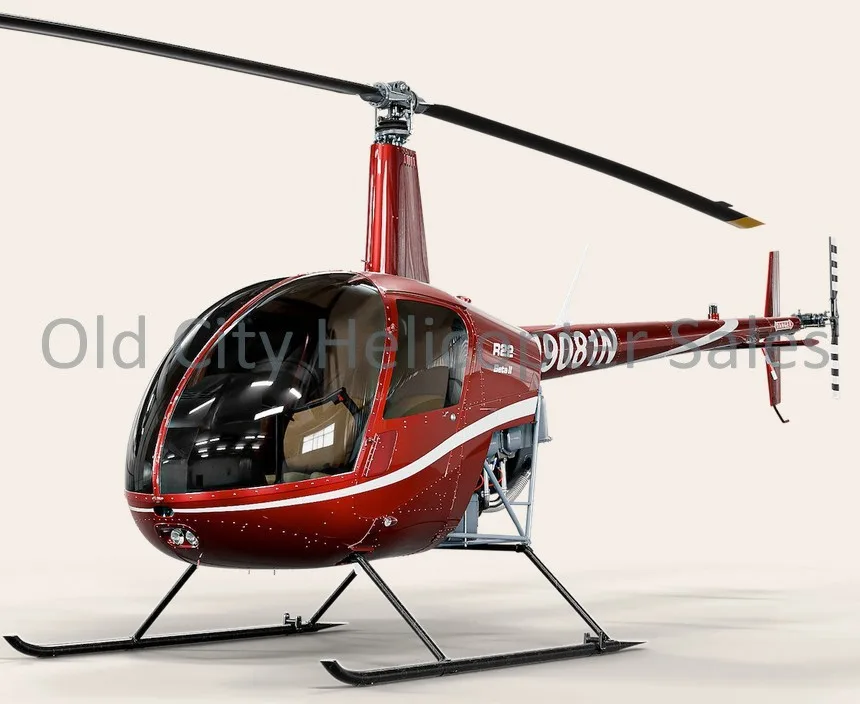
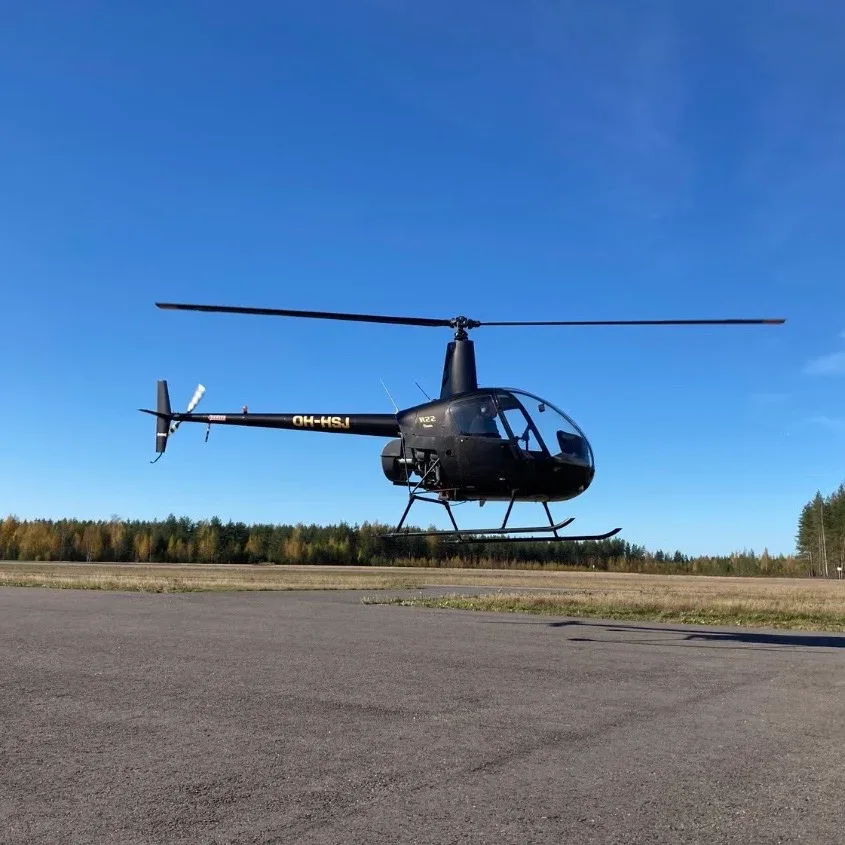
Free — save the R22 to your watchlist and track it in one place.
More Robinson R22 Beta IImanuals & documents
See all 27 →- Specifications for the Robinson R22 Beta IISpecifications
- ATSB Transport Safety Report: Aviation Occurrence Investigation (Short) AO-2025-016Other Documents
- Emergency Checklist R22 BII - Heli Academy V1.0 2025-09Emergency Procedures
- Collision with terrain involving Robinson R22 Beta, VH-8BWOther Documents
- PILOT'S OPERATING HANDBOOK AND FAA APPROVED ROTORCRAFT FLIGHT MANUALPilot's Operating Handbook
- ROBINSON HELICOPTER COMPANYParts Catalog
- Collision with terrain involving Robinson R22 Beta II, VH-PSC, near Limbunya Station, Northern Territory, on 27 June 2023Other Documents
- Airworthiness Directive ScheduleService Bulletins
- ROBINSON R22 SERIESOther Documents
- Rotor drive system failure and collision with terrain involving a Robinson Helicopter Company R22, VH-YMUOther Documents
- ROBINSON R22 SERIES SECTION 7 SYSTEMS DESCRIPTIONSystems Description
- ROBINSON R22 SERIES SECTION 9 SUPPLEMENTSWeight & Balance
Related documents
- Robinson R22 Beta Model GuideRobinson R22 Beta · Model Guide
- Specifications for the Robinson R22 Beta IIRobinson R22 Beta II · Specifications
- R22 Beta II Specifications and DimensionsRobinson R22 Beta II · Specifications
- Robinson R22 Model GuideRobinson R22 · Model Guide
- NORMAL CHECKLIST R22 Beta IIRobinson R22 Beta II · Pilot's Operating Handbook
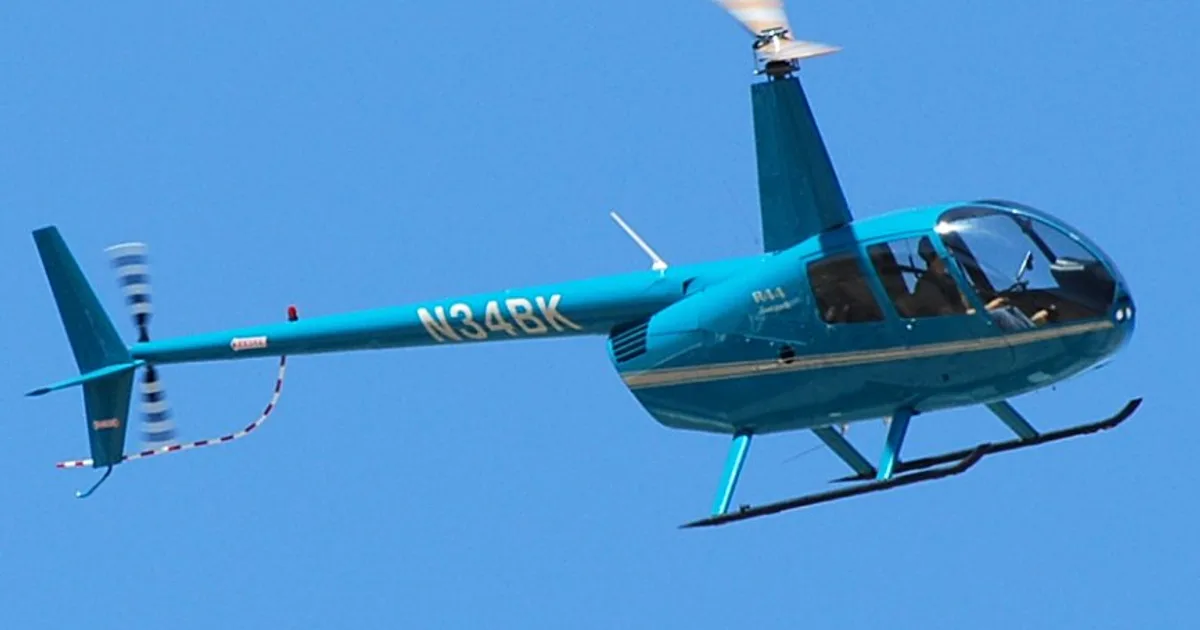
If you fly the Robinson R22 Beta II, you may also be researching these.


In this document
What to know about the aircraft
The Robinson R22 Beta II is a two-seat piston helicopter. The handbook is FAA approved in the Normal category based on FAR 27 and FAR 21 and must be carried in the helicopter at all times. The log of pages shows the handbook was revised on 22 Feb 2024, so check that the aircraft's copy matches the current revision. The Robinson maintenance manual (October 2018 edition) lists Lycoming O-320-series and O-360-series operator's manuals in its Instructions for Continued Airworthiness. It has chapters on life-limited components, rotor systems, rigging, track and balance, and weight and balance.
Start-up and run-up checks worth knowing
A Heli Academy normal checklist for the R22 Beta II gives these figures. Idle is 55% with oil pressure above 25 psi. Warm-up is 70-75% rotor RPM. At the magneto check, the maximum RPM drop is 7% in 2 sec. Engine RPM is then increased to 102-104%, and the low RPM horn and light are checked at 97%. The checklist notes that only checks and procedures in the POH are approved. Expect a seller or instructor to run these checks. Be wary of an aircraft that fails them.
Weight, balance and loading
The Robinson R22 Beta II weight and balance worksheet covers pilot, left front passenger, baggage on both sides, main and aux fuel, and longitudinal and lateral CG calculations. It also records IGE and OGE hover ceilings. A note says that if a backrest cushion is used, the compressed cushion thickness is subtracted. Doors, removable cyclic, collective and pedals are included in basic empty weight unless removed. The ATSB Adavale report found that the helicopter, an R22 Beta, was overloaded after the passenger boarded. It could not fly out of ground effect, and rotor RPM decayed with the low RPM horn sounding. Plan loads with margin.
Maintenance history and airworthiness
The NZ CAA Airworthiness Directive schedule dated 31 October 2024 applies to the R22, R22 Alpha, R22 Beta and R22 Mariner under Type Certificate H10WE. Its 24 pages include items such as main rotor blade inspection and retirement, tail rotor drive shaft replacement, and forward flexplate replacement. Ask for a complete AD compliance record. The ATSB report on Beta II VH-HGU found a cyclic bellcrank fastener missing after a major overhaul, and the maintenance work-pack had not been used to track all tasks. A March 2019 ATSB safety advisory told maintainers to check the correct part number before re-using a self-locking nut. Look closely at who did the overhaul and how it was documented.
Summary written by AI from the source document. Check the original before relying on it. See which parts of Sprinkle are written by AI.
Safety notes
- Do not take off before the CLUTCH light goes out. If the light comes on in flight and does not go out within 10 seconds, pull the CLUTCH circuit breaker and land as soon as practical, or land immediately if there are other drive system failure indications.
- The low fuel caution light indicates about one gallon of usable fuel with all-aluminum tanks, or 1.5 gallons with bladder-style tanks. The checklist warns against using it as a working fuel gauge.
- The LOW RPM warning means rotor speed is below 97%. Lower the collective immediately, roll the throttle on, and in forward flight apply aft cyclic.
- The AAIB report on a Beta in-flight break-up states that mast bumping can be caused by abrupt control inputs. Avoid abrupt cyclic or pedal inputs.
Summary written by AI from the source document. Check the original before relying on it. See which parts of Sprinkle are written by AI.
Full document text
Robinson R22 Beta II Model Guide The Robinson R22 Beta II is a two-seat, single-engine piston helicopter in the library from 1996, with no end year listed. Its handbook is FAA approved in the Normal category under FAR 27 and FAR 21, under Type Certificate H10WE. Registry performance maxima and spec figures were not supplied. The numbers below come only from the handbook-derived checklists and the incident and airworthiness documents provided. Treat them as a starting point for a pre-purchase check, and confirm everything against the current handbook for the specific aircraft. • The Robinson R22 Beta II seats two. Weight and balance and hover performance (in ground effect and out of ground effect) are the limiting factors, so check both before every flight. • One ATSB report found a Beta overloaded to the point it could not fly out of ground effect. Do not assume you can lift away from a roof or confined spot with a full load. • One ATSB report on a Beta II in-flight break-up traced the cause to a missing cyclic bellcrank fastener after a 2,200-hour overhaul. Overhaul records and maintenance quality matter a great deal. • A New Zealand CAA Airworthiness Directive schedule dated 31 October 2024 covers the R22 series. It includes main rotor blade inspection and retirement items. Ask for proof of compliance with all of them. • One AAIB report on a Beta in-flight break-up attributes it to mast bumping, which the handbook says abrupt control inputs can cause. Pilot proficiency and smooth handling are part of the ownership risk. What to know about the aircraft The Robinson R22 Beta II is a two-seat piston helicopter. The handbook is FAA approved in the Normal category based on FAR 27 and FAR 21 and must be carried in the helicopter at all times. The log of pages shows the handbook was revised on 22 Feb 2024, so check that the aircraft's copy matches the current revision. The Robinson maintenance manual (October 2018 edition) lists Lycoming O-320-series and O-360-series operator's manuals in its Instructions for Continued Airworthiness. It has chapters on life-limited components, rotor systems, rigging, track and balance, and weight and balance. Start-up and run-up checks worth knowing A Heli Academy normal checklist for the R22 Beta II gives these figures. Idle is 55% with oil pressure above 25 psi. Warm-up is 70-75% rotor RPM. At the magneto check, the maximum RPM drop is 7% in 2 sec. Engine RPM is then increased to 102-104%, and the low RPM horn and light are checked at 97%. The checklist notes that only checks and procedures in the POH are approved. Expect a seller or instructor to run these checks. Be wary of an aircraft that fails them. Weight, balance and loading The Robinson R22 Beta II weight and balance worksheet covers pilot, left front passenger, baggage on both sides, main and aux fuel, and longitudinal and lateral CG calculations. It also records IGE and OGE hover ceilings. A note says that if a backrest cushion is used, the compressed cushion thickness is subtracted. Doors, removable cyclic, collective and pedals are included in basic empty weight unless removed. The ATSB Adavale report found that the helicopter, an R22 Beta, was overloaded after the passenger boarded. It could not fly out of ground effect, and rotor RPM decayed with the low RPM horn sounding. Plan loads with margin. Maintenance history and airworthiness The NZ CAA Airworthiness Directive schedule dated 31 October 2024 applies to the R22, R22 Alpha, R22 Beta and R22 Mariner under Type Certificate H10WE. Its 24 pages include items such as main rotor blade inspection and retirement, tail rotor drive shaft replacement, and forward flexplate replacement. Ask for a complete AD compliance record. The ATSB report on Beta II VH-HGU found a cyclic bellcrank fastener missing after a major overhaul, and the maintenance work-pack had not been used to track all tasks. A March 2019 ATSB safety advisory told maintainers to check the correct part number before re-using a self-locking nut. Look closely at who did the overhaul and how it was documented. Safety notes: • Do not take off before the CLUTCH light goes out. If the light comes on in flight and does not go out within 10 seconds, pull the CLUTCH circuit breaker and land as soon as practical, or land immediately if there are other drive system failure indications. • The low fuel caution light indicates about one gallon of usable fuel with all-aluminum tanks, or 1.5 gallons with bladder-style tanks. The checklist warns against using it as a working fuel gauge. • The LOW RPM warning means rotor speed is below 97%. Lower the collective immediately, roll the throttle on, and in forward flight apply aft cyclic. • The AAIB report on a Beta in-flight break-up states that mast bumping can be caused by abrupt control inputs. Avoid abrupt cyclic or pedal inputs.