AUTOGYRO CAVALON Model Guide
AUTOGYRO CAVALON · Model Guide
Overview
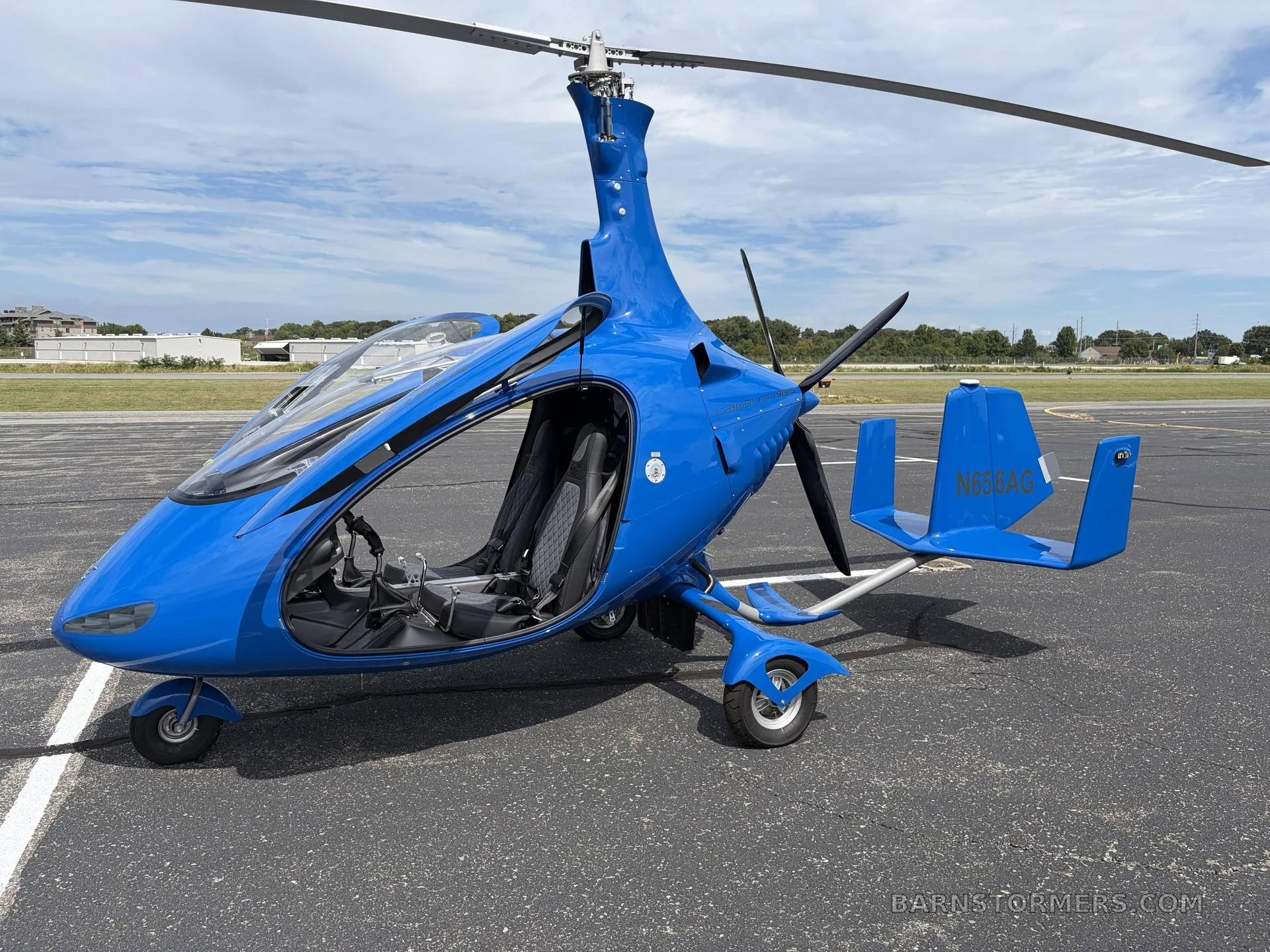
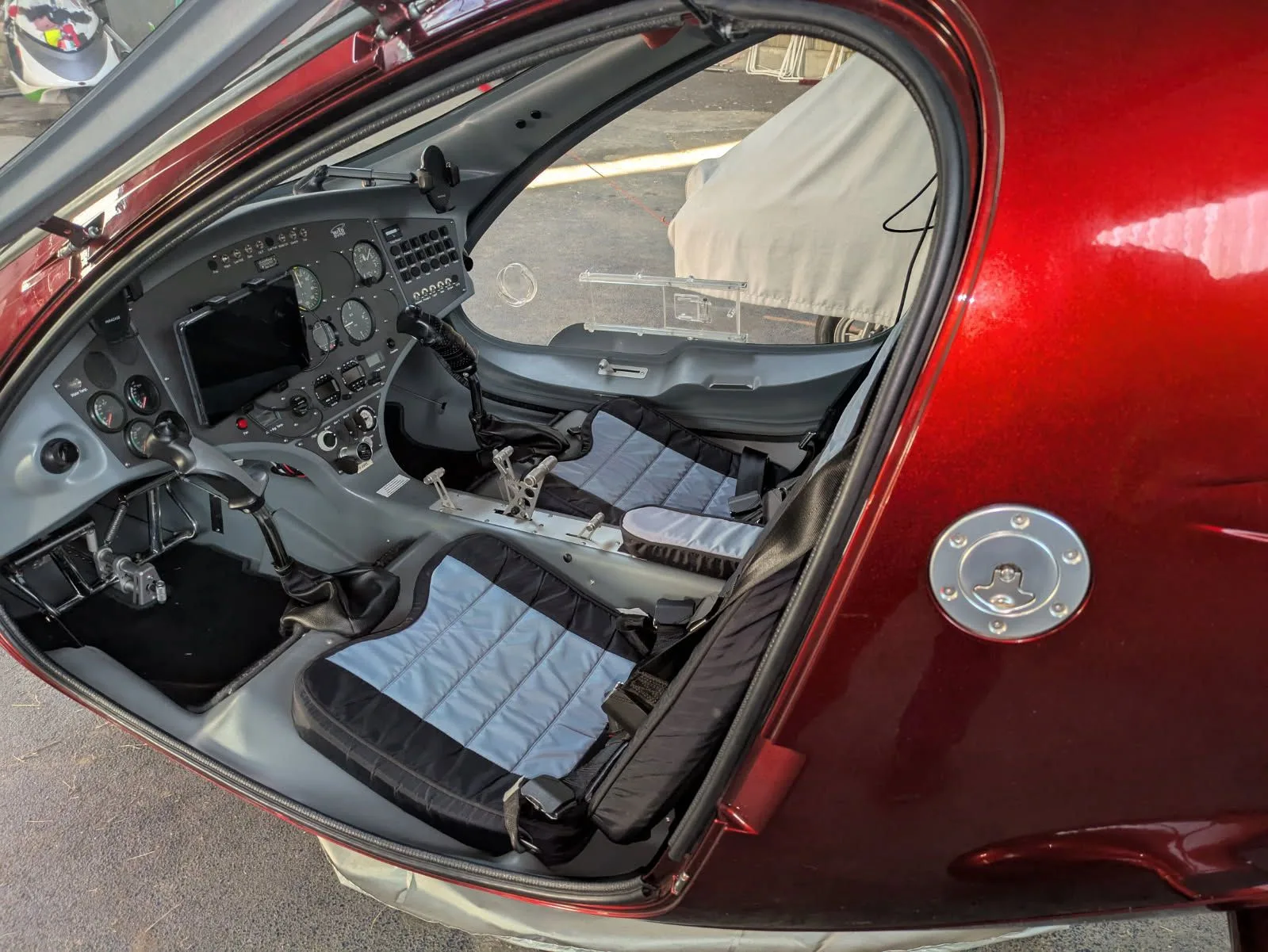
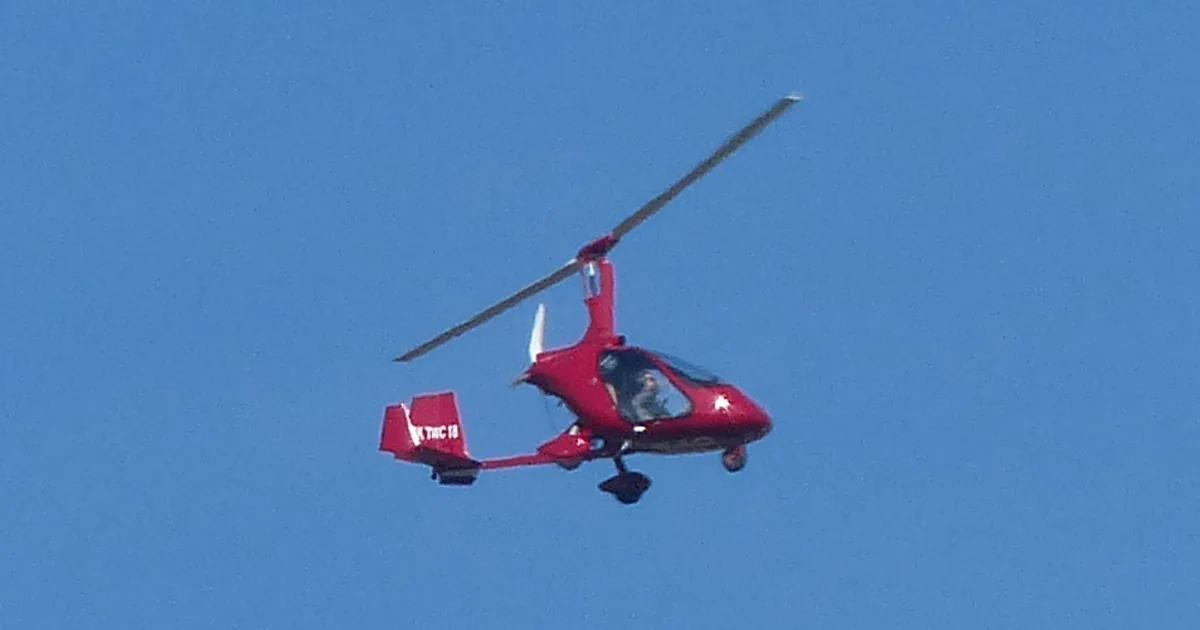
The AUTOGYRO CAVALON is a piston-powered, two-seat gyroplane built by AutoGyro GmbH of Hildesheim, Germany. Family-level registry data shows up to 2 passengers, up to 90 kt cruise, up to 500 nm range and up to 600 kg MTOW. Some aircraft are fitted with the Rotax 915iS engine.
- Family-level figures: up to 90 kt cruise, up to 500 nm range, up to 600 kg MTOW, up to 2 passengers.
- Check the service history for open service bulletins on the fuel tank cap O-ring and, on Rotax 915iS aircraft, the oil thermostat.
- Periodic service is due at 25 h, then every 100 h or annually, using the manufacturer's worksheet.
- Keep the flight manual (Revision 1.3 reviewed) current and on board; it is no substitute for proper training.
Summary written by AI from the source document. Check the original before relying on it. See which parts of Sprinkle are written by AI.
Reference only, not for flight. Use the current approved manual for your aircraft. See terms, section 5.
Document
Source
Copy found at sprinkle.com. Sprinkle hosts a reference copy with an added summary, specifications and searchable full text.
Document details
- Type ·
- Model Guide
- Year ·
- 2026
- File size ·
- 48 KB
- Copy found at ·
- sprinkle.com
Specifications & performance
Extracted from this document.
Specifications
- Max mtow kg ·
- 600
- Max passengers ·
- 2
Performance
- Max range (nm) ·
- 500
- Max cruise speed (kt) ·
- 90
How many people does the AUTOGYRO CAVALON carry?
Registry data for the AUTOGYRO CAVALON family shows up to 2 passengers. Check the flight manual and your aircraft's documents for the exact figure.
What service is due on the AUTOGYRO CAVALON?
The periodic worksheet for the AUTOGYRO CAVALON lists tasks after the first 25 h, then every 100 h or annually, whichever applies. Some items have separate intervals, such as 200 hr for the mast inspection.
What should I check on a used AUTOGYRO CAVALON?
For the AUTOGYRO CAVALON, check that the tank cap O-ring bulletin was done if the serial is in the affected range. On Rotax 915iS aircraft, check that the oil thermostat upgrade bulletin was done.
What is the AUTOGYRO CAVALON Model Guide?
The AUTOGYRO CAVALON Model Guide is a model guide for the AUTOGYRO CAVALON, dated 2026.
What year was the AUTOGYRO CAVALON Model Guide published?
The AUTOGYRO CAVALON Model Guide — the AUTOGYRO CAVALON model guide on file — is dated 2026.
Common. More common than 85% of the aircraft models we track.
Most owners only have the POH. Here's the essential set for the AUTOGYRO CAVALON.
- Pilot's Operating Handbook / AFM
- Checklist
- Maintenance Manual
- Parts Catalog (IPC)
- Systems & Wiring
- Service Bulletins on file
- Type Certificate (TCDS)
AUTOGYRO CAVALON for sale now
Free — save the Cavalon to your watchlist and track it in one place.
More AUTOGYRO CAVALONmanuals & documents
Related documents
- AUTOGYRO Cavalon 915 iS Model GuideAUTOGYRO Cavalon 915 iS · Model Guide
- AUTOGYRO GMBH CAVALON Model GuideAUTOGYRO GMBH CAVALON · Model Guide
- Flight and Operation Manual for Gyroplane CavalonAUTOGYRO GMBH CAVALON · Pilot's Operating Handbook
- GUIMBAL CABRI G2 Model GuideGUIMBAL CABRI G2 · Model Guide
- Flight and Operation Manual for Gyroplane CavalonAUTOGYRO CAVALON · Pilot's Operating Handbook
If you fly the AUTOGYRO CAVALON, you may also be researching these.

In this document
Service bulletins to verify
AG-SB-2019-03-B-EN (Recommended) replaces the tank cap O-ring on serials V00367 to V00429, excluding V00418, V00426 and V00428; do it at the 25 h service. AG-SB-2020-02-B-ENr2 upgrades the oil thermostat on Rotax 915iS aircraft up to V00473, excluding V00398, V00443 and V00450.
Oil pressure concern (Rotax 915iS)
AutoGyro received market feedback that, particularly at altitude, Rotax 915iS oil pressure can fall to its minimum operating pressure of 2 bar. The improved thermostat and oil cooler circuit improves oil flow and pressure. Labour is about 2.0 hrs and is covered by the bulletin.
Periodic inspection items
The worksheet covers the rotor teeter angle (14° +/-1°), rotor blade bolt torque (20 Nm +/-5 Nm), mast bolt torque (20 Nm), pneumatic system leak limit (0.5 bar/hr maximum), nose tyre pressure (1.5 to 1.8 bar) and main tyre pressure (2.0 to 2.2 bar). The mast assembly is removed and inspected at 200 hr.
Summary written by AI from the source document. Check the original before relying on it. See which parts of Sprinkle are written by AI.
Safety notes
- Operate only within the limitations and procedures in the flight manual; failure to follow them or to take proper flight instruction can be fatal.
- Maintenance must be done by trained, authorised people; an out-of-date maintenance manual may leave the aircraft unsafe or not airworthy.
- Record completion of service bulletins in the aircraft documentation.
Summary written by AI from the source document. Check the original before relying on it. See which parts of Sprinkle are written by AI.
Full document text
AUTOGYRO CAVALON Model Guide The AUTOGYRO CAVALON is a piston-powered, two-seat gyroplane built by AutoGyro GmbH of Hildesheim, Germany. Family-level registry data shows up to 2 passengers, up to 90 kt cruise, up to 500 nm range and up to 600 kg MTOW. Some aircraft are fitted with the Rotax 915iS engine. • Family-level figures: up to 90 kt cruise, up to 500 nm range, up to 600 kg MTOW, up to 2 passengers. • Check the service history for open service bulletins on the fuel tank cap O-ring and, on Rotax 915iS aircraft, the oil thermostat. • Periodic service is due at 25 h, then every 100 h or annually, using the manufacturer's worksheet. • Keep the flight manual (Revision 1.3 reviewed) current and on board; it is no substitute for proper training. Service bulletins to verify AG-SB-2019-03-B-EN (Recommended) replaces the tank cap O-ring on serials V00367 to V00429, excluding V00418, V00426 and V00428; do it at the 25 h service. AG-SB-2020-02-B-ENr2 upgrades the oil thermostat on Rotax 915iS aircraft up to V00473, excluding V00398, V00443 and V00450. Oil pressure concern (Rotax 915iS) AutoGyro received market feedback that, particularly at altitude, Rotax 915iS oil pressure can fall to its minimum operating pressure of 2 bar. The improved thermostat and oil cooler circuit improves oil flow and pressure. Labour is about 2.0 hrs and is covered by the bulletin. Periodic inspection items The worksheet covers the rotor teeter angle (14° +/-1°), rotor blade bolt torque (20 Nm +/-5 Nm), mast bolt torque (20 Nm), pneumatic system leak limit (0.5 bar/hr maximum), nose tyre pressure (1.5 to 1.8 bar) and main tyre pressure (2.0 to 2.2 bar). The mast assembly is removed and inspected at 200 hr. Safety notes: • Operate only within the limitations and procedures in the flight manual; failure to follow them or to take proper flight instruction can be fatal. • Maintenance must be done by trained, authorised people; an out-of-date maintenance manual may leave the aircraft unsafe or not airworthy. • Record completion of service bulletins in the aircraft documentation.