BELLANCA CITABRIA 7ECA Model Guide
BELLANCA CITABRIA 7ECA · Model Guide
Overview
The BELLANCA CITABRIA 7ECA is a two-seat, single-engine piston tailwheel airplane. It has a Lycoming O-235-C1 rated 115 hp at 2800 rpm and is approved in the Normal and Acrobatic categories. Maximum weight is 1650 lbs. The Aeronca 7 family, which includes the 7ECA, is listed in the registry at up to 111 kt cruise and up to 550 nm range. Treat those as family maxima, not 7ECA figures.
- Lycoming O-235-C1, 115 hp at 2800 rpm; maximum weight 1650 lbs; baggage limit 100 lbs.
- Fuel is 26 gal total and 22 gal usable in two tanks. The checklist gives a typical burn of 7.5 GPH.
- Limits: VNE 162 mph, VNO 120 mph, stall 51 mph. Load factors are +5.0 and -2.0 G.
- Tailwheel airplane with sensitive brakes. Check strut drain holes, fabric and the tailwheel before buying.
Summary written by AI from the source document. Check the original before relying on it. See which parts of Sprinkle are written by AI.
Reference only, not for flight. Use the current approved manual for your aircraft. See terms, section 5.
Document
Source
Copy found at sprinkle.com. Sprinkle hosts a reference copy with an added summary, specifications and searchable full text.
Document details
- Type ·
- Model Guide
- Year ·
- 2026
- File size ·
- 47 KB
- Copy found at ·
- sprinkle.com
Specifications & performance
Extracted from this document.
Specifications
- Max rpm ·
- 2,800
- Fuel burn (gph) ·
- 7.5
- Engine power (hp) ·
- 115
- Usable fuel (gal) ·
- 22
- Baggage limit (lb) ·
- 100
- Fuel capacity (gal) ·
- 26
- Max takeoff weight (lb) ·
- 1,650
Performance
- Fuel burn (gph) ·
- 7.5
- Stall speed mph ·
- 51
- Best glide speed mph ·
- 65
- Normal climb speed mph ·
- 80
- Best rate climb speed mph ·
- 69
- Best angle climb speed mph ·
- 58
V-speeds
- VS_MPH ·
- 51
- VX_MPH ·
- 58
- VY_MPH ·
- 69
- VNE_MPH ·
- 162
- VNO_MPH ·
- 120
- BEST_GLIDE_MPH ·
- 65
- VA_MPH_AT_1250_LBS ·
- 104
- VA_MPH_AT_1650_LBS ·
- 120
Weight & balance
- Max weight (lb) ·
- 1,650
- Baggage limit (lb) ·
- 100
- Cg aft limit (in) ·
- 19.2
- Cg fwd limit at 1325 lbs (in) ·
- 10.5
- Cg fwd limit at 1650 lbs (in) ·
- 14.2
What engine does the BELLANCA CITABRIA 7ECA have?
The BELLANCA CITABRIA 7ECA has a Lycoming O-235-C1 rated 115 hp at 2800 rpm. The POH lists 80/87 minimum octane fuel, with 100/130 approved for continuous use. The checklist lists 80 or 100LL.
How much fuel does the BELLANCA CITABRIA 7ECA carry?
The checklist gives two 13 gal tanks, 26 gal total and 22 gal usable. Typical consumption is 7.5 GPH. The POH shows other fuel figures for other models, so check the placards on the airplane you are considering.
Can the BELLANCA CITABRIA 7ECA do aerobatics?
Yes. The POH approves the Normal and Acrobatic categories at +5.0 and -2.0 G. Maneuvers are approved with no baggage and the CG within acrobatic limits. Inverted flight is listed for the 7KCAB only.
What is the BELLANCA CITABRIA 7ECA Model Guide?
The BELLANCA CITABRIA 7ECA Model Guide is a model guide for the BELLANCA CITABRIA 7ECA, dated 2026.
What year was the BELLANCA CITABRIA 7ECA Model Guide published?
The BELLANCA CITABRIA 7ECA Model Guide — the BELLANCA CITABRIA 7ECA model guide on file — is dated 2026.
Common. One of the most common aircraft types we track.
Most owners only have the POH. Here's the essential set for the BELLANCA CITABRIA 7ECA.
- Pilot's Operating Handbook / AFM
- Checklist
- Maintenance Manual
- Parts Catalog (IPC)
- Systems & Wiring
- Service Bulletins on file
- Type Certificate (TCDS)
BELLANCA CITABRIA 7ECA for sale now
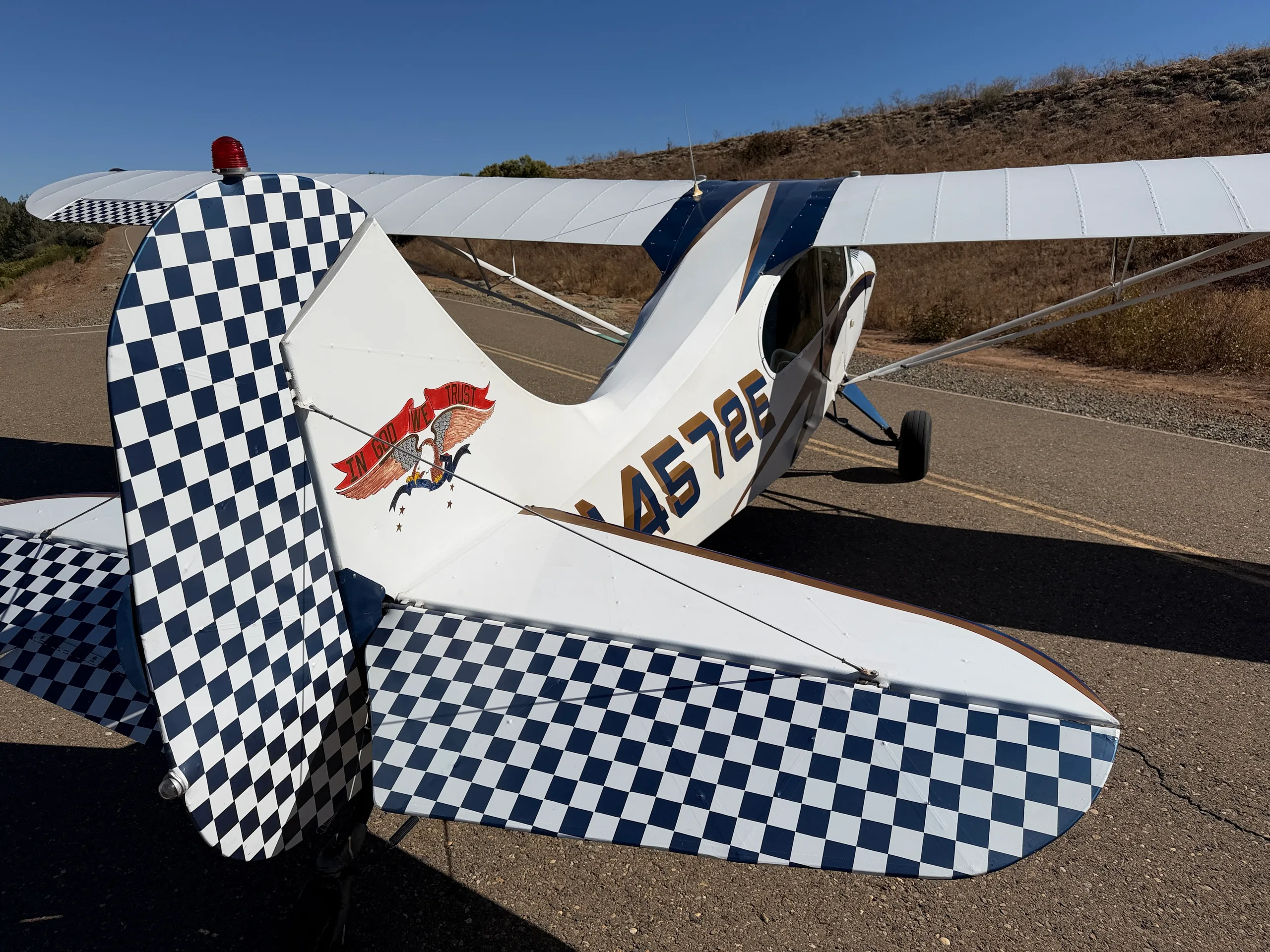
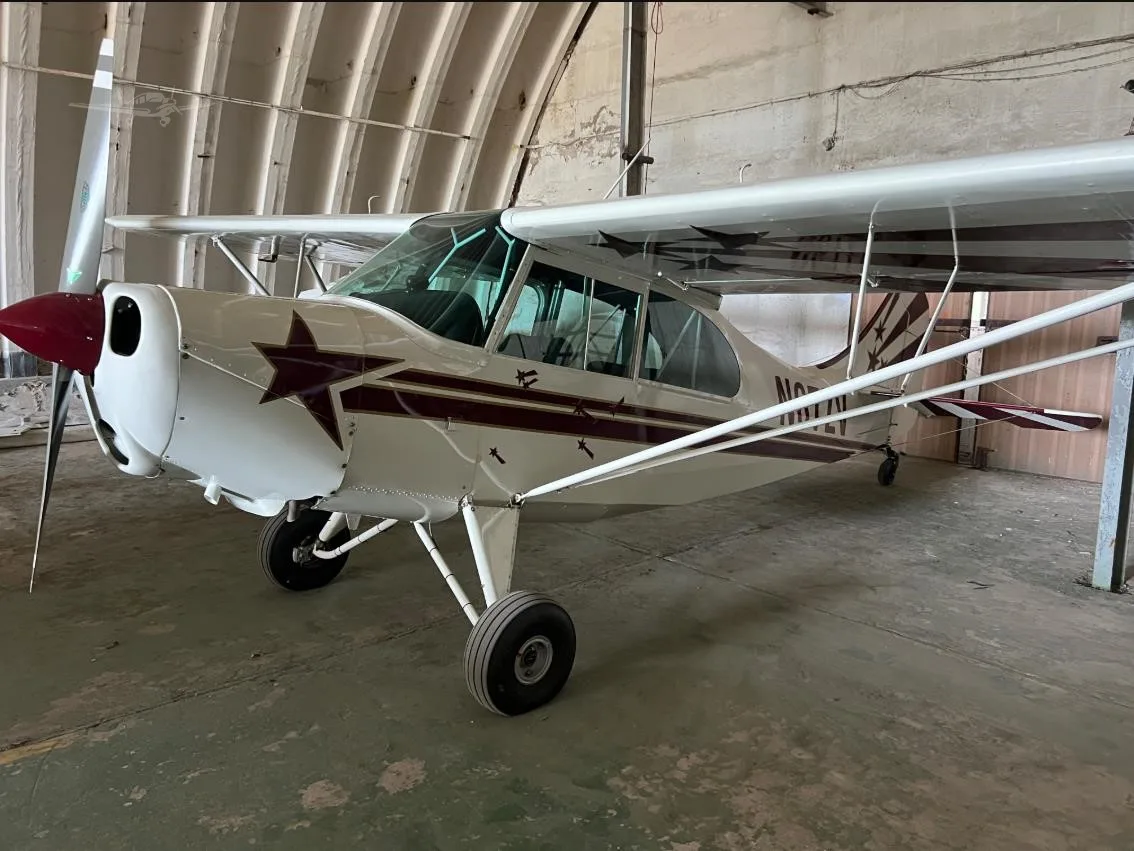
Free — save the 7 to your watchlist and track it in one place.
More BELLANCA CITABRIA 7ECAmanuals & documents
Related documents
- BELLANCA CITABRIA 7GCBC Model GuideBELLANCA CITABRIA 7GCBC · Model Guide
- BELLANCA DECATHLON 8KCAB Model GuideBELLANCA DECATHLON 8KCAB · Model Guide
- AMERICAN CHAMPION 7-ECA Model GuideAMERICAN CHAMPION 7-ECA · Model Guide
- BELLANCA CITABRIA Model 7ECA ChecklistBELLANCA CITABRIA 7ECA · Checklist
- BELLANCA 17-30A Model GuideBELLANCA 17-30A · Model Guide
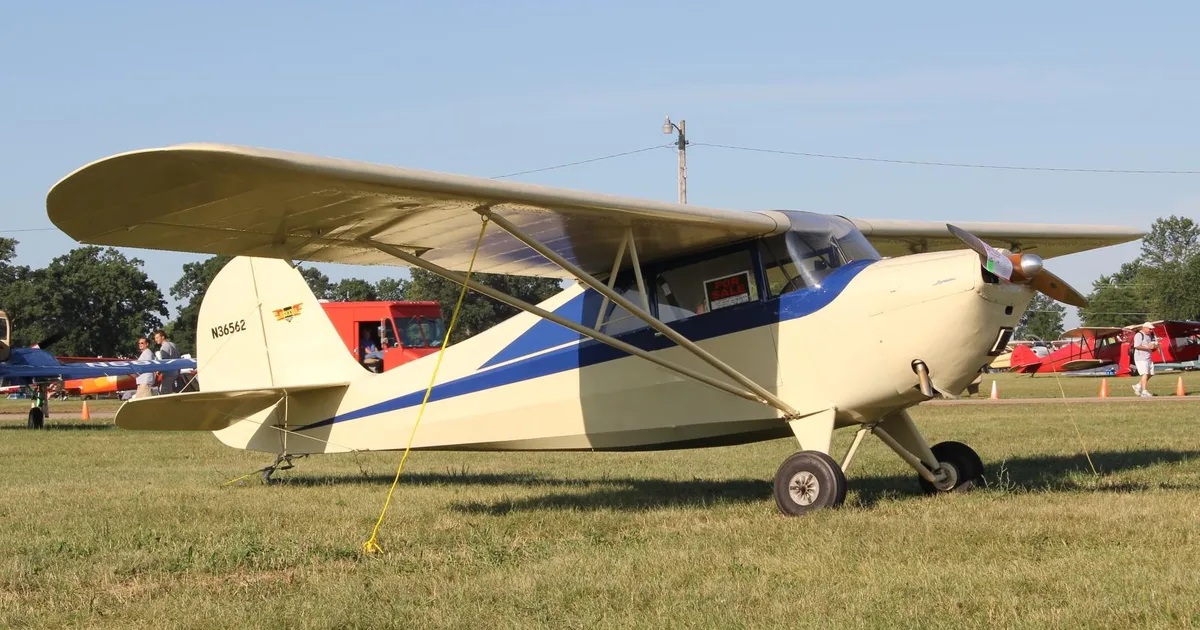
If you fly the BELLANCA CITABRIA 7ECA, you may also be researching these.



In this document
Limits and loading
The Pilot's Operating Manual (POH) and checklist list a 1650 lb maximum weight. Normal-category CG range is 14.2 to 19.2 in at 1650 lbs, and 10.5 to 19.2 in at 1325 lbs or less. Acrobatic range is 14.2 to 17.3 in at 1650 lbs. Maximum baggage is 100 lbs, and acrobatics are approved with no baggage. Occupy the front seat when flying solo.
Flying it
Lift-off is at 55-60 mph. Best angle of climb is 58 mph, best rate is 69 mph, and normal climb is 75-80 mph. Approach is 60-70 mph, and best glide is 65 mph. Stall characteristics are conventional, but aileron response in a full stall is marginal, so use rudder. Brakes are very sensitive with the tail up, so steer with the rudder. Full-stall landings are recommended on soft or rough fields.
What to inspect
The preflight lists front and rear wing lift struts for straightness and dents. Check that strut drain holes are open and that the struts hold no water. Check fabric for oil and battery acid leakage, plus the brace wires, tailwheel and tires. Magneto check at 1800 rpm allows a 200 rpm maximum drop and a 50 rpm maximum difference. Oil pressure must show within 30 seconds of start.
Summary written by AI from the source document. Check the original before relying on it. See which parts of Sprinkle are written by AI.
Safety notes
- Takeoff is prohibited with any fuel indicator at 1/4 or less. Flight into known icing is prohibited.
- Do not exceed 120 mph in rough air. Spin recovery builds airspeed fast, so avoid abrupt elevator movement.
- After any overstress, fly at 60-70 mph to a landing and have a mechanic inspect the aircraft before the next flight.
Summary written by AI from the source document. Check the original before relying on it. See which parts of Sprinkle are written by AI.
Full document text
BELLANCA CITABRIA 7ECA Model Guide The BELLANCA CITABRIA 7ECA is a two-seat, single-engine piston tailwheel airplane. It has a Lycoming O-235-C1 rated 115 hp at 2800 rpm and is approved in the Normal and Acrobatic categories. Maximum weight is 1650 lbs. The Aeronca 7 family, which includes the 7ECA, is listed in the registry at up to 111 kt cruise and up to 550 nm range. Treat those as family maxima, not 7ECA figures. • Lycoming O-235-C1, 115 hp at 2800 rpm; maximum weight 1650 lbs; baggage limit 100 lbs. • Fuel is 26 gal total and 22 gal usable in two tanks. The checklist gives a typical burn of 7.5 GPH. • Limits: VNE 162 mph, VNO 120 mph, stall 51 mph. Load factors are +5.0 and -2.0 G. • Tailwheel airplane with sensitive brakes. Check strut drain holes, fabric and the tailwheel before buying. Limits and loading The Pilot's Operating Manual (POH) and checklist list a 1650 lb maximum weight. Normal-category CG range is 14.2 to 19.2 in at 1650 lbs, and 10.5 to 19.2 in at 1325 lbs or less. Acrobatic range is 14.2 to 17.3 in at 1650 lbs. Maximum baggage is 100 lbs, and acrobatics are approved with no baggage. Occupy the front seat when flying solo. Flying it Lift-off is at 55-60 mph. Best angle of climb is 58 mph, best rate is 69 mph, and normal climb is 75-80 mph. Approach is 60-70 mph, and best glide is 65 mph. Stall characteristics are conventional, but aileron response in a full stall is marginal, so use rudder. Brakes are very sensitive with the tail up, so steer with the rudder. Full-stall landings are recommended on soft or rough fields. What to inspect The preflight lists front and rear wing lift struts for straightness and dents. Check that strut drain holes are open and that the struts hold no water. Check fabric for oil and battery acid leakage, plus the brace wires, tailwheel and tires. Magneto check at 1800 rpm allows a 200 rpm maximum drop and a 50 rpm maximum difference. Oil pressure must show within 30 seconds of start. Safety notes: • Takeoff is prohibited with any fuel indicator at 1/4 or less. Flight into known icing is prohibited. • Do not exceed 120 mph in rough air. Spin recovery builds airspeed fast, so avoid abrupt elevator movement. • After any overstress, fly at 60-70 mph to a landing and have a mechanic inspect the aircraft before the next flight.