BELLANCA CITABRIA 7GCBC Model Guide
BELLANCA CITABRIA 7GCBC · Model Guide
Overview
The BELLANCA CITABRIA 7GCBC is a two-seat, single-engine piston tailwheel airplane (the "C" package), approved in the Normal and Acrobatic categories. It has a 150 hp Lycoming O-320-A2B. Max gross weight is 1650 lbs and the baggage limit is 100 lbs. Flight is day or night VFR only, with no flight into known icing. Figures come from the Bellanca manual and an older Champion POH.
- Two seats, 150 hp Lycoming O-320-A2B (or A2D), 1650 lb max gross, Normal and Acrobatic categories.
- Older POH lists 1075 lb empty and 575 lb useful load. Confirm against the airplane's own weight and balance sheet.
- Fuel placard reads 35 gal usable (older POH: 39 gal). Minimum 80/87 octane; 100/130 is approved.
- Before buying, check the gear oleo fluid level, fabric condition, tailwheel and shimmy dampener.
Summary written by AI from the source document. Check the original before relying on it. See which parts of Sprinkle are written by AI.
Reference only, not for flight. Use the current approved manual for your aircraft. See terms, section 5.
Document
Source
Copy found at sprinkle.com. Sprinkle hosts a reference copy with an added summary, specifications and searchable full text.
Document details
- Type ·
- Model Guide
- Year ·
- 2026
- File size ·
- 48 KB
- Copy found at ·
- sprinkle.com
Specifications & performance
Extracted from this document.
Specifications
- Fuel total (gal) ·
- 39
- Rated power (hp) ·
- 150
- Fuel usable (gal) ·
- 35
- Baggage capacity (lb) ·
- 100
Performance
- Fuel burn (gph) ·
- 9
- Climb rate (fpm) ·
- 1,145
- Service ceiling (ft) ·
- 17,000
V-speeds
- VA_MPH ·
- 120
- VFE_MPH ·
- 90
- VNE_MPH ·
- 162
- VNO_MPH ·
- 120
- STALL_MPH ·
- 50
- BEST_ANGLE_CLIMB_MPH ·
- 58
Weight & balance
- Baggage max (lb) ·
- 100
- Useful load (lb) ·
- 575
- Empty weight (lb) ·
- 1,075
- Cg aft normal (in) ·
- 19.2
- Max gross weight (lb) ·
- 1,650
- Cg aft acrobatic (in) ·
- 16.3
- Cg forward at 1325 lbs (in) ·
- 10.5
- Cg forward at max weight (in) ·
- 14.2
How many people and how much does the BELLANCA CITABRIA 7GCBC carry?
The BELLANCA CITABRIA 7GCBC seats 2. Max gross weight is 1650 lbs and the baggage limit is 100 lbs. The older POH lists 575 lbs useful load at 1075 lbs empty, so check the weight and balance sheet for the specific airplane.
What fuel does the BELLANCA CITABRIA 7GCBC use?
The BELLANCA CITABRIA 7GCBC needs a minimum of 80/87 octane aviation fuel, and 100/130 is approved. The fuel shutoff placard reads 35 gal usable. The older POH lists 39 gal for 150 hp airplanes.
Is the BELLANCA CITABRIA 7GCBC approved for aerobatics?
Yes. The BELLANCA CITABRIA 7GCBC is approved in the Normal and Acrobatic categories, with load limits of +5.0 and -2.0 G at 1650 lbs. Approved maneuvers require no baggage and the CG within acrobatic limits. Check the placard in the airplane.
What is the BELLANCA CITABRIA 7GCBC Model Guide?
The BELLANCA CITABRIA 7GCBC Model Guide is a model guide for the BELLANCA CITABRIA 7GCBC, dated 2026.
What year was the BELLANCA CITABRIA 7GCBC Model Guide published?
The BELLANCA CITABRIA 7GCBC Model Guide — the BELLANCA CITABRIA 7GCBC model guide on file — is dated 2026.
Common. One of the most common aircraft types we track.
Most owners only have the POH. Here's the essential set for the BELLANCA CITABRIA 7GCBC.
- Pilot's Operating Handbook / AFM
- Checklist
- Maintenance Manual
- Parts Catalog (IPC)
- Systems & Wiring
- Service Bulletins on file
- Type Certificate (TCDS)
BELLANCA CITABRIA 7GCBC for sale now
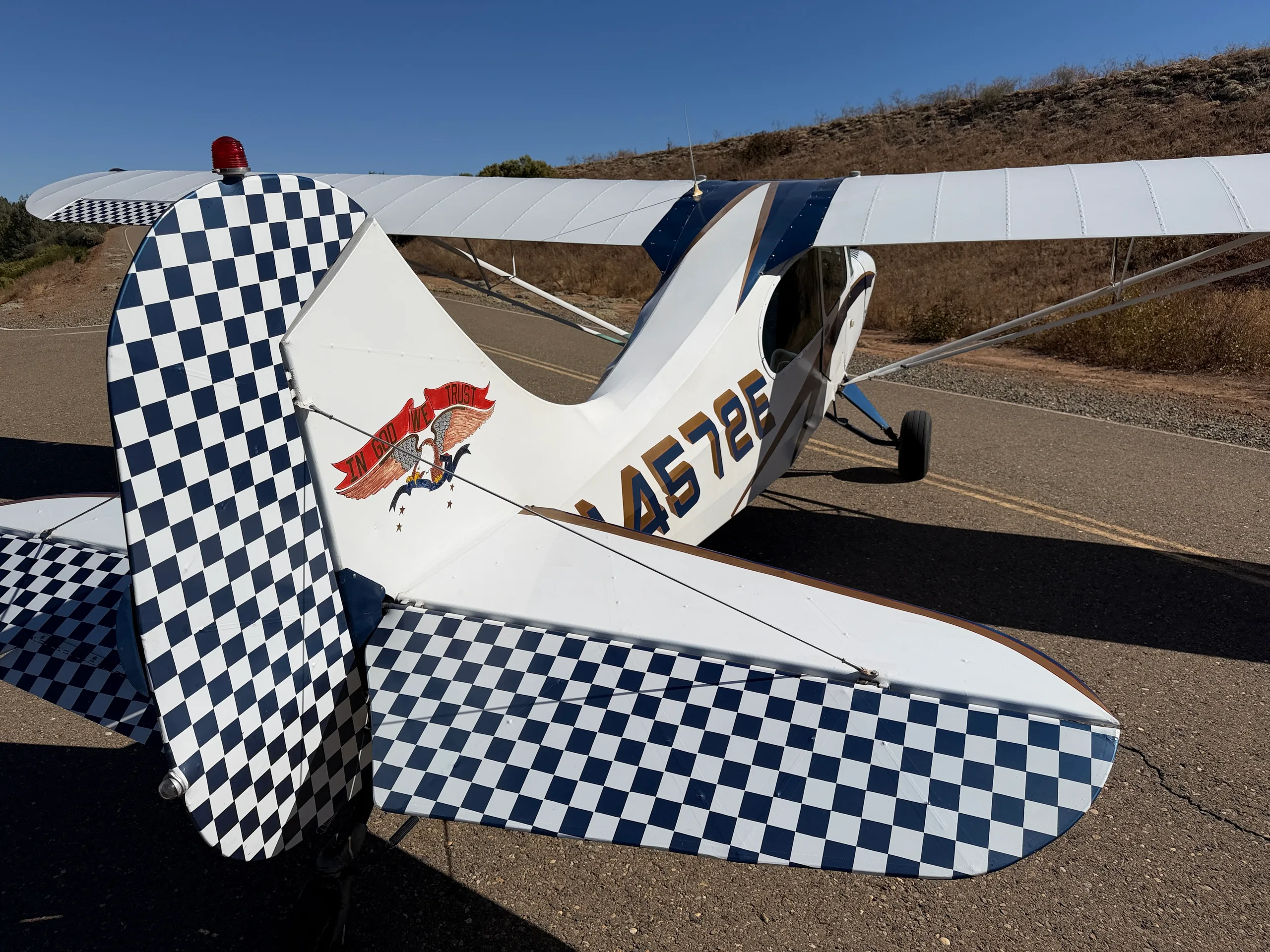
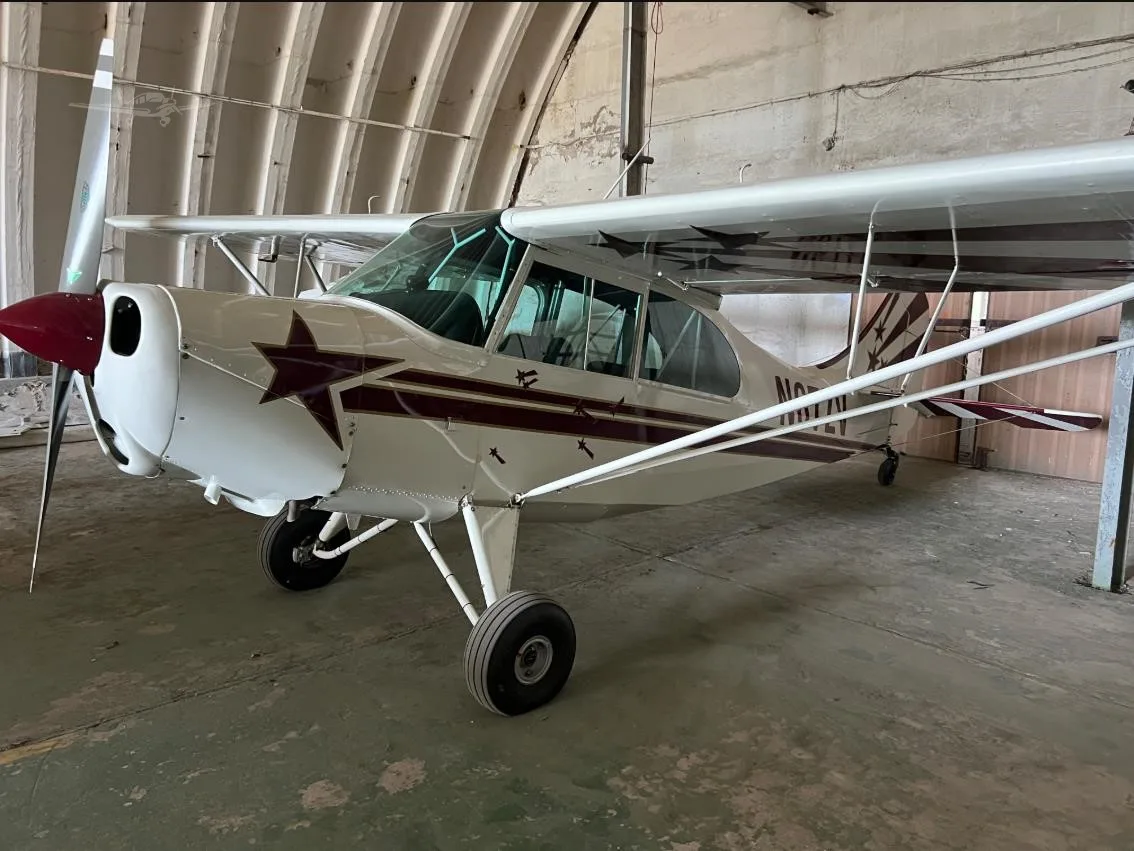
Free — save the 7 to your watchlist and track it in one place.
More BELLANCA CITABRIA 7GCBCmanuals & documents
Related documents
- BELLANCA CITABRIA 7ECA Model GuideBELLANCA CITABRIA 7ECA · Model Guide
- BELLANCA DECATHLON 8KCAB Model GuideBELLANCA DECATHLON 8KCAB · Model Guide
- BELLANCA 17-30A Model GuideBELLANCA 17-30A · Model Guide
- BELLANCA 14-19-3A BELLANCA 260A Model GuideBELLANCA 14-19-3A BELLANCA 260A · Model Guide
- BELLANCA 17-31ATC Model GuideBELLANCA 17-31ATC · Model Guide
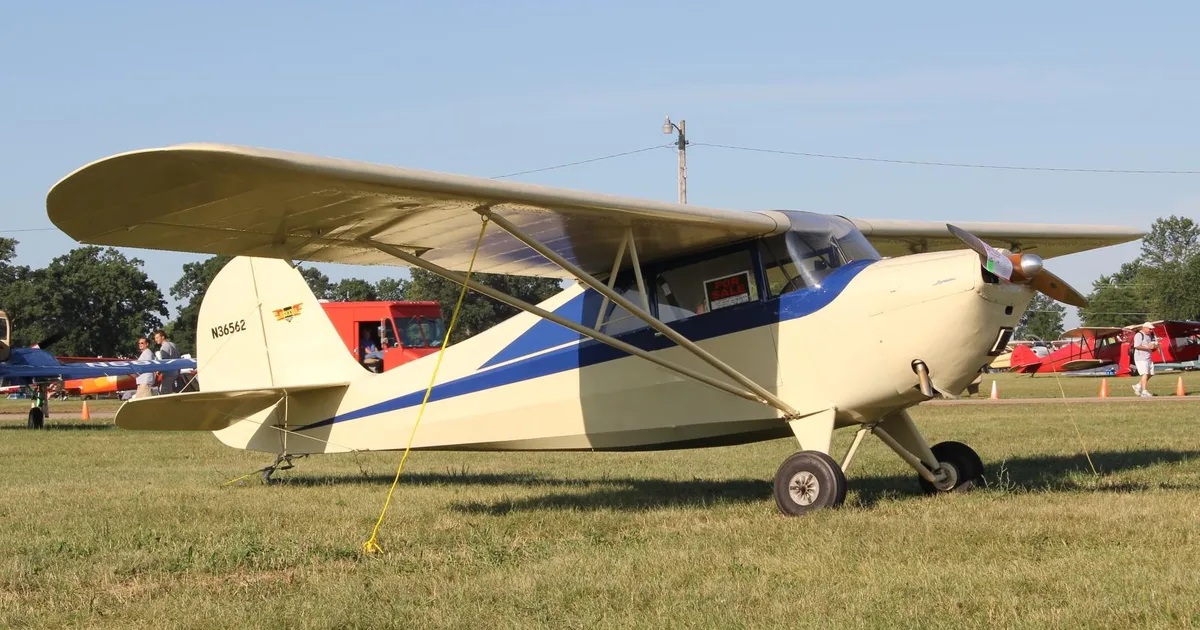
If you fly the BELLANCA CITABRIA 7GCBC, you may also be researching these.



In this document
Engine and operating limits
The engine is a Lycoming O-320-A2B or A2D rated 150 hp at 2700 rpm (red line 2700). Oil pressure: green arc 60-100 psi, minimum 25 psi. Oil temperature red line is 245 F and cylinder head temperature red line is 500 F. Run-up at 1800 rpm allows a 200 rpm maximum mag drop and 50 rpm maximum differential. The older POH recommends an oil change every 50 hours.
Flying it
Normal takeoff: full throttle, lift off at 55-60 MPH, climb at 75-80 MPH. Obstacle takeoff: flaps at the 2nd notch, lift off at 50-55 MPH, climb at 58 MPH. Recommended glide and approach speed is 60-65 MPH. The older POH gives a gross-weight stall of 50 MPH without flaps and a demonstrated crosswind of 40 MPH. Wheel brakes are very sensitive in a level attitude, so steer with rudder.
What to inspect
Main gear oleo: 8 1/2 fluid ounces of MIL-H5606; the level should be 1 5/8 in below the cylinder end. Overfilling causes hydraulic lock. Check the tailwheel shimmy dampener at the 100 hour inspection. Look at the fuselage fabric for oil and battery acid leakage. Drain the fuel sumps and gascolator, and check the pitot-static tube and fuel vent are clear. Battery service is due every 50 hours of normal flight and every 10 hours of acrobatic flight.
Summary written by AI from the source document. Check the original before relying on it. See which parts of Sprinkle are written by AI.
Safety notes
- Approved aerobatics require no baggage and the CG within the acrobatic limits. Inverted flight is listed for the 7KCAB only.
- After an engine failure on takeoff, do not turn back toward the runway unless sufficient altitude has been reached. Maintain flying speed.
- A gradual RPM loss suggests carburetor icing. Keep carburetor/alternate air at FULL HOT while icing is suspected.
Summary written by AI from the source document. Check the original before relying on it. See which parts of Sprinkle are written by AI.
Full document text
BELLANCA CITABRIA 7GCBC Model Guide The BELLANCA CITABRIA 7GCBC is a two-seat, single-engine piston tailwheel airplane (the "C" package), approved in the Normal and Acrobatic categories. It has a 150 hp Lycoming O-320-A2B. Max gross weight is 1650 lbs and the baggage limit is 100 lbs. Flight is day or night VFR only, with no flight into known icing. Figures come from the Bellanca manual and an older Champion POH. • Two seats, 150 hp Lycoming O-320-A2B (or A2D), 1650 lb max gross, Normal and Acrobatic categories. • Older POH lists 1075 lb empty and 575 lb useful load. Confirm against the airplane's own weight and balance sheet. • Fuel placard reads 35 gal usable (older POH: 39 gal). Minimum 80/87 octane; 100/130 is approved. • Before buying, check the gear oleo fluid level, fabric condition, tailwheel and shimmy dampener. Engine and operating limits The engine is a Lycoming O-320-A2B or A2D rated 150 hp at 2700 rpm (red line 2700). Oil pressure: green arc 60-100 psi, minimum 25 psi. Oil temperature red line is 245 F and cylinder head temperature red line is 500 F. Run-up at 1800 rpm allows a 200 rpm maximum mag drop and 50 rpm maximum differential. The older POH recommends an oil change every 50 hours. Flying it Normal takeoff: full throttle, lift off at 55-60 MPH, climb at 75-80 MPH. Obstacle takeoff: flaps at the 2nd notch, lift off at 50-55 MPH, climb at 58 MPH. Recommended glide and approach speed is 60-65 MPH. The older POH gives a gross-weight stall of 50 MPH without flaps and a demonstrated crosswind of 40 MPH. Wheel brakes are very sensitive in a level attitude, so steer with rudder. What to inspect Main gear oleo: 8 1/2 fluid ounces of MIL-H5606; the level should be 1 5/8 in below the cylinder end. Overfilling causes hydraulic lock. Check the tailwheel shimmy dampener at the 100 hour inspection. Look at the fuselage fabric for oil and battery acid leakage. Drain the fuel sumps and gascolator, and check the pitot-static tube and fuel vent are clear. Battery service is due every 50 hours of normal flight and every 10 hours of acrobatic flight. Safety notes: • Approved aerobatics require no baggage and the CG within the acrobatic limits. Inverted flight is listed for the 7KCAB only. • After an engine failure on takeoff, do not turn back toward the runway unless sufficient altitude has been reached. Maintain flying speed. • A gradual RPM loss suggests carburetor icing. Keep carburetor/alternate air at FULL HOT while icing is suspected.