
CESSNA 150L Model Guide
Model Guide for the Cessna 150L
PDF, 45 KB, from Sprinkle’s own files.
What it covers
CESSNA 150L is a single-engine piston aircraft in Cessna's 150 family. Registry data for the whole family shows up to 2 passengers, up to 109 kt cruise, up to 520 nm range and a service ceiling up to 20000 ft. These are family maxima, not confirmed 150L figures. The supplied documents give no 150L-specific limits, so check the flight manual.
Key points
- The 150L is a single-engine piston aircraft in a family that carries up to 2 people.
- Family-wide maxima (109 kt cruise, 520 nm range, 20000 ft ceiling) are upper bounds, not 150L specs.
- No 150L-specific weights, speeds or fuel figures were supplied, so get them from the flight manual.
- Check the airspeed indicator's colour-coded V-speed markings against the manual.
Main sections
What the family data tells you
The registry groups the 150L with many 150-series variants, including 150K, 150M, F150L and FA150L. It lists a maximum takeoff weight up to 748 kg, up to 2 passengers and a piston powerplant. All of these are family maxima, so confirm 150L-specific limits in its own documentation before relying on them.
Reading the airspeed indicator
The reference shows a Cessna 150L airspeed indicator marked with its V-speeds in knots. The white arc starts at the landing-configuration stall speed. The green arc starts at the flaps-up stall speed. The yellow band is for smooth air only, and the red line is the never-exceed speed. Both stall speeds apply at maximum weight.
What to verify before buying
Confirm that the V-speed markings on the indicator are present and legible. Proper display of V-speeds is an airworthiness requirement for type-certificated aircraft in most countries. Compare the markings with the approved flight manual for this exact airframe, since V-speeds are specific to each model.
Safety notes
- Never exceed the red-line speed (VNE); use the yellow band only in smooth air and with caution to avoid abrupt control movement.
- Stall speeds on the indicator apply at maximum weight. Check the actual weight and flap setting before relying on them.
Questions this document answers
How many people does the CESSNA 150L carry?
The registry shows up to 2 passengers for the 150 family, which includes the CESSNA 150L. The supplied documents give no variant-specific seat count, so confirm it in the aircraft's documentation.
What is the CESSNA 150L's cruise speed and range?
The documents give no CESSNA 150L-specific figures. The 150 family shows up to 109 kt cruise and up to 520 nm range. Treat these as upper bounds and check the flight manual for this variant.
Where do I find the CESSNA 150L's V-speeds?
They are shown as colour-coded arcs and lines on the airspeed indicator, in knots on the CESSNA 150L. The supplied reference gives no numeric values, so read them from the indicator and the flight manual.
The document’s text
Show the text read from the PDF
CESSNA 150L Model Guide CESSNA 150L is a single-engine piston aircraft in Cessna's 150 family. Registry data for the whole family shows up to 2 passengers, up to 109 kt cruise, up to 520 nm range and a service ceiling up to 20000 ft. These are family maxima, not confirmed 150L figures. The supplied documents give no 150L-specific limits, so check the flight manual. • The 150L is a single-engine piston aircraft in a family that carries up to 2 people. • Family-wide maxima (109 kt cruise, 520 nm range, 20000 ft ceiling) are upper bounds, not 150L specs. • No 150L-specific weights, speeds or fuel figures were supplied, so get them from the flight manual. • Check the airspeed indicator's colour-coded V-speed markings against the manual. What the family data tells you The registry groups the 150L with many 150-series variants, including 150K, 150M, F150L and FA150L. It lists a maximum takeoff weight up to 748 kg, up to 2 passengers and a piston powerplant. All of these are family maxima, so confirm 150L-specific limits in its own documentation before relying on them. Reading the airspeed indicator The reference shows a Cessna 150L airspeed indicator marked with its V-speeds in knots. The white arc starts at the landing-configuration stall speed. The green arc starts at the flaps-up stall speed. The yellow band is for smooth air only, and the red line is the never-exceed speed. Both stall speeds apply at maximum weight. What to verify before buying Confirm that the V-speed markings on the indicator are present and legible. Proper display of V-speeds is an airworthiness requirement for type-certificated aircraft in most countries. Compare the markings with the approved flight manual for this exact airframe, since V-speeds are specific to each model. Safety notes: • Never exceed the red-line speed (VNE); use the yellow band only in smooth air and with caution to avoid abrupt control movement. • Stall speeds on the indicator apply at maximum weight. Check the actual weight and flap setting before relying on them.
Read from the PDF by machine, so tables and diagrams come out rough. The PDF is the document.
More Cessna 150L documents
All 2 →- V-Speeds Reference
This document provides a comprehensive overview of V-speeds relevant to the Cessna 150L aircraft. V-speeds are critical airspeeds that pilots must understand to ensure safe and efficient operation of the aircraft. The document outlines various V-speed designators, their definitions, and their significance during different phases of flight. It serves as a reference for pilots and aviation enthusiasts to familiarize themselves with these essential airspeeds, which are derived from extensive flight testing and regulatory standards. The information is crucial for flight planning, takeoff, landing, and overall aircraft performance management.
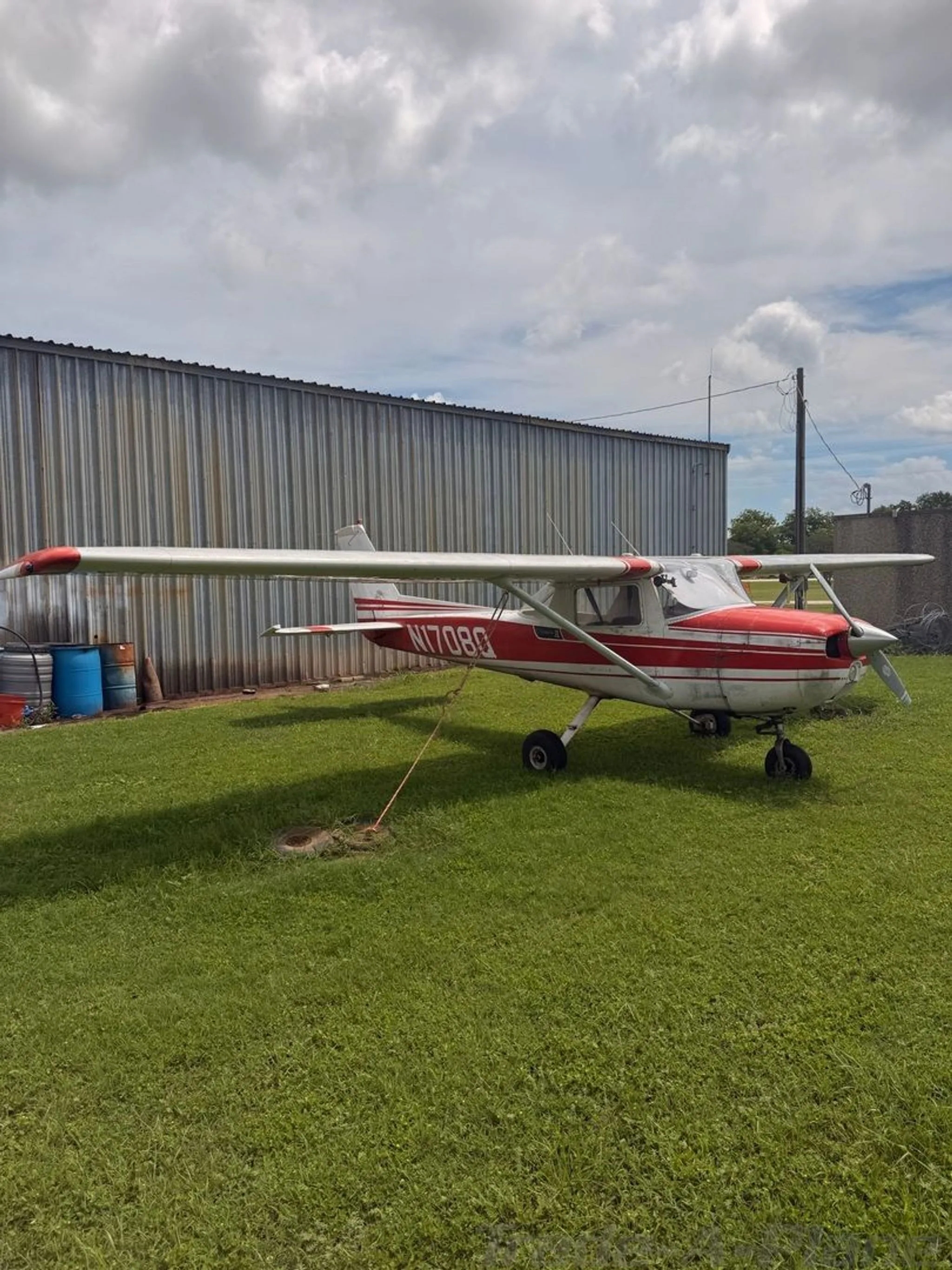
Cessna 150 for sale now
View all 36 for sale →Aircraft that this model guide covers, listed on the sites Sprinkle reads. Asking prices, not sales. Cessna 150 asking prices by year built.

Also useful for the Cessna 150L
From Sprinkle’s library of aircraft documents. PDFs open from Sprinkle’s own files. Read Nov 24, 2026.
Want this document taken down? Request removal