
AIRWORTHINESS DIRECTIVE AD/CESSNA 170/72 Cigar Lighter Wiring
Service Bulletins for the Cessna 170
PDF, 2 pages, 16 KB, from Sprinkle’s own files.
What it covers
This document is an Airworthiness Directive (AD) issued by the Civil Aviation Safety Authority of Australia concerning the Cessna 170 and related models. It addresses safety concerns regarding the cigar lighter wiring in these aircraft, which has been linked to incidents of unprotected electrical wiring shorting. The directive outlines the necessary actions to be taken to mitigate the risk of in-flight electrical failures, smoke, or fire. Compliance with the directive is required at the next annual inspection or within a specified time frame, ensuring that aircraft owners and operators are aware of the risks and the corrective measures needed to maintain safety standards.
Key points
- The directive applies to Cessna 170, 172, R172, P172, and 175 series aircraft.
- Cessna 170 serial numbers affected are 18000-20999 and 25000-27169.
- Disconnect the wire connecting the cigar lighter to the electrical bus as per the directive.
- Compliance is required at the next annual inspection or within 100 hours or 12 months, whichever comes first.
- The directive aims to prevent in-flight electrical failures and potential fires.
Main sections
Applicability
The directive applies to Cessna 170, 172, R172, P172, and 175 series aeroplanes with specific serial numbers. For the Cessna 170, the applicable serial numbers are from 18000 to 20999 and 25000 to 27169.
Requirement
The directive requires the disconnection of the wire connecting the cigar lighter receptacle to the electrical bus. Options for compliance include reconnecting the wire with a properly rated circuit protection device, removing the wire entirely, or insulating the disconnected end and securing it.
Compliance
Compliance with the directive must occur at the next annual inspection, or within 100 hours of time in service or 12 months from the effective date of the directive, whichever comes first.
Background
The directive was issued in response to reports of incidents involving unprotected cigar lighter wiring leading to electrical shorts. The measures outlined aim to prevent potential in-flight failures and enhance cockpit safety.
Safety notes
- Failure to comply with this directive may result in in-flight electrical failures, smoke in the cockpit, or fire.
The document’s text
Show the text read from the PDF
COMMONWEALTH OF AUSTRALIA (Civil Aviation Regulations 1998), PART 39 - 105 CIVIL AVIATION SAFETY AUTHORITY SCHEDULE OF AIRWORTHINESS DIRECTIVES Page 1 of 2 AIRWORTHINESS DIRECTIVE For the reasons set out in the background section, the CASA delegate whose signature appears below issues the following Airworthiness Directive (AD) under subregulation 39.1 (1) of CAR 1998. The AD requires that the action set out in the requirement section (being action that the delegate considers necessary to correct the unsafe condition) be taken in relation to the aircraft or aeronautical product mentioned in the applicability section: (a) in the circumstances mentioned in the requirement section; and (b) in accordance with the instructions set out in the requirement section; and (c) at the time mentioned in the compliance section. Cessna 170, 172, F172, FR172 and 175 Series Aeroplanes AD/CESSNA 170/72 Cigar Lighter Wiring 3/2003 Applicability: Model 170, 172, R172, P172 and 175 series aeroplanes with serial numbers listed in the following table: Models 170 172 R172 P172 175 Serial Numbers 18000 through 20999 and 25000 through 27169 28000 through 29999, 46001 through 47746, 17247747 through 17250572, and 17259224 through 17267584 R1722000 through R1722724 P17257120 through P17257189 55001 through 56777 and 17556778 through 17557119 Requirement: If not previously accomplished; disconnect the wire, at the ammeter or at the electrical system bus as applicable, that connects the bus to the cigar lighter receptacle. (The wire is connected to either the bus side or equipment side of a circuit breaker or to the ammeter). Following the disconnection of this wire either: a. Reconnect the wire to the electrical bus by using an existing or newly installed circuit protection device that is properly rated to protect the wire gauge used for this circuit, or b. Disconnect the wire from the lighter receptacle at the opposite end and remove it from the aeroplane, or c. Protect the wire by insulating its disconnected end, fold this wire end back against the wire bundle in which it is routed and secure it to that bundle. Note 1: The requirements of this Directive may have been previously accomplished in accordance with FAA AD 79-08-03 Amdt 39-3428. Note 2: For those installations reconnected in accordance with paragraph a. above, the proper rated circuit protection device to be used may be determined by consulting FAA Advisory Circular 43.13-1B Chapter 11. Note 3: FAA AD 79-08-03 Amdt 39-3428 refers. -- 1 of 2 -- COMMONWEALTH OF AUSTRALIA (Civil Aviation Regulations 1998), PART 39 - 105 CIVIL AVIATION SAFETY AUTHORITY SCHEDULE OF AIRWORTHINESS DIRECTIVES Page 2 of 2 Cessna 170, 172, F172, FR172 and 175 Series Aeroplanes AD/CESSNA 170/72 (Continued) Compliance: At the next annual inspection, but no later that 100 hours time in service or 12 months after the effective date of this Directive, which ever occurs first. This Airworthiness Directive becomes effective on 20 March 2003. Background: Incidents of the cigar lighter unprotected electrical wiring shorting have been reported overseas. This Directive requires either the deactivation of the cigar lighter or the installation of a circuit protection device. These measures are designed to prevent an in-flight electrical system failure, smoke in the cockpit, and/or fire in the wire bundle behind the instrument panel. James Coyne Delegate of the Civil Aviation Safety Authority 7 February 2003 The above AD is notified in the Commonwealth of Australia Gazette on 26 February 2003. -- 2 of 2 --
Read from the PDF by machine, so tables and diagrams come out rough. The PDF is the document.
More Cessna 170 documents
All 14 →- Airworthiness Directive
This document is an Airworthiness Directive (AD) issued by the Civil Aviation Safety Authority of Australia, specifically addressing the Cessna 170 and related models. It outlines necessary actions to ensure the proper functioning of the engine idle speed and fuel mixture settings. The directive is aimed at pilots and maintenance personnel, emphasizing compliance with the outlined procedures to maintain airworthiness. It includes specific requirements for checking engine RPM and adjusting the fuel mixture, as well as instructions for amending the Pilot's Operating Handbook (POH) and Pilot's Checklist. The document serves as a critical reference for ensuring safe operation of the aircraft.
- Schedule Of Airworthiness Directives
This document is a Schedule of Airworthiness Directives issued by the Civil Aviation Safety Authority of Australia, specifically addressing the wing flap operating system for various Cessna aircraft models, including the Cessna 170. It outlines the requirements for modifications necessary to ensure the safety and airworthiness of the aircraft. The directive is aimed at operators and maintenance personnel responsible for compliance with airworthiness standards. Key information includes specific serial numbers of affected aircraft and compliance timelines for modifications to prevent potential safety hazards related to the wing flap system.
- Cessna 170 Model Guide
The Cessna 170 is a four-seat, single-engine piston airplane built from 1948 to 1956 in 170, 170A and 170B versions. The FAA data sheet lists a Continental C145-2 engine rated 145 hp at 2700 rpm and a 2200 lb maximum weight in the Normal category. Registry figures for the whole 170 family show up to 104 kt cruise and up to 370 nm range.
- Service Letter 233
This document is a service letter from Textron Aviation regarding the hydraulic pump replacement for Cessna 170 aircraft equipped with 2100A floats. It provides detailed instructions for compliance, including parts required, approximate shop hours, and warranty information. The service letter is intended for maintenance personnel and aircraft technicians who are responsible for the upkeep of Cessna 170 models. It outlines the necessary steps to replace the hydraulic pump, ensuring that the aircraft remains compliant with safety and operational standards.
- Schedule Of Airworthiness Directives
This document is an Airworthiness Directive (AD) issued by the Civil Aviation Safety Authority of Australia, specifically addressing safety concerns related to the Cessna 170 and several models of the Cessna 172 series. The directive outlines necessary inspections and actions to be taken to mitigate risks associated with electrical shorts and fuel line chaffing. It is aimed at aircraft operators and maintenance personnel, providing clear compliance requirements and timelines to ensure safety and airworthiness. The directive emphasizes the importance of inspecting specific components to prevent potential hazards during flight operations.
- Schedule Of Airworthiness Directives
This document is an Airworthiness Directive (AD) issued by the Civil Aviation Safety Authority (CASA) of Australia, specifically addressing safety concerns related to the Cessna 170 and other related models. The directive outlines the requirements for inspecting the horizontal stabiliser front spar for cracks, a critical safety issue that has been reported in various aircraft within the Cessna 170 and 172 series. The AD mandates compliance with specific inspection intervals and procedures to ensure the continued airworthiness of the affected aircraft. It serves as a crucial reference for pilots, maintenance personnel, and operators of these aircraft, emphasizing the importance of regular inspections to prevent potential failures.
- Type Certificate Data Sheet No. A-799
This document is a Type Certificate Data Sheet (TCDS) for the Cessna 170 series aircraft, including models 170, 170A, and 170B. It provides essential information regarding the aircraft's specifications, operational limits, and required equipment. The TCDS is intended for use by aircraft operators, maintenance personnel, and regulatory authorities to ensure compliance with safety and operational standards. Key details include engine specifications, weight limits, airspeed limits, and control surface movements, which are critical for safe operation and maintenance of the aircraft.
- Schedule Of Airworthiness Directives
This document is a schedule of airworthiness directives issued by the Civil Aviation Safety Authority of Australia, specifically addressing the Cessna 170, 172, F172, FR172, and 175 series aeroplanes. It outlines the requirements for ensuring the proper operation of the pneumatic stall warning system on these aircraft models. The directives include checks that can be performed by pilots and stipulate compliance timelines for modifications and placarding. The document serves as a critical reference for maintaining safety standards in the operation of these aircraft.
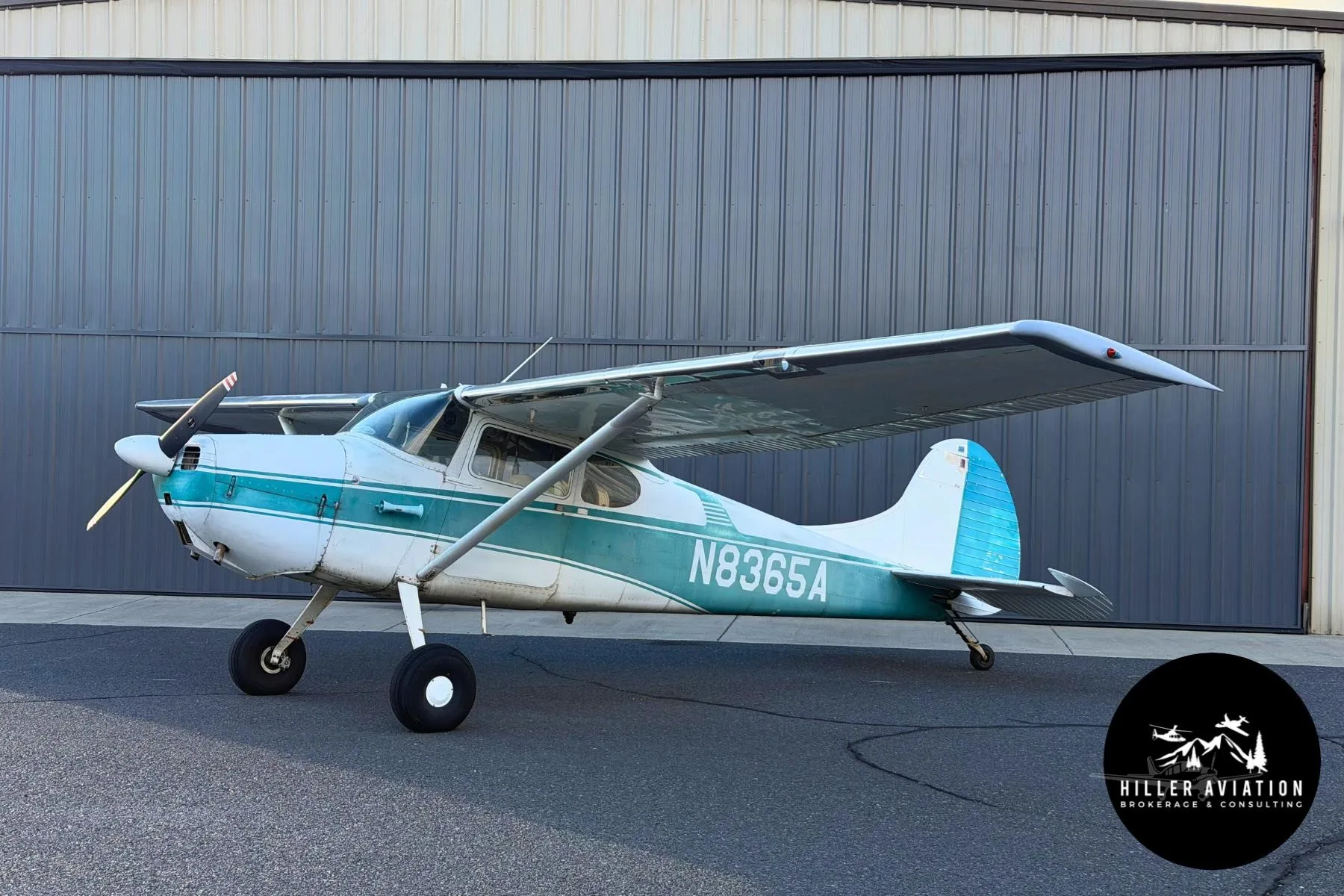
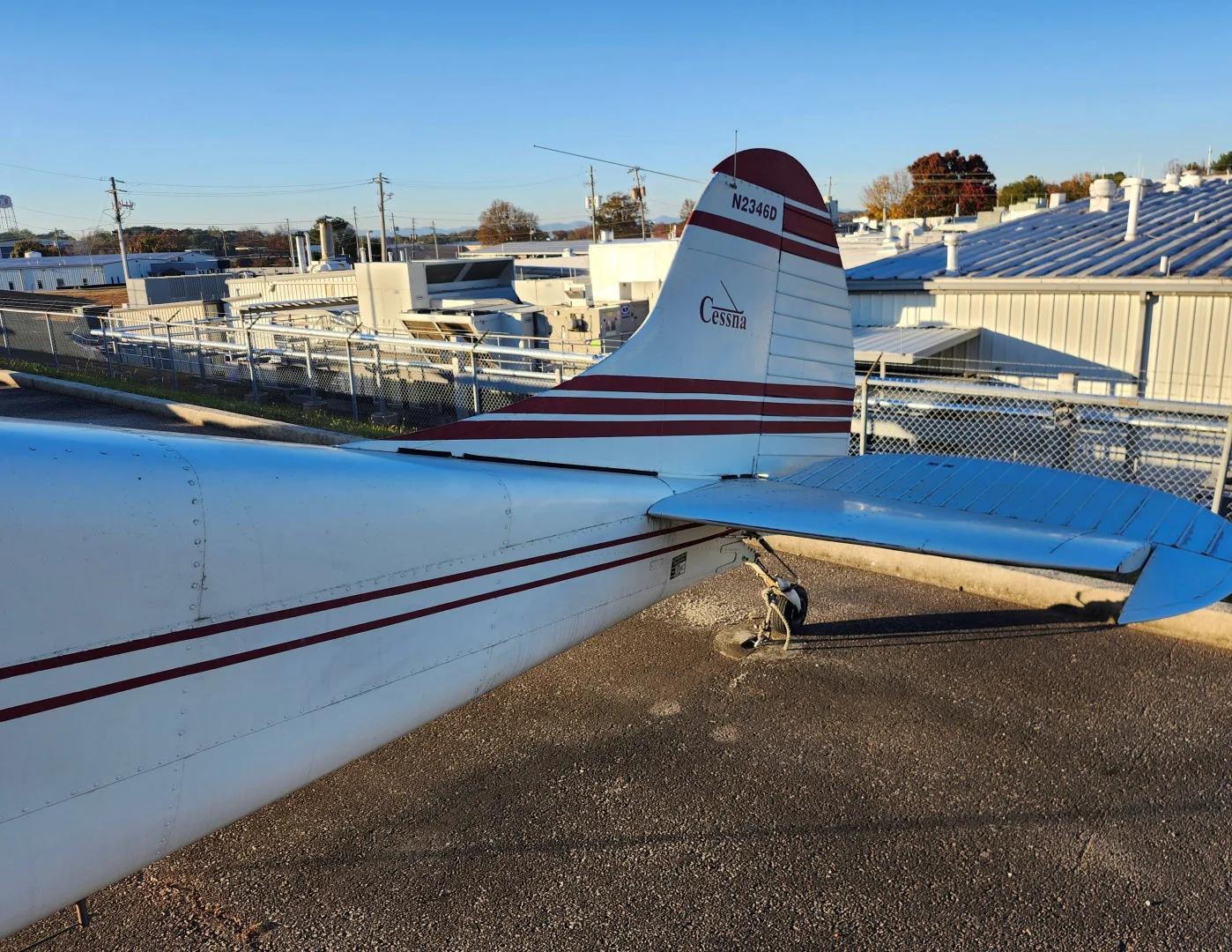
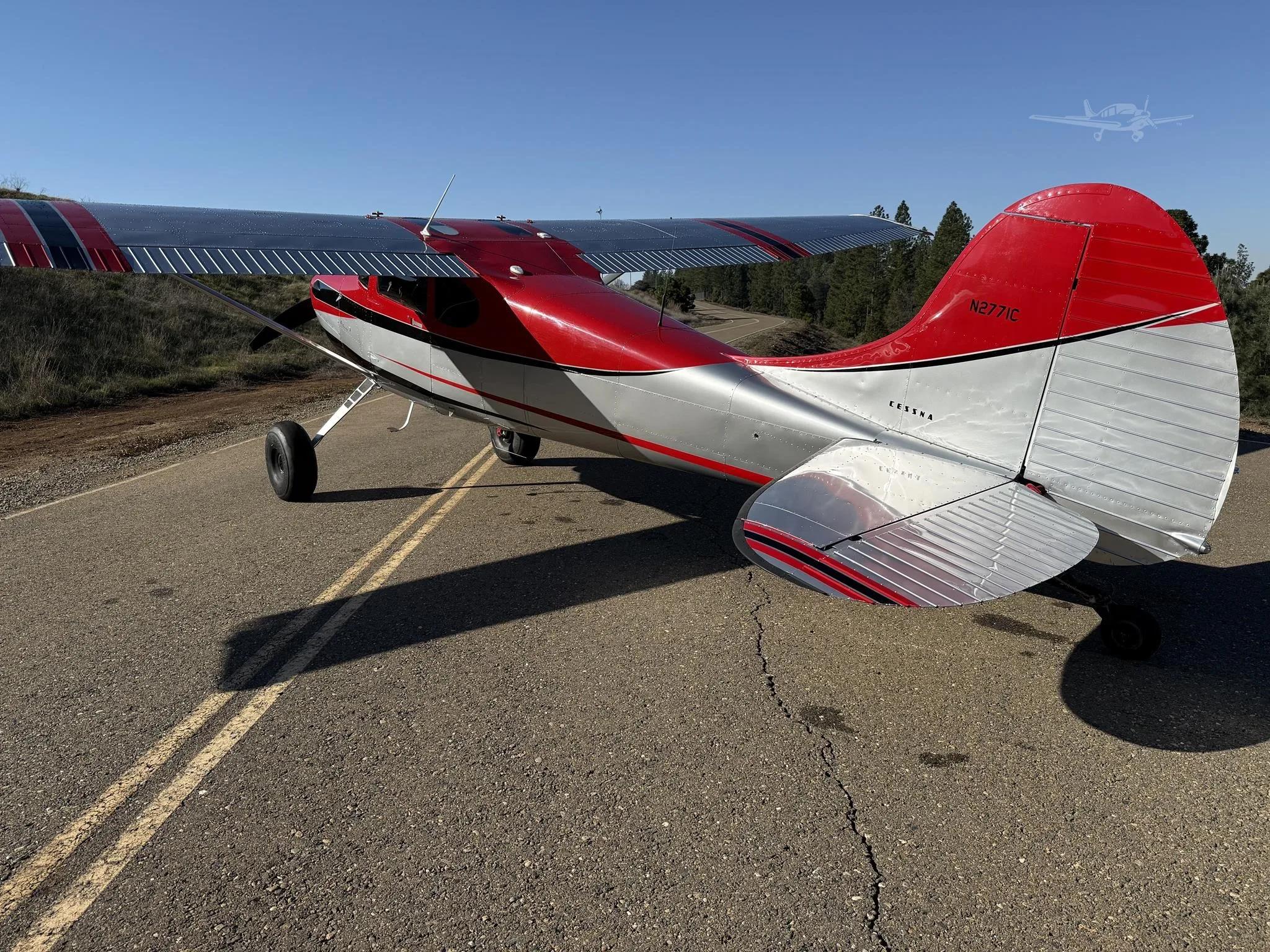
Cessna 170 for sale now
View all 4 for sale →Aircraft that this service bulletins covers, listed on the sites Sprinkle reads. Asking prices, not sales. Cessna 170 asking prices by year built.
Also useful for the Cessna 170
From Sprinkle’s library of aircraft documents. PDFs open from Sprinkle’s own files. Read Feb 12, 2026.
Want this document taken down? Request removal