
Emergency Procedures
Emergency Procedures for the Cessna 172P Skyhawk
PDF, 2 pages, 133 KB, from Sprinkle’s own files.
What it covers
This document outlines emergency procedures for the Cessna 172P, specifically the Air Plains 180 HP variant. It serves as a critical reference for pilots in managing various emergency situations, including engine failures during takeoff, in-flight emergencies, and other critical scenarios. The procedures are designed to ensure safety and effective response during emergencies, providing step-by-step instructions for pilots to follow. The document emphasizes the importance of adhering to the Pilot Operating Handbook and STC data applicable to the aircraft.
Key points
- Throttle to idle during engine failure on takeoff.
- Maintain 70 KIAS (flaps up) or 65 KIAS (flaps down) after engine failure.
- For forced landing, keep airspeed at 70 KIAS (flaps up) or 65 KIAS (flaps down).
- In case of engine fire during start, continue cranking and inspect if it starts.
- In icing, turn on pitot heat and manage cabin heat.
Figures in this document
As the document states them. Check them against the PDF before you rely on one.
Specifications
- Engine (hp)
- 180
Main sections
Engine Failure During Takeoff
In the event of an engine failure during takeoff, the pilot should immediately throttle to idle, apply brakes, retract wing flaps, cut off the mixture, and turn off the ignition and master switch.
Engine Failure Immediately After Takeoff
If the engine fails immediately after takeoff, maintain an airspeed of 70 KIAS with flaps up or 65 KIAS with flaps down. The mixture should be cut off, the fuel selector turned off, and the ignition switched off.
Forced Landing Without Engine Power
For a forced landing without engine power, secure seats and harnesses, maintain an airspeed of 70 KIAS with flaps up or 65 KIAS with flaps down, cut off the mixture and fuel selector, and prepare for touchdown slightly tail low.
Engine Fire During Start
If an engine fire occurs during start, continue cranking the engine. If it starts, maintain power at 1700 RPM for a few minutes, then shut down and inspect. If it fails to start, follow the outlined steps to extinguish the fire.
Icing Procedures
In icing conditions, turn on pitot heat, adjust altitude to avoid icing, and manage cabin heat. Be prepared for increased stall speeds with significant ice accumulation.
Safety notes
- After discharging an extinguisher in a closed cabin, ventilate the cabin.
The document’s text
Show the text read from the PDF
EMERGENCY PROCEDURES Cessna: C172P (Air Plains 180 HP) CVD: 13 May 21 (GPS) Engine Failure During Takeoff Roll 1. Throttle ......................... Idle 2. Brakes ....................... Apply 3. Wing Flaps ............... Retract 4. Mixture ............... Idle Cut Off 5. Ignition Switch ................. Off 6. Master Switch……………Off Engine Failure Immediately After Takeoff 1. Airspeed ............................. 70 KIAS (Flaps Up) 65 KIAS (Flaps Down) 2. Mixture ............... Idle Cut Off 3. Fuel Selector …Off (Push & Rotate) 4. Ignition ............................ Off 5. Wing Flaps ....... As Required 6. Master Switch ................. Off Engine Failure During Flight (Restart) 1. Airspeed ...............75 KIAS 2. Carb Heat ..................... On 3. Fuel Selector ............. Both 4. Mixture ........................ Rich 5. Ignition .........................Both (or START if propeller is stopped) 6. Primer .............. In & Locked Forced Landing Without Engine Power 1. Seats, Seat Belts, and Shoulder Harnesses…Set & Secure 2. Airspeed ...... 70 KIAS (Flaps Up) 65 KIAS (Flaps Down) 3. Mixture .....................Idle Cut Off 4. Fuel Selector..............Off (Push & Rotate) 5. Ignition .................................. Off 6. Wing Flaps ............. As Required (30º Recommended) 7. Master Switch ....................... Off 8. Doors .........................Unlatched (Prior To Touchdown) 9. Touchdown ...... Slightly Tail Low 10. Brakes ................ Apply Heavily Precautionary Landing With Engine Power 1. Seats, Seat Belts, and Shoulder Harnesses………Set & Secure 2. Wing Flaps ........................... 20° 3. Airspeed ........................65 KIAS 4. Select Field ................... Perform Fly Over Inspection 5. Avionics & Electrical Switches…Off 6. Flaps ....... 30º on Final Approach 7. Airspeed ........................65 KIAS 8. Master Switche .................... Off 9. Doors .........................Unlatched (Prior To Touchdown) 10. Touchdown ..... Slightly Tail Low 11. Ignition Switch ..................... Off 12. Brakes ................ Apply Heavily Engine Fire During Start 1. Continue Cranking Engine 2. If Engine Starts:............... Power 1700 RPM for a few minutes 3. Engine.....Shutdown and Inspect If Engine Fails to Start: 4. Throttle ................... Full Open 5. Mixture ...................Idle Cut Off 6. Cranking ................... Continue 7. Fire Extinguisher ............ Obtain 8. Master Switch ....................... Off 9. Ignition Switch ....................... Off 10. Fuel Selector............Off (Push & Rotate) 11. Fire .......................... Extinguish 12. Fire Damage ................. Inspect (repair damage prior to next flight) Engine Fire in Flight 1. Mixture .................Idle Cut Off 2. Fuel Selector....Off (Push & Rotate) 3. Master Switch ..................... Off 4. Cabin Heat & Air ................. Off (Except Overhead Vents) 5. Airspeed.................... 100 KIAS (If fire is not extinguished, increase glide speed to find an airspeed, which will provide an incombustible mixture.) 6. Forced Landing w/o Engine Power ........................ Execute Electrical Fire in Flight 1. Master Switch ....... Off (Leave Ignition On) 2. Vents / Cabin Air / Heat ..... Closed 3. Fire Extinguisher ...... Activate 4. All Other Switches (Except Ignition) ........................... Off 5. Avionics Power Switch…….Off 6. All other switches (except ignition Switch)…Off If fire is extinguished & electrical power is necessary 7. Master Switch ..................... On 8. Circuit Breakers ........ Check for Faulty circuit (Do Not Reset) 9. Radio Switches………..…Off 10. Avionics Power Switch…..On 11. Radio & Electrical Switches…..On (one at a time w/ delay after each to locate short). 12. Vents / Cabin Air / Heat ...... Open (when assured fire is extinguished) Cabin Fire 1. Master Switch ....... Off (Leave Ignition On) 2. Vents/Cabin Air/Heat . Closed 3. Fire Extinguisher ..... Activate 4. Land .. As soon as possible and inspect damage Wing Fire 1. Landing/Taxi Lights.......... Off 2. Pitot Heat .......................... Off 3. Navigation Lights ............. Off 4. Strobe Lights .................... Off Note Sideslip to keep flames away from the fuel tank and cabin, and land as soon as possible using flaps only as required for final approach and touchdown. Warning After discharging an extinguisher within a closed cabin, ventilate the cabin. Warning After discharging an extinguisher within a closed cabin, ventilate the cabin. -- 1 of 2 -- Icing 1. Pitot Heat ............................ On 2. Turn back or change altitude to obtain an outside air temp that is less conducive to icing. 3. Pull cabin heat control to full out and open defroster outlet to obtain maximum windshield defroster airflow. 4. Open the throttle to increase engine speed and minimize ice build-up on propeller blades 5. Watch for signs of carburetor air filter ice and apply carburetor heat as required. An unexplained loss in engine speed could be caused by carburetor ice or air intake filter ice. Lean the mixture if carb heat is used continuously. 6. Plan a landing at the nearest airport. With an extremely rapid ice build-up, select a suitable “off airport” landing site. 7. With ice accumulation of ¼ inch or more on the wing leading edges, be prepared for significantly higher stall speed. 8. Leave wing flaps retracted. With a severe ice build-up on the horizontal tail, the change in wing wake airflow direction caused by wing flap extension could result in a loss of elevator effectiveness. 9. Open left window and if practical scrape ice from a portion of the windshield for visibility in landing approach. 10. Perform landing approach using a forward slip, if necessary, for improved visibility. 11. Approach at 80 to 90 KIAS depending upon the amount of accumulation. 12. Perform a landing in level attitude. Ditching 1. Radio .........Transmit Mayday on 121.5 giving location and intentions and squawk 7700. 2. Heavy Objects............ Secure or Jettison. 3. Seats, Seat Belts, and Shoulder Harnesses………Set & Secure 4. Approach: • High winds, heavy seas ...Into the Wind. • Light winds, heavy swells ...... Parallel to swells. 5. Wing Flaps ................. 20º to 30º 6. Power................ Est. a 300 FPM descent at 55 KIAS. Note If no power is available, approach at 70 KIAS with flaps up or at 65 KIAS with 10º flaps. 7. Cabin Doors ...................Unlatch 8. Touchdown ...........Level attitude at established descent rate. 9. Face ........Cushion at touchdown with folded coat or seat cushion. 10. Airplane ........ Evacuate through Cabin doors. If necessary, open window and flood cabin to equalize pressure so doors can be opened. 11. Life vests and raft .......... Inflate For all other Emergency Abnormal Procedures. See the POH Section 3. Airspeeds for Emergency Operations Engine Failure After Takeoff: Wing Flaps Up -- 70 KIAS Wing Flaps Down -- 65 KIAS Maneuvering Speed: 2550 Lbs – 105 KIAS 2150 Lbs – 95 KIAS 1750 Lbs – 85 KIAS Maximum Glide: 2550 Lbs – 68 KIAS 2150 Lbs – 62 KIAS 1750 Lbs – 56 KIAS Precautionary Landing With Engine Power – 65 KIAS Landing Without Engine Power: Wing Flaps Up – 70 KIAS Wing Flaps Down – 65 KIAS This checklist is a guide to coordinate Pilot Operating Handbook and STC data applicable to this particular aircraft only. The applicable Pilot Operating Handbook and STC installations remain the official documentation for this aircraft. The pilot in command is responsible for complying with all items in the Pilot Operating Handbook and applicable STCs. -- 2 of 2 --
Read from the PDF by machine, so tables and diagrams come out rough. The PDF is the document.
More Cessna 172P Skyhawk documents
All 16 →- CESSNA 172P SKYHAWK Model Guide
The CESSNA 172P SKYHAWK is a single-engine piston, fixed-pitch-prop airplane with a 160 hp Lycoming O-320 (the 172 family seats up to 4). The 1982 and 1985 handbooks give 120 kt cruise at 75% power at 8000 ft, 700 fpm climb and 40 gallons usable fuel. Check engine type, weights and AD history before buying.
- Airworthiness Directives (ADs) – Current Only – Search Results for "Cessna" filtered by "Cessna 172P"
This document provides a list of current Airworthiness Directives (ADs) specifically for the Cessna 172P model. It includes various directives that address safety issues and maintenance requirements for this aircraft model. The ADs are essential for ensuring compliance with safety regulations and maintaining the airworthiness of the aircraft. Each directive includes an effective date and a brief subject description, which outlines the specific issue being addressed. Pilots and maintenance personnel should review these directives regularly to ensure that all necessary inspections and modifications are completed in a timely manner.
- CESSNA 172 Checklist
This document is a checklist for the Cessna 172P Skyhawk, detailing procedures for preflight, takeoff, in-flight maneuvers, and landing. It includes emergency contacts, fuel and oil information, V-speeds, and safety notes.
- CESSNA 172 Aircraft Rev-022 SK4172-42A.DOC
This document is a service bulletin for the Cessna 172 aircraft, specifically detailing the installation of the Skybolt SK2003-42 Gen IV Platemount Conversion Kit. The bulletin addresses issues related to the cowling fastener system, aiming to replace a light-duty fastener system with a heavy-duty alternative. It provides step-by-step instructions for the installation process, including necessary tools and precautions to ensure proper alignment and functionality. The document is intended for maintenance personnel and aircraft owners looking to improve the durability and reliability of their Cessna 172 cowlings. It emphasizes the importance of following the outlined procedures to avoid costly mistakes and ensure compliance with FAA regulations.
- Supplemental Airplane Flight Manual
This document is a Supplemental Airplane Flight Manual for the Cessna 172 P, specifically for aircraft modified under STC SA2196CE, which allows for an increased maximum gross weight of 2550 lbs. It is intended for pilots operating this modified aircraft and provides essential information regarding limitations, procedures, and performance data that supplements the basic Airplane Flight Manual. The manual includes critical operational data such as engine specifications, weight limits, airspeed indicators, and emergency procedures, ensuring safe and efficient operation of the aircraft under the new configuration. The manual is FAA approved and must be used in conjunction with the original Pilot Operating Handbook.
- AAIB Bulletin No: 11/2003
This document is an AAIB Bulletin detailing an incident involving a Cessna 172P Skyhawk, registered G-BYET. It provides a comprehensive analysis of an accident that occurred on July 30, 2003, during a private flight. The bulletin outlines the circumstances leading to the incident, including the pilot's actions during the approach and landing phases, and offers insights into the factors that contributed to the accident. The report emphasizes the importance of maintaining proper approach profiles and situational awareness during landing operations.
- Pilot's Operating Handbook and FAA Approved Airplane Flight Manual
This Pilot's Operating Handbook (POH) serves as the FAA-approved Airplane Flight Manual for the Cessna 172P model. It provides essential information for pilots regarding the aircraft's operation, performance specifications, limitations, and emergency procedures. The manual is designed to help pilots maximize the utility and safety of their flying experience. It includes detailed sections on performance data, weight and balance, and maintenance requirements, ensuring that pilots have the necessary guidance for safe operation. The handbook is intended for both new and experienced pilots, emphasizing the importance of familiarization with the aircraft's systems and procedures.
- Performance Specifications Cessna Model 172P
This document provides the performance specifications for the Cessna 172P Skyhawk, detailing critical performance metrics necessary for pilots and operators. It includes data on speed, climb rates, takeoff and landing distances, weight limits, fuel capacities, and engine specifications. The information is essential for flight planning and operational safety, ensuring pilots understand the aircraft's capabilities under various conditions. The performance figures are based on standard atmospheric conditions and are derived from documented flight tests. This manual is intended for pilots, flight instructors, and aviation enthusiasts seeking detailed operational data on the Cessna 172P.
Cessna 172 for sale now
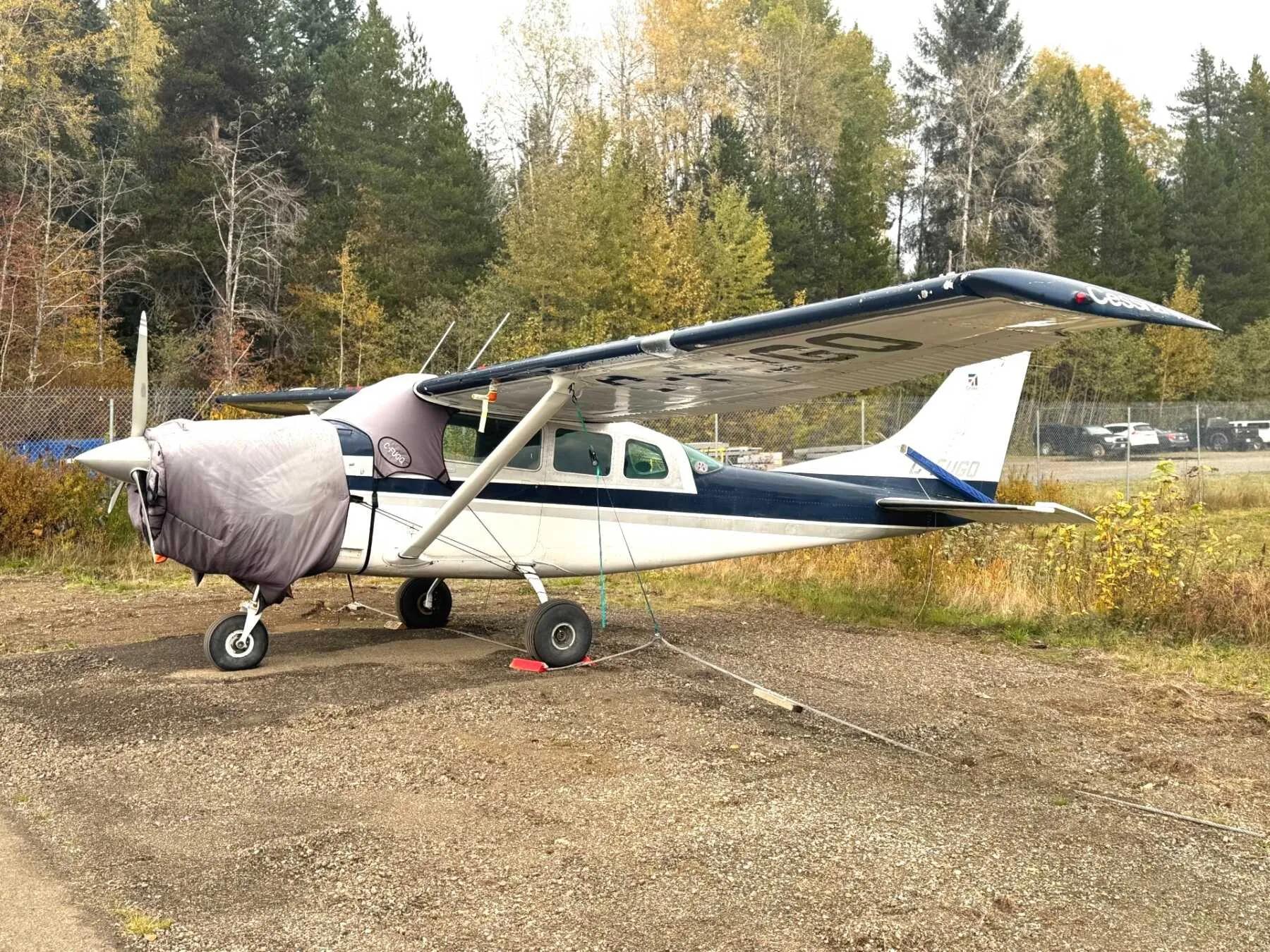
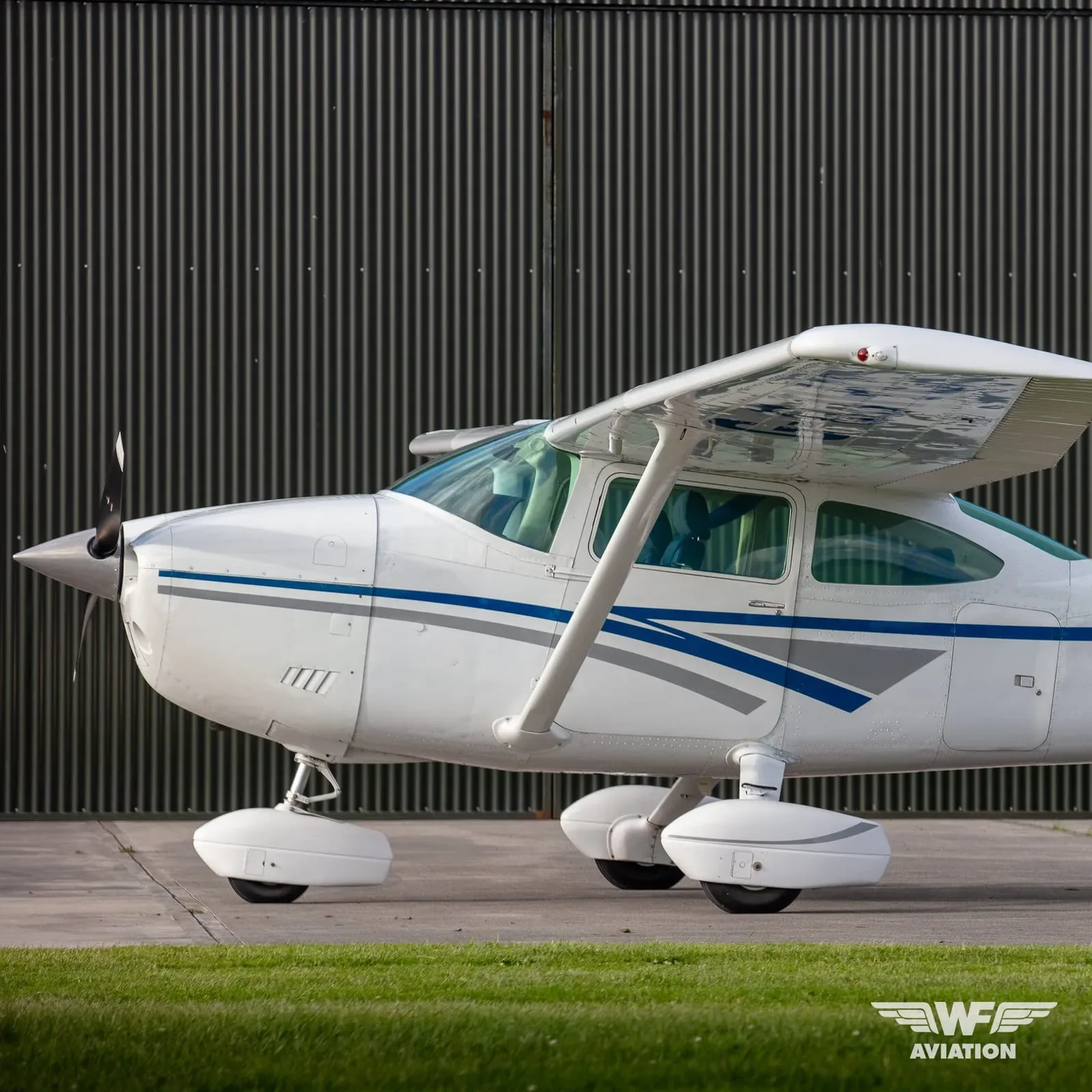
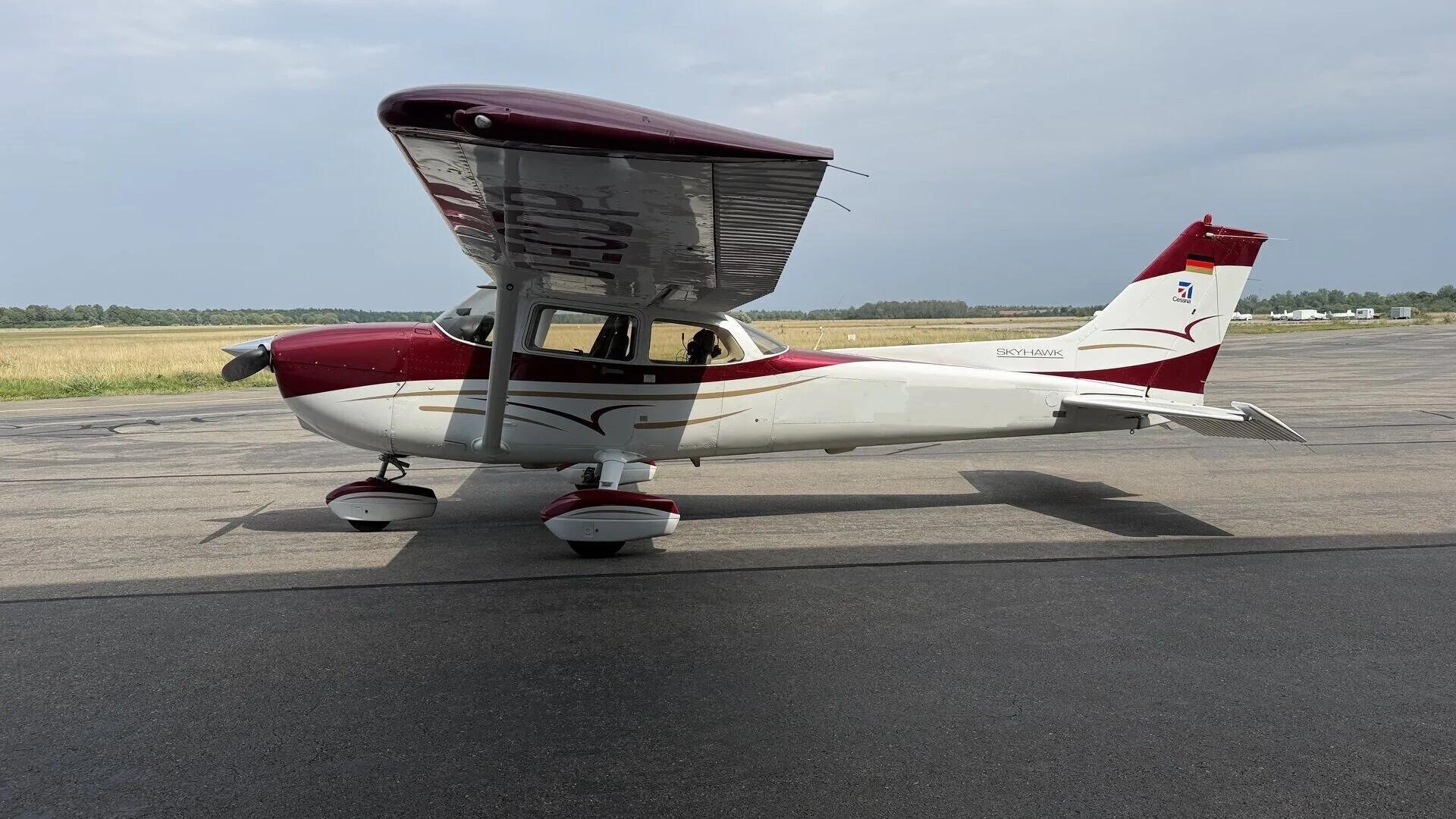
View all 183 for sale →Aircraft that this emergency procedures covers, listed on the sites Sprinkle reads. Asking prices, not sales. Cessna 172 asking prices by year built.
Also useful for the Cessna 172P Skyhawk
From Sprinkle’s library of aircraft documents. PDFs open from Sprinkle’s own files. Read Jul 1, 2026.
Want this document taken down? Request removal