
Cessna 177 Cardinal Flight Maneuvers Checklist
Checklist for the Cessna 177 Cardinal
PDF, 5 pages, 239 KB, from Sprinkle’s own files.
What it covers
This document serves as a flight maneuvers checklist specifically for the Cessna 177 Cardinal. It outlines various flight maneuvers that pilots should practice to enhance their flying skills and ensure safe operation of the aircraft. The checklist includes detailed steps for performing steep turns, lazy eights, chandelles, steep spirals, and eights on pylons, each with specific objectives, airspeeds, and power settings. This resource is intended for pilots seeking to refine their control techniques and improve their overall proficiency in the Cessna 177 Cardinal.
Key points
- Maintain an airspeed of 100 KTS during steep turns with a bank of 45°.
- For lazy eights, achieve 15° pitch up and bank at the 45° point.
- In chandelles, maintain 105 KTS and a constant 30° bank.
- Steep spirals require a minimum altitude of 3000' AGL and an airspeed of 90 KTS.
- Eights on pylons depend on groundspeed; pivotal altitude is approximately 900' AGL at 110 MPH.
Main sections
Steep Turns
The steep turns section emphasizes the importance of maintaining altitude and coordination while executing 360° turns with a bank angle of 45°. Pilots are instructed to perform clearing turns, set power to 2300 RPM, and maintain an airspeed of 100 KTS. The checklist details the necessary adjustments in attitude and power to ensure a smooth rollout and level flight.
Lazy Eights
This section focuses on maintaining coordinated flight while performing lazy eights. Pilots should start with two 90° clearing turns, maintain an airspeed of 100 KTS, and follow a clean configuration flow. The maneuver involves gradual changes in pitch and bank, with specific points outlined for pitch and bank adjustments throughout the turn.
Chandelle
The chandelle maneuver aims to complete a maximum performance 180° turn. Pilots are advised to maintain an airspeed of 105 KTS and a clean configuration. The checklist specifies a constant bank of 30° and gradual pitch increases to achieve a 10-12° pitch up by the 90° point, ensuring a smooth transition to level flight at the 180° point.
Steep Spirals
In steep spirals, pilots must descend rapidly while maintaining control. The checklist requires a minimum altitude of 3000' AGL and an airspeed of 90 KTS. Pilots should perform clearing turns, reduce throttle to idle, and maintain a constant bank angle not exceeding 60°, adjusting for wind conditions.
Eights On Pylons
This section describes how to fly around pylons at the pivotal altitude, which varies with groundspeed. Pilots should determine the pivotal altitude and perform clearing turns before entering the maneuver. The checklist emphasizes maintaining coordinated flight and making pitch corrections to keep the pylon in sight throughout the turns.
Safety notes
- Always perform clearing turns before executing maneuvers to ensure safety.
- Maintain visual references during steep spirals to avoid disorientation.
The document’s text
Show the text read from the PDF
Objective: To complete two 360° turns with proper control technique using 45° of bank while maintaining altitude, coordination, orientation, and division of attention. Steep Turns 1. Clearing Turns Complete 2. Heading Cardinal / Section Line 3. Power Mixture Rich 2300 RPM 4. Airspeed 100 KTS 5. Attitude Level Turn, 45°- 50° Bank THROUGH 30° BANK 6. Attitude Increase Back Pressure to Maintain Altitude 7. Power Increase to Maintain Airspeed 8. Coordination Maintain ROLLOUT 9. Attitude Reduce Bank 10° Before Target Heading Reduce Back Pressure Through 30° Bank 10. Power Decrease to Maintain Airspeed (2300 RPM) 11. Coordination Maintain 12. Straight and Level Establish -- 1 of 5 -- Objective: To maintain coordinated flight throughout the maneuver, with constantly changing pitch and bank. Lazy Eights 1. Perform two 90° clearing turns 2. 100 KTS (*2300 RPM) maintain altitude 3. Clean configuration flow 4. Choose a reference point off wing 5. Simultaneously increase pitch and bank (SLOWLY) 6. 45° point: 15° pitch up / 15° bank 7. Reduce pitch / increase bank 8. 90° point: level pitch / 30° bank (minimum speed 5-10 KTS above stall) 9. Continue reducing pitch and gradually reducing bank 10. 135° point: 15° pitch down / 15° bank 11. 180° point: level flight at entry airspeed and altitude 12. Repeat in opposite direction 13. Cruise checklist -- 2 of 5 -- Objective: To complete a maximum performance 180° turn Chandelle 1. Perform two 90° clearing turns 2. 105 KTS (*2300 RPM) maintain altitude 3. Clean configuration flow 4. Choose a reference point off wing 5. Establish / maintain 30° bank 6. Full Throttle - Gradually increase pitch to attain approx. 10-12° pitch up by the 90° point. First 90° of turn: Bank = constant 30°, Pitch = Gradually increasing to 10-12° pitch up 7. At 90° point: maintain constant pitch while gradually reducing bank angle to attain level flight at 180° point at a speed approaching stall. Second 90° of turn: Pitch = constant 10-12° pitch up, bank gradually decreasing to wings level 8. 180° point: Wings level at minimum controllable airspeed 9. Accelerate while maintaining level off altitude 10. Cruise checklist Level Flight: 105 KTS 30° Bank 10-12° Pitch-Up Level Flight: Minimum Controllable Airspeed -- 3 of 5 -- Objective: To simulate an emergency situation where an aircraft must descend as rapidly as possible to an emergency landing. Steep Spirals 1. Altitude - at least 3000' AGL 2. Perform two 90° clearing turns 3. 90 KTS (*1800 RPM) maintain altitude 4. Clean configuration flow 5. Choose appropriate landing site as a visual reference point 6. Reduce throttle to idle 7. Track at least three constant radius circles around reference point 8. Airspeed - constant 9. Bank angle — adjust for winds — not to exceed 60° 10. Clear engine once every 360° turn 11. Recover — roll out on specified heading (visual reference) 12. Adjust DG/HSI to compass 13. Cruise checklist Note: The DG/HSI will precess during this maneuver. Rely on visual references. -- 4 of 5 -- Objective: To fly around each pylon at the pivotal altitude. Pivotal altitude depends on groundspeed. The faster the groundspeed, the higher the pivotal altitude. The altitude will be continuously varied with changes in groundspeed. Eights On Pylons 1. Determine pivotal altitude (Formula below) 2. Enter pivotal altitude (Approx. 900' AGL at 110 MPH - *2300 RPM) 3. Perform two 90° clearing turns 4. Clean configuration flow 5. Select two pylons to allow for 3 to 5 seconds wings level between the two pylons. Approximately 2/3 to 3/4 mile apart 6. Enter maneuver on a 45° midpoint downwind 7. Apply appropriate pitch corrections to compensate for changes in groundspeed, maintain coordinated flight at all times, and; 8. To maintain line of sight reference with the pylon (pitch forward if point moves toward nose and pitch back if point moves toward tail). 9. Begin roll out to allow the airplane to proceed diagonally between the pylons at a 45° angle. 10. Begin second turn in the opposite direction of the first 11. Exit maneuver on entry heading 12. Cruise checklist Note: The wing tip should be pointing at the pylons throughout the turns. Ground Speed2 11.3 Pivotal ALT Ground = -- 5 of 5 --
Read from the PDF by machine, so tables and diagrams come out rough. The PDF is the document.
More Cessna 177 Cardinal documents
All 9 →- Cessna 177 Cardinal Model Guide
The Cessna 177 Cardinal is a four-seat, single-engine piston aircraft built from 1968 to 1978. Its owner's manual covers the Model 177, Cardinal and (1975 edition) Cardinal II, certificated as Model 177B under FAA Type Certificate No. A13CE. Power is a 180 hp Lycoming O-360 series engine with a constant-speed propeller.
- Cessna Stc Shoulder Harness Kits
This document provides information on Supplemental Type Certificates (STC) for shoulder harness kits specifically designed for the Cessna 177 series aircraft. It includes details on various replacement parts and kits available for the Cessna 177, 177A, 177B, 177V, and 177RG models. The document is intended for aircraft owners and maintenance personnel looking to upgrade or replace existing seatbelt systems with compliant safety harnesses. It outlines part numbers, descriptions, and applicable models for each kit, ensuring that users can find the correct components for their specific aircraft needs.
Supplemental Type Certificate · 2025PDF · 1 page · 112 KB of Cessna Stc Shoulder Harness Kits, opens in a new tabRequest removal of Cessna Stc Shoulder Harness Kits - Rosen Sunvisor Systems PMM / IPC for Sunvisor Assembly (p/n R1180005-0)
This document is a Product Maintenance Manual (PMM) for the Rosen Sunvisor System installed on the Cessna 177 Cardinal aircraft. It provides detailed maintenance instructions, an illustrated parts list, and guidelines for continued airworthiness of the sunvisor system. The manual is intended for aircraft maintenance personnel and includes installation instructions, fault isolation procedures, and repair guidelines. It emphasizes the importance of following the FAA Supplemental Type Certificate (STC) requirements for the installation and maintenance of the sunvisor system. The manual also outlines the necessary tools and parts required for installation, as well as safety precautions to ensure proper functioning and compliance with airworthiness standards.
- Deutscher Luft- und Raumfahrtkongress 2012
This document is a performance data manual for the Cessna 177 Cardinal, providing essential information for pilots and aviation enthusiasts. It includes detailed performance specifications, operational limits, and guidelines for safe operation under various conditions. The manual is designed to assist pilots in understanding the aircraft's capabilities and limitations, ensuring safe and efficient flight operations. Key performance metrics such as takeoff and landing distances, climb rates, and fuel consumption are covered, along with charts and tables for quick reference during flight planning and execution.
- Schedule Of Airworthiness Directives
This document is an Airworthiness Directive (AD) issued by the Civil Aviation Safety Authority of Australia, specifically addressing the Cessna 177 series aeroplanes. It outlines mandatory inspection and compliance requirements for the wing main spar carry-through section due to concerns about corrosion that could compromise structural integrity. The directive applies to all models within the Cessna 177 series and emphasizes the importance of regular inspections to ensure safety and airworthiness. The document provides specific timelines for compliance based on the age of the aircraft, ensuring that necessary inspections are conducted in a timely manner to prevent potential failures.
- Pilot's Operating Handbook
This Pilot's Operating Handbook (POH) is specifically designed for the Cessna 177 Cardinal. It serves as a comprehensive guide for pilots operating this aircraft, providing essential information on its systems, performance, and operational procedures. The handbook includes detailed sections on preflight checks, normal and emergency procedures, and performance data, ensuring pilots have the necessary resources to operate the aircraft safely and efficiently. It is intended for both new and experienced pilots, offering insights into the unique characteristics of the Cessna 177 Cardinal.
- Weight & Balance for Cessna 177 Cardinal
This document provides essential weight and balance information for the Cessna 177 Cardinal. It is designed for pilots and aviation enthusiasts who need to understand the loading limits and weight distribution for safe flight operations. The manual outlines the maximum weight capacities, center of gravity limits, and procedures for calculating weight and balance before flight. Proper adherence to these guidelines is critical for maintaining aircraft performance and safety.
- Cessna 337G Parts Catalog
This document is a Parts Catalog for the Cessna 337G, providing detailed information on the various components and parts used in the aircraft. It serves as a reference for maintenance personnel, parts distributors, and owners to identify and procure the necessary parts for repairs and maintenance. The catalog includes part numbers, descriptions, and applicable notes for each component, ensuring that users can find the correct parts for their specific needs. It is essential for maintaining the airworthiness and operational efficiency of the Cessna 337G.
Cessna 177 for sale now
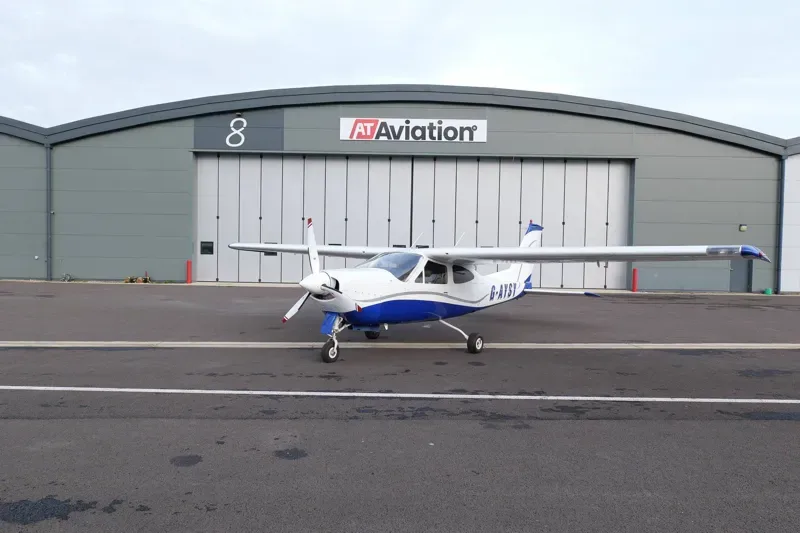
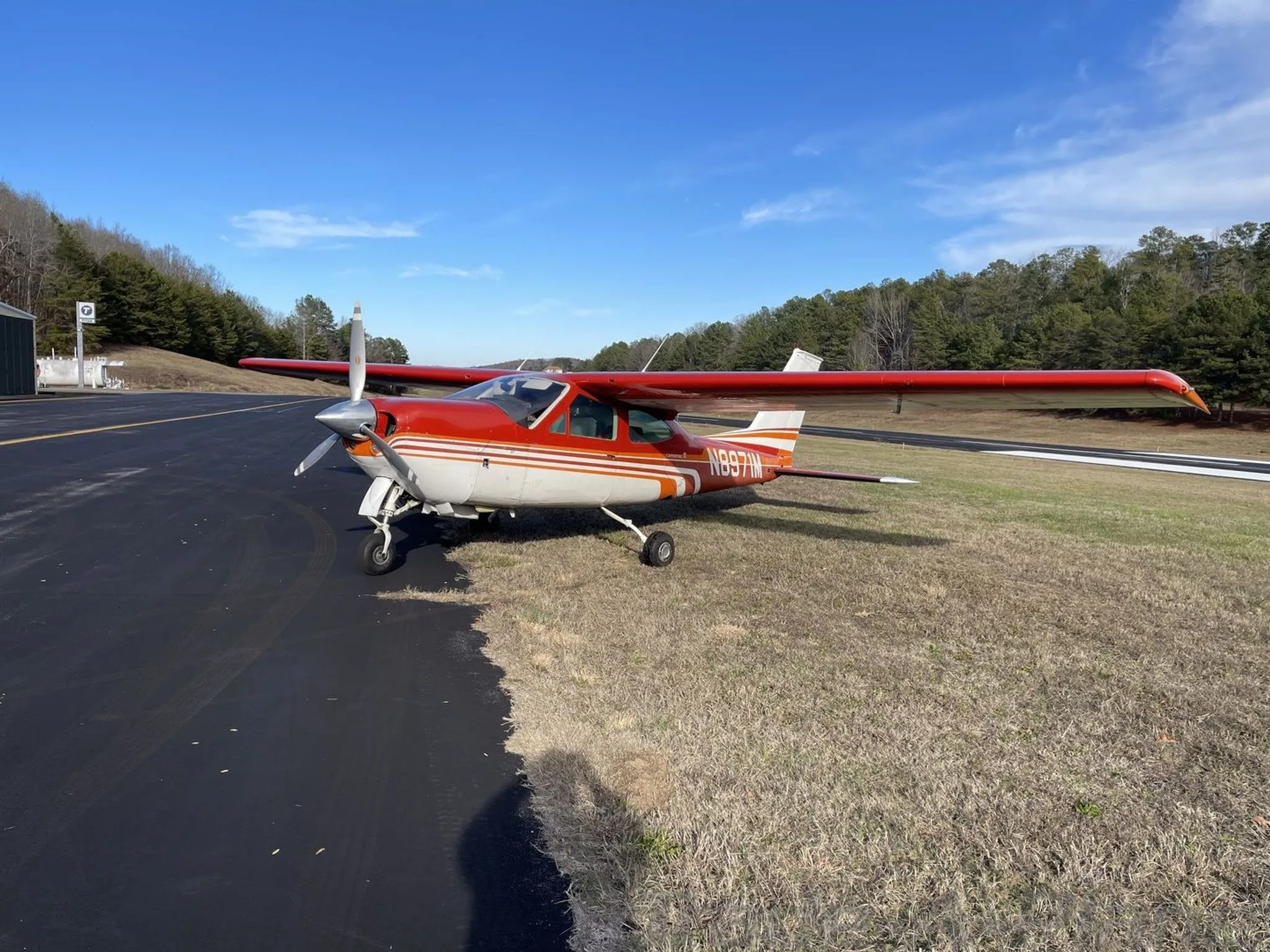
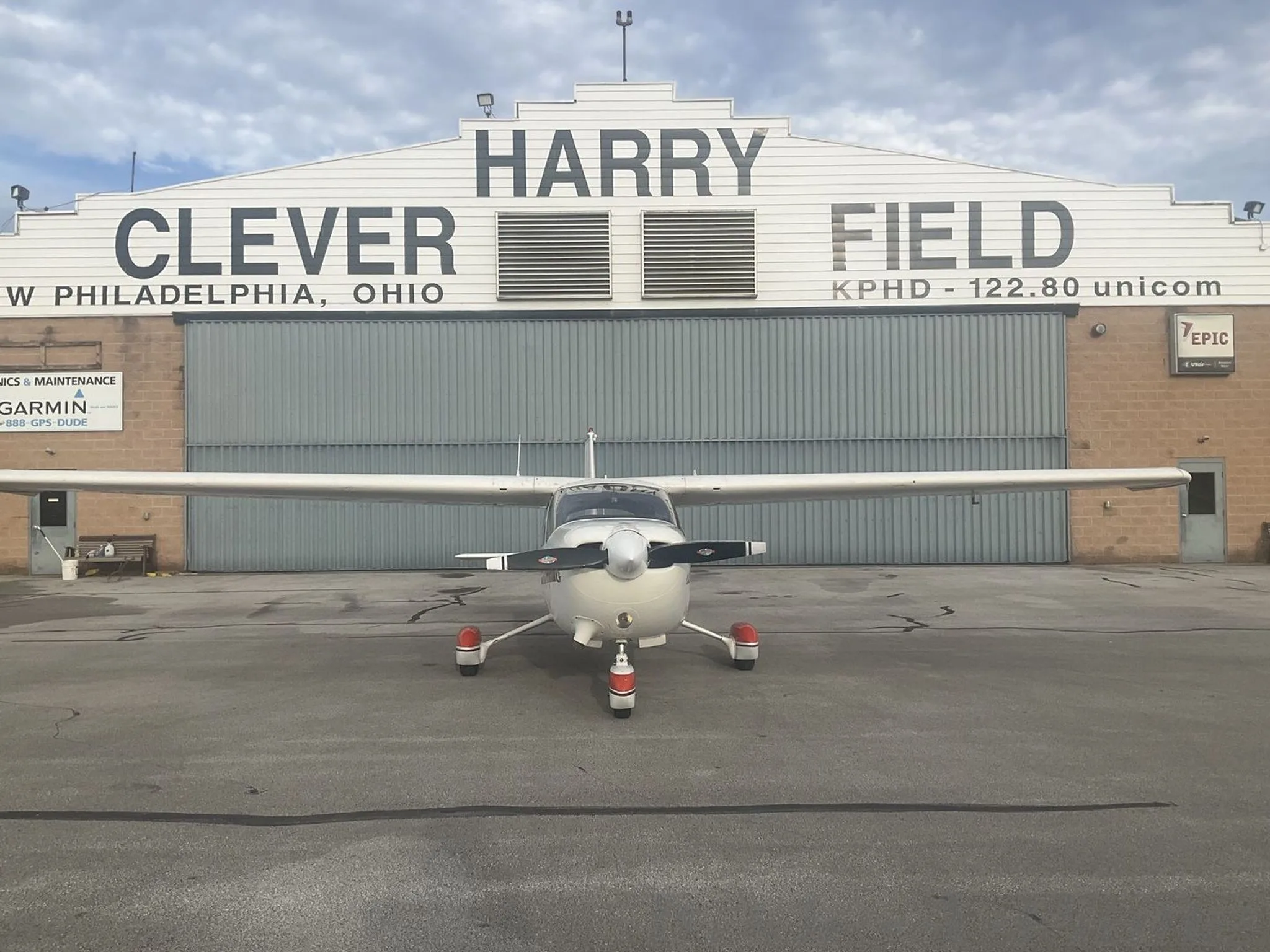
View all 40 for sale →Aircraft that this checklist covers, listed on the sites Sprinkle reads. Asking prices, not sales. Cessna 177 asking prices by year built.
Also useful for the Cessna 177 Cardinal
From Sprinkle’s library of aircraft documents. PDFs open from Sprinkle’s own files. Read Feb 15, 2026.
Want this document taken down? Request removal