
Know When to Feather Your Propeller
Pilot's Operating Handbook for the Cessna 310F
PDF, 4 pages, 500 KB, from Sprinkle’s own files.
What it covers
This document serves as a safety alert for pilots operating twin-engine aircraft, particularly the Cessna 310F. It emphasizes the importance of understanding and practicing propeller feathering techniques in the event of a partial loss of engine power. The alert discusses the risks associated with delayed feathering and highlights related accidents that underscore the critical nature of timely action. Pilots are encouraged to familiarize themselves with their aircraft's specific procedures and to engage in regular training to enhance their response to engine failure scenarios. The document aims to improve safety and control during flight operations by addressing a gap in pilot training regarding partial engine power loss.
Key points
- Feathering the propeller is critical in the event of a partial engine power loss.
- Pilots should know the RPM below which feathering is not possible to avoid control issues.
- Delayed feathering can lead to increased drag and loss of control during flight.
- Regular training and practice are essential for effective response to engine failures.
- Understanding manufacturer procedures and recommendations can enhance safety.
Main sections
The Problem
Existing pilot training primarily focuses on total engine failures, neglecting partial loss of engine power scenarios. This oversight can lead to critical control issues, especially during single-engine operations. The document explains that constant-speed propellers have start locks that prevent feathering during normal shutdowns, which can also engage in flight if RPM drops below a certain threshold. Pilots must feather the propeller before reaching this critical RPM to maintain control.
Related Accidents
The document details several accidents involving twin-engine aircraft, including a Cessna 310F. In these incidents, pilots failed to feather the propeller in time after experiencing engine power loss, leading to crashes. The Cessna 310F accident specifically highlights the consequences of delayed feathering and poor airspeed management, resulting in a loss of control.
Recommendations for Pilots
Pilots are advised to review and understand their aircraft's engine failure procedures, including feathering techniques. They should know the critical RPM for feathering their propellers and practice handling partial power loss scenarios in training. Regular preflight checks of engine controls, including feathering mechanisms, are also recommended.
Safety notes
- Timely feathering of the propeller is crucial to maintain control during partial engine power loss.
- Failure to feather before the critical RPM can result in inability to feather and increased risk of accidents.
The document’s text
Show the text read from the PDF
Know When to Feather Your Propeller If One Engine Loses Power Don’t get locked out The problem • Existing pilot training and checklists for multiengine piston airplanes primarily address total engine failures and do not prepare pilots for partial loss of engine power situations. • This gap in training and awareness can result in critical control issues during flight, especially during single-engine operation scenarios. • Partial loss of engine power in multiengine aircraft is often improperly managed, leading to increased risk of loss of control. • Constant-speed, manually feathering propellers on multiengine aircraft are equipped with mechanisms called start locks that keep propeller blades from going into feather position during a normal engine shutdown on the ground, thus making it easier to start the engine with the propeller blades at a low pitch blade angle. These locks’ centrifugal latches disengage when the propeller is spinning above a certain rpm. However, start locks can engage in flight if the propeller’s rpm drops below this critical threshold. • Although feathering the propeller of an engine that has lost power is a recommended practice, once the propeller rpm decreases below the speed at which the start locks engage, the pilot will be unable to feather the propeller. Feathering is not possible until the propeller rpm increases above this critical speed (the specific start lock engagement speed varies among propeller makes/models); a mechanical engine malfunction may prevent the pilot’s ability to increase propeller rpm. It is imperative, therefore, to feather the propeller before the rpm decreases below the start lock engagement speed. • Delayed propeller feathering in partial loss of engine power scenarios can dangerously result in drag, compromising control and safety. • Twin-engine airplanes certificated under Part 23 are not required to provide a positive climb rate with one engine inoperative. Because the minimum control speed for an airplane with one engine inoperative is determined with the propeller windmilling, timely feathering increases your controllability margin beyond certificated performance. SA091 | August 2024 -- 1 of 4 -- 2 Related accidents A Piper PA-30 twin-engine airplane on approach to land experienced a total loss of power in the right engine. The pilot subsequently lost control of the airplane and it crashed, resulting in two fatalities. The investigation revealed a malfunction of the right engine fuel injection servo; the right propeller was found with the start locks engaged. This accident might have been avoided if the pilot had feathered the propeller before its rpm decreased below the critical speed, managed the airspeed properly, and landed immediately on the nearby runway. (ERA23FA067) A Cessna 335 twin-engine airplane crashed following a partial loss of power in the left engine after takeoff. The pilot and passenger were fatally injured. The pilot’s failure to feather the left propeller following the partial loss of engine power resulted in negative climb performance. Had the pilot feathered the left propeller following the partial loss of engine power, it is likely that a positive rate of climb could have been attained. (ERA19FA060) During an airline transport pilot checkride, a Cessna 310F twin-engine airplane crashed after a partial loss of power in the left engine. The pilot’s delayed feathering of the left propeller and failure to maintain airspeed led to a loss of control and subsequent crash in which the pilot was seriously injured and the designated pilot examiner was fatally injured. The left propeller’s blades were found at or near the start lock position, indicating the pilot’s failure to feather before the critical rpm. This accident might have been avoided with prompt feathering of the propeller and more effective airspeed management. (CEN16FA172) Figure 1. ERA23FA067 accident scene. Figure 2. ERA19FA060 accident scene. Figure 3. CEN16FA172 accident scene. -- 2 of 4 -- 3 A Piper PA-31P twin-engine airplane crashed following a loss of power in the right engine shortly after takeoff. Postaccident investigation found the right propeller in the start lock position, indicating it was not feathered before the engine speed dropped below the critical rpm, contributing to the pilot’s loss of control and the subsequent fatal impact with the ground. The investigation found that the propeller manufacturer’s recommendation to feather the propeller before its speed falls below 1,000 rpm was not in the pilot’s operating handbook, which also contributed to the accident. (ERA12FA423) The pilot of a Cessna 310Q twin-engine airplane lost control and crashed following a loss of left engine power during takeoff. The pilot was fatally injured. The investigation found the left engine’s fuel supply hose B-nut had loosened, which resulted in the loss of engine power. The pilot’s delay in feathering the propeller and consequent failure to maintain airspeed caused the accident. This accident might have been avoided with prompt feathering of the propeller and proper airspeed management. (ERA11FA458) What can you do? • Review and understand manufacturer procedures for engine failure, including instances of partial loss of engine power. Ensure familiarity with specific criteria and steps for feathering the propellers in your aircraft. • Review your propeller owner’s manual to determine the rpm below which feathering the propeller is not possible. • Regularly practice how to handle scenarios of partial loss of engine power in flight training or simulator training sessions, focusing on timely and correct responses, including feathering the propeller before its speed drops too low to feather it. • When conducting preflight checks, ensure all engine controls, including those for feathering, are functional. • Engage in discussions and training sessions with other pilots and flight instructors on aeronautical decision-making, with a focus on developing plans for responding to scenarios involving partial loss of engine power in various phases of flight (takeoff, cruise, and approach), to enhance judgment skills in critical situations. • Stay informed about the latest findings and recommendations regarding engine power management and propeller control in twin-engine aircraft, incorporating insights from resources like Federal Aviation Administration advisories and aviation safety articles. Figure 5. ERA11FA458 propeller assembly. Figure 4. ERA12FA423 accident scene. -- 3 of 4 -- 4 Interested in more information? • The critical rpm before which to feather your engine’s propeller may be found in your propeller owner’s manual. • Watch and share the video accompanying this safety alert, which demonstrates how start locks can prevent feathering when one engine loses power. • The Federal Aviation Administration’s Special Airworthiness Information Bulletin CE-05-51 illustrates the drag effects of a windmilling propeller when one engine is inoperative; it further warns about the risk of start locks engaging during attempts to restart the engine, which then precludes feathering. • The United Kingdom’s Civil Aviation Authority has warned about the implications of propellers that cannot be feathered below a certain rpm since 1979 and reissued its advice to pilots in 2019. • A special study by the National Transportation Safety Board highlights the narrow performance margins of Part 23 light, twin-engine airplanes when one engine is inoperative. NTSB Safety Alerts can be accessed from the Safety Alerts page at www.ntsb.gov. For additional information on the NTSB investigations in this alert, access the public docket using the investigation numbers (NTSB Accident ID) cited above. Use the CAROL Query to search NTSB safety recommendations and investigations. The NTSB’s Aviation Information Resources web page, https://www.ntsb.gov/air, provides convenient access to NTSB aviation safety products. Follow us on: X | Facebook | YouTube | Instagram | Flickr | LinkedIn The NTSB is an independent federal agency charged by Congress with investigating every civil aviation accident in the United States and significant events in other modes of transportation—railroad, transit, highway, marine, pipeline, and commercial space. We determine the probable cause of the accidents and events we investigate and issue safety recommendations aimed at preventing future occurrences. We also conduct safety research studies and offer information and other assistance to family members and survivors for any accident investigated by the agency. Additionally, we serve as the appellate authority for enforcement actions involving aviation and mariner certificates issued by the Federal Aviation Administration (FAA) and US Coast Guard, and we adjudicate appeals of civil penalty actions taken by the FAA. For more information, visit www.ntsb.gov. -- 4 of 4 --
Read from the PDF by machine, so tables and diagrams come out rough. The PDF is the document.
More Cessna 310F documents
All 23 →- Cessna 310F Pilot's Operating Handbook
This Pilot's Operating Handbook (POH) is specifically designed for the Cessna 350 (LC42-550FG) equipped with a Garmin Integrated Flight Display. It serves as the FAA-approved airplane flight manual, providing essential information required by Federal Aviation Regulations along with additional manufacturer-provided data. The handbook includes operational limitations, emergency procedures, normal procedures, performance data, weight and balance information, and a description of the aircraft systems. It is intended for use by pilots and aviation enthusiasts to ensure safe and efficient operation of the aircraft.
- Pilot Safety and Warning Supplements - GACE Flying Club
This document is a Pilot Safety and Warning Supplement specifically for the Cessna F-337 Skymaster G. It serves as an essential resource for pilots, emphasizing the importance of safety and operational considerations during flight. The manual provides critical information that complements the Pilot's Operating Handbook and Owner's Manual, ensuring pilots are well-prepared for safe flight operations. It covers various topics, including physiological factors affecting pilots, operational checklists, aircraft loading, and specific considerations for multi-engine flight. The document aims to enhance pilot proficiency and safety awareness, making it a vital reference for both training and operational use.
- Pilot's Operating Handbook
This Pilot's Operating Handbook (POH) is specifically designed for the Cessna 310F aircraft. It serves as a comprehensive guide for pilots, providing essential information on the aircraft's operation, performance, and safety procedures. The handbook includes detailed sections on preflight checks, emergency procedures, and performance data, ensuring that pilots have the necessary knowledge to operate the aircraft safely and efficiently. It is an essential resource for both new and experienced pilots flying the Cessna 310F, offering insights into the aircraft's systems and operational limits.
- CESSNA 310F Model Guide
CESSNA 310F is a Cessna 310-series piston airplane. The library listing gives 260 hp, 170 kt cruise and 1200 nm range. A New Zealand type acceptance report gives its maximum certificated takeoff weight as 4830 lb, with a Continental IO-470-D engine. The sources disagree in places, so check every figure against the airplane's own flight manual.
- EL-92 / 1 October 2023 Page 1 of 21 ELIGIBILITY LIST Revision
This document is a service bulletin for the Cessna Citation II/SP, detailing eligibility for battery replacements and upgrades. It provides essential information for maintenance personnel and operators regarding the approved battery types and installation procedures. The bulletin includes a comprehensive list of aircraft models eligible for battery replacements, along with the corresponding Concorde part numbers and FAA approval types. This information is critical for ensuring compliance with FAA regulations and maintaining the airworthiness of the aircraft.
- Goodrich® De-Icers Textron Aviation Replacement Part List Pneumatic de-ice boots Care products Prop-de-icers and hardware (RPL) Catalog 2021
This document is a parts catalog for various aircraft, prominently featuring the Cessna 310 series, including the Cessna 310F. It provides a comprehensive list of replacement parts, specifically focusing on pneumatic de-ice boots and related hardware. The catalog is intended for maintenance personnel and aircraft owners who require detailed information on parts for the Cessna 310 series and other aircraft models. Each part is listed with its corresponding Goodrich part number, OEM part number, description, quantity per aircraft, and weight, facilitating easy identification and ordering of necessary components.
Parts Catalog · 2021PDF · 362 pages · 22 MB of Goodrich® De-Icers Textron Aviation Replacement Part List Pneumatic de-ice boots Care products Prop-de-icers and hardware (RPL) Catalog 2021, opens in a new tabRequest removal of Goodrich® De-Icers Textron Aviation Replacement Part List Pneumatic de-ice boots Care products Prop-de-icers and hardware (RPL) Catalog 2021 - Oil - Transmittal Of Continental Aerospace Technologies CSB07-1A Connecting Rod Piston Pin Bushing Inspection
This document is a mandatory service letter (MEL-79-01) issued by Textron Aviation, focusing on the inspection of the connecting rod piston pin bushing for various Cessna and Beechcraft models, including the Cessna 310F. It outlines the compliance requirements for aircraft owners and mechanics regarding the inspection process, which is crucial due to reports of piston pin bushing material found in oil sumps and filters. The document emphasizes the importance of following the Continental Aerospace Technologies Critical Service Bulletin CSB07-01 Revision A for detailed inspection instructions and compliance. It serves as a critical reminder for maintaining airworthiness and safety in affected aircraft models.
Parts Catalog · 2021PDF · 14 pages · 1.2 MB of Oil - Transmittal Of Continental Aerospace Technologies CSB07-1A Connecting Rod Piston Pin Bushing Inspection, opens in a new tabRequest removal of Oil - Transmittal Of Continental Aerospace Technologies CSB07-1A Connecting Rod Piston Pin Bushing Inspection - FEDERAL AVIATION ADMINISTRATION (FAA) APPROVED MODEL LIST (AML) SA02511SE FOR CIES INC. CC284022 SERIES TSO C55a FUEL QUANTITY SENDERS
This document is a Federal Aviation Administration (FAA) Approved Model List (AML) for Supplemental Type Certificate (STC) SA02511SE, specifically for the installation of CiES Inc. CC284022 series TSO C55a fuel quantity senders. The STC allows for the installation of these fuel quantity senders in various aircraft models, including the Cessna 310F. The document outlines the approved aircraft models, installation requirements, and instructions for continued airworthiness. It serves as an official approval for modifications and provides guidance for compliance with FAA regulations.
Supplemental Type Certificate · 2020PDF · 26 pages · 5.9 MB of FEDERAL AVIATION ADMINISTRATION (FAA) APPROVED MODEL LIST (AML) SA02511SE FOR CIES INC. CC284022 SERIES TSO C55a FUEL QUANTITY SENDERS, opens in a new tabRequest removal of FEDERAL AVIATION ADMINISTRATION (FAA) APPROVED MODEL LIST (AML) SA02511SE FOR CIES INC. CC284022 SERIES TSO C55a FUEL QUANTITY SENDERS
Cessna 310 for sale now
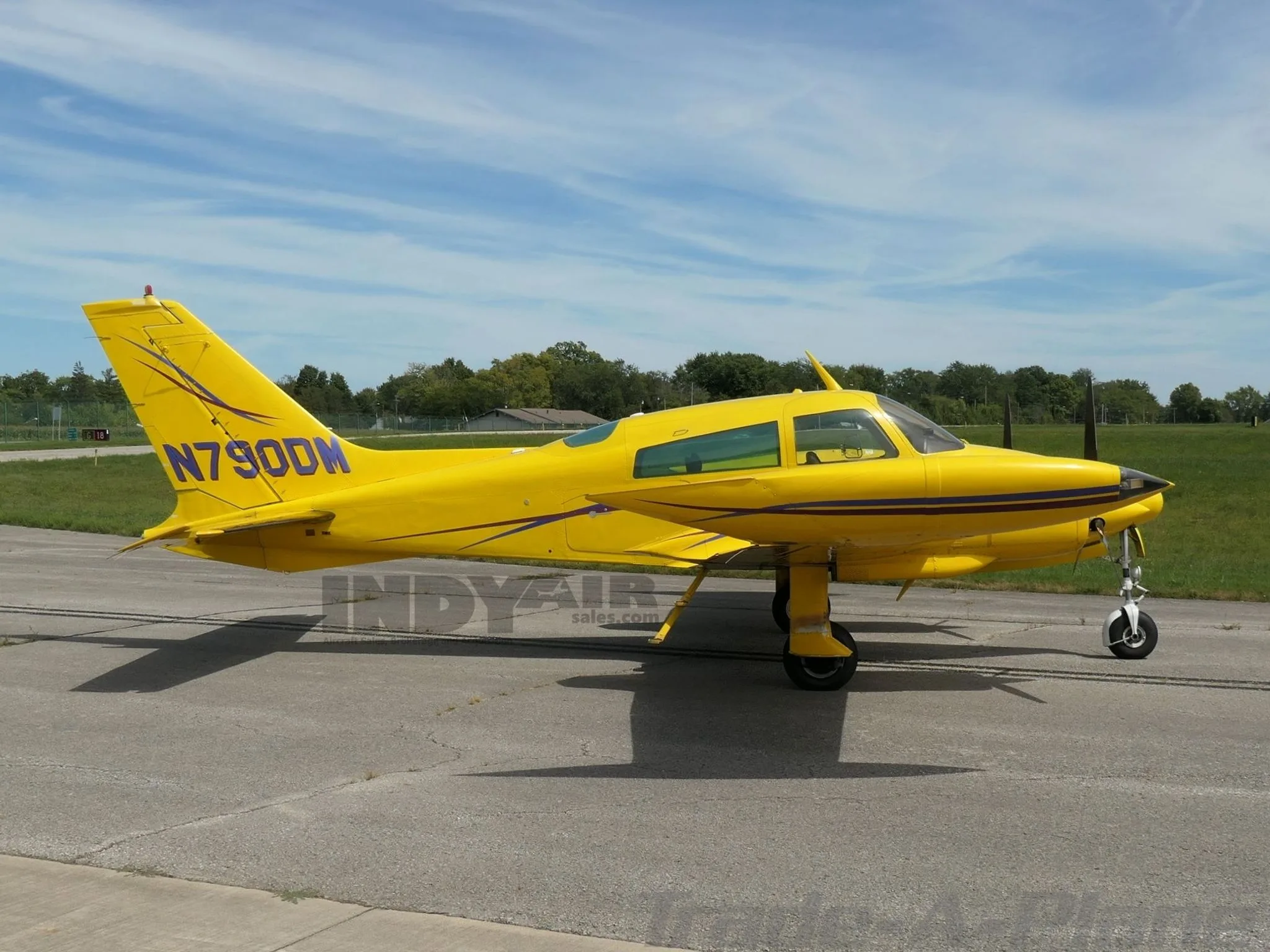
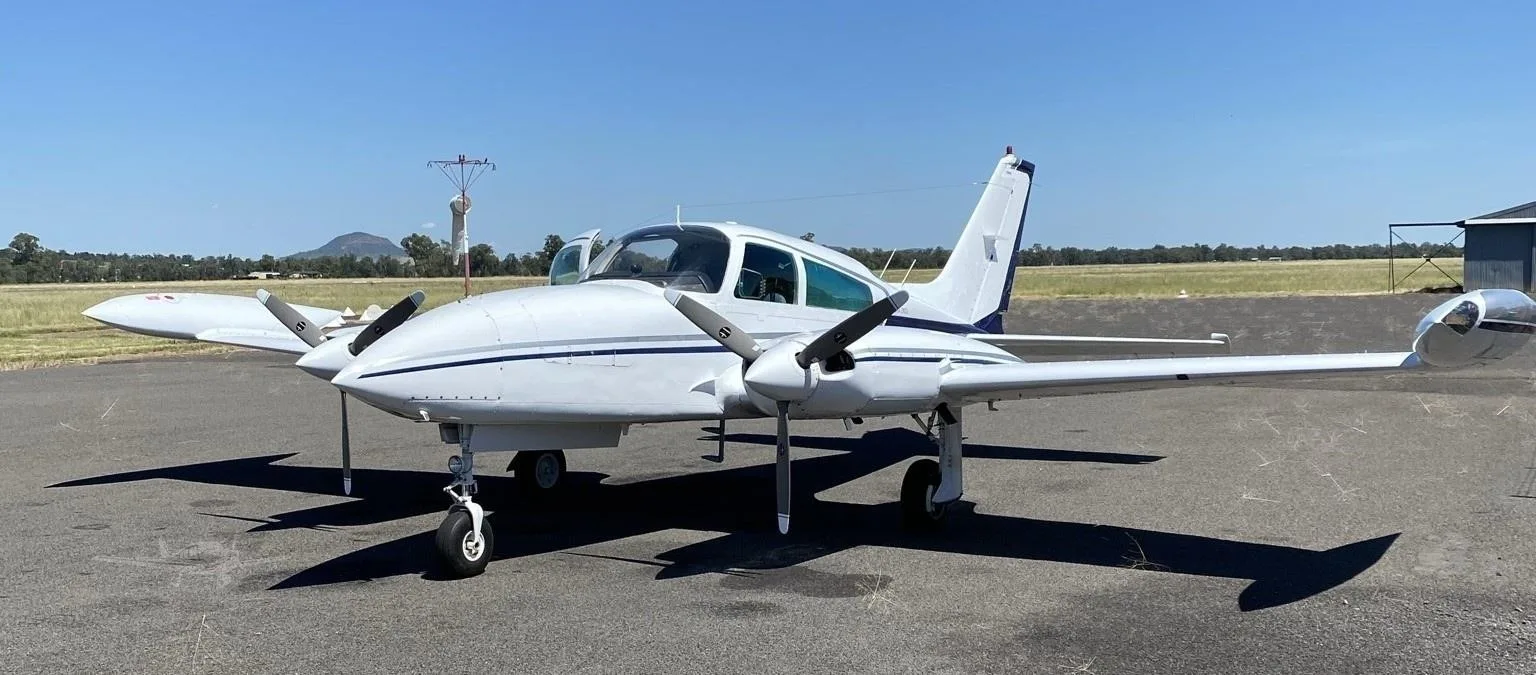
View all 35 for sale →Aircraft that this pilot's operating handbook covers, listed on the sites Sprinkle reads. Asking prices, not sales. Cessna 310 asking prices by year built.

Also useful for the Cessna 310F
From Sprinkle’s library of aircraft documents. PDFs open from Sprinkle’s own files. Read Jul 1, 2026.
Want this document taken down? Request removal