CESSNA 421C Model Guide
CESSNA 421C · Model Guide
Overview
CESSNA 421C is a piston twin in the Cessna 421 family (421, 421A, 421B, 421C), sold as the Golden Eagle. Family-wide, the 421 series is listed at up to 840 nm range, 240 kt cruise and a 31,000 ft ceiling. Buyers should focus on engine time, exhaust condition, landing gear and airworthiness directive compliance.
- Family-level figures only: up to 840 nm range, 240 kt cruise, 31,000 ft ceiling and 10 passengers across 421 variants.
- Exhaust AD 2000-01-16 applies to all serial numbers: visual check every 50 hrs or 30 days. Inconel corrodes from the inside.
- Check that Continental starter adapter bulletin MSB94-4F (inspection every 400 hours) was complied with.
- One listed example shows a 1600-hour engine TBO with 580 and 678 hours remaining, so check engine hours.
Summary written by AI from the source document. Check the original before relying on it. See which parts of Sprinkle are written by AI.
Reference only, not for flight. Use the current approved manual for your aircraft. See terms, section 5.
Document
Source
Copy found at sprinkle.com. Sprinkle hosts a reference copy with an added summary, specifications and searchable full text.
Document details
- Type ·
- Model Guide
- Year ·
- 2026
- File size ·
- 48 KB
- Copy found at ·
- sprinkle.com
Specifications & performance
Extracted from this document.
Specifications
- Engine power (hp) ·
- 375
What engines does the CESSNA 421C use?
One listed 1979 CESSNA 421C Golden Eagle III had Continental GTSIO-520 L3B/L4B engines rated at 375 horsepower with 3-blade McCauley propellers. Accident reports for other aircraft cite GTSIO-520-L and -N engines.
Which airworthiness directives apply to the CESSNA 421C?
The NZ schedule covers 421B and 421C. It lists emergency gear extension, windshield, nose gear actuator rod, main gear scissor, fuel tank, exhaust, elevator trim rod and carry-through spar items. Some apply only to certain serial ranges, so check each.
What upgrades did a listed CESSNA 421C carry?
The listed CESSNA 421C had a RAM IV conversion with winglets, hydraulic speed brakes, stainless engine control cables and Cleveland four-puck brakes. Stated costs ran from $4000 to $42900 per item. Confirm which items are installed.
How does the CESSNA 421C handle an engine failure?
On one engine the CESSNA 421C climbs poorly. The NTSB cites about 450 ft/min clean, with 350 lost for gear down and 200 for 15-degree flaps. Training and clean-up discipline matter.
What is the CESSNA 421C Model Guide?
The CESSNA 421C Model Guide is a model guide for the CESSNA 421C, dated 2026.
What year was the CESSNA 421C Model Guide published?
The CESSNA 421C Model Guide — the CESSNA 421C model guide on file — is dated 2026.
Common. More common than 96% of the aircraft models we track.
Most owners only have the POH. Here's the essential set for the CESSNA 421C.
- Pilot's Operating Handbook / AFM
- Checklist
- Maintenance Manual
- Parts Catalog (IPC)
- Systems & Wiring
- Service Bulletins on file
- Type Certificate (TCDS)
CESSNA 421C for sale now
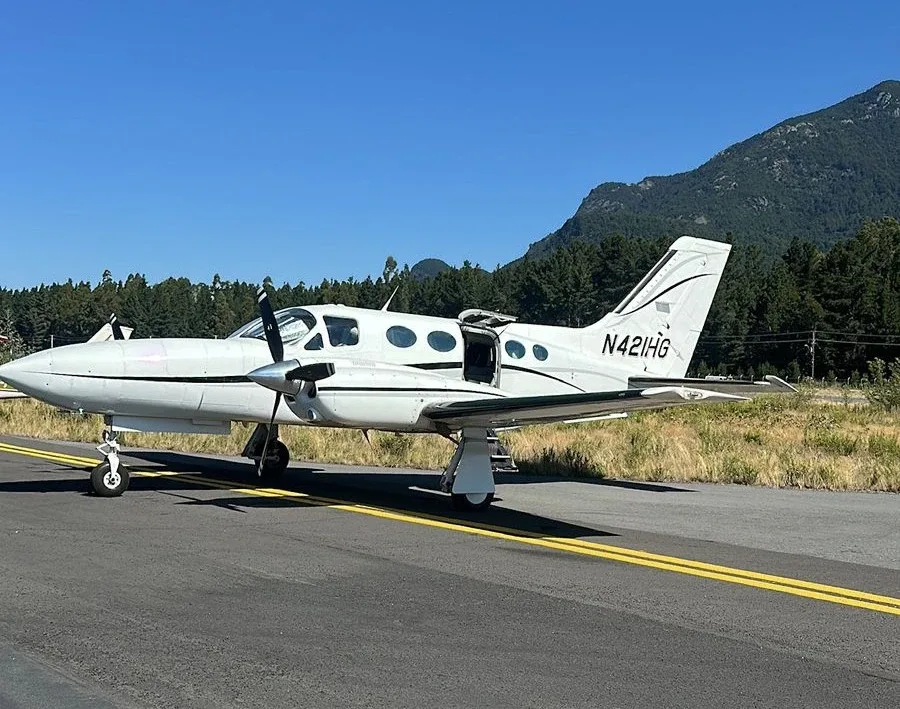

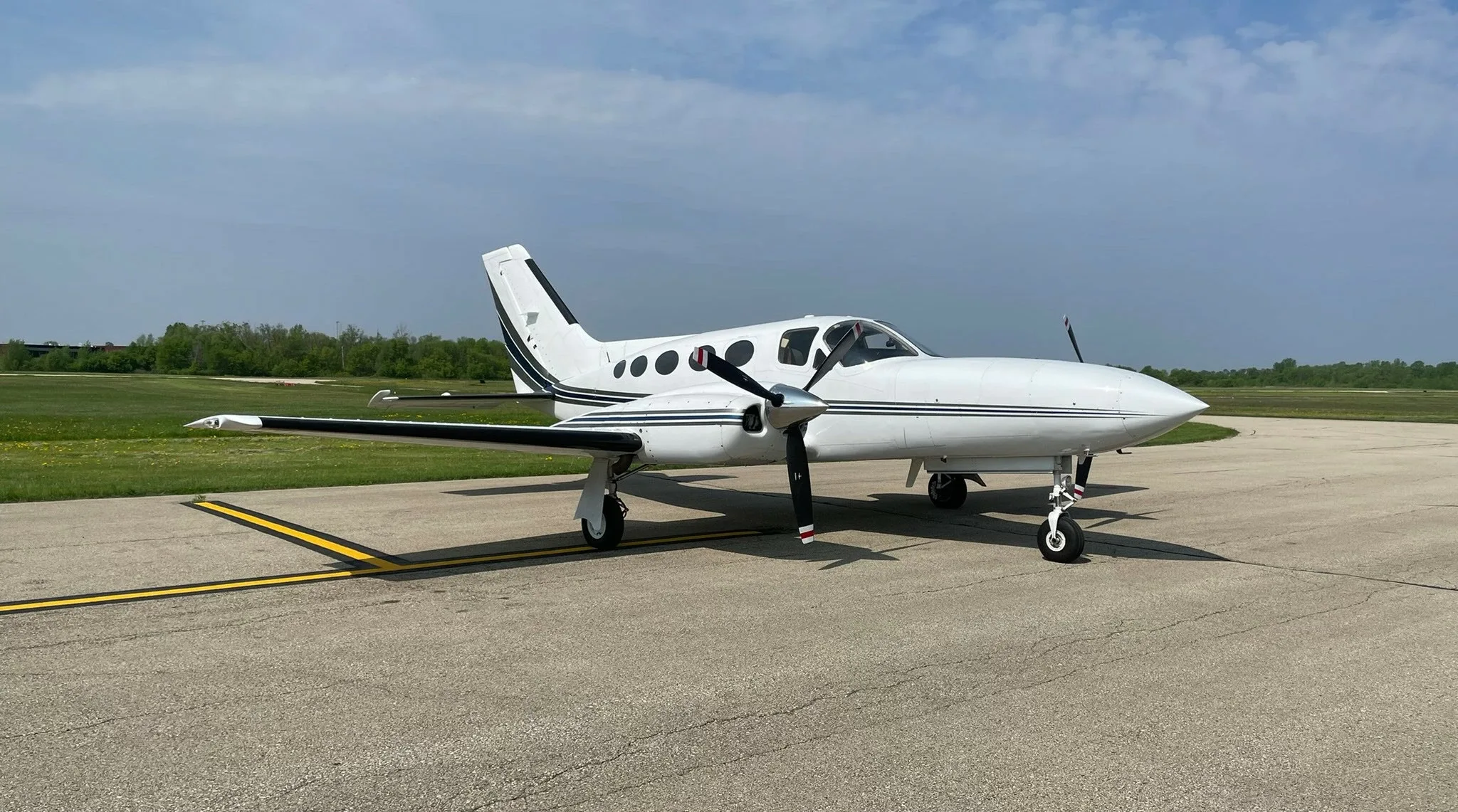
Free — save the 421 to your watchlist and track it in one place.
More CESSNA 421Cmanuals & documents
See all 16 →- ATSB Transport Safety Report: Aviation Occurrence Investigation (Short) AO-2023-055Other Documents
- Rosen Sunvisor Systems CMM / IPC for Sunvisor AssemblyParts Catalog
- Airworthiness Directive Schedule Aeroplanes Cessna 421 SeriesService Bulletins
- The Twin Cessna FlyerChecklist
- Aviation Accident Final ReportOther Documents
- CESSNA 421C Eagle II & Eagle IIISystems Description
- AAIB Bulletin: 6/2006Other Documents
- Aviation Accident Final ReportOther Documents
- AAIB Bulletin No: 1/2002Emergency Procedures
- Airworthiness Directive AD/CESSNA 400/110 Aircraft Flight Manual, Flight into Icing ConditionsOther Documents
- SCHEDULE OF AIRWORTHINESS DIRECTIVESAirworthiness Directives
- SPEC SHEETSpecifications
Related documents
- Cessna 421 Golden Eagle Model GuideCessna 421 Golden Eagle · Model Guide
- Cessna 421 Golden Eagle OverviewCESSNA 421 TURBINE · Service Manual
- Specifications for the Cessna 421B Golden EagleCessna 421 Golden Eagle · Specifications
- CESSNA 421 TURBINE Model GuideCESSNA 421 TURBINE · Model Guide
- 1974 421B Cessna Golden EagleCessna 421 Golden Eagle · Maintenance Manual
If you fly the CESSNA 421C, you may also be researching these.


In this document
Exhaust system and ADs
AD 2000-01-16 covers the CESSNA 421C Eagle II and III. Inspect the exhaust visually every 50 hrs or 30 days. Inspect tailpipes and pressure-test the system every 12 months. Replace V-band clamps every 500 hrs. Remove the exhaust aft of the slip-joints every 2500 hrs or 12 yrs. Inconel corrodes inside without visible flaking, so the carbon must be cleaned off before inspection.
Engines, props and upgrades (one listing)
A 1979 Golden Eagle III listing showed 4987 airframe hours (July 2019). Its engines had 1020.1 and 922 hours since new against a 1600-hour TBO. The props had 215 hours since overhaul. The RAM IV package listed winglets ($42900 excluding installation), speed brakes (about $15000), stainless control cables (about $4000) and Cleveland brakes ($5716 installed). The seller says the buyer must verify ADs and service bulletins.
Lessons from accident reports
In the NTSB case (N421KC), the left engine's starter adapter shaft gear failed. MSB94-4F had not been complied with, with about 1,270 hours since overhaul. In the UK G-SAIR accident, both propellers struck the runway on a touch-and-go. In the N6315X case, the right main gear actuator failed to lock down. This was after repairs from an earlier 1998 accident.
Summary written by AI from the source document. Check the original before relying on it. See which parts of Sprinkle are written by AI.
Safety notes
- Single-engine climb is thin: NTSB cites about 450 ft/min clean, minus 350 with gear down and 200 with 15-degree flaps. Raise gear and flaps on a go-around.
- Icing AD: if severe icing cues appear, request priority handling to exit, do not use the autopilot, and do not extend flaps while holding.
- VH-VPY ditching: a left engine failure that prevented propeller feathering, plus heavy ferry fuel, left the aircraft unable to hold altitude.
Summary written by AI from the source document. Check the original before relying on it. See which parts of Sprinkle are written by AI.
Full document text
CESSNA 421C Model Guide CESSNA 421C is a piston twin in the Cessna 421 family (421, 421A, 421B, 421C), sold as the Golden Eagle. Family-wide, the 421 series is listed at up to 840 nm range, 240 kt cruise and a 31,000 ft ceiling. Buyers should focus on engine time, exhaust condition, landing gear and airworthiness directive compliance. • Family-level figures only: up to 840 nm range, 240 kt cruise, 31,000 ft ceiling and 10 passengers across 421 variants. • Exhaust AD 2000-01-16 applies to all serial numbers: visual check every 50 hrs or 30 days. Inconel corrodes from the inside. • Check that Continental starter adapter bulletin MSB94-4F (inspection every 400 hours) was complied with. • One listed example shows a 1600-hour engine TBO with 580 and 678 hours remaining, so check engine hours. Exhaust system and ADs AD 2000-01-16 covers the CESSNA 421C Eagle II and III. Inspect the exhaust visually every 50 hrs or 30 days. Inspect tailpipes and pressure-test the system every 12 months. Replace V-band clamps every 500 hrs. Remove the exhaust aft of the slip-joints every 2500 hrs or 12 yrs. Inconel corrodes inside without visible flaking, so the carbon must be cleaned off before inspection. Engines, props and upgrades (one listing) A 1979 Golden Eagle III listing showed 4987 airframe hours (July 2019). Its engines had 1020.1 and 922 hours since new against a 1600-hour TBO. The props had 215 hours since overhaul. The RAM IV package listed winglets ($42900 excluding installation), speed brakes (about $15000), stainless control cables (about $4000) and Cleveland brakes ($5716 installed). The seller says the buyer must verify ADs and service bulletins. Lessons from accident reports In the NTSB case (N421KC), the left engine's starter adapter shaft gear failed. MSB94-4F had not been complied with, with about 1,270 hours since overhaul. In the UK G-SAIR accident, both propellers struck the runway on a touch-and-go. In the N6315X case, the right main gear actuator failed to lock down. This was after repairs from an earlier 1998 accident. Safety notes: • Single-engine climb is thin: NTSB cites about 450 ft/min clean, minus 350 with gear down and 200 with 15-degree flaps. Raise gear and flaps on a go-around. • Icing AD: if severe icing cues appear, request priority handling to exit, do not use the autopilot, and do not extend flaps while holding. • VH-VPY ditching: a left engine failure that prevented propeller feathering, plus heavy ferry fuel, left the aircraft unable to hold altitude.