Cessna Citation CJ3 Model Guide
Cessna Citation CJ3 · Model Guide
Overview
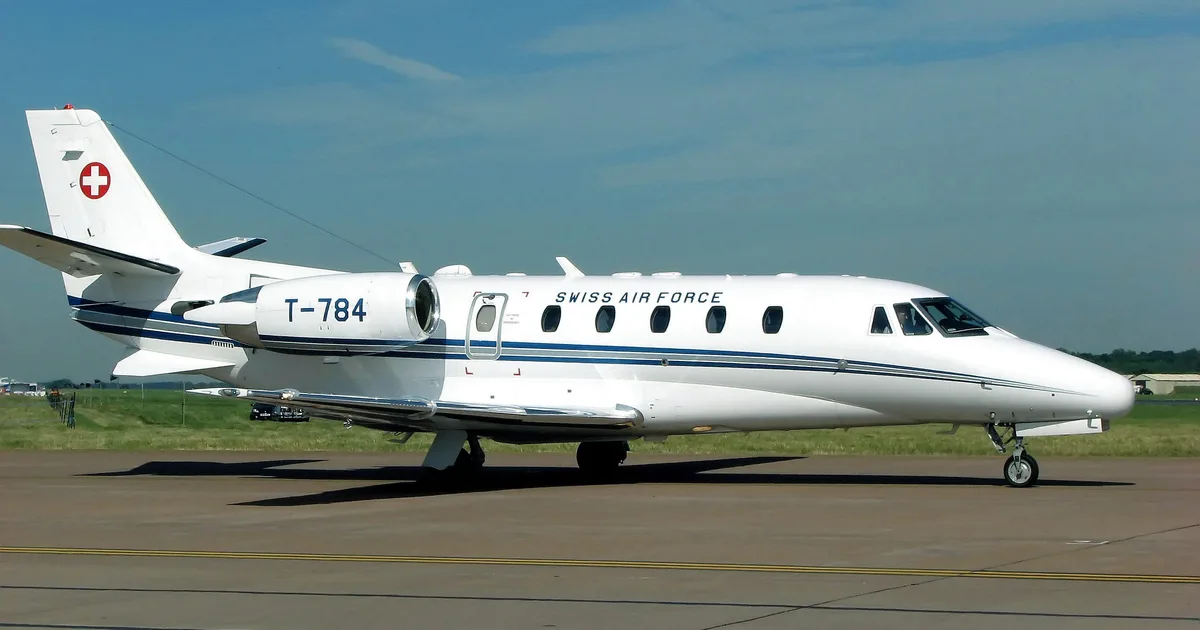
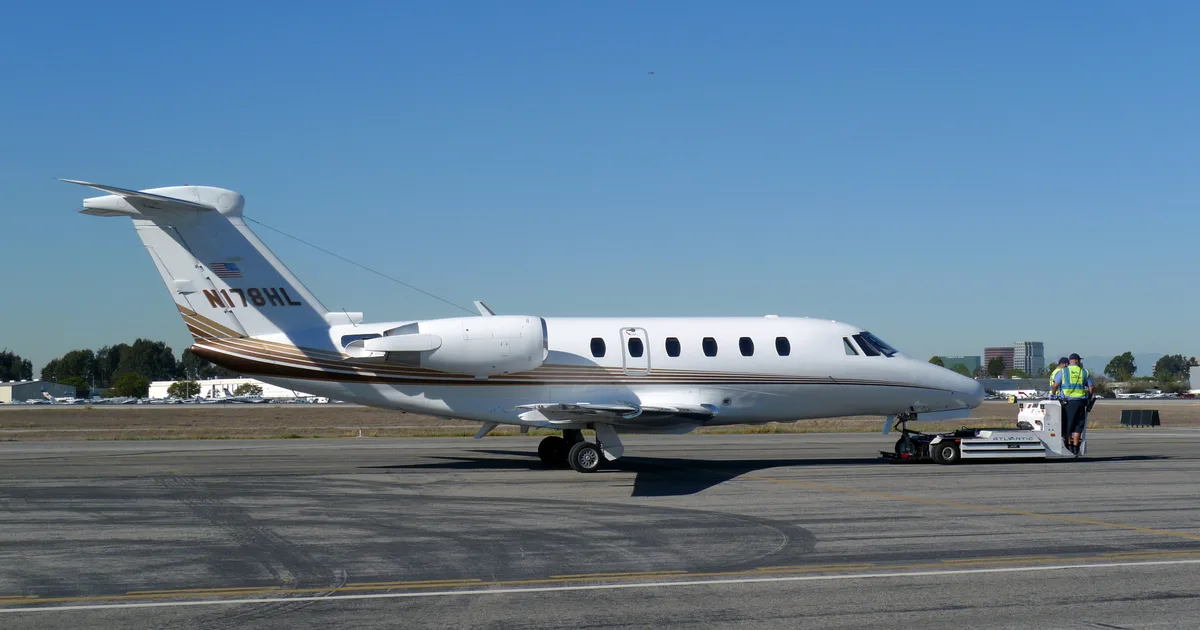
The Cessna Citation CJ3 (Model 525B) is a twin-turbofan light jet built from 2004 to 2014 and powered by two Williams FJ44-3A engines. The standard cabin is a six-seat club layout, and it can be set up for eight seats. Registry data for the 525B family shows up to 2,040 nm range and a 45,000 ft ceiling.
- Two Williams FJ44-3A turbofans with FADEC; max takeoff weight 13,870 lb; six-seat club cabin standard, up to eight seats.
- Listing sheet quotes 410 KTAS normal cruise, 417 KTAS max cruise, and 1,244 nm range with seats full.
- No thrust reversers; lift-dump flaps, spoilers and anti-skid brakes stopped it in about 2,200 ft in the AOPA test.
- Compare engine hours, cycles, engine program enrollment and inspection status; the examples run from 1,350.4 to 4,595 hours.
Summary written by AI from the source document. Check the original before relying on it. See which parts of Sprinkle are written by AI.
Reference only, not for flight. Use the current approved manual for your aircraft. See terms, section 5.
Document
Source
Copy found at sprinkle.com. Sprinkle hosts a reference copy with an added summary, specifications and searchable full text.
Document details
- Type ·
- Model Guide
- Year ·
- 2026
- File size ·
- 47 KB
- Copy found at ·
- sprinkle.com
Specifications & performance
Extracted from this document.
Specifications
- Max altitude (ft) ·
- 45,000
- Useful load (lb) ·
- 5,885
- Fuel capacity (lb) ·
- 4,710
- Basic empty weight (lb) ·
- 8,185
Performance
- Max cruise speed (kt) ·
- 417
- Max range no payload (nm) ·
- 2,040
- Max range seats full (nm) ·
- 1,244
- Normal cruise speed (kt) ·
- 410
- Balanced field length (ft) ·
- 3,180
V-speeds
- V1_KTS ·
- 95
- V2_KTS ·
- 120
- VREF_KTS ·
- 105
Weight & balance
- Max ramp weight (lb) ·
- 14,070
- Max fuel imbalance (lb) ·
- 200
- Max landing weight (lb) ·
- 12,750
- Max takeoff weight (lb) ·
- 13,870
- Max zero fuel weight (lb) ·
- 10,510
How many people does the Cessna Citation CJ3 seat?
The Cessna Citation CJ3 has a standard six-seat club cabin. It can seat eight if a side-facing seat replaces the refreshment console. The listings also show a belted lavatory seat.
How far can the Cessna Citation CJ3 fly?
The listing sheet for the Cessna Citation CJ3 quotes 1,244 nm with seats full and 2,040 nm with no payload. Treat these as manufacturer figures and verify them.
What are the key weights of the Cessna Citation CJ3?
The Cessna Citation CJ3 has a maximum takeoff weight of 13,870 lb, a maximum landing weight of 12,750 lb and a maximum ramp weight of 14,070 lb. The listing quotes a 5,885 lb useful load.
What engines power the Cessna Citation CJ3?
The Cessna Citation CJ3 uses two Williams International FJ44-3A turbofans. The listings show them enrolled in engine programs (TAP), so check enrollment and transferability.
What is the Cessna Citation CJ3 Model Guide?
The Cessna Citation CJ3 Model Guide is a model guide for the Cessna Citation CJ3, dated 2026.
What year was the Cessna Citation CJ3 Model Guide published?
The Cessna Citation CJ3 Model Guide — the Cessna Citation CJ3 model guide on file — is dated 2026.
Common. More common than 95% of the aircraft models we track.
Most owners only have the POH. Here's the essential set for the Cessna Citation CJ3.
- Pilot's Operating Handbook / AFM
- Checklist
- Maintenance Manual
- Parts Catalog (IPC)
- Systems & Wiring
- Service Bulletins on file
- Type Certificate (TCDS)
Cessna Citation CJ3 for sale now
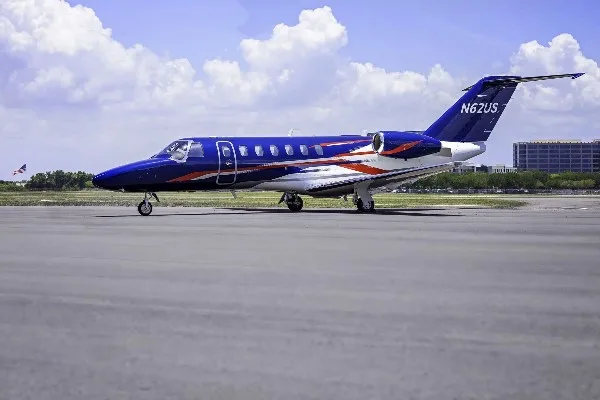
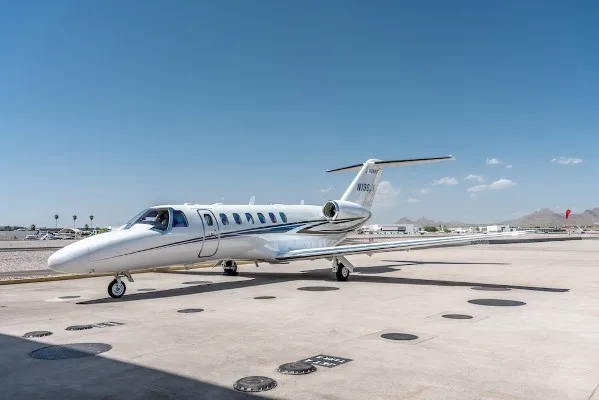
Free — save the 525B to your watchlist and track it in one place.
More Cessna Citation CJ3manuals & documents
Related documents
- Cessna Citation CJ4 Model GuideCessna Citation CJ4 · Model Guide
- Cessna Citation CJ2 Model GuideCessna Citation CJ2 · Model Guide
- Cessna Citation CJ2+ Model GuideCessna Citation CJ2+ · Model Guide
- Cessna Citation CJ1 Model GuideCessna Citation CJ1 · Model Guide
- Cessna Citation CJ1+ Model GuideCessna Citation CJ1+ · Model Guide
If you fly the Cessna Citation CJ3, you may also be researching these.
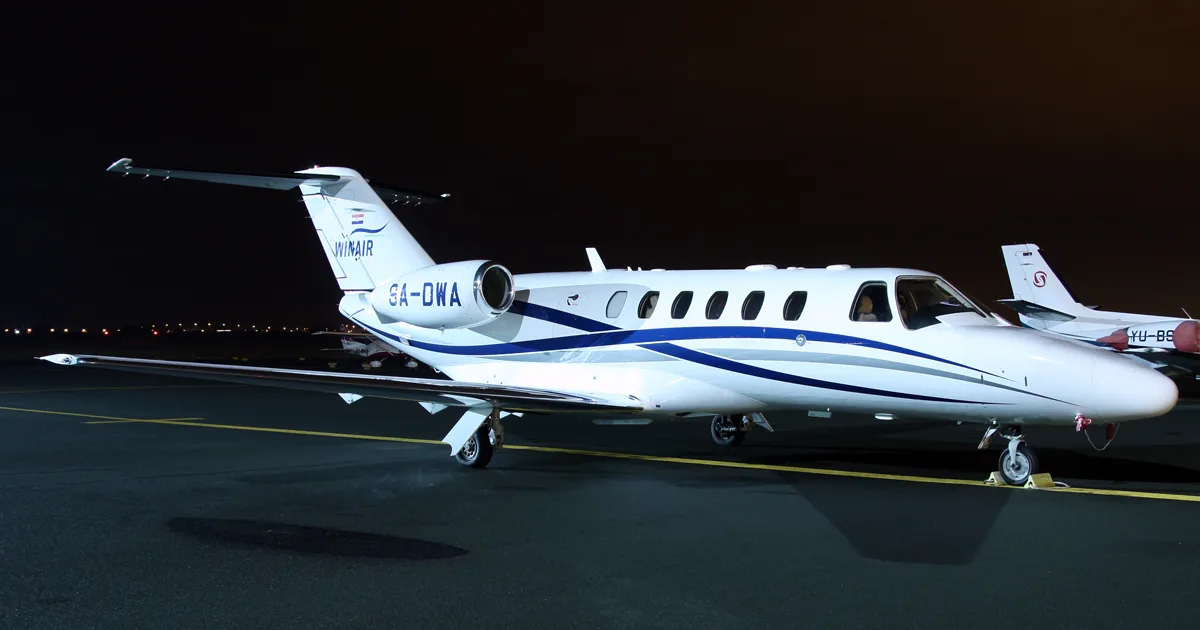
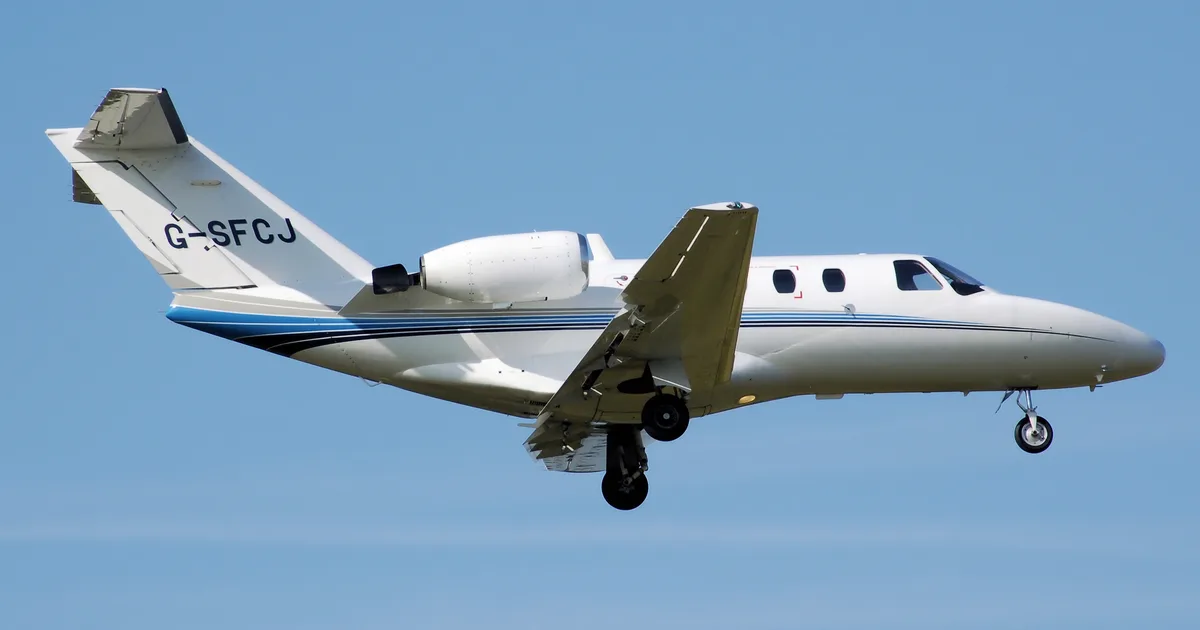
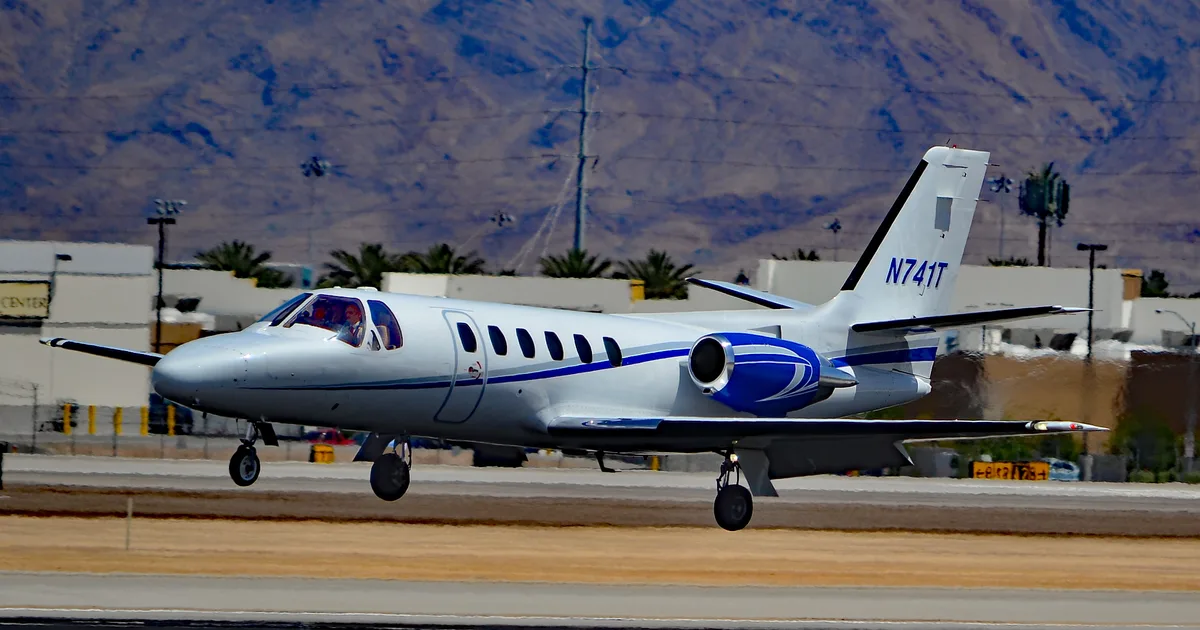
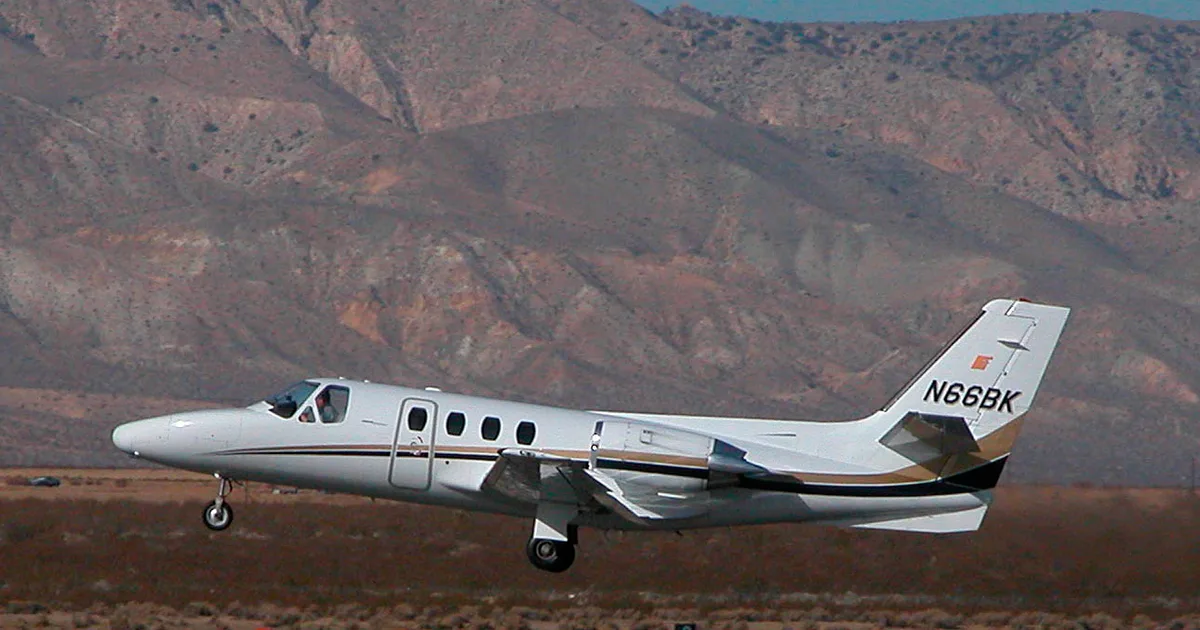
In this document
What to check on a used example
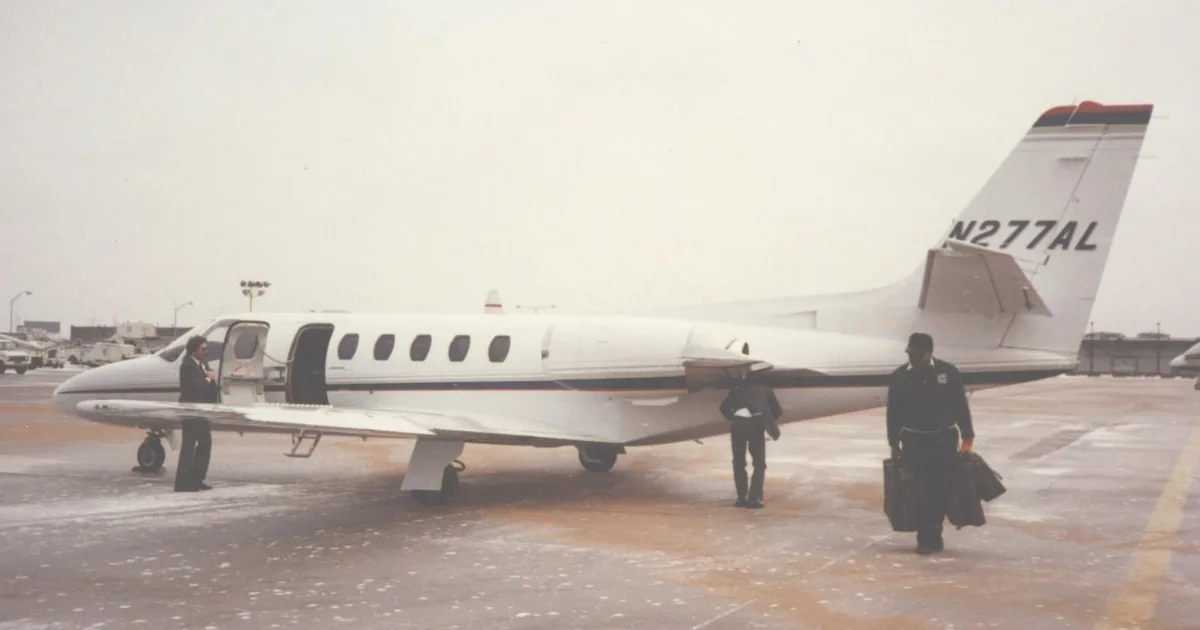
The two sale listings show how much examples vary. The 2006 aircraft has 4,595 hours and 2,800 landings. The 2012 aircraft has 1,350.4 hours and 1,083 landings. Both are on CAMP tracking and an engine program (TAP). Ask for the inspection schedule (Doc 22, Doc 8, Doc 16), damage history, and a pre-buy inspection.
Performance and handling
In the 2004 AOPA test flight (preliminary figures), climb took six minutes to FL250 and 19 minutes to FL430. High-speed cruise at FL430 was 413 KTAS at 740 lb/hr total fuel flow. The listing sheet quotes 151 gal/hr, so verify fuel burn against current operating data. The CJ3 can be flown single-pilot.
Cabin, avionics and options
Collins Pro Line 21 avionics with an FMS-3000 are standard, and the factory build is RVSM-capable. The cabin has a forward refreshment center, airstair entry and a belted lavatory seat. Datalink weather and electronic charts were options, so confirm what each aircraft actually has installed.
Safety notes
- Maximum approved fuel imbalance is 200 lbs; 600 lbs has been demonstrated for emergency return only.
- Engine starts are limited to three per 30 minutes; engine start tailwind limit is 12 knots and crosswind limit is 16 knots.
- Takeoff thrust is nominally limited to 5 minutes (up to 10 minutes with one engine inoperative).
Full document text
Cessna Citation CJ3 Model Guide The Cessna Citation CJ3 (Model 525B) is a twin-turbofan light jet built from 2004 to 2014 and powered by two Williams FJ44-3A engines. The standard cabin is a six-seat club layout, and it can be set up for eight seats. Registry data for the 525B family shows up to 2,040 nm range and a 45,000 ft ceiling. • Two Williams FJ44-3A turbofans with FADEC; max takeoff weight 13,870 lb; six-seat club cabin standard, up to eight seats. • Listing sheet quotes 410 KTAS normal cruise, 417 KTAS max cruise, and 1,244 nm range with seats full. • No thrust reversers; lift-dump flaps, spoilers and anti-skid brakes stopped it in about 2,200 ft in the AOPA test. • Compare engine hours, cycles, engine program enrollment and inspection status; the examples run from 1,350.4 to 4,595 hours. What to check on a used example The two sale listings show how much examples vary. The 2006 aircraft has 4,595 hours and 2,800 landings. The 2012 aircraft has 1,350.4 hours and 1,083 landings. Both are on CAMP tracking and an engine program (TAP). Ask for the inspection schedule (Doc 22, Doc 8, Doc 16), damage history, and a pre-buy inspection. Performance and handling In the 2004 AOPA test flight (preliminary figures), climb took six minutes to FL250 and 19 minutes to FL430. High-speed cruise at FL430 was 413 KTAS at 740 lb/hr total fuel flow. The listing sheet quotes 151 gal/hr, so verify fuel burn against current operating data. The CJ3 can be flown single-pilot. Cabin, avionics and options Collins Pro Line 21 avionics with an FMS-3000 are standard, and the factory build is RVSM-capable. The cabin has a forward refreshment center, airstair entry and a belted lavatory seat. Datalink weather and electronic charts were options, so confirm what each aircraft actually has installed. Safety notes: • Maximum approved fuel imbalance is 200 lbs; 600 lbs has been demonstrated for emergency return only. • Engine starts are limited to three per 30 minutes; engine start tailwind limit is 12 knots and crosswind limit is 16 knots. • Takeoff thrust is nominally limited to 5 minutes (up to 10 minutes with one engine inoperative).