
Emergency Procedures
Emergency Procedures for the Cessna Citation Latitude
PDF, 4 pages, 207 KB, from Sprinkle’s own files.
What it covers
This document provides emergency procedures for the Cessna Citation Latitude (C680A). It is intended for pilots and crew members to ensure safety during abnormal situations and emergencies. The procedures outlined include responses to various emergencies such as APU fire, engine fire, cabin altitude issues, and more. Each section details specific actions to take, ensuring that crew members can respond effectively to maintain control of the aircraft and ensure passenger safety.
Key points
- Maximum Takeoff Weight (MTOW): Specific value not provided in the text.
- Maximum Landing Weight (MLW): Specific value not provided in the text.
- APU Fire response includes activating the APU FIRE Button.
- Engine Fire procedures vary for takeoff and in-flight scenarios.
- Emergency descent procedures require oxygen masks and maximum rate of descent initiation.
Main sections
Limitations
This section outlines critical limitations for the Cessna Citation Latitude, including weight limits, airspeed limitations, and electrical power system constraints. Key values include maximum takeoff weight (MTOW), maximum landing weight (MLW), and maximum zero fuel weight (MZFW). Specific airspeed limitations are provided for various flight conditions.
APU Fire
In the event of an APU fire, the procedure involves activating the APU FIRE Button and following specific steps depending on whether the aircraft is on the ground or in flight. Immediate actions are crucial to mitigate risks and ensure safety.
Engine Fire
The procedures for handling an engine fire differ based on whether the incident occurs during takeoff or in flight. Key actions include managing throttle settings and activating fire suppression systems. The document specifies steps for both scenarios to ensure a safe response.
Emergency Descent
In case of cabin altitude issues, the document instructs crew members to don oxygen masks, select the appropriate MIC SEL buttons, and initiate a maximum rate of descent to a safe altitude.
Uncommanded Engine Thrust
This section details the response to uncommanded engine thrust during various phases of flight, including takeoff and approach. It emphasizes the importance of maintaining control and executing specific throttle and autopilot commands.
Safety notes
- Immediate action is required for APU and engine fire situations.
- Proper use of oxygen masks is critical during cabin altitude emergencies.
- Follow specific procedures for uncommanded engine thrust to maintain control.
The document’s text
Show the text read from the PDF
1 DEPARTAMENTO “SEGURIDAD OPERACIONAL” SUBDEPARTAMENTO “LICENCIAS” SECCIÓN EVALUACIONES “CESSNA CITATION LATITUDE / C680A CC-AXC” NOMBRE : _____________________________________ FIRMA: _________ FECHA : ____________________ A.- Limitations 3.- Weigth (lbs) 2.- Take off and landing limits 1.- Airspeed limitations KIAS/Mach MMO (Above 29.833 feet) VMO (Between 8000 and 29.833 feet) VMO (below 8000 feet) Vlo Vle Vsb (maximum speed brake operation speed) Maximum tire ground speed Maximum autopilot operation speed Maximum design ramp weight Maximum design take off weight (MTOW) Maximum design landing weigt (MLW) Maximum design zero fuel weight (MZFW) 4.- Electrical power system Ground Air < FL350 >FL350 and <FL450 Battery start limit Maximum altitude limit Maximum tailwind component -- 1 of 4 -- 2 B.- EMERGENCIES / ABNORMAL PROCEDURES APU FIRE 1. APU FIRE Button.................................................................................................... AT HOLD FAIL 1. Takeoff.................................................................................................................. BATTERY O’TEMP L and/or R 1. BATT Button (affected side)..................................................................................... CABIN ALTITUDE 1. Oxygen Masks............................................................................................... 2. MIC SEL Buttons (Both)............................................................................................... 3. Initiate maximum rate of descent to a safe altitude. EMERGENCY DESCENT and EDM 1. Oxygen Masks............................................................................................... 2. MIC SEL Buttons (Both)............................................................................................... 3. Initiate maximum rate of descent to a safe altitude. ENGINE FIRE L or R • Takeoff Above V1 or In Flight 1. Autothrottle..................................................................................................... 2. Throttle (affected engine).......................................................................................... 3. WING XFLOW ANTI-ICE Button (if bleed air anti-ice systems are on)......................................................................... If ENG FIRE Light Still Illuminated After 15 Seconds (Probable Fire) 4. ENG FIRE Button (illuminated Side).................................................................... 5. BOTTLE ARMED Button (either illuminated side)............................................... • Takeoff Below V1 or On Ground 1. Takeoff.................................................................................................................. NO TAKEOFF 1. Takeoff.................................................................................................................. T/R DEPLOY L or R 1. T/R EMER STOW Button (flashing button).................................................................... 2. Throttle (affected engine)............................................................................................... 3. Airspeed........................................................................... -- 2 of 4 -- 3 WINDSHEAR 1. Autothrottle........................................................................................................... 2. Autopilot............................................................................................................... 3. Throttles............................................................................................................................ 4. Pitch Attitude.............................................................................. 5. SPEEDBRAKE Handle................................................................................................... Engine Failure or Other Emergency/During Takeoff • Speed Below V1 1. Takeoff.................................................................................................................... • If Speed at or Above V1 1. Takeoff.................................................................................... 2. WING XFLOW ANTI-ICE Button (if bleed air anti-ice systems are on)......................................................................... Engine Failure During Final Approach 1. FLAP Selector...................................................................................................................... 2. Airspeed....................................................................................................................... Dual Engine Flameout - Cruise 1. Crew Oxygen Masks (if required)............................................................... Dual Engine Flameout - Low Altitude 1. Fuel................................................................................................ 2. FUEL BOOST PUMP Buttons (both)............................................................................... 3. ENGINE RUN/STOP Buttons (both)....................................................................................... Uncommanded Engine Thrust • During Takeoff Below V1 1. Takeoff.................................................................................................................... 2. ENG FIRE Button (affected side).............................................................................. • During Takeoff Above V1, Climb, Cruise, or Descent 1. Climb to safe altitude • During Approach 1. TO/GA Button (either throttle)................................................................................... 2. Throttles....................................................................................................................... 3. Airplane Pitch Attitude................................................................................... • During Landing Roll 1. Directional Control (rudder, NWS, differential braking)....................................... 2. ENG FIRE Button (affected side).............................................................................. Electrical System Smoke or Fire 1. Oxygen Masks/Goggles............................................................................ Environmental System Smoke or Odor 1. Oxygen Masks/Goggles............................................................................ -- 3 of 4 -- 4 Smoke Removal 1. Oxygen Masks/Goggles............................................................................ Hydraulic Wheel Brake Failure 1. Brake Pedals................................................................................................. 2. EMERGENCY BRAKE Handle.............................................. Aileron Trim Runaway 1. AP/TRIM/NWS DISC Button...................................................................... Uncommanded Roll 1. AP/TRIM/NWS DISC Button...................................................................................... Primary Pitch Trim Runaway 1. AP/TRIM/NWS DISC Button...................................................................... Secondary Pitch Trim Runaway 1. SECONDARY TRIM Button........................................................................................ Rudder Trim Runaway 1. AP/TRIM/NSW DISC Button...................................................................... Jammed Pitch or Roll Control System 1. Stabilizer Trim Switch......................................... 2. Control Wheel............................................................................................ 3. PITCH/ROLL Disconnect Handle........................................................... 4. Operative Control Wheel............................................ Nosewheel Steering Malfunction 1. AP/TRIM/NSW DISC Button........................................................................ Total Loss of or Unreliable Airspeed Indication (Pilot, Copilot, and Standby) 1. Autothrottle........................................................................................................ 2. Autopilot............................................................................................................. 3. Yaw Damper...................................................................................................... 4. PITOT/STATIC ANTI-ICE Buttons (both)....................................................... Inadvertant Stall (Stick Shaker, Buffet, and/or Roll-Off) 1. AP/TRIM/NWS DISC Button....................................................................................... 2. Pitch Attitude........................................................................................................ 3. Roll Attitude..................................................................................................... 4. Autothrottle........................................................................................................ 5.Throttles.......................................................................................................................... -- 4 of 4 --
Read from the PDF by machine, so tables and diagrams come out rough. The PDF is the document.
More Cessna Citation Latitude documents
All 11 →- Cessna Citation Latitude Model Guide
The Cessna Citation Latitude is a twin-engine midsize business jet, in production since 2015, seating 7 to 9. It has two Pratt & Whitney Canada PW306D1 turbofans and Garmin G5000 avionics. The brochure lists up to 446 ktas, a 2,850 nm ferry range and a 6 ft stand-up cabin.
- Citation Latitude Optional Equipment Selection Guide
This document is the Optional Equipment Selection Guide for the Cessna Citation Latitude, effective for aircraft to be delivered in 2024. It outlines various optional equipment available for the aircraft, including avionics, communication systems, and safety features. The guide serves as a reference for purchasers and operators to understand the available options and their specifications. It includes details on pricing, estimated weights, and warranty periods for each option. The document emphasizes that optional equipment and vendors are subject to change without notice, and it provides definitions for terms used throughout the guide.
- Service Advisory 2186
This document is a service advisory for owners and operators of Garmin G3000 and G5000 products, specifically addressing database update procedures for the Cessna Citation Latitude and other models. It outlines the steps necessary to update the navigation database and other supplemental databases, ensuring that operators can maintain the functionality and accuracy of their avionics systems. The advisory includes detailed instructions for loading, activating, and verifying database updates, as well as troubleshooting steps for database issues. This document is essential for pilots and maintenance personnel to ensure compliance with the latest software updates and operational standards.
- Engineering Review Of Data From 680A-0010 On August 15, 2019
This document is an engineering review of flight data recorded from the Cessna Citation Latitude (Model 680A) during a flight on August 15, 2019. It provides a detailed analysis of the flight's performance, including takeoff, cruise, descent, and landing phases. The report is intended for engineers and pilots to understand the aircraft's operational characteristics and to identify any issues that may have arisen during the flight. Key data points include landing weight, ambient conditions, and landing distances, along with observations regarding airspeed management and thrust reverser usage during landing.
- Cessna Citation Latitude
This document serves as a checklist for the Cessna Citation Latitude, specifically for the aircraft with MSN 680A-0203. It outlines the aircraft specifications, including total flight hours, landings, engine model, and interior details. The document is intended for pilots and aviation professionals who operate or maintain the Citation Latitude, providing essential information about the aircraft's systems and configurations. Key features include advanced avionics, cabin specifications, and safety equipment, ensuring that users have a comprehensive understanding of the aircraft's capabilities and requirements.
- 2018 Cessna Citation Latitude / N68HA
This document provides detailed specifications and highlights for the 2018 Cessna Citation Latitude, specifically the aircraft with registration N68HA. It includes information on airframe and engine total times, maintenance history, avionics systems, warranties, and interior and exterior features. The document is intended for potential buyers and aviation enthusiasts, offering insights into the aircraft's condition, capabilities, and equipment. Key highlights include low total flight hours, warranty details, and a comprehensive list of avionics and features that enhance the aircraft's operational capabilities.
- 2017 Cessna Citation Latitude
This document provides a comprehensive systems description for the 2017 Cessna Citation Latitude, specifically serial number 680A-0048. It includes detailed specifications, operational features, and equipment information relevant to pilots and aviation enthusiasts. The document serves as a reference for understanding the aircraft's capabilities, systems, and configurations, ensuring that users have access to essential data for operation and maintenance. It highlights the aircraft's performance metrics, avionics systems, and interior layout, making it a valuable resource for current and prospective owners and operators.
- Cessna Citation Latitude Specifications
This document provides technical specifications for the Cessna Citation Latitude, a business jet designed for comfort and efficiency. It details the aircraft's capacity, performance metrics, and features that enhance the flying experience for both passengers and pilots. The Citation Latitude is notable for its spacious cabin, advanced avionics, and operational capabilities, making it a competitive choice in its class. The information is relevant for pilots, operators, and aviation enthusiasts seeking to understand the capabilities and specifications of this aircraft model.
Cessna 680 for sale now
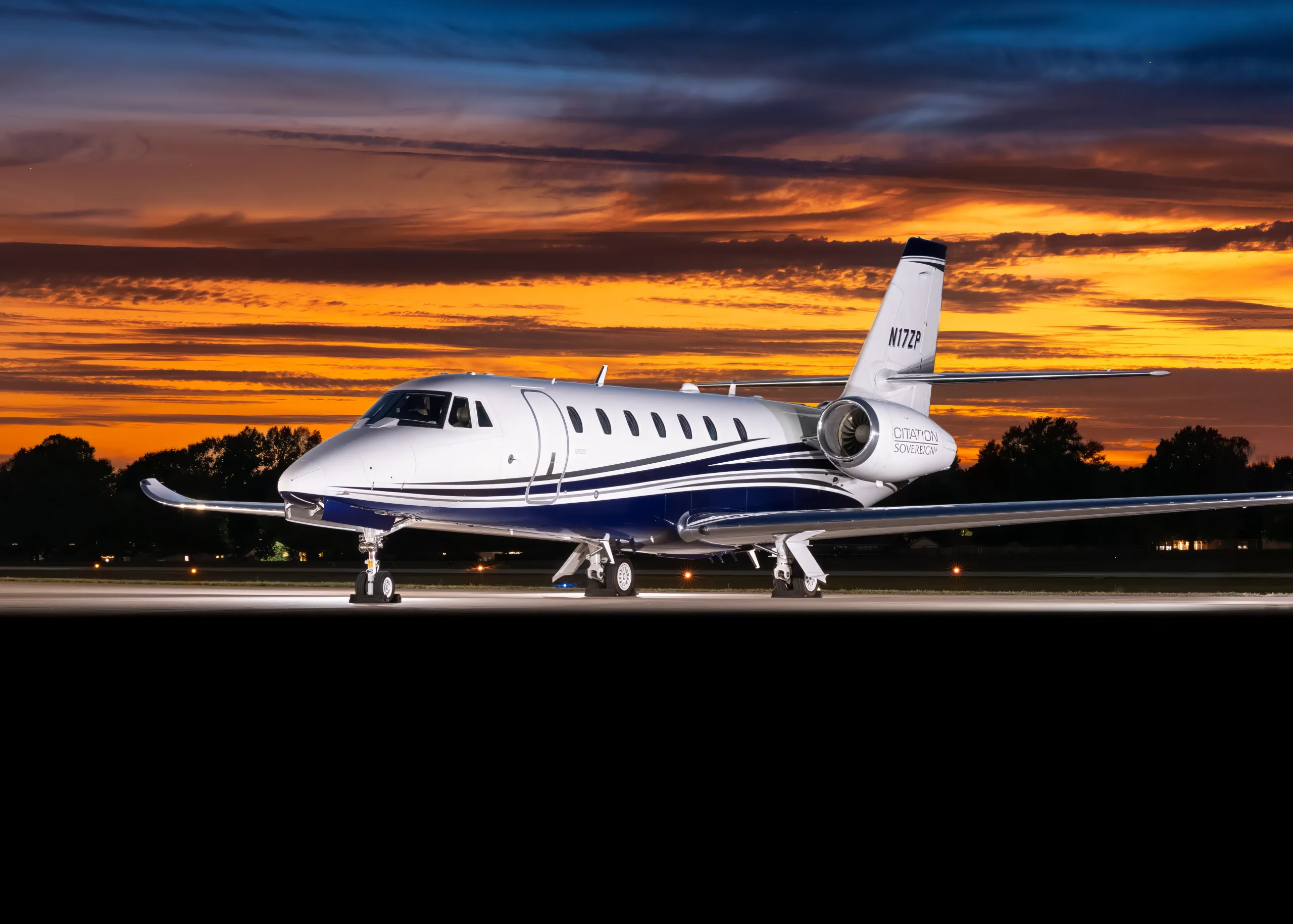
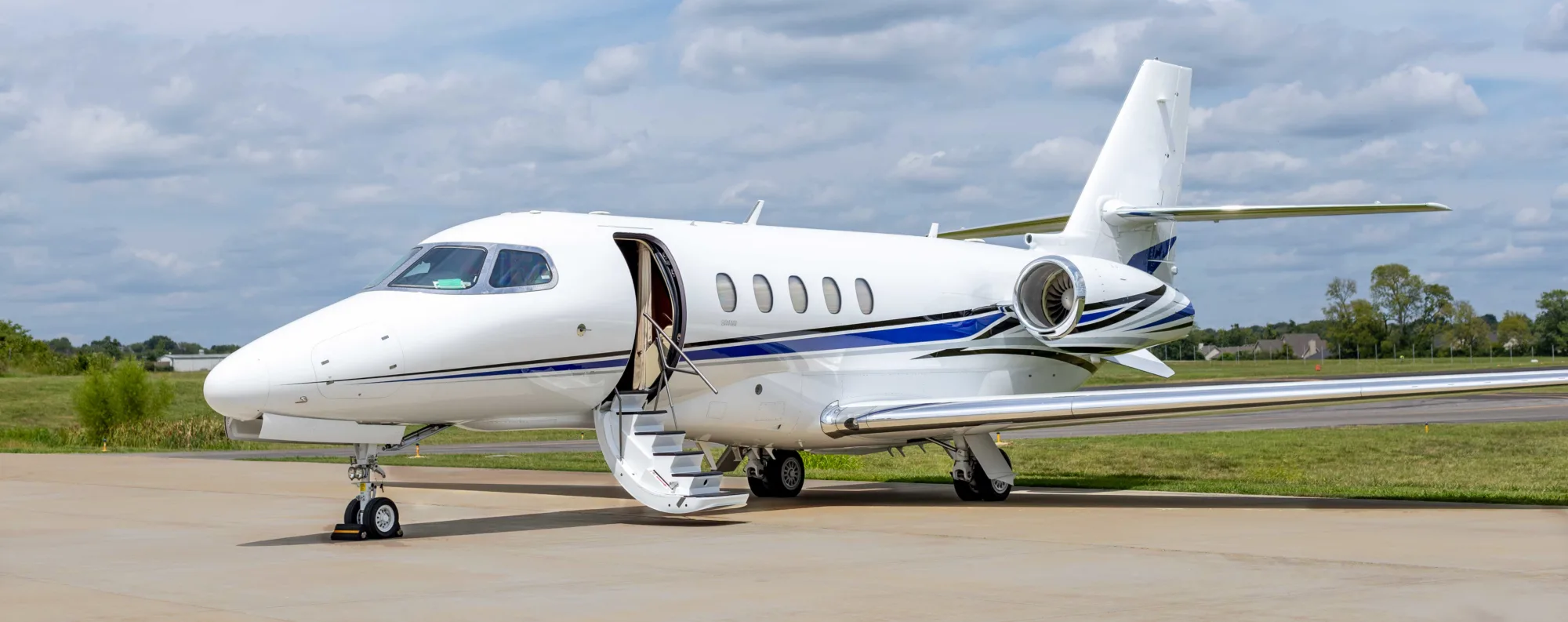
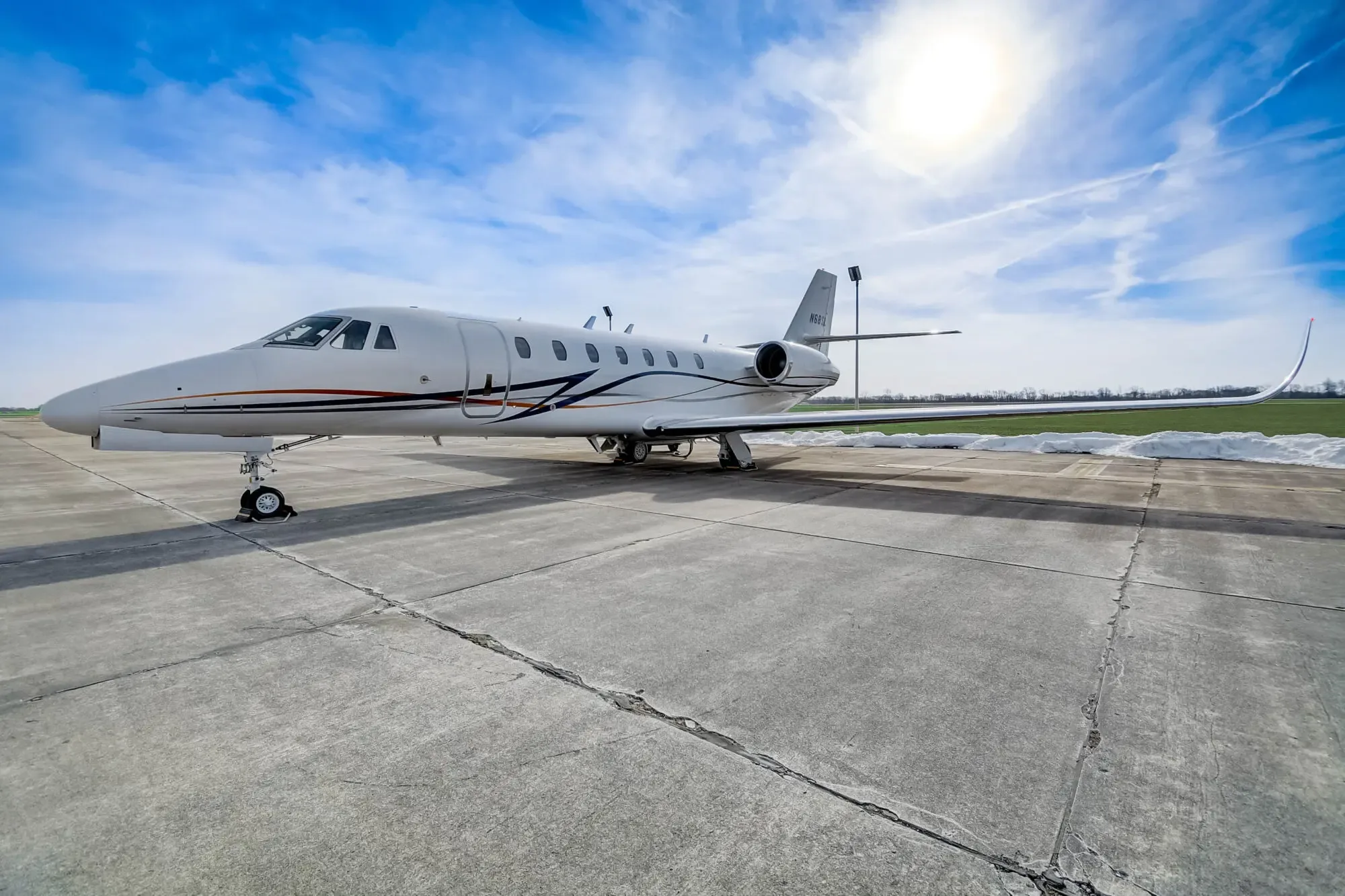
View all 64 for sale →Aircraft that this emergency procedures covers, listed on the sites Sprinkle reads. Asking prices, not sales. Cessna 680 asking prices by year built.
Also useful for the Cessna Citation Latitude
From Sprinkle’s library of aircraft documents. PDFs open from Sprinkle’s own files. Read Feb 17, 2026.
Want this document taken down? Request removal