
Pilot's Operating Handbook
Pilot's Operating Handbook for the Cessna Reims-Cessna F150
PDF, 76 pages, 7.7 MB, from Sprinkle’s own files.
What it covers
This Pilot's Operating Handbook (POH) provides essential information for the operation of the Reims-Cessna F150. It is designed for pilots and aviation enthusiasts, offering detailed guidance on the aircraft's performance, systems, and operational procedures. The handbook includes specifications, checklists, and safety information critical for safe flight operations. It serves as a comprehensive reference for understanding the aircraft's capabilities and limitations, ensuring that pilots can operate the F150 effectively and safely.
Key points
- Maximum takeoff weight: 1,600 lbs (726 kg)
- Cruise speed: approximately 90 knots
- Stall speed in landing configuration: 47 knots
- Takeoff distance: approximately 1,200 feet
- Climb rate: about 700 feet per minute
Figures in this document
As the document states them. Check them against the PDF before you rely on one.
Specifications
- Range (nm)
- 475
- Engine (hp)
- 100
- Height (ft)
- 8
- Length (ft)
- 23
- Propeller
- Fixed Pitch
- Wingspan (ft)
- 33
- Engine model
- 0-200-A
- Empty weight (lb)
- 980
- Fuel capacity (gal)
- 26
- Rate of climb (fpm)
- 720
- Service ceiling (ft)
- 12,650
- Max takeoff weight (lb)
- 1,065
Performance
- Fuel burn (gph)
- 16
- Landing over 50ft
- 445
- Takeoff over 50ft
- 1,385
- Landing distance (ft)
- 1,075
- Takeoff distance (ft)
- 1,385
Weight and balance
- Useful load (lb)
- 620
- Max ramp weight (lb)
- 1,065
- Baggage allowance (lb)
- 120
- Basic empty weight (lb)
- 980
- Max landing weight (lb)
- 1,065
- Max takeoff weight (lb)
- 1,065
Main sections
Aircraft Specifications
The Reims-Cessna F150 features a maximum takeoff weight of 1,600 lbs (726 kg) and a useful load of approximately 500 lbs (227 kg). The aircraft is powered by a Lycoming O-235 engine, providing 110 horsepower. The stall speed in landing configuration is 47 knots, while the cruise speed is around 90 knots.
Performance Data
The F150 has a takeoff distance of approximately 1,200 feet at sea level under standard conditions. The climb rate is about 700 feet per minute. The maximum range of the aircraft is approximately 400 nautical miles with standard fuel capacity.
Operating Procedures
Pilots should perform a thorough preflight inspection, including checking fuel levels, control surfaces, and engine oil. The recommended engine start procedure includes priming the engine and using the starter while monitoring the oil pressure after start.
Emergency Procedures
In the event of an engine failure during takeoff, pilots should maintain control of the aircraft and attempt to land straight ahead. If an emergency landing is necessary, prioritize finding a suitable landing area.
Safety notes
- Always perform a thorough preflight inspection before flight.
- Monitor oil pressure immediately after engine start.
- In case of engine failure, maintain control and land straight ahead.
The document’s text
Show the text read from the PDF
CESSNA MORE PEOPLE BUY AND FLY CESSNA AIRPLANES THAN ANY OTHER MAKE MODEL 150 1972 WORLD'S LARGEST PRO. DUCER OF GENERAL AVIATION AIRCRAFT SINCE 1956 OWNER'S MANUAL PERFORMANCE - SPECIFICATIONS Model 150* GROSS WEIGHT. SPEED: Top Speed at Sea Levei.. Cruise, 75 Power at 7000 ft RANGE: Cruise, 75% Power at 7000 ft. 22. 5 Gallons, No Reserve Cruise, 75 Power at 7000 ft. 35 Gallons, No Reserve Optimum Range at 10,000 ft 22. 5 Gallons, No Reserve Optimum Range at 10,000 ft 35 Gallons, No Reserve RATE OF CLIMB AT SEA LEVEL SERVICE CEILING TAKE-OFF: Ground Run. Total Distance Over 50-Ft Obstacle LANDING: Ground Roll Total Distance Over 50-Ft Obstacle STALL SPEEDS: Flaps Up, Power Off Flaps Down, Power Off BAGGAGE POWER LOADING: Pounds/HP. FUEL CAPACITY: Total Standard Tanks. Optional Long Range Tanks. OIL CAPACITY: Total. PROPELLER: Fixed Pitch (Diameter). ENGINE: Continental Engine . . 100 rated HP at 2750 RPM 1600 lbs 122 mph 117 mph 475 mi 4.1 hrs 117 mph 725 mi 6.2 hrs 117 mph 565 mi 6.1 hrs 93 mph 880 mi 9.4 hrs 93 mph 670 tpm 12, 650 ft 735 it 1385 ft 445 fl 1075 (t 55 mph 48 mph 120 lbs 16.0 26 gal. 38 gal. 6 qts 69 inches 0-200-A Standard Trainer Commuter F150 EMPTY WEIGHT: (Approximate) USEFUL LOAD: (Approximate). WING LOADING: Pounds Sq Foot. 980 lbs 620 lbs 10.2 1000 lbs 1065 lbs 600 lbs 535 lbs 10.2 10.0 985 lbs 615 lbs 10.0 This manual covers operation of the Model 150 which is certificated as Model 150L under FAA Type Certificate No. 3A19. The manual also covers operation of the Model Reims/Cessna F150 which is certificated as Model F150L under French Type Certificate No. 38/3 and FAA Type Certificate No. A13EU The Model F150. manufactured by Reims Aviation SA. Reims (Marne), France, is identical to the 150 except that it is powered by an 0-200 A engine manufactured under license by Rolls Royce. Crewe England D901-13-RAND-3000-6/76 CONGRATULATIONS . . . . Welcome to the ranks of Cessna owners! Your Cessna has been designed and con- structed to give you the most in performance, economy, and comfort. It is our de- sire that you will find flying it, either for business or pleasure, a pleasant and profitable experience. This Owner's Manual has been prepared as a guide to help you get the most pleasure and utility from your Model 150. It contains information about your Cessna's equip- ment, operating procedures, and performance; and suggestions for its servicing and care. We urge you to read it from cover to cover, and to refer to it frequently. Our interest in your flying pleasure has not ceased with your purchase of a Cessna. World-wide, the Cessna Dealer Organization backed by the Cessna Service Depart- ment stands ready to serve you. The following services are offered by most Cessna Dealers: 13 THE CESSNA WARRANTY It is designed to provide you with the most comprehensive coverage possible: a. b. C. d. No exclusions Coverage includes parts and labor Available at Cessna Dealers world wide Best in the industry Specific benefits and provisions of the warranty plus other important benefits for you are contained in your Customer Care Program book supplied with your aircraft. Warranty service is available to you at any authorized Cessna Dealer throughout the world upon presentation of your Customer Care Card which establishes your eligibility under the warranty. FACTORY TRAINED PERSONNEL to provide you with courteous expert service. FACTORY APPROVED SERVICE EQUIPMENT to provide you with the most efficient and accurate workmanship possible. A STOCK OF GENUINE CESSNA SERVICE PARTS on hand when you need them. THE LATEST AUTHORITATIVE INFORMATION FOR SERVICING CESSNA AIRPLANES, since Cessna Dealers have all of the Service Manuals and Parts Catalogs, kept current by Service Letters and Service News Letters, published by Cessna Aircraft Company. We urge all Cessna owners to use the Cessna Dealer Organization to the fullest. A current Cessna Dealer Directory accompanies your new airplane. The Directory is revised frequently, and a current copy can be obtained from your Cessna Dealer. Make your Directory one of your cross-country flight planning aids; a warm welcome awaits you at every Cessna Dealer. i ii Maximum height of airplane with nose gear depressed, all tires and nose strut properly inflated, and optional flashing beacon installed. **Maximum wing span if optional conical camber wing tips and optional strobe lights are installed. If standard wing tips without strobe lights are installed, wing span is 32'-8 1/2". PRINCIPAL DIMENSIONS 5' 9" MAX. 10'-0" **33'-4". 7'-7¼" T 23'-9" *8'-0" MAX. M TABLE OF CONTENTS SECTION I OPERATING CHECK LIST SECTION II - DESCRIPTION AND Page = 1-1 OPERATING DETAILS 2-1 SECTION III G EMERGENCY PROCEDURES 3-1 ------ SECTION IV - OPERATING LIMITATIONS - 4-1 SECTION V - - CARE OF THE AIRPLANE 5-1 OWNER FOLLOW-UP SYSTEM SECTION VI - SECTION VII- OPTIONAL SYSTEMS... 5-11 OPERATIONAL DATA..... 6-1 7-1 This manual describes the operation and performance of the Standard Model 150, the Trainer and the Commuter. Equip- ment described as "Optional" denotes that the subject equipment is optional on the Standard airplane. Much of this equipment is standard on the Trainer and Commuter. iii Section I OPERATING CHECK LIST One of the first steps in obtaining the utmost performance, service, and flying enjoyment from your Cessna is to familiarize yourself with your airplane's equipment, systems, and controls. This can best be done by reviewing this equipment while sitting in the airplane. Those items whose function and operation are not obvious are covered in Section II. Section I lists, in Pilot's Check List form, the steps necessary to operate your airplane efficiently and safely. It is not a check list in its true form as it is considerably longer, but it does cover briefly all of the points that you should know for a typical flight. The flight and operational characteristics of your airplane are normal in all respects. There are no unconventional characteristics or oper- ations that need to be mastered. All controls respond in the normal way within the entire range of operation. All airspeeds mentioned in Sections I, II and III are indicated airspeeds. Corresponding calibrated airspeeds may be obtained from the Airspeed Correction Table in Section VI. BEFORE ENTERING THE AIRPLANE. (1) Make an exterior inspection in accordance with figure 1-1. BEFORE STARTING THE ENGINE. (1) Seats, Seat Belts, and Shoulder Harnesses (2) Fuel Shutoff Valve Handle -- "ON." (3) Brakes -- Test and set. (4) Radios and Electrical Equipment -- "OFF." -- Adjust and lock. 1-1 8 EXTERIOR 1 a. 1-2 7 5 (1) 4 3 INSPECTION 2 Note Visually check aircraft for general condition during walk- around inspection. In cold weather, remove even small accumulations of frost, ice or snow from wing, tail and control surfaces. Also, make sure that control surfaces contain no internal accumulations of ice or debris. If night flight is planned, check operation of all lights, and make sure a flashlight is available. Remove control wheel lock. b. Check ignition switch "OFF." C. Turn on master switch and check fuel quantity indicators, then turn master switch "OFF." d. Check fuel shutoff valve handle "ON." Figure 2 a. 3 (4) (50 6 7 b. c. a. a. b. C. a. b. C. d. e. f. g. h. Remove rudder gust lock, if installed. Disconnect tail tie-down. Check control surfaces for freedom of movement and security. Check aileron for freedom of movement and security. Disconnect wing tie-down. Check main wheel tire for proper inflation. Visually check fuel quantity, then check fuel filler cap secure. Check oil level. Do not operate with less than four quarts. Fill to six quarts for extended flight. Before first flight of day and after each refueling, pull out strainer drain knob for about four seconds to clear fuel strainer of possible water and sediment. Check strainer drain closed. If water is observed, there is a possibility that the wing tank sumps contain water. Thus, the wing tank sump drain plugs and fuel line drain plug should be removed to check for presence of water. Check propeller and spinner for nicks and security. Check carburetor air filter for restrictions by dust or other foreign matter. Check landing light for condition and cleanliness. Check nose wheel strut and tire for proper inflation. Disconnect nose tie-down. Inspect flight instrument static source opening on left side of fuselage for stoppage. a. Visually check fuel quantity, then check fuel filler cap secure. b. Check main wheel tire for proper inflation. a. Remove pitot tube cover, if installed, and check pitot tube opening for stoppage. b. Check stall warning vent opening for stoppage. d. Disconnect wing tie-down. C. Check fuel tank vent opening for stoppage. 8 a. Check aileron for freedom of movement and security. 1-1. 1-3 BEFORE STARTING THE ENGINE. (1) Seats, Seat Belts, and Shoulder Harnesses (2) Fuel Shutoff Valve Handle (3) Brakes Test and set. -- "ON." (4) Radios and Electrical Equipment -- "OFF." Adjust and lock. STARTING THE ENGINE. (1) Carburetor Heat Cold. (2) Mixture Rich. -- (3) Primer - As required. (4) Throttle -- -- · Open 1/4 inch. "ON." (5) Master Switch (6) Propeller Area (7) Ignition Switch (8) Oil Pressure -- -- -- - Clear. "START" (release when engine starts). Check. BEFORE TAKE-OFF. (1) Cabin Doors -- Latched. -- (2) Flight Controls Check for free and correct movement. (3) Elevator Trim Control Wheel "TAKE-OFF" setting. -- (4) Throttle Setting 1700 RPM. -- (5) Engine Instruments Within green arc. -- (6) Suction Gage -- Check in green arc (4.6 to 5.4 inches of mercury). (7) Magnetos Check (RPM drop should not exceed 150 RPM on -- either magneto or 75 RPM differential between magnetos). (8) Carburetor Heat Check operation. (9) Flight Instruments and Radios (10) Optional Wing Leveler -- "OFF." Set. TAKE-OFF. NORMAL TAKE-OFF. (1) Wing Flaps -- Up. (2) Carburetor Heat Cold. (3) Throttle Full "OPEN." - 1-4 (4) Elevator Control -- -- Lift nose wheel at 55 MPH. (5) Climb Speed 70 to 80 MPH. MAXIMUM PERFORMANCE TAKE-OFF. (1) Wing Flaps - Up. (2) Carburetor Heat (3) Brakes Hold. (4) Throttle Cold. Full "OPEN." (5) Brakes - Release. -- (6) Elevator Control (7) Climb Speed -- -- Slightly tail low. 70 MPH (with obstacles ahead). CLIMB. -- (1) Airspeed 75 to 85 MPH. NOTE If a maximum performance climb is necessary, use speeds shown in the Maximum Rate-Of-Climb Data Chart in Section VI. (2) Throttle Full "OPEN." -- (3) Mixture Rich (unless engine is rough). -- CRUISING. (1) Power -- 2000 to 2750 RPM. (2) Elevator Trim Control Wheel (3) Mixture -- Lean to maximum RPM. -- Adjust. BEFORE LANDING. (1) Mixture Rich. -- (2) Carburetor Heat -- Apply full heat before closing throttle. (3) Airspeed. 70 to 80 MPH (flaps up). -- (4) Wing Flaps As desired below 100 MPH. (5) Airspeed -- 60 to 70 MPH (flaps extended). 1-5 BALKED LANDING (GO-AROUND). (1) Throttle Full "OPEN." (2) Carburetor Heat Cold. -- (3) Wing Flaps Retract to 20°. (4) Upon reaching an airspeed of approximately 65 MPH, retract flaps slowly. NORMAL LANDING. (1) Touchdown -- Main wheels first. (2) Landing Roll Lower nose wheel gently. (3) Braking -- Minimum required. AFTER LANDING. (1) Wing Flaps -- Up. (2) Carburetor Heat Cold. -- SECURING AIRCRAFT. (1) Parking Brake -- Set. (2) Radios and Electrical Equipment -- "OFF." (3) Mixture Idle cut-off (pulled full out). (4) Ignition and Master Switches - "OFF." (5) Control Lock -- Installed. 1-6 1-7 1 2 3 4 5 INSTRUMENT PANEL 6 7 89 10 11 12 13 14 15 16 17 1000000 000000000 37 36 35 34 33 32 31 30 29 28 27 26 7 JE2.50 SPIR TEXE 25 24 23 22 21 20 19 18 1. Turn Coordinator (Opt.) 2. Airspeed Indicator 3. Directional Gyro (Opt.) 4. Gyro Horizon (Opt.) 5. Clock (Opt.) 6. Aircraft Registration Number 7. Vertical Speed Indicator (Opt.) 8. Altimeter 9. Marker Beacon Indicator Lights and Switches/Radio Transmitter Selector Switch (Opt.) 10. Omni Course Indicators (Opt.) 11. Rear View Mirror and Control (Opt.) 12. Radios (Opt.) 13. Tachometer 14. Fuel and Oil Gages 15. ADF Bearing Indicator (Opt.) 16. Suction Gage (Opt.) 17. Ammeter 18. Over-Voltage Warning Light 19. Map Compartment 20. Cabin Air/Heat Control Knobs 21. Wing Flap Switch 22. Cigar Lighter (Opt.) 23. Mixture Control Knob 25. Microphone (Opt.) 26. Elevator Trim Control Wheel 27. Throttle 28. Carburetor Heat Control Knob 29. Electrical Switches 30. Fuses 31, Alternator Circuit Breaker 32. Radio Dial Light Rheostat 33. Panel Lights Rheostat 34. Ignition/Starter Switch 35. Master Switch 36. Primer 24. Wing Leveler Control Knob (Opt.) 37. Parking Brake Knob 1-8 Figure 2-1. Section II DESCRIPTION AND OPERATING DETAILS The following paragraphs describe the systems and equipment whose function and operation is not obvious when sitting in the airplane. This section also covers in somewhat greater detail some of the items listed in Check List form in Section I that require further explanation. FUEL SYSTEM. Fuel is supplied to the engine from two tanks, one in each wing. From these tanks, fuel flows by gravity through a fuel shutoff valve and fuel strainer to the carburetor. Refer to figure 2-2 for fuel quantity data. For fuel system service information, refer to Lubrication and Servicing Procedures in Section V. FUEL STRAINER DRAIN KNOB. Refer to fuel strainer servicing procedure, Section V. FUEL QUANTITY DATA (U.S. GALLONS) TANKS USABLE FUEL ALL FLIGHT CONDITIONS TOTAL UNUSABLE FUEL FUEL VOLUME TWO, STANDARD WING (13 GAL. EACH) 22.5 3.5 26.0 TWO, LONG RANGE WING (19 GAL. EACH) 35.0 3.0 38.0 Figure 2-2. 2-1
Read from the PDF by machine, so tables and diagrams come out rough. The PDF is the document.
More Cessna Reims-Cessna F150 documents
All 9 →- Cessna 150 illustrated parts catalog pdf
The Cessna 150 illustrated parts catalog provides a comprehensive reference for parts associated with the Cessna 150 and F150 aircraft models. It includes interactive features for searching and printing parts illustrations, and is available for free download in PDF format.
- Accident to the REIMS CESSNA F 150 M registered F-BXNO
This document is an investigation report by the Bureau d'Enquêtes et d'Analyses (BEA) regarding an accident involving the Reims-Cessna F150 M aircraft, registered F-BXNO, which occurred on June 20, 2020. The report aims to enhance aviation safety by analyzing the circumstances surrounding the accident without assigning blame. It details the flight history, pilot information, meteorological conditions, and the aircraft's specifications, including fuel management issues that led to the accident. The report highlights the importance of proper fuel management and the implications of inoperative fuel gauges, which contributed to the pilot's miscalculation of fuel requirements for the flight.
- AAIB Bulletin: 11/2020
This document is an AAIB (Air Accidents Investigation Branch) bulletin detailing a serious incident involving the Reims Cessna F150M aircraft, registration G-CSBM. The incident occurred on July 10, 2020, when the aircraft experienced engine power loss due to fuel exhaustion during a flight from Blackbushe Airport to Sandown Airport. The pilot made a precautionary landing in a field, resulting in no injuries or damage to the aircraft. The bulletin highlights the importance of accurate fuel management and the risks associated with using incorrect fuel dipsticks. It serves as a reminder for pilots to ensure they use the correct dipstick calibrated for their specific aircraft model and to monitor fuel levels accurately before and during flights.
- Model 150 Series 1977 Service Manual
This service manual provides comprehensive information for the maintenance and servicing of Cessna Model 150-Series aircraft, including the Reims/Cessna F150. It is designed for both experienced mechanics and those less familiar with aircraft maintenance, offering step-by-step procedures and factory-recommended practices. The manual covers various aspects of the aircraft, including general descriptions, specifications, ground handling, servicing, and inspection procedures. It also includes temporary revisions to ensure that users have the most current information available. The manual emphasizes the importance of using approved parts and adhering to recommended inspection and maintenance intervals to ensure safety and reliability.
- Cessna 150 Owner's Manual
This manual serves as a comprehensive guide for the Reims-Cessna F150, detailing its operation, performance, and maintenance requirements. It is designed for pilots and owners to maximize the utility and enjoyment of their aircraft. The manual includes specifications, operational limitations, and care instructions, ensuring that users are well-informed about the aircraft's systems and procedures. It emphasizes the importance of familiarization with the aircraft's equipment and provides insights into servicing and care, supported by the Cessna Dealer Organization.
- Airplane Flight Manual
The Cessna 150 is a two-seat, single-engine, high-wing general aviation aircraft that has been widely recognized for its reliability and ease of operation. This manual serves as a comprehensive guide for the Cessna 150, specifically the Model 150L and the Reims/Cessna F150, which shares many characteristics with the Cessna 150 but is powered by a different engine. The manual includes detailed information on performance specifications, operational procedures, and maintenance guidelines, ensuring that owners can maximize their flying experience. With a focus on safety and efficiency, the manual emphasizes the importance of familiarizing oneself with the aircraft's systems and controls before flight. It also highlights the support available through the Cessna Dealer Organization, which provides expert service and genuine parts to enhance the ownership experience.
- Emergency Procedures for the Reims-Cessna F150
The Cessna 150 Aerobat, certified as Model A150K under FAA Type Certificate No. 3A19, is designed for aerobatic maneuvers and general aviation. This aircraft features specially designed seats that accommodate parachutes, ensuring safety during aerobatic flight. The manual provides comprehensive guidance on operating procedures, performance specifications, and maintenance care, aiming to enhance the flying experience for both business and leisure. The Reims/Cessna F150 Aerobat, certified as Model FA150K, shares similar operational characteristics and specifications, making this manual relevant for both models. Owners are encouraged to familiarize themselves with the aircraft's systems and controls to maximize performance and safety.
Cessna 150 for sale now
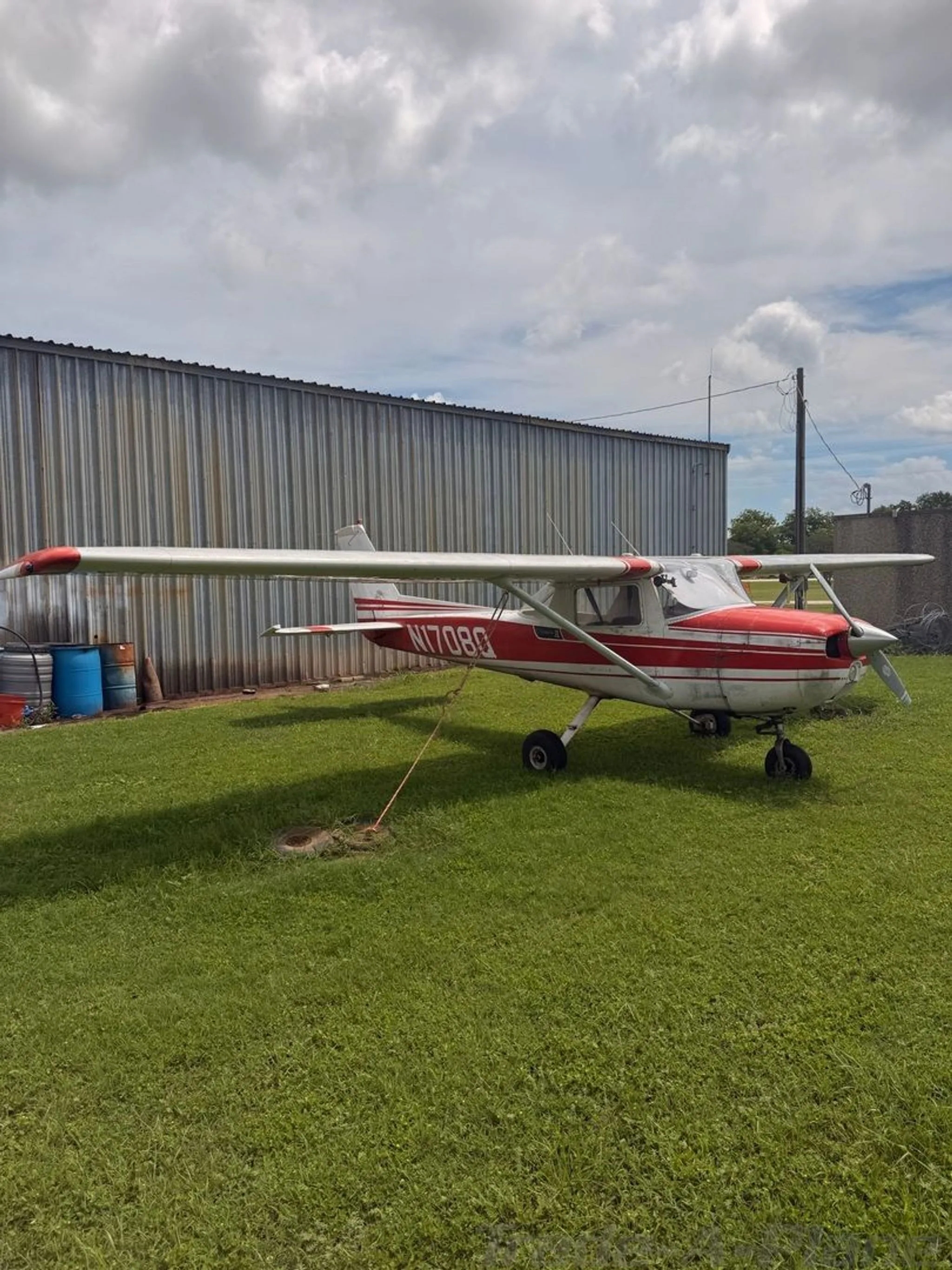
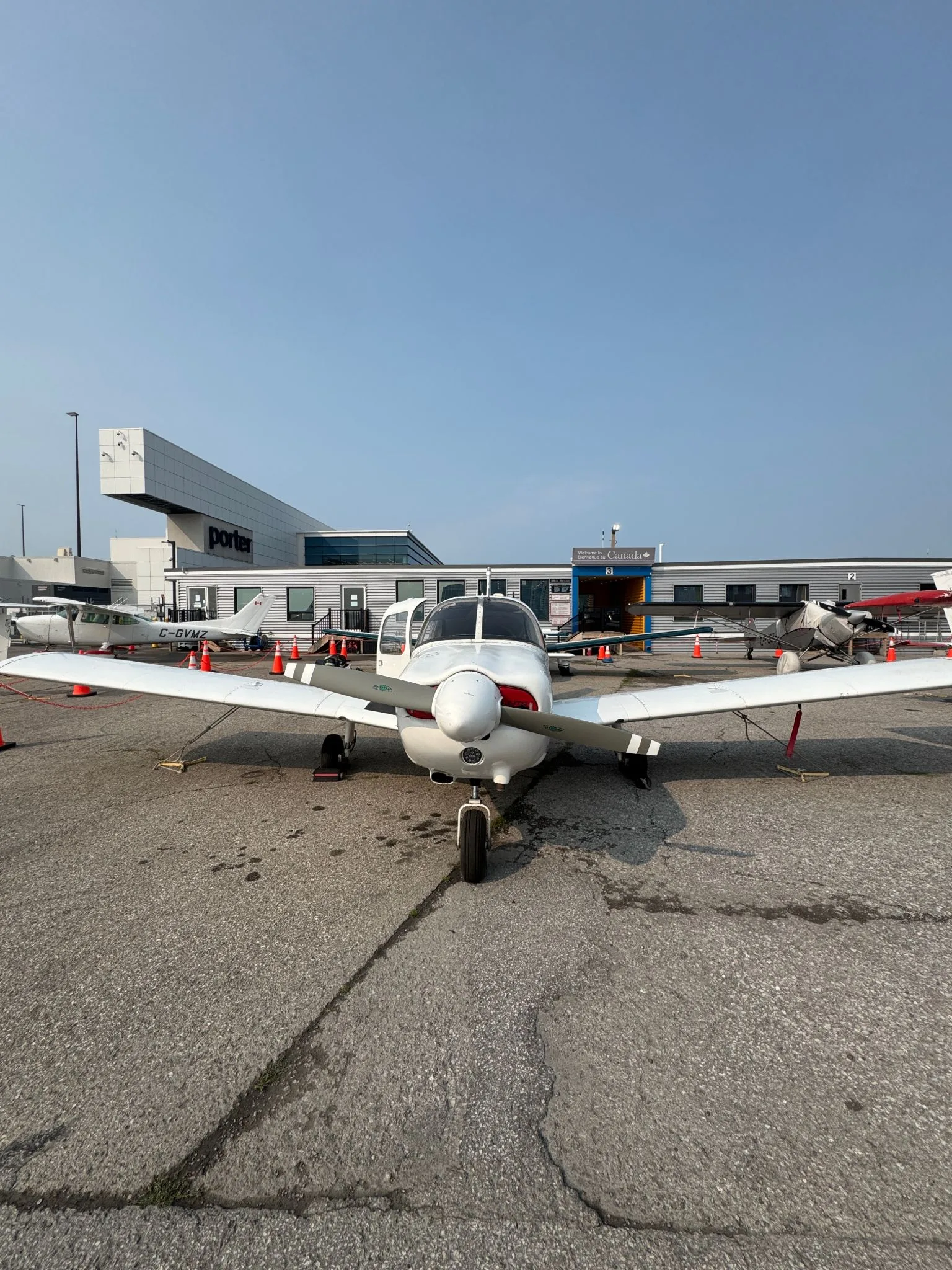
View all 36 for sale →Aircraft that this pilot's operating handbook covers, listed on the sites Sprinkle reads. Asking prices, not sales. Cessna 150 asking prices by year built.

Also useful for the Cessna Reims-Cessna F150
From Sprinkle’s library of aircraft documents. PDFs open from Sprinkle’s own files. Read Aug 7, 2026.
Want this document taken down? Request removal