
C206H-POH.pdf - Sydney Aviators
Weight & Balance for the Cessna Turbo 210L
PDF, 563 pages, 16 MB, from Sprinkle’s own files.
What it covers
The Cessna 206H Stationair Pilot's Operating Handbook (POH) provides essential information for pilots operating this aircraft model. It covers various aspects of the aircraft's operation, including performance data, operating limitations, and emergency procedures. The handbook is designed to assist pilots in understanding the aircraft's systems and ensuring safe operation. Key sections include preflight checks, normal and emergency procedures, and performance specifications, which are crucial for both new and experienced pilots. This document serves as a vital reference for flight planning and in-flight decision-making.
Key points
- Maximum Takeoff Weight (MTOW): 3,600 lbs
- Stall Speed (Landing Configuration): 61 knots
- Takeoff Distance Over 50 ft Obstacle: Approximately 1,600 ft
- Climb Rate: 730 ft/min at sea level
- Seating Capacity: Up to 6 occupants
Figures in this document
As the document states them. Check them against the PDF before you rely on one.
Specifications
- Range (nm)
- 605
- Engine (hp)
- 300
- Propeller
- 3-Bladed, Constant Speed
- Wingspan (ft)
- 79
- Engine model
- IO-540-AC1A5
- Max speed (kt)
- 151
- Cruise speed (kt)
- 142
- Empty weight (lb)
- 3,614
- Fuel capacity (gal)
- 92
- Rate of climb (fpm)
- 988
- Service ceiling (ft)
- 15,700
- Max takeoff weight (lb)
- 3,600
Performance
- Landing over 50ft
- 735
- Takeoff over 50ft
- 910
- Landing distance (ft)
- 1,860
- Takeoff distance (ft)
- 988
V-speeds
- VS1
- 62
- VSO
- 54
Weight and balance
- Useful load (lb)
- 2,210
- Max ramp weight (lb)
- 3,614
- Baggage allowance (lb)
- 180
- Basic empty weight (lb)
- 3,600
- Max landing weight (lb)
- 3,600
- Max takeoff weight (lb)
- 3,600
Main sections
General Information
This section provides an overview of the Cessna 206H, including its specifications, dimensions, and general characteristics. The aircraft features a high-wing design, a seating capacity for up to six occupants, and is powered by a Lycoming IO-540-U4A5 engine, producing 300 horsepower.
Operating Limitations
The operating limitations section outlines critical parameters such as maximum takeoff weight (MTOW) of 3,600 lbs, maximum landing weight of 3,600 lbs, and a stall speed of 61 knots in landing configuration. These limitations are essential for safe flight operations.
Performance Data
This section details the aircraft's performance capabilities, including takeoff and landing distances, climb rates, and cruise speeds. For example, the takeoff distance over a 50-foot obstacle is approximately 1,600 feet at sea level on a standard day.
Emergency Procedures
Emergency procedures are outlined for various scenarios, including engine failure, electrical failure, and emergency landings. Pilots are instructed on the appropriate actions to take in these situations to ensure safety.
Weight and Balance
This section provides guidance on calculating weight and balance for the Cessna 206H. It includes charts and formulas to determine the center of gravity (CG) and ensure that the aircraft is within safe operating limits.
Safety notes
- Always adhere to the operating limitations specified in the POH.
- Perform thorough preflight checks to ensure aircraft readiness.
- In case of engine failure, follow the emergency procedures outlined in the handbook.
The document’s text
Show the text read from the PDF
6/04 NOTICE AT THE TIME OF ISSUANCE, THIS INFORMATION MANUAL WAS AN EXACT DUPLICATE OF THE OFFICIAL PILOT'S OPERATING HANDBOOK AND FAA APPROVED AIRPLANE FLIGHT MANUAL AND IS TO BE USED FOR GENERAL PURPOSES ONLY. IT WILL NOT BE KEPT CURRENT AND, THEREFORE, CANNOT BE USED AS A SUBSTITUTE FOR THE OFFICIAL PILOT'S OPERATING HANDBOOK AND FAA APPROVED AIRPLANE FLIGHT MANUAL INTENDED FOR OPERATION OF THE AIRPLANE. CESSNA AIRCRAFT COMPANY ORIGINAL ISSUE - 5 OCTOBER 1998 i ==: PERFORMANCE- SPECIFICATIONS CESSNA MODEL 206H PERFORMANCE - SPECIFICATIONS * SPEED Maximum at Sea Level Cruise, 75% Power at 6200 Ft CRUISE: 151 KTS .. 142 KTS Recommended lean mixture with fuel allowance for engine start, taxi, takeoff, climb and 45 minutes reserve. 75% Power at 6200 Ft 88 Gallons Usable Fuel Max Range at 6500 Ft 88 Gallons Usable Fuel RATE OF CLIMB AT SEA LEVEL SERVICE CEILING TAKEOFF PERFORMANCE: Range 605 NM Time 4.3 HRS Range 730 NM Time 6.8 HRS 988 FPM Ground Roll .... Total Distance Over 50 Ft. Obstacle LANDING PERFORMANCE: Ground Roll Total Distance Over 50 Ft. Obstacle STALL SPEED (KCAS): Flaps Up, Power Off • Flaps Down, Power Off MAXIMUM WEIGHT: Ramp Takeoff Landing STANDARD EMPTY WEIGHT MAXIMUM USEFUL LOAD BAGGAGE ALLOWANCE • 15,700 FT 910 FT 1860 FT 735 FT 1395 FT 62 KCAS 54 KCAS 3614 LBS 3600 LBS 3600 LBS 2210 LBS " • • 1404 LBS 180 LBS 6/04 CESSNA MODEL 206H PERFORMANCE- SPECIFICATIONS PERFORMANCE-SPECIFICATIONS (Continued) WING LOADING: Lbs/Sq Ft POWER LOADING Lbs/HP FUEL CAPACITY OIL CAPACITY .. ENGINE: Textron Lycoming 300 BHP at 2700 RPM ... . PROPELLER: 3-Bladed, Constant Speed, Diameter " 20.7 12.0 92 GAL 11 QTS IO-540-AC1A5 79 IN The above performance figures are based on the indicated weights, standard atmospheric conditions, level, hard-surface dry runways and no wind. They are calculated values derived from flight tests conducted by The Cessna Aircraft Company under carefully documented conditions and will vary with individual airplanes and numerous factors affecting flight performance. 6/04 iii/(iv blank) Information Manual ☑ Member of GAMA Cessna A Textron Company The Cessna Aircraft Company Model 206H COPYRIGHT © 1998 The Cessna Aircraft Company Wichita, Kansas USA CESSNA MODEL 206H TABLE OF CONTENTS TABLE OF CONTENTS GENERAL " LIMITATIONS EMERGENCY PROCEDURES NORMAL PROCEDURES PERFORMANCE WEIGHT & BALANCE/EQUIPMENT LIST AIRPLANE & SYSTEMS DESCRIPTION HANDLING, SERVICE & MAINTENANCE SUPPLEMENTS 6/04 SECTION 1 2 3 4 5 6 7 8 0 vii/(viii blank) CESSNA MODEL 206H SECTION 1 GENERAL TABLE OF CONTENTS SECTION 1 GENERAL Page Three View - Normal Ground Attitude Introduction 1-2 1-4 Descriptive Data Engine Propeller Fuel Oil 1-4 1-4 1-4 1-4 1-6 ... Maximum Certificated Weights Standard Airplane Weights Cabin And Entry Dimensions Baggage Space and Entry Dimensions Specific Loadings Symbols, Abbreviations and Terminology General Airspeed Terminology And Symbols Meteorological Terminology Engine Power Terminology Airplane Performance And Flight Planning Terminology Weight And Balance Terminology Metric / Imperial / U.S. Conversion Charts 1-7 1-7 1-7 1-7 1-7 1-8 1-8 1-9 1-9 1-10 .. 1-11 1-13 Weight Conversions 1-14 Length Conversions 1-16 Distance Conversions 1-20 Volume Conversions 1-21 Temperature Conversions 1-24 Volume to Weight Conversions 1-25 Quick Conversions 1-26 Revision 4 1-1 SECTION 1 GENERAL 1-2 79" MAX -13'-0" * * ° -36'-0" -8'-1" CESSNA MODEL 206H 1210T1002 1210T1002 Figure 1-1. Three View - Normal Ground Attitude (Sheet 1 of 2) May 30/01 CESSNA MODEL 206H 9'-3 1/2" MAX. NOTE 1: −28'-3” · SECTION 1 GENERAL WING SPAN SHOWN WITH STROBE LIGHTS INSTALLED. WHEEL BASE LENGTH IS 69 1/4". NOTE 2: NOTE 3: PROPELLER GROUND CLEARANCE IS 12”. NOTE 4: WING AREA IS 174 SQUARE FEET. NOTE 5: MINIMUM TURNING RADIUS (* PIVOT POINT TO OUTBOARD WING TIP) IS 26'-3". NOTE 6: NORMAL GROUND ATTITUDE IS SHOWN WITH NOSE STRUT SHOWING APPROXIMATELY 2" OF STRUT, AND WINGS LEVEL. 1210T1002 Figure 1-1. Three View - Normal Ground Attitude (Sheet 2 of 2) May 30/01 1-3 SECTION 1 GENERAL INTRODUCTION CESSNA MODEL 206H This handbook contains 9 sections, and includes the material required to be furnished to the pilot by FAR Part 23. It also contains supplemental data supplied by The Cessna Aircraft Company. Section 1 provides basic data and information of general interest. It also contains definitions or explanations of symbols, abbreviations, and terminology commonly used. DESCRIPTIVE DATA ENGINE Number of Engines: 1. Engine Manufacturer: Textron Lycoming. Engine Model Number: 10-540-AC1A5. Engine Type: Normally aspirated, direct drive, air-cooled, horizontally opposed, fuel injected, six cylinder engine with 541.5 cu. in. displacement. Horsepower Rating and Engine Speed: 300 rated BHP at 2700 RPM. PROPELLER Propeller Manufacturer: McCauley Propeller Systems. Propeller Model Number: B3D36C432/80VSA-1. Number of Blades: 3. Propeller Diameter: 79 inches. Propeller Type: Constant speed. | FUEL 1-4 A WARNING USE OF UNAPPROVED FUELS MAY RESULT IN DAMAGE TO THE ENGINE AND FUEL SYSTEM COMPONENTS, RESULTING IN POSSIBLE ENGINE FAILURE. (Continued Next Page) Revision 4 CESSNA MODEL 206H SECTION 1 GENERAL DESCRIPTIVE DATA (Continued) FUEL (Continued) Approved Fuel Grades (and Colors): 100LL Grade Aviation Fuel (Blue). 100 Grade Aviation Fuel (Green). NOTE Isopropyl alcohol or diethylene glycol monomethyl ether (DiEGME) may be added to the fuel supply. Additive concentrations shall not exceed 1% for isopropyl alcohol or 0.10% to 0.15% for DiEGME. Refer to Section 8 for additional information. Fuel Capacity Serials 20608001 thru 20608173: Total Capacity: 92.0 U.S. gallons. Total Usable: 88.0 U.S. gallons. Total Capacity Each Tank: 46.0 U.S. gallons. Total Usable Each Tank: 44.0 U.S. gallons. Serials 20608174 and on: Total Capacity: 92.0 U.S. gallons. Total Usable: 87.0 U.S. gallons. Total Capacity Each Tank: Total Usable Each Tank: 46.0 U.S. gallons. 43.5 U.S. gallons. NOTE To ensure maximum fuel capacity and minimize cross- feeding when refueling, always park the airplane in a wings- level, normal ground attitude and place the fuel selector in the Left or Right position. Refer to Figure 1-1 for normal ground attitude dimensions. Revision 4 (Continued Next Page) 1-5 SECTION 1 GENERAL CESSNA MODEL 206H OIL Oil Specification: MIL-L-6082 or SAE J1966 Aviation Grade Straight Mineral Oil: Used when the airplane was delivered from the factory and should be used to replenish the supply during the first 25 hours. This oil should be drained and the filter changed after the first 25 hours of operation. Refill the engine with MIL-L-6082 or SAE J1966 Aviation Grade Straight Mineral Oil and continue to use until a total of 50 hours has accumulated or oil consumption has stabilized. MIL-L-22851 or SAE J1899 Aviation Grade Ashless Dispersant Oil: Oil conforming to Textron Lycoming Service Instruction No. 1014, and all revisions and supplements thereto, must be used after first 50 hours or oil consumption has stabilized. Recommended Viscosity for Temperature Range: Above 16°C (60°F) Temperature Above 27°C (80°F) MIL-L-6082 or SAE J1966 Straight Mineral Oil SAE Grade MIL-L-22851 or SAE J1899 Ashless Dispersant Oil SAE Grade 60 40 or 50 60 50 -1°C (30°F) to 32°C (90°F) 40 40 |-18°C (0°F) to 21°C (70°F) 30 30, 40 or 20W-40 Below -12°C (10°F) 20 30 or 20W-30 -18°C (0°F) to 32°C (90°F) 20W-50 20W-50 or 15W-50 All Temperatures 15W-50 or 20W-50 NOTE When operating temperatures overlap, use the lighter grade oil. Oil Capacity: Sump: 11 U.S. Quarts ☐ Total: 12 U.S. Quarts 1-6 Jan 18/02 CESSNA MODEL 206H DESCRIPTIVE DATA (Continued) MAXIMUM CERTIFICATED WEIGHTS Ramp Weight: 3614 lbs. Takeoff Weight: 3600 lbs. Landing Weight: 3600 lbs. SECTION 1 GENERAL Weight in Baggage Compartment (Station 109 to 145): 180 lbs. maximum. NOTE Refer to Section 6 of this handbook for loading arrangements with one or more seats removed for cargo accommodations. STANDARD AIRPLANE WEIGHTS Serials 20608001 thru 20608173: Standard Empty Weight: 2204 lbs. Maximum Useful Load, Normal Category: 1410 lbs. Serials 20608174 and On: Standard Empty Weight: 2182 lbs. Maximum Useful Load, Normal Category: 1432 lbs. CABIN AND ENTRY DIMENSIONS Detailed dimensions of the cabin interior and entry door openings are illustrated in Section 6. BAGGAGE SPACE AND ENTRY DIMENSIONS Dimensions of the baggage area and baggage door opening are illustrated in detail in Section 6. SPECIFIC LOADINGS Wing Loading: Power Loading: 20.7 lbs./sq. ft. 12.0 lbs./hp Revision 5 1-7
Read from the PDF by machine, so tables and diagrams come out rough. The PDF is the document.
More Cessna Turbo 210L documents
All 21 →- Weight and Balance - Cessna 210N / Sn 210-63828
This document provides the weight and balance information for the Cessna 210N, specifically for serial number 210-63828. It includes details on the aircraft's maximum weight, center of gravity (CG) range, and various weight adjustments based on equipment changes. The document is intended for pilots and maintenance personnel who need to ensure the aircraft is within safe operating limits for weight and balance. It outlines the empty weight, useful load, and adjustments made to the aircraft's configuration, providing critical data for flight planning and safety.
- CESSNA TURBO 210L Model Guide
The CESSNA TURBO 210L is a single-engine piston Cessna 210 Centurion variant. Listed figures are a 3800 lb maximum takeoff weight, 90 gal of fuel and a maximum speed of 225 kts. The type acceptance report allows up to 6 seats for this model group. Library data lists a Continental IO-520-L at 325 hp, so confirm the engine actually fitted to any aircraft you inspect.
- Alert Service Bulletin No. 210 Turbocharger Turbine Housing Inspection
This Alert Service Bulletin (ASB) No. 210 addresses the inspection of turbocharger turbine housings for specific Cessna Turbo 210 models. It is particularly relevant for turbocharger assemblies manufactured by Hartzell Engine Tech LLC, specifically part number 406610-9005, and turbine housing part number 406722-0021, shipped between June 1, 2023, and September 14, 2023. The bulletin outlines the compliance requirements, inspection procedures, and corrective actions necessary to ensure continued airworthiness. Owners and operators are advised to verify whether their aircraft is affected by consulting the provided tables and serial numbers. The document emphasizes the importance of using the most recent revision of the ASB to avoid unsafe conditions.
- Cessna Turbo 210L Service Bulletin
The Service Bulletin SEB92-27, issued on September 4, 1992, addresses the installation of reduced diameter vented fuel caps and the removal of turbo placards for Cessna aircraft, specifically targeting models including the T210 and 210. This modification aims to prevent misfueling with turbine/jet fuel and to enhance the fuel venting system. The bulletin outlines compliance requirements, installation procedures, and necessary parts for the modification. It emphasizes the importance of proper preflight inspections to ensure the fuel vent system is functioning correctly and that the aircraft is serviced with the appropriate aviation fuel. Failure to comply with these guidelines could lead to engine power loss or stoppage in flight.
- Owner/operator Information Manual
This document is the Owner/Operator Information Manual for the Cessna Turbo 210L, specifically focusing on the maintenance and operational aspects of the aircraft. It includes detailed instructions for continued airworthiness, maintenance procedures, and parts information relevant to the Cessna Turbo 210L. The manual is intended for use by owners and operators to ensure compliance with FAA regulations and to maintain the aircraft in a safe and airworthy condition. It provides essential data for inspections, maintenance schedules, and parts catalogs necessary for the upkeep of the aircraft.
- Service Bulletin: SB-001 Rev B
This Service Bulletin (SB-001 Rev B) from Stratus Tool Technologies addresses mandatory inspections and procedures for oil filter adapters installed on various aircraft models, including the Cessna 210. The bulletin emphasizes the importance of replacing fiber gaskets with copper gaskets to prevent oil leaks, which can lead to engine oil loss and potential engine failure. Compliance with the instructions is required within the next 10 flight hours, annual inspection, or 100-hour inspection, whichever comes first. The document provides detailed steps for inspecting and maintaining the oil filter adapter, ensuring proper installation and preventing leaks.
- Wings - Model 210 CARRY-THRU Spar ONE-TIME Eddy Current Inspection
This service letter, SEL-57-06, addresses the mandatory inspection of the carry-thru spar for Cessna 210 series aircraft, specifically focusing on models 210G through 210L and their turbo variants. The document outlines the potential risks associated with corrosion and cracks in the carry-thru spar, which can lead to structural failure and loss of control. It provides detailed instructions for conducting both visual and eddy current inspections, emphasizing the importance of compliance within specified flight hour limits. The document is intended for aircraft owners and maintenance personnel to ensure safety and airworthiness of the aircraft.
- Type Acceptance Report TAR 4/21B/25 – Cessna 210 Series
This Type Acceptance Report provides an overview of the Cessna 210 Series, including the Cessna 210L model. It outlines the aircraft's certification details, including the FAA Type Certificate and the models covered under this certificate. The report confirms that all models listed under the FAA type certificate have been accepted for operation in New Zealand, subject to compliance with local operational requirements. The document serves as a reference for aircraft operators and aviation authorities, detailing the specifications, certification history, and operational compliance of the Cessna 210 Series.
Cessna 210 for sale now
View all 94 for sale →Aircraft that this weight & balance covers, listed on the sites Sprinkle reads. Asking prices, not sales. Cessna 210 asking prices by year built.
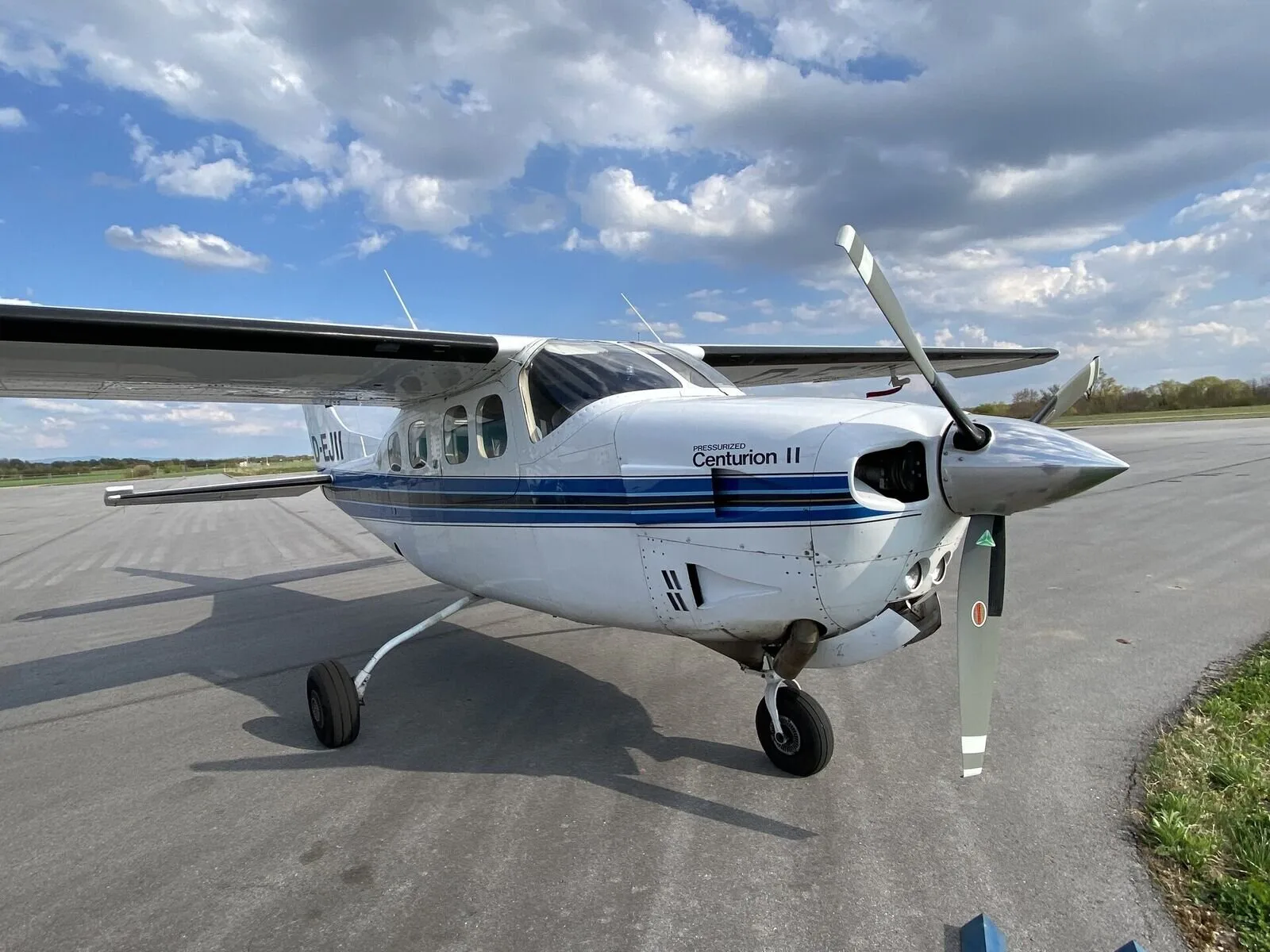
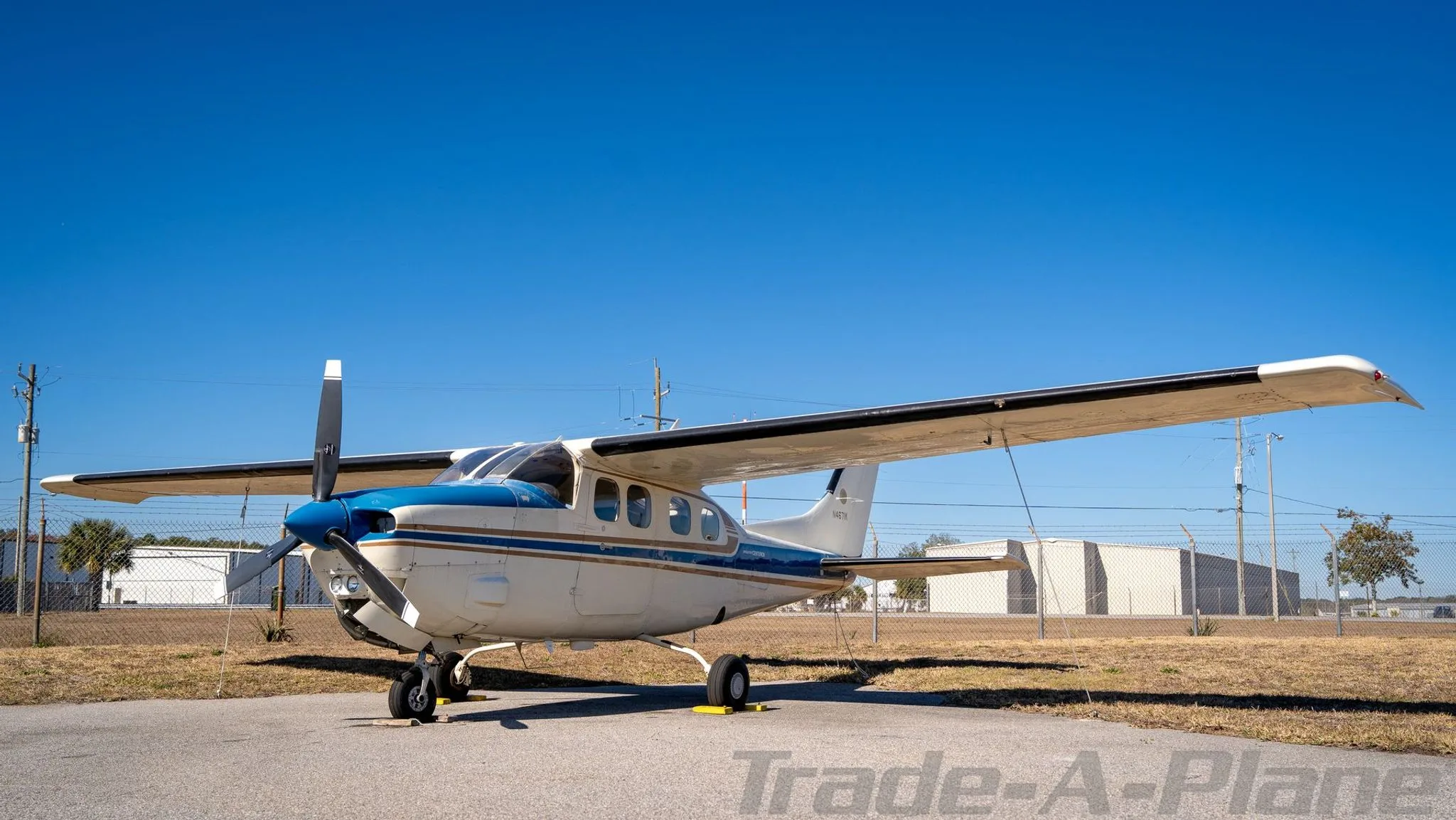
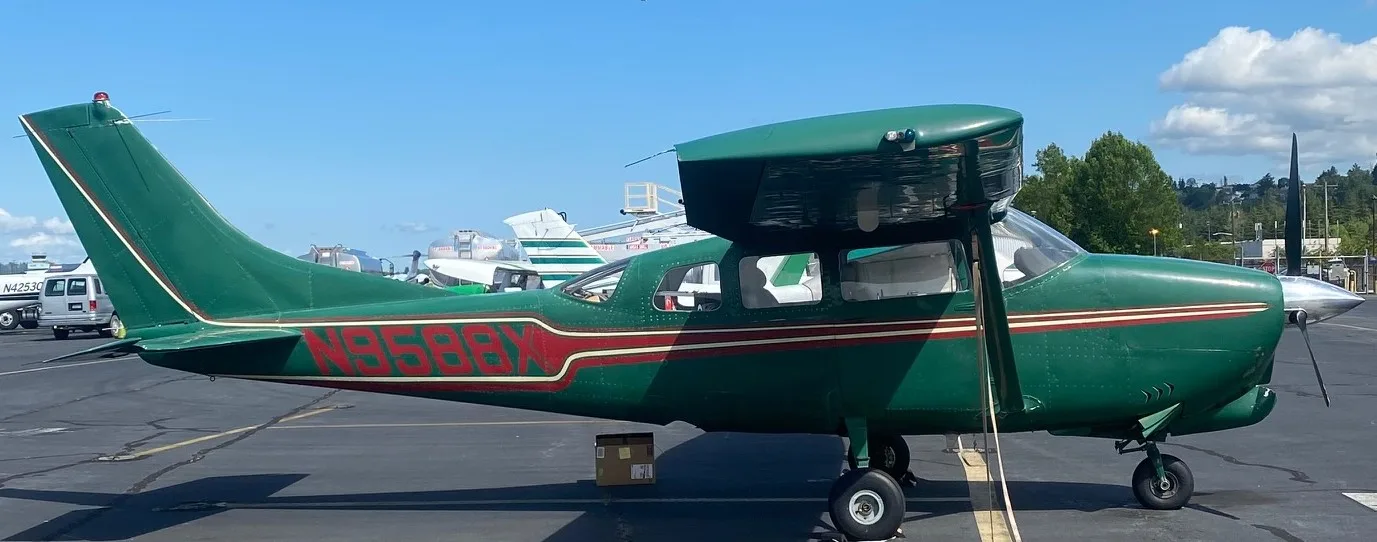
Also useful for the Cessna Turbo 210L
From Sprinkle’s library of aircraft documents. PDFs open from Sprinkle’s own files. Read Aug 7, 2026.
Want this document taken down? Request removal