POH-Cessna-182Q-1980.pdf - Club Aereo
CESSNA 182Q SKYLANE · Pilot's Operating Handbook
Overview
This Pilot's Operating Handbook (POH) is specifically designed for the Cessna F-182 Skylane. It serves as a comprehensive guide for pilots operating this aircraft, providing essential information on performance, operating procedures, and safety protocols. The handbook includes detailed specifications, limitations, and emergency procedures tailored to the F-182 model, ensuring that pilots have the necessary knowledge to operate the aircraft safely and efficiently. It is an indispensable resource for both training and reference during flight operations.
- Maximum takeoff weight: 3,000 lbs
- Useful load: approximately 1,150 lbs
- Cruise speed: 145 knots
- Stall speed: 54 knots
- Service ceiling: 18,100 feet
Summary written by AI from the source document. Check the original before relying on it. See which parts of Sprinkle are written by AI.
Reference only, not for flight. Use the current approved manual for your aircraft. See terms, section 5.
Document
Source
Copy found at www.clubaereo.cl. Sprinkle hosts a reference copy with an added summary, specifications and searchable full text.
Document details
- Type ·
- Pilot's Operating Handbook
- Pages ·
- 174
- File size ·
- 23 MB
- Copy found at ·
- www.clubaereo.cl
What is the POH-Cessna-182Q-1980.pdf - Club Aereo?
The POH-Cessna-182Q-1980.pdf - Club Aereo is a pilot's operating handbook for the CESSNA 182Q SKYLANE.
How many pages is the POH-Cessna-182Q-1980.pdf - Club Aereo?
The copy of the POH-Cessna-182Q-1980.pdf - Club Aereo on file runs 174 pages.
Common. One of the most common aircraft types we track.
Most owners only have the POH. Here's the essential set for the CESSNA 182Q SKYLANE.
- Pilot's Operating Handbook / AFM
- Checklist
- Maintenance Manual
- Parts Catalog (IPC)
- Systems & Wiring
- Service Bulletins on file
- Type Certificate (TCDS)
CESSNA 182Q SKYLANE for sale now
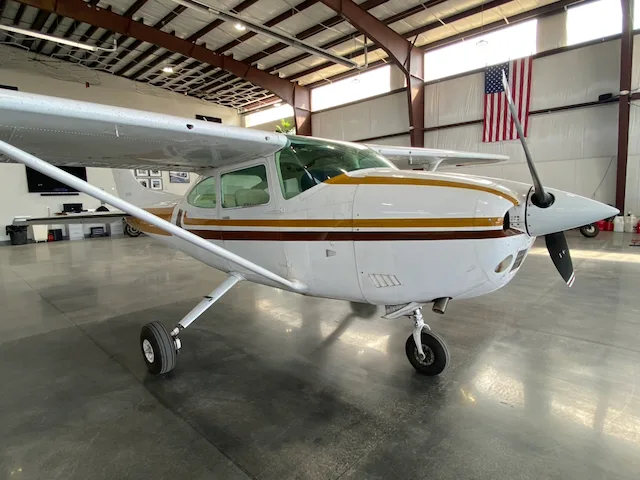
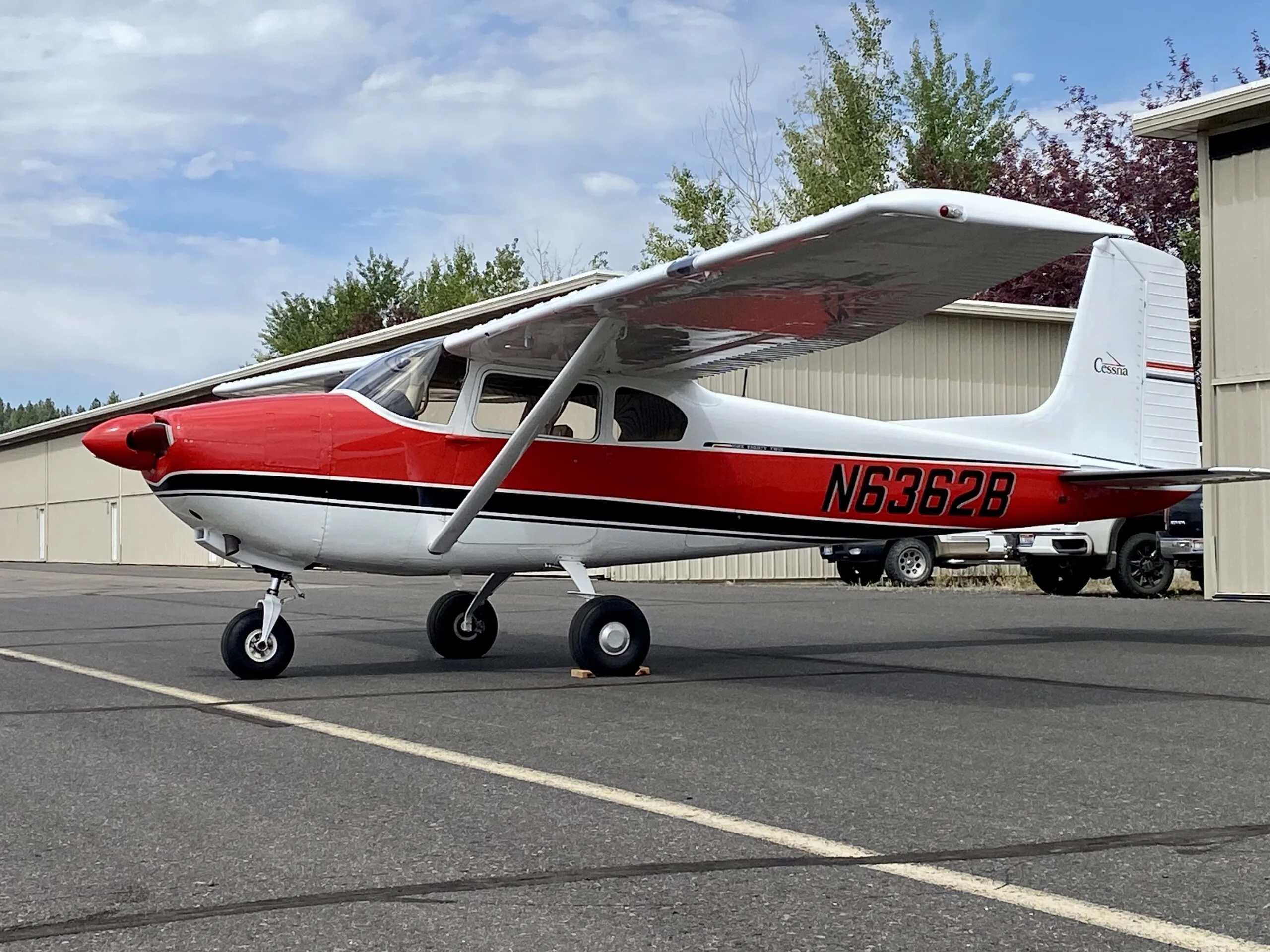
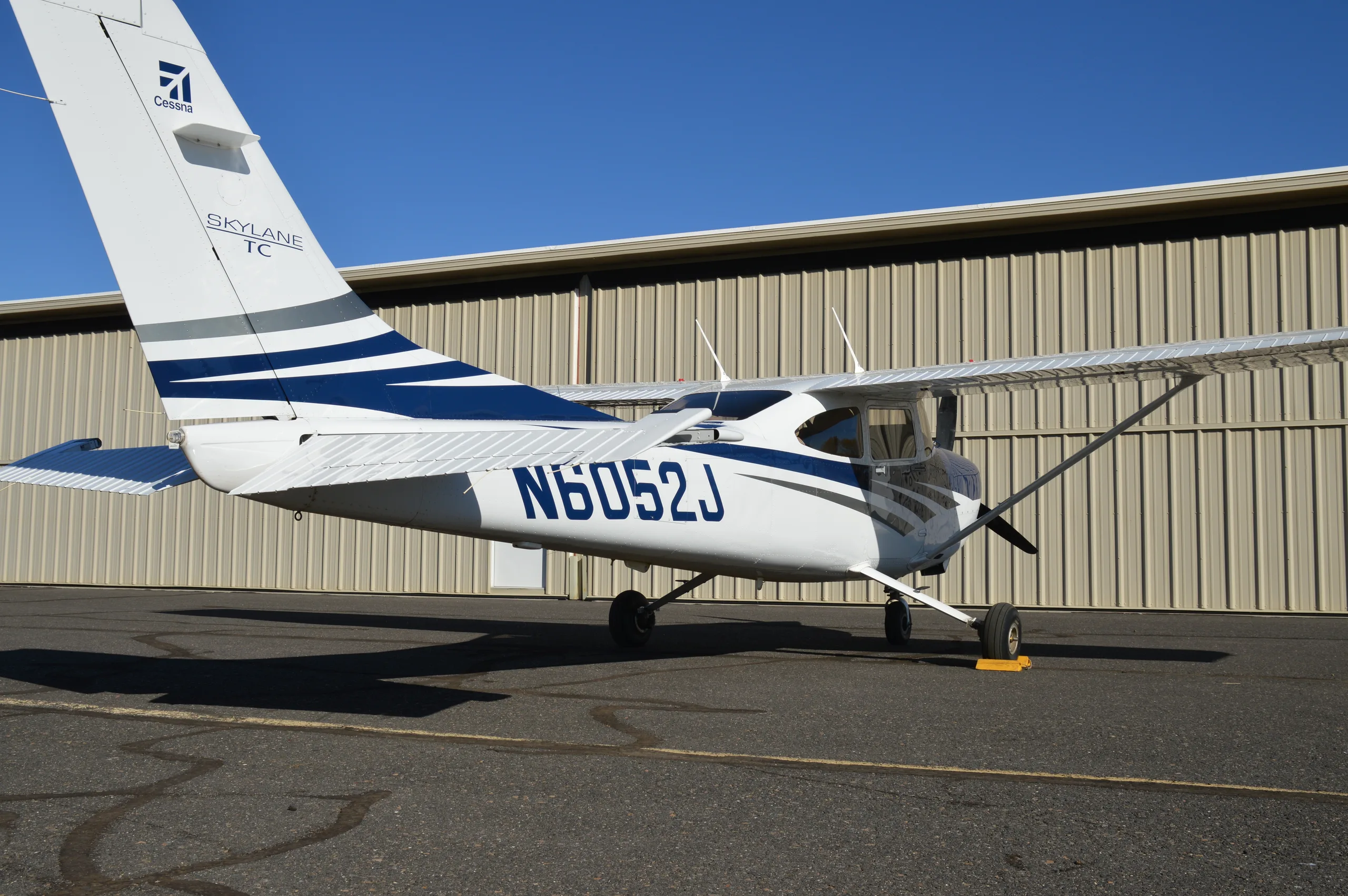
Free — save the 182 to your watchlist and track it in one place.
More CESSNA 182Q SKYLANEmanuals & documents
See all 16 →- CESSNA 182Q SKYLANE Model GuideModel Guide
- SUPPLEMENTAL TYPE CERTIFICATE 10083426Supplemental Type Certificate
- Cessna 182Q Skylane Checklist Pre-FlightPilot's Operating Handbook
- Cessna 182Q, 182R SkylaneMaintenance Manual
- 1977 Thru 1986 Model 182 & T182 Series Service ManualMaintenance Manual
- 1979 CESSNA 182Q SKYLANEChecklist
- Pilot's Operating HandbookPilot's Operating Handbook
- Cessna Model 182Q Pilot's Operating HandbookPerformance Data
- Pilot's Operating HandbookPilot's Operating Handbook
- Cessna 182Q Skylane, G-PLEEOther Documents
- PILOT'S OPERATING HANDBOOK Cessna SKY LANE 1977 MODEL 182QPilot's Operating Handbook
- PILOT'S OPERATING HANDBOOK SKY LANEWeight & Balance
Related documents
- Cessna 172C Pilot's Operating HandbookCESSNA 172C · Pilot's Operating Handbook
- Cessna 152 Pilot's Operating HandbookCessna 152 · Pilot's Operating Handbook
- Cessna 182P Pilot's Operating HandbookCessna 182 Skylane · Pilot's Operating Handbook
- Cessna 182 Owners manualCESSNA 182N Skylane · Pilot's Operating Handbook
- Pilot's Operating HandbookCESSNA 172P SKYHAWK · Pilot's Operating Handbook
If you fly the CESSNA 182Q SKYLANE, you may also be researching these.


In this document
Aircraft Specifications
The Cessna F-182 Skylane features a maximum takeoff weight of 3,000 lbs and a useful load of approximately 1,150 lbs. The aircraft is powered by a Lycoming IO-540-U4A5 engine, providing 235 horsepower. The wingspan measures 36 feet 10 inches, and the overall length is 29 feet 11 inches.
Performance Data
The F-182 Skylane has a stall speed of 54 knots and a maximum cruise speed of 145 knots. The service ceiling is 18,100 feet, and the range with full fuel is approximately 800 nautical miles. Takeoff distance over a 50-foot obstacle is about 1,600 feet.
Operating Procedures
Pilots are advised to perform a thorough preflight inspection, including checks of fuel levels, oil quantity, and control surfaces. The recommended engine start procedure includes checking the fuel selector, setting the throttle to 1/4 inch open, and engaging the starter while monitoring the oil pressure.
Emergency Procedures
In the event of an engine failure during takeoff, pilots should maintain control of the aircraft, establish a glide attitude, and prepare for a landing. The handbook outlines specific emergency checklists for various scenarios, including electrical failures and cabin fires.
Weight and Balance
Proper weight and balance calculations are critical for safe flight operations. The handbook provides charts and formulas to assist pilots in determining the center of gravity and ensuring that the aircraft is within limits before flight.
Summary written by AI from the source document. Check the original before relying on it. See which parts of Sprinkle are written by AI.
Safety notes
- Always perform a preflight inspection before each flight.
- Ensure weight and balance calculations are completed accurately.
- Follow emergency procedures as outlined in the handbook.
Summary written by AI from the source document. Check the original before relying on it. See which parts of Sprinkle are written by AI.