DEHAVILLAND DHC-1B-2-S3 Model Guide
DEHAVILLAND DHC-1B-2-S3 · Model Guide
Overview
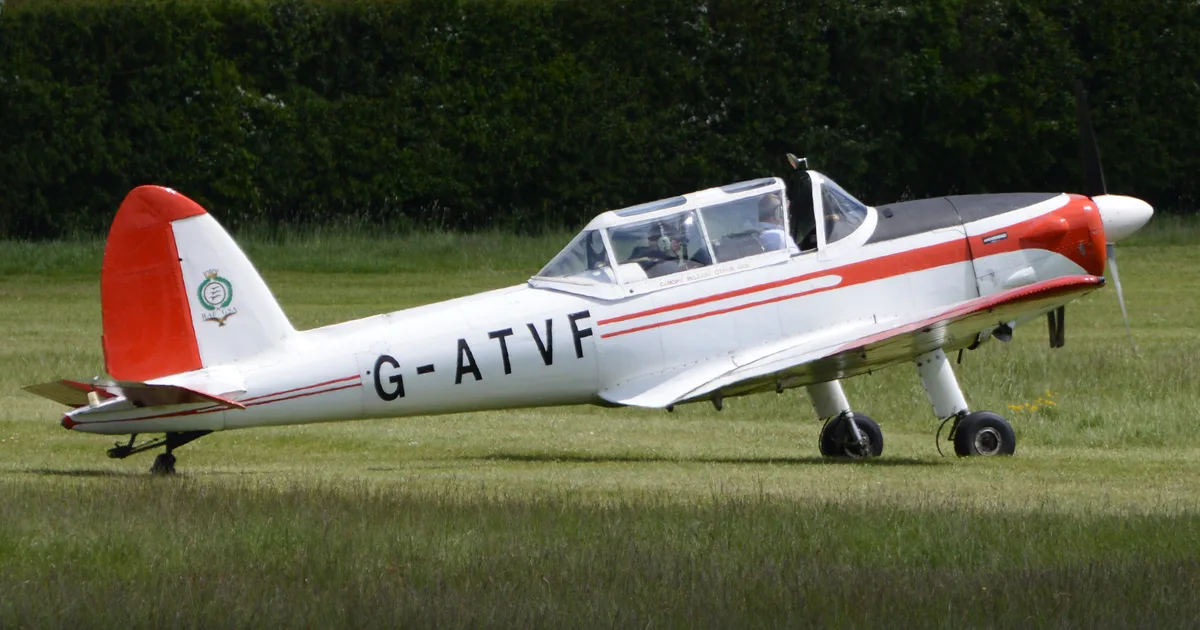
The DEHAVILLAND DHC-1B-2-S3 is a single-engine piston aircraft, a variant of the de Havilland DHC-1 Chipmunk family. The inputs hold no variant-specific specs or performance. The only document is a Cleveland wheel and brake conversion kit parts list, so this guide is mostly about that upgrade.
- Family-level figures only: the DHC-1 family is listed with up to 2 passengers and up to 240 nm range.
- Family-level maximums: up to 108 kt cruise, up to 17000 ft service ceiling, up to 900 kg MTOW.
- Kit 199-79 converts one DHC-1B-2-S3 or -S5 to Cleveland wheels and brakes under an STC.
- Aircraft Wheel & Brake bolt torque and brake lining conditioning have specific procedures; check the records.
Summary written by AI from the source document. Check the original before relying on it. See which parts of Sprinkle are written by AI.
Reference only, not for flight. Use the current approved manual for your aircraft. See terms, section 5.
Document
Source
Copy found at sprinkle.com. Sprinkle hosts a reference copy with an added summary, specifications and searchable full text.
Document details
- Type ·
- Model Guide
- Year ·
- 2026
- File size ·
- 48 KB
- Copy found at ·
- sprinkle.com
Specifications & performance
Extracted from this document.
Performance
- Max range (nm) ·
- 240
- Max cruise speed (kt) ·
- 108
- Max service ceiling (ft) ·
- 17,000
Weight & balance
- Max takeoff weight kg ·
- 900
What does the DEHAVILLAND DHC-1B-2-S3 data cover?
For the DEHAVILLAND DHC-1B-2-S3 the inputs give only family-level DHC-1 maxima (up to 2 passengers, 240 nm range, 108 kt cruise, 17000 ft ceiling, 900 kg MTOW) and a brake kit parts list. No variant-specific specs are given.
Can a DEHAVILLAND DHC-1B-2-S3 use Cleveland wheels and brakes?
Yes. Kit 199-79 lists the DEHAVILLAND DHC-1B-2-S3 and -S5, and converts one aircraft to Cleveland wheels and brakes under STCs SA1011SO and SA2748SO. Confirm the installation records.
How are new brake linings conditioned on a DEHAVILLAND DHC-1B-2-S3 with this kit?
On a DEHAVILLAND DHC-1B-2-S3 with the Cleveland kit, taxi 1500 ft at 1700 rpm and 5-10 mph, let the brakes cool 10-15 minutes, then check that a high-throttle static run-up can be held. Repeat if not.
What is the DEHAVILLAND DHC-1B-2-S3 Model Guide?
The DEHAVILLAND DHC-1B-2-S3 Model Guide is a model guide for the DEHAVILLAND DHC-1B-2-S3, dated 2026.
What year was the DEHAVILLAND DHC-1B-2-S3 Model Guide published?
The DEHAVILLAND DHC-1B-2-S3 Model Guide — the DEHAVILLAND DHC-1B-2-S3 model guide on file — is dated 2026.
Common. More common than 83% of the aircraft models we track.
Most owners only have the POH. Here's the essential set for the DEHAVILLAND DHC-1B-2-S3.
- Pilot's Operating Handbook / AFM
- Checklist
- Maintenance Manual
- Parts Catalog (IPC)
- Systems & Wiring
- Service Bulletins on file
- Type Certificate (TCDS)
DEHAVILLAND DHC-1B-2-S3 for sale now
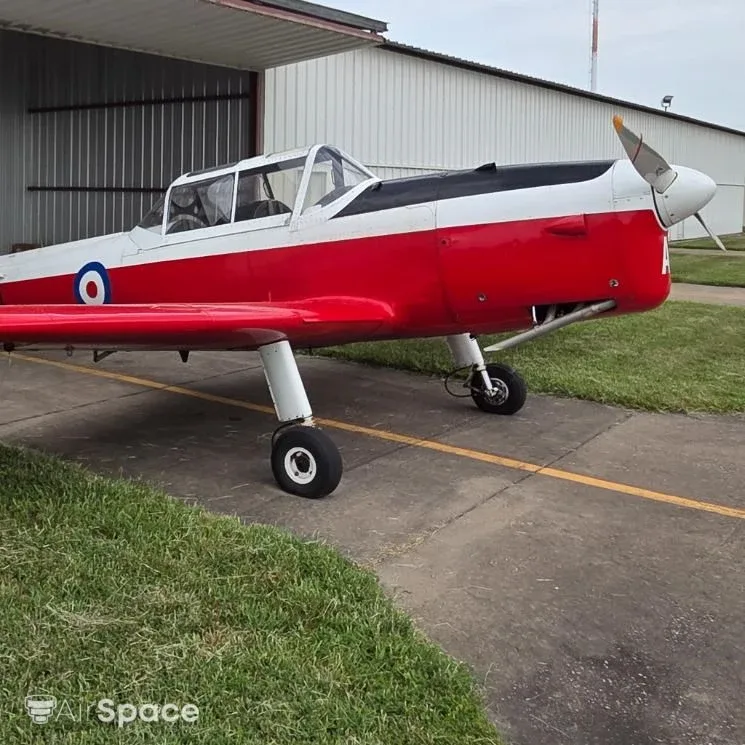
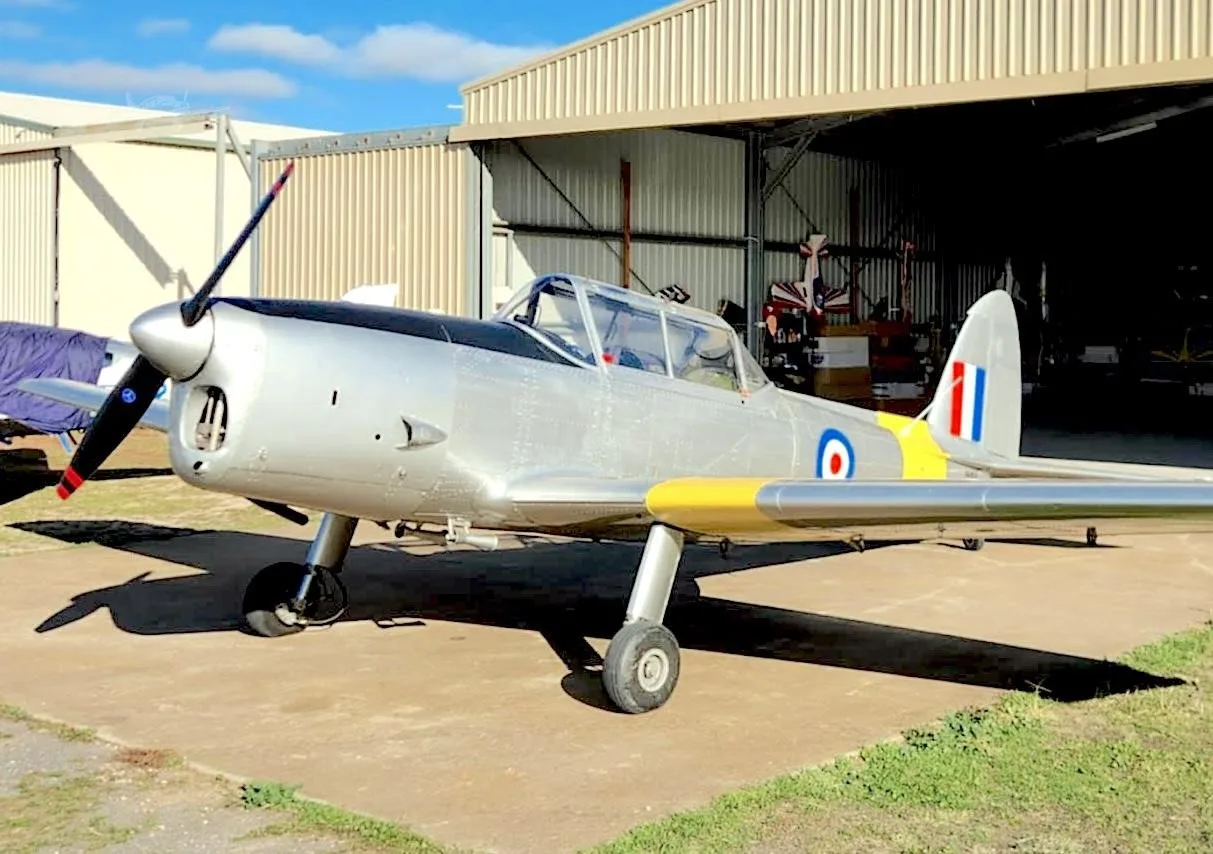
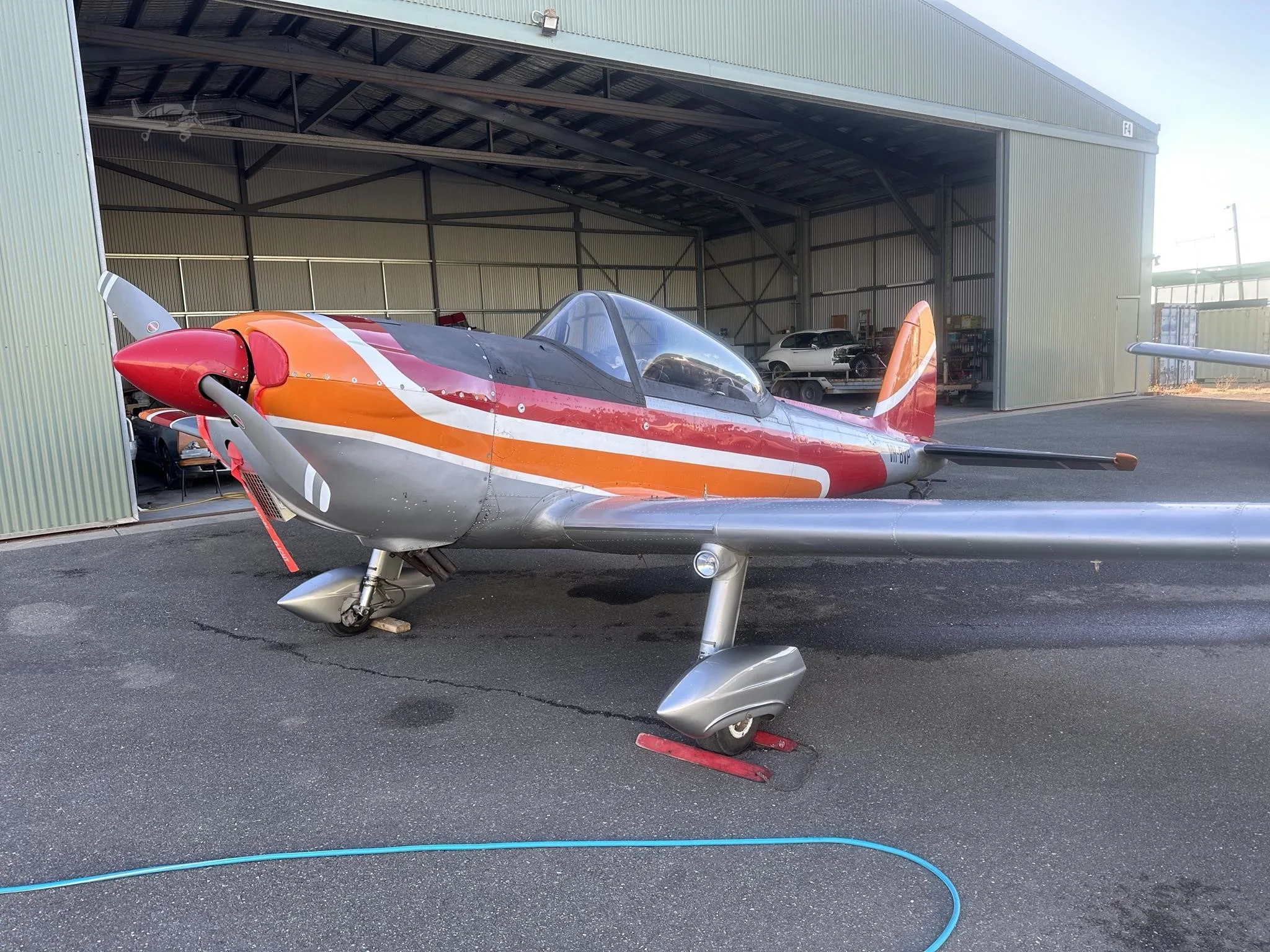
Free — save the DHC-1 to your watchlist and track it in one place.
More DEHAVILLAND DHC-1B-2-S3manuals & documents
Related documents
- 199-79 conversion kitDEHAVILLAND DHC-1B-2-S3 · Parts Catalog
- DEHAVILLAND DHC-3 Model GuideDEHAVILLAND DHC-3 · Model Guide
- DEHAVILLAND DHC-1 CHIPMUNK Model GuideDEHAVILLAND DHC-1 CHIPMUNK · Model Guide
- DHC-1 DHC-3 DHC-2DEHAVILLAND DHC-1B-2-S3 · Maintenance Manual
- Aircraft Wheel & BrakePiper PA-42 Cheyenne III · Weight & Balance
If you fly the DEHAVILLAND DHC-1B-2-S3, you may also be researching these.



In this document
Cleveland brake conversion (kit 199-79)
The Parker Hannifin kit lists the DHC-1B-2-S3 and -S5 among the Chipmunk models it fits. It includes 2 brake assemblies, 2 wheel assemblies, 2 axle spacers and 12 each of bolts, washers and nuts. It is for MIL-H-5606 (red) fluid. Ask whether a given aircraft has this kit fitted.
Paperwork to ask for
The kit's publication package lists an installation drawing (50-49 Rev. B) and two Supplemental Type Certificates, SA1011SO and SA2748SO. A letter of authorization is used to install the STC kit. If a seller says the conversion is fitted, ask to see these documents and the installation records.
Brake lining and wheel bolts
The non-asbestos organic lining must be conditioned: taxi 1500 ft at 1700 rpm at 5-10 mph, cool 10-15 minutes, then check that a high-throttle static run-up can be held. Repeat if it cannot. Light brake use can wear off the glaze. Wheel bolt torque follows the Cleveland CMM or PRM64.
Summary written by AI from the source document. Check the original before relying on it. See which parts of Sprinkle are written by AI.
Safety notes
- Proper wheel bolt torque is imperative to prevent premature bolt or mating component failure; add free-running torque to the stated value.
- If a static run-up cannot be held on the brakes after conditioning, repeat the conditioning procedure.
- Use only MIL-H-5606 (red) fluid with this brake kit.
Summary written by AI from the source document. Check the original before relying on it. See which parts of Sprinkle are written by AI.
Full document text
DEHAVILLAND DHC-1B-2-S3 Model Guide The DEHAVILLAND DHC-1B-2-S3 is a single-engine piston aircraft, a variant of the de Havilland DHC-1 Chipmunk family. The inputs hold no variant-specific specs or performance. The only document is a Cleveland wheel and brake conversion kit parts list, so this guide is mostly about that upgrade. • Family-level figures only: the DHC-1 family is listed with up to 2 passengers and up to 240 nm range. • Family-level maximums: up to 108 kt cruise, up to 17000 ft service ceiling, up to 900 kg MTOW. • Kit 199-79 converts one DHC-1B-2-S3 or -S5 to Cleveland wheels and brakes under an STC. • Aircraft Wheel & Brake bolt torque and brake lining conditioning have specific procedures; check the records. Cleveland brake conversion (kit 199-79) The Parker Hannifin kit lists the DHC-1B-2-S3 and -S5 among the Chipmunk models it fits. It includes 2 brake assemblies, 2 wheel assemblies, 2 axle spacers and 12 each of bolts, washers and nuts. It is for MIL-H-5606 (red) fluid. Ask whether a given aircraft has this kit fitted. Paperwork to ask for The kit's publication package lists an installation drawing (50-49 Rev. B) and two Supplemental Type Certificates, SA1011SO and SA2748SO. A letter of authorization is used to install the STC kit. If a seller says the conversion is fitted, ask to see these documents and the installation records. Brake lining and wheel bolts The non-asbestos organic lining must be conditioned: taxi 1500 ft at 1700 rpm at 5-10 mph, cool 10-15 minutes, then check that a high-throttle static run-up can be held. Repeat if it cannot. Light brake use can wear off the glaze. Wheel bolt torque follows the Cleveland CMM or PRM64. Safety notes: • Proper wheel bolt torque is imperative to prevent premature bolt or mating component failure; add free-running torque to the stated value. • If a static run-up cannot be held on the brakes after conditioning, repeat the conditioning procedure. • Use only MIL-H-5606 (red) fluid with this brake kit.