DEHAVILLAND DHC-1 CHIPMUNK Model Guide
DEHAVILLAND DHC-1 CHIPMUNK · Model Guide
Overview
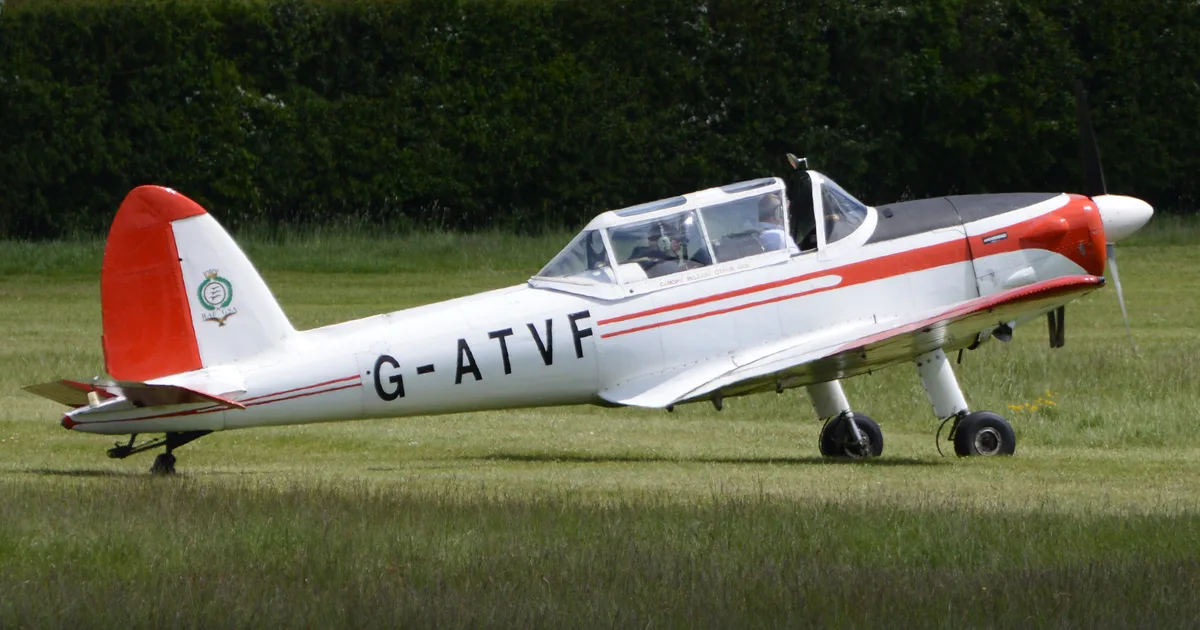
The DEHAVILLAND DHC-1 CHIPMUNK is a single-engine piston trainer with front and rear cockpits. Registry data for the wider family lists up to 2 passengers. The checklist reviewed here allows daytime VFR only. For a buyer, the main concern is the airframe's recorded fatigue life.
- Checklist limits: maximum all-up weight 2,000 lb, Vne 155 kts, stall 45 kts flaps up. Flight is not permitted in IMC or at night.
- Family registry figures are up to 108 kt cruise, 240 nm range and 17,000 ft ceiling. These are family maxima, not this variant's figures.
- Structural life is counted in Fatigue Hours (flying hours x Role Factor), not flying hours. Check how the logbooks record them.
- The modification list is applicable by mark. Confirm which modifications are embodied on the airframe you are considering.
Summary written by AI from the source document. Check the original before relying on it. See which parts of Sprinkle are written by AI.
Reference only, not for flight. Use the current approved manual for your aircraft. See terms, section 5.
Document
Source
Copy found at sprinkle.com. Sprinkle hosts a reference copy with an added summary, specifications and searchable full text.
Document details
- Type ·
- Model Guide
- Year ·
- 2026
- File size ·
- 49 KB
- Copy found at ·
- sprinkle.com
Specifications & performance
Extracted from this document.
Performance
- Liftoff speed (kt) ·
- 45
- Endurance speed (kt) ·
- 65
- Normal climb speed (kt) ·
- 70
- Final approach speed (kt) ·
- 60
- Recommended cruise speed (kt) ·
- 90
V-speeds
- VY_KTS ·
- 65
- VFE_KTS ·
- 71
- VNE_KTS ·
- 155
- VS0_KTS ·
- 45
- VS1_KTS ·
- 35
- BEST_GLIDE_SPEED_KTS ·
- 65
- MAX_SPEED_FLAP_15_KTS ·
- 93
Weight & balance
- Max all up weight (lb) ·
- 2,000
What is the maximum weight of the DEHAVILLAND DHC-1 CHIPMUNK?
The checklist for the DEHAVILLAND DHC-1 CHIPMUNK gives a maximum permissible all-up weight of 2,000 lb. The registry lists up to 900 kg maximum takeoff weight for the family.
What is the key airframe check on a DEHAVILLAND DHC-1 CHIPMUNK?
For the DEHAVILLAND DHC-1 CHIPMUNK, review the Fatigue Hours records for the fuselage centre section lower tie bar and the wing attachment link plates and bolts. Confirm the tie bar type, because safe life varies between 10,000 and 30,000 Fatigue Hours.
Can the DEHAVILLAND DHC-1 CHIPMUNK be flown at night or in cloud?
No. The checklist for the DEHAVILLAND DHC-1 CHIPMUNK states that flight is not permitted in IMC or at night, and that normal operation is daytime VFR only.
What is the DEHAVILLAND DHC-1 CHIPMUNK Model Guide?
The DEHAVILLAND DHC-1 CHIPMUNK Model Guide is a model guide for the DEHAVILLAND DHC-1 CHIPMUNK, dated 2026.
What year was the DEHAVILLAND DHC-1 CHIPMUNK Model Guide published?
The DEHAVILLAND DHC-1 CHIPMUNK Model Guide — the DEHAVILLAND DHC-1 CHIPMUNK model guide on file — is dated 2026.
Common. More common than 83% of the aircraft models we track.
Most owners only have the POH. Here's the essential set for the DEHAVILLAND DHC-1 CHIPMUNK.
- Pilot's Operating Handbook / AFM
- Checklist
- Maintenance Manual
- Parts Catalog (IPC)
- Systems & Wiring
- Service Bulletins on file
- Type Certificate (TCDS)
DEHAVILLAND DHC-1 CHIPMUNK for sale now
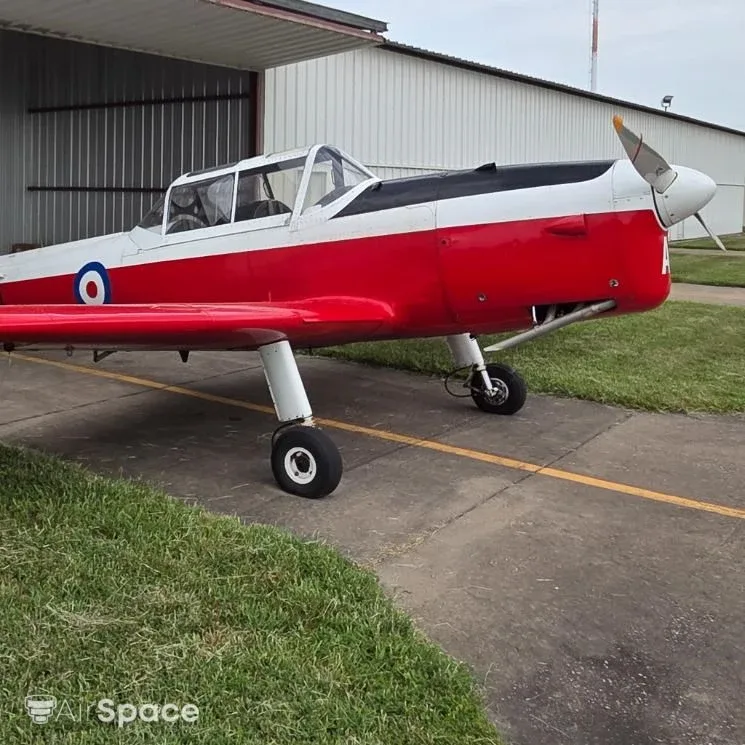
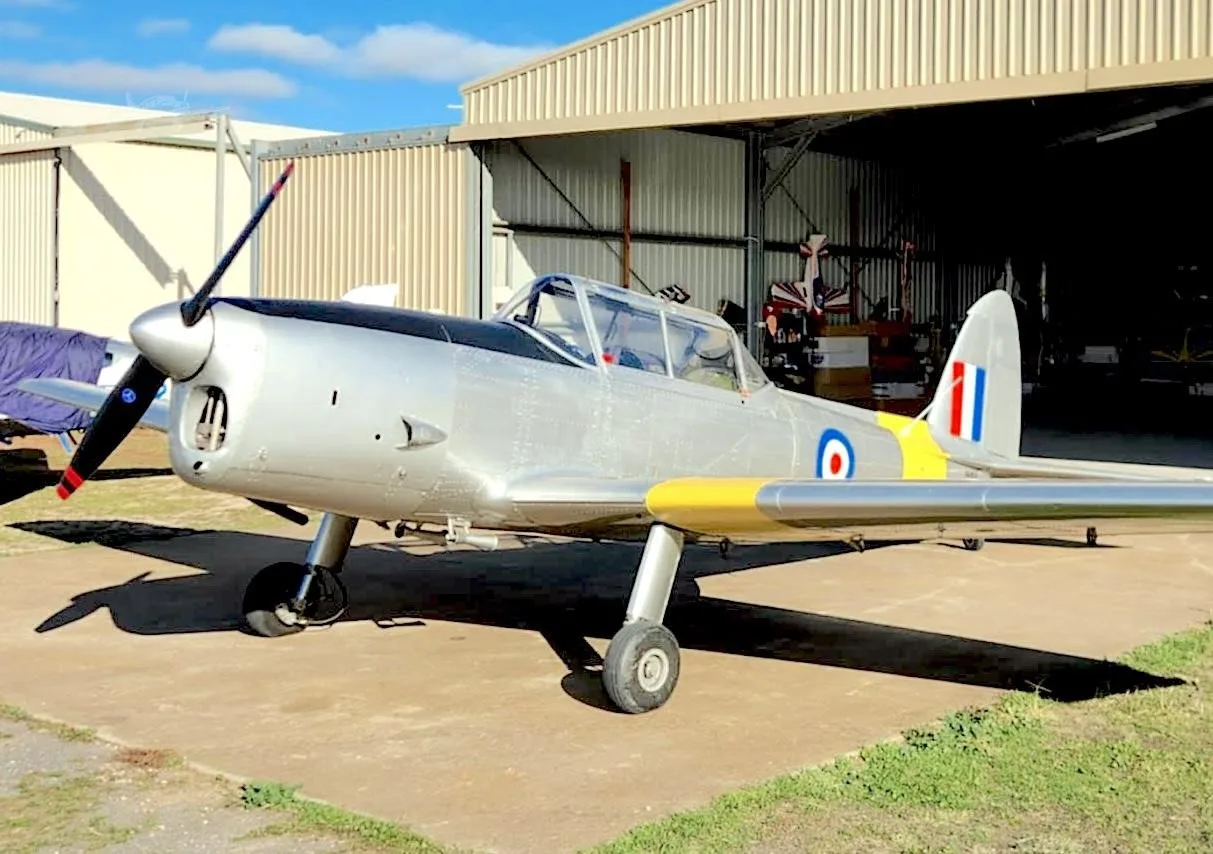
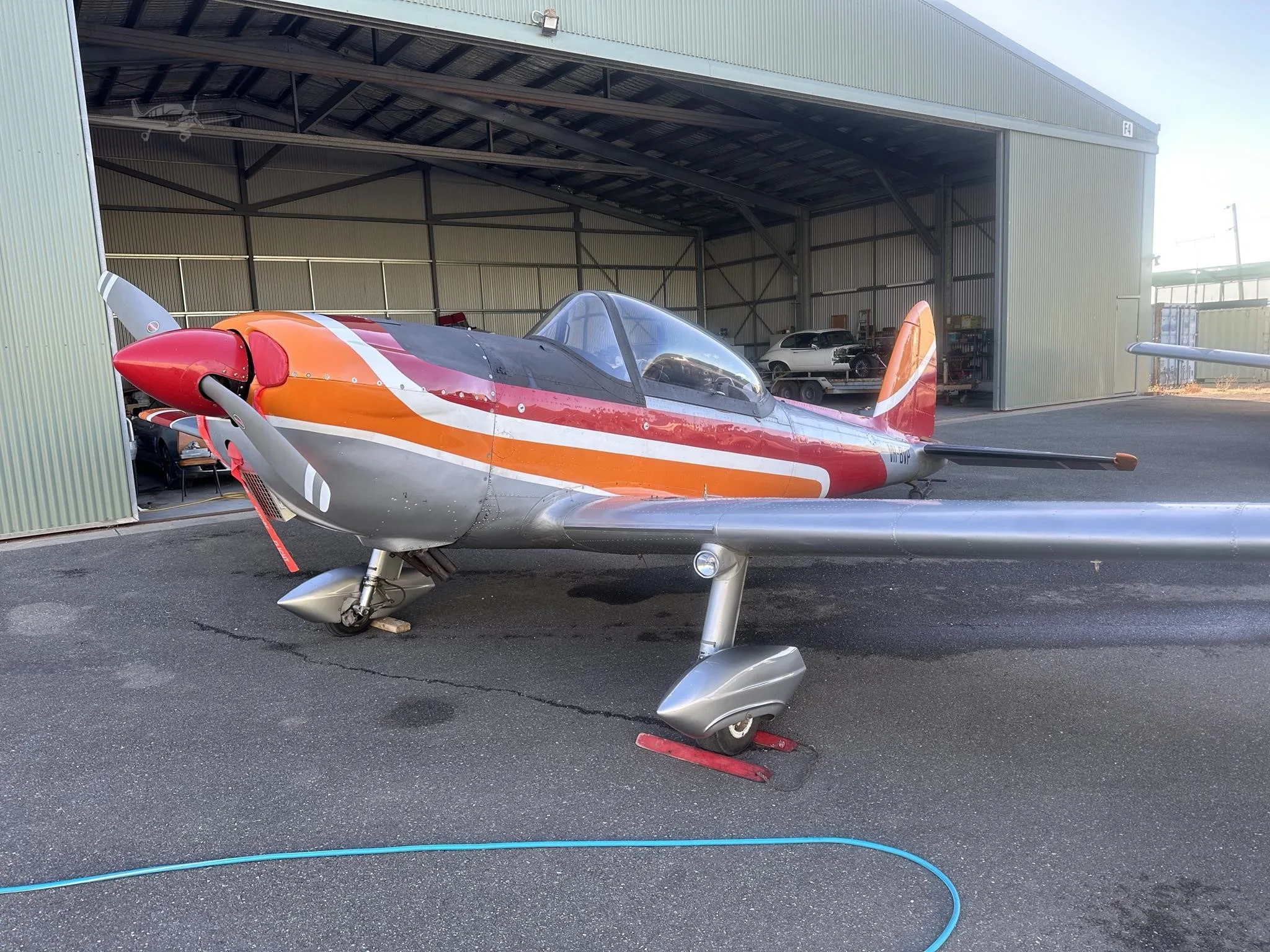
Free — save the DHC-1 to your watchlist and track it in one place.
More DEHAVILLAND DHC-1 CHIPMUNKmanuals & documents
Related documents
- OPERATION AND MAINTENANCE MANUAL DHC-1 — CHIPMUNKDEHAVILLAND DHC-1 CHIPMUNK · Maintenance Manual
- Chipmunk check listDEHAVILLAND DHC-1 CHIPMUNK · Checklist
- DEHAVILLAND DHC-1B-2-S3 Model GuideDEHAVILLAND DHC-1B-2-S3 · Model Guide
- DEHAVILLAND DHC-2 Model GuideDEHAVILLAND DHC-2 · Model Guide
- DEHAVILLAND DH-82A TIGER MOTH II Model GuideDEHAVILLAND DH-82A TIGER MOTH II · Model Guide
If you fly the DEHAVILLAND DHC-1 CHIPMUNK, you may also be researching these.



In this document
Speeds and handling
Per the checklist: lift off at 45 kts, normal climb 70 kts, best rate of climb 65 kts, recommended cruise 90 kts, best glide 65 kts. Final approach is 60 kts and threshold 55-60 kts. Maximum flap speed is 93 kts at 15 deg and 71 kts at 30 deg.
Structure and fatigue lives
Fuselage centre section lower tie bar safe life: 10,000 Fatigue Hours for aluminium alloy, 30,000 for steel, 16,000 for steel with bushed lug holes. Wing attachment link plates and bolts: replace at 15,000 Fatigue Hours. A magnet identifies a steel tie bar. Fitment may be recorded under a repair scheme number.
Engine limits and quirks
Maximum take-off power is 2,550 RPM (5 minutes maximum), with maximum oil temperature 85 deg C. Normal oil pressure is 40-45 lb/sq.in, emergency minimum 30. The engine is susceptible to carburettor ice. Select carb heat HOT at the first sign of RPM reduction or rough running.
Summary written by AI from the source document. Check the original before relying on it. See which parts of Sprinkle are written by AI.
Safety notes
- Checklist: flight NOT permitted in IMC or at night; daytime VFR only.
- The technical news sheet reports widespread disregard of mandatory fatigue life limits on UK civil Chipmunks. Verify the fatigue records independently.
- Do not attempt to restart the engine in flight after a mechanical failure.
Summary written by AI from the source document. Check the original before relying on it. See which parts of Sprinkle are written by AI.
Full document text
DEHAVILLAND DHC-1 CHIPMUNK Model Guide The DEHAVILLAND DHC-1 CHIPMUNK is a single-engine piston trainer with front and rear cockpits. Registry data for the wider family lists up to 2 passengers. The checklist reviewed here allows daytime VFR only. For a buyer, the main concern is the airframe's recorded fatigue life. • Checklist limits: maximum all-up weight 2,000 lb, Vne 155 kts, stall 45 kts flaps up. Flight is not permitted in IMC or at night. • Family registry figures are up to 108 kt cruise, 240 nm range and 17,000 ft ceiling. These are family maxima, not this variant's figures. • Structural life is counted in Fatigue Hours (flying hours x Role Factor), not flying hours. Check how the logbooks record them. • The modification list is applicable by mark. Confirm which modifications are embodied on the airframe you are considering. Speeds and handling Per the checklist: lift off at 45 kts, normal climb 70 kts, best rate of climb 65 kts, recommended cruise 90 kts, best glide 65 kts. Final approach is 60 kts and threshold 55-60 kts. Maximum flap speed is 93 kts at 15 deg and 71 kts at 30 deg. Structure and fatigue lives Fuselage centre section lower tie bar safe life: 10,000 Fatigue Hours for aluminium alloy, 30,000 for steel, 16,000 for steel with bushed lug holes. Wing attachment link plates and bolts: replace at 15,000 Fatigue Hours. A magnet identifies a steel tie bar. Fitment may be recorded under a repair scheme number. Engine limits and quirks Maximum take-off power is 2,550 RPM (5 minutes maximum), with maximum oil temperature 85 deg C. Normal oil pressure is 40-45 lb/sq.in, emergency minimum 30. The engine is susceptible to carburettor ice. Select carb heat HOT at the first sign of RPM reduction or rough running. Safety notes: • Checklist: flight NOT permitted in IMC or at night; daytime VFR only. • The technical news sheet reports widespread disregard of mandatory fatigue life limits on UK civil Chipmunks. Verify the fatigue records independently. • Do not attempt to restart the engine in flight after a mechanical failure.