
JMB VL-3 RG Model Guide
Model Guide for the Jmb VL-3 Rg
PDF, 49 KB, from Sprinkle’s own files.
What it covers
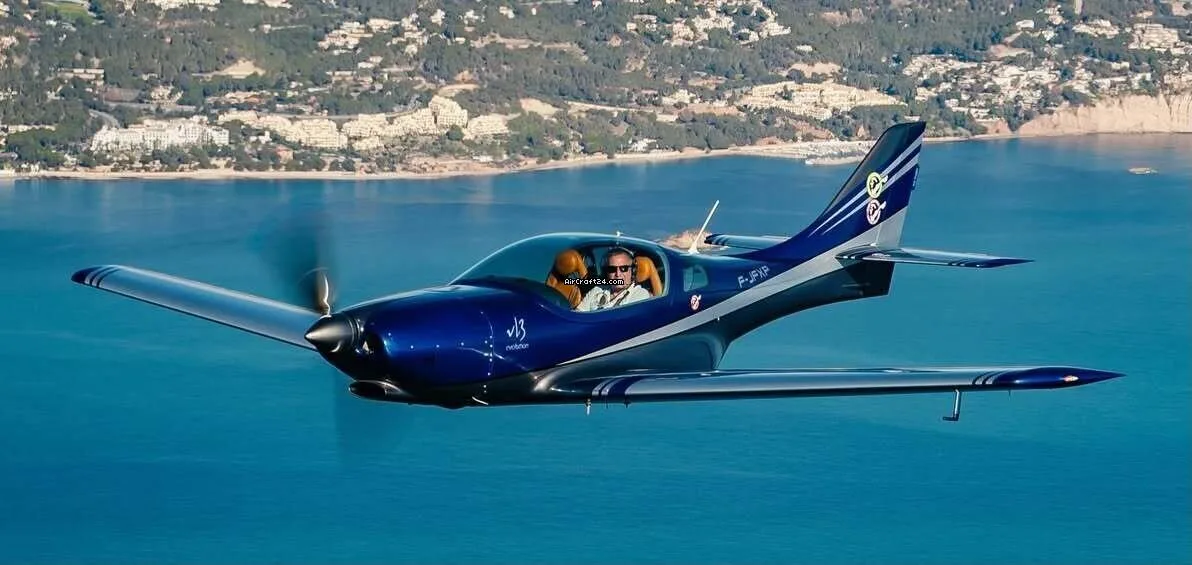
JMB VL-3 RG is a single-engine piston, two-seat, side-by-side composite aeroplane for recreational and cross-country flying. The only source is the flight manual for the VL-3B-3 (serial VL-3-71, issued 28.4.2010), so the figures are for that variant. Confirm them against your own RG airframe. Power is a Rotax 912 ULS rated 100 hp.
Key points
- Two seats, 472 kg max take-off weight, 303 kg empty, 15 kg baggage limit, 65 kg minimum crew weight.
- Rotax 912 ULS, 100 hp take-off power. The manual warns the engine is not certified as an aircraft engine and may fail at any time.
- Day VFR only, Normal category. Aerobatics, intentional spins and stalls are prohibited.
- The manual describes the gear two ways: fixed in section 1.3.1, retractable in section 7.4. Verify on your airframe.
Figures in this document
As the document states them. Check them against the PDF before you rely on one.
Specifications
- Seats
- 2
- Engine model
- Rotax 912 ULS
- Empty weight kg
- 303
- Min crew weight kg
- 65
- Fuel per tank liters
- 44
- Max takeoff power (hp)
- 100
- Max baggage weight kg
- 15
- Max takeoff weight kg
- 472
Performance
- Rate of climb ms
- 6
- Takeoff run grass m
- 160
- Best climb speed (kt)
- 65
- Economy cruise speed kmh
- 185
- Max continuous cruise speed kmh
- 235
- Landing run full braking grass m
- 90
- Landing distance 15m obstacle grass m
- 270
- Takeoff distance 15m obstacle grass m
- 290
V-speeds
- VA_KMH
- 165
- VFE_KMH
- 120
- VNE_KMH
- 305
- VNO_KMH
- 210
- VS0_KMH
- 55
- BEST_GLIDE_KTS
- 55
- VS_FLAPS_RETRACTED_KMH
- 75
Weight and balance
- Empty weight kg
- 303
- Empty cg pct mac
- 17.6
- Min crew weight kg
- 65
- Cg range max pct mac
- 34
- Cg range min pct mac
- 21
- Max baggage weight kg
- 15
- Max takeoff weight kg
- 472
Main sections
Performance and speeds
On grass at sea level the manual gives a take-off run of 160 m (290 m over a 15 m obstacle). Landing is 270 m over a 15 m obstacle, with a 90 m run under full braking. Best climb is 65 kts at 6 m/s. Economy cruise at 4800 rpm is 185 km/h IAS. Max continuous power gives 235 km/h IAS. Max take-off power is limited to 5 minutes.
What to check before buying
Check that the weight and balance record and the load-limits placard are current, since any alteration that affects weight needs a new record. Check the placards are readable. Confirm the gear type, because the manual contradicts itself. Inspect the carbon/foam wing and tail skins, tyre pressure (1.6 bar), the fuel drain at the wing underside, the pitot-static tube and the propeller. Ask for the periodic inspection history.
Construction and systems
The airframe is all-carbon-fibre sandwich construction. The wing has one main spar with carbon flanges, no ribs, and a foam-core skin. The canopy is Plexiglas and tilts forward. The fuel tanks are in the wings, 44 litres each when full. The cockpit has a rescue parachute position, a four-point harness, and a baggage space behind the seats. Fuel is premium automotive gasoline, unleaded RON 95, or AVGAS 100 LL only if other fuel is unavailable.
Safety notes
- The manual warns the Rotax 912 ULS is not certified as an aircraft engine. Failure may occur at any time and the pilot is fully responsible.
- Never exceed max take-off weight. The C.G. must stay within 21-34 %MAC for the whole flight. If it does not, do not fly.
- Take-off is prohibited with an unsteady engine, instruments outside limits, choke on, or crosswind above the 5 m/s limit.
Questions this document answers
What is the load limit on the JMB VL-3 RG?
For the VL-3B-3 manual behind this guide, JMB VL-3 RG figures are 472 kg max take-off weight and 303 kg empty. Baggage is limited to 15 kg and minimum crew weight is 65 kg. The C.G. must stay within 21-34 %MAC.
What fuel does the JMB VL-3 RG use?
The manual lists premium automotive gasoline, unleaded RON 95, and AVGAS 100 LL. AVGAS should be used only when the other fuels are not available, because the higher lead content increases valve seat wear and combustion chamber deposits.
What are the operating limits of the JMB VL-3 RG?
The manual limits the JMB VL-3 RG to day VFR in the Normal category. Steep turns are allowed up to 60° bank. Aerobatics, intentional spins and stalls are prohibited. Maximum crosswind for take-off and landing is 5 m/s.
Is the JMB VL-3 RG gear fixed or retractable?
The source manual is inconsistent for JMB VL-3 RG buyers. Section 1.3.1 describes fixed tricycle gear, while section 7.4 describes retractable gear. Check the actual airframe and its documentation.
The document’s text
Show the text read from the PDF
JMB VL-3 RG Model Guide JMB VL-3 RG is a single-engine piston, two-seat, side-by-side composite aeroplane for recreational and cross-country flying. The only source is the flight manual for the VL-3B-3 (serial VL-3-71, issued 28.4.2010), so the figures are for that variant. Confirm them against your own RG airframe. Power is a Rotax 912 ULS rated 100 hp. • Two seats, 472 kg max take-off weight, 303 kg empty, 15 kg baggage limit, 65 kg minimum crew weight. • Rotax 912 ULS, 100 hp take-off power. The manual warns the engine is not certified as an aircraft engine and may fail at any time. • Day VFR only, Normal category. Aerobatics, intentional spins and stalls are prohibited. • The manual describes the gear two ways: fixed in section 1.3.1, retractable in section 7.4. Verify on your airframe. Performance and speeds On grass at sea level the manual gives a take-off run of 160 m (290 m over a 15 m obstacle). Landing is 270 m over a 15 m obstacle, with a 90 m run under full braking. Best climb is 65 kts at 6 m/s. Economy cruise at 4800 rpm is 185 km/h IAS. Max continuous power gives 235 km/h IAS. Max take-off power is limited to 5 minutes. What to check before buying Check that the weight and balance record and the load-limits placard are current, since any alteration that affects weight needs a new record. Check the placards are readable. Confirm the gear type, because the manual contradicts itself. Inspect the carbon/foam wing and tail skins, tyre pressure (1.6 bar), the fuel drain at the wing underside, the pitot-static tube and the propeller. Ask for the periodic inspection history. Construction and systems The airframe is all-carbon-fibre sandwich construction. The wing has one main spar with carbon flanges, no ribs, and a foam-core skin. The canopy is Plexiglas and tilts forward. The fuel tanks are in the wings, 44 litres each when full. The cockpit has a rescue parachute position, a four-point harness, and a baggage space behind the seats. Fuel is premium automotive gasoline, unleaded RON 95, or AVGAS 100 LL only if other fuel is unavailable. Safety notes: • The manual warns the Rotax 912 ULS is not certified as an aircraft engine. Failure may occur at any time and the pilot is fully responsible. • Never exceed max take-off weight. The C.G. must stay within 21-34 %MAC for the whole flight. If it does not, do not fly. • Take-off is prohibited with an unsteady engine, instruments outside limits, choke on, or crosswind above the 5 m/s limit.
Read from the PDF by machine, so tables and diagrams come out rough. The PDF is the document.
More Jmb VL-3 Rg documents
All 2 →- Flight manual for aeroplane VL – 3B-3
This document is the flight manual for the JMB VL-3 RG aircraft, specifically the VL-3B-3 model. It provides essential information on the aircraft's operation, limitations, emergency procedures, and performance data.
Pilot's Operating Handbook · 2010PDF · 1.9 MB of Flight manual for aeroplane VL – 3B-3, opens in a new tabRequest removal of Flight manual for aeroplane VL – 3B-3
JMB Aircraft VL-3 for sale now
View all 1 for sale →Aircraft that this model guide covers, listed on the sites Sprinkle reads. Asking prices, not sales. JMB Aircraft VL-3 asking prices by year built.
Also useful for the Jmb VL-3 Rg
From Sprinkle’s library of aircraft documents. PDFs open from Sprinkle’s own files. Read Nov 26, 2026.
Want this document taken down? Request removal