JMB Aircraft VL-3 Evolution Model Guide
JMB Aircraft VL-3 Evolution · Model Guide
Overview
The JMB Aircraft VL-3 Evolution is a single-engine composite two-seat, side-by-side aircraft with retractable tricycle gear, built for recreational and sport flying. This guide uses the flight manual for the VL-3E-1 with Rotax 912ULS (aircraft OK-CUA78, issued 2.6.2023). Figures may differ on other examples. No registry family data was available.
- Two seats, 600 kg max takeoff weight, 360 kg standard empty weight, 15 kg baggage limit. VFR only, not approved for aerobatics.
- Rotax 912ULS rated 100 hp at takeoff and 5500 rpm max continuous. The manual says this engine is not certified as an aircraft engine.
- Lift-off at about 43 kts, climb at 60 kts, best climb at 75 kts. Stall is 95 km/h IAS clean and 82 km/h IAS in landing flaps.
- Hydraulic retractable gear with a manual emergency pump. Check the gear system, fuel quality and weight/CG figures before buying.
Summary written by AI from the source document. Check the original before relying on it. See which parts of Sprinkle are written by AI.
Reference only, not for flight. Use the current approved manual for your aircraft. See terms, section 5.
Document
Source
Copy found at sprinkle.com. Sprinkle hosts a reference copy with an added summary, specifications and searchable full text.
Document details
- Type ·
- Model Guide
- Year ·
- 2026
- File size ·
- 51 KB
- Copy found at ·
- sprinkle.com
Specifications & performance
Extracted from this document.
Specifications
- Seats ·
- 2
- Length m ·
- 6.2
- Wingspan m ·
- 8.44
- Wing area m2 ·
- 9.8
- Empty weight kg ·
- 360
- Engine power (hp) ·
- 100
- Fuel per tank (gal) ·
- 15.6
- Max takeoff weight kg ·
- 600
Performance
- Climb speed (kt) ·
- 60
- Liftoff speed (kt) ·
- 43
- Max crosswind (kt) ·
- 25
- Max continuous rpm ·
- 5,500
- Stall flaps up kmh ·
- 95
- Touchdown speed kmh ·
- 80
- Best climb speed (kt) ·
- 75
- Stall landing flaps kmh ·
- 82
V-speeds
- VA_KMH ·
- 190
- VFE_KMH ·
- 125
- VLE_KMH ·
- 150
- VNE_KMH ·
- 315
- VNO_KMH ·
- 250
- VS0_KMH ·
- 82
- GLIDE_SPEED_KMH ·
- 140
- FINAL_APPROACH_SPEED_KMH ·
- 120
Weight & balance
- Max baggage kg ·
- 15
- Cg aft limit mm ·
- 492
- Empty weight kg ·
- 360
- Min crew weight kg ·
- 65
- Cg forward limit mm ·
- 335
- Max crew full fuel kg ·
- 139
- Max takeoff weight kg ·
- 600
How much can it carry?
The JMB Aircraft VL-3 Evolution has two seats and a 600 kg max takeoff weight. The placard lists max crew weight with 15 kg baggage: 203 kg with 30 L fuel, 182 kg with 60 L, 160 kg with 90 L, and 139 kg with the full 120 L.
What is the crosswind limit?
The verified maximum crosswind for takeoff and landing in the JMB Aircraft VL-3 Evolution is 12 m/s (25 kts) with flaps at 15° and 37°. With flaps at 55° it is 5 m/s (10 kts).
Which figures in the manual should a buyer verify?
The JMB Aircraft VL-3 Evolution manual gives CG limits of 323-478 mm in section 2.8 but 335-492 mm in section 6.2.1. Minimum crew weight is 65 kg in the text and 60 kg on the placard. Max flap speed appears as 125 km/h and as 65 kts. Ask the maker which applies.
What is the JMB Aircraft VL-3 Evolution Model Guide?
The JMB Aircraft VL-3 Evolution Model Guide is a model guide for the JMB Aircraft VL-3 Evolution, dated 2026.
What year was the JMB Aircraft VL-3 Evolution Model Guide published?
The JMB Aircraft VL-3 Evolution Model Guide — the JMB Aircraft VL-3 Evolution model guide on file — is dated 2026.
Common. More common than 77% of the aircraft models we track.
Most owners only have the POH. Here's the essential set for the JMB Aircraft VL-3 Evolution.
- Pilot's Operating Handbook / AFM
- Checklist
- Maintenance Manual
- Parts Catalog (IPC)
- Systems & Wiring
- Service Bulletins on file
- Type Certificate (TCDS)
JMB Aircraft VL-3 Evolution for sale now
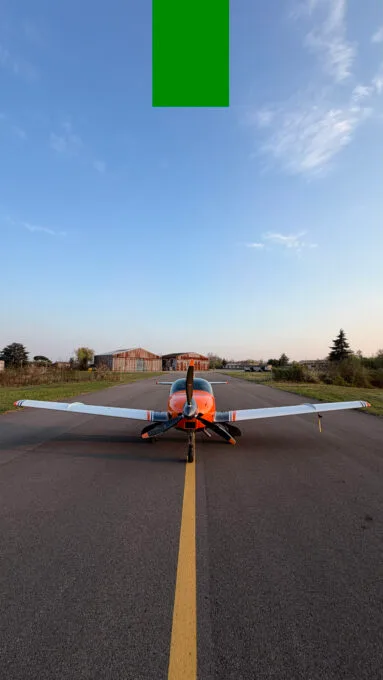
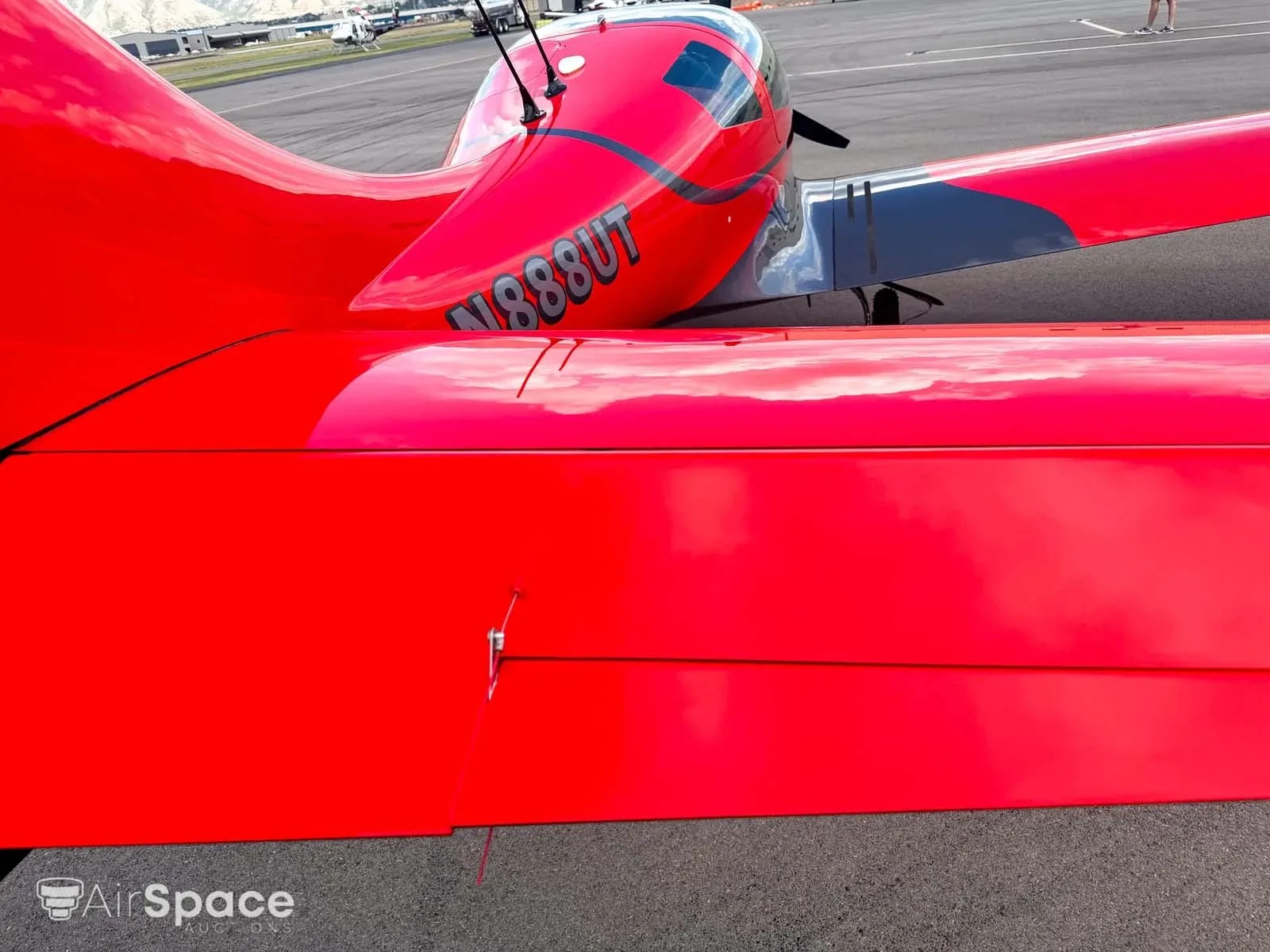
Free — save the VL-3 to your watchlist and track it in one place.
Related documents
- VL3 SN110JMB Aircraft VL-3 Evolution · Maintenance Manual
- DynAero MCR ULC Model GuideDynAero MCR ULC · Model Guide
- EVEKTOR EV-97R Eurostar Model GuideEVEKTOR EV-97R Eurostar · Model Guide
- AEROPILOT LTD LEGEND 600 Model GuideAEROPILOT LTD LEGEND 600 · Model Guide
- Aeropilot Legend 600 Model GuideAeropilot Legend 600 · Model Guide
If you fly the JMB Aircraft VL-3 Evolution, you may also be researching these.


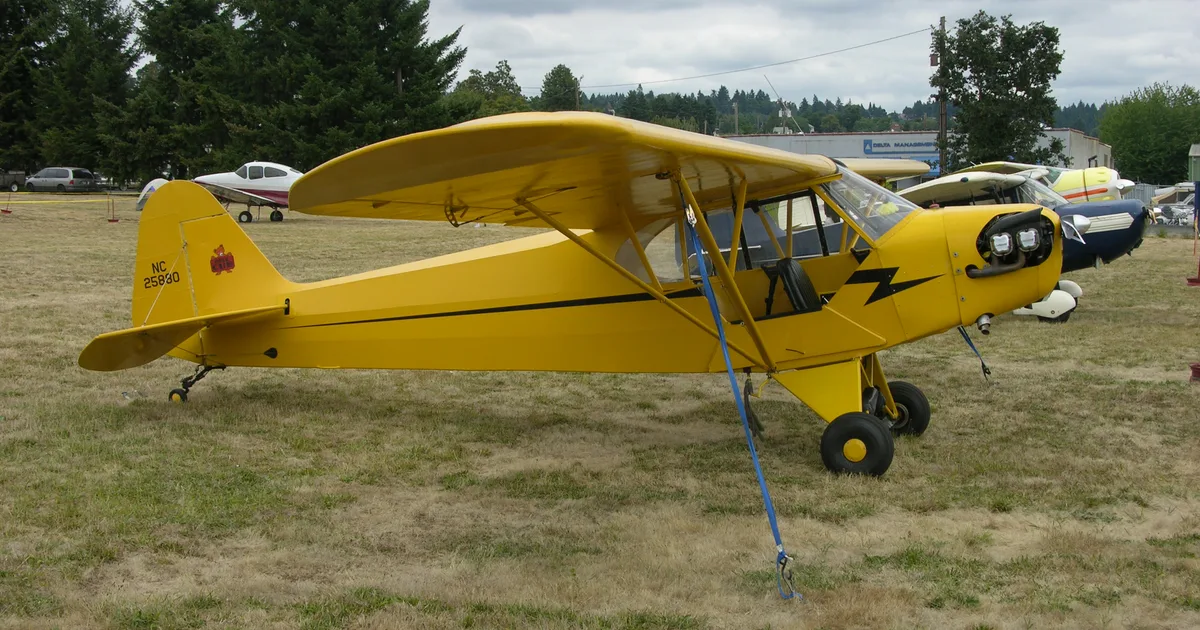
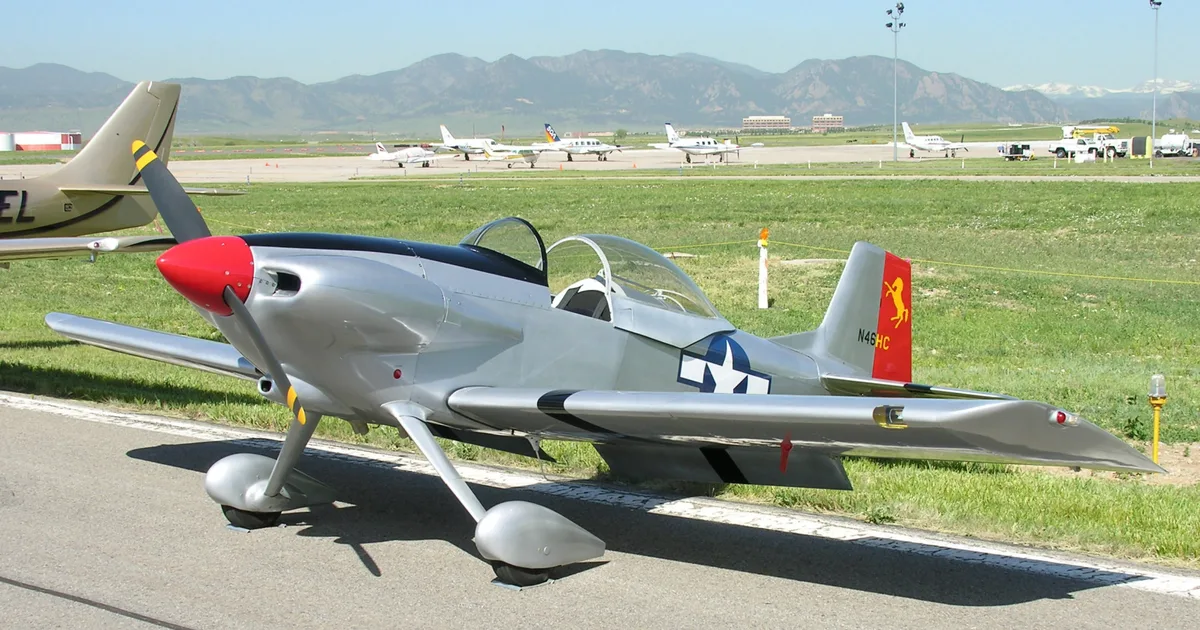


In this document
Airframe and layout
Carbon and carbon-Kevlar composite fuselage with integrated seats. The wing is single-spar with a carbon-foam sandwich skin, and the tail is built the same way. Wingspan is 8.44 m, length 6.2 m, wing area 9.8 m2. Tricycle gear with a steerable nosewheel. Flaps are linked to the gear, so extending flaps with the gear up sounds a warning horn.
Gear hydraulics: what to check
The gear is hydraulic, with a maximum operating speed of 150 km/h. An extension cycle runs 30 s, then a red HPU light flashes and a Reset press restarts it. If three green lights do not show, a hand pump (min. 50 cycles) extends the gear. After any such event the manual says to inspect the gear system for the cause.
Fuel and engine care
Two wing tanks of 59 L each (15.6 US gal each). Approved fuels include unleaded RON 95 and EN 228 Super mogas. AVGAS 100 LL is for use only when nothing else is available, because it increases valve seat wear and deposits. Do not use fuel with more than 10% ethanol or 5% toluene. Run oil above 100 °C for at least 10 min each flight day.
Summary written by AI from the source document. Check the original before relying on it. See which parts of Sprinkle are written by AI.
Safety notes
- The manual states the Rotax 912ULS was not certified as an aircraft engine and may fail at any time. The pilot is fully responsible for the consequences.
- Aerobatics, intentional spins, stalls with power and side slips are prohibited. VFR flight only.
- The placard says the product is not subject to Czech CAA approval and is operated at the user's own risk.
Summary written by AI from the source document. Check the original before relying on it. See which parts of Sprinkle are written by AI.
Full document text
JMB Aircraft VL-3 Evolution Model Guide The JMB Aircraft VL-3 Evolution is a single-engine composite two-seat, side-by-side aircraft with retractable tricycle gear, built for recreational and sport flying. This guide uses the flight manual for the VL-3E-1 with Rotax 912ULS (aircraft OK-CUA78, issued 2.6.2023). Figures may differ on other examples. No registry family data was available. • Two seats, 600 kg max takeoff weight, 360 kg standard empty weight, 15 kg baggage limit. VFR only, not approved for aerobatics. • Rotax 912ULS rated 100 hp at takeoff and 5500 rpm max continuous. The manual says this engine is not certified as an aircraft engine. • Lift-off at about 43 kts, climb at 60 kts, best climb at 75 kts. Stall is 95 km/h IAS clean and 82 km/h IAS in landing flaps. • Hydraulic retractable gear with a manual emergency pump. Check the gear system, fuel quality and weight/CG figures before buying. Airframe and layout Carbon and carbon-Kevlar composite fuselage with integrated seats. The wing is single-spar with a carbon-foam sandwich skin, and the tail is built the same way. Wingspan is 8.44 m, length 6.2 m, wing area 9.8 m2. Tricycle gear with a steerable nosewheel. Flaps are linked to the gear, so extending flaps with the gear up sounds a warning horn. Gear hydraulics: what to check The gear is hydraulic, with a maximum operating speed of 150 km/h. An extension cycle runs 30 s, then a red HPU light flashes and a Reset press restarts it. If three green lights do not show, a hand pump (min. 50 cycles) extends the gear. After any such event the manual says to inspect the gear system for the cause. Fuel and engine care Two wing tanks of 59 L each (15.6 US gal each). Approved fuels include unleaded RON 95 and EN 228 Super mogas. AVGAS 100 LL is for use only when nothing else is available, because it increases valve seat wear and deposits. Do not use fuel with more than 10% ethanol or 5% toluene. Run oil above 100 °C for at least 10 min each flight day. Safety notes: • The manual states the Rotax 912ULS was not certified as an aircraft engine and may fail at any time. The pilot is fully responsible for the consequences. • Aerobatics, intentional spins, stalls with power and side slips are prohibited. VFR flight only. • The placard says the product is not subject to Czech CAA approval and is operated at the user's own risk.