PIPER ARROW II Model Guide
PIPER ARROW II · Model Guide
Overview
PIPER ARROW II is a single-engine piston aircraft with retractable landing gear, from the Piper PA-28 family. The family lists up to 4 passengers, up to 910 nm range and up to 172 kt cruise across all variants. This guide uses a flight-school PA28-R200 Arrow II checklist. No variant-specific weight or performance tables were provided.
- PIPER ARROW II has retractable gear: gear-down checks (3 green lights) and the emergency gear extension lever are central to safe operation.
- Checklist climb setting after 1000 ft: 2500 RPM, 25 inches MP, 105-110 MPH.
- Gear-down limit is 150 MPH and flaps-down limit is 125 MPH in the descent checklist.
- Family-level figures (910 nm, 172 kt, 4 passengers) are maxima across PA-28 variants, not this model's ratings.
Summary written by AI from the source document. Check the original before relying on it. See which parts of Sprinkle are written by AI.
Reference only, not for flight. Use the current approved manual for your aircraft. See terms, section 5.
Document
Source
Copy found at sprinkle.com. Sprinkle hosts a reference copy with an added summary, specifications and searchable full text.
Document details
- Type ·
- Model Guide
- Year ·
- 2026
- File size ·
- 46 KB
- Copy found at ·
- sprinkle.com
Specifications & performance
Extracted from this document.
V-speeds
- VA_MPH ·
- 131
- VS_MPH ·
- 71
- VX_MPH ·
- 85
- VY_MPH ·
- 100
- VFE_MPH ·
- 125
- VLE_MPH ·
- 150
- VLO_MPH ·
- 125
- VSO_MPH ·
- 64
What are the key speeds for the PIPER ARROW II?
The PA28-R200 Arrow II checklist lists Vso 64 MPH, Vs 71 MPH, Vx 85 MPH, Vy 100 MPH, Vfe 125 MPH, Vle 150 MPH, Vno 170 MPH, Vne 214 MPH and Va 131 MPH.
How many people can the PIPER ARROW II carry?
The PIPER ARROW II belongs to the PA-28 family, which lists up to 4 passengers across its variants. No model-specific seating or weight figures were in the supplied documents.
What is the PIPER ARROW II's range and cruise speed?
No model-specific figures were provided. The PA-28 family shows up to 910 nm range and up to 172 kt cruise across all variants. Treat these as family maxima, not PIPER ARROW II ratings.
What is the PIPER ARROW II Model Guide?
The PIPER ARROW II Model Guide is a model guide for the PIPER ARROW II, dated 2026.
What year was the PIPER ARROW II Model Guide published?
The PIPER ARROW II Model Guide — the PIPER ARROW II model guide on file — is dated 2026.
Common. One of the most common aircraft types we track.
Most owners only have the POH. Here's the essential set for the PIPER ARROW II.
- Pilot's Operating Handbook / AFM
- Checklist
- Maintenance Manual
- Parts Catalog (IPC)
- Systems & Wiring
- Service Bulletins on file
- Type Certificate (TCDS)
PIPER ARROW II for sale now
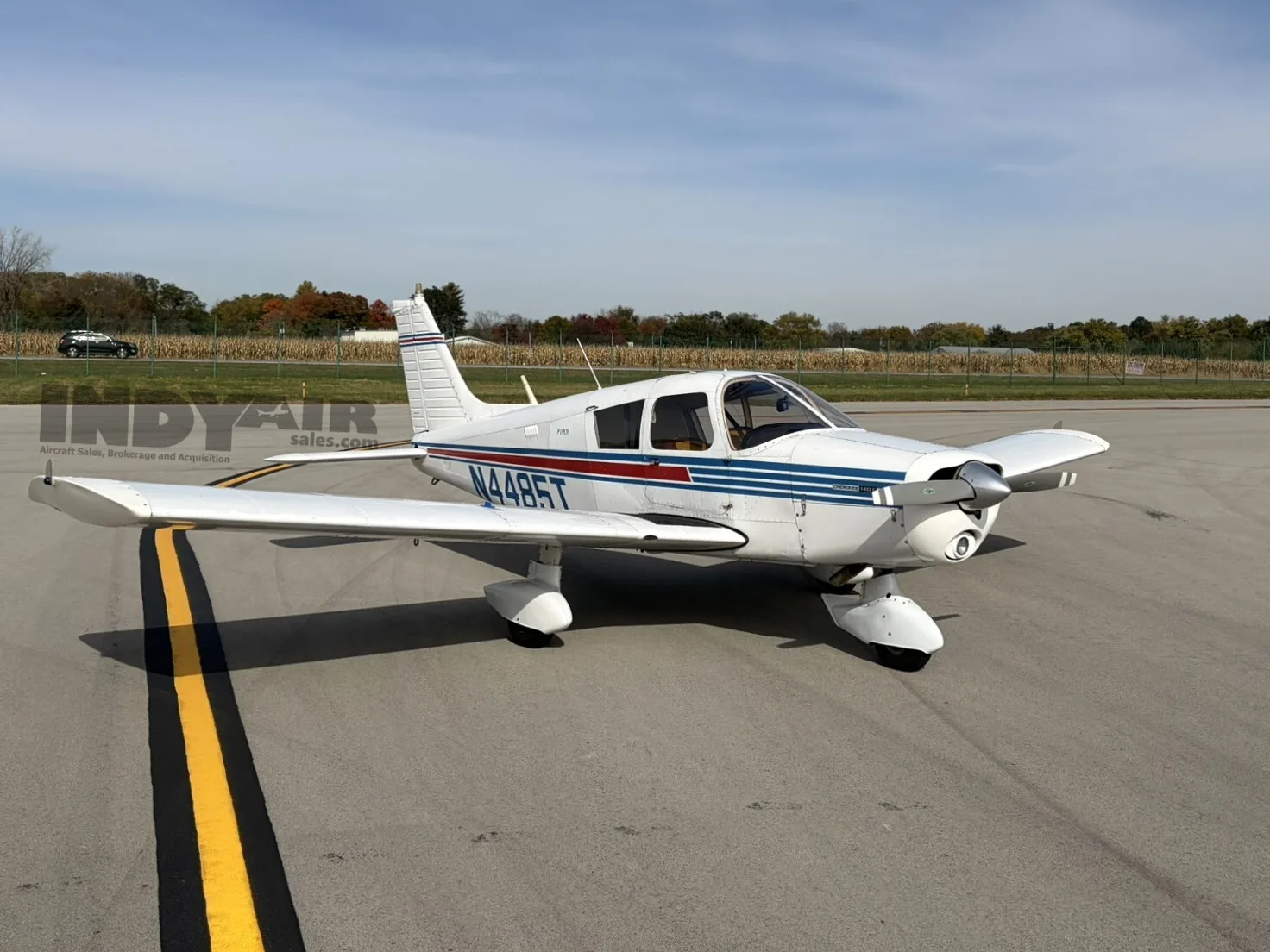
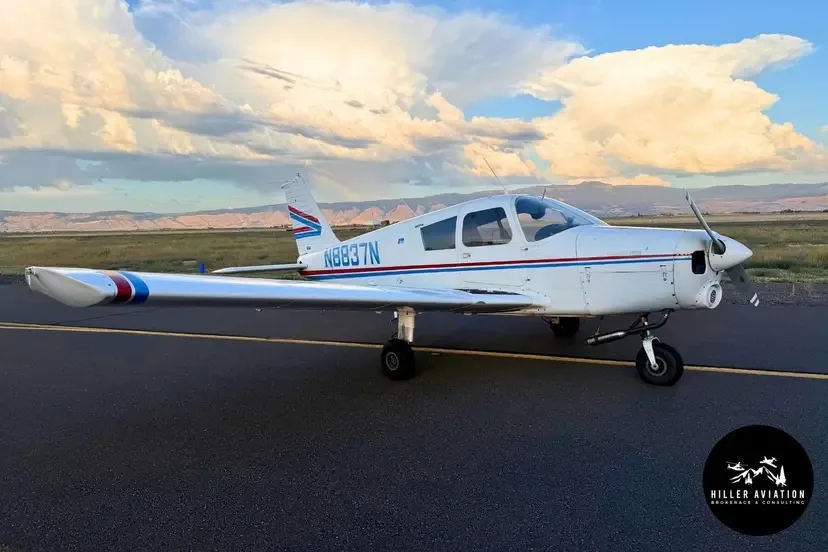
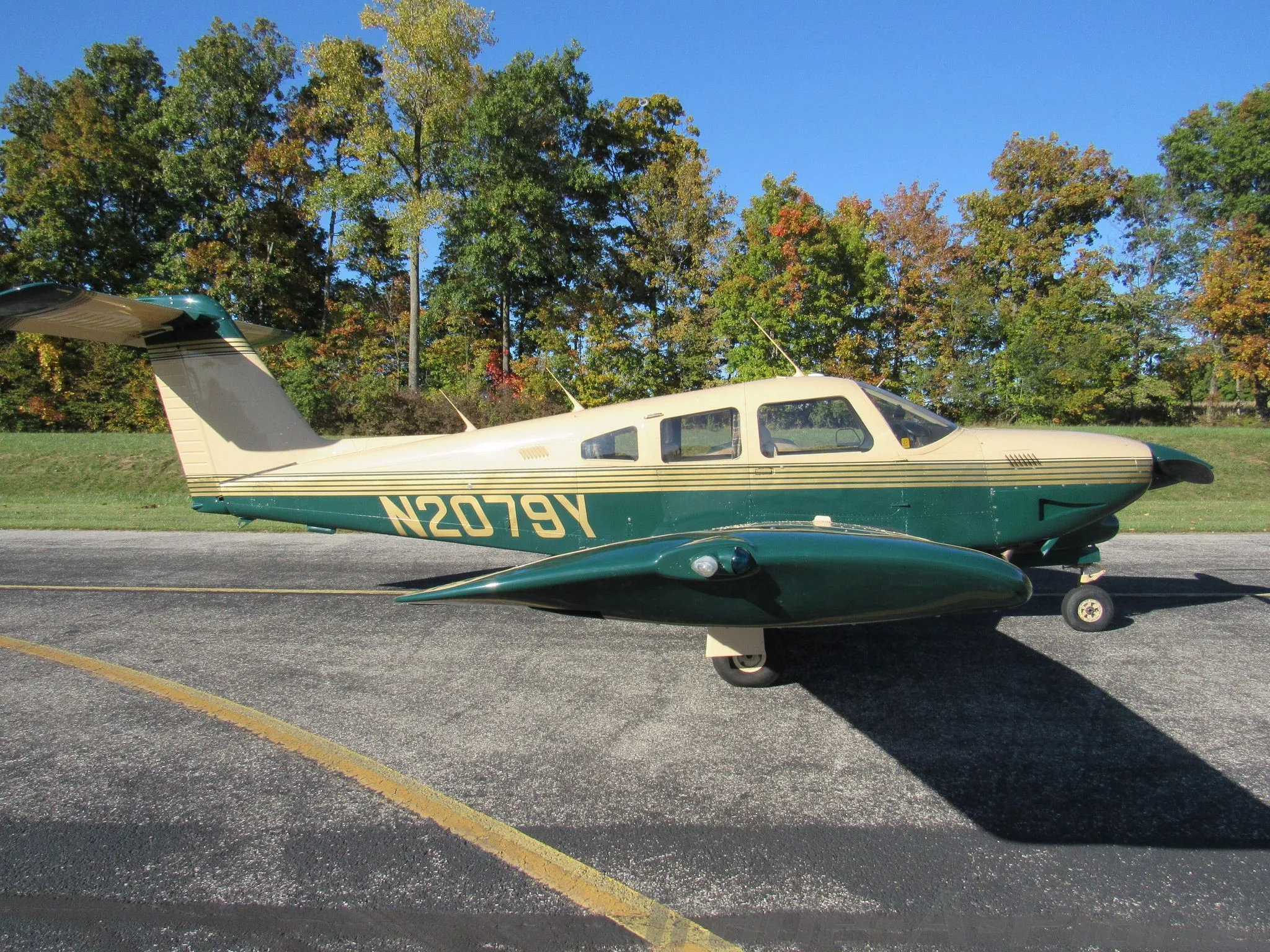
Free — save the PA-28 to your watchlist and track it in one place.
More PIPER ARROW IImanuals & documents
Related documents
- Piper PA-28R Arrow II Model GuidePiper PA-28R Arrow II · Model Guide
- Piper PA-28R Arrow III Model GuidePiper PA-28R Arrow III · Model Guide
- Piper PA-28R Arrow IV Model GuidePiper PA-28R Arrow IV · Model Guide
- Piper PA-28R Arrow Model GuidePiper PA-28R Arrow · Model Guide
- Piper Arrow SpecsPiper PA-28R Arrow III · Specifications
If you fly the PIPER ARROW II, you may also be researching these.




In this document
What to inspect on a walk-around
The checklist's exterior inspection covers: fuel sump drains and fuel vents on both wings; main gear shock struts (about 2 in showing); nose strut (about 2-2/3 in showing); hydraulic lines and gear cylinders for leaks; tires; brake blocks and discs; propeller and spinner; oil and fuel leaks; cowling and cowl scoop; air inlet; and control surfaces. Check the same items during a pre-buy.
Gear system and electrical checks
Start-up checks include 3 green gear lights, a vacuum gauge reading of 5 inches Hg, an ammeter check, and a magneto check (175/50 RPM). If the gear fails to extend, the abnormal procedure covers the circuit breakers, gear indicator bulbs and the emergency extension lever. With all electrical power lost, the position lights do not work. With the master off, the gear cannot be retracted.
Typical pattern and climb numbers
Pattern work in the checklist: downwind at 2400 RPM and 18 inches MP; gear down abeam the touchdown point at 13 inches MP with flaps 10 degrees at 105 MPH; base flaps 25 degrees at 90 MPH; final flaps 40 degrees at 85 MPH. Go-around: flaps 25 degrees at 100 MPH, then gear and flaps up once the climb is positive.
Summary written by AI from the source document. Check the original before relying on it. See which parts of Sprinkle are written by AI.
Safety notes
- Engine failure in flight: airspeed 105 MPH, gear and flaps up, switch fuel tank, electric fuel pump on, mixture rich, alternate air on.
- If a power loss follows fuel exhaustion, power may take up to 10 seconds to return after switching tanks.
- Propeller overspeed: keep below 2700 RPM. Limit starter cranking to thirty seconds, then rest two minutes.
Summary written by AI from the source document. Check the original before relying on it. See which parts of Sprinkle are written by AI.
Full document text
PIPER ARROW II Model Guide PIPER ARROW II is a single-engine piston aircraft with retractable landing gear, from the Piper PA-28 family. The family lists up to 4 passengers, up to 910 nm range and up to 172 kt cruise across all variants. This guide uses a flight-school PA28-R200 Arrow II checklist. No variant-specific weight or performance tables were provided. • PIPER ARROW II has retractable gear: gear-down checks (3 green lights) and the emergency gear extension lever are central to safe operation. • Checklist climb setting after 1000 ft: 2500 RPM, 25 inches MP, 105-110 MPH. • Gear-down limit is 150 MPH and flaps-down limit is 125 MPH in the descent checklist. • Family-level figures (910 nm, 172 kt, 4 passengers) are maxima across PA-28 variants, not this model's ratings. What to inspect on a walk-around The checklist's exterior inspection covers: fuel sump drains and fuel vents on both wings; main gear shock struts (about 2 in showing); nose strut (about 2-2/3 in showing); hydraulic lines and gear cylinders for leaks; tires; brake blocks and discs; propeller and spinner; oil and fuel leaks; cowling and cowl scoop; air inlet; and control surfaces. Check the same items during a pre-buy. Gear system and electrical checks Start-up checks include 3 green gear lights, a vacuum gauge reading of 5 inches Hg, an ammeter check, and a magneto check (175/50 RPM). If the gear fails to extend, the abnormal procedure covers the circuit breakers, gear indicator bulbs and the emergency extension lever. With all electrical power lost, the position lights do not work. With the master off, the gear cannot be retracted. Typical pattern and climb numbers Pattern work in the checklist: downwind at 2400 RPM and 18 inches MP; gear down abeam the touchdown point at 13 inches MP with flaps 10 degrees at 105 MPH; base flaps 25 degrees at 90 MPH; final flaps 40 degrees at 85 MPH. Go-around: flaps 25 degrees at 100 MPH, then gear and flaps up once the climb is positive. Safety notes: • Engine failure in flight: airspeed 105 MPH, gear and flaps up, switch fuel tank, electric fuel pump on, mixture rich, alternate air on. • If a power loss follows fuel exhaustion, power may take up to 10 seconds to return after switching tanks. • Propeller overspeed: keep below 2700 RPM. Limit starter cranking to thirty seconds, then rest two minutes.