Piper M500 Model Guide
Piper M500 · Model Guide
Overview
The Piper M500 is a single-engine, pressurized turboprop with six-place seating, powered by a Pratt & Whitney Canada PT6A-42A flat-rated at 500 shp. Piper lists a 260 ktas max cruise, 1,000 nm range with 45 min reserve, a 30,000 ft max approved altitude and a 1,698 lb standard useful load. Garmin G1000 NXi avionics and flight into known icing (FIKI) equipment are standard.
- Piper M500: 500 shp PT6A-42A, 260 ktas max cruise, and about 35 gph normal cruise fuel burn (Piper figure).
- Standard useful load is 1,698 lb with 170 US gal usable fuel, so check how many seats you can fill with full tanks.
- G1000 NXi, GFC 700 autopilot with Level Mode, ESP and underspeed protection are standard on newer aircraft.
- Check service bulletin compliance (static dischargers, fire extinguisher, prop de-ice harness) in the logbooks.
Summary written by AI from the source document. Check the original before relying on it. See which parts of Sprinkle are written by AI.
Reference only, not for flight. Use the current approved manual for your aircraft. See terms, section 5.
Document
Source
Copy found at sprinkle.com. Sprinkle hosts a reference copy with an added summary, specifications and searchable full text.
Document details
- Type ·
- Model Guide
- Year ·
- 2026
- File size ·
- 49 KB
- Copy found at ·
- sprinkle.com
Specifications & performance
Extracted from this document.
Specifications
- Height (ft) ·
- 11.3
- Length (ft) ·
- 29.6
- Wingspan (ft) ·
- 43
- Fuel usable (gal) ·
- 170
- Engine flat rated (hp) ·
- 500
- Propeller diameter (in) ·
- 82
Performance
- Range (nm) ·
- 1,000
- Cruise fuel burn (gph) ·
- 35
- Landing over 50ft (ft) ·
- 2,110
- Max cruise speed (kt) ·
- 260
- Takeoff over 50ft (ft) ·
- 2,438
- Landing ground roll (ft) ·
- 1,020
- Takeoff ground roll (ft) ·
- 1,650
- Max approved altitude (ft) ·
- 30,000
Weight & balance
- Max ramp weight (lb) ·
- 5,134
- Max takeoff weight (lb) ·
- 5,092
- Standard useful load (lb) ·
- 1,698
- Standard empty weight (lb) ·
- 3,436
How far and fast does the Piper M500 go?
Piper lists the Piper M500 at 260 ktas max cruise and 1,000 nm range with a 45 minute reserve. Normal cruise fuel burn is given as 35 gph, with 170 US gal usable fuel. Max approved altitude is 30,000 ft.
How much can the Piper M500 carry?
The Piper M500 has six-place seating. Standard useful load is 1,698 lb at a standard empty weight of 3,436 lb and a max takeoff weight of 5,092 lb. Full fuel will limit how many seats you can fill.
How much runway does the Piper M500 need?
Piper lists a Piper M500 takeoff ground roll of 1,650 ft and 2,438 ft over a 50 ft obstacle. Landing takes 1,020 ft on the ground and 2,110 ft over 50 ft.
What is the cabin pressure differential on the Piper M500?
Sources differ. One Piper sheet gives the Piper M500 max cabin differential as 5.6 psi, while another Piper sheet and a dealer listing say 5.5 psi. Confirm the figure in the aircraft's approved flight manual.
What is the Piper M500 Model Guide?
The Piper M500 Model Guide is a model guide for the Piper M500, dated 2026.
What year was the Piper M500 Model Guide published?
The Piper M500 Model Guide — the Piper M500 model guide on file — is dated 2026.
Common. More common than 99% of the aircraft models we track.
Most owners only have the POH. Here's the essential set for the Piper M500.
- Pilot's Operating Handbook / AFM
- Checklist
- Maintenance Manual
- Parts Catalog (IPC)
- Systems & Wiring
- Service Bulletins on file
- Type Certificate (TCDS)
Piper M500 for sale now

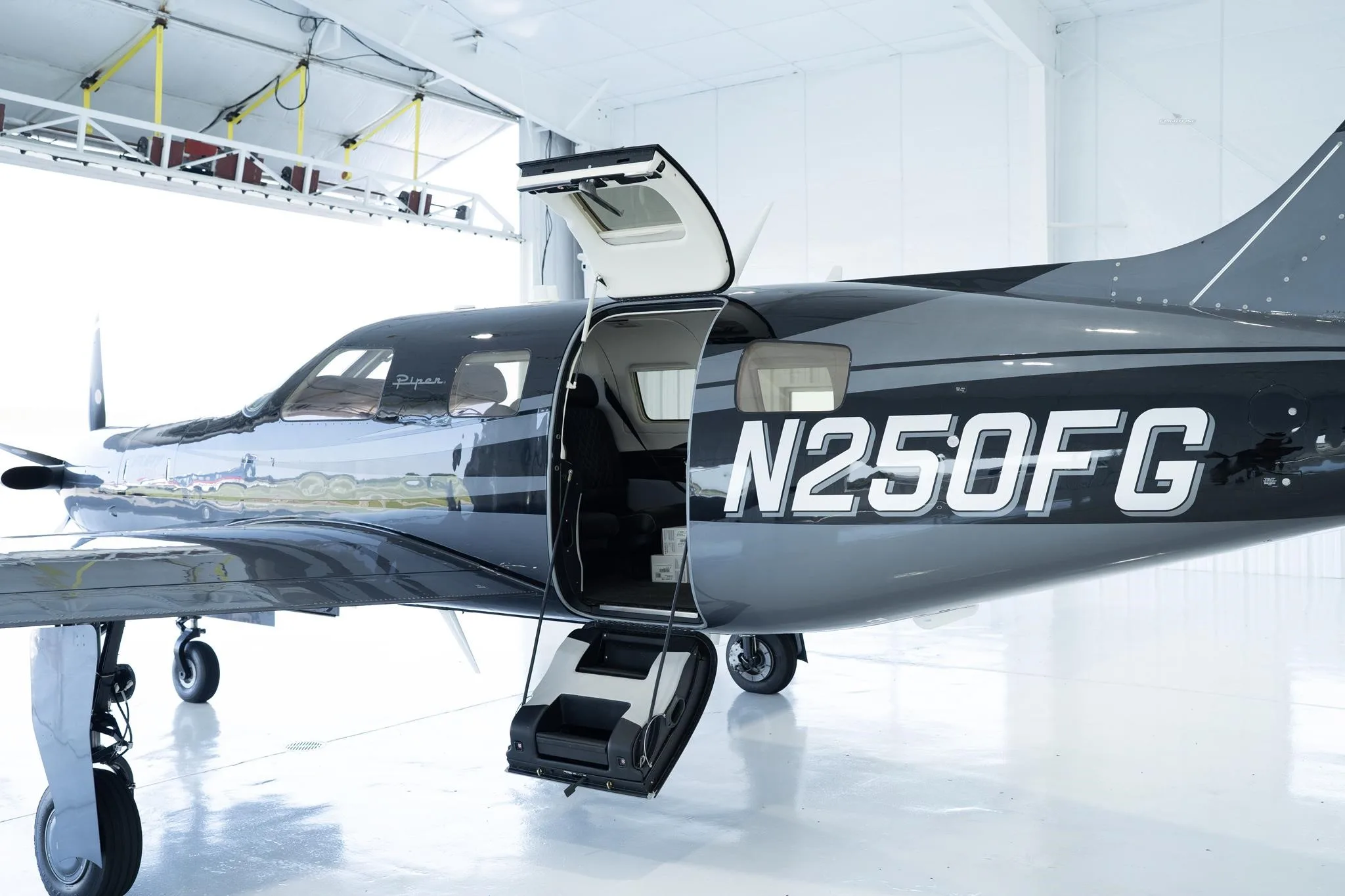
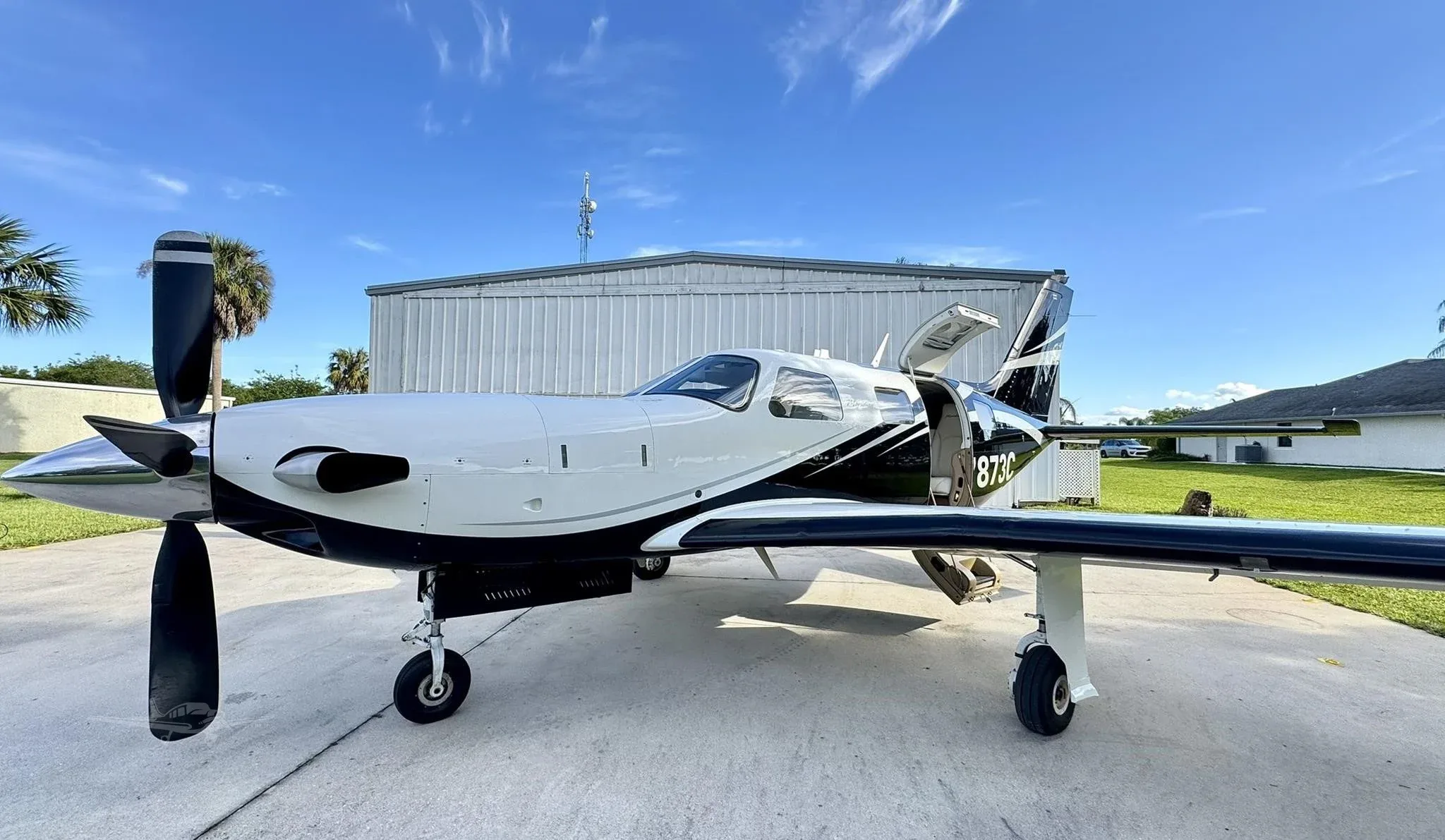
Free — save the PA-46 to your watchlist and track it in one place.
More Piper M500manuals & documents
See all 15 →- CUSTOMER SERVICE INFORMATION FILEOther Documents
- Specifications for the Piper M500Specifications
- Piper M500 SpecificationsSpecifications
- Type Acceptance Report TAR 11/21B/8 – Piper PA-46 SeriesPilot's Operating Handbook
- Piper M500 Pilot's Operating HandbookPilot's Operating Handbook
- 2017 Piper M500Other Documents
- HARTZELL PROPELLER INC. SERVICE BULLETIN HC-SB-30-375 De-ice - Wire Harness ReplacementParts Catalog
- SERVICE BULLETIN NO. 1280AService Bulletins
- Heated Windshield Test ProcedureService Bulletins
- 2015 Piper Meridian M500Systems Description
- 2015 Piper M500Systems Description
- Piper M500 Pilot's Operating HandbookPilot's Operating Handbook
If you fly the Piper M500, you may also be researching these.


In this document
Avionics and safety systems
Newer Piper M500 aircraft have the Garmin G1000 NXi with dual PFDs, a 12-inch MFD and the GFC 700 autopilot. Safety features include Automatic Level Mode (blue button), Electronic Stability Protection, Underspeed Protection and coupled go-around. Early 2015 aircraft list a GWX 68 radar and Aspen standby. Optional items such as TAWS-B, SurfaceWatch and ADS-B In traffic vary by aircraft.
What to check before buying
Verify the specification yourself, since listings say it is the buyer's responsibility. Look at the prop type (4-blade or optional 5-blade composite), engine and airframe hours, and the de-ice group. Piper's brochure gives engine TBO as 3,600 hours with a hot section inspection at 1,800 hours. New-aircraft support was a 3-year airframe warranty, 7-year engine warranty and 5-year propeller warranty. Confirm what transfers.
Weather and pilot experience
A systems briefing on the PA-46 family counts 16 icing-related and 23 convection-related fatal accidents from 2012 to 2021. It cites limited weather experience, over-reliance on installed systems and weak radar and NEXRAD understanding. Budget for type-specific training and treat FIKI equipment and radar as aids, not permission to enter bad weather.
Safety notes
- Service Bulletin 1237 (static dischargers): check P/N 456-904 for two lock washers within 50 hours; M500 serials through 4697455 are listed.
- Service Bulletin 1280A (H3R fire extinguisher): serials 4697001-4697590 are listed. Inspect within 100 hours or 30 days, with recurring checks before each flight until replaced.
- Hartzell SB HC-SB-30-375 covers the prop de-ice wire harness, which can rub on the spinner bulkhead filler plates. Confirm it was done on Raptor-series props.
Full document text
Piper M500 Model Guide The Piper M500 is a single-engine, pressurized turboprop with six-place seating, powered by a Pratt & Whitney Canada PT6A-42A flat-rated at 500 shp. Piper lists a 260 ktas max cruise, 1,000 nm range with 45 min reserve, a 30,000 ft max approved altitude and a 1,698 lb standard useful load. Garmin G1000 NXi avionics and flight into known icing (FIKI) equipment are standard. • Piper M500: 500 shp PT6A-42A, 260 ktas max cruise, and about 35 gph normal cruise fuel burn (Piper figure). • Standard useful load is 1,698 lb with 170 US gal usable fuel, so check how many seats you can fill with full tanks. • G1000 NXi, GFC 700 autopilot with Level Mode, ESP and underspeed protection are standard on newer aircraft. • Check service bulletin compliance (static dischargers, fire extinguisher, prop de-ice harness) in the logbooks. Avionics and safety systems Newer Piper M500 aircraft have the Garmin G1000 NXi with dual PFDs, a 12-inch MFD and the GFC 700 autopilot. Safety features include Automatic Level Mode (blue button), Electronic Stability Protection, Underspeed Protection and coupled go-around. Early 2015 aircraft list a GWX 68 radar and Aspen standby. Optional items such as TAWS-B, SurfaceWatch and ADS-B In traffic vary by aircraft. What to check before buying Verify the specification yourself, since listings say it is the buyer's responsibility. Look at the prop type (4-blade or optional 5-blade composite), engine and airframe hours, and the de-ice group. Piper's brochure gives engine TBO as 3,600 hours with a hot section inspection at 1,800 hours. New-aircraft support was a 3-year airframe warranty, 7-year engine warranty and 5-year propeller warranty. Confirm what transfers. Weather and pilot experience A systems briefing on the PA-46 family counts 16 icing-related and 23 convection-related fatal accidents from 2012 to 2021. It cites limited weather experience, over-reliance on installed systems and weak radar and NEXRAD understanding. Budget for type-specific training and treat FIKI equipment and radar as aids, not permission to enter bad weather. Safety notes: • Service Bulletin 1237 (static dischargers): check P/N 456-904 for two lock washers within 50 hours; M500 serials through 4697455 are listed. • Service Bulletin 1280A (H3R fire extinguisher): serials 4697001-4697590 are listed. Inspect within 100 hours or 30 days, with recurring checks before each flight until replaced. • Hartzell SB HC-SB-30-375 covers the prop de-ice wire harness, which can rub on the spinner bulkhead filler plates. Confirm it was done on Raptor-series props.