Piper PA-22 Tri-Pacer Model Guide
Piper PA-22 Tri-Pacer · Model Guide
Overview
The Piper PA-22 Tri-Pacer is a four-seat, single-engine piston airplane built from 1951 to 1964. The PA-22-160 handbook figures show a 160 HP Lycoming O-320-B, 2000 lb gross weight, 1110 lb empty weight and 100 lb of baggage capacity. Several Piper service bulletins apply, so check the logbooks closely.
- The Piper PA-22 Tri-Pacer seats 4. The PA-22-160 landplane has a 2000 lb gross weight and 890 lb useful load.
- PA-22-160 landplane handbook figures: 141 MPH top speed, 125 MPH cruise at 75% power, 9 gal/hr fuel burn, 49 MPH stall with flaps.
- Check logbooks for compliance with Piper service bulletins on the rudder, nose-wheel shimmy dampener and fuel selector valve.
- A 2005 UK accident shows the type can ground loop after a bounced landing in gusty wind.
Summary written by AI from the source document. Check the original before relying on it. See which parts of Sprinkle are written by AI.
Reference only, not for flight. Use the current approved manual for your aircraft. See terms, section 5.
Document
Source
Copy found at sprinkle.com. Sprinkle hosts a reference copy with an added summary, specifications and searchable full text.
Document details
- Type ·
- Model Guide
- Year ·
- 2026
- File size ·
- 49 KB
- Copy found at ·
- sprinkle.com
Specifications & performance
Extracted from this document.
Specifications
- Wing span (ft) ·
- 29.3
- Engine power (hp) ·
- 160
- Useful load (lb) ·
- 890
- Empty weight (lb) ·
- 1,110
- Gross weight (lb) ·
- 2,000
- Baggage capacity (lb) ·
- 100
- Fuel capacity optional (gal) ·
- 44
- Fuel capacity standard (gal) ·
- 36
Performance
- Fuel burn (gph) ·
- 9
- Takeoff run (ft) ·
- 1,120
- Landing roll (ft) ·
- 500
- Rate of climb (fpm) ·
- 800
- Service ceiling (ft) ·
- 16,500
- Absolute ceiling (ft) ·
- 19,000
- Takeoff over 50ft (ft) ·
- 1,480
How many people does the Piper PA-22 Tri-Pacer carry?
The Piper PA-22 Tri-Pacer seats 4. The PA-22-160 landplane has a 2000 lb gross weight, 890 lb useful load and 100 lb baggage capacity.
What fuel does the Piper PA-22 Tri-Pacer need?
The Piper PA-22 Tri-Pacer with the 160 HP O-320-B needs 91 octane minimum. The 150 HP O-320 needs 80/87 octane minimum.
What landing risk is documented for the Piper PA-22 Tri-Pacer?
A 2005 UK report on a 1958 Piper PA-22 Tri-Pacer describes a bounced landing, a veer and a ground loop in gusty wind. The pilot said a prompt go-around could have prevented it.
What is the Piper PA-22 Tri-Pacer Model Guide?
The Piper PA-22 Tri-Pacer Model Guide is a model guide for the Piper PA-22 Tri-Pacer, dated 2026.
What year was the Piper PA-22 Tri-Pacer Model Guide published?
The Piper PA-22 Tri-Pacer Model Guide — the Piper PA-22 Tri-Pacer model guide on file — is dated 2026.
Common. More common than 99% of the aircraft models we track.
Most owners only have the POH. Here's the essential set for the Piper PA-22 Tri-Pacer.
- Pilot's Operating Handbook / AFM
- Checklist
- Maintenance Manual
- Parts Catalog (IPC)
- Systems & Wiring
- Service Bulletins on file
- Type Certificate (TCDS)
Piper PA-22 Tri-Pacer for sale now
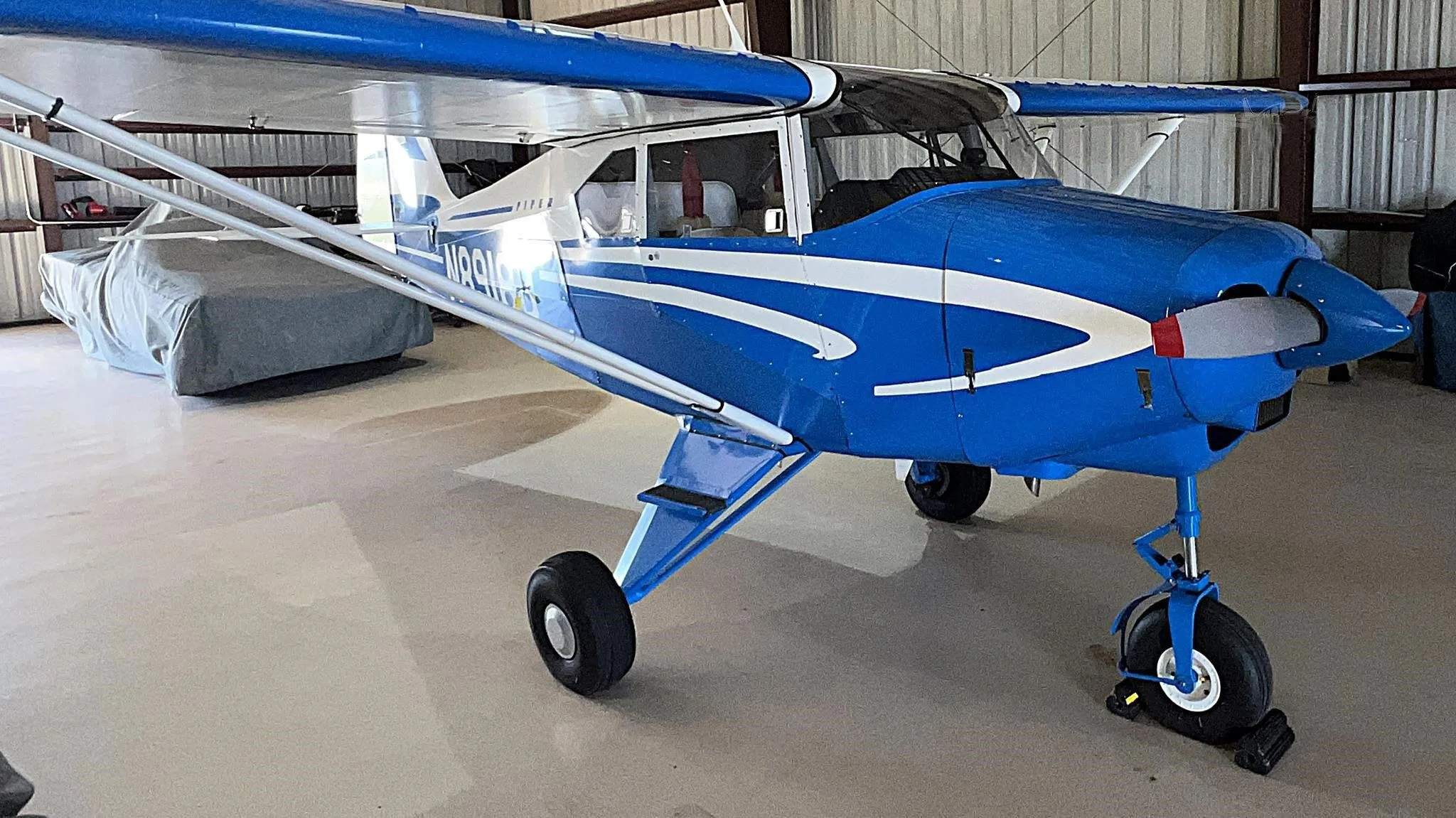
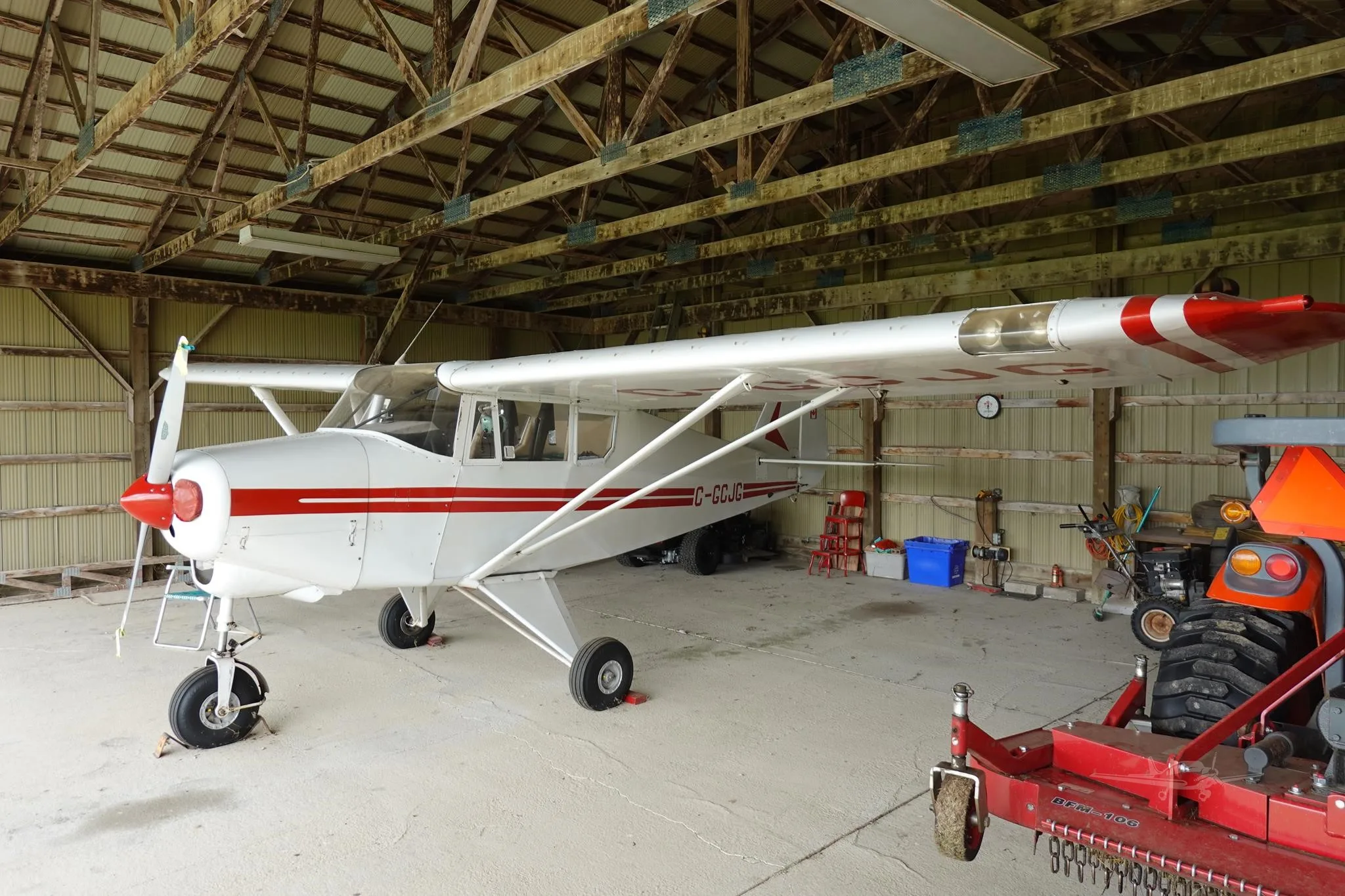
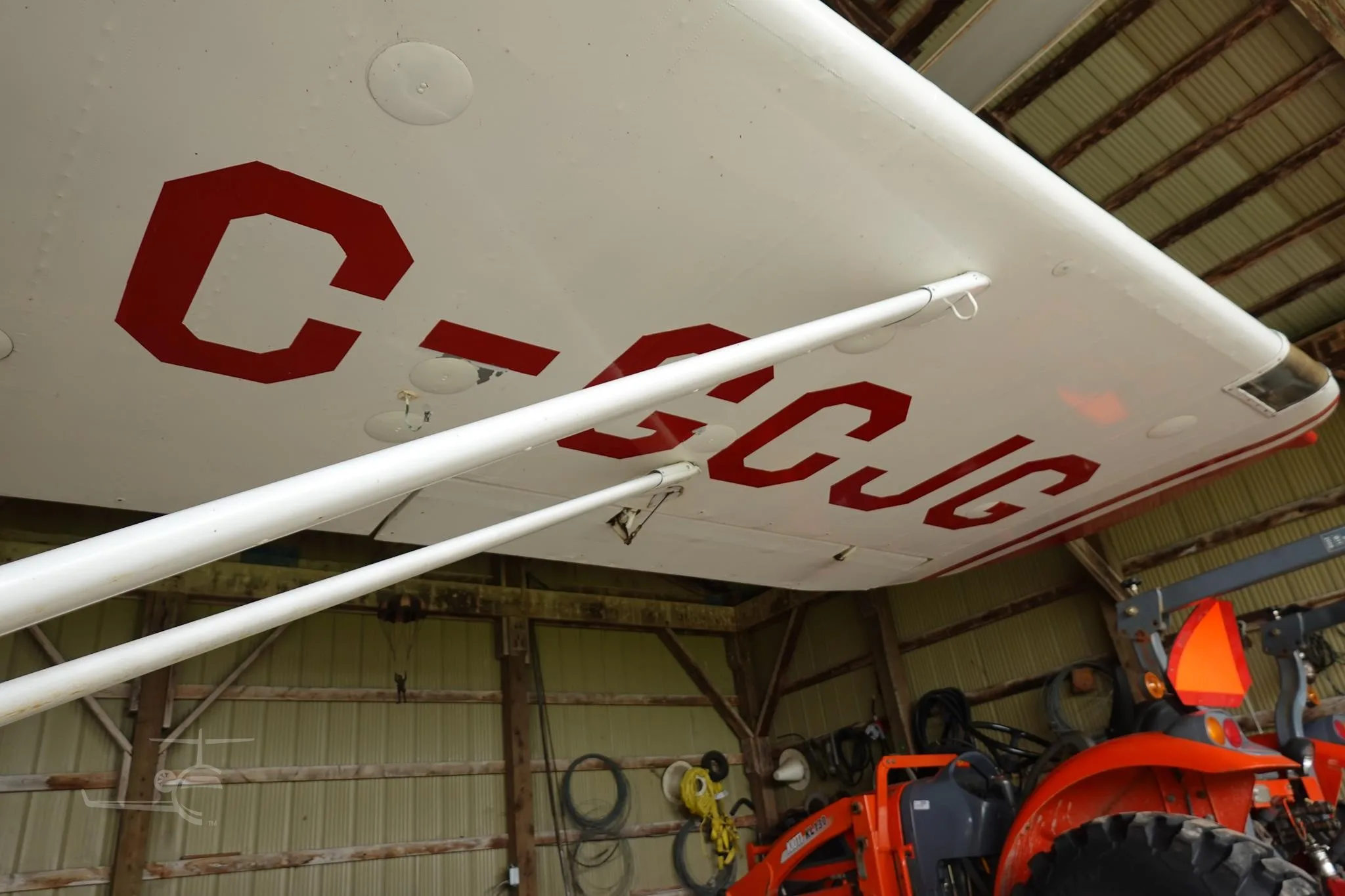
Free — save the 22 to your watchlist and track it in one place.
More Piper PA-22 Tri-Pacermanuals & documents
- FAA/PMA EXHAUST COMPONENTSSystems Description
- SERVICE BULLETIN NO. 1379AMaintenance Manual
- AAIB Bulletin: 2/2006 G-BTLM EW/G2005/11/01Other Documents
- ARKUSZ DANYCH TECHNICZNYCH do Świadectwa Uznania Zdatności Nr UZ-BB-14/01 z dnia 06 września 2001Type Certificate
- Piper Aircraft Corporation Inspection ReportOther Documents
- SERVICE BULLETIN No. 924Service Bulletins
- SERVICE BULLETIN No. 3548Service Bulletins
- Weight & Balance for the Piper PA-22 Tri-PacerWeight & Balance
- PIPER PA-22 Radio control modelAvionics Manual
- Pilot's Operating Handbook for the Piper PA-22 Tri-PacerPilot's Operating Handbook
Related documents
- Piper PA-20 Pacer Model GuidePiper PA-20 Pacer · Model Guide
- ARKUSZ DANYCH TECHNICZNYCH do Świadectwa Uznania Zdatności Nr UZ-BB-14/01 z dnia 06 września 2001Piper PA-22 Tri-Pacer · Type Certificate
- Pilot's Operating Handbook for the Piper PA-22 Tri-PacerPiper PA-22 Tri-Pacer · Pilot's Operating Handbook
- Tri-PacerPiper PA-22 Colt · Performance Data
- Piper PA-18 Super Cub Model GuidePiper PA-18 Super Cub · Model Guide
If you fly the Piper PA-22 Tri-Pacer, you may also be researching these.


In this document
Engines and fuel
The PA-22-160 uses a Lycoming O-320-B rated at 160 HP at 2700 RPM. It has an 8.5 to 1 compression ratio and needs 91 octane fuel minimum. The PA-22-150 uses an O-320 at 150 HP, with 7 to 1 compression and 80/87 octane. Standard fuel capacity is 36 gal, with a 44 gal optional tank. The propeller is a 74 inch Sensenich metal fixed-pitch unit.
Performance (PA-22-160 landplane)
The handbook gives a 141 MPH top speed and 125 MPH cruise at 75% power at sea level. Rate of climb is 800 ft/min and service ceiling is 16,500 ft. Takeoff run is 1120 ft and landing roll is 500 ft, both with flaps extended. Figures are for standard airplanes at gross weight under standard sea-level conditions.
Maintenance history to verify
Look for logbook entries showing compliance with Service Bulletin 1379A (rudder inspection), SB 924 (shimmy dampener replacement and 100-hour lubrication) and SB 3548 (fuel selector valve lubrication). Also check the exhaust, muffler and heat exchanger. The cabin and carburetor heat come from the cross-over exhaust system.
Summary written by AI from the source document. Check the original before relying on it. See which parts of Sprinkle are written by AI.
Safety notes
- SB 1379A (Piper considers compliance mandatory) covers PA-22 serials 22-1 thru 22-532. A 1025 steel rudder post can fail from fatigue and cause loss of control.
- SB 924: a jammed or bent shimmy dampener can cause loss of nose wheel steering and possibly partial or total loss of rudder control.
- SB 3548: the fuel selector plug can bind or freeze. Check ease of rotation every 100 hours and repeat the full service every 400 hours or annually.
Summary written by AI from the source document. Check the original before relying on it. See which parts of Sprinkle are written by AI.
Full document text
Piper PA-22 Tri-Pacer Model Guide The Piper PA-22 Tri-Pacer is a four-seat, single-engine piston airplane built from 1951 to 1964. The PA-22-160 handbook figures show a 160 HP Lycoming O-320-B, 2000 lb gross weight, 1110 lb empty weight and 100 lb of baggage capacity. Several Piper service bulletins apply, so check the logbooks closely. • The Piper PA-22 Tri-Pacer seats 4. The PA-22-160 landplane has a 2000 lb gross weight and 890 lb useful load. • PA-22-160 landplane handbook figures: 141 MPH top speed, 125 MPH cruise at 75% power, 9 gal/hr fuel burn, 49 MPH stall with flaps. • Check logbooks for compliance with Piper service bulletins on the rudder, nose-wheel shimmy dampener and fuel selector valve. • A 2005 UK accident shows the type can ground loop after a bounced landing in gusty wind. Engines and fuel The PA-22-160 uses a Lycoming O-320-B rated at 160 HP at 2700 RPM. It has an 8.5 to 1 compression ratio and needs 91 octane fuel minimum. The PA-22-150 uses an O-320 at 150 HP, with 7 to 1 compression and 80/87 octane. Standard fuel capacity is 36 gal, with a 44 gal optional tank. The propeller is a 74 inch Sensenich metal fixed-pitch unit. Performance (PA-22-160 landplane) The handbook gives a 141 MPH top speed and 125 MPH cruise at 75% power at sea level. Rate of climb is 800 ft/min and service ceiling is 16,500 ft. Takeoff run is 1120 ft and landing roll is 500 ft, both with flaps extended. Figures are for standard airplanes at gross weight under standard sea-level conditions. Maintenance history to verify Look for logbook entries showing compliance with Service Bulletin 1379A (rudder inspection), SB 924 (shimmy dampener replacement and 100-hour lubrication) and SB 3548 (fuel selector valve lubrication). Also check the exhaust, muffler and heat exchanger. The cabin and carburetor heat come from the cross-over exhaust system. Safety notes: • SB 1379A (Piper considers compliance mandatory) covers PA-22 serials 22-1 thru 22-532. A 1025 steel rudder post can fail from fatigue and cause loss of control. • SB 924: a jammed or bent shimmy dampener can cause loss of nose wheel steering and possibly partial or total loss of rudder control. • SB 3548: the fuel selector plug can bind or freeze. Check ease of rotation every 100 hours and repeat the full service every 400 hours or annually.