AAIB Bulletin: 2/2006 G-BTLM EW/G2005/11/01
Piper PA-22 Tri-Pacer · Other Documents
Overview
This document is an accident report concerning the Piper PA-22-160 Tri-Pacer, registration G-BTLM, which occurred on November 1, 2005. The report details the circumstances surrounding the accident, including the pilot's experience, the conditions at the time of the flight, and the sequence of events leading to the incident. The pilot was conducting a private flight with the intention of purchasing the aircraft. The report highlights the factors contributing to the accident, including the pilot's unfamiliarity with the aircraft and the gusty wind conditions. It serves as a safety reminder for pilots operating in similar conditions and emphasizes the importance of maintaining directional control during landing.
- Aircraft involved: Piper PA-22-160 Tri-Pacer, registration G-BTLM.
- Accident occurred on November 1, 2005, at Tattenhill Airfield.
- Pilot had 12,837 total flying hours, with only 1 hour on type.
- Wind conditions: 240º at 10-15 knots, contributing to turbulence.
- The aircraft touched down firmly, bounced, and veered to the right during landing.
Summary written by AI from the source document. Check the original before relying on it. See which parts of Sprinkle are written by AI.
Reference only, not for flight. Use the current approved manual for your aircraft. See terms, section 5.
Document
Source
Copy found at assets.publishing.service.gov.uk. Sprinkle hosts a reference copy with an added summary, specifications and searchable full text.
Document details
- Type ·
- Other Documents
- Year ·
- 2006
- Pages ·
- 1
- File size ·
- 160 KB
- Copy found at ·
- assets.publishing.service.gov.uk
What is the AAIB Bulletin: 2/2006 G-BTLM EW/G2005/11/01?
The AAIB Bulletin: 2/2006 G-BTLM EW/G2005/11/01 is a other documents for the Piper PA-22 Tri-Pacer, dated 2006.
How many pages is the AAIB Bulletin: 2/2006 G-BTLM EW/G2005/11/01?
The copy of the AAIB Bulletin: 2/2006 G-BTLM EW/G2005/11/01 on file runs 1 pages.
What year was the AAIB Bulletin: 2/2006 G-BTLM EW/G2005/11/01 published?
The AAIB Bulletin: 2/2006 G-BTLM EW/G2005/11/01 — the Piper PA-22 Tri-Pacer other documents on file — is dated 2006.
Common. More common than 99% of the aircraft models we track.
Most owners only have the POH. Here's the essential set for the Piper PA-22 Tri-Pacer.
- Pilot's Operating Handbook / AFM
- Checklist
- Maintenance Manual
- Parts Catalog (IPC)
- Systems & Wiring
- Service Bulletins on file
- Type Certificate (TCDS)
Piper PA-22 Tri-Pacer for sale now
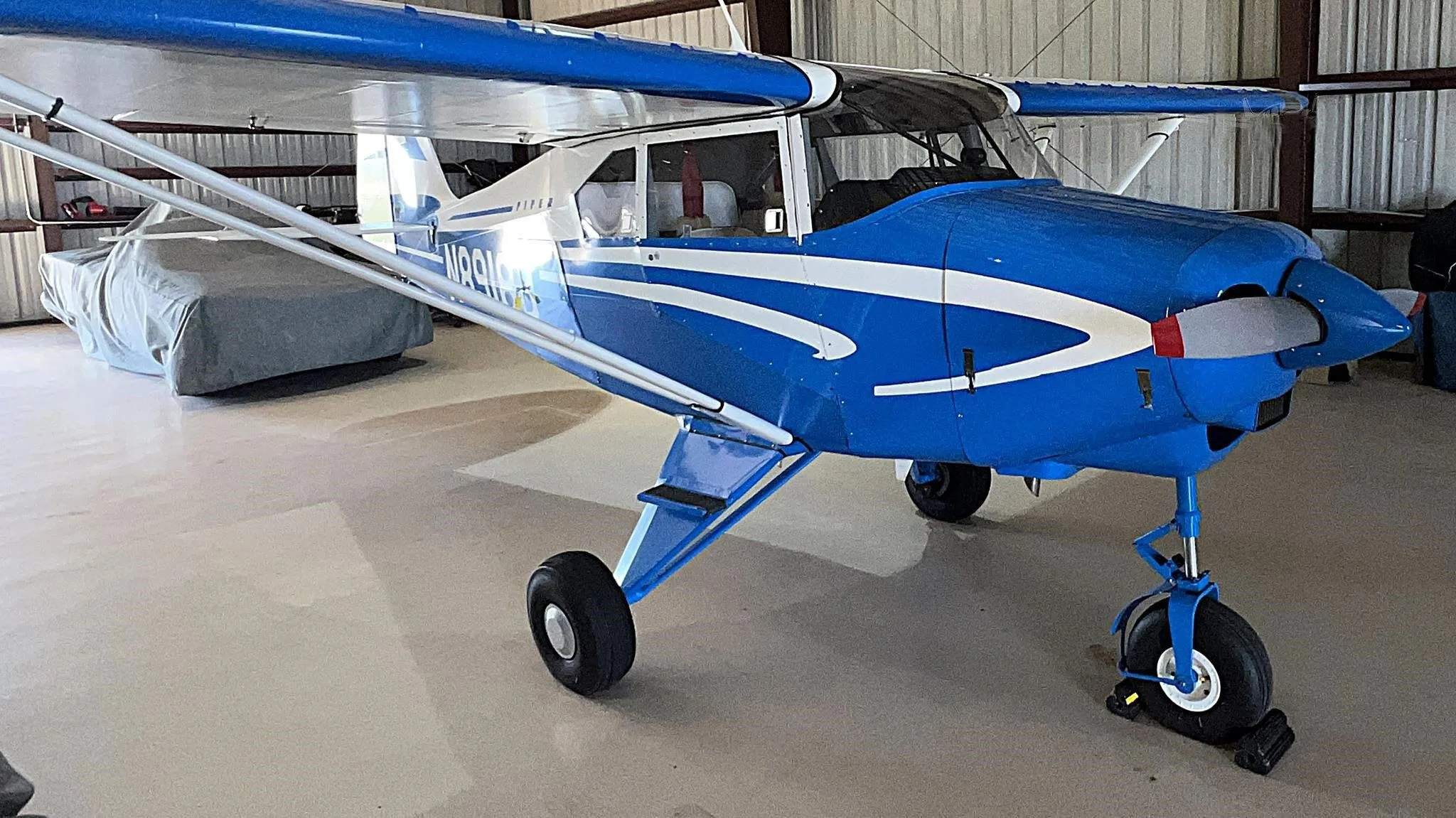
Free — save the 22 to your watchlist and track it in one place.
More Piper PA-22 Tri-Pacermanuals & documents
- Piper PA-22 Tri-Pacer Model GuideModel Guide
- FAA/PMA EXHAUST COMPONENTSSystems Description
- SERVICE BULLETIN NO. 1379AMaintenance Manual
- ARKUSZ DANYCH TECHNICZNYCH do Świadectwa Uznania Zdatności Nr UZ-BB-14/01 z dnia 06 września 2001Type Certificate
- Piper Aircraft Corporation Inspection ReportOther Documents
- SERVICE BULLETIN No. 924Service Bulletins
- SERVICE BULLETIN No. 3548Service Bulletins
- Weight & Balance for the Piper PA-22 Tri-PacerWeight & Balance
- PIPER PA-22 Radio control modelAvionics Manual
- Pilot's Operating Handbook for the Piper PA-22 Tri-PacerPilot's Operating Handbook
Related documents
- AAIB Bulletin: 9/2013Piper PA-22 Colt · Other Documents
- Piper PA-20 Pacer (Modified), G-BFMRPiper PA-20 Pacer · Other Documents
- AAIB Bulletin: G-ATMT EW/G2011/08/25Piper PA-30 Twin Comanche · Other Documents
- AAIB Bulletin No: 8/2003Piper PA-18 Super Cub · Other Documents
- AAIB Bulletin: 6/2019 G-BAKH EW/G2017/09/02Piper PA-28 Cherokee 140 · Other Documents
If you fly the Piper PA-22 Tri-Pacer, you may also be researching these.


In this document
Accident Overview
The accident involved the Piper PA-22-160 Tri-Pacer, G-BTLM, which was being flown by a pilot with significant flying experience but limited time on type. The flight was intended to evaluate the aircraft for purchase. The pilot opted for an asphalt runway due to unavailability of the grass runway, which was preferred for tailwheel aircraft.
Flight Conditions
On the day of the accident, the wind was reported from 240º at 10-15 knots, contributing to challenging landing conditions. The pilot noted that the wind had become gusty, and there was turbulence caused by nearby trees.
Landing Sequence
The pilot completed two touch and go landings without incident. However, during the final landing, the aircraft touched down firmly and bounced. The pilot attempted to maintain control but the aircraft veered to the right, leading to a ground loop and subsequent damage to the right wing, elevator, and stern post.
Pilot's Experience
The pilot had a total of 12,837 hours of flying experience, but only 1 hour on the Piper PA-22-160 Tri-Pacer. In the last 90 days, he had flown 90 hours, and in the last 28 days, he had flown 50 hours.
Contributory Factors
The pilot acknowledged that the accident was primarily due to an inability to maintain directional control during landing. Contributing factors included unfamiliarity with the aircraft, gusty wind conditions, and the choice of runway.
Summary written by AI from the source document. Check the original before relying on it. See which parts of Sprinkle are written by AI.
Safety notes
- Maintain directional control during landing, especially in gusty conditions.
- Familiarize yourself with the aircraft type before flying.
- Consider the runway surface and conditions when planning landings.
Summary written by AI from the source document. Check the original before relying on it. See which parts of Sprinkle are written by AI.
Full document text
88 AAIB Bulletin: 2/2006 G-BTLM EW/G2005/11/01 ACCIDENT Aircraft Type and Registration: Piper PA-22-160 Tri-Pacer, G-BTLM No & Type of Engines: 1 Lycoming O-320-B2A piston engine Year of Manufacture: 1958 Date & Time (UTC): 1 November 2005 at 1410 hrs Location: Tattenhill Airfield, Staffordshire Type of Flight: Private Persons on Board: Crew - 2 Passengers - None Injuries: Crew - None Passengers - N/A Nature of Damage: Damage to the right wing, elevator and stern post Commander’s Licence: Airline Transport Pilot’s Licence Commander’s Age: 48 years Commander’s Flying Experience: 12,837 hours (of which 1 was on type) Last 90 days - 90 hours Last 28 days - 50 hours Information Source: Aircraft Accident Report Form submitted by the pilot The pilot was flying G-BTLM with its owner, with a view to purchasing the aircraft. The intention had been to use the grass runway at the airfield because of the greater controllability of tail wheeled aircraft on that surface, but that was not available. The surface wind was from 240º at 10-15 kt and the asphalt Runway 26 was used instead. After some general handling to the west of Tattenhill, the aircraft returned to the airfield for two touch and go landings before a final landing. The pilot reported that the wind had become rather gusty and he believed that trees to the left of the runway were causing some turbulence. The touch and go landings were completed without incident and the final approach was reportedly good, in spite of the gusty wind. However, G-BTLM touched down firmly on the main wheels and bounced. On the next touch down the aircraft veered to the right and the pilot attempted to maintain directional control with rudder and light left wheel braking. With the engine at idle power, the aircraft continued on to the grass to the right of the runway at an angle of 45º, then ground looped to the left, tipping on to its right wing tip in the process. It finally came to a halt on a heading of about 130º. During the ground loop the right wing, the elevator and stern post had been damaged. Neither of the crew was injured and they exited the aircraft normally. The pilot stated candidly that the accident was the result of an inability to maintain directional control on touchdown. Contributory factors were his unfamiliarity with the aircraft, the gusty conditions and operating from an asphalt runway. He concluded that, because of the aircraft’s low takeoff speed, if he had applied full power and gone around as soon as the aircraft had started to veer, the accident could have been prevented.