Robinson R44 Cadet Model Guide
Robinson R44 Cadet · Model Guide
Overview
The Robinson R44 Cadet is a two-seat configuration of the Robinson R44 piston helicopter. It is built under FAA Type Certificate H11NM and has been in production since 2016. The source documents describe it as basically the same helicopter as the R44, with changes to convert it to two seats. It has a single teetering two-blade main rotor, a conventional tail rotor and skid landing gear. It is powered by a Lycoming O-540-F1B5 engine. The Robinson R44 Cadet has a lower maximum takeoff weight than the four-seat Raven I.
- The Robinson R44 Cadet is a two-seat R44 with a maximum certificated takeoff weight of 2200 lb (998 kg). The four-seat Raven I is 2400 lb.
- It uses the Lycoming O-540-F1B5 engine, a carbureted six-cylinder with a continuous rating of 205 BHP and a 5-minute takeoff rating of 225 BHP.
- It was type accepted in New Zealand on 26 January 2022 as a specific 2-seat configuration of the R44. Serial numbers start at MSN 30001.
- Australian regulator bulletins on engine intake and exhaust valve distress name the Cadet in their effectivity. Ask for the engine's valve and cylinder history.
- The Robinson maintenance manual has a dedicated Cadet Version chapter, Chapter 36.
Summary written by AI from the source document. Check the original before relying on it. See which parts of Sprinkle are written by AI.
Reference only, not for flight. Use the current approved manual for your aircraft. See terms, section 5.
Document
Source
Copy found at sprinkle.com. Sprinkle hosts a reference copy with an added summary, specifications and searchable full text.
Document details
- Type ·
- Model Guide
- Year ·
- 2026
- File size ·
- 50 KB
- Copy found at ·
- sprinkle.com
Specifications & performance
Extracted from this document.
Specifications
- Max seats ·
- 2
- Max continuous rpm ·
- 2,718
- Takeoff power 5min (hp) ·
- 225
- Max takeoff weight (lb) ·
- 2,200
- Max continuous power (hp) ·
- 205
- Engine displacement cubic (in) ·
- 541.5
How many people does the Robinson R44 Cadet carry?
The Robinson R44 Cadet has a maximum of 2 seats. It is a 2-seat configuration of the R44, which is a four-seat design.
What engine does the Robinson R44 Cadet have?
The Robinson R44 Cadet uses a Lycoming O-540-F1B5. In the R44 it is rated at 205 BHP continuous at 2718 RPM, with a 5-minute takeoff rating of 225 BHP.
What is the Robinson R44 Cadet's maximum takeoff weight?
The Robinson R44 Cadet has a maximum certificated takeoff weight of 2200 lb (998 kg), per the New Zealand type acceptance report.
Are there known engine issues to ask about on a Robinson R44 Cadet?
Yes. Two CASA Airworthiness Bulletins (85-024 and 85-025) cover exhaust valve and guide wear and intake valve and seat distress on the Robinson R44 Cadet. They are advisory, so ask for compression test and cylinder replacement records.
What is the Robinson R44 Cadet Model Guide?
The Robinson R44 Cadet Model Guide is a model guide for the Robinson R44 Cadet, dated 2026.
What year was the Robinson R44 Cadet Model Guide published?
The Robinson R44 Cadet Model Guide — the Robinson R44 Cadet model guide on file — is dated 2026.
Common. One of the most common aircraft types we track.
Most owners only have the POH. Here's the essential set for the Robinson R44 Cadet.
Robinson R44 Cadet for sale now

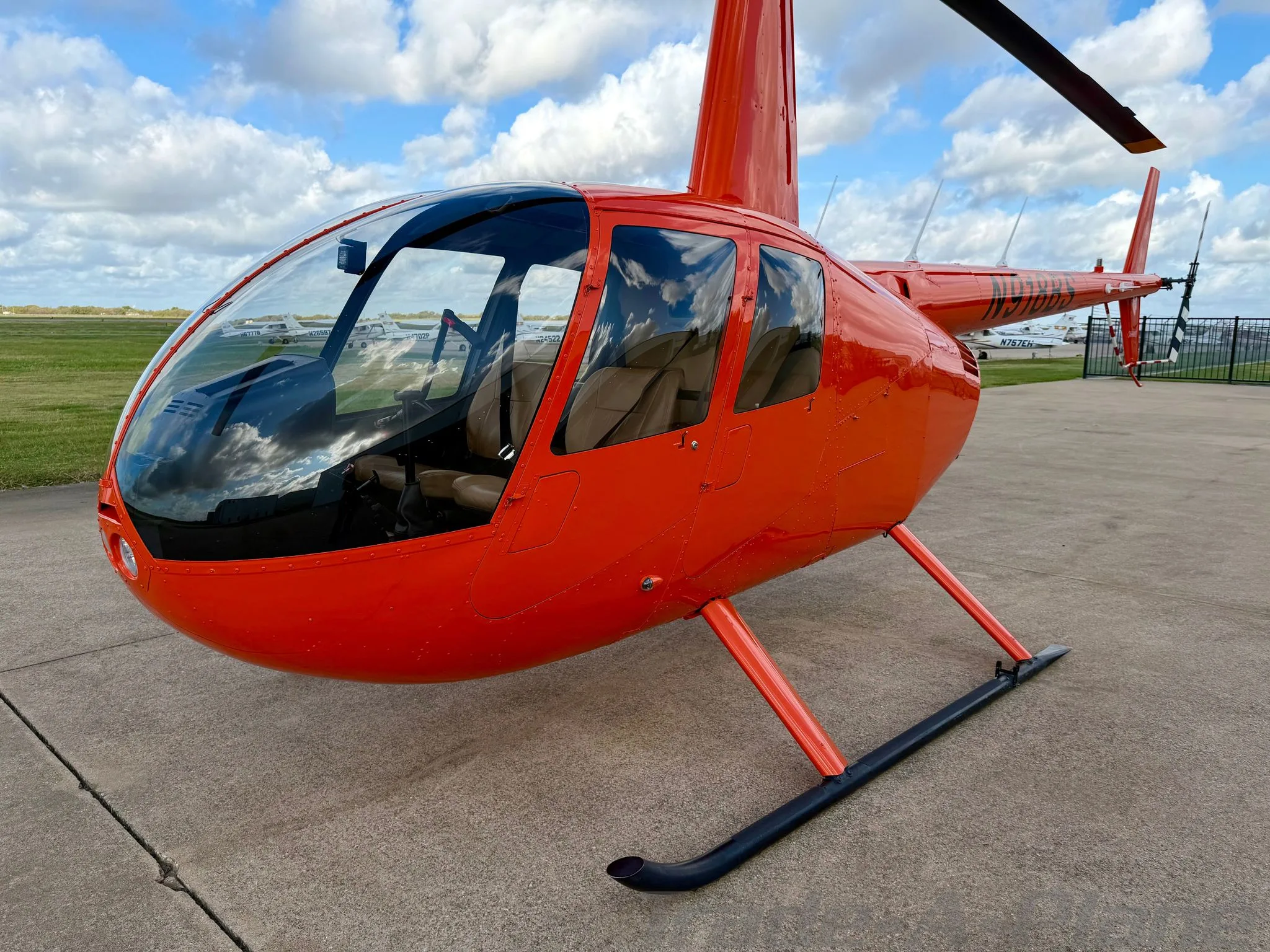
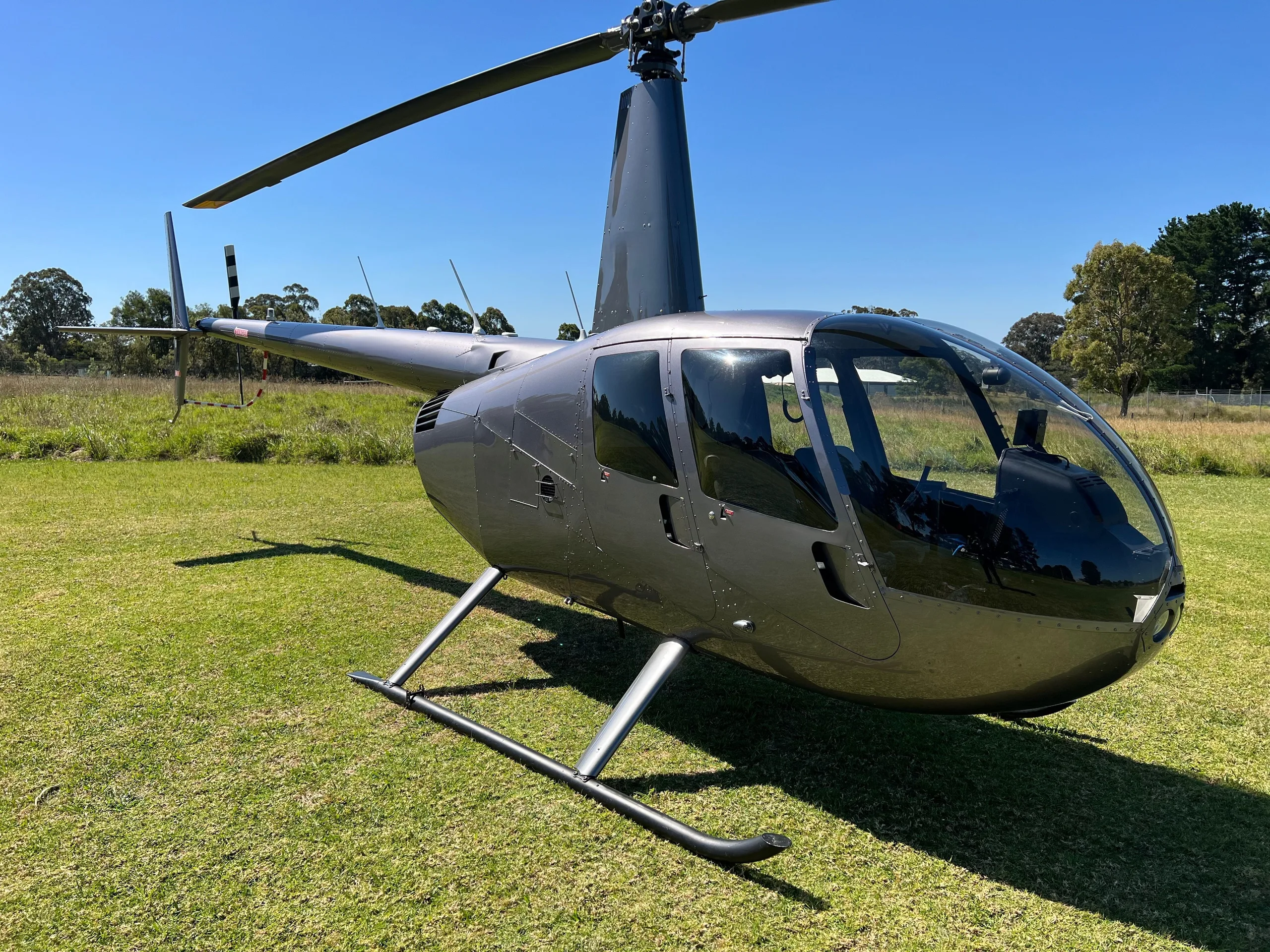
Free — save the R44 to your watchlist and track it in one place.
More Robinson R44 Cadetmanuals & documents
See all 33 →- R44 ILLUSTRATED PARTS CATALOGParts Catalog
- Airworthiness Directive Schedule Helicopters Robinson R44 SeriesSupplemental Type Certificate
- R44 PILOT'S OPERATING HANDBOOK AND FAA APPROVED ROTORCRAFT FLIGHT MANUALPilot's Operating Handbook
- R44 CADET PILOT’S OPERATING HANDBOOK AND FAA APPROVED ROTORCRAFT FLIGHT MANUALPilot's Operating Handbook
- Type Certificate Data Sheet (TCDS)Type Certificate
- Type Certificate Data Sheet (TCDS) H11NMType Certificate
- R44 CADET PILOT’S OPERATING HANDBOOK AND FAA APPROVED ROTORCRAFT FLIGHT MANUALChecklist
- THE GUIDON 2024-2025Systems Description
- R44 SERVICE BULLETIN SB-114Service Bulletins
- Performance Data for the Robinson R44 CadetPerformance
- Type Acceptance Report TAR 3/21B/28 — R44 SeriesOther Documents
- R44 SERVICE BULLETIN SB-112CService Bulletins
Related documents
- ROBINSON R44 CADETRobinson R44 Cadet · Wiring Diagrams
- R44 HELICOPTERSRobinson R44 Cadet · Specifications
- Robinson R44 Raven II Model GuideRobinson R44 Raven II · Model Guide
- Type Acceptance Report TAR 3/21B/28 — R44 SeriesRobinson R44 Cadet · Other Documents
- Robinson R44 Model GuideRobinson R44 · Model Guide
If you fly the Robinson R44 Cadet, you may also be researching these.


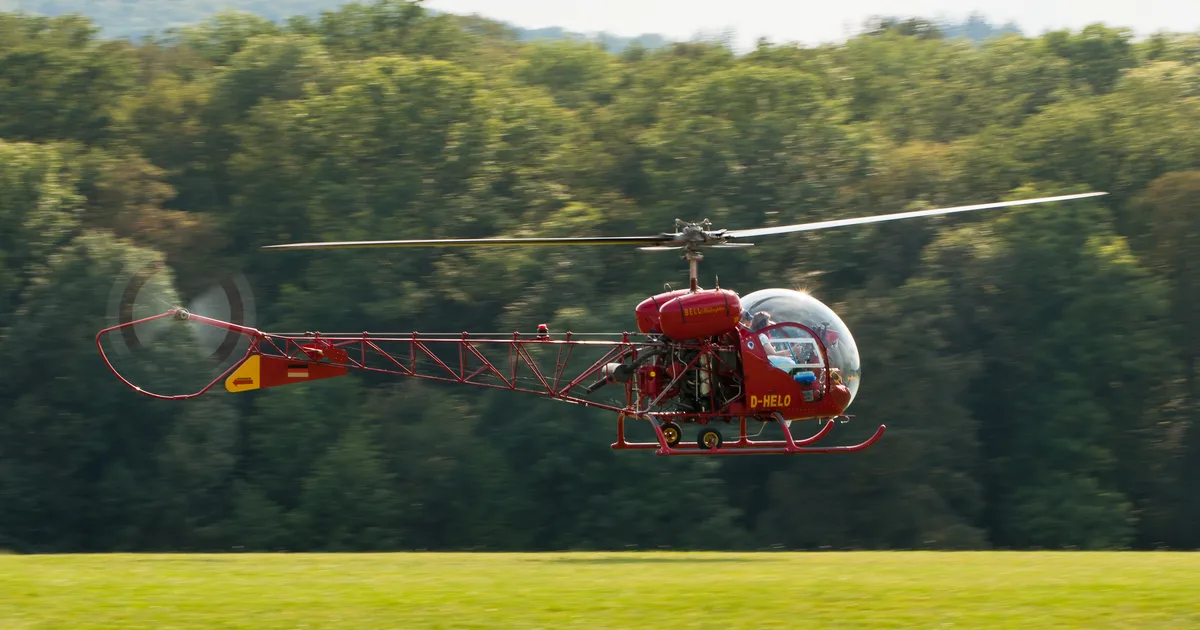

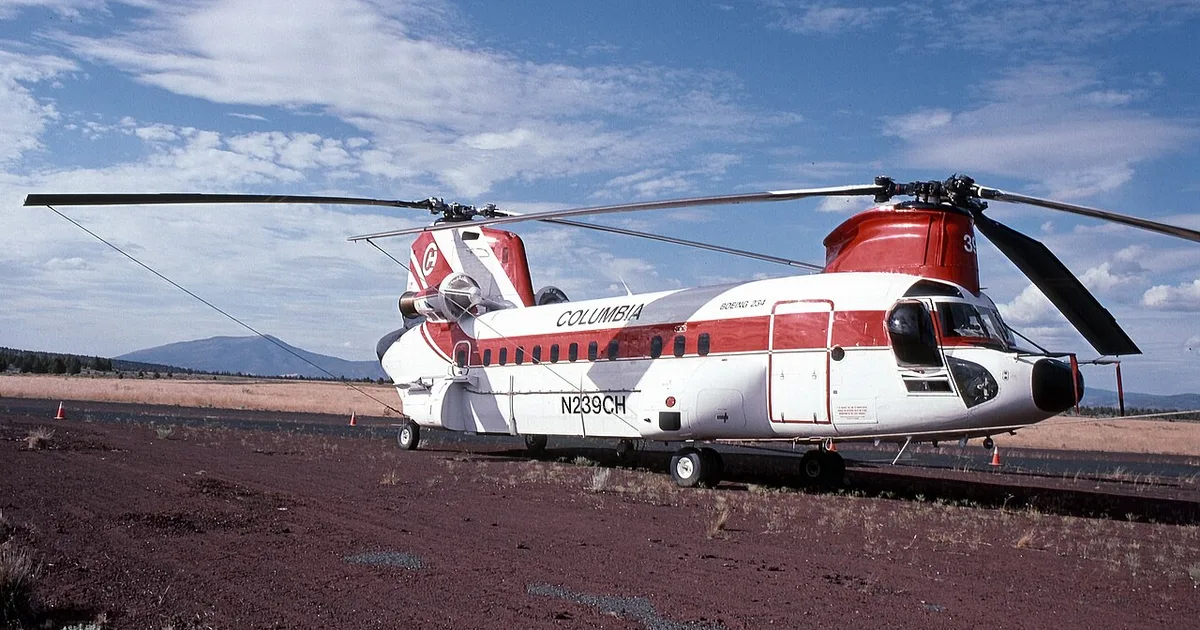


In this document
What you are buying
The R44 is FAA approved in the normal category under FAR 27 and FAR 21. The Cadet is a 2-seat version of that design, with serial numbers from MSN 30001 up. The airframe is aluminium monocoque cabin and tailboom with a steel-tube structure carrying the engine, transmission and rotor. The Cadet's noise standard is FAR 36-30. Its maximum certificated takeoff weight is 2200 lb (998 kg), against 2400 lb for the Raven I.
Engine and power
The Cadet uses the Lycoming O-540-F1B5, an engine type certificated under E-295. The R44 handbook describes it as a six-cylinder, horizontally opposed, direct-drive, air-cooled, carbureted, normally aspirated engine of 541.5 cubic inches. In the R44 its maximum continuous rating is 205 BHP at 2718 RPM (102% on the tachometer), and its 5-minute takeoff rating is 225 BHP. The Cadet's source documents give no cruise speed, range or hover figures, so ask the seller for the current POH performance charts.
What to check before buying
Check the engine's cylinder health and valve condition. Australian CASA Airworthiness Bulletins 85-024 and 85-025 list the R44 Cadet as affected. They cover exhaust valve and valve guide wear and burned intake valves or valve seats. Both bulletins are advisory only, and neither is treated as an unsafe condition warranting an Airworthiness Directive. Review compression test records (cylinder compression readings below 60 psi led to cylinder changes in reported cases). Confirm that the manufacturer's service documents on intake valves, and the hot-climate cool-down procedure, have been followed. Use the current Robinson Maintenance Manual and its Cadet Version chapter for inspection requirements.
Summary written by AI from the source document. Check the original before relying on it. See which parts of Sprinkle are written by AI.
Safety notes
- An intake valve failure can cause an induction backfire, engine power loss and airframe yaw. In a severe event this can lead to several uncontrolled power and yaw reactions.
- Heed adverse engine indications or unusual engine behaviour. The bulletins warn that ignoring them can let the problem develop to engine power loss or, for exhaust valves, loss of cylinder compression.
- The bulletins suggest extended ground operation at low manifold pressure and high RPM may contribute to intake valve carbon build-up. This is a theory, not a confirmed cause. The bulletins name hot-climate operation, with the Robinson hot-climate cool-down procedure, as relevant.
- The handbook must be carried in the helicopter. Use the current revision, since the manufacturer states that older printed copies may be outdated.
Summary written by AI from the source document. Check the original before relying on it. See which parts of Sprinkle are written by AI.
Full document text
Robinson R44 Cadet Model Guide The Robinson R44 Cadet is a two-seat configuration of the Robinson R44 piston helicopter. It is built under FAA Type Certificate H11NM and has been in production since 2016. The source documents describe it as basically the same helicopter as the R44, with changes to convert it to two seats. It has a single teetering two-blade main rotor, a conventional tail rotor and skid landing gear. It is powered by a Lycoming O-540-F1B5 engine. The Robinson R44 Cadet has a lower maximum takeoff weight than the four-seat Raven I. • The Robinson R44 Cadet is a two-seat R44 with a maximum certificated takeoff weight of 2200 lb (998 kg). The four-seat Raven I is 2400 lb. • It uses the Lycoming O-540-F1B5 engine, a carbureted six-cylinder with a continuous rating of 205 BHP and a 5-minute takeoff rating of 225 BHP. • It was type accepted in New Zealand on 26 January 2022 as a specific 2-seat configuration of the R44. Serial numbers start at MSN 30001. • Australian regulator bulletins on engine intake and exhaust valve distress name the Cadet in their effectivity. Ask for the engine's valve and cylinder history. • The Robinson maintenance manual has a dedicated Cadet Version chapter, Chapter 36. What you are buying The R44 is FAA approved in the normal category under FAR 27 and FAR 21. The Cadet is a 2-seat version of that design, with serial numbers from MSN 30001 up. The airframe is aluminium monocoque cabin and tailboom with a steel-tube structure carrying the engine, transmission and rotor. The Cadet's noise standard is FAR 36-30. Its maximum certificated takeoff weight is 2200 lb (998 kg), against 2400 lb for the Raven I. Engine and power The Cadet uses the Lycoming O-540-F1B5, an engine type certificated under E-295. The R44 handbook describes it as a six-cylinder, horizontally opposed, direct-drive, air-cooled, carbureted, normally aspirated engine of 541.5 cubic inches. In the R44 its maximum continuous rating is 205 BHP at 2718 RPM (102% on the tachometer), and its 5-minute takeoff rating is 225 BHP. The Cadet's source documents give no cruise speed, range or hover figures, so ask the seller for the current POH performance charts. What to check before buying Check the engine's cylinder health and valve condition. Australian CASA Airworthiness Bulletins 85-024 and 85-025 list the R44 Cadet as affected. They cover exhaust valve and valve guide wear and burned intake valves or valve seats. Both bulletins are advisory only, and neither is treated as an unsafe condition warranting an Airworthiness Directive. Review compression test records (cylinder compression readings below 60 psi led to cylinder changes in reported cases). Confirm that the manufacturer's service documents on intake valves, and the hot-climate cool-down procedure, have been followed. Use the current Robinson Maintenance Manual and its Cadet Version chapter for inspection requirements. Safety notes: • An intake valve failure can cause an induction backfire, engine power loss and airframe yaw. In a severe event this can lead to several uncontrolled power and yaw reactions. • Heed adverse engine indications or unusual engine behaviour. The bulletins warn that ignoring them can let the problem develop to engine power loss or, for exhaust valves, loss of cylinder compression. • The bulletins suggest extended ground operation at low manifold pressure and high RPM may contribute to intake valve carbon build-up. This is a theory, not a confirmed cause. The bulletins name hot-climate operation, with the Robinson hot-climate cool-down procedure, as relevant. • The handbook must be carried in the helicopter. Use the current revision, since the manufacturer states that older printed copies may be outdated.