Robinson R44 Raven II Model Guide
Robinson R44 Raven II · Model Guide
Overview
The Robinson R44 Raven II is a single-engine piston helicopter with four seats, in production since 2002 per the library record. The supplied sources have no registry maxima and no specs for this model, so this guide does not give range, cruise speed or weight figures. It relies on R44-series flight manual performance pages, airworthiness directives and bulletins, accident investigations and approved modifications. Check anything model-specific against the Raven II flight manual and the aircraft's own records.
- The Robinson R44 Raven II seats 4 and has been built since 2002. Several sources cover the R44 series generally rather than the Raven II specifically.
- Hover performance falls with density altitude, weight and carburetor heat. Full carb heat cuts hover ceilings by up to 2400 ft.
- Check the AD compliance history: tail rotor blade tip caps, engine RPM sensor wiring, the governor controller and the engine/transmission clutch shaft yoke.
- Accident reports cite overweight takeoffs at high density altitude, fuel exhaustion and a seized clutch actuator bearing. A pre-buy should check weight and fuel planning habits and maintenance records.
- Check for external-load or nose-mount modifications (cargo hook or utility mount STCs) and make sure the matching flight manual supplements are present.
Summary written by AI from the source document. Check the original before relying on it. See which parts of Sprinkle are written by AI.
Reference only, not for flight. Use the current approved manual for your aircraft. See terms, section 5.
Document
Source
Copy found at sprinkle.com. Sprinkle hosts a reference copy with an added summary, specifications and searchable full text.
Document details
- Type ·
- Model Guide
- Year ·
- 2026
- File size ·
- 53 KB
- Copy found at ·
- sprinkle.com
Specifications & performance
Extracted from this document.
Performance
- Ige hover controllability wind (kt) ·
- 17
- Carb heat hover ceiling reduction (ft) ·
- 2,400
- Ige hover controllability density altitude (ft) ·
- 9,600
How many seats does the Robinson R44 Raven II have?
The Robinson R44 Raven II seats 4, according to the library record. It has been built since 2002.
Does carb heat affect Robinson R44 Raven II hover performance?
The R44 performance section gives hover data with carb heat off and says full carb heat reduces hover ceilings by up to 2400 ft. The section covers the R44 generally, so check the Raven II flight manual for the figures that apply to a specific aircraft.
What should I check about the tail rotor on a Robinson R44 Raven II?
AD 2024-04-02 requires a check of the C029-3 tail rotor blade tip cap area before the first flight of each day (Rev A thru Q), and AD 2022-19-12 requires inspecting C029-3 tail rotor blades (S/Ns 9410-10659) before each flight. On a Robinson R44 Raven II, confirm which part and serial numbers are fitted and that compliance is recorded.
What is the Robinson R44 Raven II Model Guide?
The Robinson R44 Raven II Model Guide is a model guide for the Robinson R44 Raven II, dated 2026.
What year was the Robinson R44 Raven II Model Guide published?
The Robinson R44 Raven II Model Guide — the Robinson R44 Raven II model guide on file — is dated 2026.
Common. One of the most common aircraft types we track.
Most owners only have the POH. Here's the essential set for the Robinson R44 Raven II.
Robinson R44 Raven II for sale now

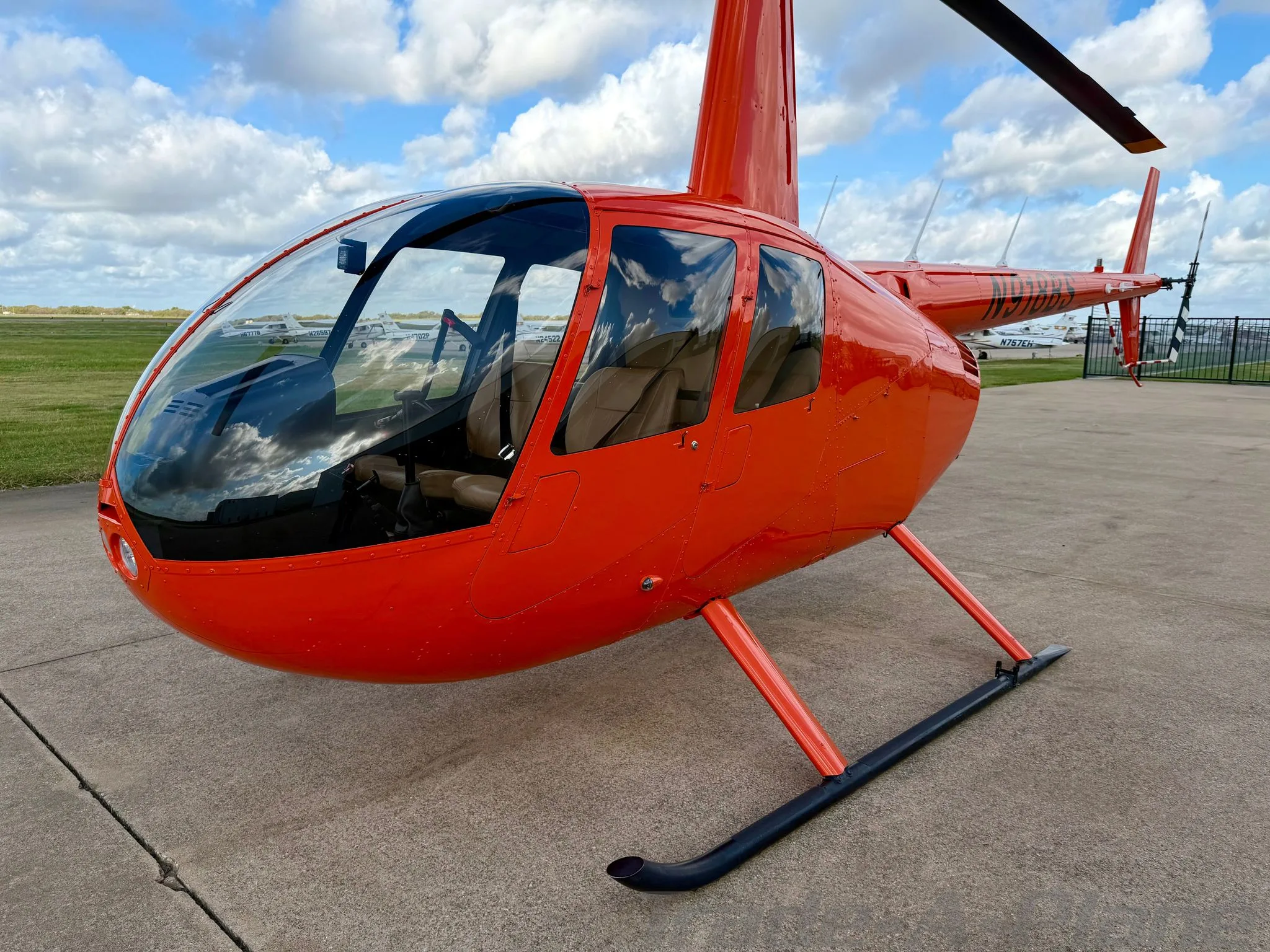
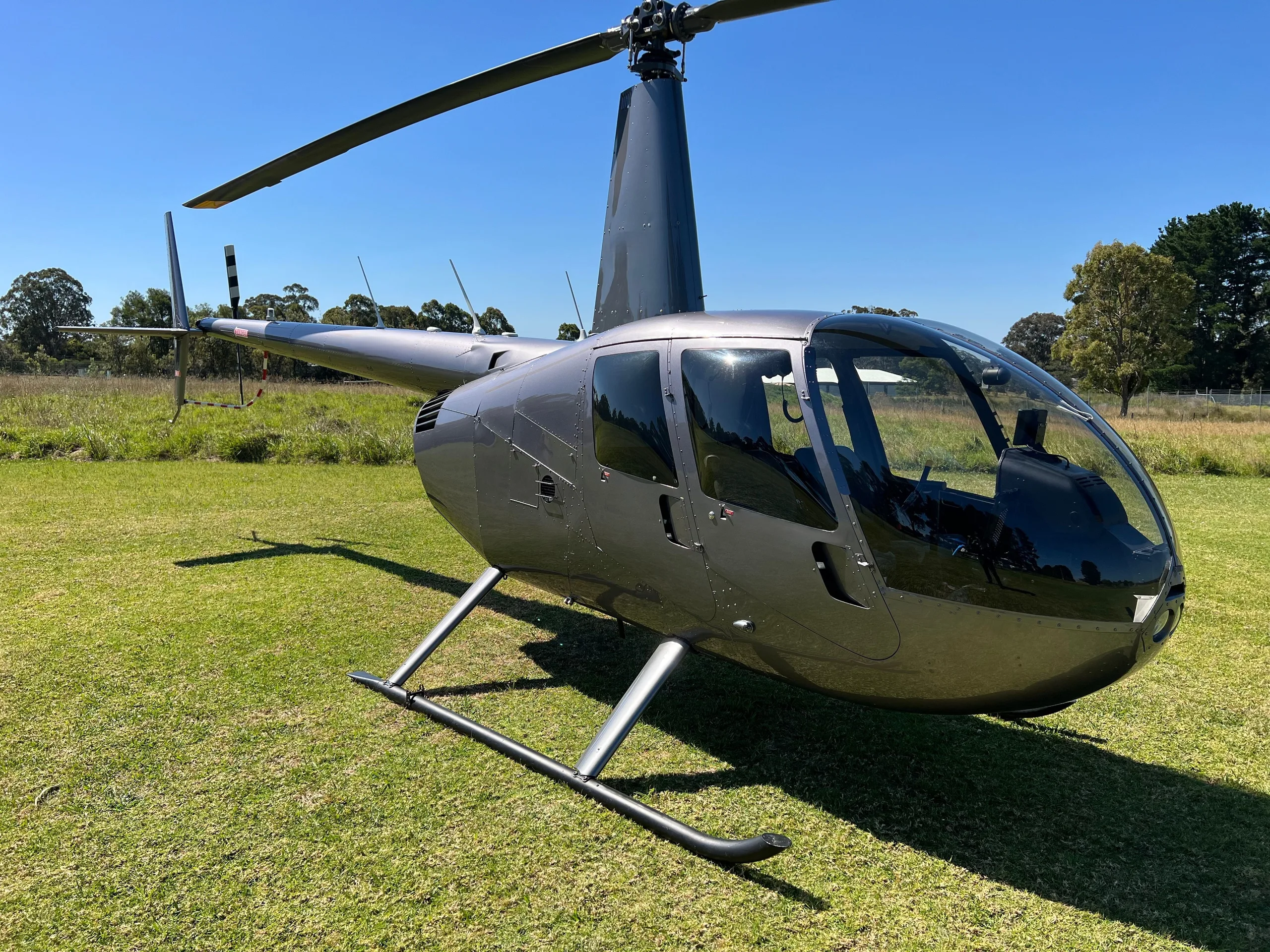
Free — save the R44 to your watchlist and track it in one place.
More Robinson R44 Raven IImanuals & documents
See all 39 →- Emergency Checklist R44 RII – Heli Academy V1.0 2025-09Checklist
- R44 SERVICE BULLETIN SB-117Service Bulletins
- U.S. AIRWORTHINESS DIRECTIVESAirworthiness Directives
- ROBINSON MAINTENANCE MANUAL R44 SERIESWiring Diagrams
- V-Speeds Reference for the Robinson R44 Raven IIV Speeds Reference
- Collision with terrain involving Robinson R44, VH-OCLOther Documents
- ROBINSON MODEL R44 SECTION 5 PERFORMANCEPerformance Data
- Airworthiness Directives; Robinson Helicopter Company HelicoptersAirworthiness Directives
- MANDATORY SERVICE BULLETIN - LycomingService Bulletins
- PILOT'S OPERATING HANDBOOK AND FAA APPROVED ROTORCRAFT FLIGHT MANUALPilot's Operating Handbook
- Clutch actuator lower bearing seizure and collision with terrain involving Robinson Helicopter Company R44, VH-KOV near Nathan River Station, Northern Territory on 16 May 2022Other Documents
- ATSB Transport Safety Report: Aviation Occurrence Investigation (Systemic) AO-2022-009Other Documents
Related documents
If you fly the Robinson R44 Raven II, you may also be researching these.


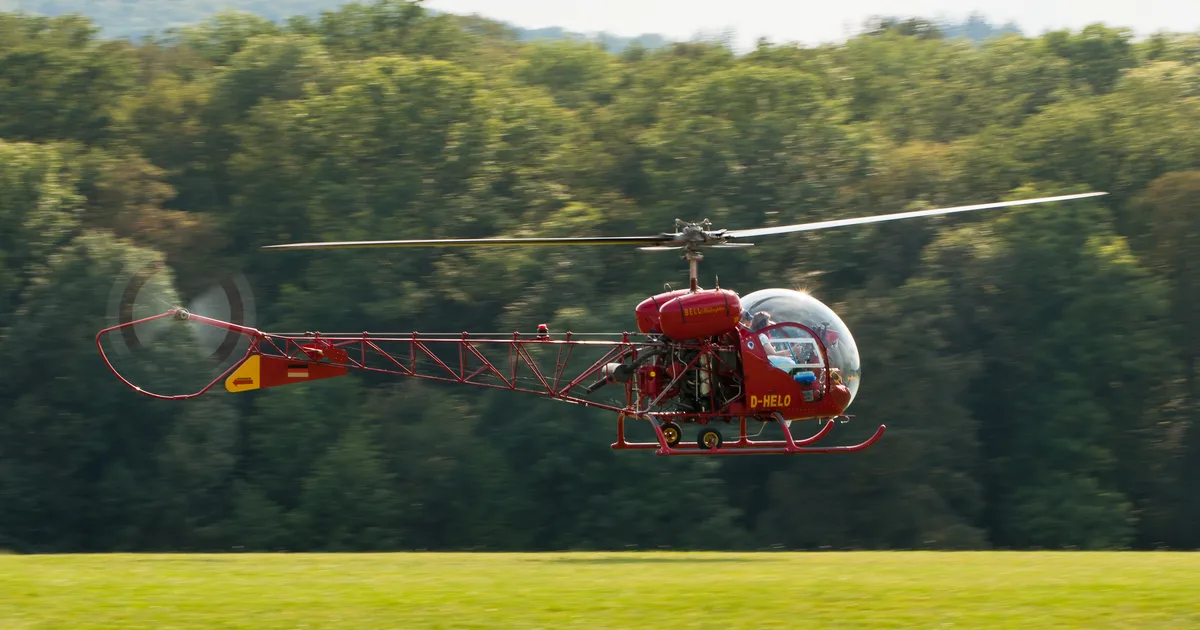

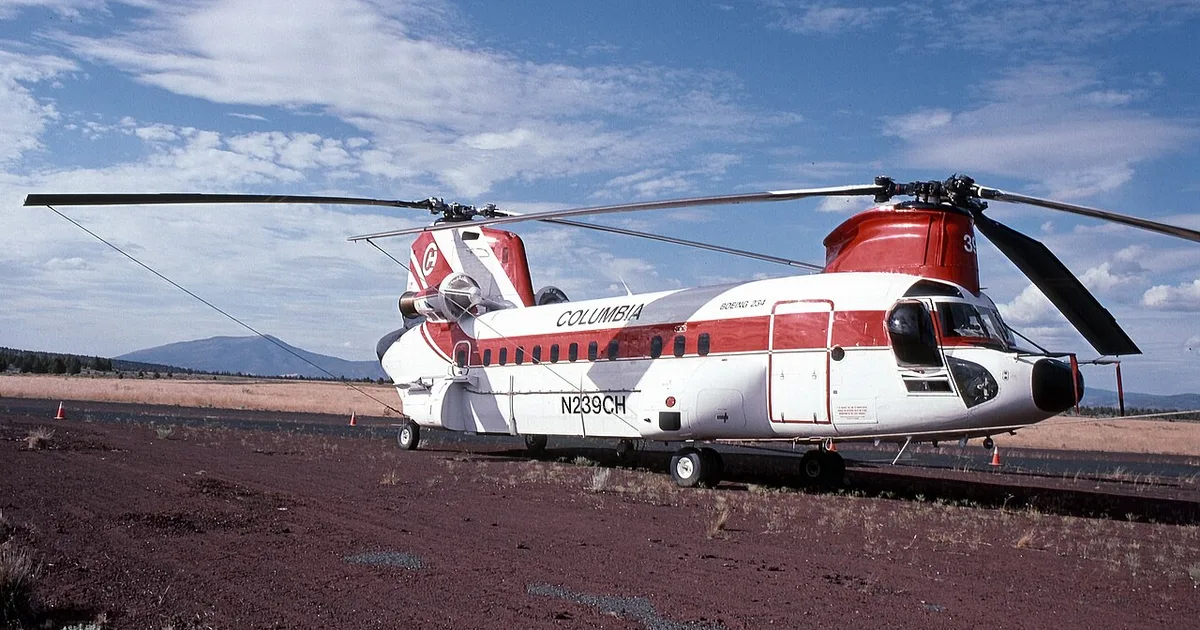


In this document
Performance and limits
The R44 Section 5 performance pages state that in-ground-effect hover controllability has been shown in a 17 knot wind from any direction up to 9600 ft density altitude. Hover charts assume carburetor heat off. Full carb heat reduces hover ceilings by up to 2400 ft. Engine cooling has been demonstrated to 38°C (100°F) at sea level, or 23°C above ISA at altitude. The pages warn that the data were obtained under ideal conditions and that real performance can be substantially less. The same section carries airspeed calibration, density altitude, IGE and OGE hover ceiling, and height-velocity charts.
Airworthiness directives to verify
The US AD list for R44-series helicopters includes: 2024-04-02, a check of the C029-3 tail rotor blade tip cap area before the first flight of each day (Rev A thru Q); 2024-20-03, replacing D270-1 Rev A thru E governor controllers with Rev F or later; 2024-19-11, the engine/transmission clutch shaft forward yoke; 2022-12-08, inspecting and modifying the engine RPM sensor wiring; 2022-19-12, inspecting C029-3 tail rotor blades before each flight (S/Ns 9410-10659); 2020-18-08, the R44 II engine air induction hose; and 2023-11-07, restrictions on operations requiring radar altimeters. AD 2024-04-02 notes that helicopters operated near saltwater and stored outdoors are particularly susceptible to tail rotor blade corrosion. Confirm each applicable AD is signed off in the logbooks.
Governor and engine monitoring
Airworthiness Bulletin AWB 67-006 Issue 5 (an advisory, not mandatory) describes reports of the engine RPM governor not controlling RPM, causing overspeed or underspeed. It applies to R44-series helicopters with an Engine Monitoring Unit (EMU). Factory-new helicopters bought after 15 January 2020 had EMUs, and an amber EMU segment on the annunciator panel identifies them. It recommends keeping a light hand on the throttle twist grip, switching the governor off if it is suspected of malfunctioning, and landing as soon as practical. It also recommends removing the C143 engine RPM sensor for cleaning. Ask for the SB-111 and KI-287 compliance status.
Modifications you may encounter
An FAA-approved Airfilm nose utility mount supplement for R44/R44II covers external payloads up to 50 lbs, such as cameras, sensors and searchlights. It is approved for VFR only. VNE is reduced by 10 KIAS for a payload of 0.7 ft2 frontal area or less, and by 30 KIAS for .71 to 1.5 ft2. CASA STC SVR541 covers a dual cargo hook installation for Human External Cargo operations on R44 and R44 II helicopters. It applies to aircraft with a 28V electrical system or a 14V to 28V conversion kit. Confirm that any fitted modification has its supplement and paperwork.
Summary written by AI from the source document. Check the original before relying on it. See which parts of Sprinkle are written by AI.
Safety notes
- Weight and density altitude: an R44 Raven I accident (VH-OCL) was likely an overweight takeoff at high density altitude. The pilot used estimated passenger weights and did not recalculate performance for the actual conditions.
- Fuel: a Raven II (VH-IDW) engine stopped from fuel exhaustion. The ATSB found the helicopter was likely not refuelled at the en route fuel depot and that the pilot did not notice the reducing fuel state.
- Maintenance: an R44 (VH-KOV) lost all drive from the engine to the rotor after the clutch actuator lower bearing seized. The bearing had not been maintained in accordance with the maintenance procedures.
- Carburetor ice can form with relative humidity above 50% at -6°C to +32°C, and is most likely at -1°C to +15°C. Know the carb heat procedures and their power cost.
Summary written by AI from the source document. Check the original before relying on it. See which parts of Sprinkle are written by AI.
Full document text
Robinson R44 Raven II Model Guide The Robinson R44 Raven II is a single-engine piston helicopter with four seats, in production since 2002 per the library record. The supplied sources have no registry maxima and no specs for this model, so this guide does not give range, cruise speed or weight figures. It relies on R44-series flight manual performance pages, airworthiness directives and bulletins, accident investigations and approved modifications. Check anything model-specific against the Raven II flight manual and the aircraft's own records. • The Robinson R44 Raven II seats 4 and has been built since 2002. Several sources cover the R44 series generally rather than the Raven II specifically. • Hover performance falls with density altitude, weight and carburetor heat. Full carb heat cuts hover ceilings by up to 2400 ft. • Check the AD compliance history: tail rotor blade tip caps, engine RPM sensor wiring, the governor controller and the engine/transmission clutch shaft yoke. • Accident reports cite overweight takeoffs at high density altitude, fuel exhaustion and a seized clutch actuator bearing. A pre-buy should check weight and fuel planning habits and maintenance records. • Check for external-load or nose-mount modifications (cargo hook or utility mount STCs) and make sure the matching flight manual supplements are present. Performance and limits The R44 Section 5 performance pages state that in-ground-effect hover controllability has been shown in a 17 knot wind from any direction up to 9600 ft density altitude. Hover charts assume carburetor heat off. Full carb heat reduces hover ceilings by up to 2400 ft. Engine cooling has been demonstrated to 38°C (100°F) at sea level, or 23°C above ISA at altitude. The pages warn that the data were obtained under ideal conditions and that real performance can be substantially less. The same section carries airspeed calibration, density altitude, IGE and OGE hover ceiling, and height-velocity charts. Airworthiness directives to verify The US AD list for R44-series helicopters includes: 2024-04-02, a check of the C029-3 tail rotor blade tip cap area before the first flight of each day (Rev A thru Q); 2024-20-03, replacing D270-1 Rev A thru E governor controllers with Rev F or later; 2024-19-11, the engine/transmission clutch shaft forward yoke; 2022-12-08, inspecting and modifying the engine RPM sensor wiring; 2022-19-12, inspecting C029-3 tail rotor blades before each flight (S/Ns 9410-10659); 2020-18-08, the R44 II engine air induction hose; and 2023-11-07, restrictions on operations requiring radar altimeters. AD 2024-04-02 notes that helicopters operated near saltwater and stored outdoors are particularly susceptible to tail rotor blade corrosion. Confirm each applicable AD is signed off in the logbooks. Governor and engine monitoring Airworthiness Bulletin AWB 67-006 Issue 5 (an advisory, not mandatory) describes reports of the engine RPM governor not controlling RPM, causing overspeed or underspeed. It applies to R44-series helicopters with an Engine Monitoring Unit (EMU). Factory-new helicopters bought after 15 January 2020 had EMUs, and an amber EMU segment on the annunciator panel identifies them. It recommends keeping a light hand on the throttle twist grip, switching the governor off if it is suspected of malfunctioning, and landing as soon as practical. It also recommends removing the C143 engine RPM sensor for cleaning. Ask for the SB-111 and KI-287 compliance status. Modifications you may encounter An FAA-approved Airfilm nose utility mount supplement for R44/R44II covers external payloads up to 50 lbs, such as cameras, sensors and searchlights. It is approved for VFR only. VNE is reduced by 10 KIAS for a payload of 0.7 ft2 frontal area or less, and by 30 KIAS for .71 to 1.5 ft2. CASA STC SVR541 covers a dual cargo hook installation for Human External Cargo operations on R44 and R44 II helicopters. It applies to aircraft with a 28V electrical system or a 14V to 28V conversion kit. Confirm that any fitted modification has its supplement and paperwork. Safety notes: • Weight and density altitude: an R44 Raven I accident (VH-OCL) was likely an overweight takeoff at high density altitude. The pilot used estimated passenger weights and did not recalculate performance for the actual conditions. • Fuel: a Raven II (VH-IDW) engine stopped from fuel exhaustion. The ATSB found the helicopter was likely not refuelled at the en route fuel depot and that the pilot did not notice the reducing fuel state. • Maintenance: an R44 (VH-KOV) lost all drive from the engine to the rotor after the clutch actuator lower bearing seized. The bearing had not been maintained in accordance with the maintenance procedures. • Carburetor ice can form with relative humidity above 50% at -6°C to +32°C, and is most likely at -1°C to +15°C. Know the carb heat procedures and their power cost.