Robinson R44 Clipper Model Guide
Robinson R44 Clipper · Model Guide
Overview
The Robinson R44 Clipper is a four-seat, single-engine piston helicopter with a two-blade rotor, listed from 2006. The Pooleys guide says the Clipper is the R44 Astro fitted with floats and added anti-corrosion protection. The Clipper II is the same on the Raven II. No registry data was supplied, so the figures below are mostly for the Clipper II.
- Clipper is the Astro-based R44 with fixed or pop-out floats and anti-corrosion protection. Clipper II is Raven II-based, at 2500 lbs gross against 2400 lbs.
- The Clipper I has a carburetted Lycoming O-540 with carb heat assist. The Clipper II has the fuel-injected IO-540, which needs no carb heat.
- Fuel planning guideline: 15 US gal per hour, plus 10% and at least 20 minutes remaining after the flight.
- Ask for drive belt history and AD/R44/20 bolt records. Both topics appear in the safety documents reviewed.
Summary written by AI from the source document. Check the original before relying on it. See which parts of Sprinkle are written by AI.
Reference only, not for flight. Use the current approved manual for your aircraft. See terms, section 5.
Document
Source
Copy found at sprinkle.com. Sprinkle hosts a reference copy with an added summary, specifications and searchable full text.
Document details
- Type ·
- Model Guide
- Year ·
- 2026
- File size ·
- 50 KB
- Copy found at ·
- sprinkle.com
Specifications & performance
Extracted from this document.
Specifications
- Takeoff power (hp) ·
- 245
- Standard fuel (gal) ·
- 29.5
- Auxiliary fuel (gal) ·
- 17
- Continuous power (hp) ·
- 205
- Maximum operating altitude (ft) ·
- 14,000
Performance
- Max range (nm) ·
- 300
- Cruise speed (kt) ·
- 106
- Hover ceiling ige (ft) ·
- 8,950
- Hover ceiling oge (ft) ·
- 7,500
- Min rate of climb (fpm) ·
- 1,000
- Fuel burn guideline (gph) ·
- 15
Weight & balance
- Empty weight (lb) ·
- 1,570
- Max takeoff weight (lb) ·
- 2,500
- Standard fuel weight (lb) ·
- 177
- Auxiliary fuel weight (lb) ·
- 102
- Payload with standard fuel (lb) ·
- 753
What is the Robinson R44 Clipper?
The Robinson R44 Clipper is a four-seat, piston-engine helicopter. Per the Pooleys guide, it is the R44 Astro with fixed or pop-out floats and added anti-corrosion protection. The Clipper II is built on the Raven II.
How fast and far does it go?
For the Clipper II, Robinson lists cruise up to 106 kts at maximum gross weight and range of approximately 300 nm with no reserve. The hover ceiling in ground effect is 8950 ft at 2500 lb. The Robinson R44 Clipper I has no figures in these documents.
How often must it be inspected?
The Robinson maintenance manual for the R44 series requires an inspection at a maximum of 100 hours or 12 calendar months, whichever occurs first. Some local regulations allow the interval to be extended by up to 10 hours, without accumulation.
What is the Robinson R44 Clipper Model Guide?
The Robinson R44 Clipper Model Guide is a model guide for the Robinson R44 Clipper, dated 2026.
What year was the Robinson R44 Clipper Model Guide published?
The Robinson R44 Clipper Model Guide — the Robinson R44 Clipper model guide on file — is dated 2026.
Common. One of the most common aircraft types we track.
Most owners only have the POH. Here's the essential set for the Robinson R44 Clipper.
Robinson R44 Clipper for sale now
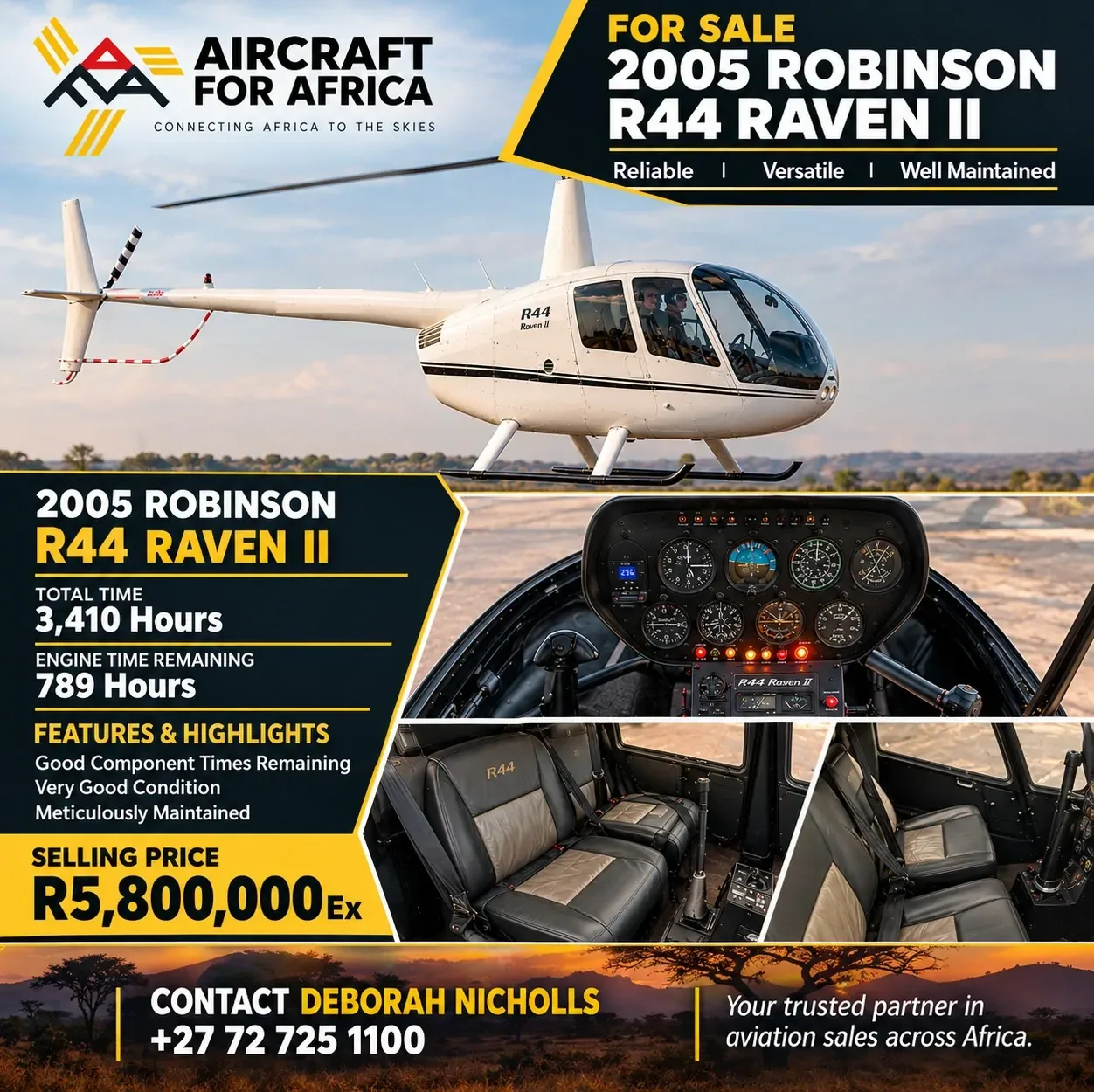
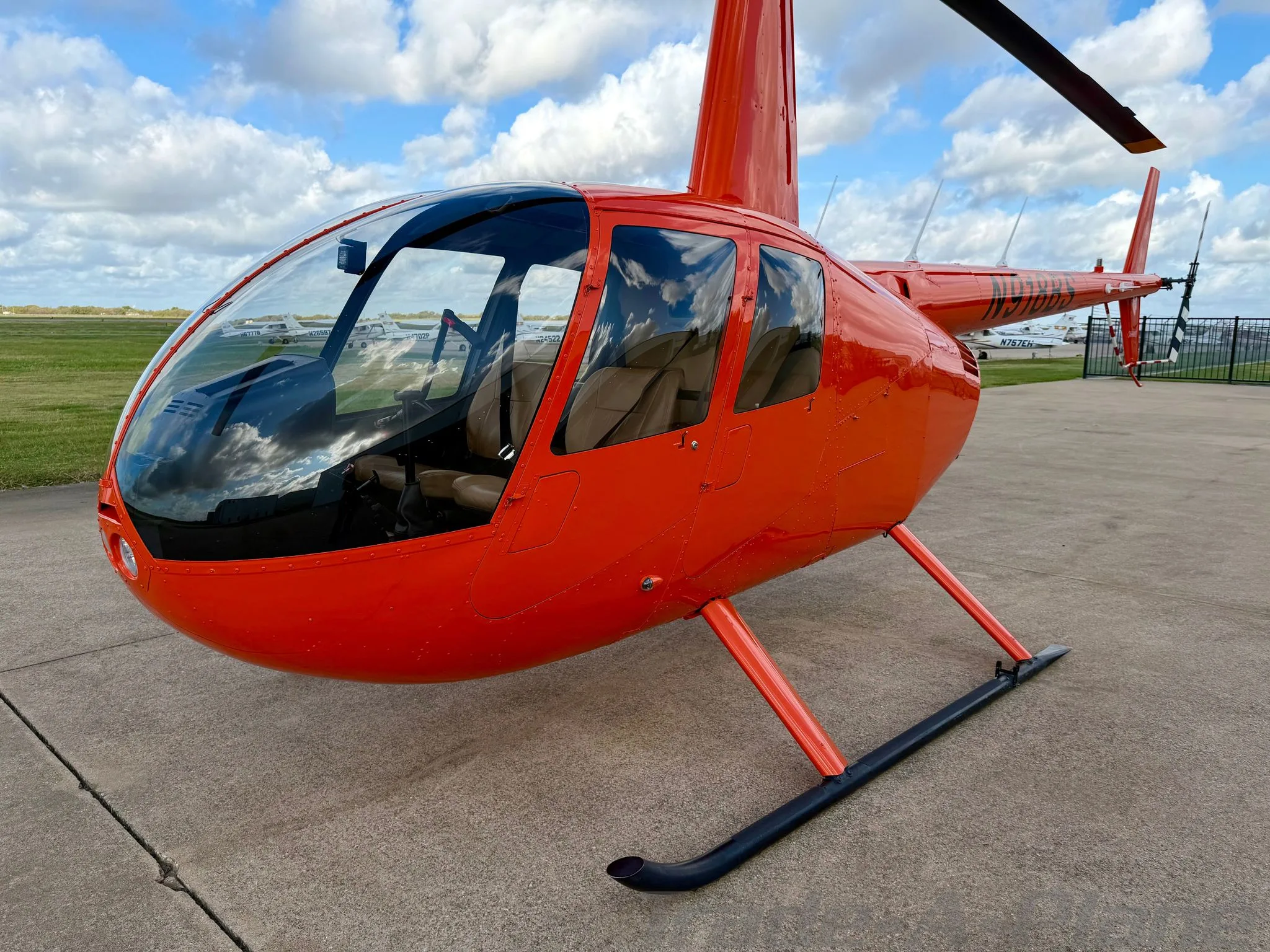
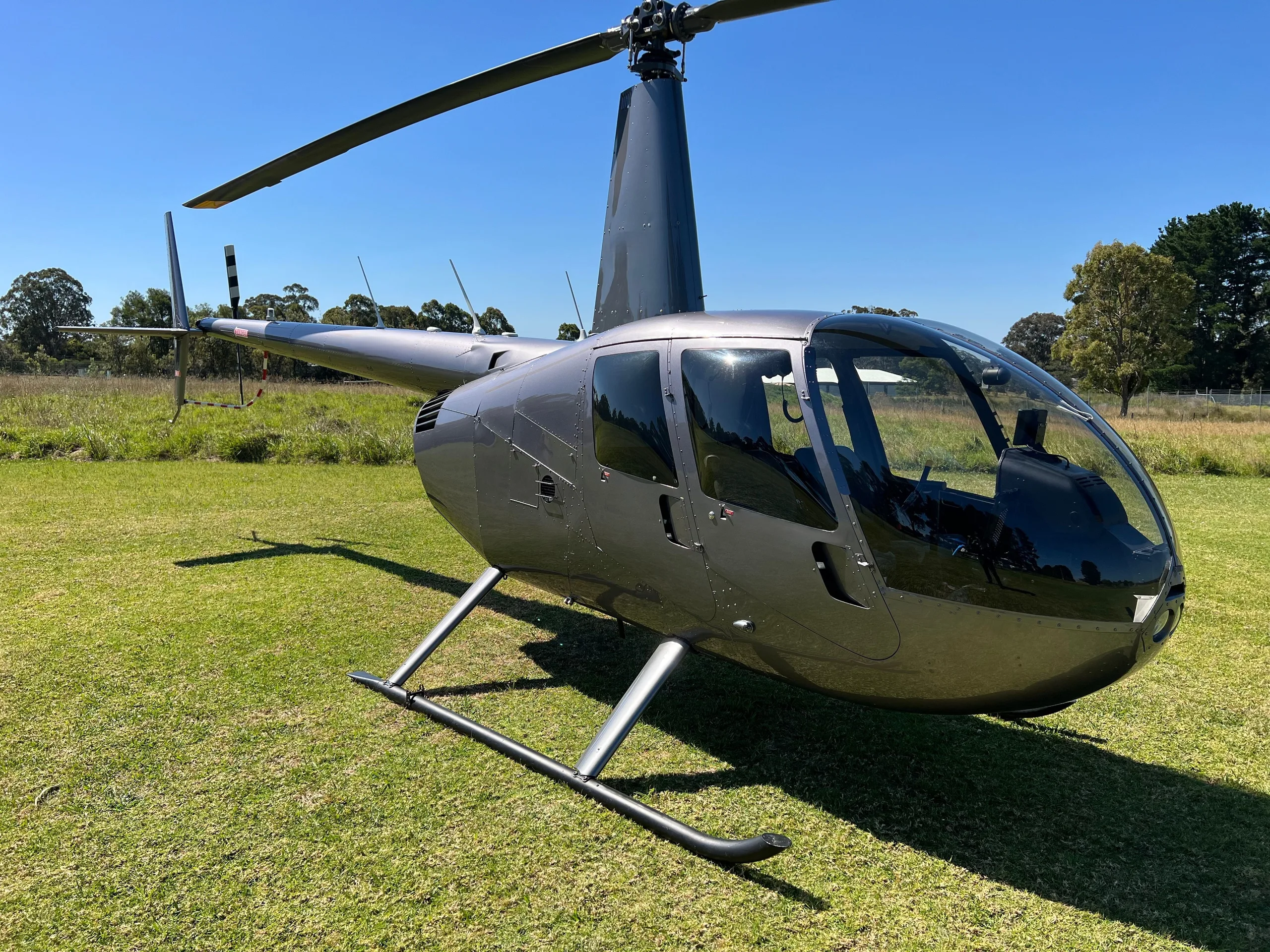
Free — save the R44 to your watchlist and track it in one place.
More Robinson R44 Clippermanuals & documents
See all 21 →- R44 MAINTENANCE MANUAL and INSTRUCTIONS FOR CONTINUED AIRWORTHINESSMaintenance Manual
- R44 Raven II & Clipper II Price ListChecklist
- ROBINSON MAINTENANCE MANUAL R44 SERIESService Bulletins
- R44 Raven I & Clipper I Price ListChecklist
- In-flight break-up, Robinson R44 Raven I helicopter, VH-NBYOther Documents
- Drive system failure and forced landing, involving Robinson Helicopter Company R44 Clipper II, VH-SXCOther Documents
- R44 Raven Internal Check-listChecklist
- AAIB Bulletin: 7/2021 G-CLIO AAIB-27067Other Documents
- AAIB Bulletin 7/2021Service Bulletins
- INSTALL, FODR SYSTEM MANUALFlight Manual
- R44 Raven II & Clipper II SpecificationsSpecifications
- EMERGENCY PROCEDURESEmergency Procedures
Related documents
- ROBINSON R44 CLIPPER II Model GuideROBINSON R44 CLIPPER II · Model Guide
- Guide to the Robinson R44Robinson R44 Clipper · Pilot's Operating Handbook
- R44 Raven I & Clipper I Price ListRobinson R44 Clipper · Checklist
- R44 Raven II & Clipper II SpecificationsRobinson R44 Clipper · Specifications
- R44 Raven II & Clipper II Price ListRobinson R44 Clipper · Checklist
If you fly the Robinson R44 Clipper, you may also be researching these.





In this document
Which Clipper, and what it carries
Clipper II figures (Robinson spec sheet): Lycoming IO-540 six-cylinder, fuel injected, derated to 245 hp for takeoff and 205 hp continuous. Maximum gross weight is 2500 lb. Empty weight with pop-out floats is about 1570 lb. With standard fuel (29.5 gal), pilot, passengers and baggage can total 753 lb. Cruise is up to 106 kts at maximum gross weight.
Inspection and running costs
The Robinson maintenance manual for the R44 series requires an inspection at 100 hours or 12 calendar months, whichever comes first. It also lists a 12-year inspection covering the tail rotor gearbox, swashplate, landing gear and hydraulic reservoir. Special inspections cover tail skid or rotor strikes, hard landing, overspeed and V-belts. A V-belt set (4 pairs) was listed at 790.00 in the January 2016 parts list.
What to check before buying
Check the drive belts and the records of any belt stretching. Check AD/R44/20: bolt NAS6605-31 with vendor marking 01DO must not be installed, because of hydrogen embrittlement. Look for tail rotor, tail skid and hard-landing history. Confirm the airframe type, because the Clipper I is carburetted and the Clipper II is fuel injected.
Summary written by AI from the source document. Check the original before relying on it. See which parts of Sprinkle are written by AI.
Safety notes
- G-CLIO (Clipper I): a downwind out-of-ground-effect transition overpitched the main rotor. Rotor rpm fell and tail rotor authority was lost.
- VH-SXC (Clipper II): the forward drive belts dislodged and rotor drive was lost. Stretching new belts with the clutch actuator is no longer advised.
- Main rotor blades must be turning within 5 seconds of clutch engagement. Seek maintenance support if they are not.
Summary written by AI from the source document. Check the original before relying on it. See which parts of Sprinkle are written by AI.
Full document text
Robinson R44 Clipper Model Guide The Robinson R44 Clipper is a four-seat, single-engine piston helicopter with a two-blade rotor, listed from 2006. The Pooleys guide says the Clipper is the R44 Astro fitted with floats and added anti-corrosion protection. The Clipper II is the same on the Raven II. No registry data was supplied, so the figures below are mostly for the Clipper II. • Clipper is the Astro-based R44 with fixed or pop-out floats and anti-corrosion protection. Clipper II is Raven II-based, at 2500 lbs gross against 2400 lbs. • The Clipper I has a carburetted Lycoming O-540 with carb heat assist. The Clipper II has the fuel-injected IO-540, which needs no carb heat. • Fuel planning guideline: 15 US gal per hour, plus 10% and at least 20 minutes remaining after the flight. • Ask for drive belt history and AD/R44/20 bolt records. Both topics appear in the safety documents reviewed. Which Clipper, and what it carries Clipper II figures (Robinson spec sheet): Lycoming IO-540 six-cylinder, fuel injected, derated to 245 hp for takeoff and 205 hp continuous. Maximum gross weight is 2500 lb. Empty weight with pop-out floats is about 1570 lb. With standard fuel (29.5 gal), pilot, passengers and baggage can total 753 lb. Cruise is up to 106 kts at maximum gross weight. Inspection and running costs The Robinson maintenance manual for the R44 series requires an inspection at 100 hours or 12 calendar months, whichever comes first. It also lists a 12-year inspection covering the tail rotor gearbox, swashplate, landing gear and hydraulic reservoir. Special inspections cover tail skid or rotor strikes, hard landing, overspeed and V-belts. A V-belt set (4 pairs) was listed at 790.00 in the January 2016 parts list. What to check before buying Check the drive belts and the records of any belt stretching. Check AD/R44/20: bolt NAS6605-31 with vendor marking 01DO must not be installed, because of hydrogen embrittlement. Look for tail rotor, tail skid and hard-landing history. Confirm the airframe type, because the Clipper I is carburetted and the Clipper II is fuel injected. Safety notes: • G-CLIO (Clipper I): a downwind out-of-ground-effect transition overpitched the main rotor. Rotor rpm fell and tail rotor authority was lost. • VH-SXC (Clipper II): the forward drive belts dislodged and rotor drive was lost. Stretching new belts with the clutch actuator is no longer advised. • Main rotor blades must be turning within 5 seconds of clutch engagement. Seek maintenance support if they are not.