Robinson R44 Raven I Model Guide
Robinson R44 Raven I · Model Guide
Overview
The Robinson R44 Raven I is a four-seat, single-engine piston helicopter, listed in the library from 2002. The R44 registry family (R44, R44 II) reaches up to 350 nm range, 113 kt cruise and a 14,000 ft ceiling. A flight-school briefing sheet for the Raven I gives a 2,400 lb maximum gross weight.
- Four seats, 2,400 lb max gross, 300 lb per seat including baggage, 50 lb in the baggage compartment: work out weight and balance before every trip.
- Never-exceed speed is 130 KIAS at or below 2,200 lb and 3,000 ft DA, and 100 KIAS with any doors removed. Max operating altitude is 14,000 ft DA.
- A dealer listing says the Raven II has a more powerful engine and carries more payload, flies higher and goes faster than the Raven I.
- Budget for parts: 2025 list prices show a carburetor at $2,760 and 6-cylinder camshaft kits at $6,220 and $11,400.
Summary written by AI from the source document. Check the original before relying on it. See which parts of Sprinkle are written by AI.
Reference only, not for flight. Use the current approved manual for your aircraft. See terms, section 5.
Document
Source
Copy found at sprinkle.com. Sprinkle hosts a reference copy with an added summary, specifications and searchable full text.
Document details
- Type ·
- Model Guide
- Year ·
- 2026
- File size ·
- 50 KB
- Copy found at ·
- sprinkle.com
Specifications & performance
Extracted from this document.
Specifications
- Seats ·
- 4
Performance
- Family max range (nm) ·
- 350
- Max operating altitude (ft) ·
- 14,000
- Family max cruise speed (kt) ·
- 113
- Family max service ceiling (ft) ·
- 14,000
V-speeds
- VNE_DOORS_REMOVED_KTS ·
- 100
- VNE_ABOVE_2200_LBS_KTS ·
- 120
- VNE_UP_TO_3000FT_DA_AT_OR_BELOW_2200_LBS_KTS ·
- 130
Weight & balance
- Max gross weight (lb) ·
- 2,400
- Min gross weight (lb) ·
- 1,550
- Max baggage weight (lb) ·
- 50
- Max weight per seat (lb) ·
- 300
- Min solo pilot weight (lb) ·
- 150
How much can the Robinson R44 Raven I carry?
The Robinson R44 Raven I has four seats and a 2,400 lb maximum gross weight on the school briefing sheet. Each seat, including baggage, is limited to 300 lb, and the baggage compartment to 50 lb. Minimum gross weight is 1,550 lb.
How does the Raven I differ from the Raven II?
A dealer listing says the Raven II has a more powerful engine than the Robinson R44 Raven I. As a result it carries more payload and reaches higher altitudes and faster speeds.
What is the speed limit on the Robinson R44 Raven I?
On the school sheet, the Robinson R44 Raven I has a never-exceed speed of 130 KIAS up to 3,000 ft DA at 2,200 lb or less. Above 2,200 lb it is 120 KIAS. With any doors removed it is 100 KIAS.
What should I check in the records of a Robinson R44 Raven I?
For a Robinson R44 Raven I, check sprag clutch compliance with CASA AD/R44/15 and fire extinguisher removal under SB-107B. Check the revised weight and balance record. Also check the tail rotor area and any report of pedal vibration.
What is the Robinson R44 Raven I Model Guide?
The Robinson R44 Raven I Model Guide is a model guide for the Robinson R44 Raven I, dated 2026.
What year was the Robinson R44 Raven I Model Guide published?
The Robinson R44 Raven I Model Guide — the Robinson R44 Raven I model guide on file — is dated 2026.
Common. One of the most common aircraft types we track.
Most owners only have the POH. Here's the essential set for the Robinson R44 Raven I.
- Pilot's Operating Handbook / AFM
- Checklist
- Maintenance Manual
- Parts Catalog (IPC)
- Systems & Wiring
- Service Bulletins on file
- Type Certificate (TCDS)
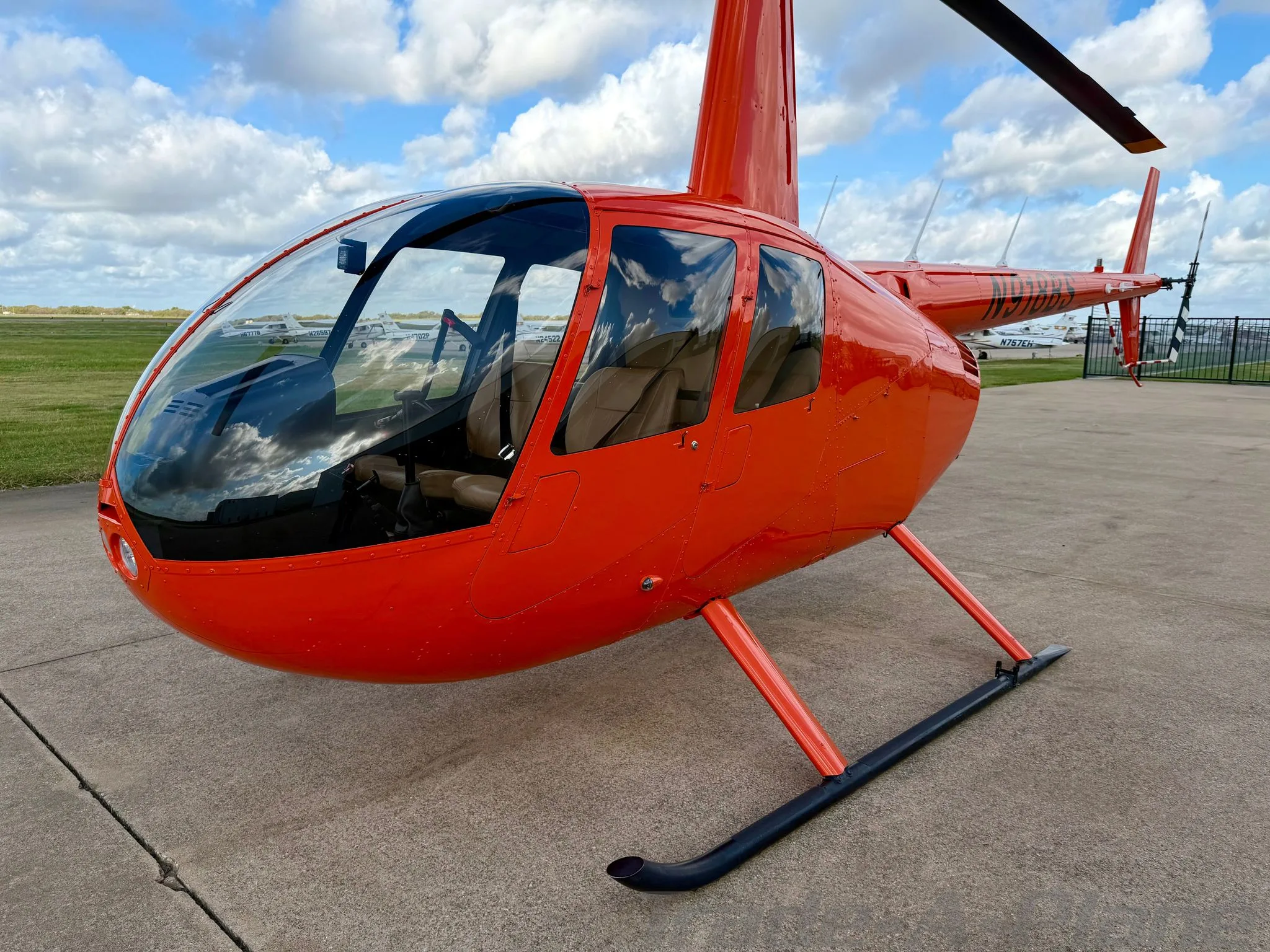
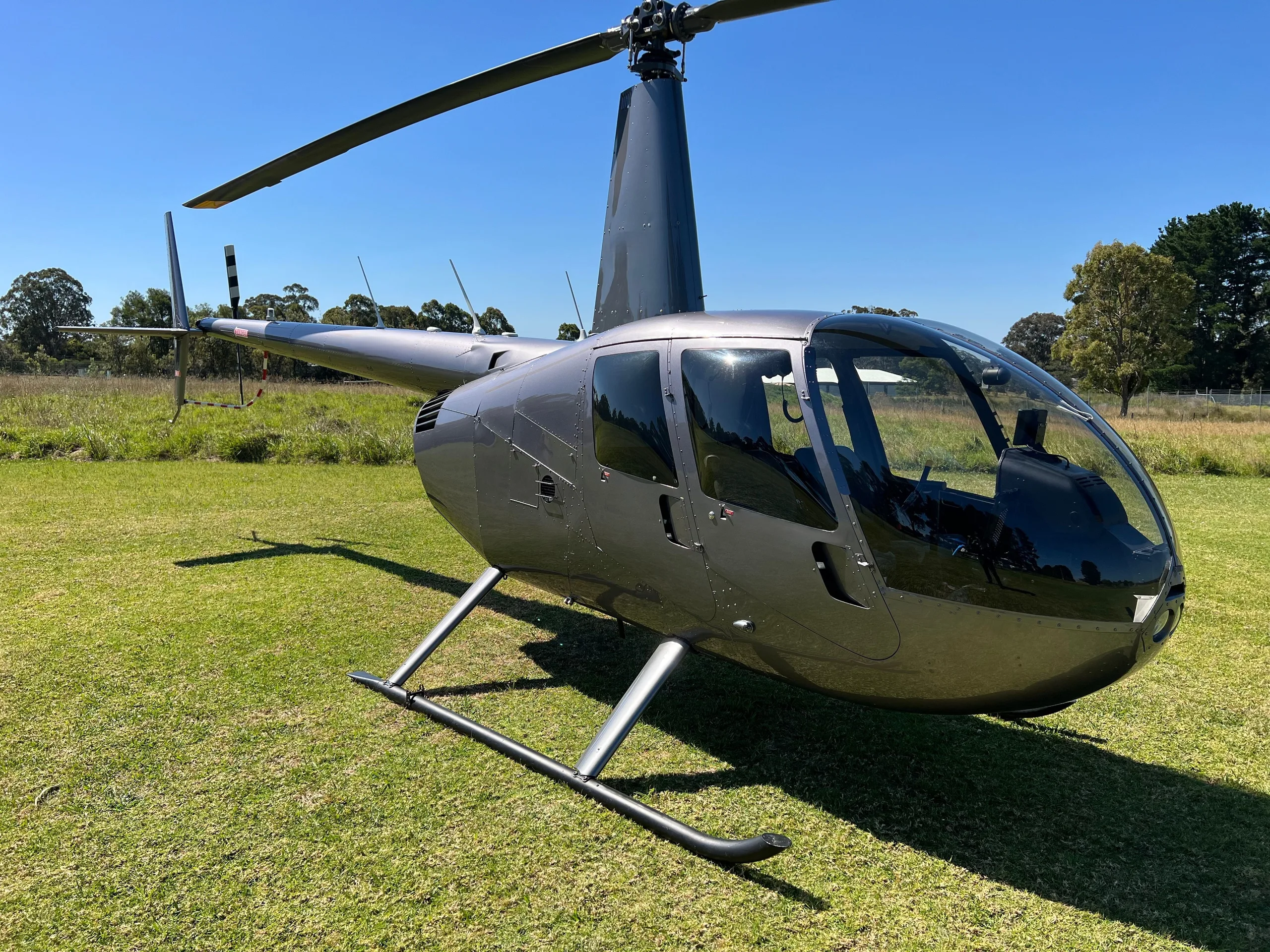
Robinson R44 Raven I for sale now

Free — save the R44 to your watchlist and track it in one place.
More Robinson R44 Raven Imanuals & documents
See all 18 →- R44 SPARE PARTS PRICE LISTChecklist
- In-flight break-up, Robinson R44 Raven I helicopter, VH-NBYOther Documents
- R44 SERVICE BULLETIN SB-107BService Bulletins
- ROBINSON MODEL R44 II SECTION 7 SYSTEMS DESCRIPTIONSystems Description
- ATSB Transport Safety Report: Aviation Occurrence Investigation AO-2018-006Other Documents
- AAIB Bulletin: 10/2018 G-CTFL and G-HYND EW/G2018/05/07Other Documents
- AAIB Bulletin: 1/2017Other Documents
- Instructions for Continued Airworthiness for “The Alaska Rack” External Load RacksParts Catalog
- AAIB Bulletin: 11/2016Other Documents
- ATSB Transport Safety ReportOther Documents
- 2016 ROBINSON R44 RAVEN II | SN 13942 | ZT-RBKSpecifications
- Briefings / Checks ROBINSON R 44 RAVEN IChecklist
Related documents
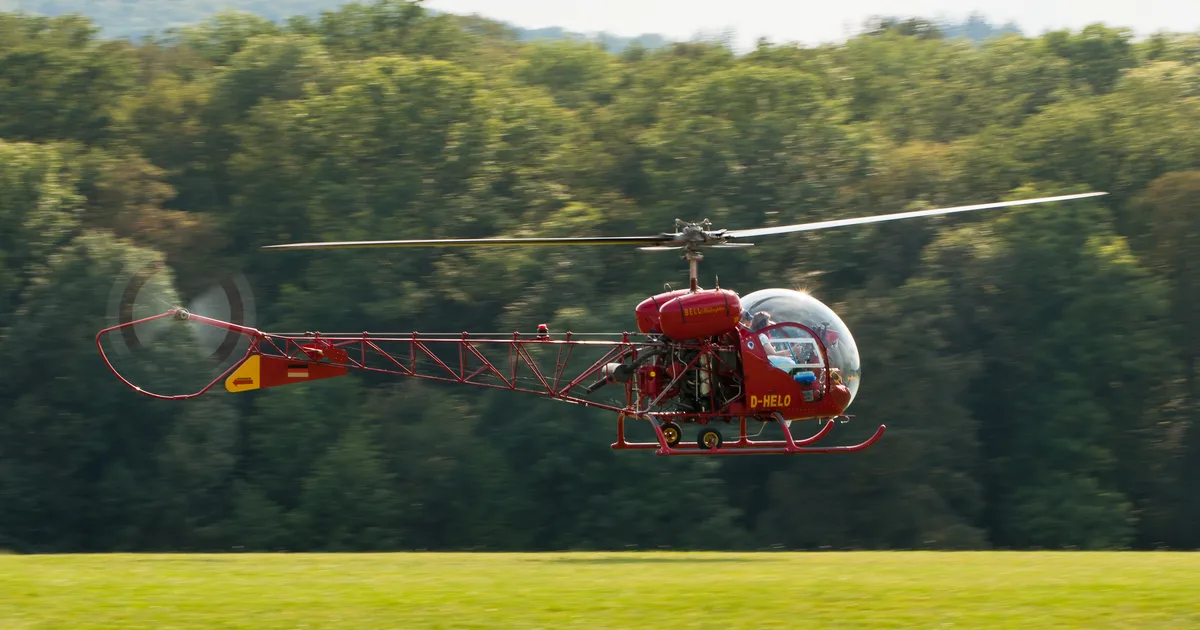
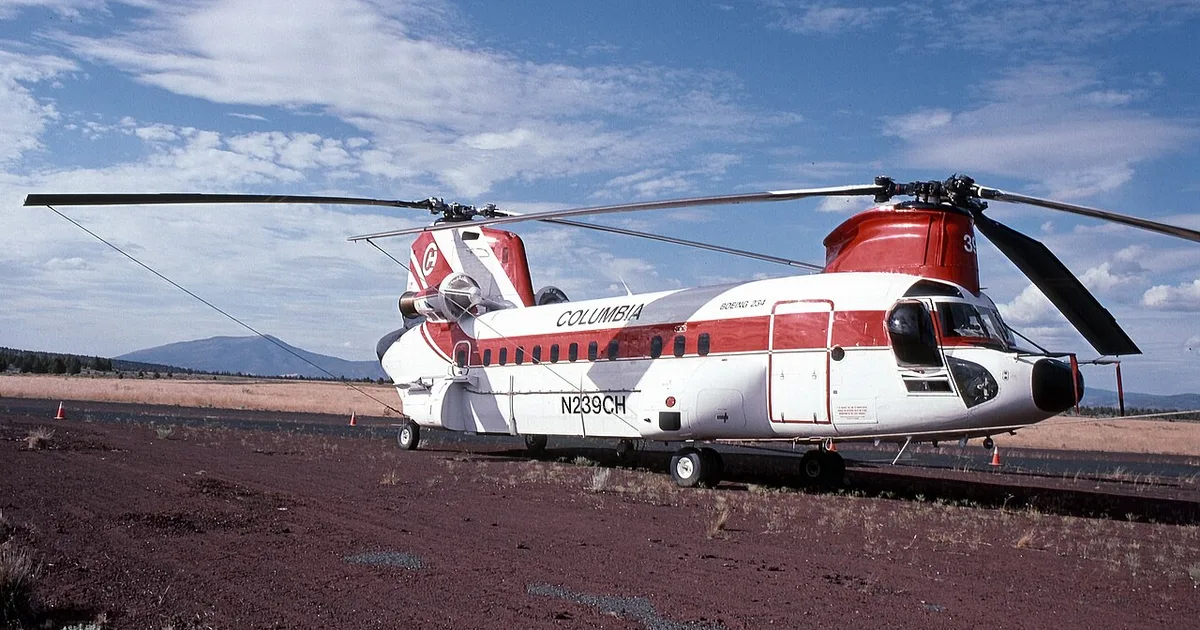
If you fly the Robinson R44 Raven I, you may also be researching these.





In this document
Limits to know
School briefing sheet for the Raven I: max gross 2,400 lb, min gross 1,550 lb, min solo pilot 150 lb. Rotor RPM is 101-102% power on and 90-108% power off, with the low-RPM warning at 97%. Max operating altitude is 14,000 ft DA. Never-exceed speed is 130 KIAS up to 3,000 ft DA at 2,200 lb or less, 120 KIAS above 2,200 lb, and 100 KIAS with doors removed.
Records and airworthiness checks
Confirm compliance with CASA AD/R44/15: sprag clutches with S/N 0003 through 0505 must be replaced (applies to early R44 serials 0001-0541 and a few others). SB-107B calls for removing the factory fire extinguisher ahead of the left pedals within 100 flight hours or by 31 October 2021, with the weight and balance record revised. If an Alaska Rack external load rack is fitted, it is inspected at every 100-hour and annual inspection.
Fuel planning and running costs
AAIB cites 16 USG per hour as an appropriate planning figure, and notes the R44 POH gives no fuel consumption figures. The school sheet lists about 60 L/h. Ask for time since new and engine overhaul records. The 2025 R44 parts list shows a magneto at $2,440 and a carburetor at $2,760.
Summary written by AI from the source document. Check the original before relying on it. See which parts of Sprinkle are written by AI.
Safety notes
- ATSB: pedal vibration preceded a tail rotor gearbox fracture and in-flight break-up of a Raven I; land as soon as possible and do not fly until the cause is found.
- ATSB: a near-max-weight takeoff at high density altitude ended in rotor RPM decay and a hard landing. Keep the governor on and apply full throttle at once on a low-RPM warning.
- Land to refuel before the main tank gauge reads under 1/4 full. The low-fuel light means about 3 USG left, at most 10 minutes. Test drum fuel for contamination.
Summary written by AI from the source document. Check the original before relying on it. See which parts of Sprinkle are written by AI.
Full document text
Robinson R44 Raven I Model Guide The Robinson R44 Raven I is a four-seat, single-engine piston helicopter, listed in the library from 2002. The R44 registry family (R44, R44 II) reaches up to 350 nm range, 113 kt cruise and a 14,000 ft ceiling. A flight-school briefing sheet for the Raven I gives a 2,400 lb maximum gross weight. • Four seats, 2,400 lb max gross, 300 lb per seat including baggage, 50 lb in the baggage compartment: work out weight and balance before every trip. • Never-exceed speed is 130 KIAS at or below 2,200 lb and 3,000 ft DA, and 100 KIAS with any doors removed. Max operating altitude is 14,000 ft DA. • A dealer listing says the Raven II has a more powerful engine and carries more payload, flies higher and goes faster than the Raven I. • Budget for parts: 2025 list prices show a carburetor at $2,760 and 6-cylinder camshaft kits at $6,220 and $11,400. Limits to know School briefing sheet for the Raven I: max gross 2,400 lb, min gross 1,550 lb, min solo pilot 150 lb. Rotor RPM is 101-102% power on and 90-108% power off, with the low-RPM warning at 97%. Max operating altitude is 14,000 ft DA. Never-exceed speed is 130 KIAS up to 3,000 ft DA at 2,200 lb or less, 120 KIAS above 2,200 lb, and 100 KIAS with doors removed. Records and airworthiness checks Confirm compliance with CASA AD/R44/15: sprag clutches with S/N 0003 through 0505 must be replaced (applies to early R44 serials 0001-0541 and a few others). SB-107B calls for removing the factory fire extinguisher ahead of the left pedals within 100 flight hours or by 31 October 2021, with the weight and balance record revised. If an Alaska Rack external load rack is fitted, it is inspected at every 100-hour and annual inspection. Fuel planning and running costs AAIB cites 16 USG per hour as an appropriate planning figure, and notes the R44 POH gives no fuel consumption figures. The school sheet lists about 60 L/h. Ask for time since new and engine overhaul records. The 2025 R44 parts list shows a magneto at $2,440 and a carburetor at $2,760. Safety notes: • ATSB: pedal vibration preceded a tail rotor gearbox fracture and in-flight break-up of a Raven I; land as soon as possible and do not fly until the cause is found. • ATSB: a near-max-weight takeoff at high density altitude ended in rotor RPM decay and a hard landing. Keep the governor on and apply full throttle at once on a low-RPM warning. • Land to refuel before the main tank gauge reads under 1/4 full. The low-fuel light means about 3 USG left, at most 10 minutes. Test drum fuel for contamination.