NORMAL CHECK LIST P2008JC
TECNAM P2008 JC · Checklist
Overview
This document is a checklist for the Tecnams P2008 JC aircraft, specifically for Night VFR operations. It outlines the necessary procedures and checks to be performed before, during, and after flight to ensure safety and compliance with operational standards.
- Checklist includes cockpit preliminary checks, external walkaround, and engine start procedures.
- Engine parameters must be checked before takeoff and during flight.
- Specific speeds for takeoff, climb, and landing are provided.
- Safety checks include verifying fuel levels and ensuring all systems are operational.
- The aircraft is certified in the normal category according to EASA CS-VLA.
- Memory items are highlighted for quick recall during operations.
- Non-aerobatic operations are defined with specific speed limits.
- Post-flight procedures include securing the aircraft and performing checks.
Summary written by AI from the source document. Check the original before relying on it. See which parts of Sprinkle are written by AI.
Reference only, not for flight. Use the current approved manual for your aircraft. See terms, section 5.
Document
Source
Copy found at skyservices-flightacademy.com. Sprinkle hosts a reference copy with an added summary, specifications and searchable full text.
Document details
- Type ·
- Checklist
- Year ·
- 2020
- File size ·
- 385 KB
- Copy found at ·
- skyservices-flightacademy.com
- Language ·
- it
Specifications & performance
Extracted from this document.
Performance
- Climb speed kias ·
- 71
- Landing speed kias ·
- 54
- Takeoff speed kias ·
- 48
V-speeds
- VY_KIAS ·
- 71
What is the NORMAL CHECK LIST P2008JC?
The NORMAL CHECK LIST P2008JC is a checklist for the TECNAM P2008 JC, dated 2020.
What year was the NORMAL CHECK LIST P2008JC published?
The NORMAL CHECK LIST P2008JC — the TECNAM P2008 JC checklist on file — is dated 2020.
Common. More common than 92% of the aircraft models we track.
Most owners only have the POH. Here's the essential set for the TECNAM P2008 JC.
- Pilot's Operating Handbook / AFM
- Checklist
- Maintenance Manual
- Parts Catalog (IPC)
- Systems & Wiring
- Service Bulletins on file
- Type Certificate (TCDS)
TECNAM P2008 JC for sale now
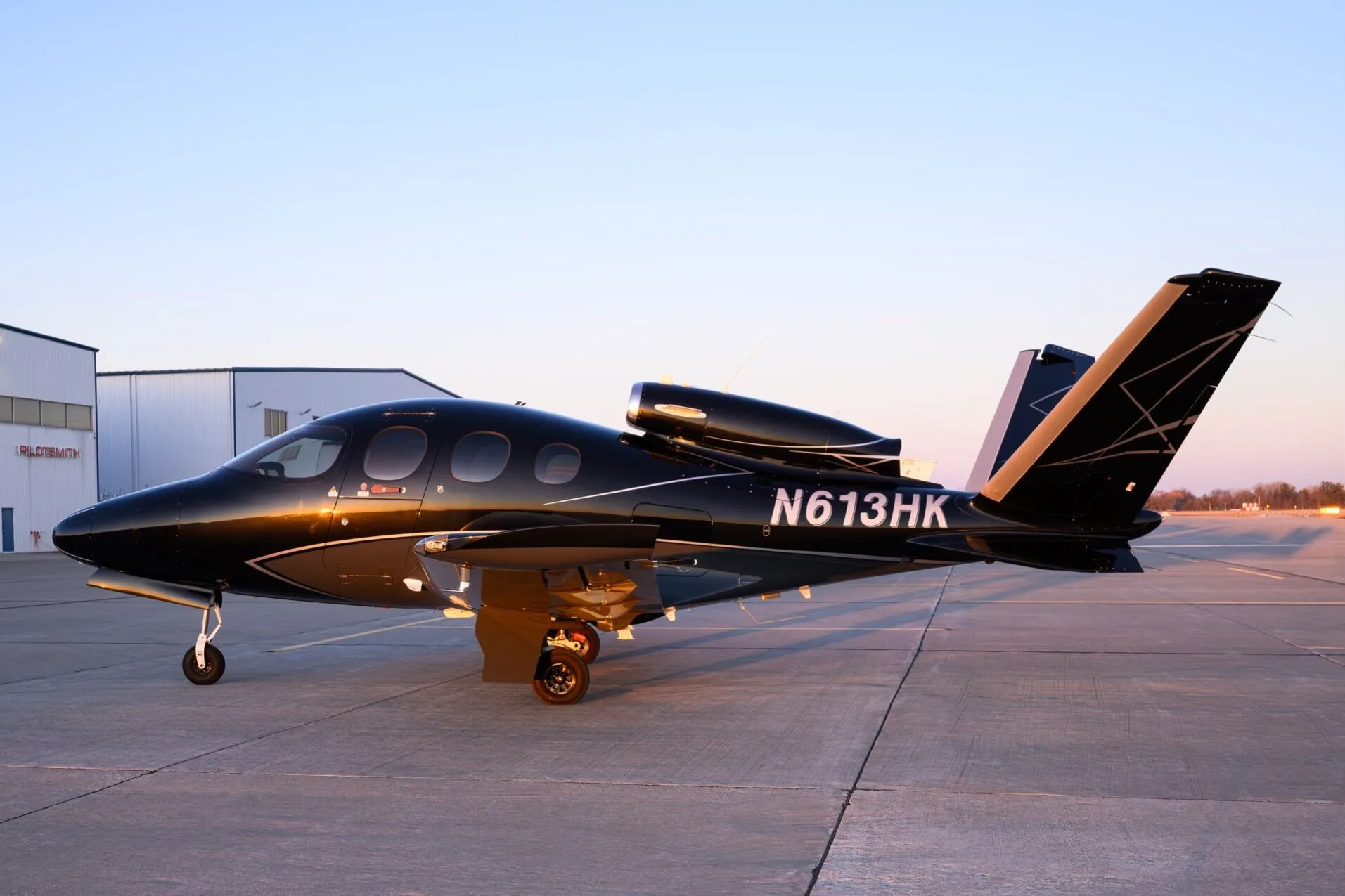
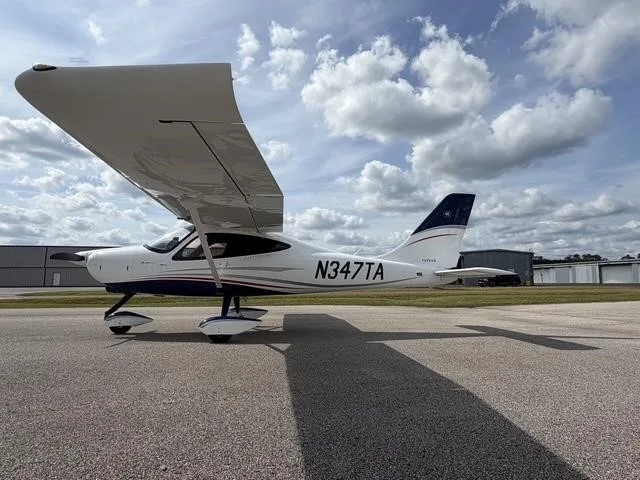

Free — save the P-2008 to your watchlist and track it in one place.
More TECNAM P2008 JCmanuals & documents
Related documents
- Beech Bonanza F33A PREFLIGHT PROCEDURESBeechcraft F33A Bonanza · Checklist
- PIPER ARCHER PA-28-181 PILOT’S CHECKLISTPiper PA-28 Dakota · Emergency Procedures
- TECNAM P2006T CHECK LISTTECNAM P-2006T · Checklist
- Normal Check List P2006TTECNAM P-2006T · Checklist
- NSA MASTER CHECKLIST—REVISION 8Piper PA-28 Archer II · Emergency Procedures
If you fly the TECNAM P2008 JC, you may also be researching these.
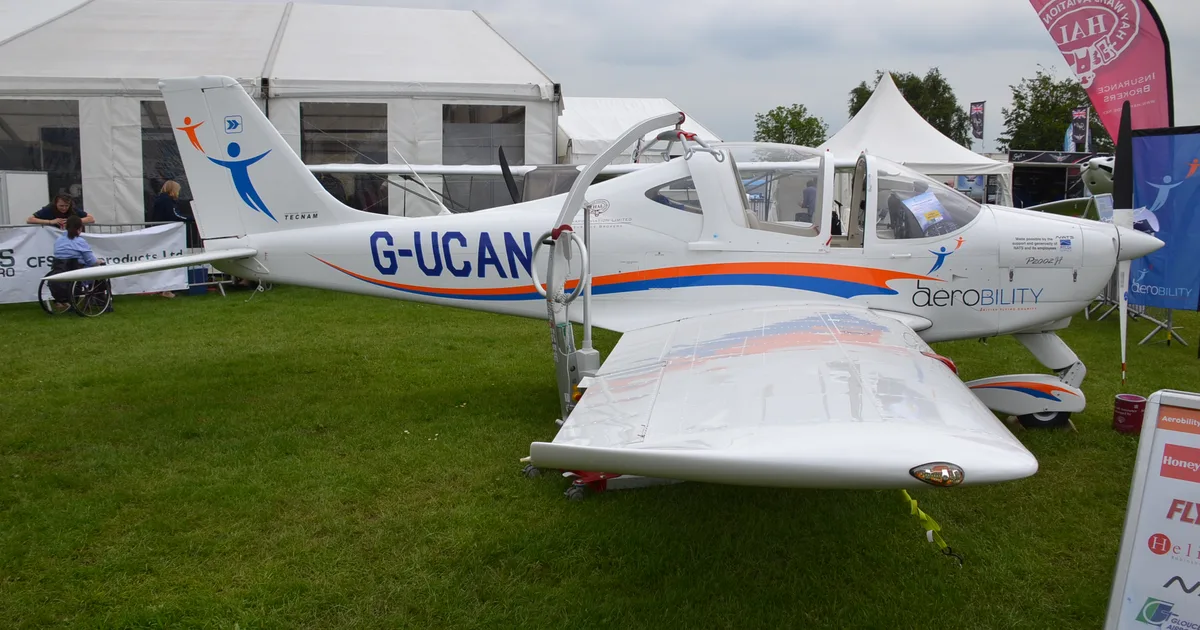
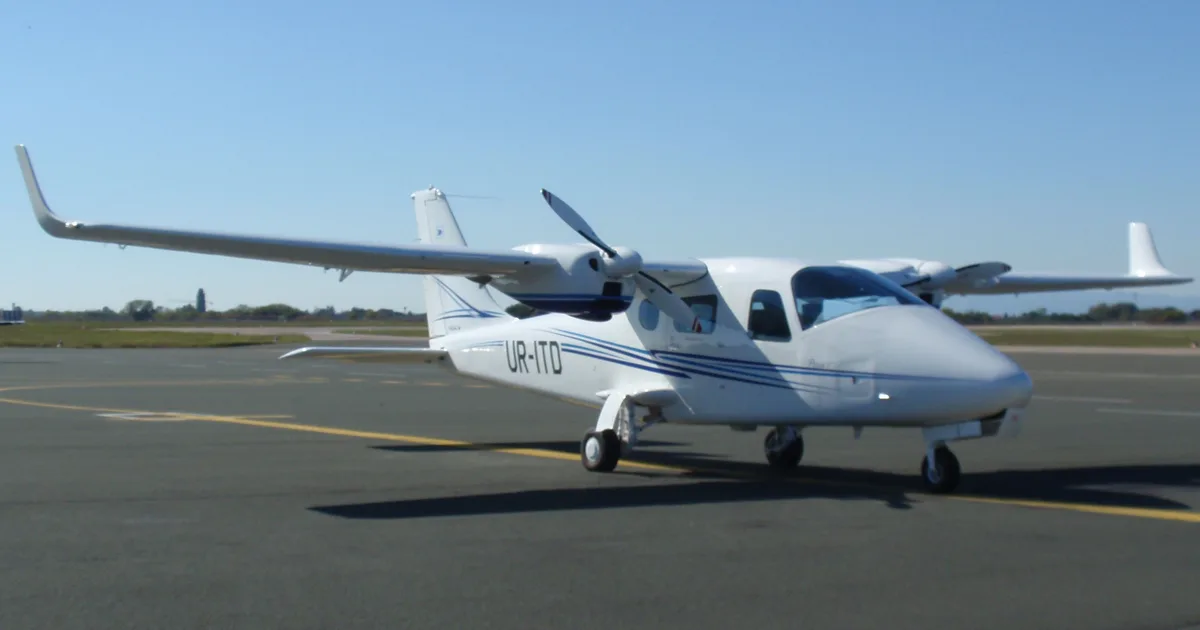

In this document
Cockpit Preliminary Check
Includes checks for master switch, parking brake, aircraft documents, weight & balance, safety belts, flight control, ignition switch, and fuel level.
External Walkaround
Visual inspections of fuel caps, wings, landing gear, stabilator, tail, propeller, and engine cowling are detailed.
Pre Starting Engine
Checklist includes seat position, flight controls, circuit breakers, and fuel quantity checks.
Engine Start
Steps for starting the engine, including throttle settings, oil pressure checks, and ensuring all parameters are within limits.
Before Take Off
Final checks including carburettor heat, traffic pattern clearance, and landing light activation.
After Landing
Checklist includes flaps up, electric fuel pump off, and transponder set to standby.
Summary written by AI from the source document. Check the original before relying on it. See which parts of Sprinkle are written by AI.
Safety notes
- Ensure magnetos and ignition switch are off with key extracted before engine checks.
- Check for hydraulic fluid leakage in landing gear and other components.
- Verify coolant levels before the first flight of the day.
- Perform visual inspections for cracks, erosion, and cleanliness of windows.
- Ensure all external lights are off after engine shutdown.
- Secure loose objects and ensure surrounding airspace is clear before exercises.
Summary written by AI from the source document. Check the original before relying on it. See which parts of Sprinkle are written by AI.
Full document text
NORMAL CHECK LIST P2008JC NIGHT VFR NORMAL CHECK LIST P2008JC NIGHT VFR Edizione 4 Rev.0 01 APRILE 2020 1 COCKPIT PRELIMINARY CHECK 1 MASTER SWITCH OFF 2 PARKING BRAKE SET 3 AIRCRAFT DOCUMENTS CHECK 4 WEIGHT & BALANCE VERIFY 5 SAFETY BELTS CK CONNECTION/CONDITION 6 FLIGHT CONTROL REMOVE LOCK/CK TRAVEL 7 IGNITION SWITCH OFF/KEY EXTRACTED 8 MASTER SWITCH ON 9 VOLTMETER CHECK CK 10-12 VOLT 10 AMMETER CHECK RED ARC 11 FUEL LEVEL VERIFY 12 ACOUSTIC STALL WARNING CK 13 NAV/STROBE /LDG LIGHT CK ALL ON 14 TORCH TEST 15 PITOT HEATING SYSTEM Remove plug, set to ON, CHECK advisory light ON. After about 5 sec. turn OFF. Check Pitot if warm 16 MASTER SWITCH OFF 17 FAK/FIRE EXT/ELT/CANOPY HAMMER/BAGGAGE RESTRAIN CK COCKPIT PRELIMINARY CHECK LIST COMPLETED EXTERNAL WALKAROUND A Left fuel filler cap: check for desired fuel level (use a graduated dipstick). Drain the left fuel tank sump by quick drain valve using a cup to collect fuel (drainage operation must be carried out with the aircraft parked on a level surface). Check for water or other contaminants. Make sure filler capo is closed. B Remove pitot plug and check Pitot for obstruction; do not blow inside pitot tube. C Left side leading edge and wing skin: visual inspection; Check stall strip. D Left strobe light: visual inspection; Check for integrity and fixing. E Left aileron, hinges and LH tank vent line: Check for damage, freedom for play, LH tank vent: checks for obstructions. F Left flap and hinges: visual inspection. G Left main landing gear: CHECK inflation, tire condition, alignment, fuselage skin condition. Check fuselage skin status, tire status (cuts, bruises, cracks and excessive wear), slippage markers integrity, gear structure and brakes hoses: there should be no sign of hydraulic fluid leakage. H Stabilator and tab: CHECK stabilator leading edge. Check the actuating mechanism of stabilator and the connection with related tab: CHECK free of play, friction. CHECK fuselage bottom and top skin. CHECK antennas for integrity. I Vertical tail, rudder: visual inspection, check free of play, friction. L Right main landing gear: Check inflation,tire condition, alignment, fuselage skin condition. Check fuselage skin status, tire status (cuts, bruises, cracks and excessive wear), slippage markers integrity, gear structure and brakes hoses: there should be no sign of hydraulic fluid leakage. M Right flap and hinges: visual inspection. N Right aileron, hinges and RH side tank vent: visual inspection, check free of play, Friction; Rh side tank vent : check for obstructions. O Right strobe light, leading edge and wing skin : Visual inspection, CHECK stall strips, CHECK strobe light for integrity and fixing. P Stall Indicator Micro Switch: CHECK for integrity and free of play. Q Right side fuel filler cap: check desired fuel level (use a graduated dipstick). Drain the right fuel tank sump by quick drain valve using a cup to collect fuel. (drainage operation must be carried out with the aircraft parked on a level surface). Check for water or other contaminants. Make sure filler cap is closed. R Nose wheel strut and tire/ RH static port : CHECK inflation, tire condition and condition of shock absorber: there should be no sign of hydraulic fluid leakage. Check the right static port for obstructions. S Propeller and spinner condition: check for nicks, cracks, dents and other defects, propeller should rotate freely. Check fixing and lack of play between blades and hub. T Check the engine cowling surface conditions, then open engine inspection doors and perform the following checks: a) Nacelle inlets and exhausts openings must be free of obstructions. Check connection and integrity of air intake system, visually inspect that ram air intake is unobstructed. If inlet and outlet plugs are installed, they must be removed. b) Check radiators. There should be no indication of leakage of fluid and they have to be free of obstructions. c) Check for foreign objects d) Only before the first flight of a day: (1) Verify coolant level in the expansion tank, replenish as required up to top (level must be at least 2/3 of the expansion tank). (2) Verify coolant level in the overflow bottle: level must be between min. and max. mark. BEFORE PROCEDING WITH THE NEXT STEPS BE SURE MAGNETOES AND IGNITION SWITCH ARE OFF WITH KEY EXTRACTED (3) Turn the propeller by hand to and from, feeling the free rotation of 15°or 30° before the crankshaft starts to rotate. If the propeller can be turned between the dogs with practically no friction at all further investigation is necessary. Turn propeller by hand in direction of engine rotation several times and observe engine for odd noises or excessive resistance and normal compression. (4) Carburettors: check the throttle and choke cables for condition and installation. (5) Exhaust: inspect for damages, leakage and general condition. (6) Check engine mount and silent-blocks for condition. e) Check oil level and replenish as required. Prior to oil check, switch off both ignitions circuits and turn the propeller by hand in direction of engine rotation several times to pump oil from the engine into the oil tank, or let the engine idle for 1 minute. This process is finished when air is returning back to the oil tank and can be noticed by a murmur from the open oil tank. Prior to long flights oil should be added so that the oil level reaches the “max” mark. f) Drain off Gascolator for water and sediment (drain until no water comes off). Then make sure drain valve is closed. g) Check drainage hoses free of obstructions h) Verify all parts are fixed or locked: inspect fuel circuit for leakages. U Close engine cowling, check for proper alignment of cam-locks. V Landing/Taxi light and LH static port : CHECK, Visual inspection for integrity. Right side tank vent: check for obstructions Z Tow bar and chocks: REMOVE stow on board pitot, static ports and stall warning protective covers.
Show full textShow less
Windshield and windows: inspect for craks, erosion, crazing, visibility and cleanliness EXTERNAL WALKAROUND COMPLETED PRE STARTING ENGINE 1 SEAT POSITION & SAFETY BELT ADJUST/FASTEN 2 FLIGHT CONTROLS OPERATE FULL STROKE CHECKING FOR MOVEMENT SMOOTHNESS, FREE OF PLAY AND FRICTION 3 PARKING BRAKE CHECK SET 4 THROTTLE FRICTION ADJUST 5 CIRCUIT BREAKERS CHECK ALL IN 6 MASTER SWITCH ON/CHECK ALT OUT CAUTION LIGHT ON/ VOLTAGE 10.5 VOLT MIN 7 ELECTRIC FUEL PUMP ON/CHECK NOISE & PRESSURE RISE/OFF 8 AVIONIC MASTER SWITCH ON/CHECK INSTRUMENTS/OFF 9 FLAPS CONTROL CYCLE FULLY EXTENDED THEN SET TO 10 ALTERNATE STATIC PORT CHECK CLOSED 11 PITCH TRIM Cycle fully up and down, from both left and right controls, check for trim disconnect switch operation SET NEUTRAL 13 NAV & STROBE LIGHTS ON 14 FUEL QUANTITY Compare the fuel quantity indicators information with fuel quantity visually checked into the tanks 15 DOORS CLOSED & LOCKED 16 BRIEFING PERFORM PRE STARTING ENGINE CHECK LIST COMPLETED ENGINE START 1 THROTTLE IDLE 2 CHOCK AS REQUIRED 3 FUEL SELECTOR ON LESSER TANK 4 ELECTRIC FUEL PUMP ON 5 AREA AROUND PROPELLER CLEAR 6 VIA DALL’ELICA SHOUT 7 IGNITION SWITCH BOTH THEN START 8 OIL PRESS LOW WARNING CHECK OFF WITHIN 10 SEC 9 CHOKE /PROPELLER RPM OFF / SET 1000 – 1200 RPM 10 GENERATOR SWITCH/VOLTMETER ON/CHECK 14 VOLT MIN 11 ENGINE PARAMETERS All cautions/warnings OFF, OIL TEMP within limits 12 CHOKE/ PROPELLER RPM OFF/1000/1200 RPM 13 ELECTRIC FUEL PUMP OFF 14 FUEL PRESS LOW WARNING CHECK OFF ENGINE STARTING CHECK LIST COMPLETED NORMAL CHECK LIST P2008JC NIGHT VFR NORMAL CHECK LIST P2008JC NIGHT VFR Edizione 4 Rev.0 01 APRILE 2020 2 BEFORE TAXING 1 AVIONIC MASTER SWITCH ON 2 RADIO AND AVIONICS / TRANSPONDER ON/STBY 3 ALTIMETER SET QNH or QFE 4 RADIO CALL PERFORM 5 LDG LIGHT ON 6 PARKING BRAKE RELEASE BEFORE TAXIING CHECK LIST COMPLETED TAXIING 1 BRAKES AND STEERING CHECK 2 GYRO INSTRUMENTS & COMPASS CHECK TAXIING CHECK LIST COMPLETED ENGINE RUN UP 1 PARKING BRAKE Pedal press and SET 2 LDG LIGHT OFF 3 ENGINE INSTRUMENTS CHECK Oil temperature: 50-130 °C Coolant temperature: Max.120°C Oil pressure: 12 – 102 psi Fuel pressure: minimum 2.2 psi 4 ALT OUT CAUTION LIGHT CHECK OFF 5 ELECTRIC FUEL PUMP ON 6 FUEL SELECTOR / FUEL PRESSURE ON FULLEST TANK/ CHECK FUEL PRESS LOW warning OFF 7 THROTTLE SPEED ADVANCE THROTTLE TO 1640 RPM a. Ignition key test: select LH, check drop within 130 RPM; b. Select BOTH: check propeller speed 1640 RPM; c. Select RH: check speed drop within 130 RPM; d. Maximum difference between LH and RH 50 RPM; e. Select BOTH: check propeller speed 1640 RPM . 8 CARBURATOR HEAT CONTROL CHECK a. Pull selector fully out b. Propeller speed: check 100 RPM drop c. Push selector fully IN d. Propeller speed: check 1640 RPM 9 VACCUM GREEN ARC 10 PROPELLER RESTORE 1000/1200 RPM 11 FLAPS SET TO 12 PITCH TRIM CHECK NEUTRAL 13 FLIGHT CONTROL CHECK FREE 14 SEAT BELTS CHECK FASTENED 15 DOORS CHECK CLOSED & LOCKED ENGINE RUN UP CHECK LIST COMPLETED BEFORE TAKE OFF 1 FINAL AND EMERGENCY BRIEFING PERFORM 2 CARBURETTOR HEAT OFF 3 RUNWAY & TRAFFIC PATTERN CLEAR OF TRAFFIC 4 RADIO CALL PERFORM ---------------------WHEN CLEARED / READY FOR TAKE OFF---------------- 5 LANDING LIGHT ON 6 TRANSPONDER ALT 7 PARKING BRAKE RELEASE BEFORE TAKE OFF CHECK LIST COMPLETED TAKE OFF & CLIMB 1 DIRECTIONAL GYRO/COMPASS/RWY QFU ALIGN 2 TIMER START 3 FULL THROTTLE 2100 +/- 100 RPM 4 ENGINE PARAMETERS CHECK PARAMETERS WITHIN THE LIMITS 5 ANEMOMETER INDICATION CHECK 6 ROTATION SPEED 48 KIAS 7 FLAP RETRACTION SPEED ABOVE 58 KIAS 8 BEST RATE OF CLIMB SPEED Vy 71KIAS 9 LANDING LIGHT OFF 10 ELECTRIC FUEL PUMP/ FUEL PRESSURE OFF/ CHECK MIN 2,2 PSI 11 PROPELLER SPEED REDUCE AT OR BELOW 2250 RPM TAKE OFF & CLIMB CHECK LIST COMPLETED CRUISE 1 PROPELLER AT OR BELOW 2250 RPM 2 ENGINE INSTRUMENTS CHECK WHITHIN LIMITS 3 CARBURETTOR HEAT AS REQUIRED CRUISE CHECK LIST COMPLETED BEFORE LANDING 1 ELECTRIC FUEL PUMP ON 2 FUEL VALVE ON FULLEST TANK 3 LANDING LIGHT ON 4 ON DOWNWIND LEG ABEAM TOUCHDOWN FLAPS SET TO 5 APPROACH SPEED 58 KIAS 6 ON FINAL LEG FLAP SET LAND 7 FINAL APPROACH SPEED 54 KIAS 6 CARBURATOR HEAT OFF/FULL IN 7 OPTIMUM TOUCHDOWN SPEED 54 KIAS BEFORE LANDING CHECK LIST COMPLETED BEFORE ANY EXERCISE 1 ALTITUDE CLIMB TO A SAFE ALTITUDE 2 ELECTRIC FUEL PUMP ON 3 CARBURATOR HEATING AS REQUIRED 4 ENGINE INSTRUMENTS WITHIN LIMITS 6 FUEL SELECTOR ON FULLEST TANK 7 SEAT BELTS FASTENED/TIGHTENED 8 LOOSE OBJECTS SECURE 9 SURROUNDING AIRSPACE CLEAR OF TRAFFIC/OBSTACLES BEFORE ESERCISE CHECK LIST COMPLETED GO AROUND 1 THROTTLE FULL 2 PITCH LEVELED / SLIGHTLY PITCHED UP 3 SPEED KEEP OVER 61 KIAS- CLIMB to Vx or Vy as applicable 4 FLAPS TO ONLY AFTER POSITIVE CLIMD RATE IS ESTABLISHED 5 FLAP RETRACT 6 LANDING LIGHT OFF 7 ELECTRIC FUEL PUMP OFF GO AROUND CHECK LIST COMPLETED AFTER LANDING 1 FLAPS UP 2 ELECTRIC FUEL PUMP OFF 3 TRANSPONDER STBY AFTER LANDING CHECK LIST COMPLETED ENGINE SHUT DOWN 1 PARKING BRAKE SET 2 LANDING LIGHT OFF 3 RADIO CALL PERFORM 4 PROPELLER 1 MINUTE AT 1200 RPM 5 RADIO/AVIONIC /TRANSPONDER OFF 6 AVIONIC MASTER SWITCH OFF 7 IGNITION KEY OFF/KEY EXTRACTED 8 ALL EXTERNAL LIGHT OFF 9 MASTER & GENERATOR SWITCH OFF 10 FUEL SELECTOR OFF 11 DOORS UNLOCK & OPEN ENGINE SHUT DOWN CHECK LIST COMPLETED POST FLIGHT 1 FLIGHT CONTROL LOCK 2 STATIC/DINAMIC COVER SET 3 WHEEL CHOCK/MOORING CHORD SET 4 PARKING BRAKE RELEASE 5 DOORS CLOSE AND LOCK 6 TLB FILL POST FLIGHT CHECK LIST COMPLETED NOTE: Le voci trascritte in grassetto e con carattere più grande sono da intendersi MEMORY ITEM The aircraft is certified in normal category in accordance with EASA CS-VLA. Non aerobatic operations include: Any manoeuvre pertaining to “normal” flight Stalls (except whip stalls) Slow deceleration ( 1 kts/sec) Lazy eights 99 KIAS Chandelles 113 KIAS Turns in which the angle of bank is not more than 60° 99 KIAS This Check List is compliant to Section 4 – Normal Procedure of the Aircraft Flight Manual Doc. No. 2008/0100 2ND Edition – Rev. 6 issued by Costruzioni Aeronautiche TECNAM srl - Via Maiorise CAPUA (CE) – Italy on the 19th FEBRUARY 2020. AIRCRAFT MODEL: P2008JCJF EASA TYPE CERTIFICATE NO:A .583 (DATED 2013, 27 SEPTEMBER) Sky Services Flight Academy