YAKOVLEV YAK 52 Model Guide
YAKOVLEV YAK 52 · Model Guide
Overview
YAKOVLEV YAK 52 is a single-engine piston aircraft with front and rear cabins, a retractable undercarriage with a front wheel, a sliding canopy and a propeller pitch lever. The registry gives no weight, range or seat data, so confirm payload and performance against the aircraft's own documents. Service bulletins reference serial numbers starting at 780102.
- Ask for the full service bulletin status: factory overhaul checks the aircraft against the complete Yakovlev list.
- Bulletins cover wing spar and attachment strengthening, fin base, undercarriage life and engine cooling.
- Cold starts need priming and a warm-up: oil above 40°C and cylinder heads above 120°C before takeoff.
- Check the undercarriage, pneumatic air pressure, and the warning and fuel lights during the pre-start instrument checks.
Summary written by AI from the source document. Check the original before relying on it. See which parts of Sprinkle are written by AI.
Reference only, not for flight. Use the current approved manual for your aircraft. See terms, section 5.
Document
Source
Copy found at sprinkle.com. Sprinkle hosts a reference copy with an added summary, specifications and searchable full text.
Document details
- Type ·
- Model Guide
- Year ·
- 2026
- File size ·
- 47 KB
- Copy found at ·
- sprinkle.com
Specifications & performance
Extracted from this document.
V-speeds
- CLIMB_SPEED_KMH ·
- 160
- LIFTOFF_SPEED_KMH ·
- 120
- ROTATION_SPEED_KMH ·
- 90
- DOWNWIND_BASE_SPEED_KMH ·
- 180
- INITIAL_CLIMB_SPEED_KMH ·
- 170
What payload and range does the YAKOVLEV YAK 52 have?
The inputs give no weight, range, seat or payload figures for the YAKOVLEV YAK 52. Get these from the aircraft's own flight manual and weight records before buying.
What engine readings are expected before takeoff in the YAKOVLEV YAK 52?
For the YAKOVLEV YAK 52, the takeoff checklist gives cylinder head temperature of 120–220°C, oil pressure of 4–6 kgF/cm2, oil temperature of 40–75°C and gasoline pressure of 0.2–0.5 kgF/cm2.
What should I ask about the maintenance history of a YAKOVLEV YAK 52?
For a YAKOVLEV YAK 52, ask for its service bulletin status against the full Yakovlev list. Also ask whether it has had certified factory overhaul, and about its remaining landings and hours.
What is the YAKOVLEV YAK 52 Model Guide?
The YAKOVLEV YAK 52 Model Guide is a model guide for the YAKOVLEV YAK 52, dated 2026.
What year was the YAKOVLEV YAK 52 Model Guide published?
The YAKOVLEV YAK 52 Model Guide — the YAKOVLEV YAK 52 model guide on file — is dated 2026.
Common. More common than 86% of the aircraft models we track.
Most owners only have the POH. Here's the essential set for the YAKOVLEV YAK 52.
- Pilot's Operating Handbook / AFM
- Checklist
- Maintenance Manual
- Parts Catalog (IPC)
- Systems & Wiring
- Service Bulletins on file
- Type Certificate (TCDS)
YAKOVLEV YAK 52 for sale now
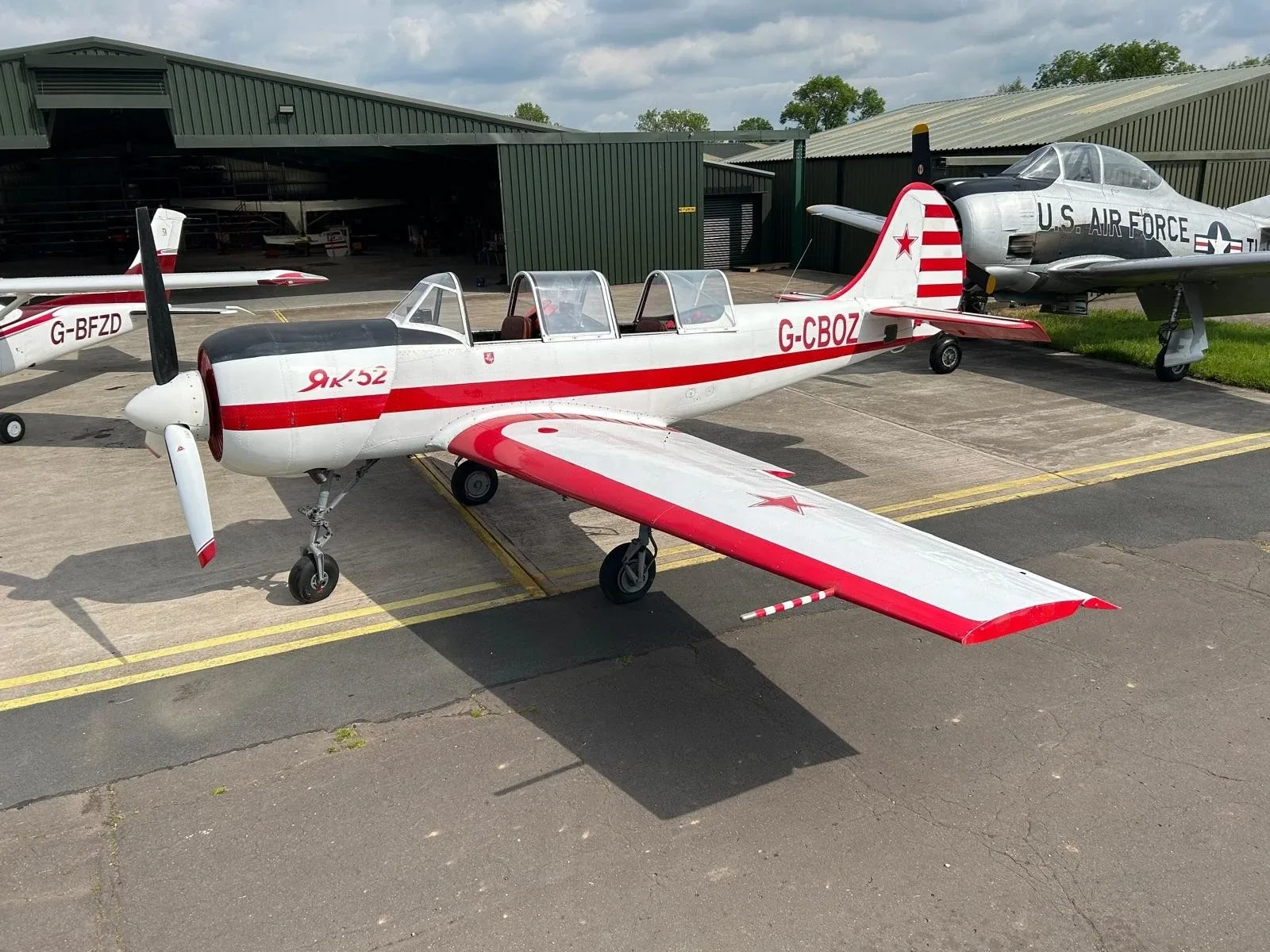
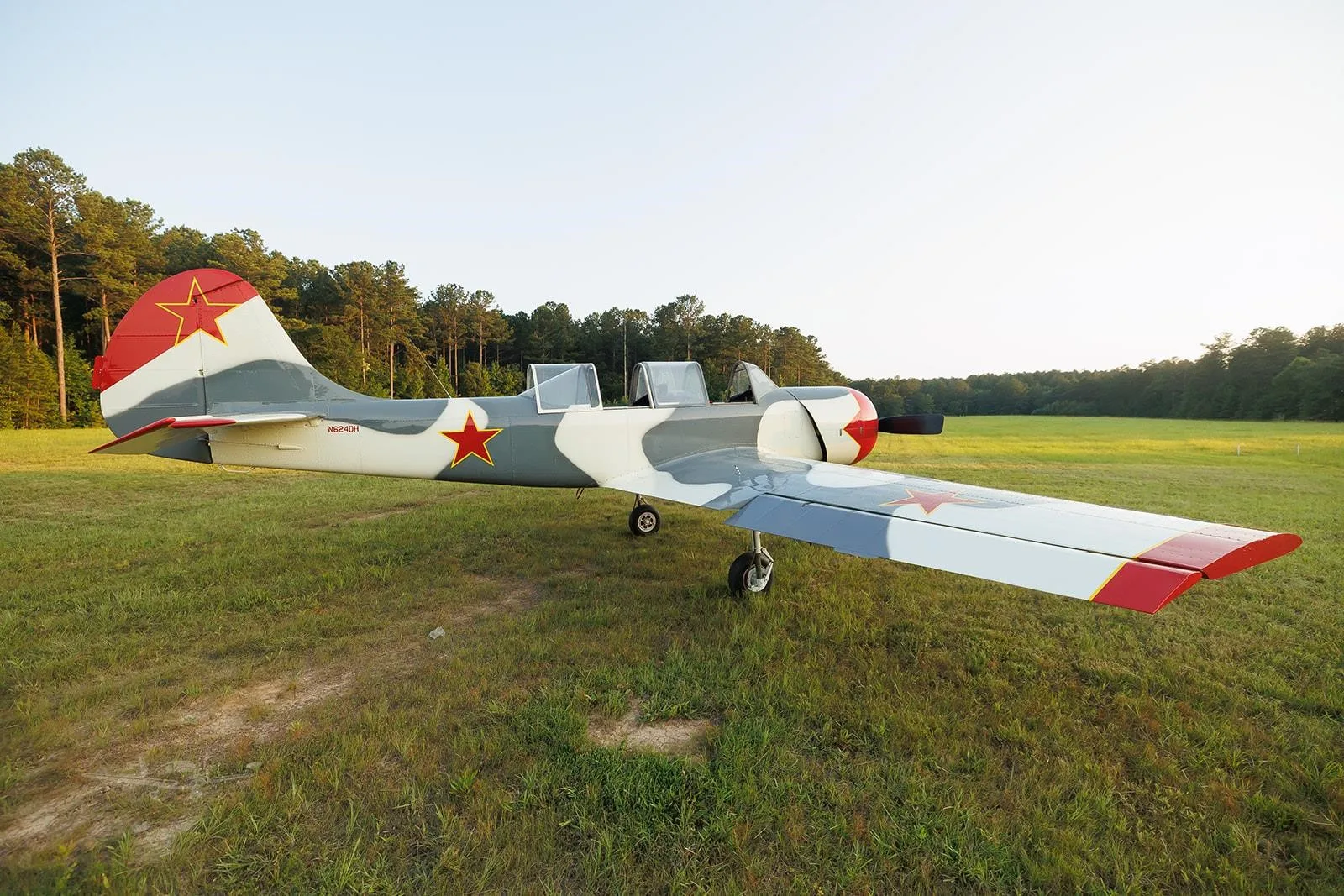

Free — save the Yak-52 to your watchlist and track it in one place.
More YAKOVLEV YAK 52manuals & documents
Related documents
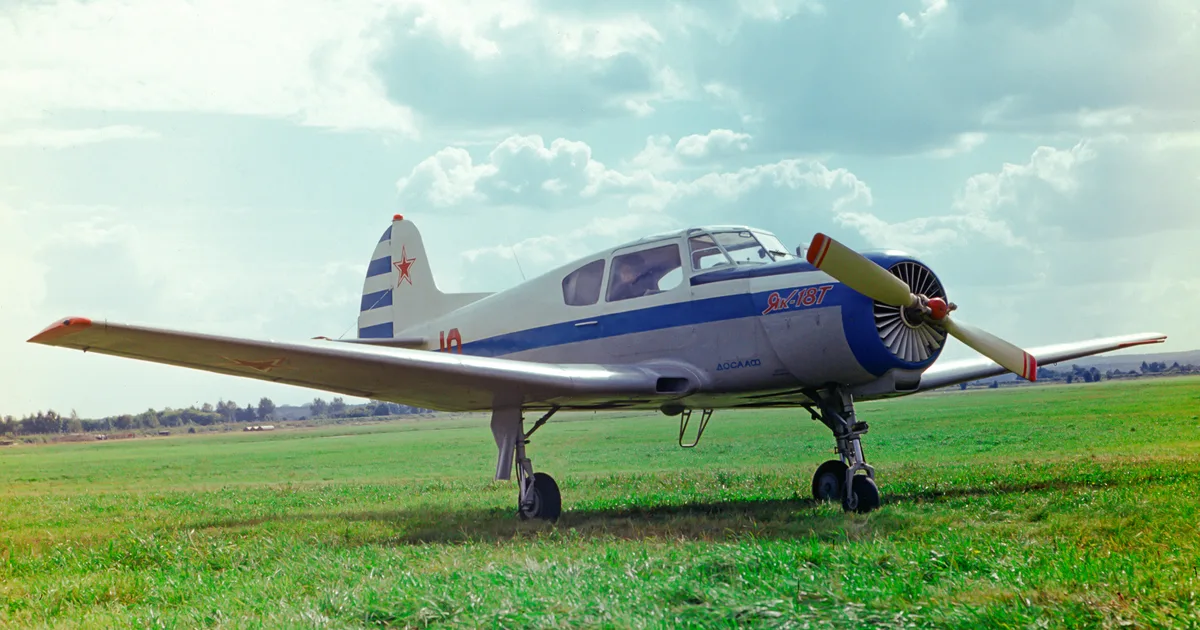
- YAKOVLEV Yak-18T Model GuideYAKOVLEV Yak-18T · Model Guide
- Yak 18T Flight Operations ManualYAKOVLEV Yak-18T · Pilot's Operating Handbook
- AEROPRAKT LTD A-22 LS Model GuideAEROPRAKT LTD A-22 LS · Model Guide
- AEROPRAKT LTD A-32 Model GuideAEROPRAKT LTD A-32 · Model Guide
- AVIAT HUSKY A-1 Model GuideAVIAT HUSKY A-1 · Model Guide
If you fly the YAKOVLEV YAK 52, you may also be researching these.


In this document
Service bulletin history
Bulletins were mandatory fleet-wide from the start. Today, certified factory overhaul (only the Shakhty Overhaul Plant) checks the aircraft against the FULL list. Items include the heavy main spar (60R), stronger wing attachment fittings (59R), fin base strengthening (18DA), first overhaul extended to 600 hours (96BE), and undercarriage life of 7000 landings (115BE). Ask which are done.
Start-up and warm-up
Cold engines are primed with the priming handle, and propeller cranking by ground crew is needed when cold but forbidden when hot. Overpriming can cause hydraulic shock. Oil pressure should settle at 4–6 kgF/cm2. If it fails to reach 1 kgF/cm2 within 15–20 seconds, shut down. Warm up after every cold start until oil exceeds 40°C and cylinder heads exceed 120°C.
Taxi, takeoff and handling
The aircraft tends to turn slightly right when taxiing, corrected with left pedal and brake. On the takeoff run, use left rudder to counter yaw. Rotate at 90 km/h, lift off at 120 km/h and climb at 160 km/h. Retract the undercarriage at no less than 20 m. On long, slow taxi runs, watch the electrical consumers (ADF, compass, HSI).
Summary written by AI from the source document. Check the original before relying on it. See which parts of Sprinkle are written by AI.
Safety notes
- Takeoff is strictly prohibited if engine instrument readings exceed the specified limits.
- Do not inject more fuel than specified when priming; this can cause hydraulic shock.
- If oil pressure fails to reach 1 kgF/cm2 within 15–20 seconds after start, shut the engine down at once and find the cause.
Summary written by AI from the source document. Check the original before relying on it. See which parts of Sprinkle are written by AI.
Full document text
YAKOVLEV YAK 52 Model Guide YAKOVLEV YAK 52 is a single-engine piston aircraft with front and rear cabins, a retractable undercarriage with a front wheel, a sliding canopy and a propeller pitch lever. The registry gives no weight, range or seat data, so confirm payload and performance against the aircraft's own documents. Service bulletins reference serial numbers starting at 780102. • Ask for the full service bulletin status: factory overhaul checks the aircraft against the complete Yakovlev list. • Bulletins cover wing spar and attachment strengthening, fin base, undercarriage life and engine cooling. • Cold starts need priming and a warm-up: oil above 40°C and cylinder heads above 120°C before takeoff. • Check the undercarriage, pneumatic air pressure, and the warning and fuel lights during the pre-start instrument checks. Service bulletin history Bulletins were mandatory fleet-wide from the start. Today, certified factory overhaul (only the Shakhty Overhaul Plant) checks the aircraft against the FULL list. Items include the heavy main spar (60R), stronger wing attachment fittings (59R), fin base strengthening (18DA), first overhaul extended to 600 hours (96BE), and undercarriage life of 7000 landings (115BE). Ask which are done. Start-up and warm-up Cold engines are primed with the priming handle, and propeller cranking by ground crew is needed when cold but forbidden when hot. Overpriming can cause hydraulic shock. Oil pressure should settle at 4–6 kgF/cm2. If it fails to reach 1 kgF/cm2 within 15–20 seconds, shut down. Warm up after every cold start until oil exceeds 40°C and cylinder heads exceed 120°C. Taxi, takeoff and handling The aircraft tends to turn slightly right when taxiing, corrected with left pedal and brake. On the takeoff run, use left rudder to counter yaw. Rotate at 90 km/h, lift off at 120 km/h and climb at 160 km/h. Retract the undercarriage at no less than 20 m. On long, slow taxi runs, watch the electrical consumers (ADF, compass, HSI). Safety notes: • Takeoff is strictly prohibited if engine instrument readings exceed the specified limits. • Do not inject more fuel than specified when priming; this can cause hydraulic shock. • If oil pressure fails to reach 1 kgF/cm2 within 15–20 seconds after start, shut the engine down at once and find the cause.