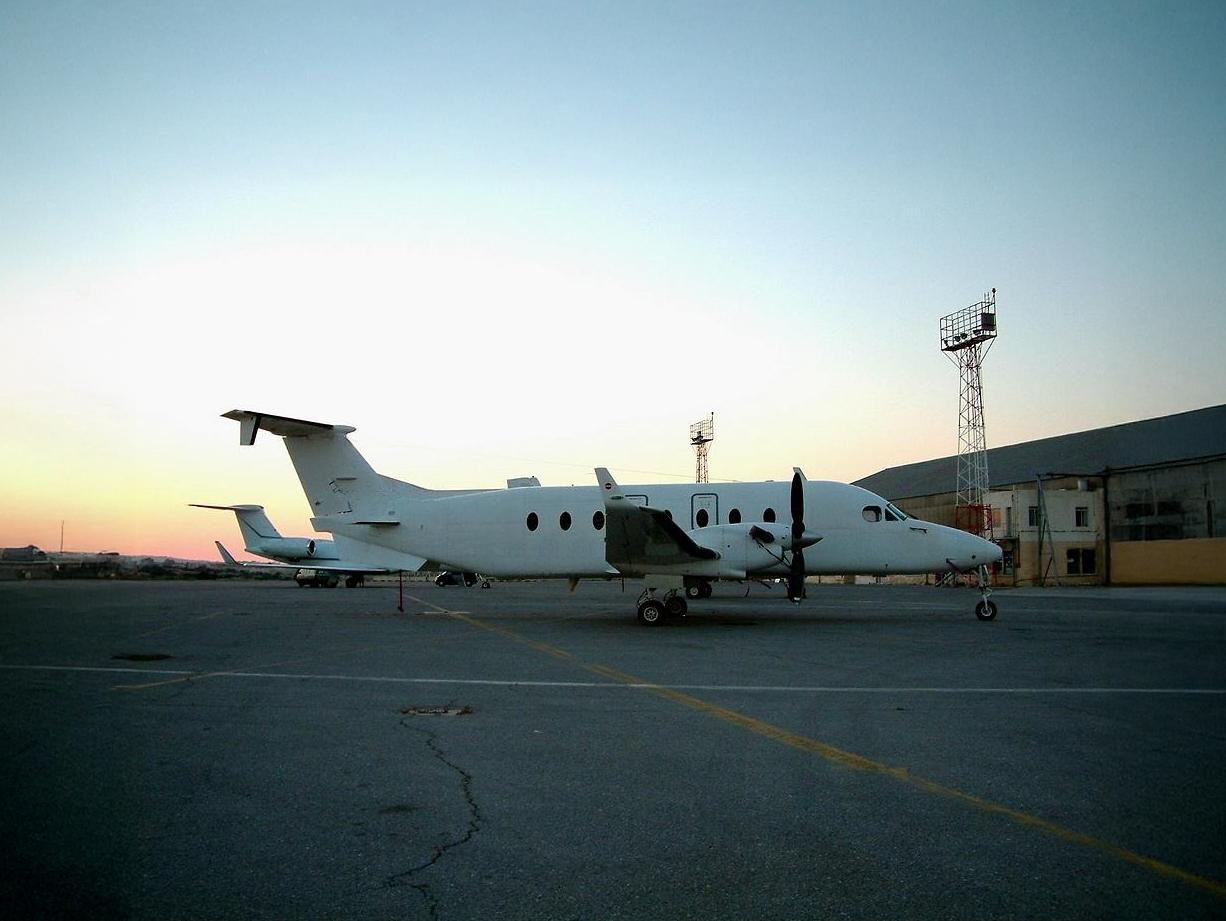
Beechcraft 1900D — Weight And Balance
4 weight and balance references for the Beechcraft 1900D.
The Aircraft Weight and Balance Handbook, published by the U.S. Department of Transportation, Federal Aviation Administration in 2007, serves as a comprehensive guide for understanding weight and balance principles critical for safe aircraft operation. It is designed for use by airframe and powerplant mechanics as well as flight crews, providing methods for determining empty weights, center of gravity (CG) locations, and guidelines for loading aircraft within safe limits. The handbook emphasizes the importance of accurate weight and balance records and outlines procedures for weighing aircraft, calculating CG, and making necessary adjustments for safe flight. It also includes specific considerations for various aircraft types, including helicopters and light aircraft, ensuring that users can apply the information effectively across different models.
- The maximum allowable weight for the Beechcraft 1900D is determined by design considerations and operational conditions.
- The center of gravity (CG) must be maintained within specified limits for safe flight; CG too far forward or aft can lead to instability.
- Weight changes due to repairs or alterations must be documented, and the new empty weight and CG recalculated.
- Proper loading is essential to ensure the aircraft's performance, including takeoff speed and climb rate.
- Adverse loading checks are necessary if the CG falls outside the allowable range after modifications.