BELL 206L-1 Model Guide
BELL 206L-1 · Model Guide
Overview
BELL 206L-1 (Long Ranger II) is a turboshaft helicopter approved as a seven-place aircraft for day or night VFR in non-icing conditions, with a minimum crew of one pilot. The flight manual extract lists a 250-C30F engine. The registry shows the 206L family at up to 810 nm range and 145 kt cruise across its variants. Treat those as family figures, not BELL 206L-1 figures.
- Gross weight limit is 4050 lb internal and 4250 lb external. Weight above 4050 lb must hang on the cargo hook, not the landing gear.
- VNE is 130 KIAS at low altitude. It drops to 90 KIAS with any door off and to 84 KIAS in the 85 to 100% torque takeoff range.
- Inspect the exhaust duct: the repair-and-overhaul duct document cites a high incidence of cracking in the flange fillet weld area.
- Ask whether a Soloy STC (SR00036SE) is fitted. If so, steady-state N2 operation between 71% and 88% must be avoided.
Summary written by AI from the source document. Check the original before relying on it. See which parts of Sprinkle are written by AI.
Reference only, not for flight. Use the current approved manual for your aircraft. See terms, section 5.
Document
Source
Copy found at sprinkle.com. Sprinkle hosts a reference copy with an added summary, specifications and searchable full text.
Document details
- Type ·
- Model Guide
- Year ·
- 2026
- File size ·
- 50 KB
- Copy found at ·
- sprinkle.com
Specifications & performance
Extracted from this document.
Specifications
- Min crew ·
- 1
- Engine model ·
- 250-C30F
- Approved seats ·
- 7
- Baggage max weight (lb) ·
- 250
- Max operating altitude (ft) ·
- 20,000
- Min front seat weight (lb) ·
- 170
Performance
- Vne (kt) ·
- 130
- Max operating altitude (ft) ·
- 20,000
- Doors off climb penalty (fpm) ·
- 100
- Best rate of climb speed (kt) ·
- 57
V-speeds
- VNE_KTS ·
- 130
- VNE_DOORS_OFF_KTS ·
- 90
- BEST_RATE_OF_CLIMB_KTS ·
- 57
- VNE_TAKEOFF_POWER_RANGE_KTS ·
- 84
Weight & balance
- Baggage max weight (lb) ·
- 250
- Min front seat weight (lb) ·
- 170
- Max gross weight external (lb) ·
- 4,250
- Max gross weight internal (lb) ·
- 4,050
What is the maximum gross weight of the BELL 206L-1?
BELL 206L-1 is approved for 4050 lb internal and 4250 lb external at takeoff and landing. Loads that take gross weight above 4050 lb must be carried on the cargo hook.
How fast can the BELL 206L-1 fly?
BELL 206L-1 basic VNE is 130 KIAS from sea level to 3000 ft density altitude. It is lower with doors off or at high altitude. The family's registry maximum cruise is 145 kt, which is not a BELL 206L-1 figure.
Can the BELL 206L-1 fly IFR?
The flight manual extract certifies BELL 206L-1 for land operation under day or night VFR in non-icing conditions. Flight in falling or blowing snow is not permitted.
What is the BELL 206L-1 Model Guide?
The BELL 206L-1 Model Guide is a model guide for the BELL 206L-1, dated 2026.
What year was the BELL 206L-1 Model Guide published?
The BELL 206L-1 Model Guide — the BELL 206L-1 model guide on file — is dated 2026.
Common. More common than 96% of the aircraft models we track.
Most owners only have the POH. Here's the essential set for the BELL 206L-1.
- Pilot's Operating Handbook / AFM
- Checklist
- Maintenance Manual
- Parts Catalog (IPC)
- Systems & Wiring
- Service Bulletins on file
- Type Certificate (TCDS)
BELL 206L-1 for sale now
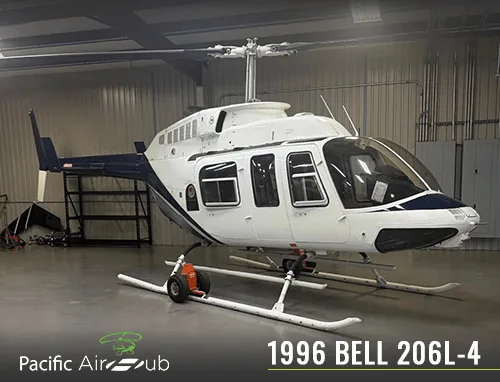
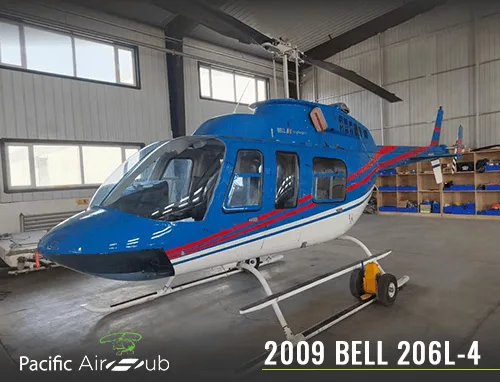
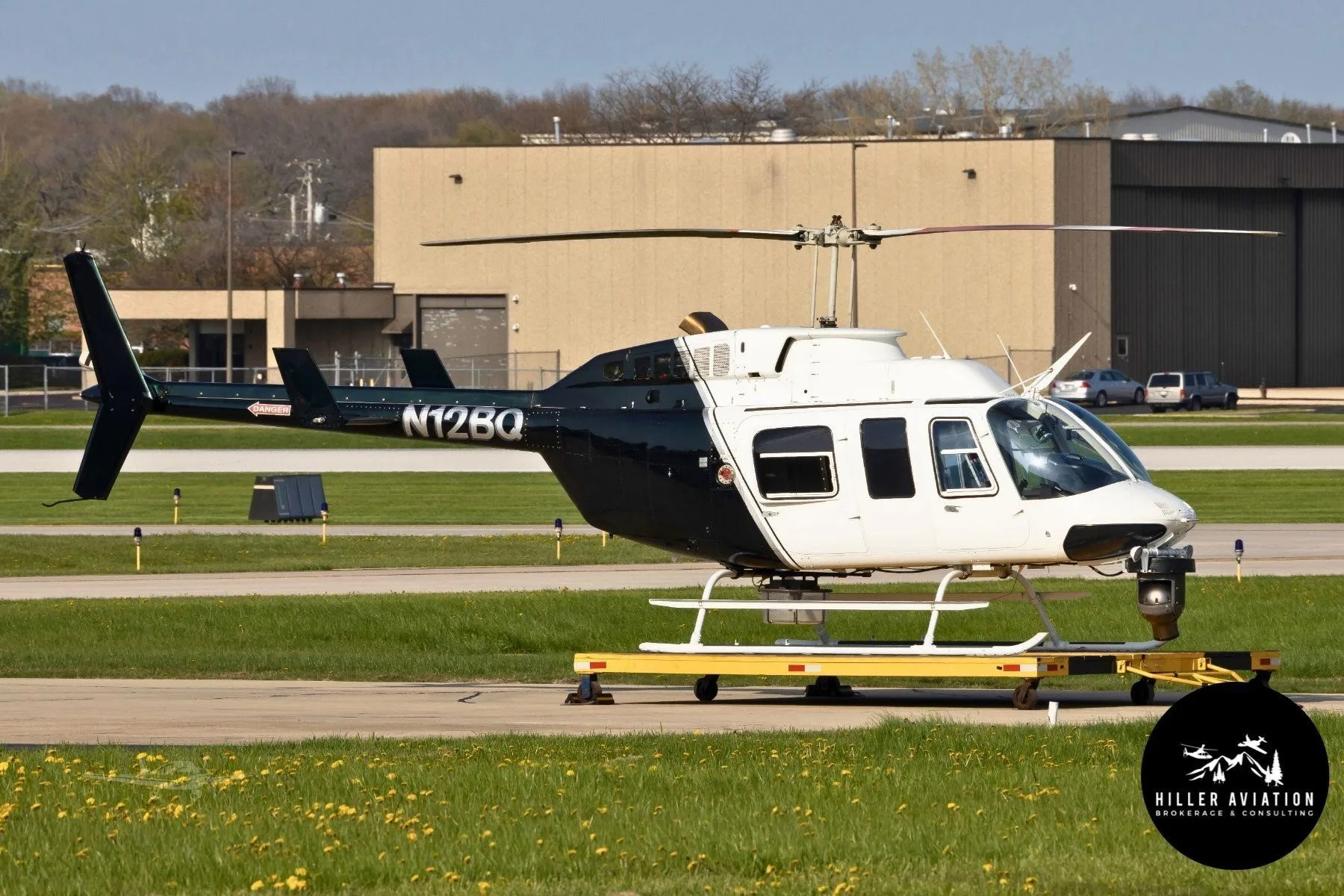
Free — save the 206L to your watchlist and track it in one place.
More BELL 206L-1manuals & documents
- Instructions for Continued Airworthiness Dual Cargo Hook SystemMaintenance Manual
- EXHAUST DUCT R&O – 206L INSTRUCTIONS FOR CONTINUING AIRWORTHINESSMaintenance Manual
- 400W Series Instructions for Continued Airworthiness Bell 206L SeriesMaintenance Manual
- ALERT SERVICE BULLETIN 206L-08-150Service Bulletins
- BELL 206L-1 LONG RANGER II PERFORMANCE AND OPERATIONS HANDBOOKPerformance
- ROTORCRAFT FLIGHT MANUAL SUPPLEMENTPilot's Operating Handbook
If you fly the BELL 206L-1, you may also be researching these.



In this document
Limits and loading
Minimum front seat weight is 170 lb. The baggage compartment placard allows 250 lb maximum, at 86 lb per sq ft. With both crew seats occupied, only one mid passenger is permitted unless there are two aft passengers. Maximum operating pressure altitude is 20,000 ft. Flight with doors off is approved but cuts rate of climb by 100 fpm.
Engine and power check
The 250-C30F takeoff limits are 100% torque and 791°C TOT, both for 5 minutes, and 104% gas producer RPM. A power check compares actual torque with the chart value. Less than chart means the engine cannot meet the manual's performance and the cause must be found. Best rate of climb speed is 57 KIAS.
Common add-ons to check
Onboard Systems cargo hook kits limit the hook load to the lesser of Bell's figure or 2650 lb (1202 kg). They are not approved for human external cargo. Long line kit Y-rope, long line and lanyard are life-limited to 4 years. A Garmin 400W STC restricts the helicopter to VFR only. Check each STC's paperwork and logbook entries.
Summary written by AI from the source document. Check the original before relying on it. See which parts of Sprinkle are written by AI.
Safety notes
- On Soloy STC aircraft, avoid steady-state N2 between 71% and 88%. Pass through quickly; transient operation means no dwell over 1 second.
- Do not base aircraft operation on the cargo hook load weigh reading. Turn the weighing system off when navigation equipment is in use.
- Flight in falling or blowing snow is not permitted because of engine flameout risk. Acrobatic manoeuvres are prohibited.
Summary written by AI from the source document. Check the original before relying on it. See which parts of Sprinkle are written by AI.
Full document text
BELL 206L-1 Model Guide BELL 206L-1 (Long Ranger II) is a turboshaft helicopter approved as a seven-place aircraft for day or night VFR in non-icing conditions, with a minimum crew of one pilot. The flight manual extract lists a 250-C30F engine. The registry shows the 206L family at up to 810 nm range and 145 kt cruise across its variants. Treat those as family figures, not BELL 206L-1 figures. • Gross weight limit is 4050 lb internal and 4250 lb external. Weight above 4050 lb must hang on the cargo hook, not the landing gear. • VNE is 130 KIAS at low altitude. It drops to 90 KIAS with any door off and to 84 KIAS in the 85 to 100% torque takeoff range. • Inspect the exhaust duct: the repair-and-overhaul duct document cites a high incidence of cracking in the flange fillet weld area. • Ask whether a Soloy STC (SR00036SE) is fitted. If so, steady-state N2 operation between 71% and 88% must be avoided. Limits and loading Minimum front seat weight is 170 lb. The baggage compartment placard allows 250 lb maximum, at 86 lb per sq ft. With both crew seats occupied, only one mid passenger is permitted unless there are two aft passengers. Maximum operating pressure altitude is 20,000 ft. Flight with doors off is approved but cuts rate of climb by 100 fpm. Engine and power check The 250-C30F takeoff limits are 100% torque and 791°C TOT, both for 5 minutes, and 104% gas producer RPM. A power check compares actual torque with the chart value. Less than chart means the engine cannot meet the manual's performance and the cause must be found. Best rate of climb speed is 57 KIAS. Common add-ons to check Onboard Systems cargo hook kits limit the hook load to the lesser of Bell's figure or 2650 lb (1202 kg). They are not approved for human external cargo. Long line kit Y-rope, long line and lanyard are life-limited to 4 years. A Garmin 400W STC restricts the helicopter to VFR only. Check each STC's paperwork and logbook entries. Safety notes: • On Soloy STC aircraft, avoid steady-state N2 between 71% and 88%. Pass through quickly; transient operation means no dwell over 1 second. • Do not base aircraft operation on the cargo hook load weigh reading. Turn the weighing system off when navigation equipment is in use. • Flight in falling or blowing snow is not permitted because of engine flameout risk. Acrobatic manoeuvres are prohibited.