
AAIB Bulletin: 8/2022
Service Bulletins for the Cessna 120
PDF, 4 pages, 762 KB, from Sprinkle’s own files.
What it covers
This document is an AAIB (Air Accidents Investigation Branch) bulletin detailing an accident involving a Cessna 120, registration G-OVFM. The bulletin provides a comprehensive account of the incident that occurred on December 6, 2021, when the aircraft landed long and fast on a wet grass runway, resulting in a collision with a hedge. The report emphasizes the importance of accident reporting and proper flight planning, especially under changing weather conditions. It serves as a reminder for pilots to adhere to safety regulations and to be aware of the aircraft's limitations, particularly when flying with additional weight or in adverse conditions.
Key points
- Aircraft involved: Cessna 120, G-OVFM
- Accident date: December 6, 2021
- Pilot's total flying experience: 192 hours, 35 hours on type
- Runway gradient: 2.3% downhill
- Damage included buckled fuselage and cracked wing root.
Main sections
Accident Synopsis
The Cessna 120, G-OVFM, landed long and fast on a downhill wet grass runway, failing to stop and colliding with a hedge. The pilot did not report the accident, which was later reported by a third party. The incident highlights the necessity for pilots to report accidents and conduct thorough flight planning.
Flight History
The pilot, returning from a flight, misjudged the landing approach on a wet runway, leading to a loss of control during braking. The aircraft was equipped with slick tundra tires, which contributed to the inability to stop. The pilot's experience with a Cessna 172, which has different braking characteristics, may have influenced the landing approach.
Aircraft Examination
Post-accident inspection revealed significant damage to the aircraft, including a deflected right main landing gear leg, buckling of the fuselage, and cracks in the right wing root. The engine cowls and propeller were also damaged.
Reporting Obligations
The bulletin stresses that failure to report an accident is a violation of regulations. It serves as a reminder for pilots to report any incidents, regardless of their perception of the event's severity.
Flight Preparation and Safety Considerations
The pilot's familiarity with the airfield may have led to complacency in flight planning. The bulletin advises pilots to consider changing weather conditions, aircraft weight, and runway characteristics to avoid similar incidents in the future.
Safety notes
- Pilots must report all accidents and serious incidents as per regulations.
- Complacency in flight planning can lead to accidents, especially in changing conditions.
The document’s text
Show the text read from the PDF
135 © Crown copyright 2022 All times are UTC AAIB Bulletin: 8/2022 G-OVFM AAIB-28204 ACCIDENT Aircraft Type and Registration: Cessna 120, G-OVFM No & Type of Engines: 1 Continental Motors Corp O-200-A piston engine Year of Manufacture: 1948 (Serial no: 14720) Date & Time (UTC): 06 December 2021 at 1530 hrs Location: South Cave (Mount Airy) Airfield, Hull, East Riding of Yorkshire Type of Flight: Private Persons on Board: Crew - 1 Passengers - 1 Injuries: Crew - None Passengers - None Nature of Damage: Right main gear leg displaced, fuselage buckled, engine cowlings and propeller damaged Commander’s Licence: Private Pilot’s Licence Commander’s Age: 20 years Commander’s Flying Experience: 192 hours (of which 35 were on type) Last 90 days - 24 hours Last 28 days - 10 hours Information Source: Aircraft Accident Report Form submitted by the pilot and examination of the aircraft by the AAIB Synopsis The aircraft landed long and fast onto a downhill wet grass runway and failed to stop, striking a hedge beyond the end of the runway. The pilot did not report the accident; however, it was subsequently reported by a third party. The circumstances surrounding this event serve as a reminder to all pilots of their obligation to report accidents and serious incidents and to ensure flight planning is conducted however familiar the pilot is with the aircraft they fly and the airfields they fly into. History of the flight The pilot, accompanied by a passenger, was returning to the airfield having flown to Sherburn-in-Elmet for a private flight earlier that day. As they arrived the pilot overflew the runway to view the windsock. This indicated that the downhill1 Runway 25 was most favourable. The pilot positioned for the runway and commenced his final approach. The approach was quick and resulted in touching down further along the runway than normal. As the pilot applied the brakes, the wheels, which were equipped with slick tundra tyres, skidded. At this point the pilot realised he was unlikely to stop on the runway. He made an Footnote 1 South Cave Runway 25 has a downhill gradient of 2.3% -- 1 of 4 -- 136 © Crown copyright 2022 All times are UTC AAIB Bulletin:8/2022 G-OVFM AAIB-28204 assessment that there was insufficient distance to get airborne and clear trees beyond the end of the runway so elected to continue with the landing. As expected, he was unable to stop the aircraft before colliding with a hedge at the end of the runway. Both the occupants were uninjured. The pilot believes that between the time that he departed from South Cave (Mount Airy) and his subsequent return to the airfield rain showers, which were forecast, had wetted the grass runway, and made it slippery, increasing the landing distance of the aircraft. In addition, the pilot was accustomed to flying G-OVFM solo and was not used to flying with a passenger which had brought the aircraft close to maximum takeoff mass. The pilot stated that he was also used to flying a Cessna 172, which slowed more rapidly with the use of flaps, a control that the Cessna 120 is not fitted with. Aircraft examination The damaged aircraft was recovered to a hangar and its wings and engine removed in preparation for repair. Subsequent inspection by the AAIB identified the right main landing gear leg was deflected rearwards. This resulted in buckling and twisting of the floor pan and fuselage to the rear of the landing gear mount (Figure 1). The fuselage to the rear of the left seat had buckled (Figure 2) and the right wing root had cracked (Figure 3). The engine cowls were damaged, as was the propeller. Figure 1 G-OVFM showing movement of right main gear leg and damage to fuselage rear of its mounting location -- 2 of 4 -- 137 © Crown copyright 2022 All times are UTC AAIB Bulletin: 8/2022 G-OVFM AAIB-28204 Figure 2 G-OVFM fuselage buckling Figure 3 G-OVFM cracking of right wing root AAIB comment Reporting The accident was not reported to the AAIB by the pilot or aircraft owner. It was only when a third party contacted the AAIB, enquiring whether the event was being investigated, that the AAIB became aware of the accident. -- 3 of 4 -- 138 © Crown copyright 2022 All times are UTC AAIB Bulletin:8/2022 G-OVFM AAIB-28204 Non-reporting of an accident is an offence and breach of The Civil Aviation (Investigation of Air Accidents and Incidents) Regulations 2018, Part 2, Regulation 202. This occurrence serves as a reminder to all pilots of their obligation, as a licence holder, to report accidents or serious incidents, even if they consider the event not to have been reportable. Flight preparation The pilot was familiar with the airfield and was flying an aircraft he had flown many times before. With this, he may have been lulled into a false sense of security and may not have planned the flight as diligently as if her were flying to a new location. The changing weather conditions, increased aircraft weight and fast and deep approach combined with the adverse gradient on the landing runway to increase the stopping distance and reduced the brake effectiveness resulting in the runway overrun. If the pilot had considered these factors in advance of the flight and accounted for threat and error management he may have gone around earlier, or accepted a slight tailwind, but uphill landing. CAA publications, such as CAP1535S, ‘The Skyway Code’3, and the newly published, Safety Sense leaflet, SS12 on Strip Flying4 (this had not been published at the time of the accident) are helpful resources to all pilots as reminders and prompts to aid planning and decision making associated with GA flying. Footnote 2 https://www.legislation.gov.uk/uksi/2018/321/regulation/20/made (accessed May 2022) 3 https://www.caa.co.uk/general-aviation/safety-publications-and-information/the-skyway-code/ (accessed May 2022) 4 https://www.caa.co.uk/media/cwjom2ph/safetysense_12-strip-flying.pdf (accessed May 2022) -- 4 of 4 --
Read from the PDF by machine, so tables and diagrams come out rough. The PDF is the document.
More Cessna 120 documents
All 16 →- Airworthiness Directive Schedule Aeroplanes Cessna 120
This document is an Airworthiness Directive (AD) schedule specifically for the Cessna 120 aircraft, issued by the CAA of New Zealand on April 28, 2022. It outlines mandatory compliance requirements for various components and systems of the Cessna 120 to ensure continued airworthiness and safety. The directives include inspections, modifications, and replacements of critical parts such as the forward doorposts, rudder control cable horns, elevator spar web, and more. Each directive specifies the applicable serial numbers, compliance timelines, and references to relevant FAA Airworthiness Directives. This document is essential for maintenance personnel and operators of the Cessna 120 to adhere to safety regulations and maintain the aircraft's operational integrity.
- Cessna 120 Model Guide
The Cessna 120 is a two-seat, single-engine piston tailwheel aeroplane built from 1946 to 1950. It is the Cessna 140 without wing flaps, and it uses a Continental C-85 engine rated at 85 hp. Registry data for the model family lists up to 106 kt cruise and 380 nm range. Confirm the real figures from the individual aircraft's papers.
- Model 1500 Ski Installation Procedure: Cessna 120, 140 & 140A
This document provides detailed installation instructions for the TrickAir Sport Model 1500 main landing gear skis specifically designed for the Cessna 120, 140, and 140A aircraft models. It outlines the necessary equipment, procedures, and safety considerations for properly installing the skis to ensure optimal performance and compliance with FAA regulations. The installation must be performed on a level surface, and the document emphasizes the importance of proper alignment and ground clearance for the skis. It also includes sections on weight and balance, tire checks, and post-installation procedures, making it a comprehensive guide for aircraft technicians and operators looking to equip their Cessna aircraft with skis for winter operations.
- AAIB Bulletin No: 4/2004
This document is an AAIB (Air Accidents Investigation Branch) bulletin detailing an incident involving a Cessna 120 aircraft, specifically registration G-BRJC. The bulletin provides an analysis of the accident that occurred on September 20, 2003, during a private flight. It highlights the circumstances leading to the accident, including the pilot's approach and landing, as well as the subsequent examination of the aircraft's landing gear. The report emphasizes the importance of maintenance and inspection of critical components, particularly the landing gear, which was found to have significant corrosion and fatigue issues. The document serves as a reference for pilots and maintenance personnel regarding the potential failure modes of landing gear in older aircraft models like the Cessna 120.
- Airworthiness Directive
This document is an Airworthiness Directive (AD) issued by the Civil Aviation Safety Authority (CASA) of Australia concerning the Cessna 120 and 140 series aeroplanes. It outlines necessary actions to address safety concerns related to the forward door posts of these aircraft models. The directive mandates inspections for cracks in specific areas of the door posts and prescribes actions based on the findings of these inspections. The document is crucial for maintaining airworthiness and ensuring the safety of operations for affected aircraft.
Airworthiness Directives · 2003PDF · 1 page · 21 KB of Airworthiness Directive, opens in a new tabRequest removal of Airworthiness Directive - Airworthiness Directive
This document is an Airworthiness Directive (AD) issued by the Civil Aviation Safety Authority (CASA) of Australia, specifically addressing safety concerns related to the Cessna 120 and 140 series aeroplanes. The directive outlines necessary actions to correct an unsafe condition that could arise from the improper routing of the primer line, which may lead to fuel exposure to the exhaust manifold. The AD mandates compliance during the next scheduled maintenance visit, ensuring that aircraft owners and maintenance personnel are aware of the required modifications to maintain airworthiness. The directive is effective from July 10, 2003, and is crucial for ensuring the safety of the aircraft in operation.
Airworthiness Directives · 2003PDF · 1 page · 18 KB of Airworthiness Directive, opens in a new tabRequest removal of Airworthiness Directive - Airworthiness Directive
This document is an Airworthiness Directive (AD) issued by the Civil Aviation Safety Authority of Australia concerning the Cessna 120 and 140 series aeroplanes. It outlines necessary inspections and modifications to ensure the safety and airworthiness of these aircraft. Specifically, it addresses potential cracks in the fuselage rear bulkhead, which could compromise structural integrity. The directive mandates inspections and, if necessary, the installation of a reinforced bulkhead to prevent unsafe conditions. Compliance with this directive is crucial for maintaining the operational safety of the affected aircraft models.
Airworthiness Directives · 2003PDF · 1 page · 21 KB of Airworthiness Directive, opens in a new tabRequest removal of Airworthiness Directive - AIRWORTHINESS DIRECTIVE AD/CESSNA 120/9 Wing Drag Wire System
This document is an Airworthiness Directive (AD) issued by the Civil Aviation Safety Authority of Australia concerning the Cessna 120 and 140 series aeroplanes. The directive outlines necessary inspections and maintenance actions required to ensure the safety and airworthiness of the wing drag wire system. It mandates that all Model 120 and 140 aircraft undergo specific inspections for loose or broken drag wires and damage to wing ribs. The document emphasizes compliance within a specified timeframe to mitigate any potential safety risks associated with the wing structure.
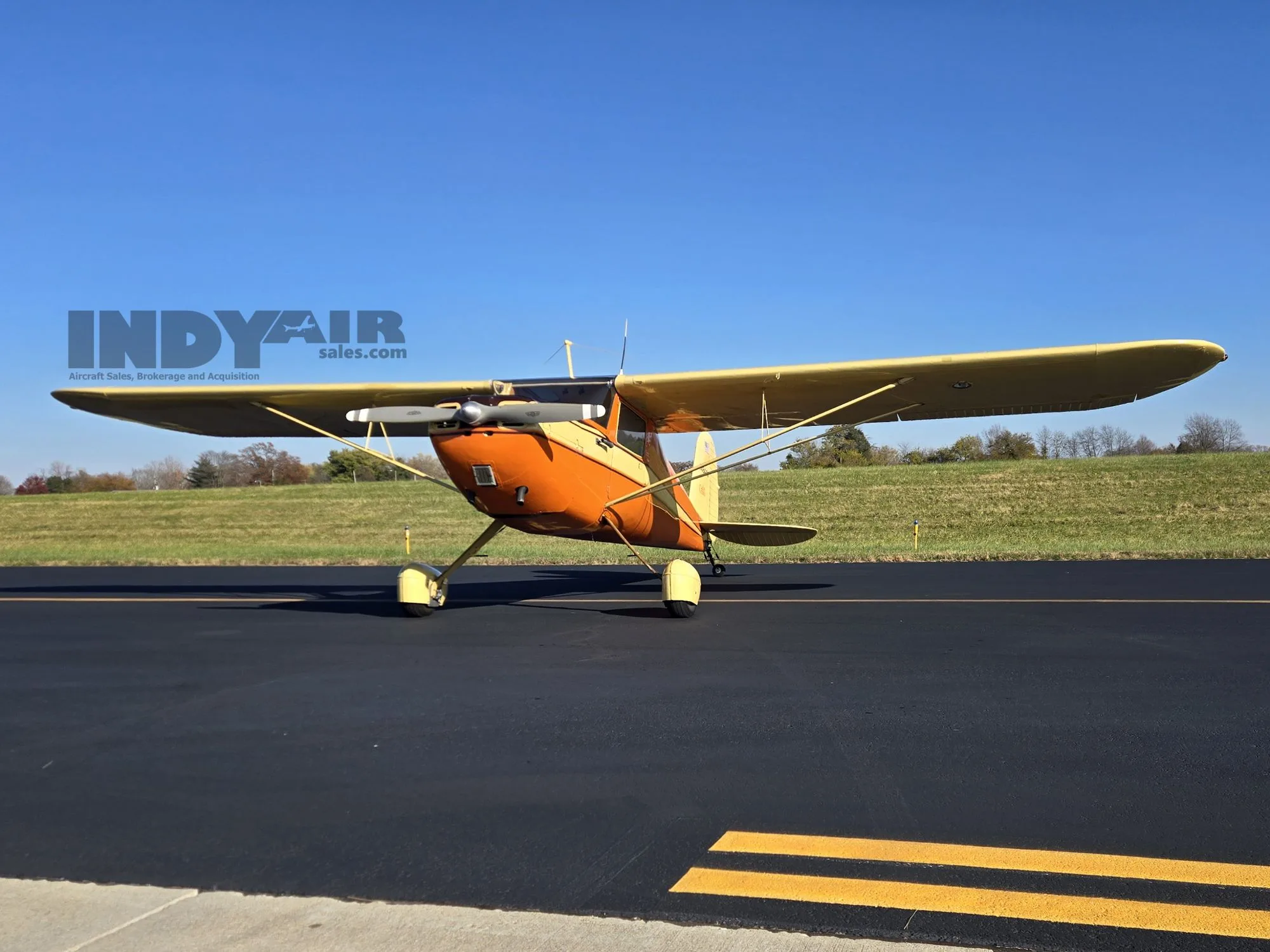
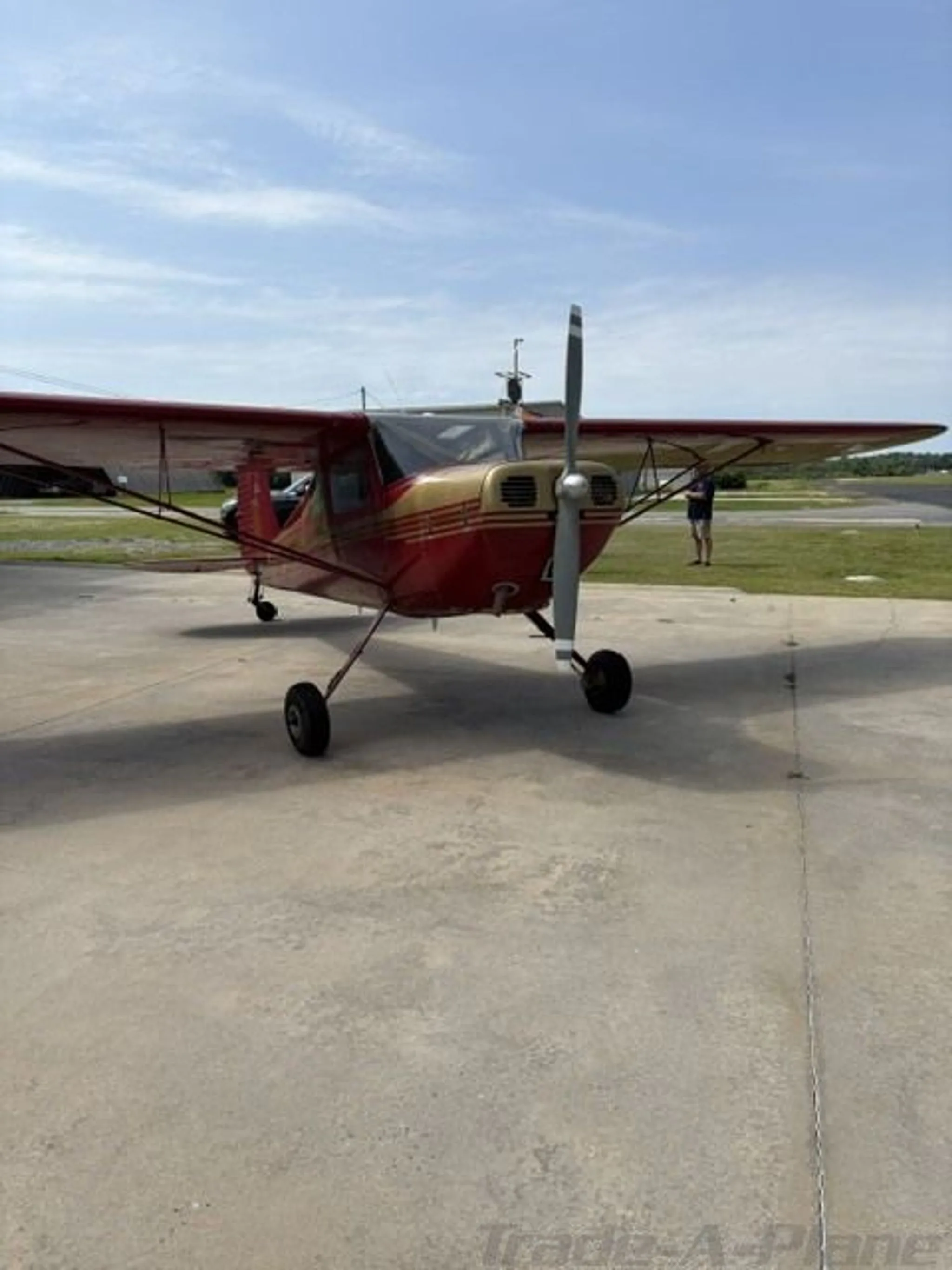
Cessna 120 for sale now
View all 2 for sale →Aircraft that this service bulletins covers, listed on the sites Sprinkle reads. Asking prices, not sales. Cessna 120 asking prices by year built.
Also useful for the Cessna 120
From Sprinkle’s library of aircraft documents. PDFs open from Sprinkle’s own files. Read Feb 11, 2026.
Want this document taken down? Request removal