
Spectrum Airways Cessna 152 Normal Procedures
Normal Procedures for the Cessna 152
PDF, 1 page, 433 KB, from Sprinkle’s own files.
What it covers
This document outlines the normal procedures for operating the Cessna 152, providing pilots with a comprehensive checklist for pre-flight, engine start, taxi, takeoff, in-flight, landing, and shutdown operations. It serves as a reference for pilots to ensure safety and compliance with operational standards. The procedures are designed to facilitate a systematic approach to flying the Cessna 152, covering essential checks and actions required before and during flight, as well as after landing. The document includes specific frequencies for communication and navigation, as well as detailed steps for passenger briefings and safety checks.
Key points
- CZBA Unicom frequency: 123.5 MHz
- Pre-flight inspection includes checking the fire extinguisher and first aid kit
- Throttle setting for engine start: ¼ inch
- Mixture should be rich during pre-takeoff and landing
- Final checks before takeoff include verifying that all instruments are set and doors are secure.
Main sections
Frequencies
The document lists various communication frequencies relevant to the Cessna 152 operations, including CZBA Unicom at 123.5 MHz, CYHM ATIS at 128.1 MHz, and CYYZ Terminal at 119.3 MHz, among others.
Pre-Flight Inspection
This section details the steps for conducting a pre-flight inspection, including checking the control lock, magnetos, master switch, fuel gauges, and securing loose objects. It emphasizes the importance of ensuring that the fire extinguisher and first aid kit are on board and that all necessary documents are checked.
Start Check
Before starting the engine, pilots must ensure the carburetor heat is cold, the mixture is rich, and the fuel selector is on. The throttle should be set to ¼ inch, and the area around the propeller must be clear before starting the engine.
Taxi Check
During the taxi check, pilots are instructed to test the brakes, check control inputs for wind effects, and verify flight instruments.
Pre Take-Off
Prior to take-off, pilots must set the throttle to 1000 RPM, ensure all instruments are set, and confirm that the mixture is rich and carb heat is cold. The section also emphasizes securing doors and windows and completing passenger briefings.
Safety notes
- Ensure the propeller area is clear before starting the engine.
- Always complete passenger briefings before flight.
The document’s text
Show the text read from the PDF
SPECTRUM AIRWAYS CESSNA 152 NORMAL PROCEDURES SPECTRUM AIRWAYS CESSNA 152 NORMAL PROCEDURES Revision 2022-03-31 Revision 2022-03-31 FREQUENCIES: CZBA Unicom 123.5 CZBA AWOS 122.5 CYFD Unicom 122.82 CYHM ATIS 128.1 CYHM TWR 125.0 CYKF ATIS 125.1 CYKF TWR 126.0 CYYZ Terminal 119.3 Flight Service 123.27 126.7 CTAF 122.92 123.02 PRE-FLIGHT INSPECTION Control Lock…………………………OFF Magnetos……………….……………OFF Master Switch………………………ON Flaps………….…EXTEND IN STAGES Fuel Gauges……………....QUANTITY Beacon………………………….…CHECK Master Switch………………………OFF Loose Objects…………………SECURE Fire Extinguisher…………CHARGED First Aid Kit………….……ON BOARD Documents………………..…….CHECK External Check………….COMPLETE Pax Safety Briefing….…COMPLETE PASSENGER BRIEFING Exiting aircraft Door latches Window latches Seat belt latches Fire ext. location/use First aid kit ELT location/use Motion sickness No smoking Don’t touch controls PRE-ENGINE START Seatbelts…………….………….FASTEN Hobbs Time…………………..RECORD Avionics & Electrics…………..….OFF Controls…………...FREE &CORRECT Trim………………..………..FREE & SET START CHECK Carb Heat………………………….COLD Mixture………………….…….…….RICH Fuel Selector…………….……….….ON Brakes……………………………....HOLD Master Switch…………………….…ON Beacon……………………………….…ON Prime……………….…..AS REQUIRED Throttle……………………….….¼ INCH Prop Area………………….……..CLEAR Engine…………………….………..START Throttle……………….…….1000 RPM Oil Pressure……………………..CHECK AFTER START Mixture….........LEAN @1200 RPM Electrics………….…….AS REQUIRED Avionics Master..………….……...ON Transponder……..TEST/STBY 1200 Audio Panel……….……..……..CHECK Radio……………………CHECK or ATIS NAV/GPS………………………………SET Flight Instruments………………..SET Flaps………………...….UP IN STAGES TAXI CHECK Brakes………………….……………..TEST Controls Inputs………....FOR WIND Flight Instruments…………...CHECK RUN-UP Throttle……...……………..1000 RPM Brakes………..……………….…...HOLD Blast Area……...….…………….CLEAR Mixture…………….…LEAVE LEANED Throttle……………………..1700 RPM Oil Temp & Press.............…CHECK Magnetos………..………..…....CHECK Suction………………………......CHECK Alternator..…………..………...CHECK Mixture……..………………….…CHECK Carb Heat…..……………….……...HOT Throttle…...............................IDLE Throttle……..………….…….900 RPM Carb Heat…...…………….……...COLD PRE TAKE-OFF Throttle………………….....1000 RPM Flight Instruments…………….….SET Primer………………….………..LOCKED Master Switch……………………….ON Magnetos…..…………..…..ON BOTH Circuit Breakers……………..……….IN Carb Heat……………….…...…...COLD Mixture……………...………………RICH Flaps………………....…AS REQUIRED Trim…………………………….……….SET Fuel Selector……………..…………ON Doors/Windows...………....SECURE Seats/Seat Belts...………....SECURE Controls……………………..….…..FREE Pax Briefing..............….COMPLETE Take Off Briefing………..COMPLETE T – Transponder……..….ALT/CODE I – Instruments………………..…..SET L – Lights………………….………..…ON T – Take-off Time……….....….NOTE ON RUNWAY CHECK Max Power……………………………SET Gauges………………………….…GREEN Airspeed…………………………...ALIVE AFTER TAKE-OFF CHECK Gauges……………………….…..GREEN Flaps………………………………………UP CRUISE CHECK Power………………………………..…SET Mixture……………………………..LEAN Gauges…………………………….GREEN Landing Light……………………….OFF HI/Compass…………………….CHECK PRE LANDING Primer…………………………...LOCKED Master Switch……………….………ON Magnetos……………..…….ON BOTH Gauges……………………..…….GREEN Circuit Breakers………………………IN Carb Heat……………………..…….HOT Mixture………………….…………..RICH Fuel Selector…………………….…..ON Brake Pressure…………………CHECK Seats / Harnesses…………..SECURE Pax Briefing………….…COMPLETED Landing Light………………….…....ON AFTER LANDING Throttle…………………..……900 RPM Carb Heat…………………..……..COLD Flaps…………………….………RETRACT Unnecessary Electrics…………..OFF Transponder………………STBY 1200 Landing Time…………………….NOTE Mixture………..LEAN @ 1200 RPM Flight Plan………………………..CLOSE SHUT DOWN Throttle……………………..1000 RPM Radio Check………………….…..121.5 Avionics & Electrics…………..….OFF Transponder………………….…….OFF Throttle……………………….……...IDLE Live Mag………………..…….….CHECK Throttle…………….……….1000 RPM Mixture………………...IDLE CUT OFF Magnetos……………….…….……..OFF Master Switch………………………OFF Hobbs Time…..…………..….RECORD Control Lock….……………...INSTALL External Covers……………..INSTALL REPORT UNSERVICEABILITIES -- 1 of 1 --
Read from the PDF by machine, so tables and diagrams come out rough. The PDF is the document.
More Cessna 152 documents
All 50 →- Quick Reference Handbook Textron/cessna 152 II SP-WBL
This Quick Reference Handbook is designed specifically for the Textron/Cessna 152 II, providing essential information for flight training. It includes operational speeds, performance data, and checklists tailored for the Cessna 152 II model. The handbook is intended for use by pilots and flight training personnel, ensuring that critical procedures and performance metrics are easily accessible during flight operations. The document emphasizes safety and operational efficiency, with detailed sections on normal and emergency procedures, performance limitations, and preflight checks.
- Normal Procedures Checklist - C 152
This document is a Normal Procedures Checklist specifically for the Cessna 152, providing pilots with a comprehensive guide to preflight, engine start, taxi, takeoff, landing, and post-flight procedures. It includes critical airspeed data, safety checks, and operational protocols to ensure safe and efficient flight operations. The checklist is designed for both new and experienced pilots, emphasizing risk management and thorough preflight inspections to maintain aircraft safety and performance. It also covers emergency procedures and maneuvers, making it a valuable resource for flight training and operational reference.
- CE-152 Normal Procedures
This document outlines the normal procedures for operating the Cessna 152 aircraft. It serves as a reference for pilots to ensure safe and efficient operation of the aircraft during various phases of flight, including preflight checks, engine starting, takeoff, landing, and emergency procedures. The manual emphasizes the importance of familiarization with the Pilot Operating Handbook/Aircraft Flight Manual (POH/AFM) and provides detailed checklists for each phase of flight. It is designed for pilots who are preparing to operate the Cessna 152, ensuring they adhere to standard operating procedures and safety protocols.
- Normal Procedures for the Cessna 152
This document serves as a comprehensive guide for pilots operating the Cessna 152, detailing normal procedures essential for safe and efficient flight operations. It is designed for both student pilots and experienced aviators, providing step-by-step instructions and critical information necessary for various phases of flight. The manual emphasizes adherence to standard operating procedures to enhance safety and performance during flight. It covers preflight checks, engine start procedures, takeoff and landing protocols, and emergency procedures, ensuring pilots are well-prepared for all aspects of flying the Cessna 152.
- Cessna 152 Model Guide
The Cessna 152 is a two-seat, single-engine piston trainer built from 1978 to 1985. It has fixed tricycle gear and a 110 hp Avco Lycoming engine (O-235-L2C) driving a fixed-pitch propeller. Maximum takeoff weight is 1670 lbs, and it cruises at about 107 knots. It suits a buyer who wants a simple, economical two-seater for training or local flying. It is not a heavy hauler. The Cessna 152 has known inspection items on the tail and flap actuators, so buy it with a records and airworthiness-directive review.
- Instructions for Continued Airworthiness
This document provides instructions for the continued airworthiness of the McFarlane Aviation PMA replacement vertical fin fittings (P/N MC0431148-1) that are eligible for installation on Cessna 150 and 152 aircraft. It details the installation, removal, and replacement procedures for the vertical fin fittings, which are critical components that attach to the vertical and horizontal stabilizers. The document emphasizes the importance of proper installation by qualified personnel and outlines the necessary tools and procedures to ensure safety and compliance with FAA regulations. It also references relevant Cessna service manuals for additional operational control and maintenance guidance.
- Cessna 152 Checklist
The Cessna 152 is a two-seat, single-engine aircraft that is widely used for flight training and personal flying. Known for its reliability and ease of handling, the Cessna 152 features a high-wing design and a tricycle landing gear configuration. This checklist provides a comprehensive preflight and operational guide for pilots to ensure safety and compliance before and during flight operations. It covers critical areas such as interior and exterior checks, engine start procedures, and emergency protocols, making it an essential tool for pilots operating this aircraft model.
- Cessna 152 EMERGENCY PROCEDURES
This document provides emergency procedures specifically for the Cessna 152 aircraft. It serves as a quick reference for pilots during critical situations, outlining essential actions to take in various emergency scenarios. The procedures include responses to engine fires, engine failures, electrical fires, and forced landings, among others. The document emphasizes the importance of consulting the Pilot's Operating Handbook (POH) for complete procedures and details, ensuring that pilots are well-prepared for emergencies. It is designed for training purposes and quick reference, making it an invaluable resource for both new and experienced pilots flying the Cessna 152.
Cessna 152 for sale now
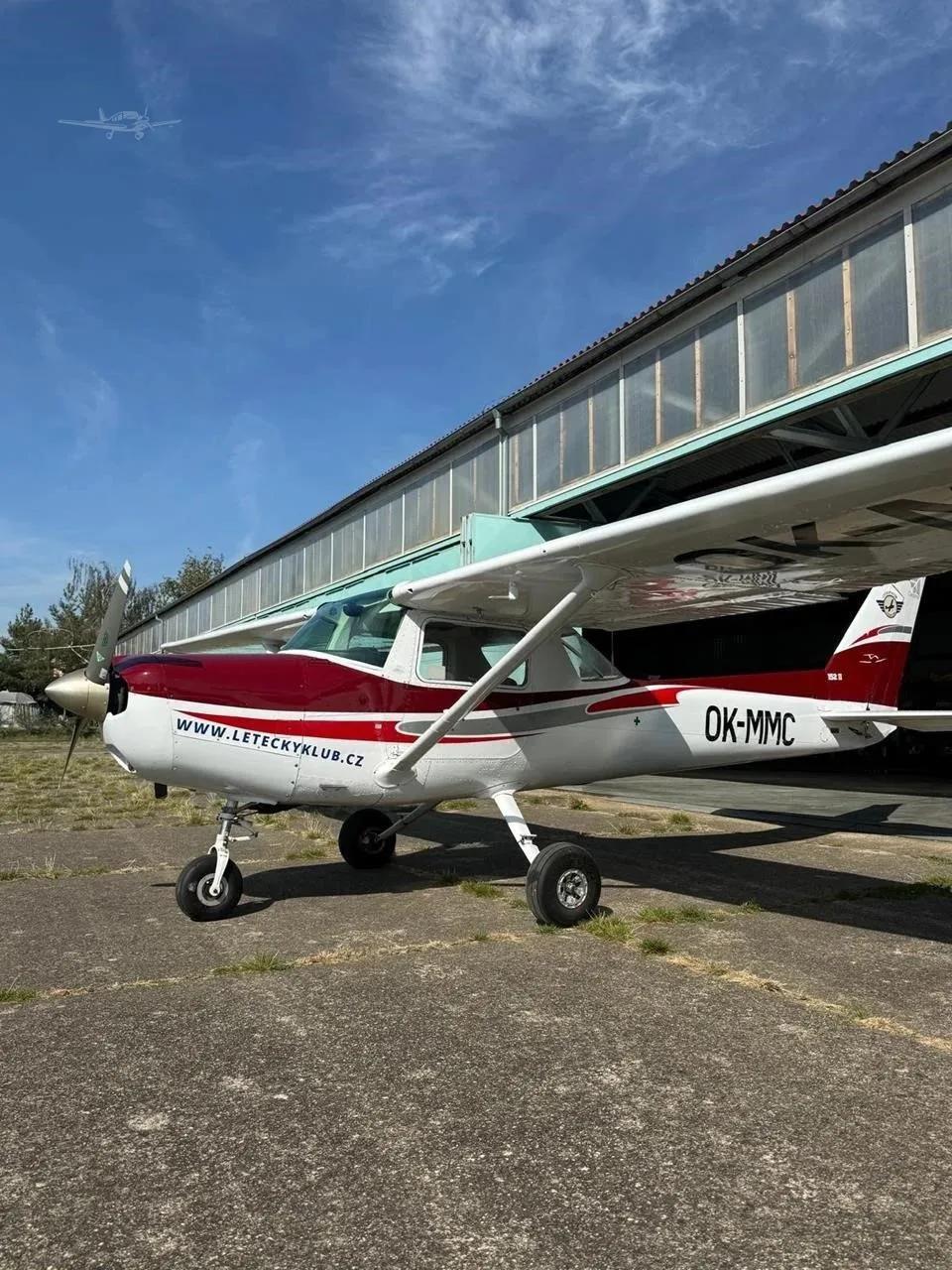
View all 27 for sale →Aircraft that this normal procedures covers, listed on the sites Sprinkle reads. Asking prices, not sales. Cessna 152 asking prices by year built.


Also useful for the Cessna 152
From Sprinkle’s library of aircraft documents. PDFs open from Sprinkle’s own files. Read Aug 7, 2026.
Want this document taken down? Request removal