Cessna 152 Model Guide
Cessna 152 · Model Guide
Overview
The Cessna 152 is a two-seat, single-engine piston trainer built from 1978 to 1985. It has fixed tricycle gear and a 110 hp Avco Lycoming engine (O-235-L2C) driving a fixed-pitch propeller. Maximum takeoff weight is 1670 lbs, and it cruises at about 107 knots. It suits a buyer who wants a simple, economical two-seater for training or local flying. It is not a heavy hauler. The Cessna 152 has known inspection items on the tail and flap actuators, so buy it with a records and airworthiness-directive review.
- The Cessna 152 carries two people and a limited load. The 1980 handbook gives a maximum useful load of 566 lbs for the standard 152 and 533 lbs for the 152 II. Baggage is limited to 120 lbs.
- Handbook performance is 715 fpm rate of climb at sea level, a 14,700 ft service ceiling, and a 725 ft takeoff ground roll. Cruise at 75% power at 8000 ft is 107 knots.
- Fuel is 24.5 gallons usable in the standard tanks. The handbook lists a 39 gallon long-range option. Approved fuels are 100LL and 100.
- Check airworthiness-directive compliance. The NZ schedule for Cessna 150 and 152 series lists items such as the rudder spar, flap actuator, exhaust and muffler, nose gear fork, seat frame and vertical fin attachments.
- Vertical fin fittings are prone to cracking, and replacing both together is recommended. Confirm their condition and the related nutplate inspection before purchase.
Summary written by AI from the source document. Check the original before relying on it. See which parts of Sprinkle are written by AI.
Reference only, not for flight. Use the current approved manual for your aircraft. See terms, section 5.
Document
Source
Copy found at sprinkle.com. Sprinkle hosts a reference copy with an added summary, specifications and searchable full text.
Document details
- Type ·
- Model Guide
- Year ·
- 2026
- File size ·
- 53 KB
- Copy found at ·
- sprinkle.com
Specifications & performance
Extracted from this document.
Specifications
- Engine (hp) ·
- 110
- Engine model ·
- Avco Lycoming O-235-L2C
- Total fuel (gal) ·
- 26
- Usable fuel (gal) ·
- 24.5
- Propeller diameter (in) ·
- 69
Performance
- Range (nm) ·
- 320
- Max range (nm) ·
- 415
- Max speed (kt) ·
- 110
- Cruise speed (kt) ·
- 107
- Rate of climb (fpm) ·
- 715
- Service ceiling (ft) ·
- 14,700
- Landing ground roll (ft) ·
- 475
- Takeoff ground roll (ft) ·
- 725
- Landing distance over 50ft (ft) ·
- 1,200
- Takeoff distance over 50ft (ft) ·
- 1,340
V-speeds
- VA_KTS ·
- 104
- VR_KTS ·
- 50
- VX_KTS ·
- 55
- VY_KTS ·
- 67
- VFE_KTS ·
- 85
- VNE_KTS ·
- 149
- VNO_KTS ·
- 111
- VS1_KTS ·
- 40
- VSO_KTS ·
- 35
- BEST_GLIDE_KTS ·
- 60
- DEMONSTRATED_CROSSWIND_KTS ·
- 12
Weight & balance
- Max ramp weight (lb) ·
- 1,675
- Max useful load (lb) ·
- 566
- Baggage allowance (lb) ·
- 120
- Baggage area 2 max (lb) ·
- 40
- Max takeoff weight (lb) ·
- 1,670
- Standard empty weight (lb) ·
- 1,109
How many people and how much baggage can the Cessna 152 carry?
The Cessna 152 seats two. Maximum takeoff weight is 1670 lbs, the handbook gives a useful load of 566 lbs for the standard 152, and baggage is limited to 120 lbs.
What engine does the Cessna 152 use and what fuel does it take?
The Cessna 152 has a 110 hp Avco Lycoming O-235-L2C and takes 100LL (blue) or 100 (green) aviation fuel. Standard tanks give 24.5 gallons usable.
How fast and how far does the Cessna 152 fly?
The Cessna 152 cruises at 107 knots at 75% power at 8000 ft. With 24.5 gallons usable the handbook range is 320 NM, or 545 NM with the 37.5 gallon long-range tanks.
Are there known problem areas on the Cessna 152?
The Cessna 152 appears in the NZ airworthiness-directive schedule for the 150 and 152 series, which covers items such as the rudder spar, flap actuators, muffler and vertical fin attachments. Vertical fin fittings are prone to cracking, so check their condition and replacement history.
What is the Cessna 152 Model Guide?
The Cessna 152 Model Guide is a model guide for the Cessna 152, dated 2026.
What year was the Cessna 152 Model Guide published?
The Cessna 152 Model Guide — the Cessna 152 model guide on file — is dated 2026.
Common. More common than 99% of the aircraft models we track.
Most owners only have the POH. Here's the essential set for the Cessna 152.
- Pilot's Operating Handbook / AFM
- Checklist
- Maintenance Manual
- Parts Catalog (IPC)
- Systems & Wiring
- Service Bulletins on file
- Type Certificate (TCDS)
Cessna 152 for sale now
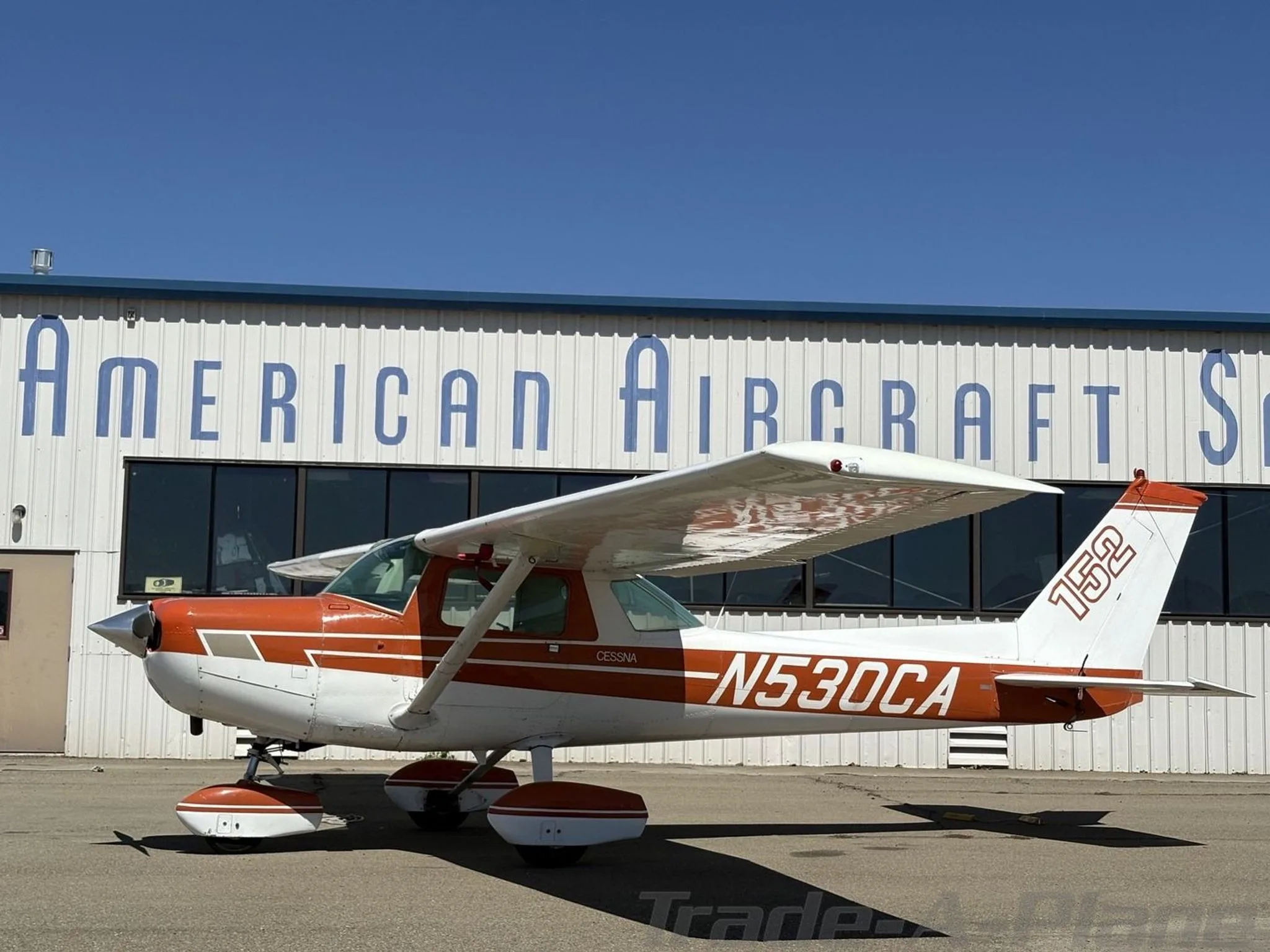
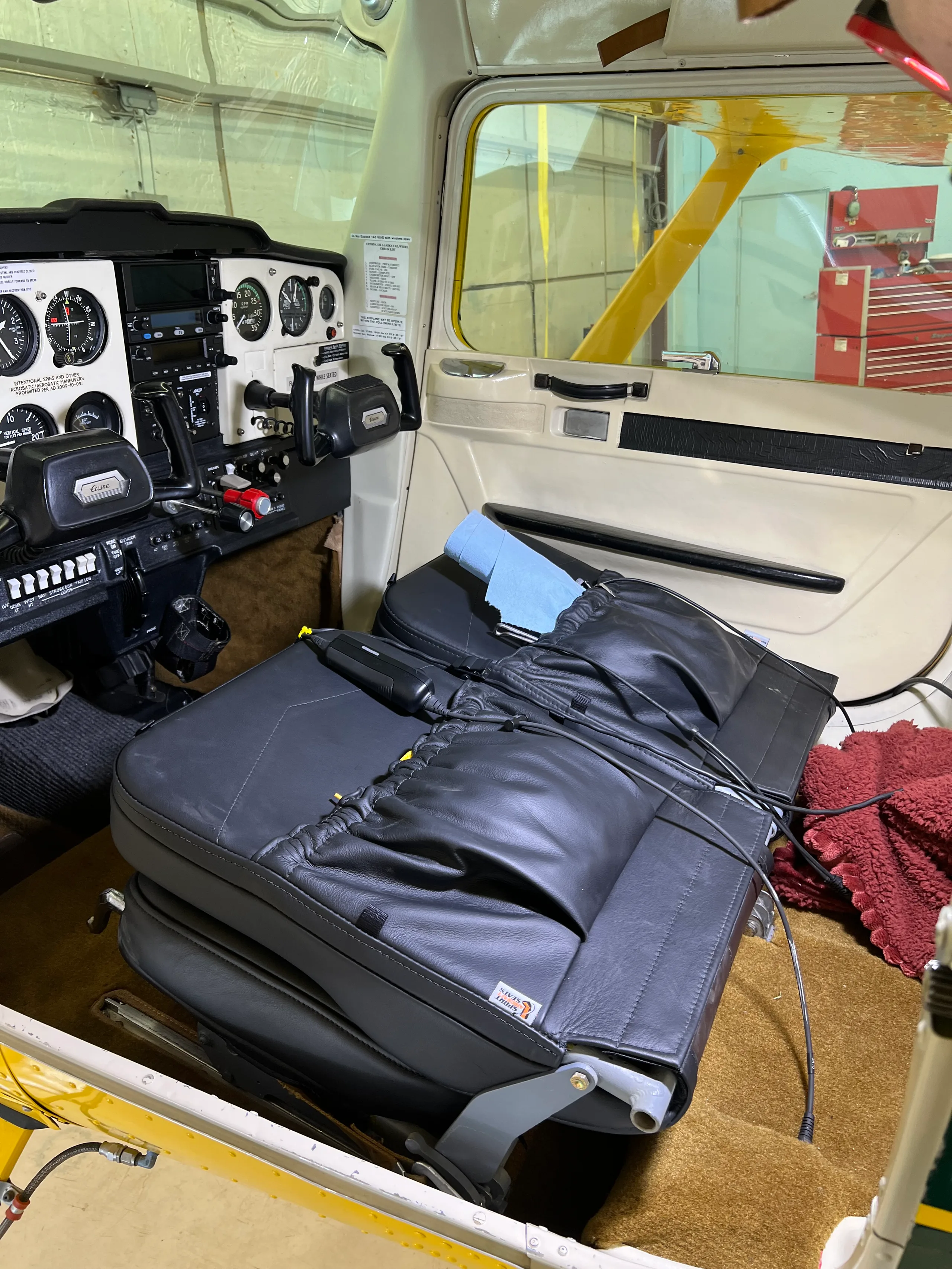
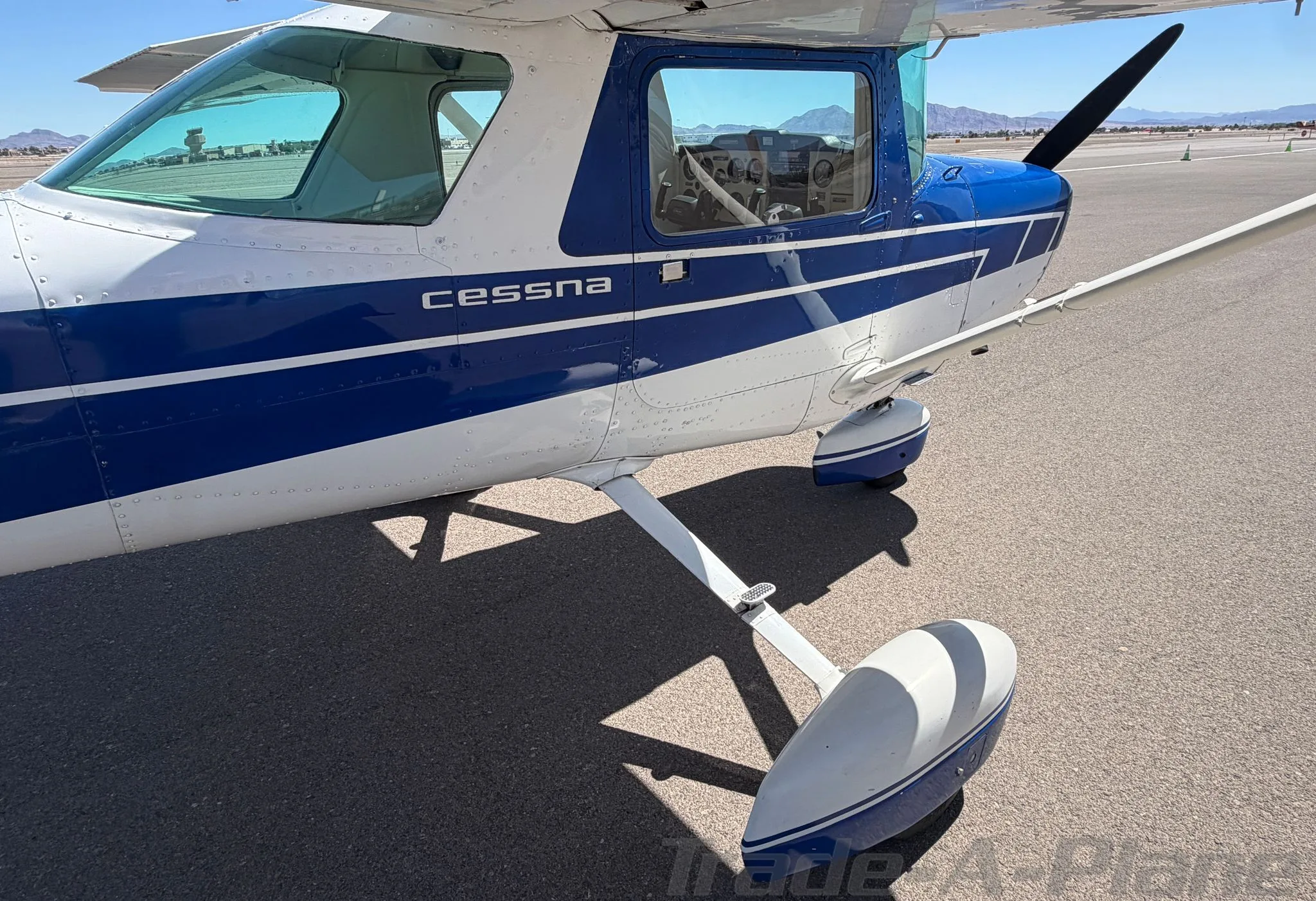
Free — save the 152 to your watchlist and track it in one place.
More Cessna 152manuals & documents
See all 49 →- Instructions for Continued AirworthinessService Manual
- CESSNA 152 CHECKLISTChecklist
- QUICK REFERENCE HANDBOOK TEXTRON/CESSNA 152 II SP-WBLNormal Procedures
- Cessna 152 EMERGENCY PROCEDURESEmergency Procedures
- SPECTRUM AIRWAYS CESSNA 152 NORMAL PROCEDURESNormal Procedures
- The Basic Aerobatic Manual: With Spin and Upset Recovery TechniquesAvionics Manual
- STANDARDIZATION MANUAL and AMPLIFIED PROCEDURES CESSNA 152Systems Description
- AIRCRAFT WEIGHT & BALANCE FORM OPF-006Weight & Balance
- Single Engine SERVICE LETTER MANDATORY SEL-27-02Maintenance Manual
- Cessna 152 Pilot’s GuideSystems Description
- EAE 130A Project 2 Report: Airplane Drag and Performance AnalysisPerformance Data
- FINAL REPORT ON ACCIDENT INVOLVING CESSNA 152 AIRCRAFT VT-PTDOther Documents
Related documents
If you fly the Cessna 152, you may also be researching these.



In this document
What you are buying
The Cessna 152 was built from 1978 to 1985 as a two-seat piston single. The engine is a four-cylinder, air-cooled, carburetted Avco Lycoming O-235-L2C rated at 110 BHP at 2550 RPM. The propeller is a two-blade, fixed-pitch McCauley with a 69 inch maximum diameter. The gear is fixed tricycle with a steerable nosewheel and hydraulic single-disk brakes. Standard empty weight in the handbook is 1109 lbs for the 152 and 1142 lbs for the 152 II. Wing area is 159 1/2 square feet. Some aircraft may be modified under STC SA4795SW (Del-Air), which allows a Lycoming O-360 or O-320 engine and a higher gross weight, so check the installed engine and paperwork.
Performance and range
The 1980 handbook lists a maximum speed at sea level of 110 knots and a 75% power cruise at 8000 ft of 107 knots. The figures are for an airplane with optional speed fairings, which add about 2 knots. With 24.5 gallons usable, range at 75% power is 320 NM (3.1 hours). With 37.5 gallons usable it is 545 NM (5.2 hours). Maximum range at 10,000 ft is 415 NM with 24.5 gallons and 690 NM with 37.5 gallons. Rate of climb is 715 fpm and service ceiling is 14,700 ft. Takeoff takes 725 ft ground roll and 1340 ft over a 50 ft obstacle. Landing takes 475 ft ground roll and 1200 ft over a 50 ft obstacle. Stall speed (CAS) is 48 knots flaps up and 43 knots flaps down.
Loading and weight and balance
Maximum takeoff and landing weight is 1670 lbs and maximum ramp weight is 1675 lbs. Baggage area 1 holds up to 120 lbs. Area 2 holds up to 40 lbs, and the two areas together are limited to 120 lbs. Fuel is calculated at 6 lbs per gallon, with 24.5 gallons usable in standard tanks. Always use the aircraft's own current empty weight and moment. The sample weight and balance sheet for N49827 uses a basic empty weight of 1173 lbs, and the dealer data sheet shows individual aircraft at 1171.9 lbs and 1141.8 lbs. Empty weights differ from airplane to airplane, so a heavy empty weight directly cuts what you can carry.
What to inspect
Ask for the airworthiness-directive compliance list. The NZ CAA schedule for the 150 and 152 series includes rudder spar inspection and modification, landing gear bulkhead inspection, flap actuator and ball nut assembly items, exhaust and muffler inspection, nose gear fork inspection and modification, seat frame modification, vertical fin attachment inspection and fuel cap modification. The McFarlane service document says the vertical fin fittings are prone to cracking at the aft outer leg-base interface because of cyclic loading, and recommends replacing both fittings if one needs replacing. It also points to the nutplate inspection in Cessna Service Letter SE79-49 Revision 1. PMA airbox seal assemblies are available for the 152. Look at the airbox seals, the tail fittings and the flap system first.
Summary written by AI from the source document. Check the original before relying on it. See which parts of Sprinkle are written by AI.
Safety notes
- The handbook copy in the inputs (1980 model, dated 1 July 1979) is marked for flight training reference only and is not kept current. Use the official handbook for the specific airplane.
- Emergency procedures list best glide at 60 KIAS. For an emergency landing the checklist calls for a MAYDAY on 121.5 and squawk 7700.
- For an engine fire in flight, the checklist sets mixture to idle cut-off, fuel selector off and master switch off. Practise these steps before flying the airplane.
- Do not exceed 1670 lbs at takeoff. Keep baggage within 120 lbs combined, with no more than 40 lbs in area 2.
Summary written by AI from the source document. Check the original before relying on it. See which parts of Sprinkle are written by AI.
Full document text
Cessna 152 Model Guide The Cessna 152 is a two-seat, single-engine piston trainer built from 1978 to 1985. It has fixed tricycle gear and a 110 hp Avco Lycoming engine (O-235-L2C) driving a fixed-pitch propeller. Maximum takeoff weight is 1670 lbs, and it cruises at about 107 knots. It suits a buyer who wants a simple, economical two-seater for training or local flying. It is not a heavy hauler. The Cessna 152 has known inspection items on the tail and flap actuators, so buy it with a records and airworthiness-directive review. • The Cessna 152 carries two people and a limited load. The 1980 handbook gives a maximum useful load of 566 lbs for the standard 152 and 533 lbs for the 152 II. Baggage is limited to 120 lbs. • Handbook performance is 715 fpm rate of climb at sea level, a 14,700 ft service ceiling, and a 725 ft takeoff ground roll. Cruise at 75% power at 8000 ft is 107 knots. • Fuel is 24.5 gallons usable in the standard tanks. The handbook lists a 39 gallon long-range option. Approved fuels are 100LL and 100. • Check airworthiness-directive compliance. The NZ schedule for Cessna 150 and 152 series lists items such as the rudder spar, flap actuator, exhaust and muffler, nose gear fork, seat frame and vertical fin attachments. • Vertical fin fittings are prone to cracking, and replacing both together is recommended. Confirm their condition and the related nutplate inspection before purchase. What you are buying The Cessna 152 was built from 1978 to 1985 as a two-seat piston single. The engine is a four-cylinder, air-cooled, carburetted Avco Lycoming O-235-L2C rated at 110 BHP at 2550 RPM. The propeller is a two-blade, fixed-pitch McCauley with a 69 inch maximum diameter. The gear is fixed tricycle with a steerable nosewheel and hydraulic single-disk brakes. Standard empty weight in the handbook is 1109 lbs for the 152 and 1142 lbs for the 152 II. Wing area is 159 1/2 square feet. Some aircraft may be modified under STC SA4795SW (Del-Air), which allows a Lycoming O-360 or O-320 engine and a higher gross weight, so check the installed engine and paperwork. Performance and range The 1980 handbook lists a maximum speed at sea level of 110 knots and a 75% power cruise at 8000 ft of 107 knots. The figures are for an airplane with optional speed fairings, which add about 2 knots. With 24.5 gallons usable, range at 75% power is 320 NM (3.1 hours). With 37.5 gallons usable it is 545 NM (5.2 hours). Maximum range at 10,000 ft is 415 NM with 24.5 gallons and 690 NM with 37.5 gallons. Rate of climb is 715 fpm and service ceiling is 14,700 ft. Takeoff takes 725 ft ground roll and 1340 ft over a 50 ft obstacle. Landing takes 475 ft ground roll and 1200 ft over a 50 ft obstacle. Stall speed (CAS) is 48 knots flaps up and 43 knots flaps down. Loading and weight and balance Maximum takeoff and landing weight is 1670 lbs and maximum ramp weight is 1675 lbs. Baggage area 1 holds up to 120 lbs. Area 2 holds up to 40 lbs, and the two areas together are limited to 120 lbs. Fuel is calculated at 6 lbs per gallon, with 24.5 gallons usable in standard tanks. Always use the aircraft's own current empty weight and moment. The sample weight and balance sheet for N49827 uses a basic empty weight of 1173 lbs, and the dealer data sheet shows individual aircraft at 1171.9 lbs and 1141.8 lbs. Empty weights differ from airplane to airplane, so a heavy empty weight directly cuts what you can carry. What to inspect Ask for the airworthiness-directive compliance list. The NZ CAA schedule for the 150 and 152 series includes rudder spar inspection and modification, landing gear bulkhead inspection, flap actuator and ball nut assembly items, exhaust and muffler inspection, nose gear fork inspection and modification, seat frame modification, vertical fin attachment inspection and fuel cap modification. The McFarlane service document says the vertical fin fittings are prone to cracking at the aft outer leg-base interface because of cyclic loading, and recommends replacing both fittings if one needs replacing. It also points to the nutplate inspection in Cessna Service Letter SE79-49 Revision 1. PMA airbox seal assemblies are available for the 152. Look at the airbox seals, the tail fittings and the flap system first. Safety notes: • The handbook copy in the inputs (1980 model, dated 1 July 1979) is marked for flight training reference only and is not kept current. Use the official handbook for the specific airplane. • Emergency procedures list best glide at 60 KIAS. For an emergency landing the checklist calls for a MAYDAY on 121.5 and squawk 7700. • For an engine fire in flight, the checklist sets mixture to idle cut-off, fuel selector off and master switch off. Practise these steps before flying the airplane. • Do not exceed 1670 lbs at takeoff. Keep baggage within 120 lbs combined, with no more than 40 lbs in area 2.