
Cessna 152 Procedures Manual
Training Manual for the Cessna 152 Aerobat
PDF, 11 pages, 479 KB, from Sprinkle’s own files.
What it covers
This Procedures Manual is designed for the Cessna 152, specifically tailored for students and instructors at Inflight Pilot Training. It provides detailed procedures for various flight maneuvers, including pre-maneuver checks, stall recovery techniques, and emergency procedures. The manual emphasizes safety and proficiency in handling the aircraft, with specific RPM settings, airspeeds, and altitudes for each maneuver. It serves as a comprehensive guide for training and practice, ensuring that pilots are well-prepared for both routine and emergency situations.
Key points
- Pre-maneuver checks include securing seat belts and ensuring fuel is on.
- Power settings for maneuvers typically range from 1500 RPM to 2300 RPM depending on the situation.
- Normal landing speed is 60 KTS with 30° flaps; short field landing speed is 54 KTS with 30° flaps.
- Emergency procedures require selecting a landing site and maintaining altitude at 1000 feet AGL during the approach.
- Clearing turns must be completed before any maneuvers, with a minimum altitude of 1500 feet AGL.
Main sections
Pre-Maneuver Flow
The pre-maneuver flow checklist includes securing seat belts, ensuring fuel is on, setting the mixture to rich, turning on the landing light, and checking engine gauges for normal readings. Clearing turns must be completed before starting any maneuvers, with a minimum altitude of 1500 feet AGL.
Power-Off Stall (Approach Configuration)
For the power-off stall maneuver, the aircraft should be at 1700 RPM with carburetor heat on and flaps extended to 30°. The target airspeed is 60 KTS, and recovery involves lowering pitch, neutralizing ailerons, and applying full power while retracting flaps incrementally.
Take-Off Procedures
Normal take-off should be conducted without flaps, while soft field take-off requires 10° of flaps. For short field take-offs, maintain 54 KTS until obstacle clearance, also using 10° of flaps.
Traffic Pattern Operations
During traffic pattern operations, maintain 1000 feet AGL on downwind with 2300 RPM. Approach speeds should be 80 KTS on base with 20° flaps and 60 KTS on final with 30° flaps.
Emergency Procedures
In the event of engine failure, pilots should select an emergency landing site and maintain a key position at 1000 feet AGL, ¼ to ½ mile abeam. The procedure emphasizes the importance of aviate, navigate, and communicate.
Safety notes
- Always complete pre-maneuver checks before flight maneuvers.
- Maintain awareness of altitude and airspeed during all maneuvers to prevent stalls.
- In emergency situations, prioritize aviate, navigate, and communicate.
The document’s text
Show the text read from the PDF
This Procedures Manual is property of Inflight Pilot Training. Its use is limited to customers of Inflight Pilot Training. Reproduction and distribution rights are limited to Inflight Pilot Training, and reproduction and distribution outside of Inflight Pilot training is prohibited. CESSNA 152 PROCEDURES MANUAL -- 1 of 11 -- 1st Edition, August 2018 1 Cessna 152 Procedures Pre-Maneuver Flow Seat Belts…………………………………………………………………………………………………………………….Secure Fuel……………..………………………………………………………………………………………………………………….On Mixture………….…………………………………………………………………………………………………….………….Rich Landing Light…… ………………………………………………………………………………………………….…………….On Engine Gauges…..………………………………………………………………………………………………….Green/Normal Slow Flight – Airplane Flying Handbook (AFH) 4-3 Clearing Turns……………………………………………………………………………………………… ……………Complete Altitude………………………………………………………………………………………………………..Minimum 1500’ AGL Maneuver Power……………………………………………………………………………………………..………………………1700 RPM Carburetor Heat……………………………………………………………………………………………..……………………On Flaps………………………………………………………………………………………………….Extend in Increments to 30° Airspeed……………………………………………………………………………………….Pitch to maintain above stall horn Altitude………..….. ……………………………………….Increase power as necessary to maintain (typically »2000 RPM) Recovery – if stall horn sounds, buffet occurs, or instructor directs. Power……………………………………………………………………………………………..………………………….…...Full Carburetor Heat……………………………………………………………………………………………..………………..…..Off Flaps…………… …………………………………………………Retract in increments (10° increments as airspeed builds) Tolerances Heading…………………………………………………………………………………………….. ………………………..+/- 10° Altitude……………………………………………………………………………………………..………………….…..+/- 100 ft. Airspeed…………………………………………………………………………………………….. …………….Above stall horn Steep Turns – 360° left and right – AFH 9-2 Clearing Turns……………………………………………………………………………………………… ……………Complete Altitude………………………………………………………………………………………………………..Minimum 1500’ AGL Reference Point…………………………………………………………………………………………..Landmark near horizon Maneuver Power………………………………………………………………………………………… …………………….…..»2300 RPM Airspeed……………………………………………………………………………………………….………………………90 Kts During Turn…………………………………………………………………………… …..Slight power increase (50-150 RPM) Tolerances Heading……………………………………………………………………………………………..…………………….…..+/- 10° Altitude……………………………………………………………………………………………..………………….…..+/- 100 ft. Airspeed…………………………………………………………………………………………….. …………………….+/- 10 kts Bank Angle……………………………………………………………………………………………..….45° (PVT) 50° (Comm) -- 2 of 11 -- 1st Edition, August 2018 2 Power-Off Stall (Approach Configuration) – AFH 4-8 Clearing Turns…………………………………………………………………………………………………………….Complete Altitude…………………………………………………………………………An altitude allowing full recovery by 1500’ AGL Maneuver Power……………………………………………………………………………………………………………………..1700 RPM Carburetor Heat…………………………………………………………………………………………………………………..On Flaps………………………………………………………………………………………………….Extend in Increments to 30° Airspeed…………………………………………………………………………………………….…..Pitch and Trim for 60 Kts. Altitude…………………………………………………………….…Establish descent, choose an altitude to initiate the stall Recovery Pitch…………………………………..........................Lower pitch, reducing elevator pressure, then back to climb attitude Ailerons……………………………………………………………………..………………….……Neutral, then level the wings Rudder……………………………………………………………………………………………….………………….Control yaw Power…………………………………………………………………………………………………….……………………….Full Carburetor Heat………………………………………………………………………………………….……………………….Off Flaps……………………………………………..1st Notch immediately, 2nd Notch with Positive ROC, 3rd Notch at 60 KTS Tolerances Heading…………………………………………………………………………………………….. ………………………..+/- 10° Bank Angle……………………………………………………………….. …………………………………..……..20° maximum Power-On Stall (Takeoff/Climb Configuration) – AFH 4-9 Clearing Turns……………………………………………………………………………………………… ……………Complete Altitude…………………………………………………………………………An altitude allowing full recovery by 1500’ AGL Maneuver Power……………………………………………………………………………………………………………………..1500 RPM Altitude………………………………………………………………………………………………………………..Maintain level Airspeed……………………………………………………………………………………………………Vr or Vy/Vx, as desired Power…………………………………………………………………………………………………..2300 RPM minimum - Full Recovery Pitch………………………………… …………….......Lower pitch, reducing elevator pressure, then back to climb attitude Ailerons………………………………………………………………………….………..…………Neutral, then level the wings Rudder…………………………………………………………………………………………………………….…….Control yaw Power…………………………………………………………………………………………………………….……………….Full Tolerances Heading……………………………………………………………………………………………..…………………….…..+/- 10° Bank Angle……………………………………………………………….. ……………………..…………………..20° maximum Accelerated Stall (Commercial/CFI) – AFH 4-10 Clearing Turns……………………………………………………………………………………………… ……………Complete Altitude…………………………………………………………………………An altitude allowing full recovery by 1500’ AGL -- 3 of 11 -- 1st Edition, August 2018 3 Maneuver Throttle.…………………………………………………………………………………………… ………………….….1500 RPM Altitude………………………………………………………………………………………………………………..Maintain level Bank Angle…………………………………………………………………………..45°, increase back pressure to reach stall Recovery Pitch………………………………… …………….......Lower pitch, reducing elevator pressure, then back to climb attitude Ailerons………………………………………………………………………….………..…………Neutral, then level the wings Rudder…………………………………………………………………………………………………………….…….Control yaw Power…………………………………………………………………………………………………………….……………….Full Secondary Stall (CFI) – AFH 4-10 Clearing Turns…………………………………………………………………………………………………………….Complete Altitude…………………………………………………………………………An altitude allowing full recovery by 1500’ AGL Maneuver Throttle.…………………………………………………………………………………………… ……………………..1500 RPM Flaps……………………………………………………………………………………………….…Extend in Increments to 30° Airspeed……………………………………………………………………………………….………..Pitch and Trim for 60 Kts. Altitude…………………………………… …………………………Establish descent, choose an altitude to initiate the stall Stall Indication………………………………………………….Release back pressure, then immediately increase abruptly Recovery Pitch…………………………………..........................Lower pitch, reducing elevator pressure, then back to climb attitude Ailerons……………………………………………………………………..……………..…………Neutral, then level the wings Rudder…………………………………………………………………………………………….…………………….Control yaw Power…………..……………………………………………………………………………………..………………….……….Full Flaps……………………………………………..1st Notch immediately, 2nd Notch with Positive ROC, 3rd Notch at 60 KTS Elevator Trim Stall (CFI) – AFH 4-12 Clearing Turns…………………………………………………………………………………………………………….Complete Altitude…………………………………………………………………………An altitude allowing full recovery by 1500’ AGL Maneuver Throttle.…………………………………………………………………………………………… ……………………..1500 RPM Flaps……………………………………………………………………………………………….…Extend in Increments to 30° Airspeed……………………………………………………………………………………….………..Pitch and Trim for 60 Kts. Altitude…………………………………… …………………………Establish descent, choose an altitude to initiate the stall Power……………………………… …………………………………………………………………….Full, simulate go-around Recovery Pitch…………………………………..........................Lower pitch, reducing elevator pressure, then back to climb attitude Ailerons……………………………………………………………………..……………..…………Neutral, then level the wings Rudder…………………………………………………………………………………………….…………………….Control yaw Power…………..…………………………………………………………………………………………………………………Full Flaps……………………………………………..1st Notch immediately, 2nd Notch with Positive ROC, 3rd Notch at 60 KTS Crossed Control Stall (CFI) – AFH 4-11 Clearing Turns…………………………………………………………………………………………………………….Complete -- 4 of 11 -- 1st Edition, August 2018 4 Altitude…………………………………………………………………………An altitude allowing full recovery by 1500’ AGL Maneuver Throttle.…………………………………………………………………………………………… ……………………..1500 RPM Descent………………………………………………………………………………………………………………………..60 Kts Enter Turn…………Increase Rudder in Direction of Turn, Increase Opposite Aileron, Maintain Elevator Back Pressure Recovery Pitch…………………………………..........................Lower pitch, reducing elevator pressure, then back to climb attitude Ailerons……………………………………………………………………..……………..…………Neutral, then level the wings Rudder…………………………………………………………………………………………….…………………….Control yaw Power…………..…………………………………………………………………………………………………………………Full Chandelles – AFH 9-5 Clearing Turns…………………………………………………………………………………………………………….Complete Altitude…………………………………..………………………………………..…………… An altitude of at least 1500’ AGL Reference Point……………………………………………………………………………………………………………Selected Maneuver Power………………………………………………………………………………………………………..2300 RPM – then Full Airspeed…………………………………………………………….………………………………………………………..90 KTS Chandelle………………………………………………………………………………… ………………..……………..Complete Tolerances Heading……………………………………………………………………………………………..…………………….…..+/- 10° Bank Angle……………………………………………………………….. ……………………..…………………..30° maximum Airspeed…………………………………………………………….………………………………………………Just above stall Lazy Eights – AFH 9-6 Clearing Turns…………………………………………………………………………………………………………….Complete Altitude…………………………………..………………………………………..…………… An altitude of at least 1500’ AGL Reference Point……………………………………………………………………………………………………………Selected Maneuver Power……………………………………………………………………………………………… …………………….2300 RPM Airspeed…………………………………………………………….………………………………………………………..90 KTS Lazy Eight…………………………………………………………………………………………………..……………..Complete Tolerances Heading……………………………………………………………………………………………..…………………….…..+/- 10° Bank Angle……………………………………………………………….. ……………………..…………………..30° maximum Airspeed……………………………………………………………. ……………………………………………………..+/- 10 kts Altitude……………………………………………………………. …………………………………..+/- 100’ from entry altitude Steep Spirals – AFH 9-4 Clearing Turns…………………………………………………………………………………………………………….Complete Altitude…………………………………..………………………..………An altitude allowing 3 complete turns by 1500’ AGL Reference Point……………………………………………………………………………………………………………Selected -- 5 of 11 -- 1st Edition, August 2018 5 Maneuver Power…………………………………………………………………………………………………….………..Idle abeam point Steep Spiral………………………………………………………………………………… ….………………..Complete 3 turns Airspeed…………………………………………………………….………………………………………………………..60 KTS Tolerances Heading……………………………………………………………………………………………..…………………….…..+/- 10° Bank Angle……………………………………………………………….. ……………………..…………………..60° maximum Airspeed……………………………………………………………. ……………………………………………………..+/- 10 kts Altitude…………………………………………………………….………………………………….…..Complete by 1500’ AGL Eights on Pylons – AFH 6-14 Clearing Turns…………………………………………………………………………………………………………….Complete Altitude…………………………………..………………………………………..………… Pivotal altitude calculated/selected Reference Points. …………………………………………………………………………………………………………Selected Emergency Field.. …………………………………………………………………………………………………………Selected Maneuver Power……………………………………………………………………………………………………………………..2300 RPM Airspeed…………………………………………………………….………………………………………………………..90 KTS Eights on Pylons…..…………………..………………………………………………… ………………..……………..Complete Tolerances Heading………………………………………………………………………………………………….…..45° entry to first pylon Bank Angle……………………………………………………………….. ……………………..…………………..As necessary Airspeed……………………………………………………………. ………………………………………….………..+/- 10 KTS Altitude…………………………………………….……. ………………………………….…..Begin and end at pivotal altitude Turns Around a Point – AFH 6-8 Clearing Turns…………………………………………………………………………………………………………….Complete Altitude…………………………………..……………………………..……………………………………..………… 1000’ AGL Reference Point... …………………………………………………………………………………………………………Selected Emergency Field.. …………………………………………………………………………………………………………Selected Maneuver Power……………………………………………………………………………………………………………………..2300 RPM Airspeed…………………………………………………………….………………………………………………………..90 KTS Turn Around Point...…………………..………………………………………………… ………………..……………..Complete Heading……………………………………………………………………………………………..…………………….…..+/- 10° Bank Angle……………………………………………………………….. ……………………..…………………..45° maximum Airspeed……………………………………………………………. ……………………………………………….…..+/- 10 KTS Altitude………………………………………………………………………………. ………………………………….…..+/- 100’ S-Turns Across a Road – AFH 6-10 Clearing Turns…………………………………………………………………………………………………………….Complete Altitude…………………………………..……………………………..……………………………………..………… 1000’ AGL Reference Point... …………………………………………………………………………………………………………Selected -- 6 of 11 -- 1st Edition, August 2018 6 Emergency Field.. …………………………………………………………………………………………………………Selected Maneuver Power……………………………………………………………………………………………………………………..2300 RPM Airspeed…………………………………………………………….………………………………………………………..90 KTS S-Turn……………....…………………..…………………………………………………………………..……………..Complete Heading……………………………………………………………………………………………..…………………….…..+/- 10° Bank Angle……………………………………………………………….. ……………………..…………………..45° maximum Airspeed……………………………………………………………. …………………………………………….……..+/- 10 KTS Altitude………………………………………………………………………………. ………………………………….…..+/- 100’ -- 7 of 11 -- 1st Edition, August 2018 7 Take-Off’s Normal Take-Off………………………………………………………………………………………………… ………..No Flaps Soft Field Take-Off………………………………………………………………………………………………… …….10° Flaps Short Field Take-Off…………………………………………………………….....54 KTS till Obstacle Clearance, 10° Flaps Landings Normal Landing……………………………………………………………………………………………….. 60 KTS, 30° Flaps Soft Field Landing…………………………………………………………………………………………….. 60 KTS, 30° Flaps Short Field Landing…………………………………………………………………………………………… 54 KTS, 30° Flaps Power-Off 180 Approach………………………………. 60 KTS, Flaps as required OR with Forward Slip, MAX 20° Flaps -- 8 of 11 -- 1st Edition, August 2018 8 Traffic Pattern – AFH CH. 7 Downwind: 1000’ AGL 2300 RPM Brief Landing: Runway Wind Approach Speed Touchdown/Aim Point Abeam TD: Carb Heat 1600 RPM 80 KTS 10 Flaps Base: 20 Flaps 70 KTS Final: 30 Flaps 60 KTS Upwind: Flaps Up Full Power 65-75 KTS Vy – 67 Vx – 55 -- 9 of 11 -- 1st Edition, August 2018 9 Engine Failure Procedure – AFH 8-25, 26 The engine failure procedure is intended to provide the student with a basic procedure in order to correctly set up the aircraft for a power off approach to the emergency landing site. Not included in this procedure are the necessary procedures and checklists to troubleshoot the engine and secure the engine. These will be found in the aircraft POH as well as the Inflight iPad checklists. Emergency landing site, selected due to wind, obstacles, size, terrain. KEY POSITION ¼ - ½ mile abeam 1000’ AGL (est.) Proceed directly to KEY POSITION at Best Glide. Complete checklists and communicate as altitude allows. Aviate, Navigate, Communicate. Spiral as necessary to arrive at Key Position. Depart Key Position and execute the power off approach, using flaps and forward slip as necessary to simulate landing at emergency site. WIND 1 2 3 -- 10 of 11 -- 1st Edition, August 2018 10 Instrument Approach Procedure Prior to the Approach: Approach.…………………………………………………………………………………………………………………….Briefed Checklists.……………………………………………………………………………………………… Completed as necessary On Initial Approach Segment or Downwind/Base Vector Throttle.……………………………………………………………………………………………… …………………..2300 RPM Airspeed.………………………………………………………………………………………………………………………Cruise Approaching Major Descent Point (1/2 Scale on GS or 2 NM to FAF) Airspeed.……………………………………………………………………………………………………………………..90 KTS Intercepting Major Descent Point (GS/FAF) Throttle.……………………………………………………………………………………………… …………………..1700 RPM Carb Heat …………………………………………………………………………………………………………………………On Flaps.………………………………………………………………………………………………………………………………10° Pitch.………………………………………………………………………………………………………………………2.5° Down Airspeed.……………………………………………………………………………………………… ……………….80 - 85 KTS Briefing the Approach WEATHER – ATIS/Automated Weather INSTRUMENTS – Set as necessary. RADIOS – Set as necessary ENVIRONMENT – Brief the approach Brief the approach from Top to Bottom Header - Verify Name, Type, and Runway of the approach. Discuss the notes and frequencies and note any changes as necessary. Verify airport lighting. Tune and ID frequencies. Verify airport elevation and TDZE. Planview – Brief current location relative to the airport, IAF, approach segments to the airport, and any procedure turns. Minimum Safe Altitude for the area. Brief runway position relative to Final Approach Course. Is circling required? Profile – Brief fixes, altitudes, and minimums. Missed Approach – Brief the FULL missed approach. The first 2 steps should be memorized. -- 11 of 11 --
Read from the PDF by machine, so tables and diagrams come out rough. The PDF is the document.
More Cessna 152 Aerobat documents
All 25 →- Cessna 152 Aerobat Model Guide
The Cessna 152 Aerobat (Model A152) is a two-seat, single-engine piston trainer built from 1978 to 1985 and certificated for aerobatics. The 1978 handbook lists a 110 BHP Lycoming O-235-L2C, a 1670 lb maximum weight, a 545 lb useful load and a 106 knot cruise at 75% power at 8000 ft.
- The Student Pilot’s Flight Manual: From First Flight to Pilot Certificate
The document is the 12th edition of 'The Student Pilot’s Flight Manual' by William K. Kershner, specifically tailored for student pilots training for their Private Pilot Certificate. It covers fundamental flying skills and knowledge applicable to a variety of light aircraft, with a focus on the Cessna 152 Aerobat. The manual is designed to provide a comprehensive foundation for new pilots, emphasizing practical flying techniques, safety, and the principles of flight. It includes chapters on preflight checks, basic maneuvers, emergency procedures, and cross-country flying, making it a valuable resource for both student pilots and instructors.
- Cessna 152 Normal & Emergency Procedures Checklist
This document is a checklist for the Cessna 152, specifically designed to assist pilots in following normal and emergency procedures during flight operations. It is organized by phases of flight and includes critical checks that must be performed before, during, and after flight. The checklist emphasizes the importance of verifying information against the Pilot's Operating Handbook (POH) and is structured to enhance safety and efficiency in flight operations. It covers various operational parameters, pre-flight inspections, engine start procedures, and emergency protocols, ensuring that pilots are well-prepared for both routine and unexpected situations.
- Type Acceptance Report TAR 98/08 – Cessna 150/152
This Type Acceptance Report provides an overview of the Cessna 150 and 152 series aircraft, including the Aerobat variant, as accepted for operation in New Zealand. It outlines the certification details, operational requirements, and compliance with local regulations. The report confirms that all models under FAA Type Certificate number 3A19 are eligible for an Airworthiness Certificate in New Zealand, provided they meet specific operational requirements. This document is essential for operators and maintenance personnel to understand the regulatory framework and compliance necessary for the Cessna 150/152 series aircraft.
- Cessna C-152 Checklist
This document is a checklist for the Cessna 152, providing essential procedures for pilots before, during, and after flight. It includes preflight inspections, engine start procedures, takeoff and landing protocols, and emergency procedures. The checklist is designed to ensure safety and efficiency during flight operations, making it a vital reference for pilots operating the Cessna 152. The document is organized into clear sections, allowing pilots to follow the necessary steps in a logical order, ensuring that all critical checks and actions are completed before and during flight.
- AAIB Bulletin 9/2017
This document is the AAIB Bulletin 9/2017, published by the Air Accidents Investigation Branch. It contains investigations and findings related to various aircraft incidents, including those involving the Cessna A152 Aerobat. The bulletin aims to inform aviation professionals and the public about safety issues and incidents to prevent future occurrences. It includes detailed reports on specific incidents, safety recommendations, and insights into operational practices. The bulletin is intended for pilots, operators, and aviation enthusiasts who seek to understand the safety landscape of general aviation, particularly concerning the Cessna A152 Aerobat.
- The Basic Aerobatic Manual: With Spin and Upset Recovery Techniques
This document is a Pilot's Operating Handbook specifically for the Cessna 152 Aerobat, focusing on aerobatic flight training and techniques. It is designed for pilots who are interested in learning aerobatics, providing detailed instructions on various maneuvers, safety protocols, and performance metrics. The handbook covers essential topics such as preflight inspections, aerobatic maneuvers, spins, and recovery techniques. It emphasizes the importance of understanding aircraft performance and control effectiveness during aerobatic maneuvers, ensuring pilots are well-prepared for both training and practical applications in aerobatic flying.
- AIRWORTHINESS BULLETIN Cessna 150/152 Series Aircraft Horizontal Stabiliser Spar Cracking
This Airworthiness Bulletin (AWB) addresses potential cracking issues in the horizontal stabiliser spar of Cessna 150 and 152 series aircraft. It is intended for operators and maintenance organizations to ensure safety and structural integrity. The bulletin outlines the inspection process for detecting cracks in the vertical fin attachment bracket and the horizontal stabiliser spar. It emphasizes the importance of thorough inspections, especially during routine checks, to prevent any structural failures that could compromise flight safety. The document provides specific part numbers related to the components at risk and recommends actions to take if cracks are found.
Cessna 152 for sale now
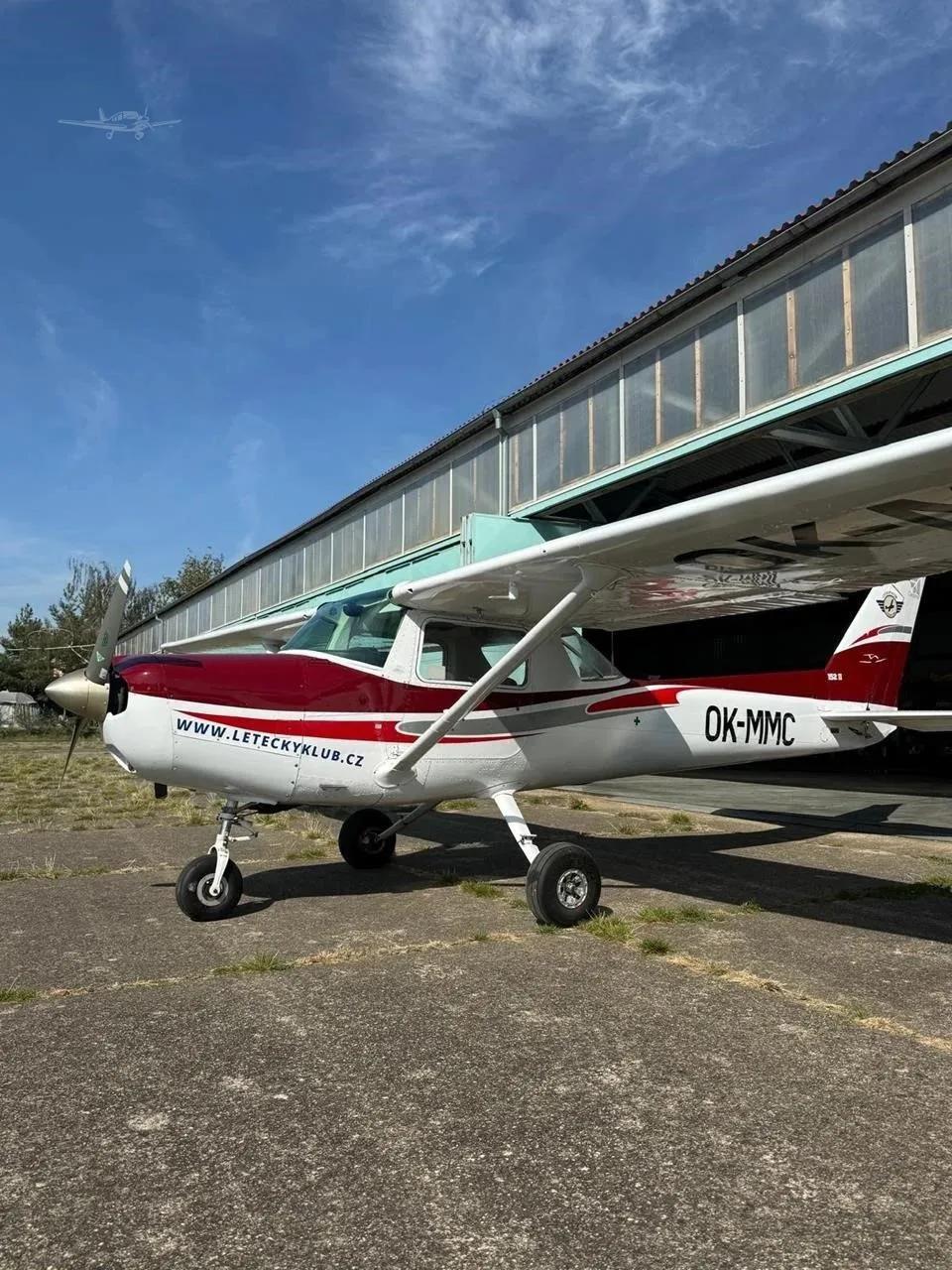
View all 27 for sale →Aircraft that this training manual covers, listed on the sites Sprinkle reads. Asking prices, not sales. Cessna 152 asking prices by year built.


Also useful for the Cessna 152 Aerobat
From Sprinkle’s library of aircraft documents. PDFs open from Sprinkle’s own files. Read Feb 12, 2026.
Want this document taken down? Request removal