Cessna 152 Aerobat Model Guide
Cessna 152 Aerobat · Model Guide
Overview
The Cessna 152 Aerobat (Model A152) is a two-seat, single-engine piston trainer built from 1978 to 1985 and certificated for aerobatics. The 1978 handbook lists a 110 BHP Lycoming O-235-L2C, a 1670 lb maximum weight, a 545 lb useful load and a 106 knot cruise at 75% power at 8000 ft.
- Two seats, 110 BHP, 1670 lbs maximum weight. The 1978 handbook lists a 545 lb useful load and a 120 lb baggage limit.
- Performance is modest: 715 fpm climb at sea level and a 14,700 ft service ceiling. A veteran instructor calls climb rate the major setback at high density altitude.
- Extra structure (doublers, rivets) makes the Aerobat about 16 lbs heavier empty than a standard 150/152.
- Usable fuel is 24.5 gal with standard tanks or 37.5 gal with long-range tanks. Confirm which tanks the airplane has.
Summary written by AI from the source document. Check the original before relying on it. See which parts of Sprinkle are written by AI.
Reference only, not for flight. Use the current approved manual for your aircraft. See terms, section 5.
Document
Source
Copy found at sprinkle.com. Sprinkle hosts a reference copy with an added summary, specifications and searchable full text.
Document details
- Type ·
- Model Guide
- Year ·
- 2026
- File size ·
- 51 KB
- Copy found at ·
- sprinkle.com
Specifications & performance
Extracted from this document.
Specifications
- Engine power (hp) ·
- 110
- Usable fuel standard (gal) ·
- 24.5
- Propeller diameter (in) ·
- 69
- Fuel capacity standard (gal) ·
- 26
- Usable fuel long range (gal) ·
- 37.5
- Fuel capacity long range (gal) ·
- 39
Performance
- Rate of climb (fpm) ·
- 715
- Service ceiling (ft) ·
- 14,700
- Landing over 50ft (ft) ·
- 1,200
- Takeoff over 50ft (ft) ·
- 1,340
- Landing ground roll (ft) ·
- 475
- Takeoff ground roll (ft) ·
- 725
- Max speed sea level (kt) ·
- 109
- Cruise speed 75pct 8000ft (kt) ·
- 106
V-speeds
- VA_KT ·
- 98
- VG_KT ·
- 65
- VX_KT ·
- 55
- VFE_KT ·
- 85
- VNE_KT ·
- 149
- VNO_KT ·
- 111
Weight & balance
- Max useful load (lb) ·
- 545
- Baggage allowance (lb) ·
- 120
- Max takeoff weight (lb) ·
- 1,670
- Standard empty weight (lb) ·
- 1,125
How much can the Cessna 152 Aerobat carry?
The 1978 handbook for the Cessna 152 Aerobat lists a 1670 lb maximum weight, a 1125 lb standard empty weight, a 545 lb useful load and a 120 lb baggage allowance. Check the weight and balance of the actual airplane.
What engine does it have?
The Cessna 152 Aerobat has a Lycoming O-235-L2C rated at 110 BHP at 2550 RPM. It turns a fixed-pitch 69 inch propeller. The type acceptance report also lists the O-235-N2C as an option.
How does it climb in hot weather?
The Cessna 152 Aerobat climbs at 715 fpm at sea level in the handbook. An instructor calls climb rate its major setback at high density altitude. He says the 110 hp 152 does noticeably better than the 100 hp 150 on hot days.
What is the Cessna 152 Aerobat Model Guide?
The Cessna 152 Aerobat Model Guide is a model guide for the Cessna 152 Aerobat, dated 2026.
What year was the Cessna 152 Aerobat Model Guide published?
The Cessna 152 Aerobat Model Guide — the Cessna 152 Aerobat model guide on file — is dated 2026.
Common. More common than 99% of the aircraft models we track.
Most owners only have the POH. Here's the essential set for the Cessna 152 Aerobat.
- Pilot's Operating Handbook / AFM
- Checklist
- Maintenance Manual
- Parts Catalog (IPC)
- Systems & Wiring
- Service Bulletins on file
- Type Certificate (TCDS)
Cessna 152 Aerobat for sale now
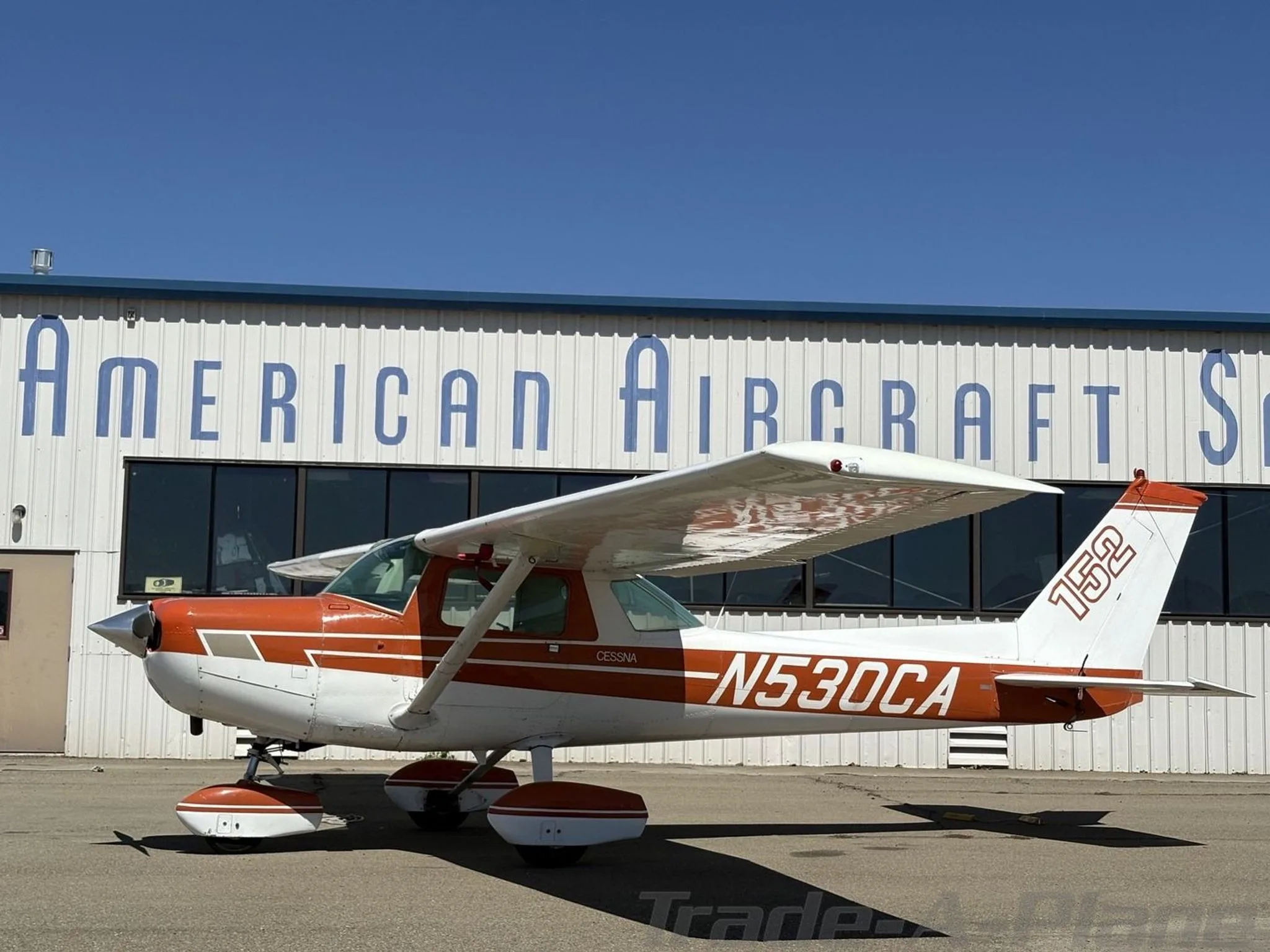
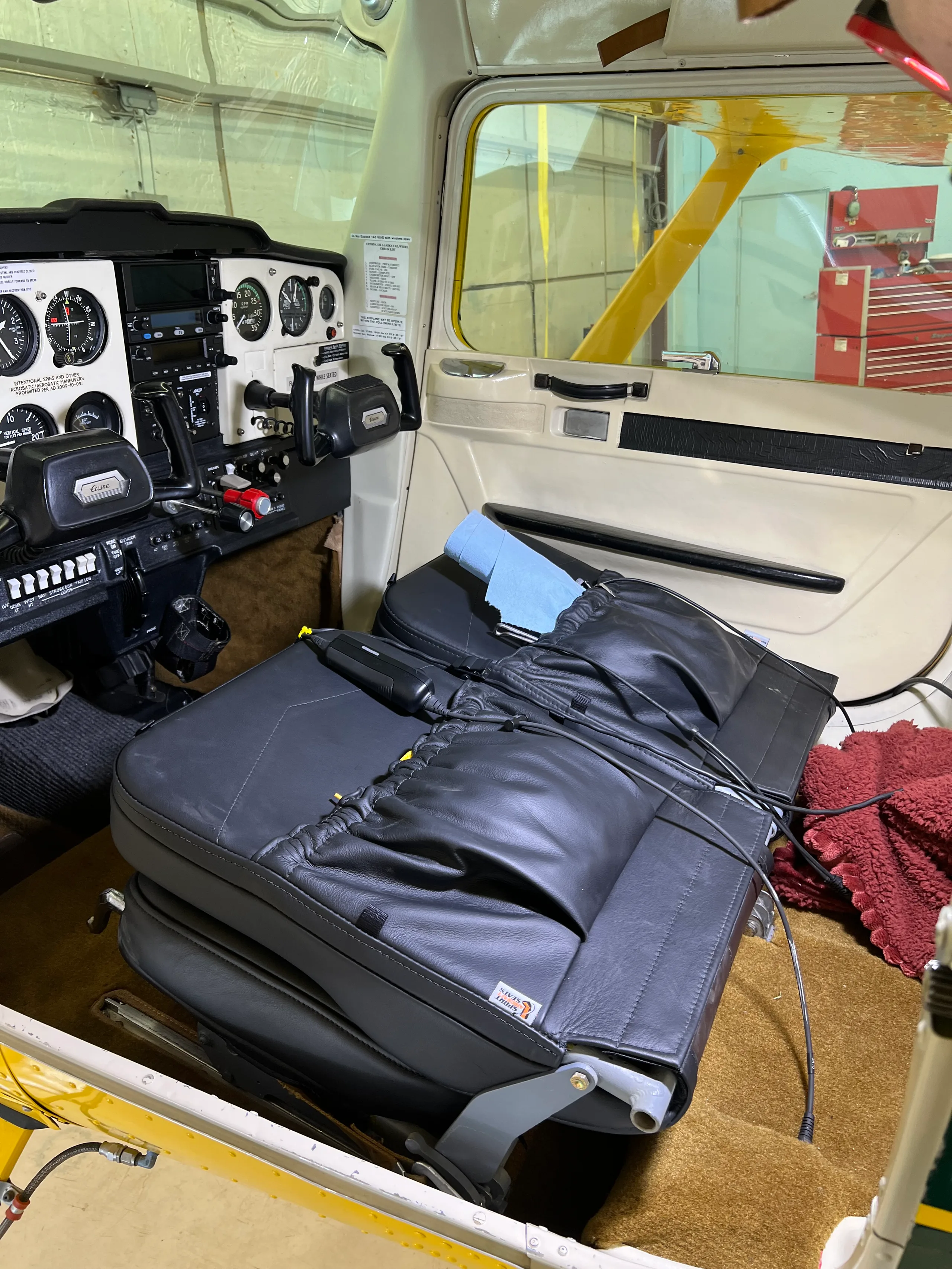
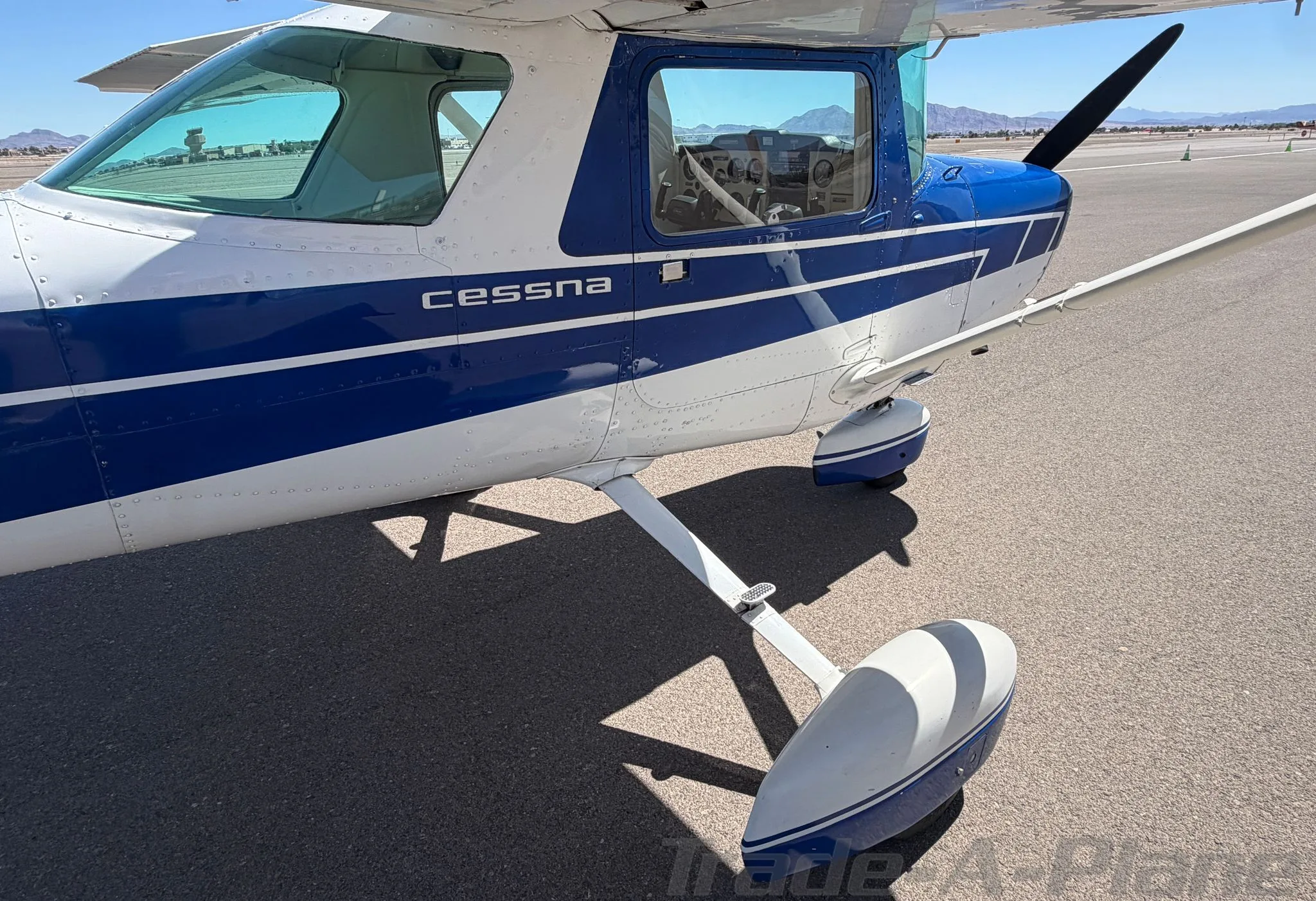
Free — save the 152 to your watchlist and track it in one place.
More Cessna 152 Aerobatmanuals & documents
See all 24 →- The Student Pilot’s Flight Manual: From First Flight to Pilot CertificateFlight Manual
- CESSNA 152 NORMAL & EMERGENCY PROCEDURES CHECKLISTChecklist
- Cessna C-152 ChecklistChecklist
- CESSNA 152 PROCEDURES MANUALTraining Manual
- Type Acceptance Report TAR 98/08 – Cessna 150/152Maintenance Manual
- AAIB Bulletin 9/2017Service Bulletins
- The Basic Aerobatic Manual: With Spin and Upset Recovery TechniquesPilot's Operating Handbook
- AIRWORTHINESS BULLETIN Cessna 150/152 Series Aircraft Horizontal Stabiliser Spar CrackingService Bulletins
- AAIB Bulletin: 9/2010Service Bulletins
- Investigation of Factors Affecting Loss of Control of GA AircraftOther Documents
- AAIB Bulletin No: 12/2003Service Bulletins
- Aerobatic Training SyllabusAirworthiness Directives
Related documents
If you fly the Cessna 152 Aerobat, you may also be researching these.



In this document
Performance (1978 A152 handbook)
Maximum speed is 109 knots at sea level and cruise is 106 knots at 75% power at 8000 ft. These figures assume optional speed fairings, which add about 2 knots. Takeoff takes 725 ft ground roll and 1340 ft over a 50-ft obstacle. Landing takes 475 ft ground roll and 1200 ft over a 50-ft obstacle. Power-off stall is 48 knots flaps up and 43 knots flaps down (CAS).
Aerobatic use
The Aerobat carries added structure, with larger wing struts and thicker skin in many areas. An instructor with about 2,500 hours in it says its roll and pitch rates are similar to other general aviation airplanes. The reverse Cuban 8 is approved, entered at 100 knots. The split-S was left out of the training manual because the pilot may exceed the redline. The control wheel must turn 90 degrees for full aileron.
Airworthiness and modifications
The 152 and A152 are covered by FAA Type Certificate 3A19, with a Lycoming O-235-L2C or -N2C engine. Airworthiness Bulletin AWB 51-003 covers cracking of the fin attach bracket and horizontal stabiliser spar on all 150, 152 and A152 aircraft. A tailwheel conversion STC kit is advertised at 40 to 55 hours of installation. Ask for records of any such modification.
Summary written by AI from the source document. Check the original before relying on it. See which parts of Sprinkle are written by AI.
Safety notes
- Ask for AD/CESSNA 150/31 Amendment 4 inspection records. Spar cracks are hidden from view, and seven incidents of cracking are reported in the type's history.
- Stay within approved maneuvers. The split-S was excluded from the training manual because the pilot may exceed the redline if the airplane is not slowed enough.
- The V-speeds shown come from a club checklist that is not authoritative. Verify them against the airplane's own handbook.
Summary written by AI from the source document. Check the original before relying on it. See which parts of Sprinkle are written by AI.
Full document text
Cessna 152 Aerobat Model Guide The Cessna 152 Aerobat (Model A152) is a two-seat, single-engine piston trainer built from 1978 to 1985 and certificated for aerobatics. The 1978 handbook lists a 110 BHP Lycoming O-235-L2C, a 1670 lb maximum weight, a 545 lb useful load and a 106 knot cruise at 75% power at 8000 ft. • Two seats, 110 BHP, 1670 lbs maximum weight. The 1978 handbook lists a 545 lb useful load and a 120 lb baggage limit. • Performance is modest: 715 fpm climb at sea level and a 14,700 ft service ceiling. A veteran instructor calls climb rate the major setback at high density altitude. • Extra structure (doublers, rivets) makes the Aerobat about 16 lbs heavier empty than a standard 150/152. • Usable fuel is 24.5 gal with standard tanks or 37.5 gal with long-range tanks. Confirm which tanks the airplane has. Performance (1978 A152 handbook) Maximum speed is 109 knots at sea level and cruise is 106 knots at 75% power at 8000 ft. These figures assume optional speed fairings, which add about 2 knots. Takeoff takes 725 ft ground roll and 1340 ft over a 50-ft obstacle. Landing takes 475 ft ground roll and 1200 ft over a 50-ft obstacle. Power-off stall is 48 knots flaps up and 43 knots flaps down (CAS). Aerobatic use The Aerobat carries added structure, with larger wing struts and thicker skin in many areas. An instructor with about 2,500 hours in it says its roll and pitch rates are similar to other general aviation airplanes. The reverse Cuban 8 is approved, entered at 100 knots. The split-S was left out of the training manual because the pilot may exceed the redline. The control wheel must turn 90 degrees for full aileron. Airworthiness and modifications The 152 and A152 are covered by FAA Type Certificate 3A19, with a Lycoming O-235-L2C or -N2C engine. Airworthiness Bulletin AWB 51-003 covers cracking of the fin attach bracket and horizontal stabiliser spar on all 150, 152 and A152 aircraft. A tailwheel conversion STC kit is advertised at 40 to 55 hours of installation. Ask for records of any such modification. Safety notes: • Ask for AD/CESSNA 150/31 Amendment 4 inspection records. Spar cracks are hidden from view, and seven incidents of cracking are reported in the type's history. • Stay within approved maneuvers. The split-S was excluded from the training manual because the pilot may exceed the redline if the airplane is not slowed enough. • The V-speeds shown come from a club checklist that is not authoritative. Verify them against the airplane's own handbook.