
Emergency Procedures - Cessna 172 M
Emergency Procedures for the Cessna 172M Skyhawk
PDF, 1 page, 64 KB, from Sprinkle’s own files.
What it covers
This document outlines emergency procedures for the Cessna 172M, providing pilots with critical actions to take in various emergency situations. It covers scenarios such as electrical fires, power loss in flight, engine fires, and carburetor icing. Each section details step-by-step instructions to ensure safety and effective management of emergencies. The procedures emphasize the importance of maintaining control of the aircraft while addressing the emergency, including communication protocols and landing strategies. This manual serves as a vital reference for pilots operating the Cessna 172M, ensuring they are prepared for unexpected situations during flight.
Key points
- Electrical fire procedures include turning off avionics and using a fire extinguisher if needed.
- In case of power loss, locate the best landing area and manage cabin heat and carb heat.
- For engine fires, set mixture to idle cut-off and turn off fuel selector and master switch.
- Power loss after takeoff requires landing straight ahead if below 1,000 feet AGL.
- Maintain best glide speed of 80 MPH during emergencies.
Main sections
Electrical Fire in Flight
In the event of an electrical fire, pilots should turn off the avionics, autopilot, and master switch while leaving the engine running. The focus should be on flying the aircraft and ensuring cabin vents are closed. If necessary, use a fire extinguisher and check circuit breakers for any popped breakers. After the fire or smoke is out, open the vents and switch on critical equipment one at a time.
Power Loss in Flight
If experiencing power loss, pilots should continue to crank the engine for a few seconds, then turn off the master and magnetos, and set the fuel selector to off. It is crucial to locate the best landing area and fly towards it while managing cabin heat and carburetor heat as needed. If a restart is not possible, prepare for a landing.
Engine Fire in Flight
In case of an engine fire, the mixture should be set to idle cut-off, and the fuel selector turned off. The master switch and magnetos should also be turned off, and cabin vents and heat closed. Pilots should then locate the best landing area.
Power Loss After Takeoff
If power loss occurs after takeoff, pilots should aim to land straight ahead if below 1,000 feet AGL. If above 1,000 feet, best glide speed is 80 MPH, and a 180-degree turn into the wind may be attempted if conditions allow.
Carburetor Icing
In the case of carburetor icing, maintain best glide to the target landing site while applying carb heat. The mixture should be set to out and idle cut-off, and the throttle fully open.
Safety notes
- Always communicate emergencies if time allows.
- Ensure cabin vents are closed during electrical fires and engine fires.
- Monitor icing conditions and use partial carb heat as necessary.
The document’s text
Show the text read from the PDF
EMERGENCY PROCEDURES - CESSNA 172 M ELECTRICAL FIRE IN FLIGHT - AVIONICS / AUTOPILOT / MASTER OFF - (LEAVE MAGS ON) - ENGINE RUNNING FLY THE PLANE - AVIATE - NAVIGATE - COMMUNICATE - CABIN VENTS CLOSED - FIRE EXTINGUISHER IF REQUIRED - THROTTLE CLOSED , MAX BRAKING, FUEL OFF - CHECK CKT BREAKER FOR POPPED BREAKER - ELECTRICAL OFF DO NOT RESET - MASTER ON - TURN ON CRITICAL EQUIPMENT - ONE AT A TIME - VENTS OPEN AFTER FIRE/SMOKE OUT - FUEL SELECTOR-OTHER TANK / MIXTURE CHK-SET - CARB HEAT / MAGS CHK ENGINE FIRE DURING START - LAND - CONTINUE TO CRANK A FEW SECONDS - TRY RESTART - ABOVE - SHUT DOWN AND INSPECT - COMMUNICATE EMERGENCY IF TIME - THROTTLE - FULL OPEN POWER LOSS IN FLIGHT - CONTINUE TO CRANK A FEW SECONDS - MASTER / MAGS OFF - FUEL SELECTOR - OFF - EVACUATE / USE FIRE EXTINGUISHER - NOTE WIND DIRECTION / SPEED ICING - LOCATE BEST LANDING AREA - TARGET SPOT - FLY TO TARGET - LANDING SITE - PITOT HEAT ON - CHECK FUEL /ENGINE GAUGES - CABIN HEAT / DEFROSTER ON MAX - CARB HEAT - ON - THROTTLE - CRACKED FOR START DESCEND TO NON-ICING CONDITIONS - MIXTURE - CHECK / SET - MAXIMUM POWER SETTING / MAX PROP SPEED - FUEL SELECTOR - BOTH - CARB HEAT AS NECESSARY - MAGS - ALL POSITIONS - FLAPS NOT RECOMMENDED - PRIMER - IN and LOCKED - LAND IF NECESSARY - FASTER THAN NORMAL NO RESTART - PREPARE TO LAND CARBURATOR ICING - CONTINUE BEST GLIDE TO TARGET - LANDING SITE - CARB HEAT ON - MIXTURE - OUT - IDLE CUT-OFF - THROTTLE - FULL OPEN - FUEL SELECTOR -OFF - SQUAWK 7700 - MAYDAY (TWR, APPR, UNICOM, OR 121.5) - WHEN LANDING SITE IS SECURED - STORE AWAY LOOSE ARTICLES - MAGS - OFF / AVIONICS / ALT. / MASTER OFF - CRACK DOORS AJAR - PROTECT BODY FOR LANDING ENGINE FIRE IN FLIGHT STANDARD PLANE - MIXTURE - OUT - IDLE CUT-OFF - FUEL SELECTOR -OFF - MASTER / MAGS - OFF - CABIN VENTS / HEAT - CLOSED - LOCATE BEST LANDING AREA - TARGET SPOT POWER LOSS AFTER TAKE OFF NO RESTART TAKE OFF ROLL RWAY LEFT - LAND STRAIGHT AHEAD NO RUNWAY - BELOW ~ 1000 AGL - BEST GLIDE 80 MPH - TRIM - LAND STRAIGHT AHEAD OR 450 EITHER SIDE NO RUNWAY - ABOVE ~ 1000 AGL - BEST GLIDE 80 MPH - TRIM - IF STARTS - RUN A FEW MINUTESS - TURN INTO WIND IF ABLE AND DO 1800 TO RUNWAY - IF NO START - MIXTURE OUT/CUT-OFF, FUEL OFF - BEST GLIDE 80 MPH - TRIM - DO A 1800 TURN AROUND AND OR CLIMB / - MIXTURE - LEAN AS REQUIRED FOR SMOOTHE OPERATION AFTER CLEARING ICE, RETURN TO NORMAL OPERATION, THEN MONITOR ICING. IT MAY BE NECESSARY TO USE PARTIAL CARB HEAT IN SOME CONDITIONS. IF SO, LEAN AS REQUIRED FOR SMOOTHE OPERATION. - 70 MPH IAS FULL FLAPS IF ABLE Empty Weight 1448 Lbs. Max Useful Wt. 852 Lbs. Inc. max fuel @ 43 Gal Max Baggage Area 170 Lbs. (120 Area 1, 50 Area 2) Max Total Wt. 2300 Lbs. - PERFORM EMERGENCY DECENT 120 MPH Fuel Type: 100 LL (Lt. Blue) Useable Fuel: 40 Gal 20 ea. L / R Main. Oil Capacity: 6 Qts. (if filter 7) (min 4 Qts.) - INCREASE AIRSPEED / SLIP AS REQUIRED TO EXTINGUISH FIRE Electrical: 12 V / 60 amp alternator Tire Pressure: Nose - 26 Psi Main - 30 Psi -- 1 of 1 --
Read from the PDF by machine, so tables and diagrams come out rough. The PDF is the document.
More Cessna 172M Skyhawk documents
All 31 →- Emergency Procedures for the CESSNA 172M SKYHAWK
This document outlines the emergency procedures specific to the Cessna 172M Skyhawk. It is designed for pilots and flight crews to reference during flight operations, particularly in emergency situations. The procedures are critical for ensuring safety and effective response to various in-flight emergencies. The manual includes detailed steps for handling engine failures, electrical malfunctions, and other critical scenarios that may arise during flight. Pilots should familiarize themselves with these procedures to enhance their preparedness and response capabilities in emergencies.
- CESSNA 172M SKYHAWK Model Guide
The CESSNA 172M SKYHAWK is a single-engine piston, fixed-gear, high-wing four-place trainer and tourer. It has a 150 hp Lycoming O-320 engine (O-320-E2D in the handbooks) and a fixed-pitch propeller. The figures below are a library summary: 105 kt cruise, about 10 gph fuel burn, 600 nm range and a 2400 lb maximum takeoff weight. The library figures and the old factory manuals disagree in several places, including gross weight, climb and takeoff distance. Treat the numbers as a guide and confirm them against the POH and weight-and-balance records of the specific airplane you are considering.
- Supplemental Type Certificate
This document is a Supplemental Type Certificate (STC) issued for the installation of Rosen Sunvisor Systems cockpit sun visors in various Cessna aircraft models. It certifies that the design change meets the airworthiness requirements set forth by the FAA. The STC includes a list of approved aircraft models, limitations, and conditions for installation. The document is intended for aircraft owners, maintenance personnel, and operators who wish to install the sun visor system in their aircraft. It provides essential information regarding the installation process, maintenance requirements, and compliance with FAA regulations.
Supplemental Type Certificate · 2023PDF · 24 pages · 4.0 MB of Supplemental Type Certificate, opens in a new tabRequest removal of Supplemental Type Certificate - Cessna 172M N80168 Weight and Balance
This document provides the weight and balance information for the Cessna 172M aircraft, specifically for the serial number 17265986. It includes details about the maximum gross weight, center of gravity (CG) calculations, and the distribution of weight among various occupants and baggage areas. The document is intended for pilots and ground crew to ensure that the aircraft is loaded within safe limits before flight. It emphasizes the importance of calculating the takeoff weight and understanding the implications of weight distribution on aircraft performance.
- Cessna 172 M/N Checklist
This document is a checklist for the Cessna 172M and 172N models, specifically tailored for pilots operating these aircraft. It provides a comprehensive guide for preflight, engine start, taxi, takeoff, landing, and emergency procedures. The checklist is designed to ensure that pilots follow standard operating procedures to maintain safety and efficiency during flight operations. It includes critical information such as passenger briefings, fluid checks, and emergency procedures, making it an essential tool for both training and operational flights.
- Cessna 172M Skyhawk Parts Catalog
This document provides Instructions for Continued Airworthiness (ICA) specifically for the installation and maintenance of a replacement tail tie-down on various Textron aircraft, including the Cessna 210 series. It supplements existing aircraft service manuals and outlines the necessary procedures, inspections, and modifications required to ensure the airworthiness of the tail tie-down installation. The document is intended for aircraft maintenance personnel and operators, emphasizing the importance of integrating this ICA into the aircraft's maintenance program. It includes detailed references to applicable aircraft models, modification instructions, and inspection requirements to maintain compliance with FAA regulations.
- AAIB Bulletin: 4/2019
This document is an AAIB Bulletin detailing an accident involving a Cessna 172M Skyhawk II, registration N9085H. The bulletin provides a comprehensive investigation into the circumstances surrounding the accident, which occurred shortly after takeoff when the aircraft exhibited a tendency to pitch nose down despite the pilot's attempts to correct it. The investigation revealed that the elevator trim system had been rigged incorrectly during maintenance, leading to the trim tab moving in the opposite direction to the pilot's inputs. The bulletin emphasizes the importance of proper maintenance procedures and inspections, particularly for flight-critical systems, to prevent similar incidents in the future.
- C172M Manual
This manual serves as a comprehensive reference for the Cessna 172M aircraft, specifically for the models N1840V and N22905. It includes essential information about operating limitations, performance specifications, and various avionics systems installed in the aircraft. The manual is designed for pilots and aviation enthusiasts, providing detailed insights into the aircraft's systems, including fuel, electrical, and avionics. It also addresses modifications and upgrades made to the aircraft, emphasizing the importance of referring to original documents for accurate operational data. The manual is not intended as a replacement for the original owner's manual but serves as a quick reference guide for operational procedures and specifications.
Cessna 172 for sale now
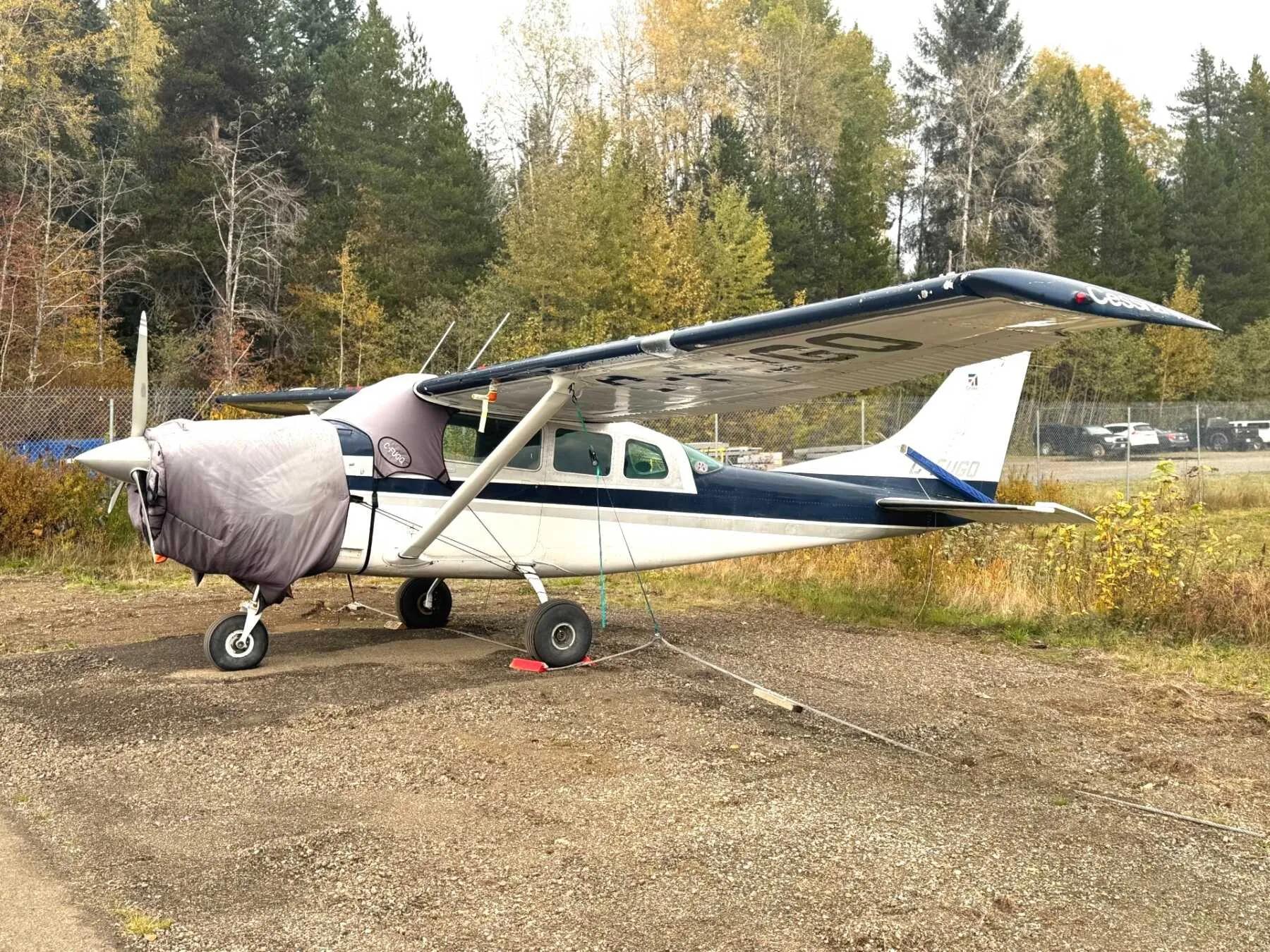
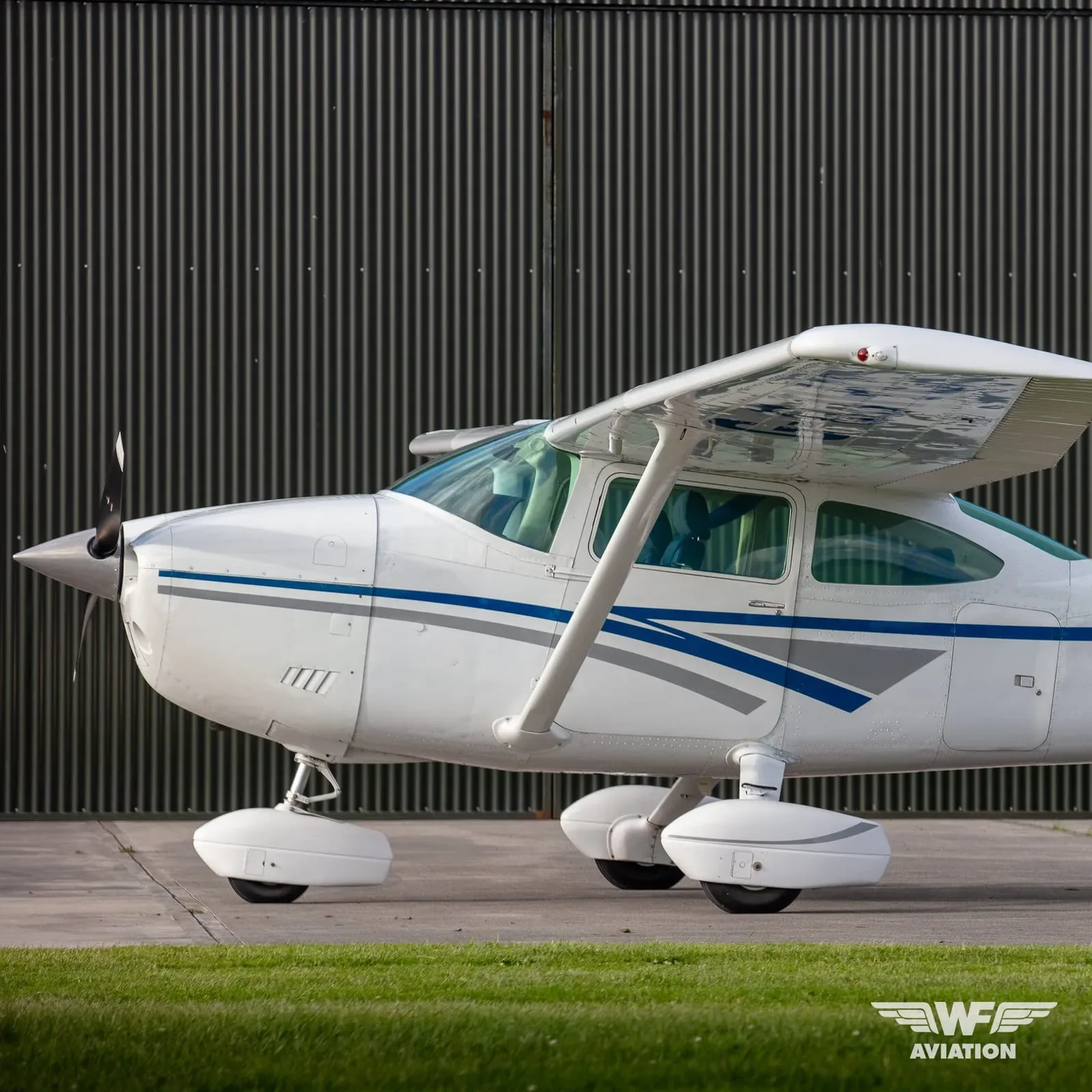
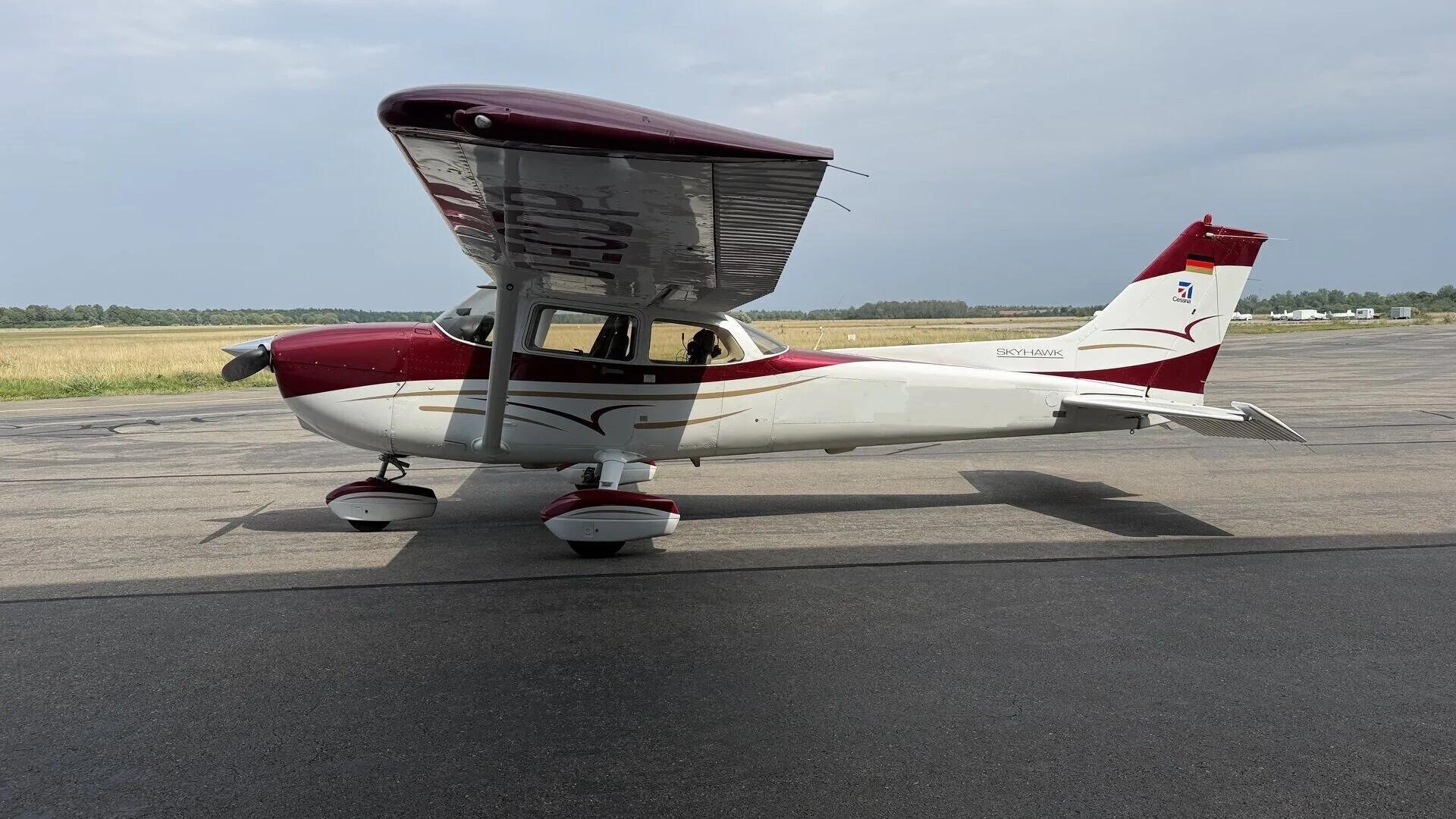
View all 183 for sale →Aircraft that this emergency procedures covers, listed on the sites Sprinkle reads. Asking prices, not sales. Cessna 172 asking prices by year built.
Also useful for the Cessna 172M Skyhawk
From Sprinkle’s library of aircraft documents. PDFs open from Sprinkle’s own files. Read Apr 15, 2026.
Want this document taken down? Request removal