CESSNA 172M SKYHAWK Model Guide
CESSNA 172M SKYHAWK · Model Guide
Overview
The CESSNA 172M SKYHAWK is a single-engine piston, fixed-gear, high-wing four-place trainer and tourer. It has a 150 hp Lycoming O-320 engine (O-320-E2D in the handbooks) and a fixed-pitch propeller. The figures below are a library summary: 105 kt cruise, about 10 gph fuel burn, 600 nm range and a 2400 lb maximum takeoff weight. The library figures and the old factory manuals disagree in several places, including gross weight, climb and takeoff distance. Treat the numbers as a guide and confirm them against the POH and weight-and-balance records of the specific airplane you are considering.
- The CESSNA 172M SKYHAWK has a 150 hp Lycoming O-320 and a library cruise of 105 kt at about 10 gph. The library range is 600 nm and the usable fuel is 40 gal.
- Weights differ by source. The library and a flight-school data sheet give 2400 lb maximum takeoff weight. The 1974 and 1975 owner's manuals list 2300 lbs gross weight. Check which applies to the airplane you are buying.
- Individual airplanes vary. Three school airplanes show basic empty weights of 1481.1, 1482.9 and 1489.7 lbs, against 1550 lbs in the library. Use the airplane's own weighing.
- Check the logbooks for STCs. One example is an electronic ignition that replaces the right magneto and changes the magneto check procedure.
- Published V-speeds differ between sources (for example Vne 163 vs 158 kt). Use the POH for the specific airplane.
Summary written by AI from the source document. Check the original before relying on it. See which parts of Sprinkle are written by AI.
Reference only, not for flight. Use the current approved manual for your aircraft. See terms, section 5.
Document
Source
Copy found at sprinkle.com. Sprinkle hosts a reference copy with an added summary, specifications and searchable full text.
Document details
- Type ·
- Model Guide
- Year ·
- 2026
- File size ·
- 52 KB
- Copy found at ·
- sprinkle.com
Specifications & performance
Extracted from this document.
Specifications
- Engine (hp) ·
- 150
- Height (ft) ·
- 8
- Length (ft) ·
- 27
- Propeller ·
- McCauley 1A170/DM
- Wingspan (ft) ·
- 36
- Engine model ·
- Lycoming O-320
- Empty weight (lb) ·
- 1,550
- Fuel capacity (gal) ·
- 40
- Max takeoff weight (lb) ·
- 2,400
Performance
- Range (nm) ·
- 600
- Fuel burn (gph) ·
- 10
- Max speed (kt) ·
- 120
- Cruise speed (kt) ·
- 105
- Landing over 50ft ·
- 1,500
- Max crosswind (kt) ·
- 15
- Rate of climb (fpm) ·
- 730
- Takeoff over 50ft ·
- 2,000
- Service ceiling (ft) ·
- 14,000
- Landing distance (ft) ·
- 1,200
- Takeoff distance (ft) ·
- 1,500
V-speeds
- VA_KTS ·
- 105
- VR_KTS ·
- 55
- VX_KTS ·
- 62
- VY_KTS ·
- 74
- VFE_KTS ·
- 85
- VNE_KTS ·
- 163
- VNO_KTS ·
- 125
- VS1_KTS ·
- 50
- VSO_KTS ·
- 40
- VREF_KTS ·
- 65
- BEST_GLIDE_SPEED_KTS ·
- 65
Weight & balance
- Useful load (lb) ·
- 850
- Cg range max (in) ·
- 40
- Cg range min (in) ·
- 34
- Max ramp weight (lb) ·
- 2,400
- Baggage allowance (lb) ·
- 200
- Basic empty weight (lb) ·
- 1,550
- Max landing weight (lb) ·
- 2,400
- Max takeoff weight (lb) ·
- 2,400
How much does the CESSNA 172M SKYHAWK weigh and carry?
The library lists the CESSNA 172M SKYHAWK at 2400 lbs maximum takeoff weight, 1550 lbs basic empty weight and 850 lbs useful load. The 1974 and 1975 owner's manuals show 2300 lbs gross weight, so confirm the figure for the airplane you are buying.
What fuel capacity does the CESSNA 172M SKYHAWK have?
A school data sheet lists 43.0 gal total and 40.0 gal usable. The 1975 owner's manual lists 42 gal standard tanks and 52 gal optional long-range tanks. Fuel burn is about 10 gph in the library.
Does the CESSNA 172M SKYHAWK have a certified electronic ignition option?
Some airplanes carry an ElectroAir Electronic Ignition System STC. It replaces the right magneto and changes the magneto check procedure. Look for it in the logbooks and make sure the STC paperwork is with the airplane.
What is the CESSNA 172M SKYHAWK Model Guide?
The CESSNA 172M SKYHAWK Model Guide is a model guide for the CESSNA 172M SKYHAWK, dated 2026.
What year was the CESSNA 172M SKYHAWK Model Guide published?
The CESSNA 172M SKYHAWK Model Guide — the CESSNA 172M SKYHAWK model guide on file — is dated 2026.
Common. One of the most common aircraft types we track.
Most owners only have the POH. Here's the essential set for the CESSNA 172M SKYHAWK.
- Pilot's Operating Handbook / AFM
- Checklist
- Maintenance Manual
- Parts Catalog (IPC)
- Systems & Wiring
- Service Bulletins on file
- Type Certificate (TCDS)
CESSNA 172M SKYHAWK for sale now
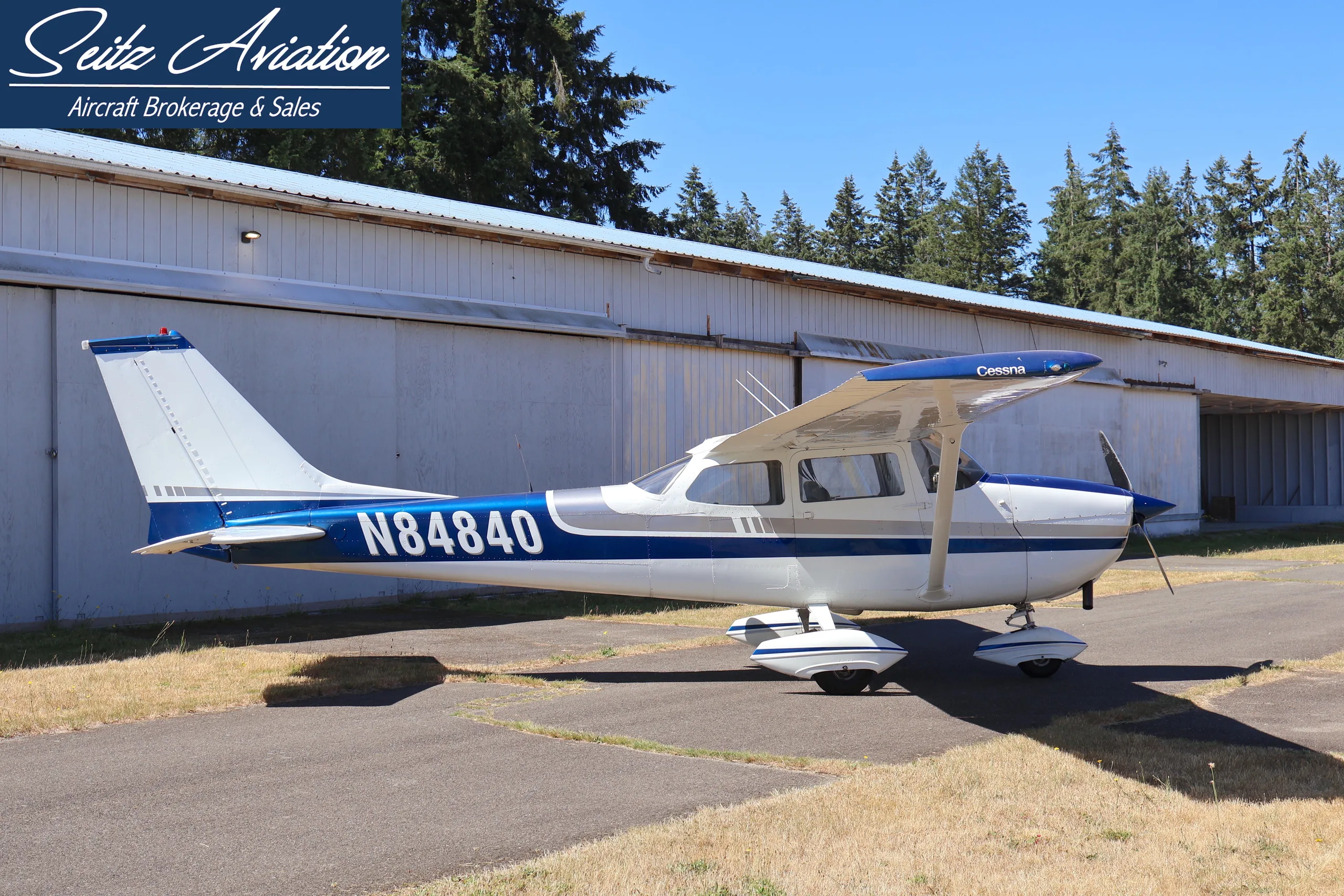
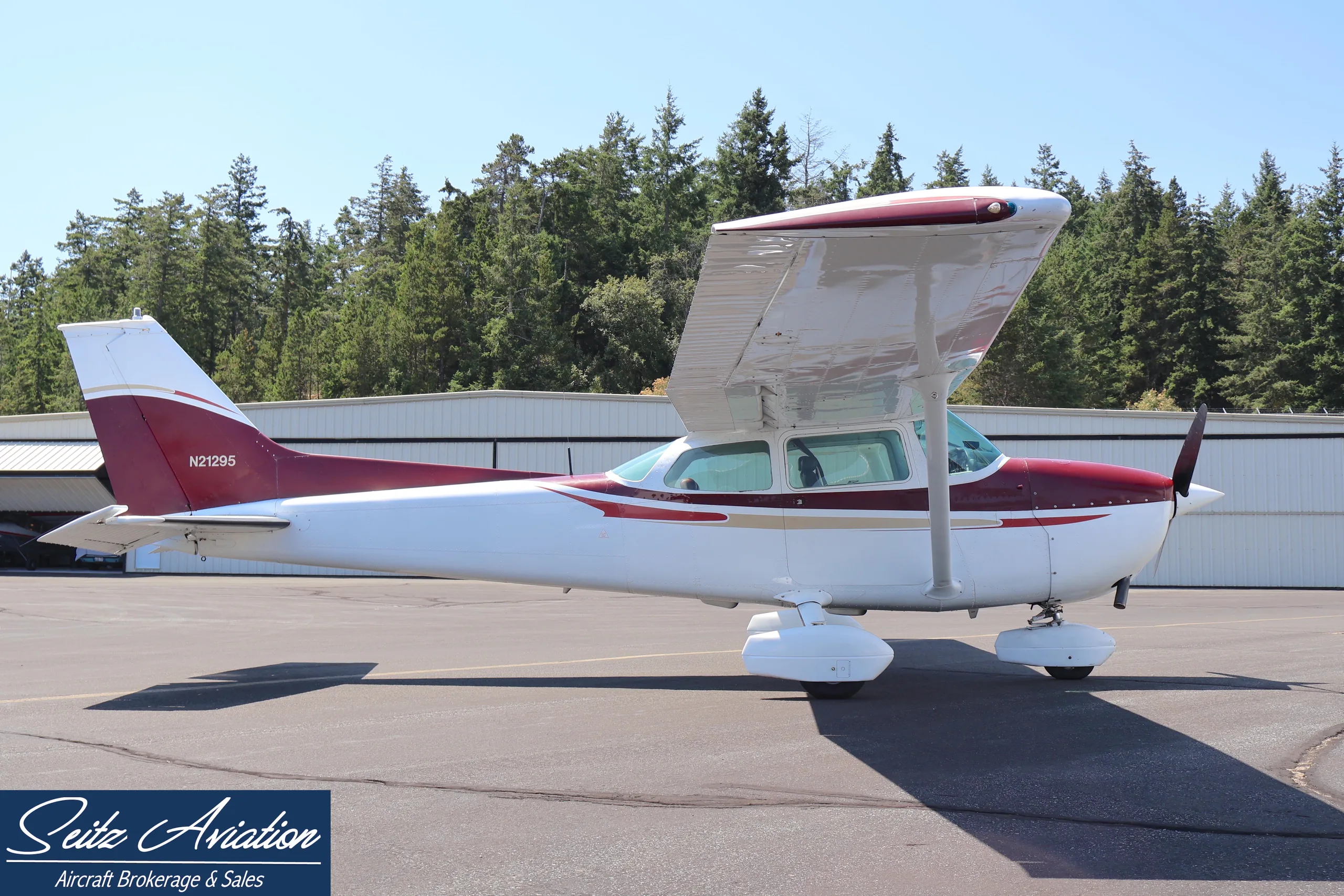
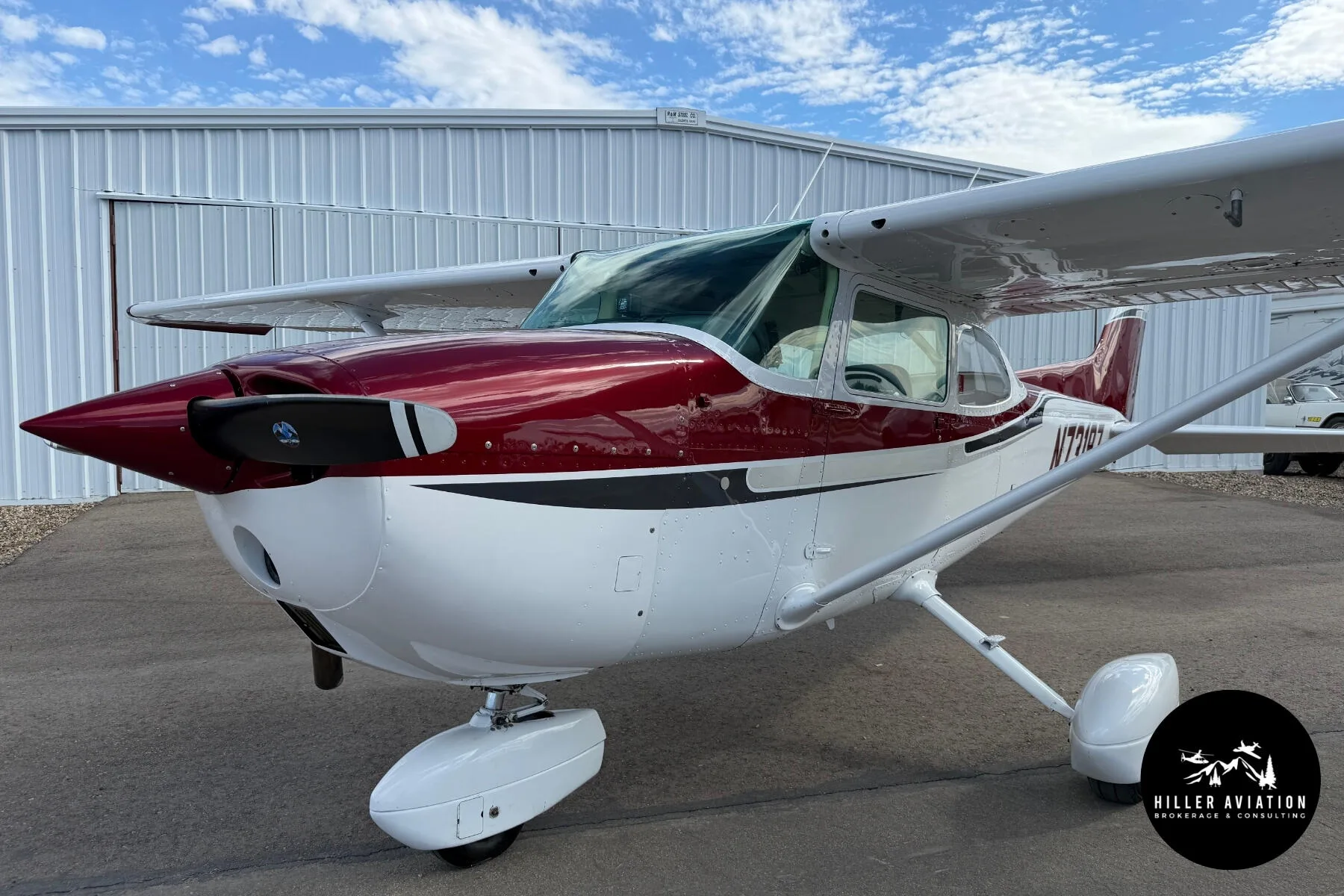
Free — save the 172 to your watchlist and track it in one place.
More CESSNA 172M SKYHAWKmanuals & documents
See all 30 →- Supplemental Type CertificateSupplemental Type Certificate
- Cessna 172M N80168 Weight and BalanceWeight & Balance
- Cessna 172 M/N ChecklistChecklist
- CESSNA 172M SKYHAWK Parts CatalogParts Catalog
- C172M MANUALAvionics Manual
- AAIB Bulletin: 4/2019Maintenance Manual
- CESSNA 172 TRAINING MANUALTraining Manual
- Data Sheet - Cessna 172Specifications
- AVIATION INVESTIGATION REPORT A06Q0157 ENGINE FAILURE CESSNA 172M C-FFRVService Bulletins
- PILOT'S OPERATING HANDBOOK Cessna 1976 Skyhawk CESSNA MODEL 172MPilot's Operating Handbook
- Cessna 172M Pilot's Operating HandbookPilot's Operating Handbook
- EMERGENCY PROCEDURES - CESSNA 172 MEmergency Procedures
Related documents
- CESSNA 172N SKYHAWK Model GuideCESSNA 172N SKYHAWK · Model Guide
- CESSNA 172P SKYHAWK Model GuideCESSNA 172P SKYHAWK · Model Guide
- CESSNA 172L SKYHAWK Model GuideCESSNA 172L SKYHAWK · Model Guide
- CESSNA 172E SKYHAWK Model GuideCESSNA 172E SKYHAWK · Model Guide
- CESSNA 172S Skyhawk Model GuideCESSNA 172S Skyhawk · Model Guide
If you fly the CESSNA 172M SKYHAWK, you may also be researching these.


In this document
What it carries
The library lists 2400 lbs maximum takeoff, ramp and landing weight, 1550 lbs basic empty weight and 850 lbs useful load. It lists a 200 lb baggage allowance and a CG range of 34 to 40 inches. A school data sheet lists normal-category limits of 2400 lbs takeoff and landing and 2407 lbs ramp, with baggage of 120 lbs in Area 1 and 50 lbs in Area 2. The utility category is 2100 lbs takeoff and landing. The 1974 and 1975 owner's manuals show 2300 lbs gross weight and 120 lbs baggage. Their useful loads run from 890 to 1000 lbs depending on trim level. Fuel is 40 gal usable (43.0 gal total) per the data sheet. The 1975 manual lists 42 gal standard tanks and 52 gal optional long-range tanks.
How it performs
Library figures: 105 kt cruise, 120 kt maximum speed, 730 fpm climb, 14000 ft service ceiling, 600 nm range and 10 gph fuel burn. Library takeoff is 1500 ft ground and 2000 ft over a 50 ft obstacle. Library landing is 1200 ft ground and 1500 ft over a 50 ft obstacle. The 1974 and 1975 owner's manuals are more conservative: 144 mph top speed, 138 mph cruise at 75% power, 645 fpm climb and a 13,100 ft ceiling. Their takeoff ground run is 865 ft (885 ft in one copy) and 1525 ft over 50 ft. Their landing roll is 520 ft and 1250 ft over 50 ft. The demonstrated crosswind component is 15 kt. Plan with the POH numbers for the specific airplane.
What to check before buying
Confirm the engine and propeller against the paperwork. The handbooks list a Lycoming O-320-E2D rated 150 hp at 2700 RPM. The 1976 POH lists a McCauley 1C160/DTM7553 propeller, while the library lists a McCauley 1A170/DM. One school data sheet describes a 160 BHP O-320, so installed equipment varies. Review the logbooks for STCs. An ElectroAir electronic ignition STC replaces the right magneto, adds an EIS circuit breaker switch and changes the magneto check. That check is run at 1,700 RPM with a maximum drop of 125 RPM, and the EIS side may show little or no drop. Also verify the current weight and balance, the equipment list and the fuel tank configuration.
Safety notes
- Engine failure after takeoff per the handbook: 65 KIAS flaps up or 60 KIAS flaps down, then mixture idle cut-off, fuel selector off and ignition off.
- Engine failure in flight: 65 KIAS, carburetor heat on, fuel selector both, mixture rich, ignition both and primer in and locked. The handbook includes a carburetor icing procedure.
- If an electronic ignition STC is fitted, a dead or weak battery can stop the EIS from operating, and the engine start must be aborted. Treat extremely rough running per the STC checklist.
- Do not rely on one speed or weight table. The sources differ, so use the POH and weight-and-balance data for the specific airplane.
Full document text
CESSNA 172M SKYHAWK Model Guide The CESSNA 172M SKYHAWK is a single-engine piston, fixed-gear, high-wing four-place trainer and tourer. It has a 150 hp Lycoming O-320 engine (O-320-E2D in the handbooks) and a fixed-pitch propeller. The figures below are a library summary: 105 kt cruise, about 10 gph fuel burn, 600 nm range and a 2400 lb maximum takeoff weight. The library figures and the old factory manuals disagree in several places, including gross weight, climb and takeoff distance. Treat the numbers as a guide and confirm them against the POH and weight-and-balance records of the specific airplane you are considering. • The CESSNA 172M SKYHAWK has a 150 hp Lycoming O-320 and a library cruise of 105 kt at about 10 gph. The library range is 600 nm and the usable fuel is 40 gal. • Weights differ by source. The library and a flight-school data sheet give 2400 lb maximum takeoff weight. The 1974 and 1975 owner's manuals list 2300 lbs gross weight. Check which applies to the airplane you are buying. • Individual airplanes vary. Three school airplanes show basic empty weights of 1481.1, 1482.9 and 1489.7 lbs, against 1550 lbs in the library. Use the airplane's own weighing. • Check the logbooks for STCs. One example is an electronic ignition that replaces the right magneto and changes the magneto check procedure. • Published V-speeds differ between sources (for example Vne 163 vs 158 kt). Use the POH for the specific airplane. What it carries The library lists 2400 lbs maximum takeoff, ramp and landing weight, 1550 lbs basic empty weight and 850 lbs useful load. It lists a 200 lb baggage allowance and a CG range of 34 to 40 inches. A school data sheet lists normal-category limits of 2400 lbs takeoff and landing and 2407 lbs ramp, with baggage of 120 lbs in Area 1 and 50 lbs in Area 2. The utility category is 2100 lbs takeoff and landing. The 1974 and 1975 owner's manuals show 2300 lbs gross weight and 120 lbs baggage. Their useful loads run from 890 to 1000 lbs depending on trim level. Fuel is 40 gal usable (43.0 gal total) per the data sheet. The 1975 manual lists 42 gal standard tanks and 52 gal optional long-range tanks. How it performs Library figures: 105 kt cruise, 120 kt maximum speed, 730 fpm climb, 14000 ft service ceiling, 600 nm range and 10 gph fuel burn. Library takeoff is 1500 ft ground and 2000 ft over a 50 ft obstacle. Library landing is 1200 ft ground and 1500 ft over a 50 ft obstacle. The 1974 and 1975 owner's manuals are more conservative: 144 mph top speed, 138 mph cruise at 75% power, 645 fpm climb and a 13,100 ft ceiling. Their takeoff ground run is 865 ft (885 ft in one copy) and 1525 ft over 50 ft. Their landing roll is 520 ft and 1250 ft over 50 ft. The demonstrated crosswind component is 15 kt. Plan with the POH numbers for the specific airplane. What to check before buying Confirm the engine and propeller against the paperwork. The handbooks list a Lycoming O-320-E2D rated 150 hp at 2700 RPM. The 1976 POH lists a McCauley 1C160/DTM7553 propeller, while the library lists a McCauley 1A170/DM. One school data sheet describes a 160 BHP O-320, so installed equipment varies. Review the logbooks for STCs. An ElectroAir electronic ignition STC replaces the right magneto, adds an EIS circuit breaker switch and changes the magneto check. That check is run at 1,700 RPM with a maximum drop of 125 RPM, and the EIS side may show little or no drop. Also verify the current weight and balance, the equipment list and the fuel tank configuration. Safety notes: • Engine failure after takeoff per the handbook: 65 KIAS flaps up or 60 KIAS flaps down, then mixture idle cut-off, fuel selector off and ignition off. • Engine failure in flight: 65 KIAS, carburetor heat on, fuel selector both, mixture rich, ignition both and primer in and locked. The handbook includes a carburetor icing procedure. • If an electronic ignition STC is fitted, a dead or weak battery can stop the EIS from operating, and the engine start must be aborted. Treat extremely rough running per the STC checklist. • Do not rely on one speed or weight table. The sources differ, so use the POH and weight-and-balance data for the specific airplane.