
Cessna 172M Pilot's Operating Handbook
Pilot's Operating Handbook for the Cessna 172M Skyhawk
PDF, 80 pages, 2.8 MB, from Sprinkle’s own files.
What it covers
This Pilot's Operating Handbook (POH) is specifically designed for the Cessna 172M Skyhawk, providing essential information for pilots operating this aircraft model. It includes detailed sections on aircraft specifications, performance data, operating procedures, and safety information. The handbook serves as a comprehensive guide for both new and experienced pilots, ensuring safe and efficient operation of the Cessna 172M. Key features include weight and balance data, V-speeds, and emergency procedures, all tailored to the unique characteristics of the 172M.
Key points
- Wingspan: 36 ft 1 in
- Length: 27 ft 2 in
- Max Takeoff Weight: 2,400 lbs
- Fuel Capacity: 40 gal
- Stall Speed (clean): 55 knots
- Takeoff Distance (over 50 ft): 1,600 ft
- Vx: 62 knots
Figures in this document
As the document states them. Check them against the PDF before you rely on one.
Specifications
- Range (nm)
- 600
- Engine (hp)
- 150
- Height (ft)
- 8.92
- Length (ft)
- 27.17
- Propeller
- McCauley 1A170/DM
- Wingspan (ft)
- 36.08
- Engine model
- Lycoming O-320
- Empty weight (lb)
- 1,600
- Fuel capacity (gal)
- 40
- Rate of climb (fpm)
- 730
- Service ceiling (ft)
- 14,000
- Max takeoff weight (lb)
- 2,400
Performance
- Fuel burn (gph)
- 10
- Landing over 50ft
- 1,500
- Takeoff over 50ft
- 1,600
- Landing distance (ft)
- 1,500
- Takeoff distance (ft)
- 1,600
Weight and balance
- Useful load (lb)
- 800
- Max ramp weight (lb)
- 2,400
- Baggage allowance (lb)
- 120
- Basic empty weight (lb)
- 1,600
- Max landing weight (lb)
- 2,400
- Max takeoff weight (lb)
- 2,400
Main sections
Aircraft Specifications
The Cessna 172M features a wingspan of 36 feet, 1 inch, a length of 27 feet, 2 inches, and a height of 8 feet, 11 inches. The empty weight is approximately 1,600 lbs, with a maximum takeoff weight of 2,400 lbs. The fuel capacity is 40 gallons, providing ample range for various flight operations.
Performance Data
The performance section outlines critical data such as a takeoff distance of 1,600 feet over a 50-foot obstacle and a landing distance of 1,500 feet over a 50-foot obstacle. The stall speed in clean configuration is 55 knots, while the landing stall speed is 49 knots.
V-Speeds
Key V-speeds for the Cessna 172M include Vso (stalling speed in landing configuration) at 49 knots, Vr (rotation speed) at 55 knots, Vx (best angle of climb speed) at 62 knots, and Vy (best rate of climb speed) at 74 knots.
Weight and Balance
The basic empty weight of the Cessna 172M is 1,600 lbs, with a maximum ramp weight of 2,400 lbs and a maximum landing weight of 2,400 lbs. The useful load is 800 lbs, and the baggage allowance is 120 lbs.
Emergency Procedures
This section details emergency procedures, including engine failure during takeoff, in-flight engine failure, and emergency landing techniques. It emphasizes the importance of maintaining control and selecting suitable landing areas.
Safety notes
- Always perform a preflight inspection before each flight.
- Be aware of weight and balance limitations to ensure safe operation.
- In case of engine failure, maintain control and look for a suitable landing area.
The document’s text
Show the text read from the PDF
ESSNA MORE PEOPLE BUY AND FLY CESSNA AIRPLANES THAN ANY OTHER MAKE MODEL 172 AND 1974 Skyhawk WORLD'S LARGEST PRO. DUCER OF GENERAL AVIATION AIRCRAFT SINCE 1956 OWNER'S MANUAL PERFORMANCE - SPECIFICATIONS Model 172* Skyhawk GROSS WEIGHT SPEED: Top Speed at Sea Level Cruise, 75% Power at 8000 ft RANGE: Cruise, 75% Power at 8000 ft 38 Gallons, No Reserve Cruise, 75% Power at 8000 ft 48 Gallons, No Reserve Maximum Range at 10,000 ft 38 Gallons, No Reserve Maximum Range at 10,000 ft 48 Gallons, No Reserve 2300 lbs 2300 lbs 140 mph . 135 mph 144 mph 138 mph 635 mi 650 mi 4.7 hrs 4.7 hrs 135 mph 138 mph 795 mi 815 mi 5.9 hrs 5.9 hrs 135 mph 138 mph 700 mi . 695 mi 6.0 hrs 6.0 hrs 116 mph 117 mph 870 mi 875 mi 7.5 hrs 7.5 hrs 116 mph 117 mph RATE OF CLIMB AT SEA LEVEL 645 fpm 645 fpm SERVICE CEILING 13, 100 ft 13, 100 ft TAKE-OFF: Ground Run 865 ft 865 ft Total Distance Over 50-Foot Obstacle 1525 ft 1525 ft LANDING: Ground Roll . 520 ft Total Distance Over 50-Foot Obstacle 1250 ft 520 ft 1250 ft STALL SPEED: Flaps Up, Power Off 57 mph 57 mph Flaps Down, Power Off EMPTY WEIGHT (Approximate) USEFUL LOAD (Approximate) BAGGAGE. WING LOADING: Pounds/Sq Foot POWER LOADING: Pounds/HP FUEL CAPACITY: Total Standard Tanks. Optional Long Range Tanks OIL CAPACITY: Total . PROPELLER: Fixed Pitch, Diameter. ENGINE: Lycoming Engine. . 13.2 . 15.3 42 gal. . 52 gal. 8 qts 49 mph 49 mph 1300 lbs 1345 lbs . 1000 lbs 955 lbs 120 lbs 120 lbs 13.2 15.3 42 gal. 52 gal. 75 inches 0-320-E2D 8 qts 75 inches 0-320-E2D 150 rated HP at 2700 RPM *This manual covers operation of the Model 172/Skyhawk which is certificated as Model 172M under FAA Type Certificate No. 3A12. The manual also covers operation of the Reims/Cessna F172 Skyhawk which is certificated as Model F172M under French Type Certificate No. 25 and FAA Type Certificate No. A4EU. D1016-13-RAND-7000-4/74 CONGRATULATIONS • Welcome to the ranks of Cessna owners! Your Cessna has been designed and con- structed to give you the most in performance, economy, and comfort. It is our de- sire that you will find flying it, either for business or pleasure, a pleasant and profitable experience. This Owner's Manual has been prepared as a guide to help you get the most pleasure and utility from your Model 172/Skyhawk. It contains information about your Cessna's equipment, operating procedures, and performance; and suggestions for its servicing and care. We urge you to read it from cover to cover, and to refer to it frequently. Our interest in your flying pleasure has not ceased with your purchase of a Cessna. World-wide, the Cessna Dealer Organization backed by the Cessna Service Depart- ment stands ready to serve you. The following services are offered by most Cessna Dealers: THE CESSNA WARRANTY It is designed to provide you with the most comprehensive coverage possible: a. b. C. d. No exclusions Coverage includes parts and labor Available at Cessna Dealers world wide Best in the industry Specific benefits and provisions of the warranty plus other important benefits for you are contained in your Customer Care Program book supplied with your aircraft. Warranty service is available to you at any authorized Cessna Dealer throughout the world upon presentation of your Customer Care Card which establishes your eligibility under the warranty. FACTORY TRAINED PERSONNEL to provide you with courteous expert service. FACTORY APPROVED SERVICE EQUIPMENT to provide you with the most efficient and accurate workmanship possible. A STOCK OF GENUINE CESSNA SERVICE PARTS on hand when you need them. THE LATEST AUTHORITATIVE INFORMATION FOR SERVICING CESSNA AIRPLANES, since Cessna Dealers have all of the Service Manuals and Parts Catalogs, kept current by Service Letters and Service News Letters, published by Cessna Aircraft Company. We urge all Cessna owners to use the Cessna Dealer Organization to the fullest. A current Cessna Dealer Directory accompanies your new airplane. The Directory is revised frequently, and a current copy can be obtained from your Cessna Dealer. Make your Directory one of your cross-country flight planning aids; a warm welcome awaits you at every Cessna Dealer. i ii 5° * 8'-9½" MAX. 26-11" 11'-4" * ** Maximum height of aircraft with nose gear depressed, all tires and nose strut properly inflated, and optional flashing beacon installed. Wing span of aircraft with optional strobe lights installed. PRINCIPAL DIMENSIONS 6' 3"MAX. ·00 ** 36' TABLE OF CONTENTS Page: SECTION I - OPERATING CHECK LIST 1-1 SECTION II - DESCRIPTION AND OPERATING DETAILS 2-1 SECTION III - EMERGENCY PROCEDURES 3-1 - SECTION IV SECTION V - CARE OF THE AIRPLANE OPERATING LIMITATIONS 4-1 5-1 SECTION VI - OPERATIONAL DATA ..... 6-1 SECTION VII- OPTIONAL SYSTEMS ____ 7-1 This manual describes the operation and performance of both the Cessna Model 172 and Skyhawk. Equipment de- scribed as "Optional" denotes that the subject equipment is optional on the Model 172. Much of this equipment is standard on the Skyhawk model. iii Section I OPERATING CHECK LIST One of the first steps in obtaining the utmost performance, service, and flying enjoyment from your Cessna is to familiarize yourself with your aircraft's equipment, systems, and controls. This can best be done by reviewing this equipment while sitting in the aircraft. Those items whose function and operation are not obvious are covered in Section II. Section I lists, in Pilot's Check List form, the steps necessary to operate your aircraft efficiently and safely. It is not a check list in its true form as it is considerably longer, but it does cover briefly all of the points that you should know for a typical flight. An abbreviated check list covering the "Before Take-Off" and "Before Landing" phases of aircraft operation is provided on a plastic card and normally stowed in the map compartment. This abbreviated check list is a convenient reference of key items to be rechecked immediately prior to taxiing into position for take-off and before entering the final approach for landing. The flight and operational characteristics of your aircraft are normal in all respects. There are no "unconventional" characteristics or opera- tions that need to be mastered. All controls respond in the normal way within the entire range of operation. All airspeeds mentioned in Sections I, II and III are indicated airspeeds. Corresponding calibrated air speeds may be obtained from the Airspeed Correction Table in Section VI. BEFORE ENTERING THE AIRPLANE. (1) Make an exterior inspection in accordance with figure 1-1. 1-1 8 EXTERIOR 5 Refer to inside back cover of this manual for quantities, materials, and specifications of frequently used service items. 7 4 3 INSPECTION 1) a. 2 Note Visually check aircraft for general condition during walk- around inspection. In cold weather, remove even small accumulations of frost, ice or snow from wing, tail and control surfaces. Also, make sure that control surfaces contain no internal accumulations of ice or debris. If night flight is planned, check operation of all lights, and make sure a flashlight is available. Remove control wheel lock. 1-2 b. Check ignition switch OFF. C. Turn on master switch and check fuel quantity indicators; then turn off master switch. d. Check fuel selector valve handle on BOTH. e. Check baggage door for security. Lock with key if children are to occupy child's seat. Figure 2 a. 3 4 5 b. C. a. a. b. C. a. b. C. d. e. f. g. h. 6 a. b. (7) a. 8 1-1. Remove rudder gust lock, if installed. Disconnect tail tie-down. Check control surfaces for freedom of movement and security. Check aileron for freedom of movement and security. Disconnect wing tie-down. Check main wheel tire for proper inflation. Visually check fuel quantity; then check fuel filler cap secure. Check oil level. Do not operate with less than six quarts. Fill to eight quarts for extended flights. Before first flight of the day and after each refueling, drain fuel strainer. With fuel selector valve turned to the left and right tank positions, pull out strainer drain knob for about four seconds to clear fuel system of possible water and sedi- ment. After both tanks have been drained, make sure that strainer drain is closed. If water is observed in these checks, the system may contain additional water, and the fuel tank sump drain plugs and fuel selector valve drain plug should be removed to check for the presence of water. Check propeller and spinner for nicks and security. Check landing light(s) for condition and cleanliness. Check carburetor air filter for restrictions by dust or other foreign matter. Check nose wheel strut and tire for proper inflation. Disconnect tie-down rope. Inspect flight instrument static source opening on side of fuselage for stoppage (left side only). Check main wheel tire for proper inflation. Visually check fuel quantity, then check fuel filler cap secure. Remove pitot tube cover, if installed, and check pitot tube opening for stoppage. b. Check fuel tank vent opening for stoppage. 200 C. d. a. Check stall warning vent opening for stoppage. Disconnect wing tie-down. Check aileron for freedom of movement and security. 1-3 BEFORE STARTING THE ENGINE. (1) Seats, Seat Belts and Shoulder Harnesses. (2) Fuel Selector Valve BOTH. (3) Brakes -- Test and set. (4) Radios and Electrical Equipment STARTING THE ENGINE. (1) Mixture Rich. -- (2) Carburetor Heat -- Cold. -- OFF. -- Adjust and lock. (3) Primer 26 strokes as required (none if engine is warm). Close and lock primer. -- · Open 1/8". (4) Throttle (5) Master Switch (6) Propeller Area (7) Ignition Switch (8) Oil Pressure -- -- -- ON. Clear. START (release when engine starts). Check. BEFORE TAKE-OFF. (1) Parking Brake (2) Flight Controls -- -- Set. Check for free and correct movement. BOTH. (3) Fuel Selector Valve -- -- (4) Elevator Trim Control Wheel TAKE-OFF setting. (5) Throttle Setting 1700 RPM. -- (6) Engine Instruments and Ammeter -- Check. (7) Suction Gage -- Check (4.6 to 5.4 inches of mercury). (8) Magnetos -- Check (RPM drop should not exceed 125 RPM on either magneto or 50 RPM differential between magnetos). (9) Carburetor Heat -- Check operation. (10) Flight Instruments and Radios (11) Optional Autopilot - -- Off. (12) Throttle Friction Lock -- (13) Cabin Doors and Window TAKE-OFF. NORMAL TAKE-OFF. (1) Wing Flaps 0°. -- -- Adjust. Set. Closed and locked. 1-4 (2) Carburetor Heat -- Cold. (3) Power Full throttle. (4) Elevator Control -- -- Lift nose wheel at 60 MPH. (5) Climb Speed. 75 to 85 MPH. MAXIMUM PERFORMANCE TAKE-OFF. (1) Wing Flaps 0°. -- (2) Carburetor Heat (3) Brakes Apply. -- Cold. (4) Power Full throttle. (5) Brakes Release. -- (6) Airplane Attitude -- Slightly tail low. (7) Climb Speed -- 68 MPH until all obstacles are cleared. ENROUTE CLIMB. (1) Airspeed 80 to 90 MPH. NOTE If a maximum performance climb is necessary, use speeds shown in the Maximum Rate-Of-Climb Data chart in Section VI. (2) Power (3) Mixture -- Full throttle. - Full rich (mixture may be leaned above 3000 feet). CRUISING. (1) Power 2200 to 2700 RPM. -- -- Adjust. (2) Elevator Trim Control Wheel (3) Mixture Lean for maximum RPM. LET-DOWN. (1) Mixture -- Rich. (2) Power As desired. (3) Carburetor Heat -- As required to prevent carburetor icing. 1-5 BEFORE LANDING. (1) Fuel Selector Valve Both. (2) Mixture · Rich. -- -- (3) Carburetor Heat -- Apply full heat before closing throttle. As desired. (4) Wing Flaps (5) Airspeed -- -- 70 to 80 MPH (flaps up), 65 to 75 MPH (flaps down). BALKED LANDING (GO-AROUND). (1) Power - Full throttle. (2) Carburetor Heat -- Cold. (3) Wing Flaps -- Retract to 20°. (4) Upon reaching an airspeed of approximately 65 MPH, retract flaps slowly. NORMAL LANDING. (1) Touchdown -- Main wheels first. (2) Landing Roll Lower nose wheel gently. (3) Braking Minimum required. -- AFTER LANDING. (1) Wing Flaps -- Up. (2) Carburetor Heat -- Cold. SECURING AIRCRAFT. (1) Parking Brake -- Set. (2) Radios and Electrical Equipment -- OFF. (3) Mixture Idle cut-off (pulled full out). (4) Ignition and Master Switch (5) Control Lock · -- Installed. -- OFF. 1-6 1-7 1-8 2 { INSTRUMENT PANEL 3 4 5 6 7 8 9 10 11 12 13 14 15 16 57377 1030 59 3593 38 37 36 35 34 33 32 31 24 23 22 21 20 19 18 17 30 25 29' 26 1. Cluck (Opt.) 28' 2. Aircraft Registration Number 3. Flight Instrument Group 4. Suction Gage (Opt.) 5. Marker Beacon Indicator Lights and Switches (Opt.) 6. Altimeter, Vertical Speed Indicator (Opt. ) and Tachometer 7. Onni Course Indicators (Opt.) and ADF Bearing Indicator (Opt.) 8. Magnetic Compass 9. Radio Selector Switches (Opt.) 10. Rear View Mirror (Opt.) 11. Radios and Transponder (Opt.) 12. Fuel and Oil Gages 13. Over-Voltage Warning Light 14. Ammeter (Opt.) 27 15. Optional Instrument Space 16. Radio (Opt.) 17. Optional Radio Space 18. Map Compartment 19. Wing Flap Position Indicator 20. Cigar Lighter 24. Mixture Control Knob 25. Autopilot Control Unit (Opt.) 26. Microphone (Opt.) 27. Fuel Selector Valve Handle 28. Elevator Trim Control Wheel 29. Throttle (With Friction Lock) 30. Carburetor Heat Control Knob 31. Electrical Switches 32. Circuit Breakers 33. Parking Brake Handle 34. Optional Instrument Space 35. Ignition/Starter Switch 21. Cabin Air/Heat Control Knobs 36. Instrument and Radio Dial 22. Wing Flap Switch 23. Static Pressure Alternate Source Valve (Opt.) Light Rheostats 37. Master Switch 38. Primer Figure 2-1. Section II DESCRIPTION AND OPERATING DETAILS The following paragraphs describe the systems and equipment whose function and operation is not obvious when sitting in the aircraft. This section also covers in somewhat greater detail some of the items listed in Check List form in Section I that require further explanation. FUEL SYSTEM. Fuel is supplied to the engine from two tanks, one in each wing. With the fuel selector valve on BOTH, the total usable fuel for all flight conditions is 38 gallons for the standard tanks. Fuel from each wing tank flows by gravity to a selector valve. De- pending upon the setting of the selector valve, fuel from the left, right, or both tanks flows through a fuel strainer and carburetor to the engine induction system. The fuel selector valve should be in the BOTH position for take-off, climb, landing, and maneuvers that involve prolonged slips or skids. Operation from either LEFT or RIGHT tank is reserved for cruising flight. NOTE With low fuel (1/8th tank or less), a prolonged steep de- scent (1500 feet or more) with partial power, full flaps, and 80 MPH or greater should be avoided due to the pos- sibility of the fuel tank outlets being uncovered, causing temporary fuel starvation. If starvation occurs, leveling the nose should restore power within 20 seconds. NOTE When the fuel selector valve handle is in the BOTH po- sition in cruising flight, unequal fuel flow from each 2-1
Read from the PDF by machine, so tables and diagrams come out rough. The PDF is the document.
More Cessna 172M Skyhawk documents
All 31 →- PILOT'S OPERATING HANDBOOK Cessna 1976 Skyhawk CESSNA MODEL 172M
This Pilot's Operating Handbook (POH) is specifically designed for the Cessna 172M Skyhawk, providing essential information for pilots operating this aircraft. It includes performance specifications, limitations, emergency procedures, and normal operating procedures. The handbook serves as a comprehensive guide to ensure safe and efficient operation of the aircraft, detailing everything from engine specifications to weight and balance considerations. Pilots are encouraged to familiarize themselves with the contents to maximize the utility and safety of their flying experience.
- Pilot's Operating Handbook
This Pilot's Operating Handbook (POH) is specifically designed for the Cessna 172M Skyhawk. It serves as a comprehensive guide for pilots, providing essential information on the aircraft's operation, performance, and safety procedures. The handbook includes detailed sections on preflight checks, emergency procedures, and performance data, ensuring that pilots have the necessary knowledge to operate the aircraft safely and efficiently. It is an invaluable resource for both new and experienced pilots, offering insights into the aircraft's systems and operational limits.
- Pilot's Operating Handbook
This Pilot's Operating Handbook (POH) is designed specifically for the Cessna 172M Skyhawk, providing essential information for pilots operating this aircraft. It includes detailed sections on aircraft specifications, performance data, operating procedures, and safety information. The handbook serves as a comprehensive reference for both flight planning and in-flight operations, ensuring pilots have the necessary information at their fingertips. It is intended for use by pilots, flight instructors, and aviation enthusiasts who require a thorough understanding of the Cessna 172M's capabilities and limitations.
- 172M POH - WINGS Flight School
This document provides comprehensive performance data for the Cessna 172H aircraft. It is intended for pilots and aviation enthusiasts who require detailed information regarding the aircraft's operational capabilities. The manual includes critical performance metrics such as takeoff and landing distances, climb rates, and fuel consumption under various conditions. It serves as a vital reference for flight planning and operational efficiency, ensuring pilots can make informed decisions based on accurate data. The document is structured to facilitate easy navigation through the various performance parameters relevant to the Cessna 172H.
- Cessna-172-1975-Model-POH.pdf - St Pete Air
The Cessna 172H Pilot's Operating Handbook (POH) serves as a comprehensive guide for pilots operating the Cessna 172H aircraft. It includes essential information on the aircraft's systems, performance data, operating procedures, and limitations. This manual is designed to assist pilots in understanding the aircraft's capabilities and ensuring safe operation. It is an invaluable resource for both new and experienced pilots, providing detailed instructions and specifications necessary for flight planning and execution.
- cessna c-172 - TOPS Flying Club – Troy Oakland Pilots
This Pilot's Operating Handbook (POH) is specifically designed for the Cessna 172K Skyhawk, providing essential information for pilots operating this aircraft model. It includes detailed specifications, operational procedures, and performance data critical for safe and efficient flight. The handbook serves as a comprehensive reference for both new and experienced pilots, ensuring they have the necessary knowledge to operate the aircraft within its limits and capabilities. Key sections cover preflight checks, emergency procedures, and performance charts, making it an indispensable tool for flight planning and execution.
- CESSNA 172M SKYHAWK Model Guide
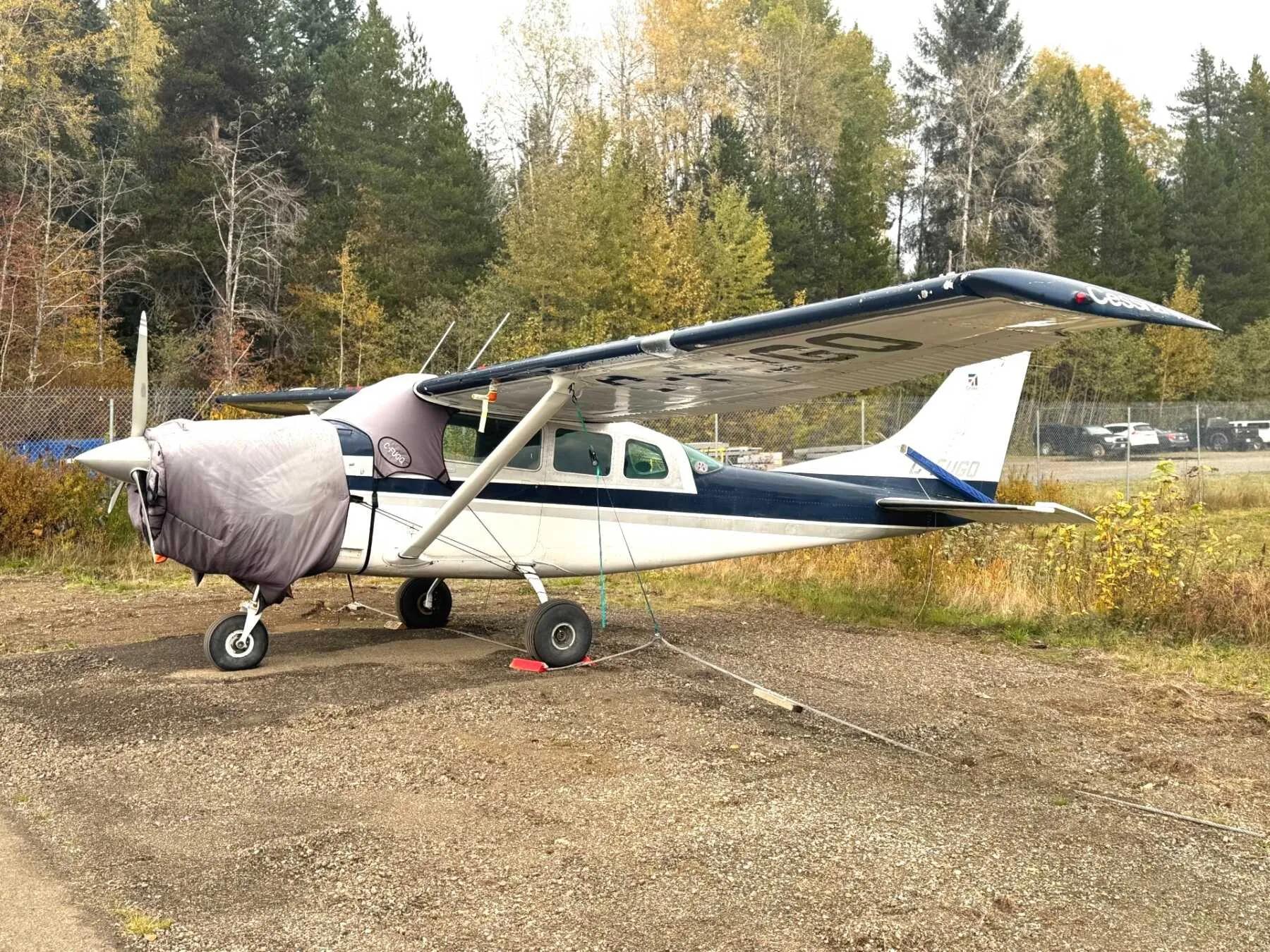
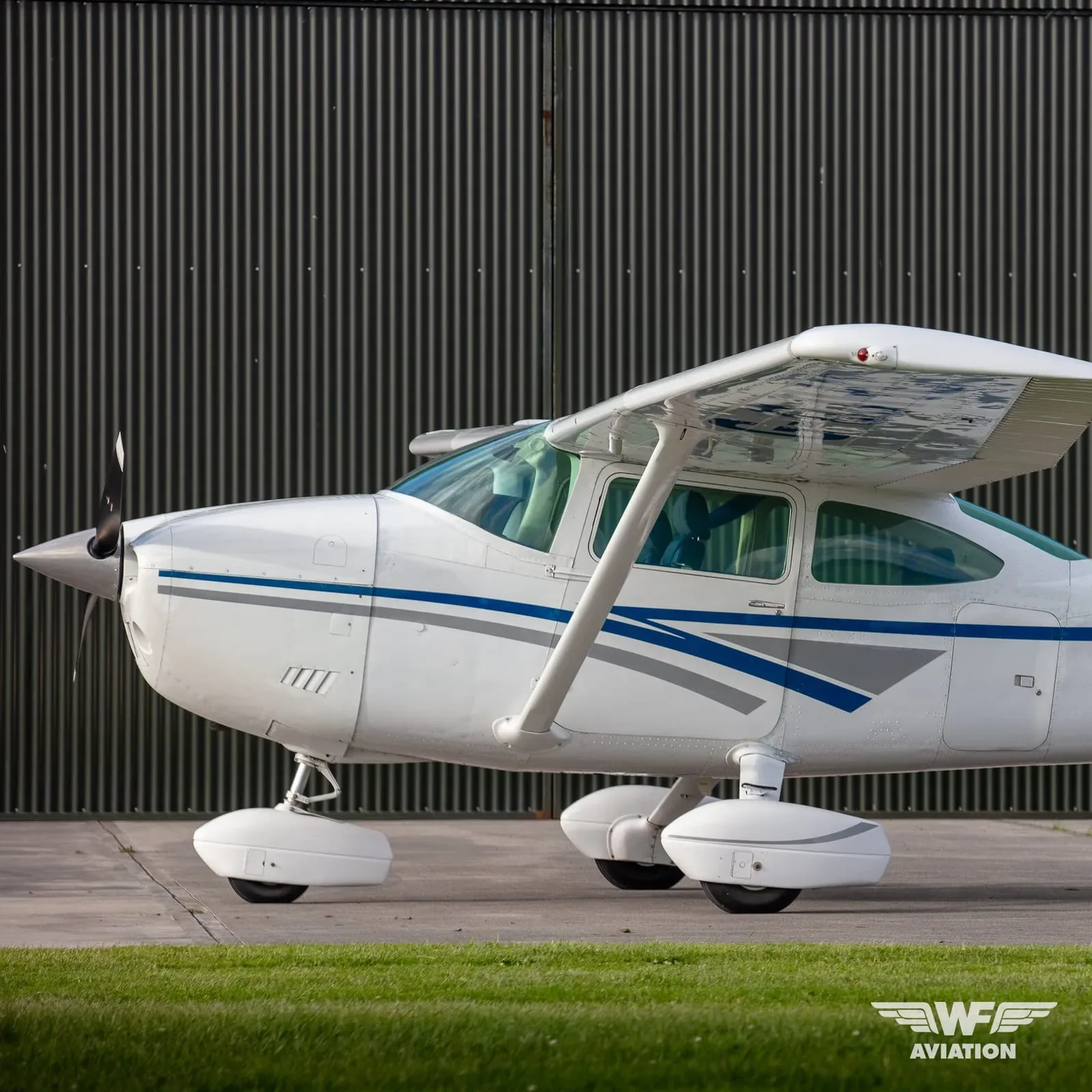
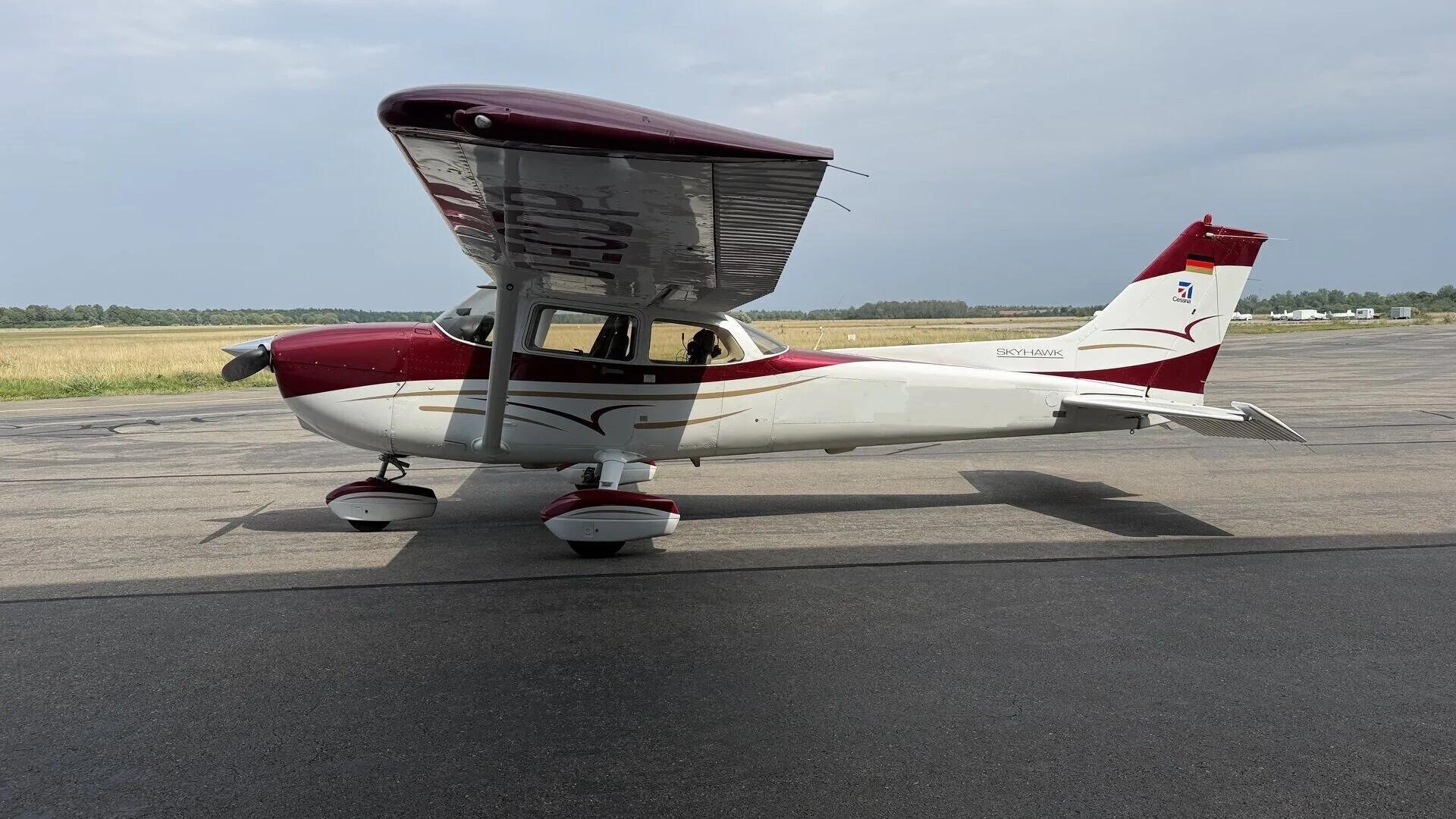
The CESSNA 172M SKYHAWK is a single-engine piston, fixed-gear, high-wing four-place trainer and tourer. It has a 150 hp Lycoming O-320 engine (O-320-E2D in the handbooks) and a fixed-pitch propeller. The figures below are a library summary: 105 kt cruise, about 10 gph fuel burn, 600 nm range and a 2400 lb maximum takeoff weight. The library figures and the old factory manuals disagree in several places, including gross weight, climb and takeoff distance. Treat the numbers as a guide and confirm them against the POH and weight-and-balance records of the specific airplane you are considering.
- Supplemental Type Certificate
This document is a Supplemental Type Certificate (STC) issued for the installation of Rosen Sunvisor Systems cockpit sun visors in various Cessna aircraft models. It certifies that the design change meets the airworthiness requirements set forth by the FAA. The STC includes a list of approved aircraft models, limitations, and conditions for installation. The document is intended for aircraft owners, maintenance personnel, and operators who wish to install the sun visor system in their aircraft. It provides essential information regarding the installation process, maintenance requirements, and compliance with FAA regulations.
Supplemental Type Certificate · 2023PDF · 24 pages · 4.0 MB of Supplemental Type Certificate, opens in a new tabRequest removal of Supplemental Type Certificate
Cessna 172 for sale now
View all 183 for sale →Aircraft that this pilot's operating handbook covers, listed on the sites Sprinkle reads. Asking prices, not sales. Cessna 172 asking prices by year built.
Also useful for the Cessna 172M Skyhawk
From Sprinkle’s library of aircraft documents. PDFs open from Sprinkle’s own files. Read Jul 1, 2026.
Want this document taken down? Request removal