
Cessna 182R Skylane Checklist - Redpaw Aviation
Checklist for the Cessna 182P Skylane
PDF, 2 pages, 193 KB, from Sprinkle’s own files.
What it covers
This document is a checklist specifically for the Cessna 182R Skylane, providing a structured reference for pilots to ensure all necessary preflight, in-flight, and post-flight procedures are followed. It includes detailed steps for preflight inspections, engine starting, taxiing, takeoff, landing, and emergency procedures. The checklist is current as of July 2021 and is intended for use as a reference alongside the Pilot's Operating Handbook (POH). It is crucial for pilots to familiarize themselves with this checklist to enhance safety and operational efficiency during flights.
Key points
- Max gross weight: 3100 lbs
- Stall speed (full flaps): 49 KTS
- Rotation speed (Vr): 55 KTS
- Best rate of climb (Vy): 81 KTS
- Max structural cruising speed (Vno): 143 KTS
- Never exceed speed (Vne): 179 KTS
- Max demonstrated crosswind velocity: 15 KTS
Main sections
Preflight Inspection
The preflight inspection section outlines critical checks that must be performed before starting the engine. This includes verifying the presence of necessary certificates and documents, checking fuel quantity, ensuring control surfaces are free and secure, and inspecting the cabin and engine area for any issues. Specific checks include ensuring the fuel selector is set to both tanks, checking tire pressures (42 psi for main wheels, 50 psi for nose wheel), and confirming the oil level is between 9-12 quarts.
Starting Engine
This section details the steps required to start the engine safely. Key actions include setting the mixture to rich, opening the throttle half an inch, and ensuring the carburetor heat is cold. The checklist emphasizes the importance of holding the ignition switch for no longer than 30 seconds and monitoring oil pressure, which should rise 10 psi within 30 seconds.
Before Takeoff
Before taking off, pilots must ensure that all lights and radios are set, flight instruments are checked, and the fuel selector is set to both tanks. The checklist specifies that the throttle should be set to 800-1000 RPM and that the aircraft should be briefed for takeoff and emergency procedures.
Emergency Procedures
The emergency procedures section provides critical guidance for various in-flight emergencies, including engine failure during takeoff and in-flight engine failure. It outlines the necessary actions to take, such as establishing a glide speed of 75 KTS (flaps up) and switching fuel tanks if necessary. The checklist also includes procedures for dealing with electrical fires and engine fires in flight.
Landing
The landing section details the approach and landing procedures, including airspeed recommendations (70-80 KTS for normal landings) and flap settings. It emphasizes the importance of maintaining a proper attitude during landing and the need to retract flaps after touchdown.
Safety notes
- Ensure all checks are completed before starting the engine to prevent accidents.
- Monitor oil pressure closely after engine start; it should rise within 30 seconds.
- Do not attempt a turn back to the runway below 600 ft AGL in case of engine failure.
The document’s text
Show the text read from the PDF
Cessna 182R Skylane Checklist For Reference Only Current as of July 2021 The POH is the Source Document. PREFLIGHT INSPECTION CABIN Certificates/Documents ……………...……………IN AIRCRAFT Airworthiness Certificate Registration Radio Operators/Station License (International Flights Only) Operating Limitations / Pilot's Operating Handbook Weight & Balance (current) Control Wheel Lock ...………………………………...…REMOVE Throttle ...............................................................................IDLE Mixture ....................................................................FULL LEAN Avionics Power Switch / All Switches .....………….....……..OFF Master Switch ……………......ON (avionics cooling fan audible) Strobe/Navigation/Beacon Lights ….........CHECK OPERATION Pitot Heat ..........................................................ON / CHECKED Fuel Quantity Indicators …………….………CHECK QUANTITY Flaps ………………………….………DOWN FOR INSPECTION Standby Vacuum Pump (IFR flt) ……………………….ON / OFF Master Switch ……………………………..…………………...OFF Fuel Selector ……………………..….BOTH (L/R for Refueling) TAIL SECTION Elevator & Rudder …………….CHECK FREEDOM & SECURE Tail Tie-Down / Rudder Gust Lock …………...….……REMOVE Nav. Lights ……….……..…..…………….UNBROKEN (WHITE) VOR Antenna ................................................................CHECK RIGHT SIDE / WING ELT & Transponder Antenna .........................................CHECK Alternate Static Port (both sides)..……..…...….CHECK CLEAR Fuel Tank Sump .....……..CHECK GRADE / CONTAMINENTS Main Wheel Tire ...……..CHECK WEAR & INFLATION (42 psi) Flap Tracks & Actuator Rod ….……………...……..…....CHECK Aileron .………....…CHECK FREEDOM, HINGES & BALANCE Strobe & Nav Light ……….......…………UNBROKEN (GREEN) Fuel Tank ….…….…........CHECK QUANTITY (CAP SECURE) Cabin Air Intake ................................................CHECK CLEAR Wing Tie-down / Chocks ………...…...…..…………….REMOVE NOSE / ENGINE Windshield …….…………...………...…………..CHECK CLEAN Propeller & Spinner ……….CHECK FOR NICKS & OIL LEAKS Landing Light & Taxi Light ..……………...…………...….CHECK Air Filter ………………………………….……......CHECK CLEAN Cowl Flaps .…………………...……SECURE (PIN INSTALLED) Shock Strut …....……...CHECK ~3.25 in SHOWING (55-60 psi) Nose Wheel …...….........CHECK WEAR & INFLATION (50 psi) Wheel Chocks / Tow Bar .....…..……………….………REMOVE Engine Fill Cap & Oil Dipstick …..….…….…..CHECK (9-12 qt.) Fuel Strainer Sump ...........................................DRAIN (~4 sec) Static Port (both sides) .…………..………….....CHECK CLEAR LEFT WING Cabin Air Intake ...............................................CHECK CLEAR Fuel Tank ….……….....…CHECK QUANTITY (CAP SECURE) Wing Tie-down / Chocks ...………………..……….…..REMOVE Pitot Tube ...…..............................CHECK (REMOVE COVER) Stall Warning ...................…….…...……….…………....CHECK Fuel Tank Vent ...................……..………….……………CHECK Strobe & Nav. Light ……………….....……..UNBROKEN (RED) Aileron ………..…..CHECK FREEDOM, HINGES & BALANCE Flap Tracks & Actuator Rod ....……………..……..….…CHECK Fuel Tank Sump .....….....CHECK GRADE / CONTAMINENTS Main Wheel Tire …….…CHECK WEAR & INFLATION (42 psi) BEFORE STARTING ENGINE Chocks / Tow bar .......………….……….…...………….REMOVE All Items in Cabin ........................................................SECURE Passenger Brief - Exits/Seat Belts/Stall Horn .........COMPLETE Seats, Seat Belts, Harness ……….………..…ADJUST & LOCK Avionics Power Switch / All Switches ...……………..………OFF Circuit Breakers ……………………….…………..……CHECK IN Fuel Selector ...………………………………..………..……BOTH Cowl Flaps ………………………………………...…………OPEN Brakes …………………………………...……….…TEST & HOLD Ignition Key …………………………..…..…………..…....INSERT STARTING ENGINE Mixture …………………………………………………...….…RICH Propeller ………………………………….……………..HIGH RPM Throttle ………….……………………..…..……….OPEN 1/2 inch Carburetor Heat …………………….…….…………….……COLD Prime ….................AS REQUIRED (typ. 4x then IN & LOCKED) Master Switch ........................................................................ON Rotating Beacon ....................……...…..................................ON Brakes .....................................HELD (Propeller Area CLEAR) Ignition Switch ….........…..START (hold no longer than 30 sec.) Throttle ...............……………..….…....................800-1000 RPM Oil Pressure …..CHECK (10psi rise w/in 30 sec, 1 min cold wx) Ammeter ........................................................................CHECK BEFORE TAXI Lights & Strobes ……………………………….….AS REQUIRED Avionics Power Switch / Radios ..……………………...ON / SET Transponder …………………………….............CODE SET / ON Flaps …………………………………..…………………….…....UP Flight Instruments .............SET / CHECK (Alt w/in 75 ft for IFR) Brakes …………………………..TEST ON INITIAL MOVEMENT Flight Instruments .................CHECK TURNING INDICATIONS Control Surfaces ..........................SET FOR WIND DIRECTION RUN UP / BEFORE TAKEOFF Throttle ……………………………………………..800-1000 RPM Fuel Selector …………………………………………………BOTH Cowl Flaps ……………………………………….……FULL OPEN Mixture ……………………….............RICH (<3000 ft density alt) Brakes ……..……………......................................................SET Primer ..................................................................IN & LOCKED Throttle ……………….…(Check Oil temp ≥75°F)…...1700 RPM Suction Gage ……..……CHECK (4.5 to 5.0) Magnetos …...................CHECK (150 max drop / 50 max diff.) Propeller ………….…….CYCLE (do not allow >500 RPM drop) (check RPM↓ MP↑ Oil Press↓) Carburetor Heat ………..CHECK (cycle on / off) Ammeter ….………….…CHECK (cycle Alt Switch Off / On) Throttle ………………….CHECK IDLE LIMTS (then 800-1000) Flight Controls ……………………………….FREE & CORRECT Flight Instruments & Radios ...……..…………….CHECK & SET Fuel Selector ....................................................................BOTH Trim (Elevator & Rudder) ..……….……………...SET for takeoff Carburetor heat ................................................................COLD Brief ............................TAKEOFF/DEPARTURE EMERGENCY Transponder, D.G. & Compass .....................................CHECK Cabin Doors & Windows ...…………….….CLOSED & LOCKED Strobe / Landing Light ...………....ON (after clearance received) TAKE OFF (Note departure time) Normal Short Wing Flaps ……..…..………….……..0 or 10° Carburetor Heat …………..……………COLD Mixture .....................RICH (<3000 ft den alt) Min 2500’ rwy to allow t/o rejection Throttle ..……………….………FULL “OPEN” Engine Instruments ............2600 RPM, CHT, Oil Press & Temp Elevator Control ………..ROTATE at 55 KTS Climb Speed ..…………..…80 KTS (flaps up) Wing Flaps ...……..…UP, INCREMENTALLY ENROUTE CLIMB Airspeed …………………………………..………….....85-95 KTS Fuel Selector ………………….…………………….…….….BOTH Power ....……………………….……….…23” MP and 2400 RPM Mixture …………………..……………….…RICH (until 3000 feet) Cowl Flaps ………………….………………….OPEN as required CRUISE Power .………55% 20” 2100..…65% 22” 2100..…75% 23” 2300 Mixture …………….………………………..LEAN AS REQUIRED Cowl Flaps ……………..OPEN as required for CHT = 2/3 range Landing Light .....…..………………………...........AS REQUIRED Minimize time at power Soft Quick setpoints – see perf charts for pwr settings Flaps 20° Brakes HELD Rotate 59 KTS Climb 59 KTS Flaps 20° Roll taxi → T/O Elevator full aft Liftoff min speed Use grnd effect Vy then 81 KTS -- 1 of 2 -- Cessna 182R Skylane Checklist For Reference Only Current as of July 2021 The POH is the Source Document. DESCENT Mixture …….……………………….ENRICHEN AS REQURED Fuel Selector ...………...……………………..………...…BOTH Carburetor Heat …………….......………….…..AS REQUIRED Power ……...………………………….…………...AS DESIRED Cowl Flaps ................................................................CLOSED BEFORE LANDING Fuel Selector ...………...……………………..…………...BOTH Mixture ……………………………………..…………...…..RICH Carburetor Heat …...........................……APPLY FULL HEAT Seats, Belts, Harnesses ………………………….…..SECURE Landing Light ...................……………………….…….........ON Propeller ………………………………………..……HIGH RPM BALKED LANDING (Go-Around) Power ...……………………………...……….FULL THROTTLE Airspeed ......................................................................55 KTS Carburetor Heat ...…………………………………………COLD Wing Flaps …………………RETRACT to 20º IMMEDIATELY Upon reaching an airspeed of ~70 KTS, retract flaps slowly Cowl Flaps ....................................................................OPEN LANDING Normal Short / Soft Airspeed …….…70-80 KTS (flaps up) Wing Flaps …………………...0˚ to 40˚ FULL Airspeed ……60-70 KTS (flaps down) 61 KTS Touchdown ……………MAINS FIRST MIN Airspeed (Soft) Landing Roll …………LOWER NOSE MAINTAIN NOSE WHEEL GENTLEY HIGH ATTITUDE (Soft) Braking .……..MINIMUM REQUIRED APPLY HEAVILY w/o SKIDDING (Short) Wing Flaps ...….………………………. RETRACT (Short) AFTER LANDING Carburetor Heat ………………….……………………..…COLD Wing Flaps ……………………..……………………….……..UP Cowl Flaps ……………..……………………………….….OPEN Lights ….…………………………………....……AS REQUIRED SHUTDOWN Avionics Power Switch ..............................……………….OFF Mixture .……..……IDLE CUT-OFF (check Tach rise ~25rpm) Ignition Switch…………………………..OFF / KEY REMOVED Master Switch ..…………………………………..………….OFF Control Lock ……………………………………………INSTALL Hobbs & Tach ………………………………….……...RECORD Battery Charger & Engine Heater ...INSTALL AS REQUIRED Aircraft …………..……SECURE & LEADING EDGES WIPED Squawks ..................RECORDED & NEXT PILOT NOTIFIED USEFUL INFORMATION Pilot Report (PIREP): Aircraft ID / Location / Time (Z) / Conditions • Icing: Intensity / Altitude / Aircraft Type/ IAS / OAT • Turbulence: Intensity / In or near clouds / Altitude / Aircraft Type / Duration of turbulence • Wind Shear: Loss/Gain of airspeed and altitude IFR Position Report: Aircraft ID / Position / Time (Z) / Altitude / ETA at next point / Next succeeding point Aircraft V-Speeds: (KIAS, at max gross weight of 3100 lbs) Vso: (Stall Speed, full flaps) ………………… 49 KTS Vs1: (Stall Speed, clean) ……………………. 54 KTS Vr: (Rotation Speed) ………………………. 55 KTS Vx: (Best angle of climb) …………………… 59 KTS Glide: (3100 lbs, clean) ……………………….. 76 KTS (2600 lbs, clean) ……………………….. 70 KTS (2000 lbs, clean) ……………………….. 61 KTS Vy: (Best rate of climb) …………………….. 81 KTS Vfe: (Max flap extended speed) …………… 95 KTS Va: (Maneuvering Speed) ……………….. 111 KTS Vno: (Max structural cruising speed) ……...143 KTS Vne: (Never exceed speed) ……………......179 KTS Max demonstrated crosswind velocity ……….. 15 KTS EMERGENCY PROCEDURES ENGINE FIRE DURING START (typically results from over priming) Starter ..……………………....CONTINUTE TO CRANK ENGINE Power ……….…...1700 RPM (for a few minutes if engine starts) If engine start is unsuccessful, continue cranking for 2 or 3 minutes with throttle full open. Mixture ……………………….……………………..IDLE CUT-OFF Master Switch ...……………………………….......…………...OFF Ignition Switch ...………………………………………………..OFF Fuel Selector ……………………………………………………OFF Aircraft ……………………….. ABANDON IF FIRE CONTINUES Smother flames with fire extinguisher, seat cushion, blanket, or loose dirt. If practical, remove carburetor air filter if it is ablaze. ENGINE POWER LOSS DURING TAKE-OFF Glide ................ESTABLISH (75 KTS w/o flaps, 70 KTS w/flaps) Mixture .................................................................IDLE CUT OFF Fuel selector .........................................................................OFF Ignition Switch ......................................................................OFF Wing Flaps ..........................................................AS REQUIRED Master Switch .......................................................................OFF *** No turn back to runway below 600 ft AGL ENGINE FAILURE DURING FLIGHT (restart) Airspeed …………..........75 KTS (flaps up) 70 KTS (flaps down) Carburetor Heat ...……….……………………………………….ON Fuel Selector …………...…….………….……...SWITCH TANKS* Mixture ………………………………………….…….………...RICH Engine Gauges ...……………………...…...CHECK FOR CAUSE Ignition Switch ………………………...“L” then “R” back to BOTH Primer .…………………………………….……….…IN & LOCKED Transponder …………………………………..…….……….…7700 Radio ….………………………….…………121.5…… MAYDAY** * If engine failure was caused by fuel exhaustion, power will not be regained after tanks are switched until empty fuel lines are filled, which may require up to ten seconds. ** When calling on 121.5, say last known position, number of souls on board, fuel remaining, and nature of emergency. Glide Ratio = 1:9 Every 2000’ AGL → 3nm Into wind ↑ glide speed EMERGENCY LANDING WITHOUT ENGINE POWER Airspeed ….....……….….75 KTS (flaps up) 70 KTS (flaps down) Propeller ………………………………...…LOW RPM (pull full aft) Mixture ………………….………………..………...……...CUT̶ OFF Fuel Selector ...…………….……………………………...…….OFF Ignition Switch ………………….……………..………………...OFF Seat belt and harness ...………….……………………...….TIGHT Flaps…….…AS REQUIRED WITHIN GLIDING DIST OF FIELD (Full Flaps Down) ...……………………...……..................70 KTS Master Switch ……………………………………….……….....OFF Cabin Doors .…………UNLACH PRIOR TO FINAL APPROACH Touchdown ……………....…SLIGHTLY TAIL LOW (min. speed) Apply heavy braking while holding full up elevator. ELECTRICAL FIRE (smoke in cabin) Master Switch ...……………………………………………..….OFF All Electrical Switches (except ignition) .....….…………….…OFF Vents / Windows ……..………………..OPEN TO VENT SMOKE Cabin Heat & Air ..…………………………………………...…OFF Fire Extinguisher ...……………………………………..ACTIVATE Land as soon as Practical ENGINE FIRE IN FLIGHT Mixture ….…………...………………..………...………...CUT̶ OFF Fuel Selector ……………………...……..…..………...…….…OFF Master Switch ……………………………………………..........OFF Cabin Heat & Air………..OFF / CLOSED (except wing root vent) Glide Establish…………….……………………...……….100 KTS* *If fire is not extinguished, increase glide speed in an attempt to find an airspeed that will provide incombustible mixture. Magneto Switch …………………………………….…………..OFF Proceed with EMERGENCY LANDING w/o POWER procedure. CLOSE FLIGHT PLAN -- 2 of 2 --
Read from the PDF by machine, so tables and diagrams come out rough. The PDF is the document.
More Cessna 182P Skylane documents
All 28 →- John Frank’s Cessna 182 Skylane Buyers Guide
This document is a comprehensive guide for potential buyers of the Cessna 182 Skylane, specifically focusing on the 182P model. It covers the history, specifications, and various aspects of purchasing a Cessna 182, including performance numbers, safety considerations, and pre-purchase inspection guidelines. The guide is designed for both new and experienced pilots looking to understand the nuances of owning a Cessna 182 Skylane. It provides insights into the aircraft's evolution, modifications over the years, and practical advice for buyers to ensure they make informed decisions. The document emphasizes the aircraft's reliability and the importance of thorough inspections before purchase.
- Aircraft Checklist Cessna 182-P - Leading Edge Aviation
This document is a checklist specifically designed for the Cessna 182-P aircraft, intended for training purposes. It provides a concise set of procedures for various phases of flight, including preflight inspections, engine start, takeoff, landing, and emergency procedures. The checklist emphasizes the importance of memorizing critical procedures and ensuring that all performance speeds are calculated prior to flight using the Aircraft Owner’s Manual. It is crucial for users to be familiar with the official Aircraft Owner’s Manual for comprehensive operational guidance.
- Quick Reference Normal Operating Checklist
This document is a Quick Reference Normal Operating Checklist specifically for the Cessna 182P Skylane. It provides pilots with a streamlined set of procedures to follow before engine start, during taxi, takeoff, climb, cruise, descent, landing, and shutdown. The checklist is designed for use with an approved Cessna checklist and emphasizes safety and operational efficiency. It includes critical steps such as preflight checks, engine start procedures, and various operational checks throughout the flight phases. This checklist is essential for pilots to ensure all necessary actions are completed for safe flight operations.
- Quick Reference Emergency Checklist
This document is a Quick Reference Emergency Checklist specifically for the Cessna 182P SkyLane. It provides pilots with essential emergency procedures to follow in various scenarios, including engine failure, forced landings, and electrical fires. The checklist is designed for quick access during flight and is meant to be used in conjunction with an approved Cessna checklist. It emphasizes the importance of safety and proper communication with ATC in emergency situations.
- CESSNA 182P SKYLANE Model Guide
The CESSNA 182P SKYLANE is a single-engine piston Cessna powered by a 230 hp Continental O-470 with an 82" McCauley propeller. The listed figures are 120 kts cruise, 700 nm range on 65 gal of fuel, and a 2950 lbs maximum takeoff weight. This guide draws on the model data and the 1976 Model 182P handbook.
- Cessna Skylane Performance Data
This document provides performance data for the Cessna 182P Skylane, a high-wing piston aircraft designed for pilots seeking adventure and efficiency. It details the aircraft's specifications, including maximum range, cruise speed, and useful load, as well as takeoff distance under standard conditions. The information is intended for pilots and aviation enthusiasts looking to understand the capabilities of the Skylane, particularly in terms of performance metrics that are critical for flight planning and operations. The document emphasizes the aircraft's performance on a standard day with zero wind, ensuring that pilots can make informed decisions based on reliable data.
- Type Certificate Data Sheet No. 3A13
This document is the Type Certificate Data Sheet No. 3A13 for the Cessna 182P Skylane, detailing the specifications, limitations, and components of the aircraft. It serves as a reference for maintenance and parts identification for various models of the Cessna 182 series, including the 182P. The document outlines engine specifications, fuel requirements, propeller limits, airspeed limits, and weight and balance information. It is intended for use by pilots, maintenance personnel, and aviation enthusiasts who require detailed technical information about the Cessna 182P and its variants.
- Cessna 182S 182T, T182T Skylane Systems & Procedures Course
This document serves as a Systems & Procedures Course for the Cessna 182S, 182T, and T182T Skylane aircraft. It is designed for pilots and aviation enthusiasts, providing detailed information on the airframe, systems, and operational procedures specific to these models. The manual includes sections on airframe structure, flight controls, landing gear, fuel systems, powerplant, electrical systems, and propeller management. It also addresses maintenance procedures and safety considerations, making it a comprehensive resource for understanding the operational capabilities and maintenance requirements of the Cessna Skylane series. The information is intended to enhance pilot knowledge and ensure safe operation of the aircraft.
Cessna 182 for sale now
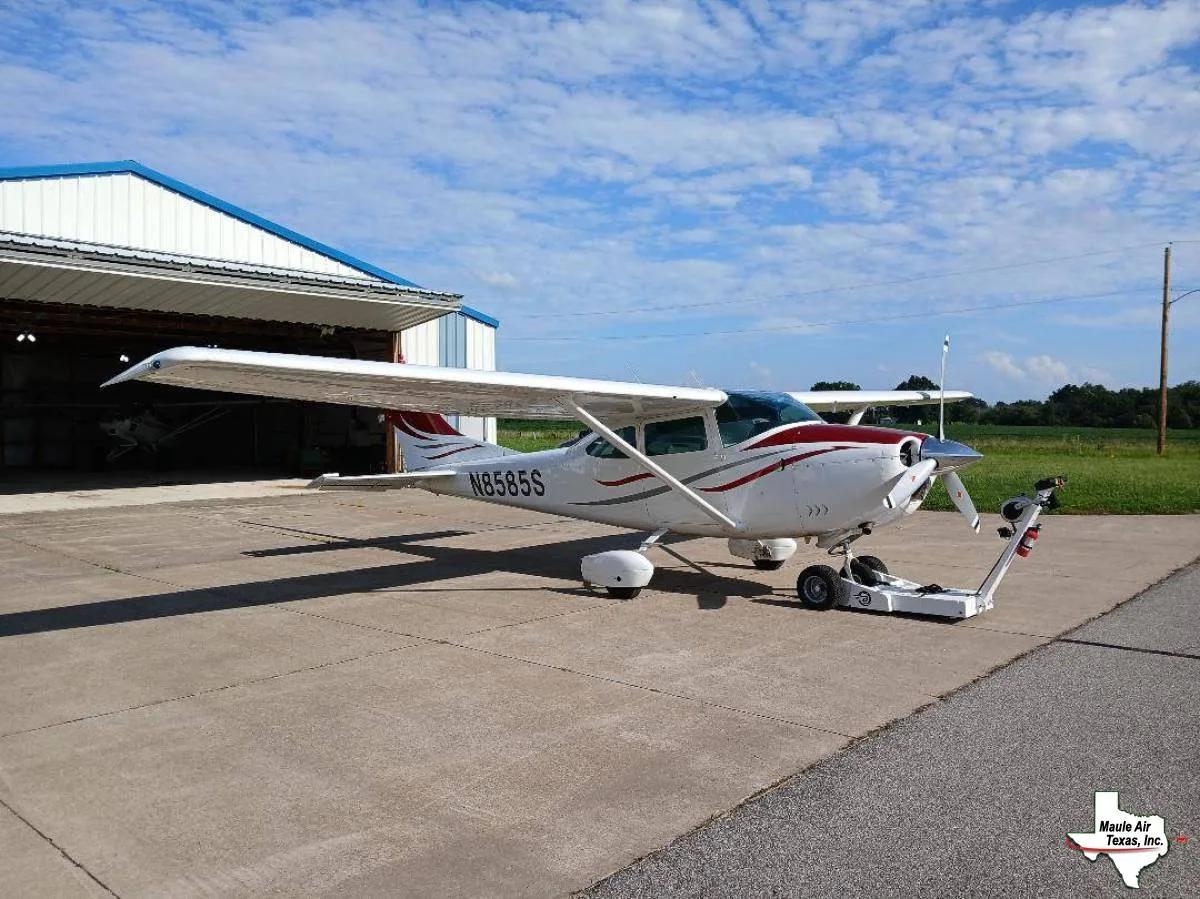
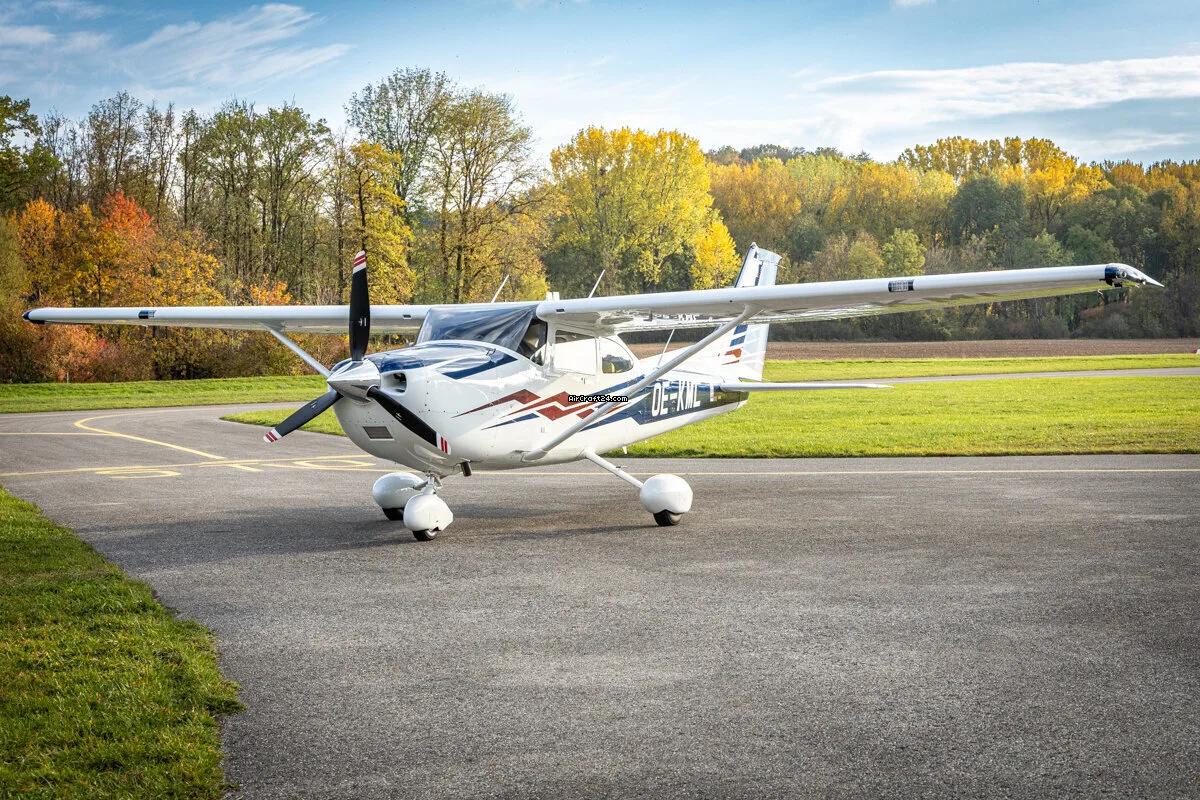
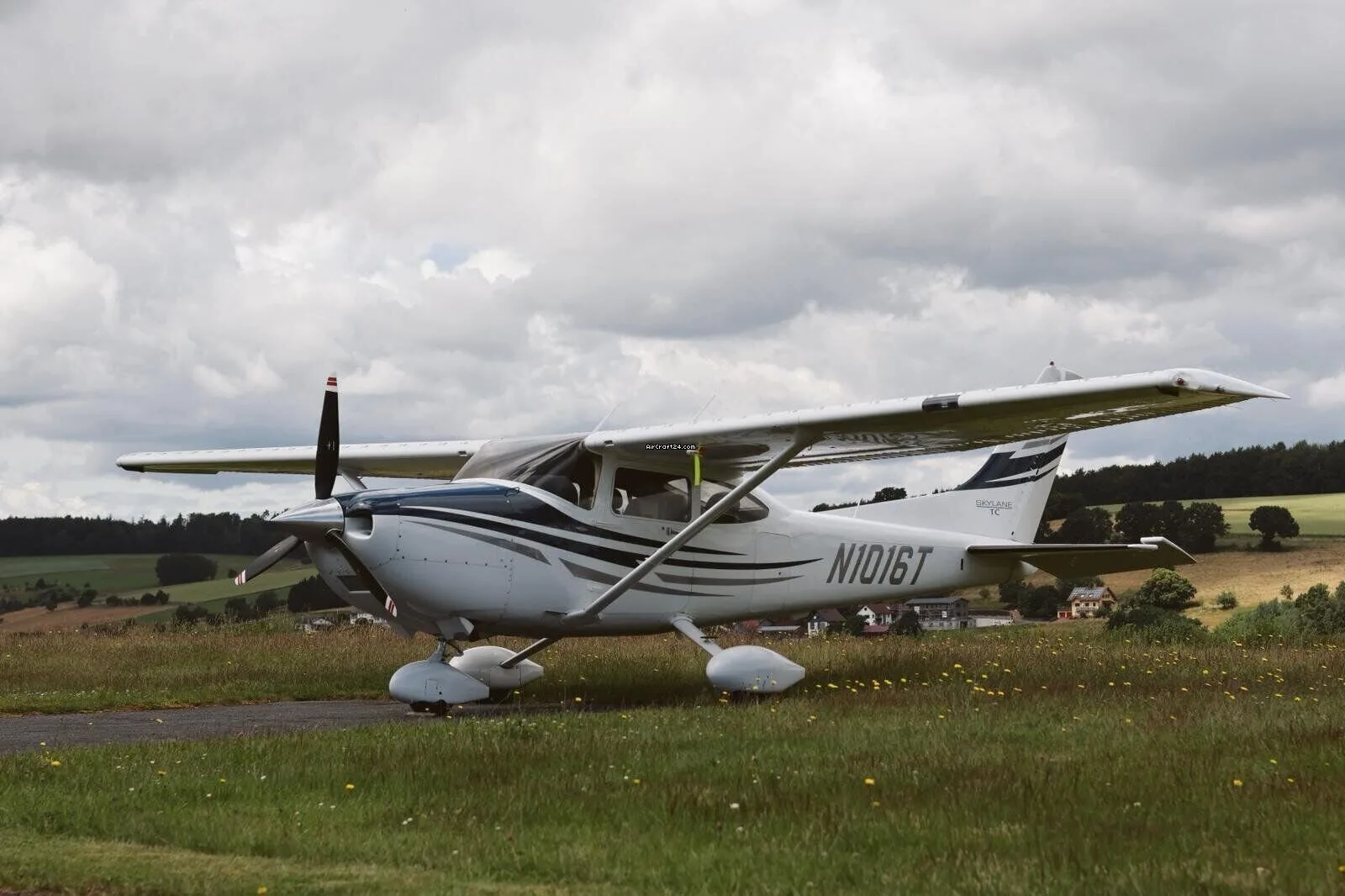
View all 254 for sale →Aircraft that this checklist covers, listed on the sites Sprinkle reads. Asking prices, not sales. Cessna 182 asking prices by year built.
Also useful for the Cessna 182P Skylane
From Sprinkle’s library of aircraft documents. PDFs open from Sprinkle’s own files. Read Jun 26, 2026.
Want this document taken down? Request removal