
Quick Reference Normal Operating Checklist
Checklist for the Cessna 182P Skylane
PDF, 1 page, 36 KB, from Sprinkle’s own files.
What it covers
This document is a Quick Reference Normal Operating Checklist specifically for the Cessna 182P Skylane. It provides pilots with a streamlined set of procedures to follow before engine start, during taxi, takeoff, climb, cruise, descent, landing, and shutdown. The checklist is designed for use with an approved Cessna checklist and emphasizes safety and operational efficiency. It includes critical steps such as preflight checks, engine start procedures, and various operational checks throughout the flight phases. This checklist is essential for pilots to ensure all necessary actions are completed for safe flight operations.
Key points
- Always close your VFR flight plan after landing.
- For normal engine start, set the mixture to rich and throttle to 1/2 inch.
- During the magneto check, the maximum drop should not exceed 125 RPM.
- Rotate at an airspeed of 60 MPH during takeoff.
- Flaps should be set to 10 degrees below 160 MPH and full below 110 MPH during landing.
Main sections
Before Engine Start
This section outlines the necessary steps to prepare the aircraft for engine start, including preflight checks, fuel selection, and ensuring all systems are set correctly. Key actions include adjusting and locking seats, turning on the master switch, and checking fuel quantity.
Engine Start (Normal and Flooded)
The checklist provides two procedures for starting the engine: normal and flooded. For normal starts, the mixture should be rich, and the throttle set to 1/2 inch. In flooded conditions, the mixture should be idle cut-off, and the throttle fully open until the engine fires.
Before Takeoff
This section details the checks required before takeoff, including setting the parking brake, checking flight instruments, and ensuring the mixture is rich. It also includes a magneto check with a maximum drop of 125 RPM.
Landing
The landing section specifies flap settings and approach speeds. Flaps should be set to 10 degrees below 160 MPH and full below 110 MPH, with normal approach speed at 80 MPH.
Shutdown
The shutdown procedure includes turning off avionics and electrical equipment, setting the throttle to 1000 RPM, and ensuring the mixture is idle cut-off before turning off the magnetos and master switch.
Safety notes
- Ensure the propeller area is clear before starting the engine.
- Throttle should be set to idle and mixture to full rich simultaneously when the engine fires in flooded conditions.
The document’s text
Show the text read from the PDF
C-182 CESSNA SKYLANE Quick Reference Normal Operating Checklist For use only with an approved Cessna checklist REMEMBER TO CLOSE YOUR VFR FLIGHT PLAN ! BEFORE ENGINE START 1. Preflight.......................Complete 2. Fuel Drain Tool...................Stow 3. Hobbs Time.....................Record 4. Seats..................Adjust and Lock 5. Seat Belts/Harness.................On 6. Parking Brake........................Set 7. Avionics.................................Off 8. Circuit Breakers.......................In 9. Flap Switch.............................Up 10. Fuel Selector..................On Both 11. Cowl Flaps..........................Open 12. Trim Tabs..............................Set 13. Beacon Light..........................On 14. Master Switch.........................On 15. Fuel Quantity....................Check ENGINE START (normal) 1. Mixture.................................Rich 2. Carburetor Heat...................Cold 3. Propeller.................Full Increase 4. Throttle.....................Set 1/2 Inch 5. Prime........................2-6 Strokes 6. Propeller Area....................Clear 7. Ignition...........................To Start 8. Engine Warm-up........1000 RPM 9. Oil Pressure.......Green in 30 Sec ENGINE START (flooded) 1. Mixture.....................Idle Cut-Off 2. Propeller.................Full Increase 3. Carburetor Heat...................Cold 4. Throttle........................Full Open 5. Master Swich..........................On 6. Propeller Area....................Clear 7. Ignition...........................To Start NOTE: When Engine Fires Throttle to Idle and Mixture to Full Rich Simultanously 8. Engine Warm-up........1000 RPM 9. Oil Pressure.......Green in 60 Sec BEFORE TAXI 1. Avionics.................................On 2. Transponder...................Standby 3. ATIS..................Listen and Copy 4. Flaps......................................Up 5. Landing Light..........................On 6. Clearence.......Receive and Copy 7. Brakes.............Release and Test BEFORE TAKEOFF 1. Parking Brake........................Set 2. Flight Inst.............Check and Set 3. Engine Inst.........Check in Green 4. Avionics....Set properly for Flight 5. Mixture.................................Rich 6. Propeller.................Full Increase 7. Throttle.......................1700 RPM 8. Magnetos...........Check Lt and Rt NOTE: Max drop during mag check is 125 RPM, within 50 RPM of each other. 9. Propeller...........Cycle (500 RPM) 10. Carburetor Heat................Check 11. Engine Inst..........Check in Green 12. Ammeter...........................Check 13. Suction Gage.........4.6 to 5.4” hg 14. Throttle.......................1000 RPM 15. Trim Tabs............Set for Takeoff 16. Flaps....................Check and Set 17. Flight Controls......Free & Correct 18. Doors & Windows.............Secure 19. Transponder...Proper Code(ALT) 20. Lights.......................As Required 21. Pitot Heat.................As Required 22. Time.................Note Clock Time 23. Brakes............................Release TAKEOFF 1. Wing Flaps.........0 to 20 degrees 2. Propeller.................Full Increase 3. Throttle.......................Full Power 4. Airspeed..........Rotate at 60 MPH 5. Pitch Attitude............Climb Pitch CLIMB 1. Power.............Top of Green Arcs 2. Mixture.................................Rich 3. Trim.......................Set for Climb 4. Landing Light.........................Off 5. Airspeed....................Vx 70 MPH Vy 89 MPH 6. Cruise Climb.................100 MPH CRUISE 1. Power......................Set per POH 2. Cowl Flaps...............As Required 3. Trim.......................................Set 4. Mixture.................Set using EGT 5. Attitude Indicator..........Set Level 6. Heading Indicator...................Set DESCENT 1. ATIS.................Listen and Copy 2. Altimeter................................Set 3. Carburetor Heat.................Cycle 4. Power................Set as Required 5. Pitch Attitude......Set for Descent 6. Cowl Flaps...............As Required 7. Trim.........................As Required 8. Mixture..........Adjust as Required 9. Avionics.......Set on Proper Freq. BEFORE LANDING 1. Fuel Selector..................On Both 2. Cowl Flaps.......................Closed 3. Mixture.................................Rich 4. Propeller....Full Increase on Final 5. Carb Heat...........On as Required 6. Landing Light..........................On 7. Magnetos.......................On Both 8. Seat Belts/Harnesses.............On 9. Flaps........................As Required LANDING 1. Flaps 10.............Below 160 MPH 2. Flaps Full...........Below 110 MPH 3. Normal App....................80 MPH 4. Short App.......................69 MPH AFTER LANDING 1. Flaps......................................Up 2. Carburetor Heat.....................Off 3. Cowl Flaps.........................Open 4. Landing Light...........As Required 5. Transponder...................Standby SHUTDOWN 1. Avionics.................................Off 2. Electrical Equipment..............Off 3. Throttle.......................1000 RPM 4. Mixture.....................Idle Cut-Off 5. Magnetos........Off - Key on Dash 6. Master Switch........................Off 7. Control Wheel Lock...........Install 8. Hobbs Meter....................Record 9. Tie Downs..........................Install ___________________________ Bergstrom Aircraft, Inc. 4102 Stearman Drive Pasco Washington, 99301 509) 547-6271 (800) 746-6271 -- 1 of 1 --
Read from the PDF by machine, so tables and diagrams come out rough. The PDF is the document.
More Cessna 182P Skylane documents
All 28 →- Cessna 182R Skylane Checklist - Redpaw Aviation
This document is a checklist specifically for the Cessna 182R Skylane, providing a structured reference for pilots to ensure all necessary preflight, in-flight, and post-flight procedures are followed. It includes detailed steps for preflight inspections, engine starting, taxiing, takeoff, landing, and emergency procedures. The checklist is current as of July 2021 and is intended for use as a reference alongside the Pilot's Operating Handbook (POH). It is crucial for pilots to familiarize themselves with this checklist to enhance safety and operational efficiency during flights.
- John Frank’s Cessna 182 Skylane Buyers Guide
This document is a comprehensive guide for potential buyers of the Cessna 182 Skylane, specifically focusing on the 182P model. It covers the history, specifications, and various aspects of purchasing a Cessna 182, including performance numbers, safety considerations, and pre-purchase inspection guidelines. The guide is designed for both new and experienced pilots looking to understand the nuances of owning a Cessna 182 Skylane. It provides insights into the aircraft's evolution, modifications over the years, and practical advice for buyers to ensure they make informed decisions. The document emphasizes the aircraft's reliability and the importance of thorough inspections before purchase.
- Aircraft Checklist Cessna 182-P - Leading Edge Aviation
This document is a checklist specifically designed for the Cessna 182-P aircraft, intended for training purposes. It provides a concise set of procedures for various phases of flight, including preflight inspections, engine start, takeoff, landing, and emergency procedures. The checklist emphasizes the importance of memorizing critical procedures and ensuring that all performance speeds are calculated prior to flight using the Aircraft Owner’s Manual. It is crucial for users to be familiar with the official Aircraft Owner’s Manual for comprehensive operational guidance.
- Quick Reference Emergency Checklist
This document is a Quick Reference Emergency Checklist specifically for the Cessna 182P SkyLane. It provides pilots with essential emergency procedures to follow in various scenarios, including engine failure, forced landings, and electrical fires. The checklist is designed for quick access during flight and is meant to be used in conjunction with an approved Cessna checklist. It emphasizes the importance of safety and proper communication with ATC in emergency situations.
- CESSNA 182P SKYLANE Model Guide
The CESSNA 182P SKYLANE is a single-engine piston Cessna powered by a 230 hp Continental O-470 with an 82" McCauley propeller. The listed figures are 120 kts cruise, 700 nm range on 65 gal of fuel, and a 2950 lbs maximum takeoff weight. This guide draws on the model data and the 1976 Model 182P handbook.
- Cessna Skylane Performance Data
This document provides performance data for the Cessna 182P Skylane, a high-wing piston aircraft designed for pilots seeking adventure and efficiency. It details the aircraft's specifications, including maximum range, cruise speed, and useful load, as well as takeoff distance under standard conditions. The information is intended for pilots and aviation enthusiasts looking to understand the capabilities of the Skylane, particularly in terms of performance metrics that are critical for flight planning and operations. The document emphasizes the aircraft's performance on a standard day with zero wind, ensuring that pilots can make informed decisions based on reliable data.
- Type Certificate Data Sheet No. 3A13
This document is the Type Certificate Data Sheet No. 3A13 for the Cessna 182P Skylane, detailing the specifications, limitations, and components of the aircraft. It serves as a reference for maintenance and parts identification for various models of the Cessna 182 series, including the 182P. The document outlines engine specifications, fuel requirements, propeller limits, airspeed limits, and weight and balance information. It is intended for use by pilots, maintenance personnel, and aviation enthusiasts who require detailed technical information about the Cessna 182P and its variants.
- Cessna 182S 182T, T182T Skylane Systems & Procedures Course
This document serves as a Systems & Procedures Course for the Cessna 182S, 182T, and T182T Skylane aircraft. It is designed for pilots and aviation enthusiasts, providing detailed information on the airframe, systems, and operational procedures specific to these models. The manual includes sections on airframe structure, flight controls, landing gear, fuel systems, powerplant, electrical systems, and propeller management. It also addresses maintenance procedures and safety considerations, making it a comprehensive resource for understanding the operational capabilities and maintenance requirements of the Cessna Skylane series. The information is intended to enhance pilot knowledge and ensure safe operation of the aircraft.
Cessna 182 for sale now
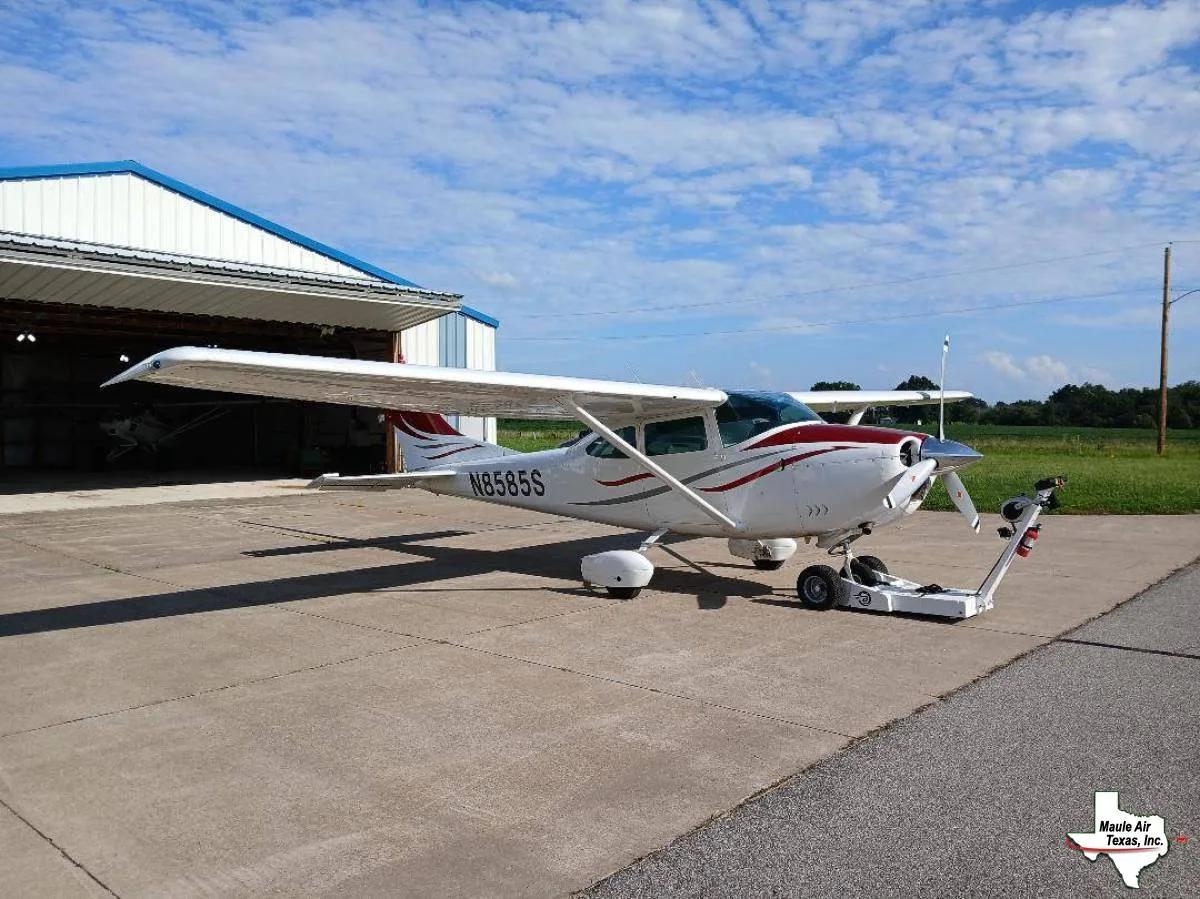
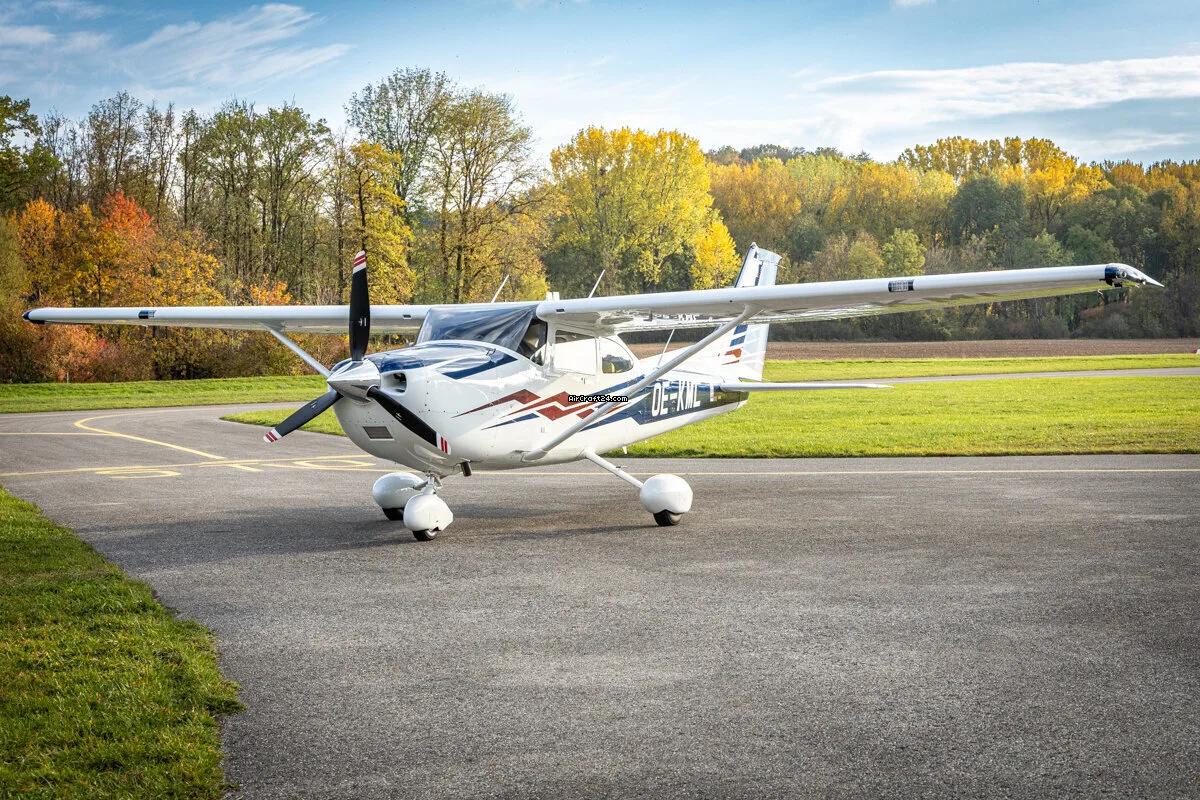
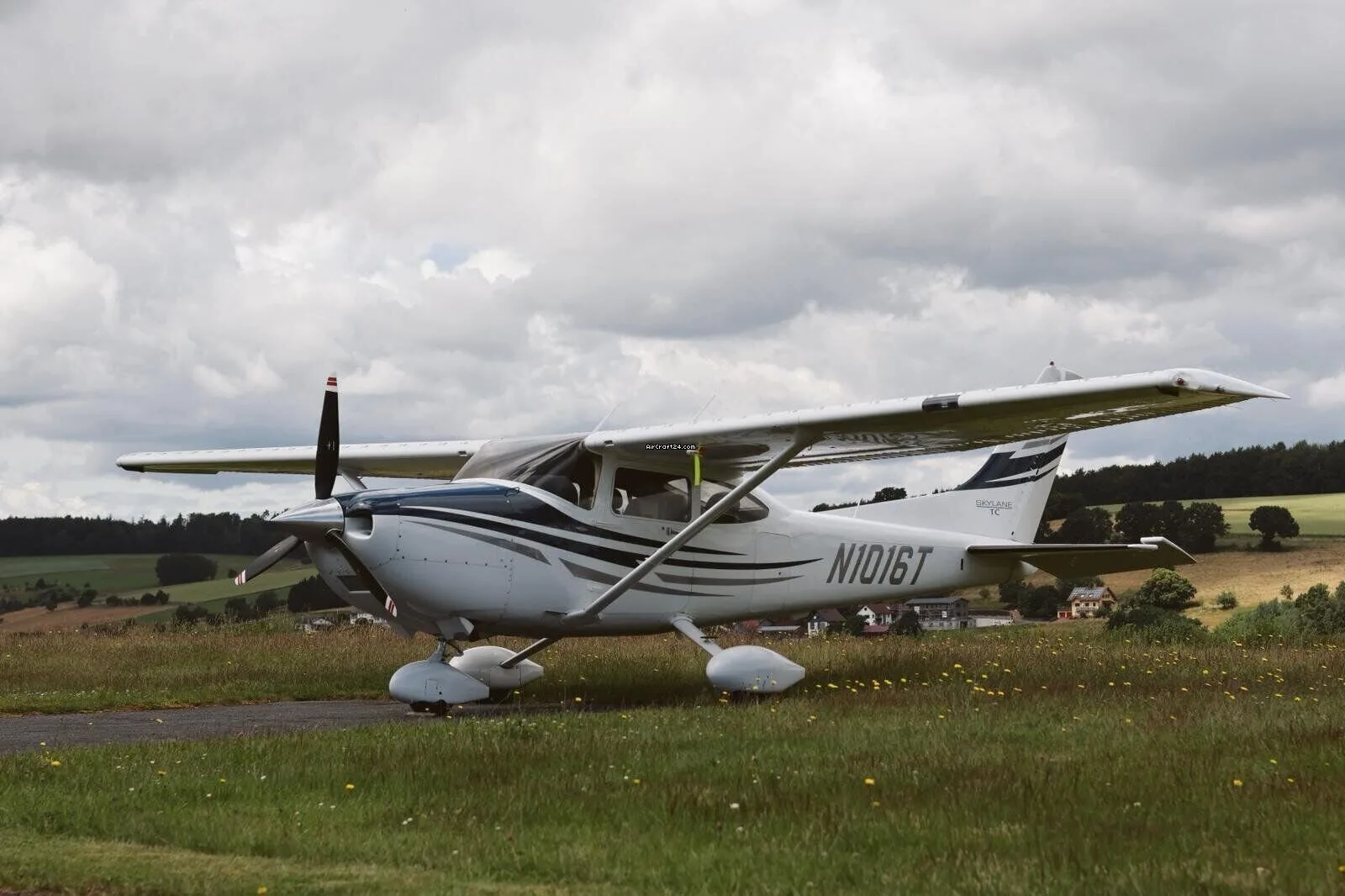
View all 256 for sale →Aircraft that this checklist covers, listed on the sites Sprinkle reads. Asking prices, not sales. Cessna 182 asking prices by year built.
Also useful for the Cessna 182P Skylane
From Sprinkle’s library of aircraft documents. PDFs open from Sprinkle’s own files. Read Jul 1, 2026.
Want this document taken down? Request removal