CESSNA 182S SKYLANE Model Guide
CESSNA 182S SKYLANE · Model Guide
Overview
The CESSNA 182S SKYLANE is a four-seat, high-wing, single-engine piston airplane. It has a 230 hp Lycoming IO-540-AB1A5 and a constant-speed McCauley three-blade propeller. Handbook figures show a 3,100 lb maximum takeoff weight, 145 kt maximum speed at sea level and a 795 ft takeoff ground roll.
- Seats four, with a 200 lb baggage allowance and about 1,145 lb useful load, so weight and balance needs care.
- Handbook cruise is 140 kt at 80% power at 6,000 ft. Range is 820 NM at 75% power, or 915 NM in the brochure.
- Short-field capable: 795 ft ground roll and 1,514 ft over a 50 ft obstacle, per the handbook.
- Fuel is 92 gal total, 88 gal usable. Stall speed is 54 KCAS flaps up and 49 KCAS flaps down.
Summary written by AI from the source document. Check the original before relying on it. See which parts of Sprinkle are written by AI.
Reference only, not for flight. Use the current approved manual for your aircraft. See terms, section 5.
Document
Source
Copy found at sprinkle.com. Sprinkle hosts a reference copy with an added summary, specifications and searchable full text.
Document details
- Type ·
- Model Guide
- Year ·
- 2026
- File size ·
- 50 KB
- Copy found at ·
- sprinkle.com
Specifications & performance
Extracted from this document.
Specifications
- Seats ·
- 4
- Engine (hp) ·
- 230
- Length (ft) ·
- 29
- Propeller ·
- McCauley 3-blade
- Wingspan (ft) ·
- 36
- Engine model ·
- Lycoming IO-540-AB1A5
- Usable fuel (gal) ·
- 88
- Fuel capacity (gal) ·
- 92
Performance
- Range (nm) ·
- 915
- Max speed (kt) ·
- 145
- Cruise speed (kt) ·
- 140
- Rate of climb (fpm) ·
- 924
- Service ceiling (ft) ·
- 18,100
- Landing over 50ft (ft) ·
- 1,350
- Takeoff over 50ft (ft) ·
- 1,514
- Takeoff ground roll (ft) ·
- 795
V-speeds
- VFE_KTS ·
- 100
- VNE_KTS ·
- 165
- VNO_KTS ·
- 125
- BEST_GLIDE_SPEED_KTS ·
- 70
Weight & balance
- Useful load (lb) ·
- 1,145
- Empty weight (lb) ·
- 1,965
- Max ramp weight (lb) ·
- 3,110
- Baggage allowance (lb) ·
- 200
- Max landing weight (lb) ·
- 2,950
- Max takeoff weight (lb) ·
- 3,100
How much can the CESSNA 182S SKYLANE carry?
The CESSNA 182S SKYLANE seats four and has a 200 lb baggage allowance. Useful load is 1,145 lb in the brochure and 1,185 lb in the handbook. Maximum takeoff weight is 3,100 lb.
How far and fast does the CESSNA 182S SKYLANE fly?
The CESSNA 182S SKYLANE reaches 145 kt at sea level and cruises at 140 kt at 80% power at 6,000 ft. Handbook range is 820 NM at 75% power on 88 gal usable fuel. The brochure quotes 915 NM.
How does the 182T differ from the CESSNA 182S SKYLANE?
A UK CAA note calls the 182T essentially similar to the CESSNA 182S SKYLANE. It says the main 182T changes are mostly cosmetic and avionics, with serial numbers 18280945 and up.
What is the CESSNA 182S SKYLANE Model Guide?
The CESSNA 182S SKYLANE Model Guide is a model guide for the CESSNA 182S SKYLANE, dated 2026.
What year was the CESSNA 182S SKYLANE Model Guide published?
The CESSNA 182S SKYLANE Model Guide — the CESSNA 182S SKYLANE model guide on file — is dated 2026.
Common. One of the most common aircraft types we track.
Most owners only have the POH. Here's the essential set for the CESSNA 182S SKYLANE.
- Pilot's Operating Handbook / AFM
- Checklist
- Maintenance Manual
- Parts Catalog (IPC)
- Systems & Wiring
- Service Bulletins on file
- Type Certificate (TCDS)
CESSNA 182S SKYLANE for sale now
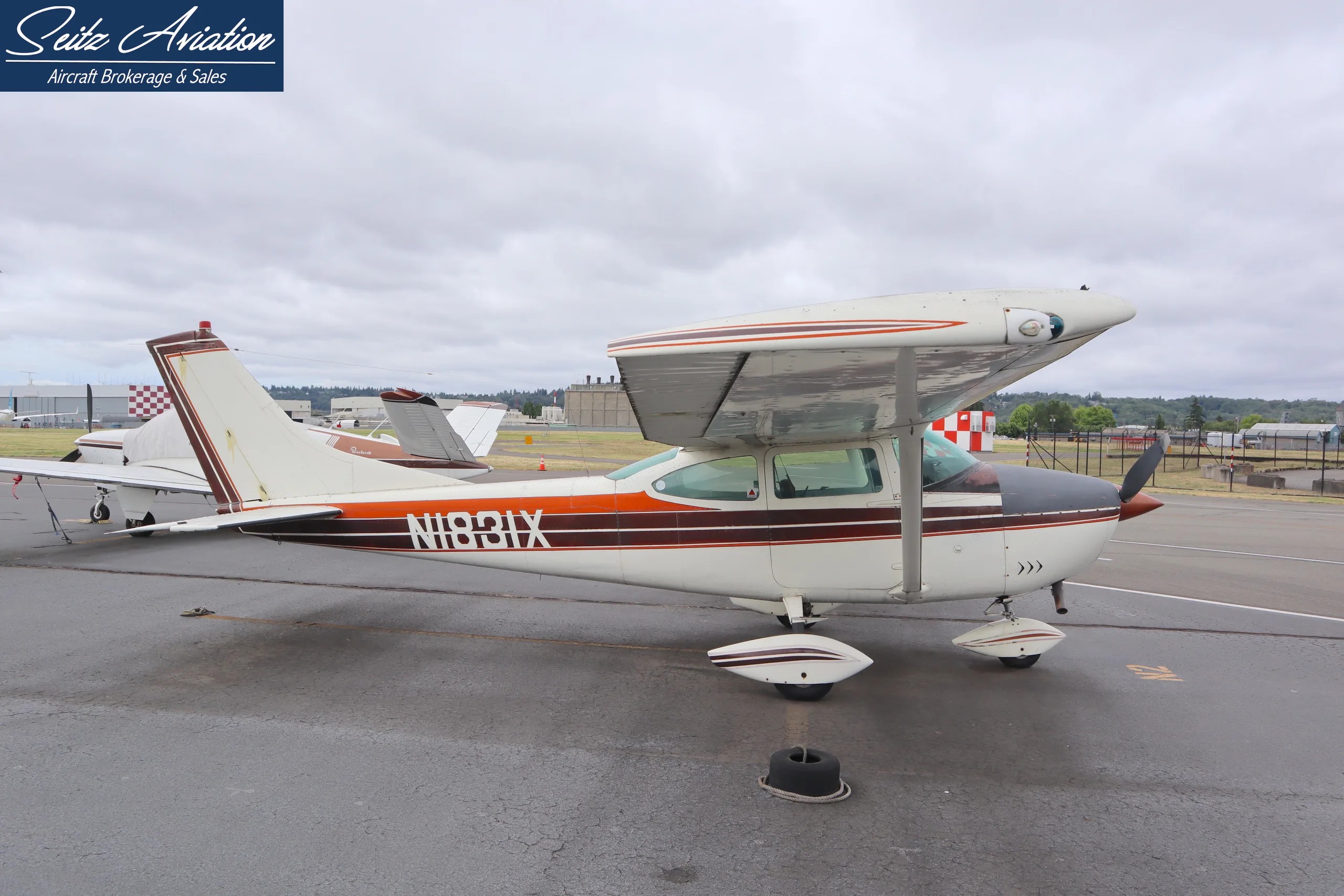
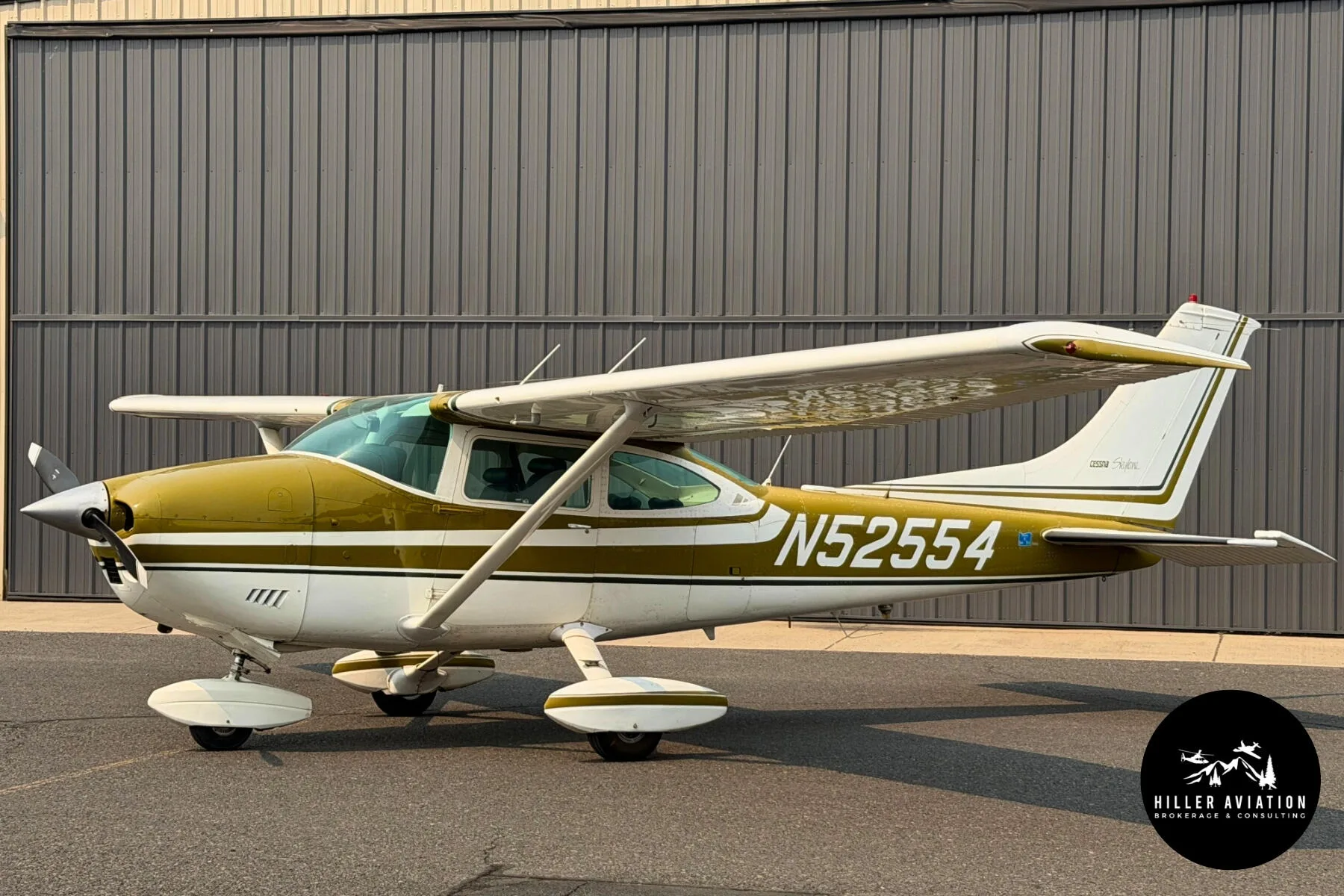
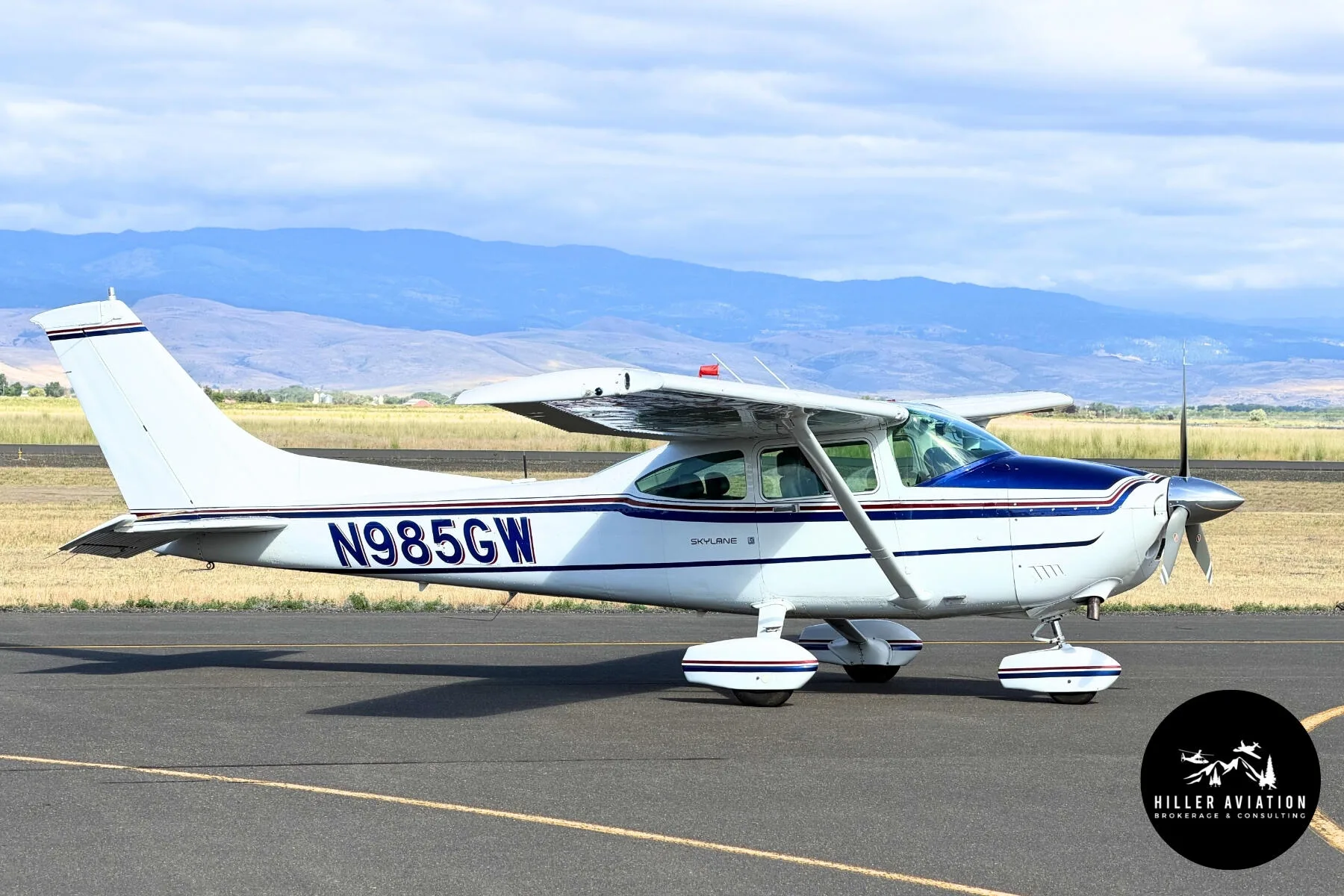
Free — save the 182 to your watchlist and track it in one place.
More CESSNA 182S SKYLANEmanuals & documents
- C182 Systems - FAA SafetySystems Description
- CESSNA 182S SKYLANE PERFORMANCE DATAPerformance Data
- VISUAL INSPECTION - Cessna Flyer AssociationService Bulletins
- SKYLANE 182T - Tropical Aviation DistributorsAvionics Manual
- Floatplane Source Noise Measurements Summary of Measurements, Data and Analyses for the Cessna 182S Skylane and De Havilland Canada DHC-2 BeaverPerformance
- Exhaust Systems Engine Mounts Carb Air BoxesSystems Description
- AAIB Bulletin No: 4/2003Other Documents
- Airworthiness Approval Note - Civil Aviation AuthorityType Certificate
- Cessna 182S Skylane N965CWChecklist
- Pilot's Operating Handbook and FAA Approved Airplane Flight ManualPilot's Operating Handbook
- Cessna 182S Skylane ChecklistChecklist
Related documents
- CESSNA 182P SKYLANE Model GuideCESSNA 182P SKYLANE · Model Guide
- CESSNA 182T SKYLANE Model GuideCESSNA 182T SKYLANE · Model Guide
- CESSNA 182R SKYLANE Model GuideCESSNA 182R SKYLANE · Model Guide
- CESSNA 182F Skylane Model GuideCESSNA 182F Skylane · Model Guide
- CESSNA 182D Skylane Model GuideCESSNA 182D Skylane · Model Guide
If you fly the CESSNA 182S SKYLANE, you may also be researching these.


In this document
Weights and loading
The handbook lists maximum ramp weight 3,110 lb, takeoff 3,100 lb and landing 2,950 lb. It gives standard empty weight as 1,925 lb with a maximum useful load of 1,185 lb. The brochure shows 1,965 lb empty and 1,145 lb useful load. Baggage allowance is 200 lb. Always use the weight and balance of the specific airplane.
What to inspect
A Cessna Flyer Association article on 182s (focused on older Continental-powered models) advises checking wingtip heights, skin wrinkling and signs of a wing strike. Fuel stains above the door suggest a leaking fuel bladder. Check the 209 bulkhead for cracks; the repair kit costs over $7,000. AD 72-07-09 requires a vertical stabilizer spar check every 1,000 hours.
Example listing
One 2000-model listing (N965CW) asks $299,900. It shows 3,090 airframe hours, 1,000 engine hours since factory remanufacture and 400 prop hours since overhaul. It notes complete logs, minor damage history and a September 2023 annual. Specifications are subject to verification on inspection.
Safety notes
- Maximum demonstrated crosswind in the pilot's checklist is 15 knots.
- The FAA Safety Team says the Skylane needs a high-performance endorsement and careful engine temperature management.
- Treat the propeller as if the ignition were on when switching on the master, using external power or pulling the prop by hand.
Full document text
CESSNA 182S SKYLANE Model Guide The CESSNA 182S SKYLANE is a four-seat, high-wing, single-engine piston airplane. It has a 230 hp Lycoming IO-540-AB1A5 and a constant-speed McCauley three-blade propeller. Handbook figures show a 3,100 lb maximum takeoff weight, 145 kt maximum speed at sea level and a 795 ft takeoff ground roll. • Seats four, with a 200 lb baggage allowance and about 1,145 lb useful load, so weight and balance needs care. • Handbook cruise is 140 kt at 80% power at 6,000 ft. Range is 820 NM at 75% power, or 915 NM in the brochure. • Short-field capable: 795 ft ground roll and 1,514 ft over a 50 ft obstacle, per the handbook. • Fuel is 92 gal total, 88 gal usable. Stall speed is 54 KCAS flaps up and 49 KCAS flaps down. Weights and loading The handbook lists maximum ramp weight 3,110 lb, takeoff 3,100 lb and landing 2,950 lb. It gives standard empty weight as 1,925 lb with a maximum useful load of 1,185 lb. The brochure shows 1,965 lb empty and 1,145 lb useful load. Baggage allowance is 200 lb. Always use the weight and balance of the specific airplane. What to inspect A Cessna Flyer Association article on 182s (focused on older Continental-powered models) advises checking wingtip heights, skin wrinkling and signs of a wing strike. Fuel stains above the door suggest a leaking fuel bladder. Check the 209 bulkhead for cracks; the repair kit costs over $7,000. AD 72-07-09 requires a vertical stabilizer spar check every 1,000 hours. Example listing One 2000-model listing (N965CW) asks $299,900. It shows 3,090 airframe hours, 1,000 engine hours since factory remanufacture and 400 prop hours since overhaul. It notes complete logs, minor damage history and a September 2023 annual. Specifications are subject to verification on inspection. Safety notes: • Maximum demonstrated crosswind in the pilot's checklist is 15 knots. • The FAA Safety Team says the Skylane needs a high-performance endorsement and careful engine temperature management. • Treat the propeller as if the ignition were on when switching on the master, using external power or pulling the prop by hand.